





![[Add-on] Jackery SolarSaga 500 X - Jackery](http://www.jackery.com/cdn/shop/files/add-on-jackery-solarsaga-500-x-1493607.webp?v=1786503068&width=324)
![[Add-on] Jackery Battery Pack 5000 Plus - Jackery](http://www.jackery.com/cdn/shop/files/add-on-jackery-battery-pack-5000-plus-6713401.webp?v=1786503068&width=324)







The clearest divide in mobile solar power is not between brands—it is between traditional rigid glass panels and advanced flexible solar cells. This debate never truly settles because the two technologies are engineered to solve entirely different off-grid challenges. Rigid panels promise a robust 25-year service life and maximum efficiency, but they require a flat mounting surface and heavy structural supports.
Flexible panels, by contrast, allow you to deploy solar power where rigid glass simply cannot fit. However, this extreme versatility carries clear trade-offs: higher upfront costs per watt, a shorter overall lifespan, and significant output degradation under high-temperature conditions. If your off-grid installation demands a curved surface, a featherweight load, or a completely drill-free setup, you are in flexible solar territory. Let's analyze how these thin-film cells generate electricity, evaluate their materials, and outline how to integrate them into your power system.
How Flexible Solar Cells Generate Electricity
Flexible solar cells generate electricity using the same basic photovoltaic principles as traditional rigid panels, but they utilize semiconductors sliced thin enough to flex without fracturing. Standard monocrystalline silicon wafers—the same material used in rigid panels—are sliced directly from silicon ingots using advanced, high-precision diamond wire saws to a thinness of 100 to 150 micrometers. At this microscopic scale, normally brittle silicon becomes flexible enough to conform to a curved vehicle roof without cracking, avoiding the micro-cracks that traditional mechanical grinding would cause.
While ultra-thin monocrystalline silicon can hit over 26% efficiency in laboratory conditions, real-world commercial panels typically settle between 16% and 21% efficiency, depending on encapsulation quality and operating temperatures. When an installation demands extreme curvature (such as wrapping around a boat mast), copper indium gallium selenide (CIGS) thin-film takes over. CIGS technology deposits a microscopic semiconductor layer directly onto a flexible polymer backing. Although CIGS is less efficient (typically 10% to 18%), it can survive tight bending radii that would easily fracture silicon wafers.
Regardless of their chemical composition, the direct current (DC) output generated by flexible cells requires an advanced MPPT (Maximum Power Point Tracking) charge controller to charge off-grid batteries safely. Older, low-cost PWM controllers pull panel voltages down to battery voltage, wasting up to 30% of your potential solar harvest. High-efficiency MPPT controllers adjust voltage dynamically to squeeze maximum wattage out of your panels, even in partial shade.
Materials and Construction of Flexible Panels
Flexible solar panels are constructed by laminating a UV-resistant protective frontsheet, thin-film solar cells, and a structural backsheet into a single, cohesive, glass-free sheet. The most critical component of this laminate is the protective frontsheet, which must shield the delicate cells from UV rays, salt water, and physical abrasion while remaining optically clear over years of operation.
High-end flexible panels utilize ethylene tetrafluoroethylene (ETFE), a durable polymer that resists UV yellowing and degradation for 10 to 25 years. Low-cost budget panels utilize polyethylene terephthalate (PET), which typically clouds and degrades under direct sunlight within 18 to 36 months, reducing light transmission and cutting solar generation.
Eliminating the heavy glass frontsheet and aluminum frame allows flexible panels to weigh only 2 to 4 kg per square meter (compared to 10 to 14 kg per square meter for rigid panels). This massive 70% to 80% weight reduction makes flexible solar ideal for weight-sensitive applications, such as pop-top tents, teardrop camper trailers, and boat biminis.
Critical Quality Note: Lamination and edge seal quality are the primary predictors of flexible panel failure. A microscopic breach along the panel edge allows moisture to creep between layers. Once moisture contacts the internal electrical connections, rapid delamination and corrosion occur, creating high-resistance hot spots that can permanently destroy the panel.
Key Performance Trade-Offs vs. Rigid Panels
While flexible solar cells excel in versatility, they require significant performance and durability trade-offs compared to traditional rigid panels:
|
Performance Metric |
Traditional Rigid Glass Panels |
Advanced Flexible ETFE Panels |
|
Average Module Efficiency |
21% – 24% |
16% – 21% |
|
Structural Weight |
10 – 14 kg/m² (Heavy glass/aluminum) |
2 – 4 kg/m² (Ultra-lightweight) |
|
Typical Lifespan |
25 – 30 Years (Robust infrastructure) |
5 – 10 Years (Consumable component) |
|
Thermal Heat Dissipation |
Excellent (Air gap under rails keeps panels cool) |
Poor (Flush mounting traps thermal heat) |
|
Average Upfront Cost |
$0.70 – $1.20 per Watt |
$1.40 – $2.50 per Watt |
The thermal penalty is a silent output killer. Standard rigid panels are mounted on rails, leaving a 100mm air gap underneath that allows wind to cool the cells. Flexible panels, conversely, are typically glued flush to vehicle roofs. Silicon cells lose roughly 0.4% efficiency for every 1°C increase above 25°C. On a hot summer day, a dark metal vehicle roof can easily reach 65°C, causing a severe 16% to 20% collapse in real-world output. Designing your array with a 30% capacity buffer is necessary to offset these thermal losses.
Why Flexible Solar Cells Excel for Off-Grid Power
Despite their shorter lifespans, flexible solar panels are highly valued in mobile off-grid applications because they conform perfectly to curved surfaces like motorhome roofs, molded-fiberglass camper shells, and boat biminis. They can be mounted securely using high-strength Very High Bond (VHB) adhesive tape, requiring zero roof drilling and completely eliminating water leak risks.
Additionally, their flush-mount profile reduces aerodynamic drag, which prevents wind noise and protects fuel efficiency. For vehicles parked in low-clearance residential garages, eliminating the extra height of standard rigid mounting rails can be the difference between fitting inside and scraping.
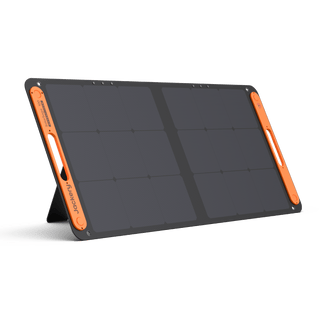
For mobile deployments, check out our guide on folding solar panels to compare portable options against permanent flexible laminates.

Critical Installation and Maintenance Best Practices
To maximize the performance and lifetime of your flexible panels, implement these crucial installation steps:
- Create a Small Air Gap: Never lay down a continuous bed of adhesive. Instead, apply thick beads of VHB adhesive tape spaced to leave open air channels beneath the panel. Creating even a 5mm to 10mm breathing space drops cell operating temperatures significantly, improving daily Watt-hour yields.
- Prioritize ETFE Frontsheets: If your system is exposed to high-UV environments (like desert climates or marine docks), avoid low-cost PET models. ETFE panels will outlast PET by years, saving you money on early replacements.
- Protect Junction Box Connections: Vehicle vibrations and boat wakes can put physical strain on your panel's junction boxes. Secure your solar cables with adhesive strain-relief clamps to prevent the solder joints from cracking over time.
- Conduct Regular Edge Inspections: Inspect your panel's laminated edges once a season. If you notice minor peeling or bubbling, apply a thin bead of marine-grade silicone sealant to reseal the breach and prevent moisture ingress.
Pairing Flexible Solar with Scalable Power Stations
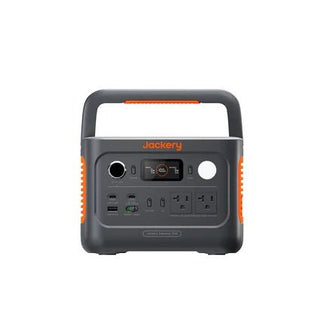
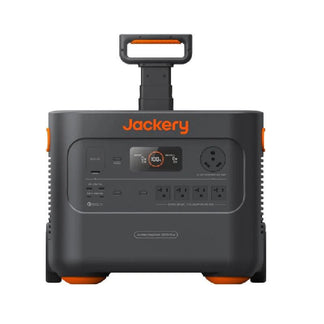
Because flexible panels are subject to dynamic shading and variable sun angles under mobile conditions, they charge most efficiently when paired with a portable power station equipped with an advanced MPPT charge controller. To explore portable off-grid setups, review Jackery's selection of premium solar generators.
Two high-performance systems are ideal candidates to pair with flexible solar arrays:
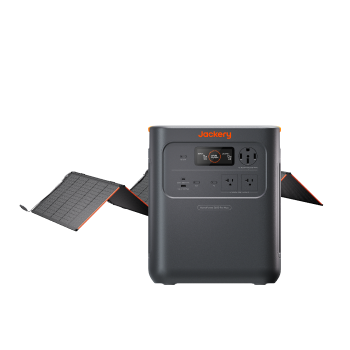
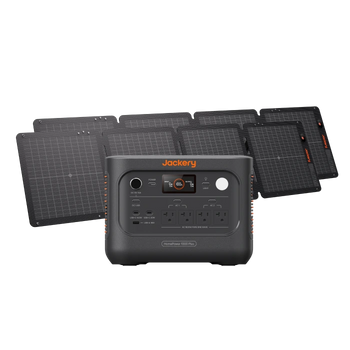
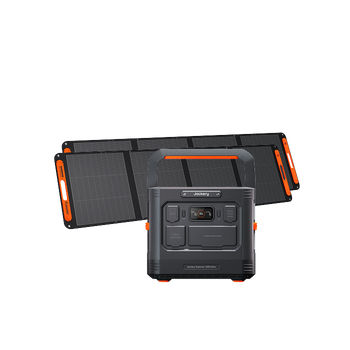
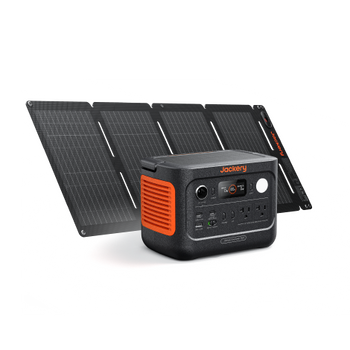
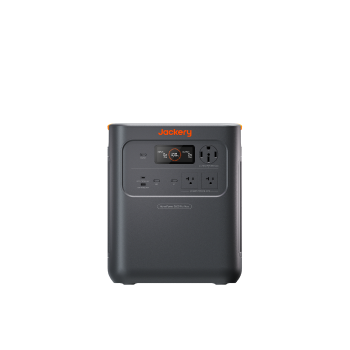
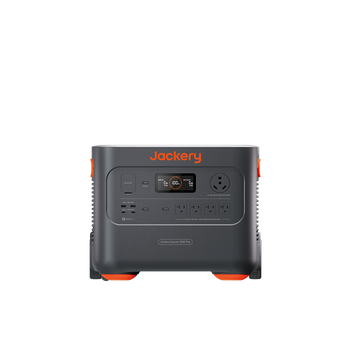
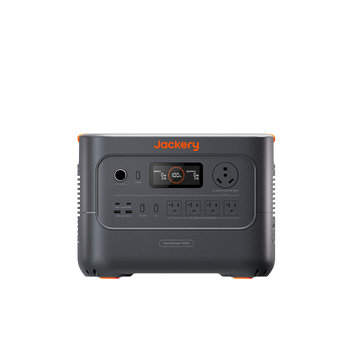
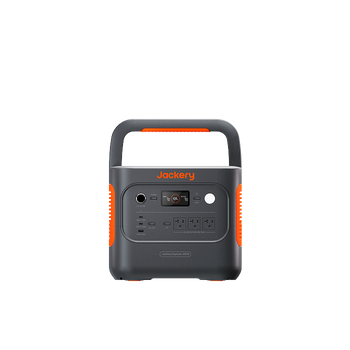
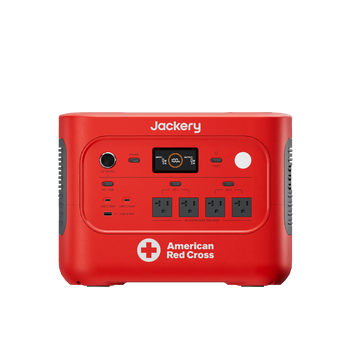
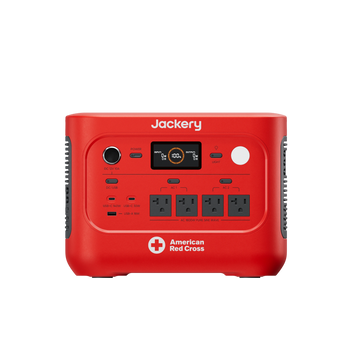
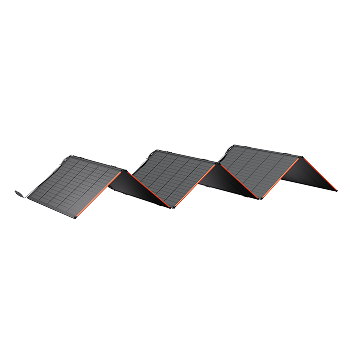
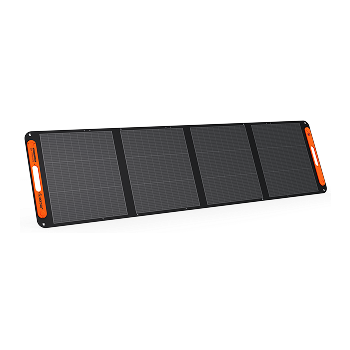
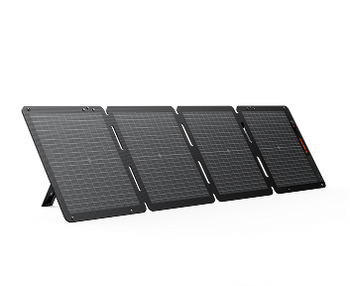
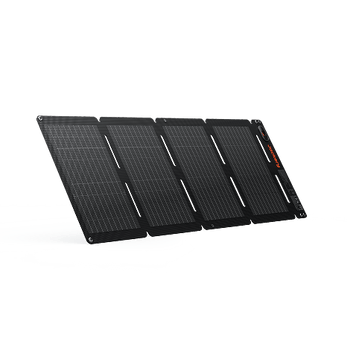
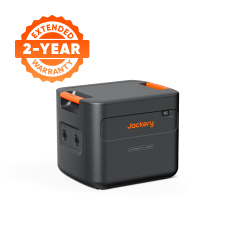
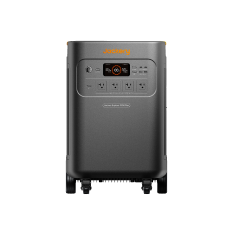
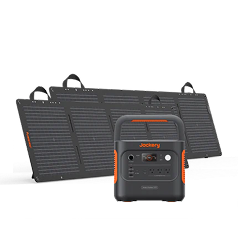
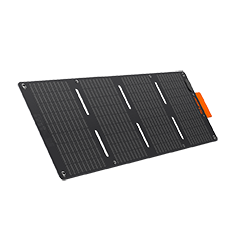
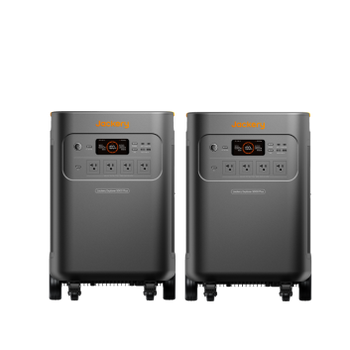
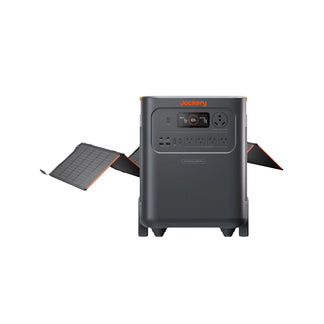
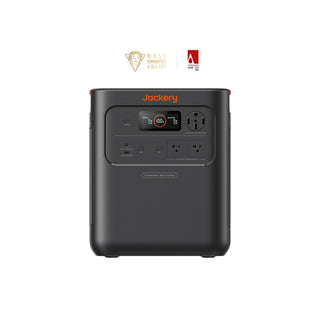
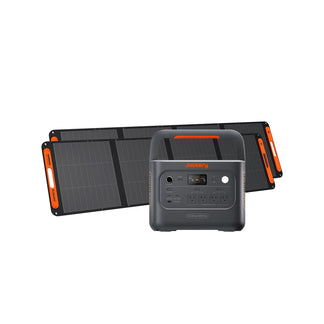
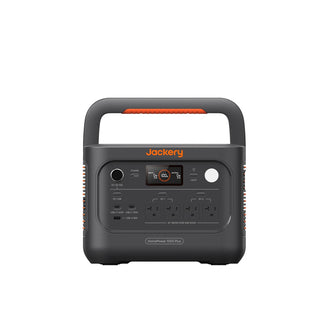
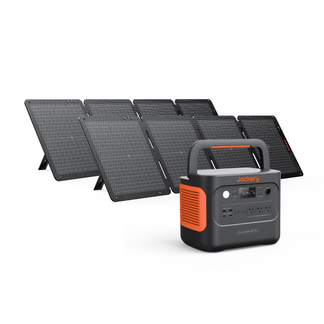
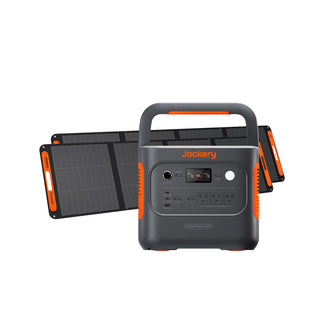
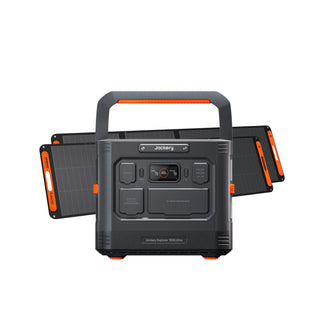
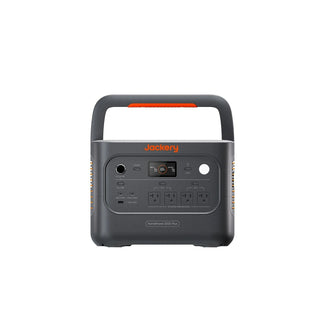
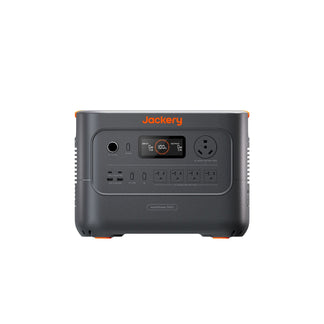
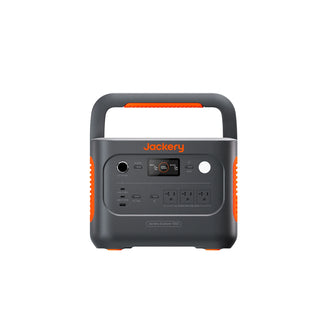
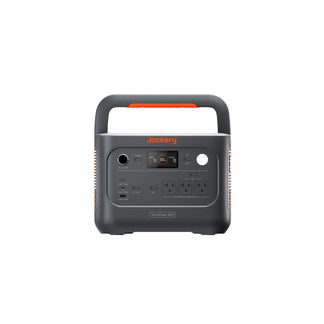
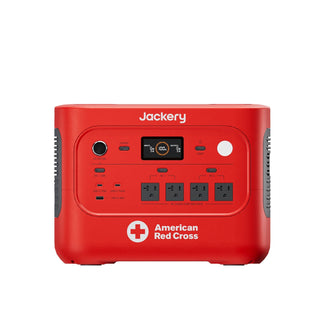
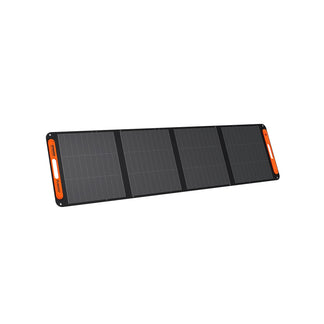
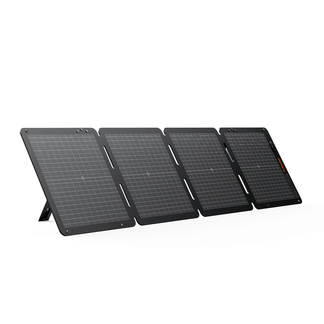
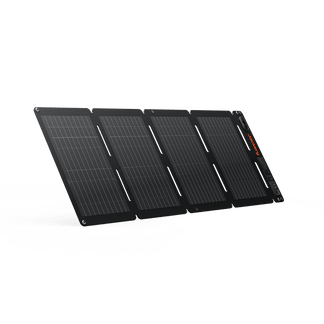
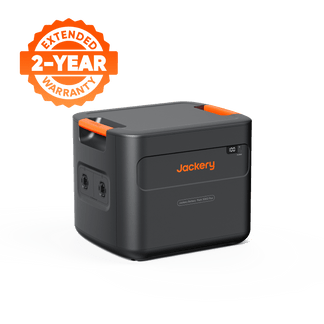
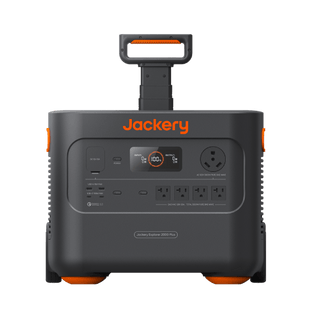
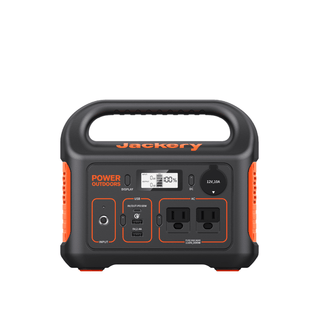
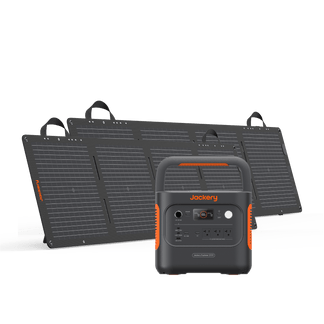
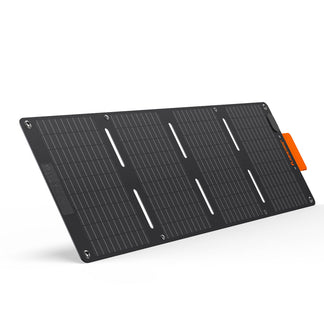
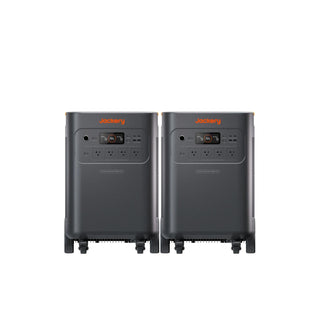
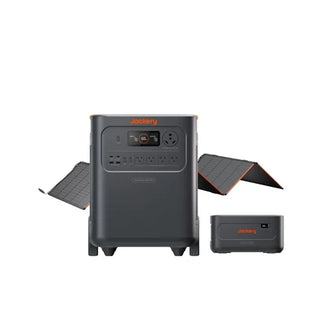
Jackery Solar Generator HomePower 3600 Plus + SolarSaga 500X: Features a robust 3,584 Wh capacity, capable of running essential loads silently through extended blackouts. Its advanced MPPT controller manages variable voltage inputs from flexible arrays, and the capacity can scale up to 43 kWh.
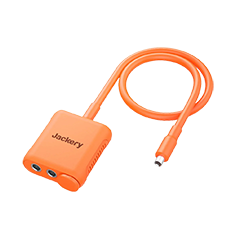
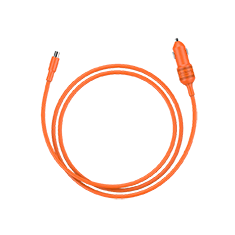
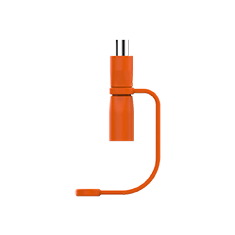
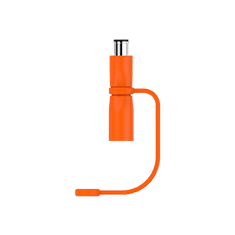
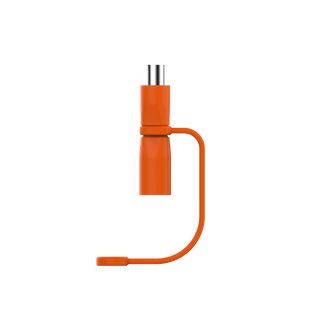
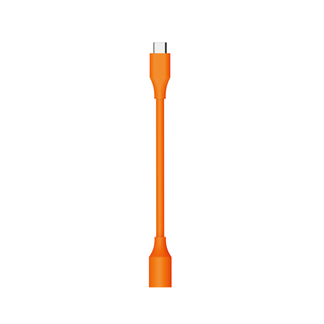
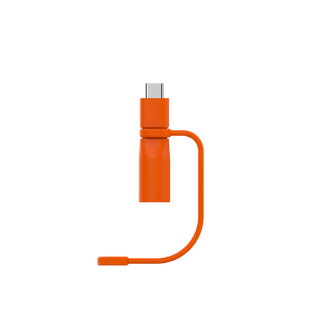
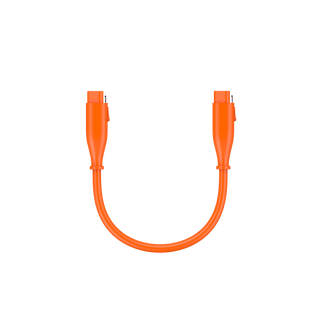
Note: Since standard flexible panels utilize universal MC4 connectors, pairing them with the Jackery HomePower 3600 Plus simply requires a standard MC4-to-DC8020 (8mm) adapter cable to connect to its dual solar ports.
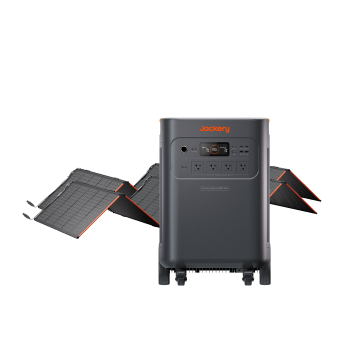
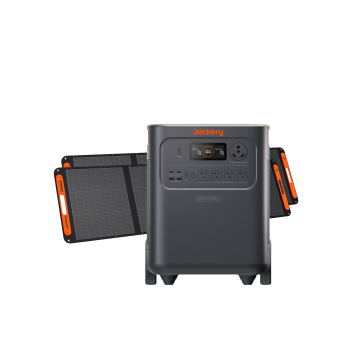
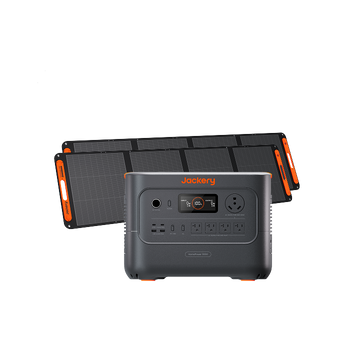
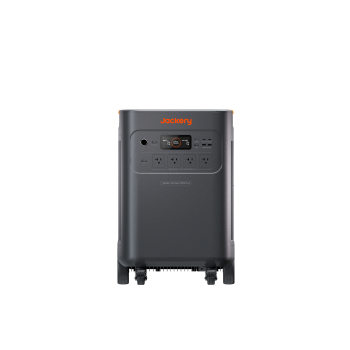
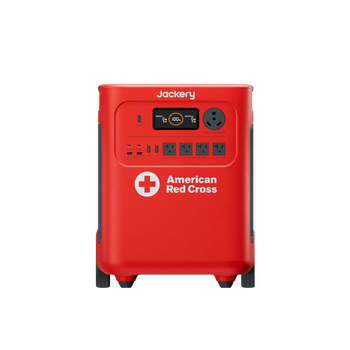
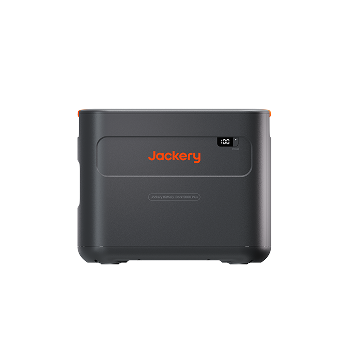
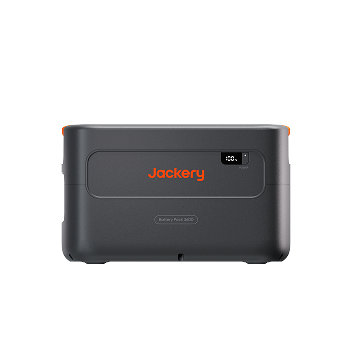
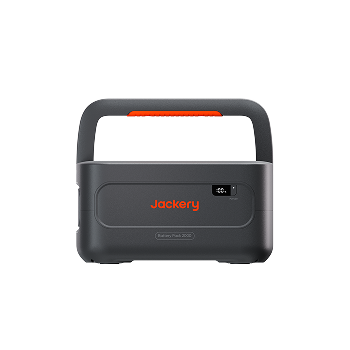
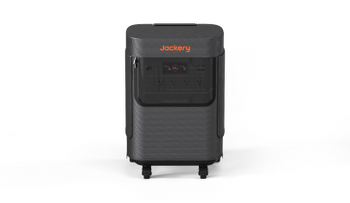
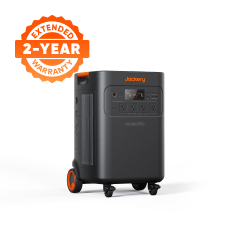
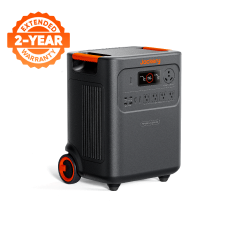
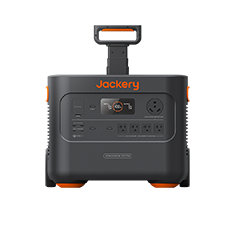
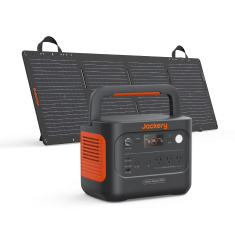
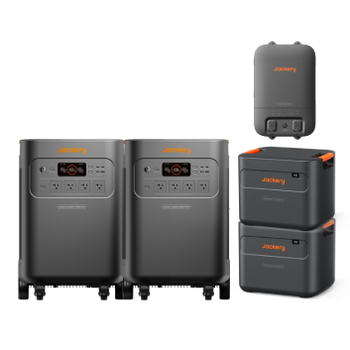
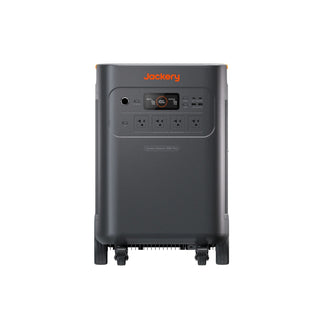
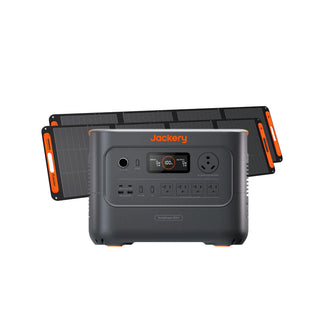
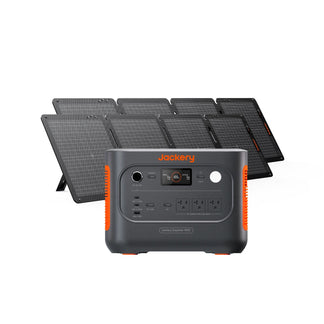
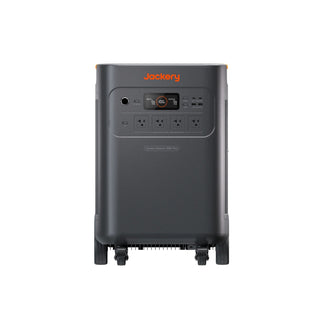
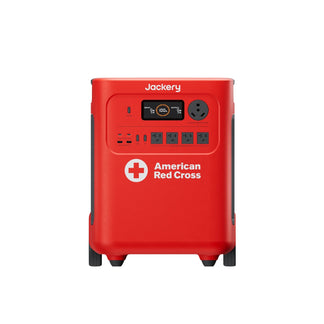
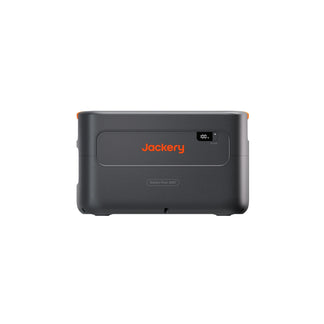
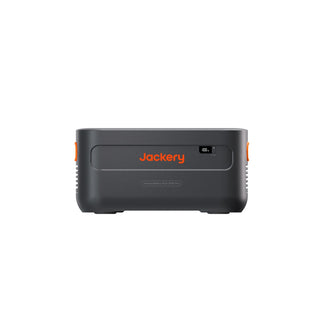
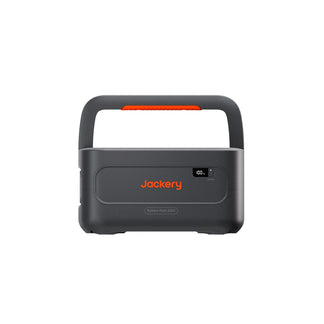
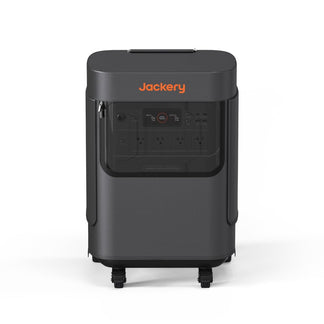
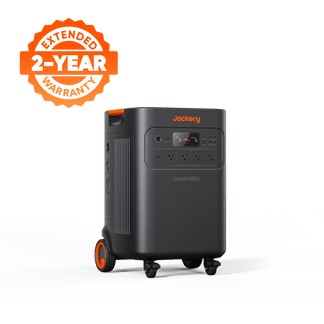
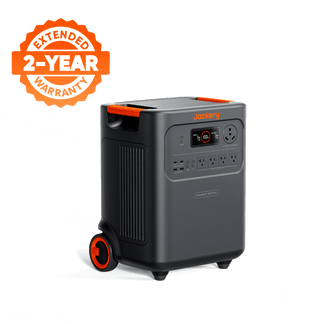
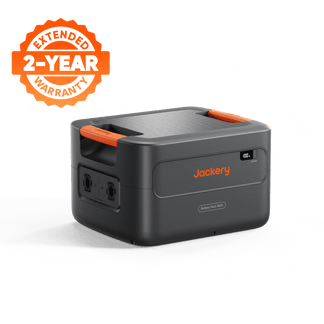
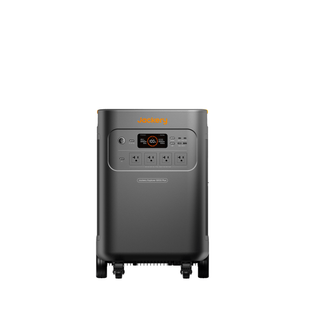
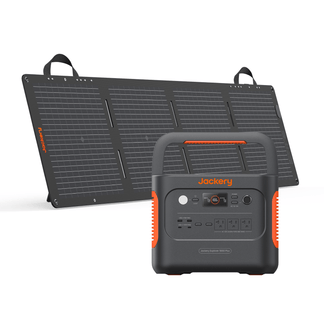
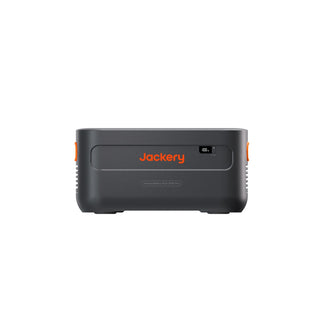
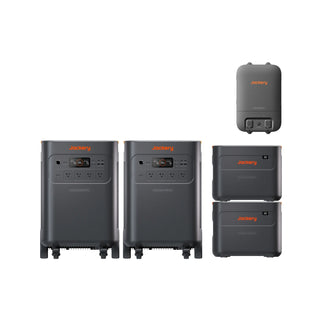
Jackery Solar Generator 5000 Plus: Sized for heavier off-grid loads, delivering a 7,200W continuous output (14,400W surge) from a 5,040 Wh base capacity (expandable to 60 kWh). Its standard MC4 connection ports allow you to connect flexible panel arrays without requiring custom wiring adapters.
Frequently Asked Questions
Are flexible solar panels worth it?
They are highly worth the investment when your installation requires curved surfaces, strict weight limitations, or a drill-free setup. However, if your roof is flat and sturdy enough to handle traditional structural rails, rigid panels are a more cost-effective financial choice due to their longer lifespans and lower purchase costs per watt.
Can I mount them completely flat on a roof?
Physically, yes. However, gluing a flexible panel completely flush to a hot vehicle roof traps heat against the cells, reducing your output by 10% to 20% on hot days and shortening the panel's lifespan by 3 to 5 years due to thermal stress. Adding a small 5mm air gap under the panel is highly recommended to protect your cells.
How long do flexible solar panels last?
A premium ETFE-protected flexible panel typically lasts between 5 and 10 years under normal mobile conditions. Lower-cost PET panels, conversely, are prone to rapid UV degradation and delamination, often requiring replacement within 3 to 5 years.
How should I clean my flexible panels?
Clean your panels monthly using a soft microfiber cloth, warm water, and a mild dish soap. Avoid using abrasive sponges, squeegees, or harsh chemical cleaners, as they can scratch the outer ETFE protective laminate and permanently lower your generation efficiency.
Are flexible panels vulnerable to hail?
Yes, they are more vulnerable than rigid glass panels. While the outer polymer laminate is impact-absorbing, a heavy hailstone strike can create microscopic micro-cracks in the underlying silicon wafers, leading to progressive cell degradation and permanent power losses over time.


