






















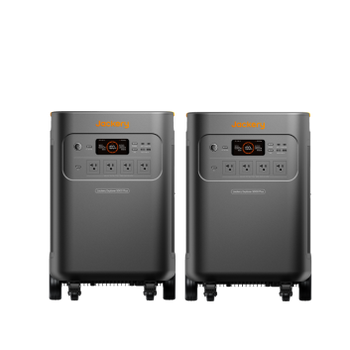
![[Add - on] Jackery Manual Transfer Switch for Explorer 5000 Plus - Jackery](http://www.jackery.com/cdn/shop/files/add-on-jackery-manual-transfer-switch-for-explorer-5000-plus-9017324.png?v=1754016782&width=350)



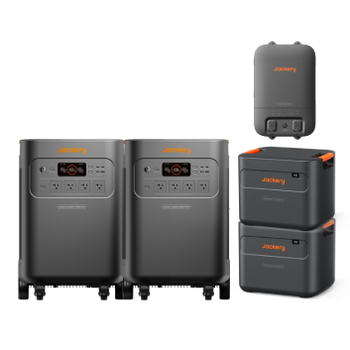
![[Add - on] Jackery Battery Pack 5000 Plus - Jackery](http://www.jackery.com/cdn/shop/files/add-on-jackery-battery-pack-5000-plus-6078351.png?v=1754016791&width=324)


![[Add - on] Jackery Car Charging Cable - Jackery](http://www.jackery.com/cdn/shop/files/add-on-jackery-car-charging-cable-3882421.png?v=1754016863&width=324)

















![[Add - on] Jackery Smart Transfer Switch - Jackery](http://www.jackery.com/cdn/shop/files/add-on-jackery-smart-transfer-switch-5842915.png?v=1754016784&width=324)
![[Add - on]Jackery 102W GaN 3 - Port Fast Charger - Jackery](http://www.jackery.com/cdn/shop/files/add-onjackery-102w-gan-3-port-fast-charger-6377742.png?v=1754016790&width=324)



![[Add - on] SolarSaga 200W - Jackery](http://www.jackery.com/cdn/shop/files/add-on-solarsaga-200w-4834329.png?v=1754016915&width=324)

![[Add - on] Jackery Manual Transfer Switch for Explorer 5000 Plus - Jackery](http://www.jackery.com/cdn/shop/files/add-on-jackery-manual-transfer-switch-for-explorer-5000-plus-9017324.png?v=1754016782&width=324)


If you're deciding between a gas generator and a solar generator, here's the short answer:
- Choose a gas generator if you require high power output for heavy-duty appliances or live in areas with limited sunlight availability.
- Go for a solar generator if you want quiet, eco-friendly, and low-maintenance power, especially for indoor use, outdoor trips, or emergencies.
If you are still unsure or want to learn more in detail, this solar vs. gas generator guide breaks it all down so you can choose with confidence. From power needs and running costs to safety and ease of use, you’ll get clear comparisons at every step.
If you are interested in solar generators, you can consider the essential home and outdoor backup solutions from Jackery, which are powerful, portable, and reliable even during extended power outages.
Takeaways
- Gas generators are better suited for high-powered, long-duration needs, especially in areas with limited solar access.
- Solar generators are safer, quieter, and easier to maintain, which makes them an ideal choice for homes, RVs, and everyday use.
- Jackery HomePower 3000 can be recharged using both solar panels and gas generators, allowing hybrid use with gas generators during emergencies.
- In the long run, solar generators cost less to operate and offer greater convenience for clean energy usage at home or on the go.
- How to make gas and solar generators work together.
What Should You Consider Before Choosing a Generator?
Before selecting the right generator for power outages or outdoor adventures, carefully consider your power requirements, portability, location, noise levels, and budget.
Power Needs: Begin by determining the actual power requirements. For example, a fridge, lights, and a few devices might only need 1,000-2,000 watts. On the other hand, for an essential home backup during outages, you would need 2,500-3,500 watts or more. Gas generators are better for large, energy-hungry loads. Solar generators can easily handle essentials and, with enough battery storage, even more.
Location: Gas generators must be placed outdoors with proper ventilation. They emit fumes and cannot be used in enclosed spaces. In contrast, solar generators are clean and safe for indoor use. If you live in an apartment or want something safe for enclosed patios or RVs, a solar generator is the better fit.
Frequency of Use: If you plan to use the generator only for whole-home backup, a gas generator may be suitable, but it requires regular maintenance, even when idle. Solar generators are more suitable for frequent use because they store power, operate silently, and require minimal upkeep. They are also great for powering small to medium appliances during daily use or outdoor setups.
Safety Concerns: Gas generators pose safety risks, including carbon monoxide emissions, fuel storage issues, and fire hazards. That is why they need distance, ventilation, and caution. Solar generators skip all that hassle, as they do not require any fuel and do not emit any toxic fumes. You can also use the solar generator inside the room, a tent, or even an RV.
What is the Difference Between a Gas and Solar Generator?
Gas generators run on fuel and provide power instantly, but they are noisy, require regular maintenance, and release emissions. Solar generators harness free sunlight, store energy in batteries, and operate silently with minimal upkeep. Here's a table comparing gas vs. solar generators:
|
Gas Generator |
Solar Generator |
|
|
Fuel |
Natural gas, propane, or gasoline |
Sunlight |
|
Emissions |
Toxic emissions |
None |
|
Noise |
Moderate to High (like a motorcycle sound) |
Low (like a whisper) |
|
Operation |
Generates power as long as the fuel is available. |
Stores the energy generated in the batteries for later use. |
|
Maintenance |
Regular (oil changes and filter replacements) |
Minimal (cleaning solar panels and battery checks) |
Which Generator Has Lower Operating Costs in the Long Run?
Solar generators have low operating costs in the long run because they operate on free sunlight and require minimal maintenance. Let's explain in detail:
Gas Generator: A typical mid-sized unit burns about 0.5 to 0.75 gallons of gasoline per hour at 50% load. At an average fuel price of $3.50 per gallon, this translates to $1.75 to $2.63 per hour of operation. Over 10 hours of use during an outage, that’s around $17 to $26 per day, and even more if running at higher loads. When you add routine maintenance like oil changes, air filter replacements, and spark plug servicing, the lifetime cost can exceed that of a solar generator.
Solar Generator: In contrast, the main operating costs of a solar generator only include battery maintenance and periodic cleaning of solar panels once in a while. You do not have to worry about recurring fuel costs. Even though the upfront costs are high, the minimal ongoing expenses make them cost-effective in the long run.
In early March 2026, global oil price volatility highlighted how quickly operating costs for fuel-powered equipment can change. Brent crude briefly rose above $100 per barrel, contributing to the largest single-week gasoline price increase in the United States since 2022. California’s average gasoline price climbed to about $5.20 per gallon, while Colorado recorded monthly increases exceeding 20%, pushing the national average upward as well.
For gas generator owners, rising gasoline prices directly affect the cost of running their equipment. Each outage or extended use period requires more fuel, which can become expensive when prices surge. Solar generators operate differently. Instead of relying on gasoline, they generate electricity from sunlight through solar panels. This means there is no need to purchase fuel or worry about fluctuations in gasoline prices. For homeowners who value predictable operating costs and greater energy independence, solar generators offer a stable alternative during outages and emergencies.
Which Generator is Easier to Use and Maintain?
Solar generators are generally easier to use and maintain compared to gas generators. Solar generators have no moving parts, which is why they typically require no maintenance for years.
Gas Generator: The engine-based and fuel-based generator requires regular servicing, such as oil changes, spark plug replacement, and proper storage of fuel.
Solar Generator: Occasional cleaning of solar panels and routine checks of batteries are generally enough to maintain the solar generator for years.
Which Generator is Better for Your Specific Use Case?
The better choice between a gas generator and a solar generator depends heavily on your specific needs. Gas generators are more affordable upfront and deliver high power instantly for several days if the fuel is available. Solar generators are better suited for silent and routine use, especially in areas where sunlight is readily available.
Which Generator is Best for Home Backup Power?
Gas generators are more suitable for whole-home backup solutions, whereas solar generators can run critical household appliances during long-term power outages.
Gas Generator: Standby gas generators can easily power the entire home and automatically kick in during an outage. If you have a steady fuel supply, you can keep appliances running for extended periods.
Solar Generator: Solar generators can power essential household appliances, such as refrigerators, TVs, microwaves, and lights, during an outage. You can also invest in a whole-home backup solution to keep almost everything powered in a home.
Which Generator is Best for RV and Road Trips?
Solar generators are generally a better choice for RV and road trips due to their portability, quiet operation, and eco-friendliness compared to gas generators. Many RV users also combine solar panels with intermittent gas generators for reliability during long off-grid trips.
Gas Generator: Gas generators can deliver higher wattage when needed and are useful for running AC or cooking appliances if you’ll be off-grid for several days. But it’s noisy and needs safe fuel storage. Hence, they are not fit for RV campgrounds where noisy generators are not allowed.
Solar Generator: Most RV users prefer portable solar generators for their silent operation and ease of use. They do not emit any toxic emissions and require no fuel. You can easily recharge the portable power station during the day and run lights, fans, and appliances at night.
Which Generator is Best for Outdoor Camping or Tailgating?
Portable solar generators are considered a reliable choice for outdoor camping and tailgating. Since they do not emit any toxic fumes or noise, you can run appliances quietly and enjoy eco-friendly power.
Solar Generator: These portable solar battery backup solutions are ideal for charging phones, lighting tents, or running coolers. You can safely run solar generators around kids, pets, and guests.
Gas Generator: These generators are more suitable for heavy-duty appliances or equipment that require short bursts of high power. However, they are noisy and must be placed away from the event or camping area.
Jackery Solar Generators for Different Scenarios
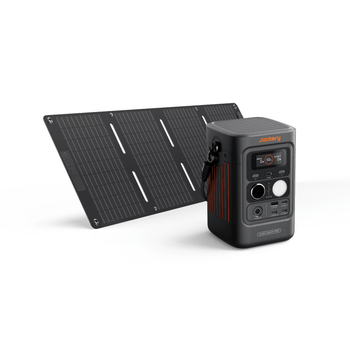
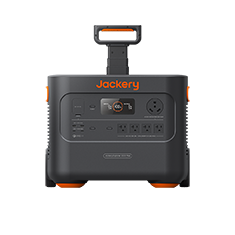
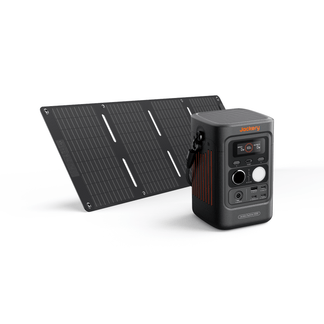
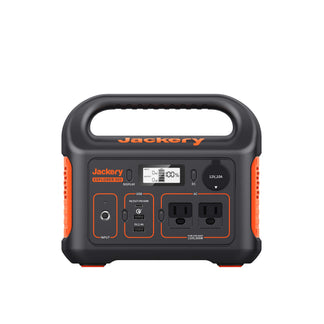
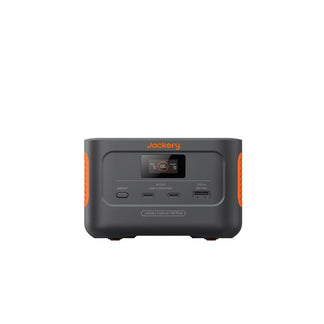
Jackery is a leading manufacturer of solar generators, portable power stations, and solar panels. These are portable solar generators that provide steady electricity to essential appliances whenever needed. Here are two of the best solar generators from Jackery that can be used during power outages or outdoor adventures:
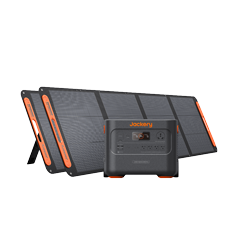
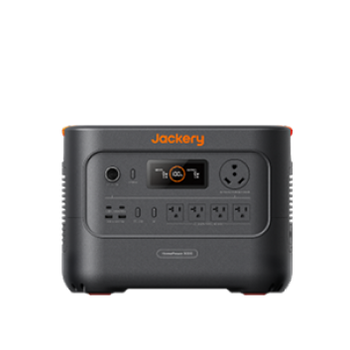
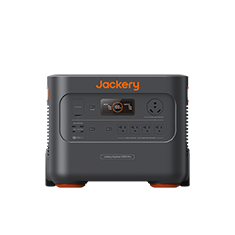
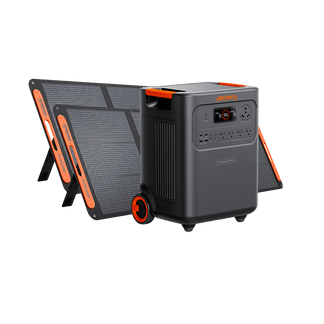
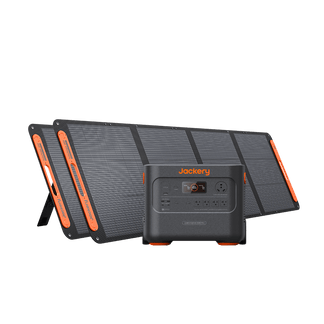
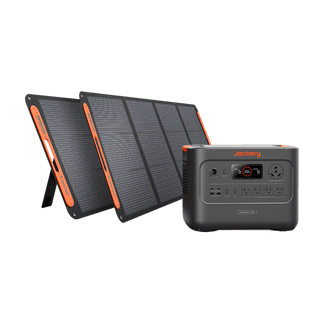
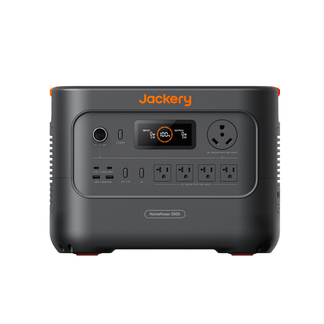
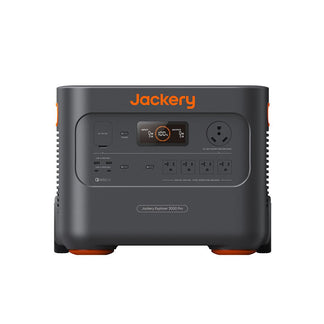
Jackery Solar Generator HomePower 3000
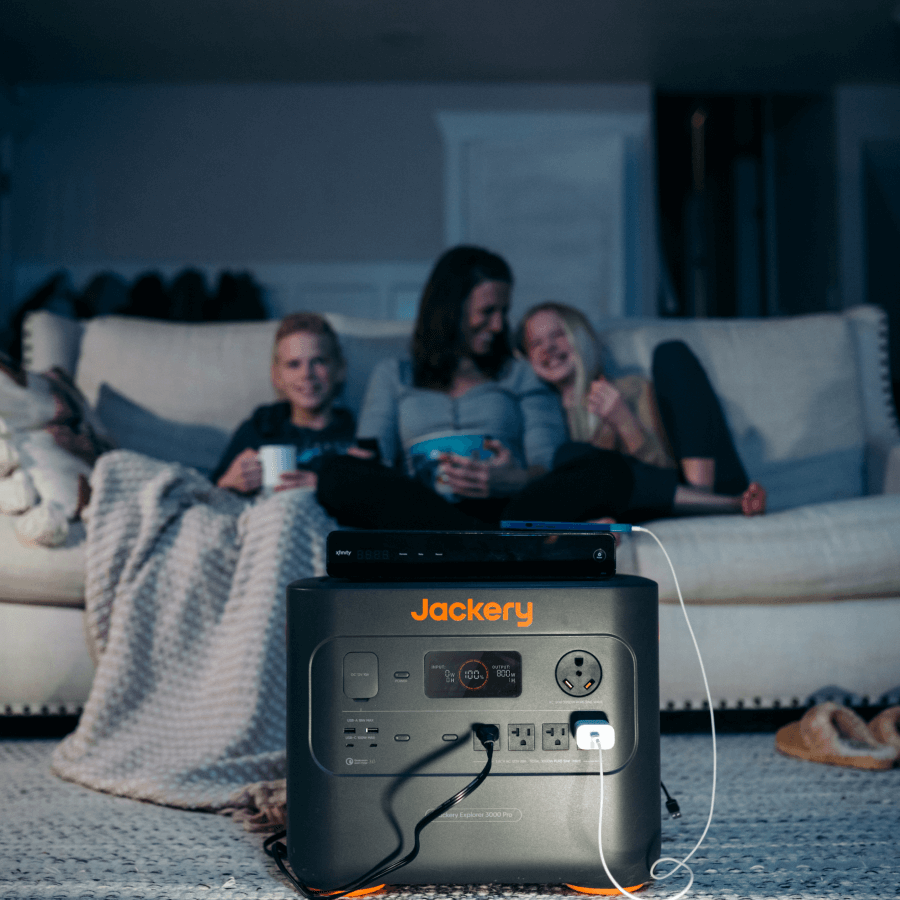
The Jackery Solar Generator HomePower 3000 is an easy home battery backup solution that can also serve as an RV or camping generator. The sturdy handle and ergonomic design ensure easy movement from one place to another. You can easily recharge the portable power station with solar panels during the sunlight or with a gas generator.
Appliances Running Time
Refrigerator (300W) = 8.1H
Cooler (300W) = 8.1H
Lights (10W) = 81.6H
TV (150W) = 15.2H
Induction Cooktop (1000W) = 2.6H

Who Should Buy This
If you need a portable solar generator that can be used during power outages, off-grid trips, or events, you can consider the Jackery Solar Generator HomePower 3000.
Customer Review
“Great home power system. We are using it as an all-in-one inverter/battery/solar system. For the price, it's unbeatable and high quality, and performance in each aspect!” — Bryan.
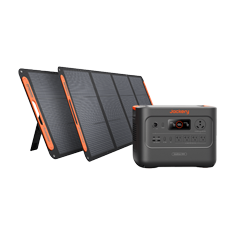
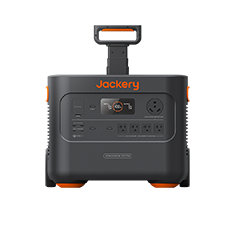
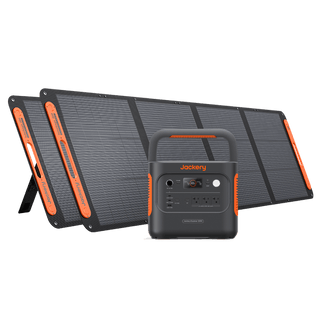
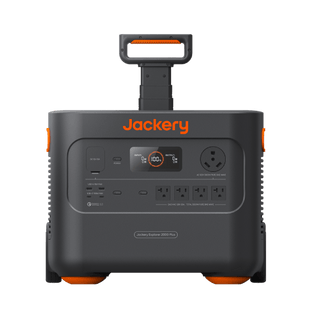
Jackery Solar Generator HomePower 3600 Plus
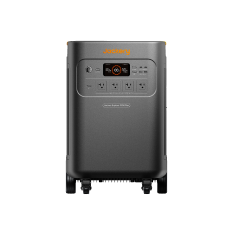
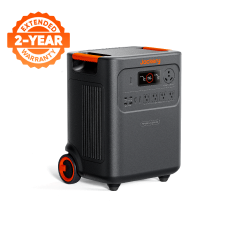
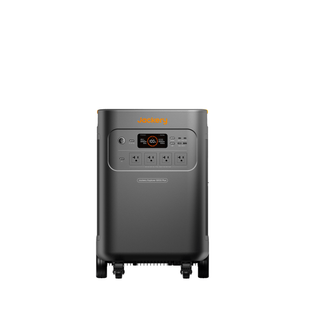
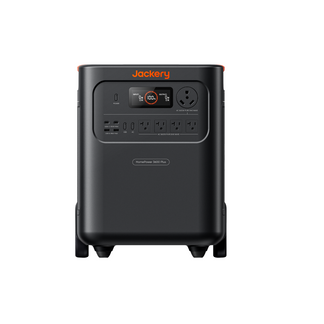
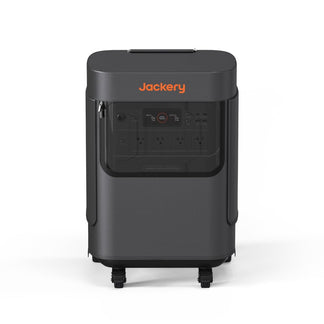
The Jackery Solar Generator HomePower 3600 Plus is an essential home backup solution that can power most of the indoor and outdoor appliances for hours during unexpected power outages. It is expandable to 21kWh and can easily handle heavy home appliances, including pumps, heaters, and dryers, while its plug-and-play design means no complicated installation. With luggage-style wheels and a telescopic handle, it's easy to move wherever you need it most.
Appliances Running Time
Refrigerator (300W) = 9.5H
Cooler (300W) = 9.5H
Lights (10W) = 95.2H
TV (150W) = 17.7H
Induction Cooktop (1000W) = 3.0H

Who Should Buy This
If you are ready to move away from gas dependency and want a reliable home battery backup solution that is ready the moment the power goes out, the Jackery Solar Generator HomePower 3600 Plus is the right choice.
Customer Review
The Jackery 3600 Plus was a great addition to our home! It was exactly what we needed at this time. We needed a Solar Generator due to power outages that affect the East Coast shore areas. After researching various companies, we decided to get the 3600 +. I then hooked our refrigerator to it, and it ran without any issues, and the noise level was very low. — Sgt. D.
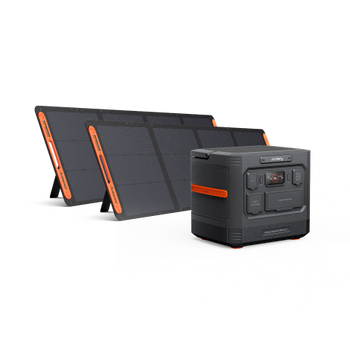
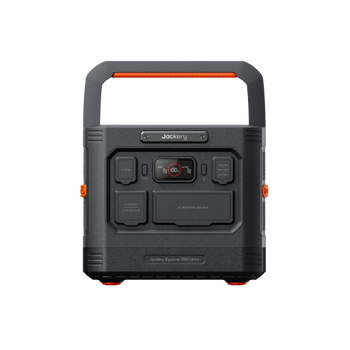
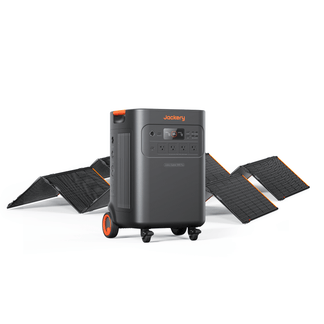
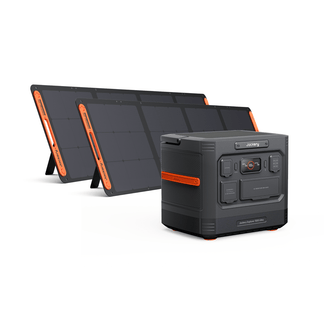
Jackery Solar Generator 5000 Plus
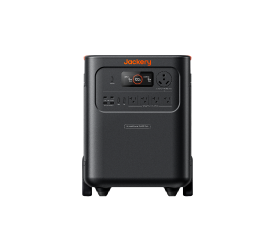
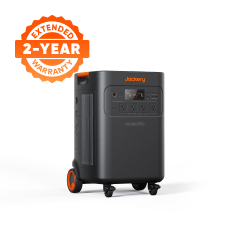
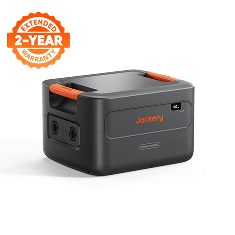
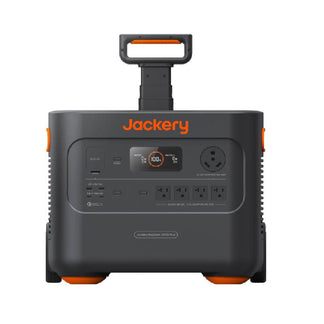
The Jackery Solar Generator 5000 Plus is an essential home backup solution that can seamlessly power critical appliances, such as refrigerators, lights, TVs, etc. You can connect the solar generator to the home's electricity panel to ensure appliances start powering automatically when the grid is down.
Appliances Running Time
Refrigerator (300W) = 12.2H
Cooler (300W) = 12.2H
Lights (10W) = 71.4H
TV (150W) = 21.4H
Induction Cooktop (1000W) = 4.1H

Who Should Buy This
If you are looking for an essential home backup solution for long-term power outages, the Jackery Solar Generator 5000 Plus is an ideal choice.
Customer Review
“I love Jackery products in general. I upgraded to this unit to ensure my house has power to sustain me if needed. Easy to use and excellent customer service.” — Y.S.
How to Make Gas and Solar Generators Work Together?
You don’t always need to choose between a gas or solar generator. In fact, combining both can create a more reliable and efficient power system, especially during extended outages or in locations with less sunlight.
- You can use a solar generator as your primary source. A solar generator like the Jackery HomePower 3000 can power appliances during the day using clean, quiet energy.
- If there is a long-term power cut and no sunlight is available, you can rely on a gas generator to recharge the Jackery HomePower 3000 in only 2.2 hours.
- Once recharged, the Jackery Solar Generator HomePower 3000 can resume powering your essential appliances without the fumes or noise of fuel-based machines.
This gas and solar generator combination reduces fuel consumption, lowers operational noise, and ensures that you have a steady supply of electricity, even when the weather is not in your favor.
Common Questions About Gas and Solar Generators
Which is the best backup generator for home use?
The Jackery Solar Generator HomePower 3000 is one of the best battery backup generators for homes, particularly if you need to power critical appliances during power outages. If you are looking for a battery backup generator with a massive battery capacity, you can consider going ahead with the Jackery Solar Generator 5000 Plus.
How to choose a home backup generator?
To choose the best home backup generator, start by understanding your power needs and prioritizing the essential appliances that you need to keep running. Then, you can choose the type of generator you would like to invest in, as well as other important factors such as noise level and power output.
How many watts of a generator for house backup are needed?
For most homes, you would need a generator between 5,000 and 7,500 watts. It is sufficient to power most household appliances during a power outage or blackout.
What is more efficient: a solar or a gas generator?
A solar generator is more environmentally friendly and cost-effective in the long term. Although they have a higher upfront cost compared to gas generators, solar generators require minimal to no maintenance.
Which is cheaper: solar or gas?
The EIA data show that utility-scale solar PV's LCOE is about 1.5 to 2.2 times lower than that of gas combined cycle generation. Similarly, solar PV's LCOE is roughly 3.5 to 4.5 times lower than the LCOE for new ultra-supercritical coal plants.
Conclusion
Gas and solar generators each have their place, but they serve different purposes. Gas generators offer more power for longer periods, but they’re noisy, high-maintenance, and fuel-dependent. On the other hand, solar generators like those from Jackery are clean, quiet, and simple to operate, with minimal ongoing costs.