





















































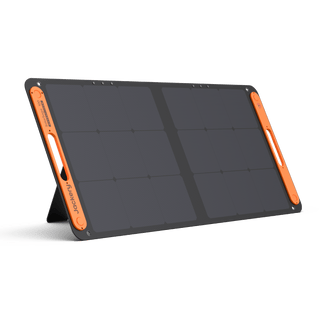
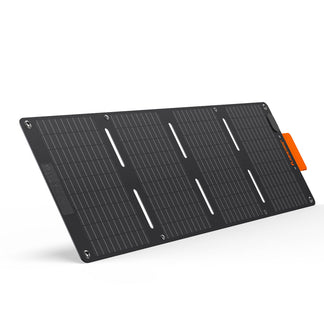
![[Add-on] Jackery SolarSaga 500 X - Jackery](http://www.jackery.com/cdn/shop/files/add-on-jackery-solarsaga-500-x-1493607.webp?v=1786503068&width=324)
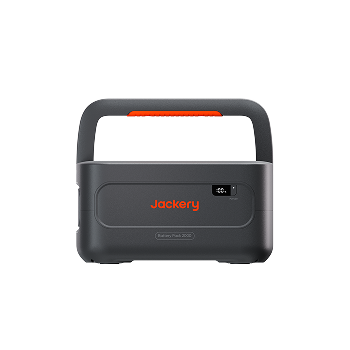
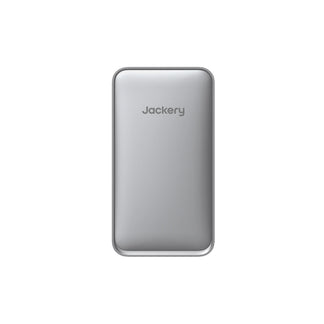
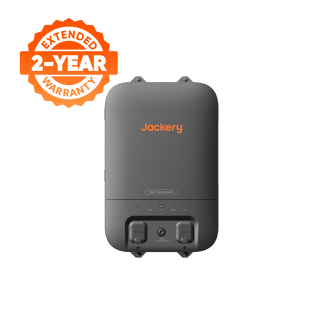
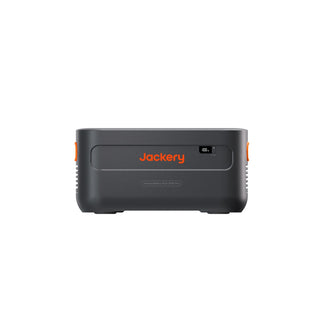
![[Add-on] Jackery Battery Pack 5000 Plus - Jackery](http://www.jackery.com/cdn/shop/files/add-on-jackery-battery-pack-5000-plus-6713401.webp?v=1786503068&width=324)
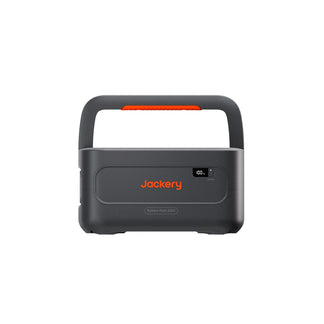
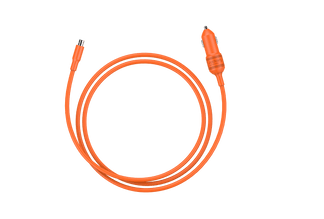
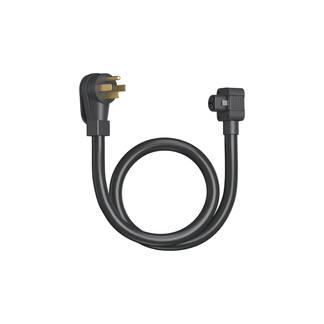
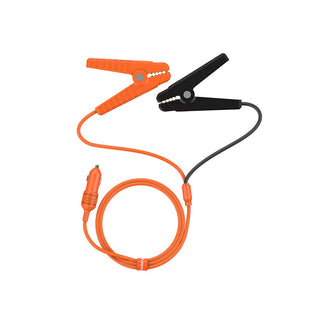














When a severe heat wave triggers a massive power outage, keeping your family safe is a matter of pure survival math, not convenience. While relying on a gasoline generator alone will quickly burn through your fuel reserves, relying solely on solar panels can leave you helpless during cloudy days or when attempting to start a heavy air conditioner. The ultimate defense against summer grid failures is a highly efficient solar and gas generator hybrid strategy.
By combining the infinite, silent charging capability of solar batteries with the brute-force, high-surge starting power of a dual-fuel generator, you can eliminate single points of failure. This guide explains how to design a layered backup system that slashes your daily fuel consumption, protects your essential appliances, and keeps your home cool through extended summer blackouts.
Why is the Threat of Heat-Driven Grid Failures Rising?
Extreme summer heat doesn't just push residential air conditioners to their limits—it physically degrades the electrical grid itself. As documented by the Center for American Progress reports, heavy grid strain can easily trigger widespread summer outages that exceed the standard 2 to 24-hour window most homeowners plan for:
- Transformer Overheating: Electrical transformers that normally shed waste heat into 85 degrees Fahrenheit air struggle to cool down in 105 degrees Fahrenheit temperatures, causing internal insulation to break down and transformers to fail.
- Fossil-Fuel Plant Tripping: Power plants often trip offline during severe heat waves because their cooling water source becomes too warm to condense steam efficiently.
- The Critical Pain Point: The core danger during a heat wave is maintaining basic continuity—such as keeping your refrigerator running, keeping a furnace blower fan alive so your home doesn't become a convection oven, and keeping essential devices powered.
- Fuel Supply Chain Risks: Traditional gasoline storage is notoriously difficult during summer because gasoline degrades and goes stale in under six months. If a heat emergency blocks local fuel delivery routes, relying on long-term fuel storage becomes critical.
- The "Two is One" Approach: While beginners often ask if they should buy a generator or solar panels first, experienced survivalists utilize a layered solar-gas hybrid system to eliminate any single point of failure.
Why Does a Solar and Gas Generator Hybrid Strategy Work?
A hybrid strategy pairs the silent, indoor-safe, and fuel-free charging of solar batteries with the sheer, heavy-starting wattage of a dual-fuel generator:
- Safe Indoor Deployment: Solar-charged battery generators for home produce zero toxic emissions and operate silently, meaning you can run your appliances inside your living room without gassing your family.
- The "Bulk Charge" Operational Tactic: Instead of running a loud, expensive gas generator continuously, you run a dual-fuel generator for only 1 to 2 hours in the morning. This "bulk charge" dumps 2 to 3 kWh of energy directly into your solar battery's AC charging port.
- Drastic Fuel Savings: After 2 hours of bulk charging, you turn the gas generator off, allowing your silent battery and solar panels to run the home for the remaining 22 hours of the day. This reduces your daily fuel costs from $60–$100 down to just $8–$15 per day, stretching a single 20-lb propane tank to last four days or more.
- Real-World Breaker Simulation: The only way to verify your system actually works is to run a real-world test. Turn off your main breaker, run your essential devices, and observe real-world compressor cycling and battery depletion runtimes.
How Do You Size Your Load and Select Your Battery Sizing?
To design a reliable hybrid backup system, you must prioritize your loads and match them to the correct battery and inverter specifications:
1. Sizing Your Critical Load
A standard critical load (refrigerator, internet modem, phone chargers, a few LED lights, and fans) draws roughly 600W of continuous power. Running these essentials for 8 hours a day requires 4.8 kWh of daily capacity. For a safe 2-day autonomy buffer, choose a battery bank with at least **10 kWh of usable capacity**.
2. Running vs. Starting Watts
A refrigerator compressor can draw 2 to 3 times its rated continuous wattage for a fraction of a second to start up. If your inverter lacks this peak surge capacity, the motor will stall. Ensure your inverter is rated for at least 150% of your peak surge load and utilizes a pure sine wave inverter to prevent damaging sensitive motors.
3. Critical Heat-Outage Priorities
During a severe heat wave, keeping your refrigerator (150W–800W) running and operating high-velocity cooling fans (75W–150W) must take priority over central air conditioning. Running a standard window AC (900W) will drain a 5 kWh battery in under 5 hours—rendering it a short-term night bridge at best.
4. Battery Chemistry & Simultaneous Charging
Ensure your battery bank utilizes Lithium Iron Phosphate (LiFePO4) chemistry. LiFePO4 cells deliver a 90% to 100% Depth of Discharge (DoD) and support over 4,000 cycles, lasting more than 10 years of daily use. Additionally, choose an inverter that supports simultaneous charging, allowing it to accept solar and generator input at the same time without power disruption.
What are the Safety Rules for Gas Generators and Fuel Storage?
Operating a dual-fuel generator during an emergency requires strict adherence to physical safety guidelines to prevent accidents:
- Carbon Monoxide Prevention: Never run a gas generator indoors, in a garage with the door open, or on a screened porch. Always place the unit at least **20 feet** away from any door, window, or building vent, and install hardwired carbon monoxide detectors on every floor of your home.
- The Propane Advantage: Propane is the ideal fuel for long-term emergency readiness. Unlike gasoline (which degrades and gums up carburetors in six months), propane tanks can sit in storage for over a decade without degrading.
- Generator Task Batching: Maximize your 1 to 2-hour generator window by batching your high-draw tasks simultaneously: charge your batteries, cycle your refrigerator compressors to their lowest setpoints, heat water, and cook food. Once complete, shut the generator down and run on silent battery power.
- Create Thermal Mass: Place frozen water jugs inside your freezer and refrigerator. This frozen mass acts as a dense thermal buffer, holding cold temperatures longer and reducing how often your compressor must cycle.
What is the Cost and Runtime Comparison of Each System?
Understanding the financial and performance differences between standalone systems and hybrid configurations helps prevent overinvesting:
|
Backup Configuration |
Upfront Capital Cost |
Fuel Cost (per 24-hour Outage) |
Outage Runtime Limits |
Noise Profile |
|
Portable Gas Generator |
$1,000–$3,000 |
$60–$100 |
Unlimited (provided you have fuel) |
Loud (55–70 dB continuously) |
|
Portable Solar Generator |
$500–$4,000 |
$0 |
Limited to battery capacity (12–48 hrs) |
Silent Operation |
|
Hybrid Solar-Gas System |
$2,000–$6,000 |
$8–$15 *(Gen run only 1–2 hrs/day)* |
Days to Weeks *(Via solar and fuel)* |
Silent (22 hours), Gen noise (2 hours) |
Which Jackery Solutions Provide the Best Resilience?
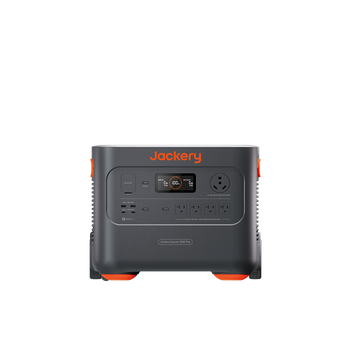
Three premium solar power systems from Jackery utilize stable LiFePO4 cells and pure sine wave inverters, making them highly compatible with standard household circuits and gas generators during a surviving a heat wave power outage:
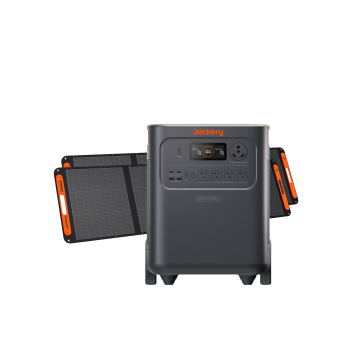
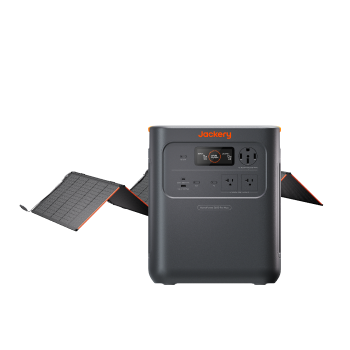
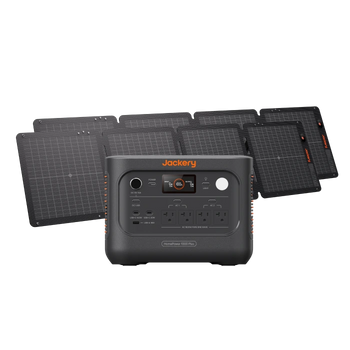
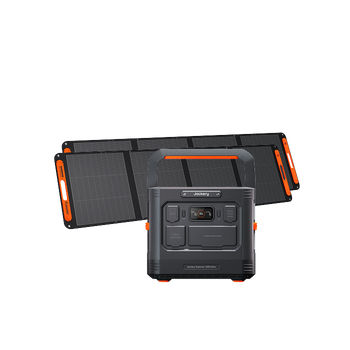
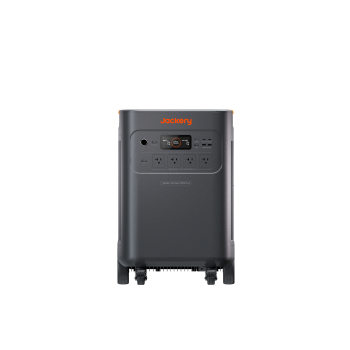
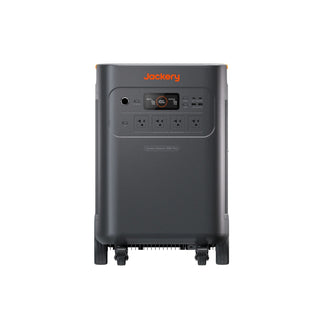
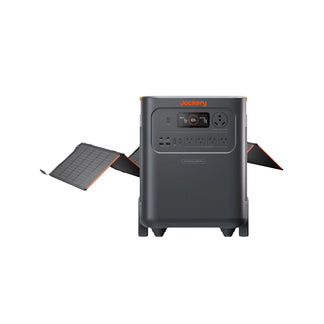
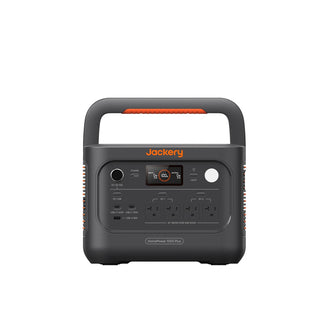
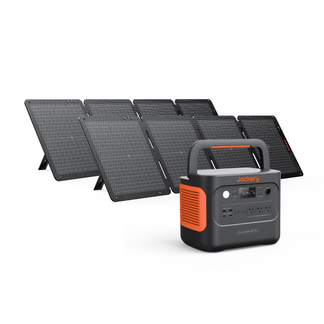
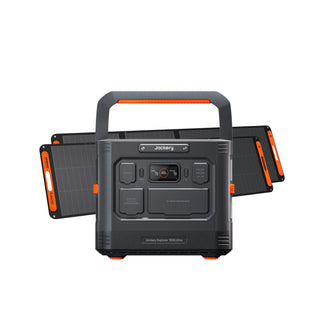
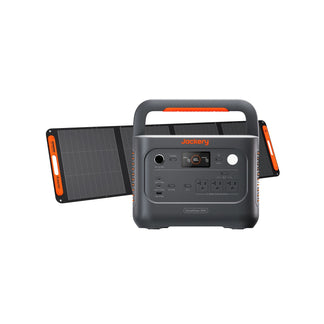
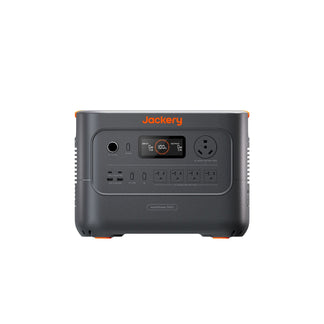
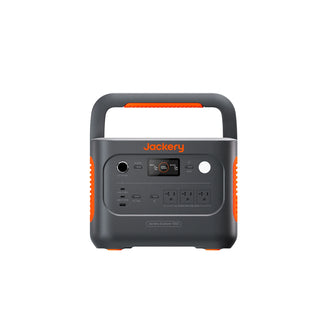
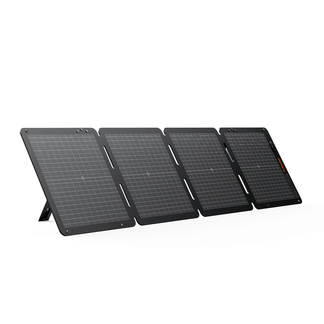
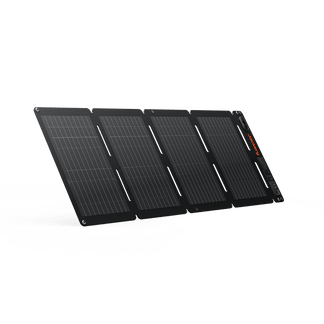
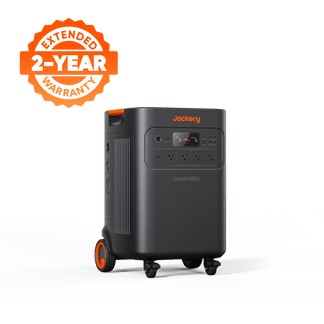
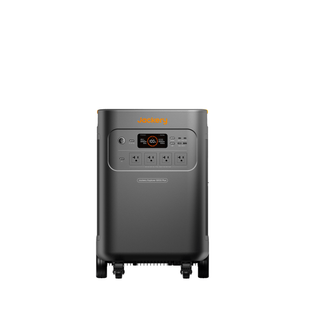
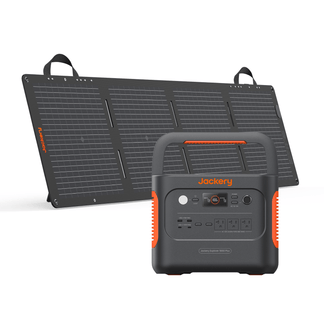
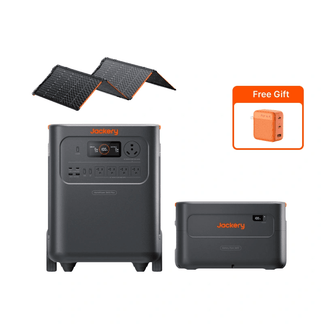
1. Jackery Solar Generator HomePower 3600 Plus + SolarSaga 500X
An exceptional option designed to anchor a multi-day heat-outage safety plan:
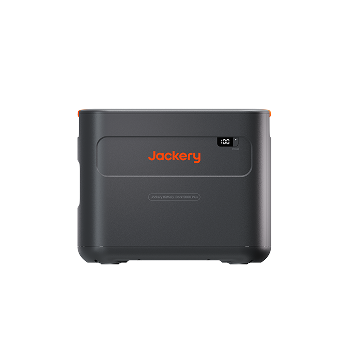
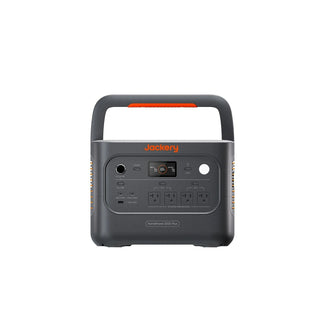
- Specs & Runtime: Features 3,584 Wh of base capacity (runs an 80W refrigerator for up to 38 hours) and a 3,600W continuous output (7,200W surge).
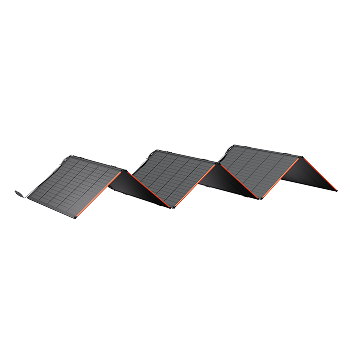
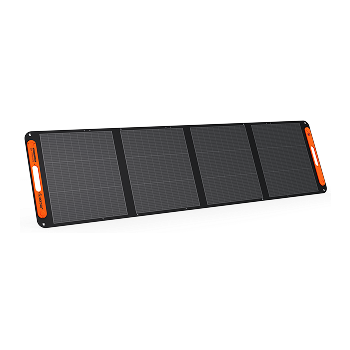
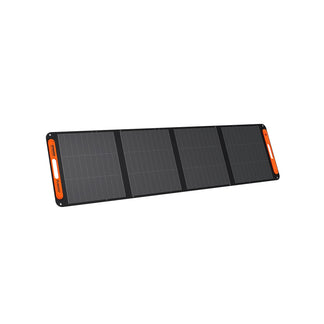
- Hybrid Charging: Fully recharges in just 2.5 hours via AC power from your gas generator, or pulls in 500W of solar power from the SolarSaga 500X panel under full sun.
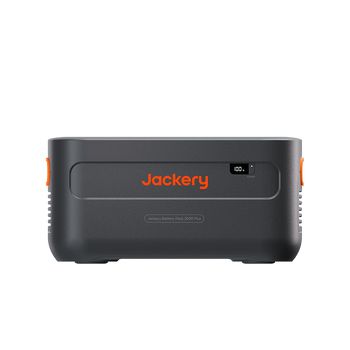
- Scalable: Expandable up to 21.48 kWh to match growing household energy demands.

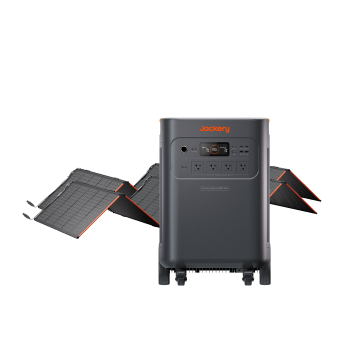
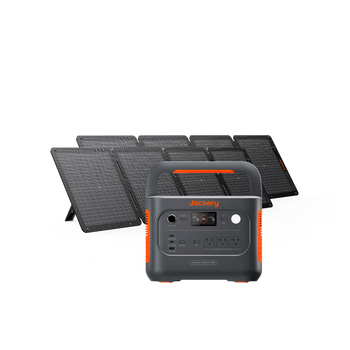
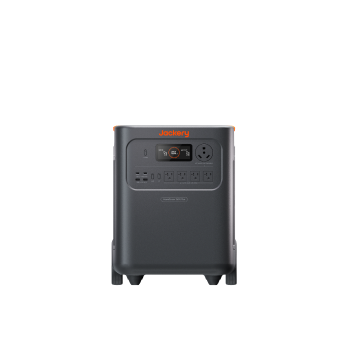
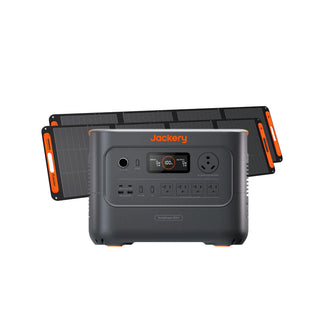
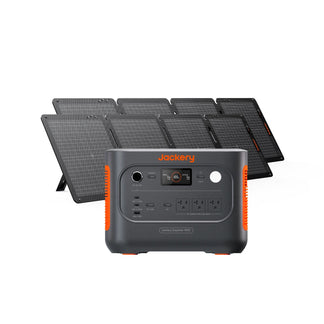
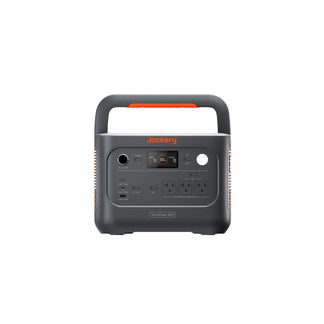
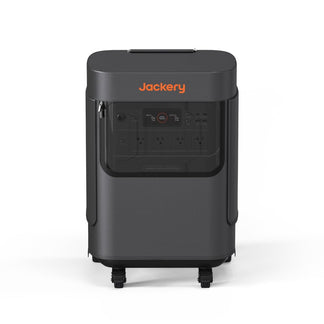
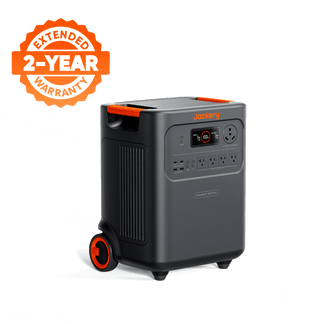
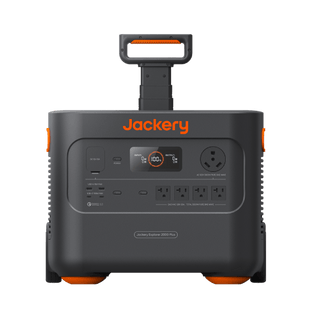
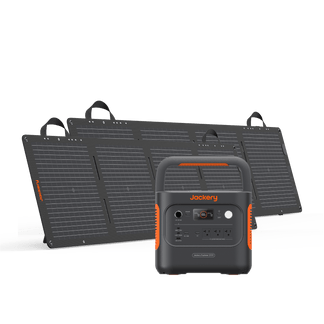
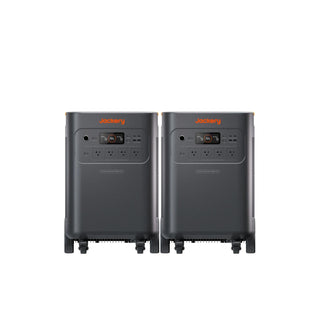
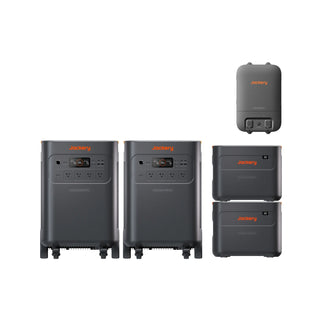
2. Jackery Solar Generator 5000 Plus + 2x SolarSaga 500X
The premier, high-capacity hybrid solution designed to power heavy appliances and localized cooling systems:
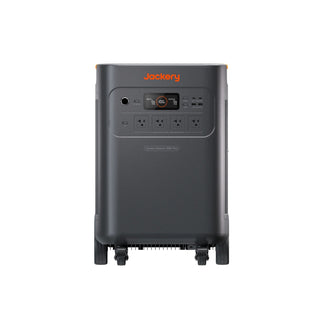
- Brute-Force Output: Delivers 7,200W of continuous output and a huge 14,400W surge capacity to easily start central air components, well pumps, or multiple refrigerators simultaneously.
- Fast Solar Recharging: Includes two SolarSaga 500X panels to deliver up to 1,000W of solar input, reclaiming a full charge in just 6.5 hours of sun.
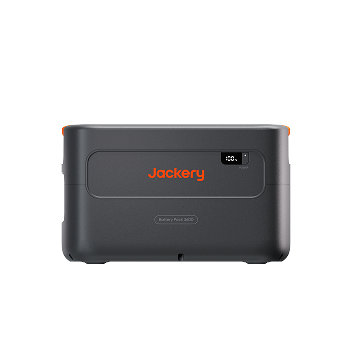
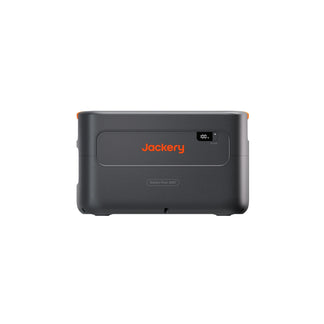
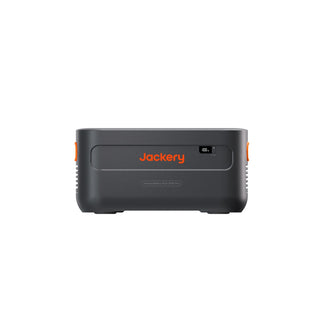
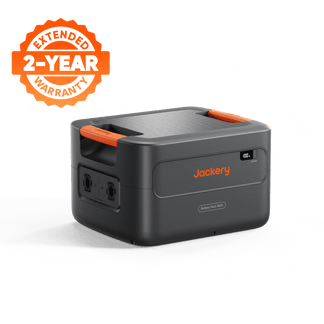
- Expandable Capacity: Starts at 5,040 Wh of base capacity and scales up to an incredible 60 kWh with add-on battery modules.
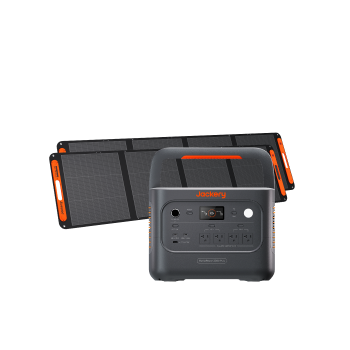
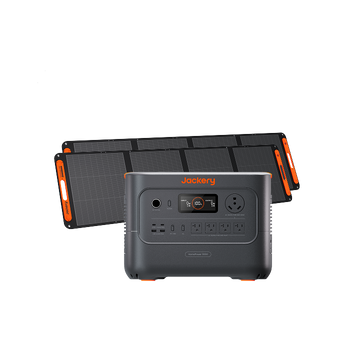
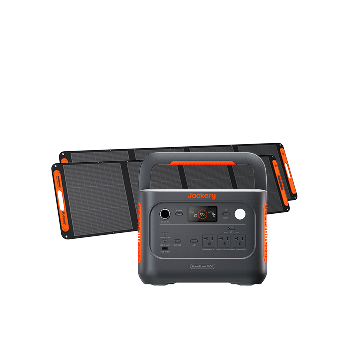
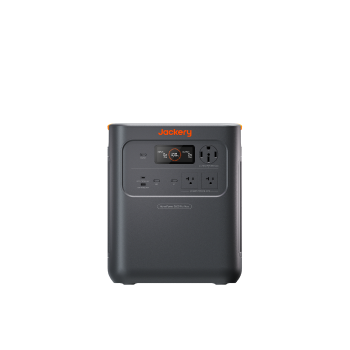
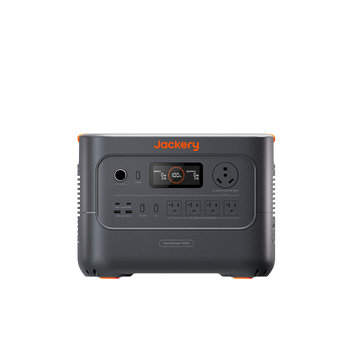
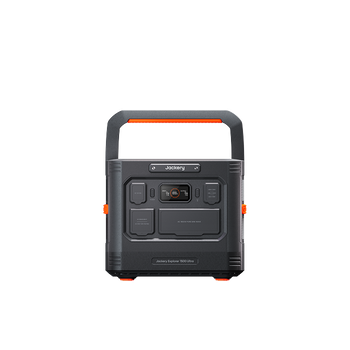
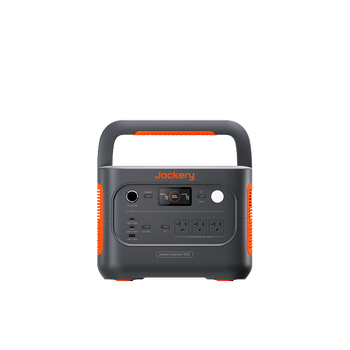
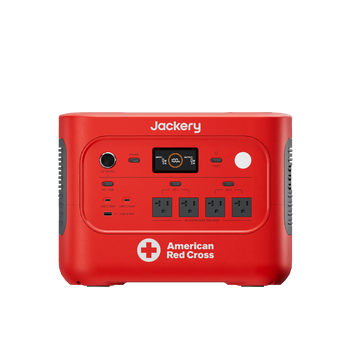
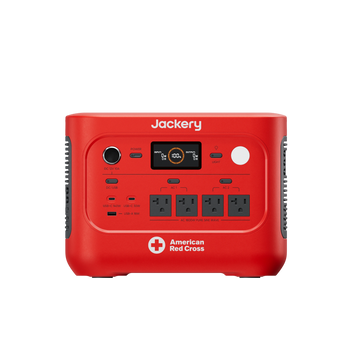
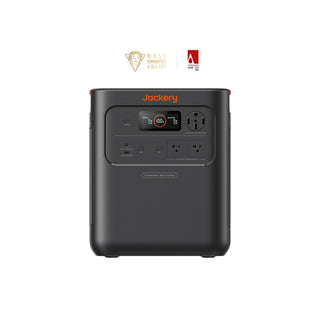
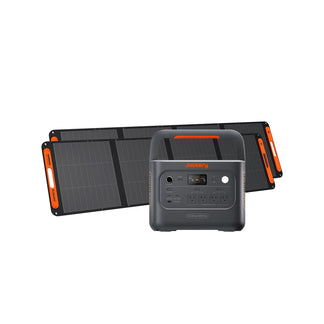
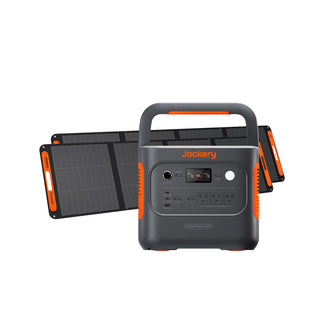
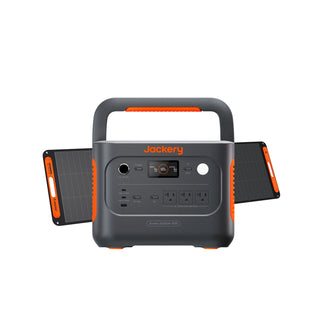
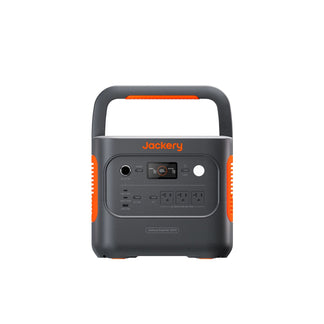
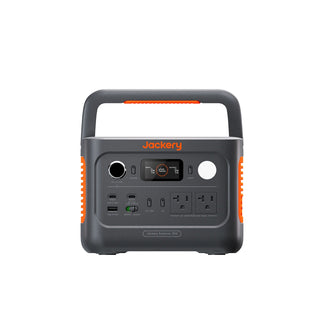
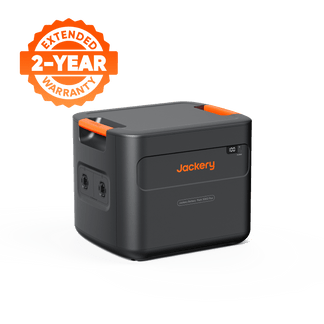
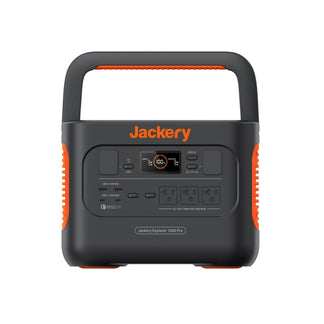
3. Jackery Solar Generator 2000 v2
A compact, lightweight, and fast-charging emergency backup system:
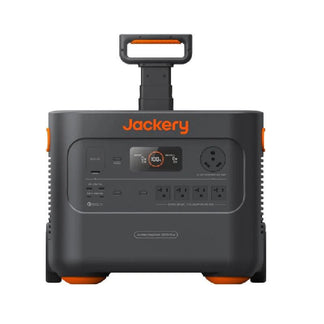
- Specs & Portability: Packs a 2,042Wh capacity into a highly portable, 39.5-pound frame that can run a 520W refrigerator for 3.2 hours or emergency fans for days.
- Emergency Fast Charge: Features a rapid 1.7-hour AC charge from a wall outlet or gas generator, making it the perfect unit for tight, morning bulk-charging windows.
Frequently Asked Questions
Do I need an electrician to install a solar generator?
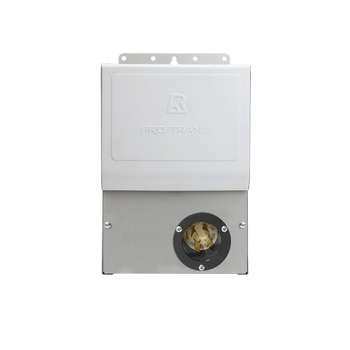
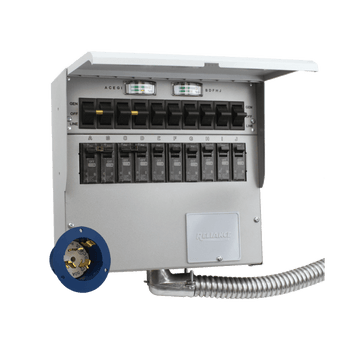
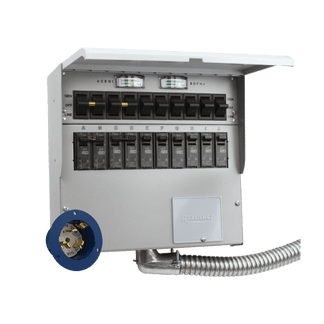
If you are simply plugging your appliances directly into the power station's outlets, no professional installation is required. However, if you plan to connect your solar generator directly to your home's main electrical breaker panel, a licensed electrician must install a manual interlock kit or automatic transfer switch to comply with local building codes.
Will my cell phone work during a grid-down heat wave?
Yes, but with limitations. Most local cell towers feature backup batteries designed to keep them online for only 4 to 8 hours after grid power fails. Using a solar generator keeps your phone charged, allowing you to maintain communications as long as the surrounding towers are operating.
How do I keep food cold without opening the fridge?
Keep the doors closed as much as possible. Group food tightly together to consolidate cold mass, and fill empty spaces inside the cabinet with pre-frozen water jugs. Open the door only once per day to quickly retrieve what you need.
Can I run a window A/C unit on a portable solar generator?
Yes. A standard 5,000 to 9,000 BTU window AC draws between 500W and 900W while running, but requires up to 1,800W of startup surge capacity. To run a window AC, you will need a high-surge, high-capacity system like the Jackery Solar Generator 5000 Plus.
What is the biggest mistake beginners make with hybrid backup systems?
The single most common mistake is purchasing expensive solar generators or gas equipment before conducting a detailed load calculation. This almost always leads to undersized batteries that fail to meet runtime demands or oversized generators that waste money and fuel.


