















![[Add - on] Jackery Manual Transfer Switch for Explorer 5000 Plus - Jackery](http://www.jackery.com/cdn/shop/files/add-on-jackery-manual-transfer-switch-for-explorer-5000-plus-9017324.png?v=1754016782&width=350)





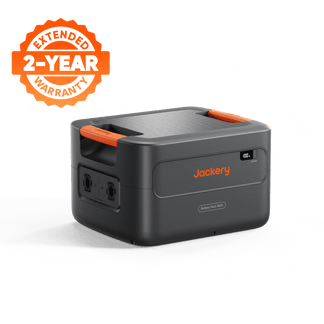
![[Add - on] Jackery Battery Pack 5000 Plus - Jackery](http://www.jackery.com/cdn/shop/files/add-on-jackery-battery-pack-5000-plus-6078351.png?v=1754016791&width=324)


![[Add - on] Jackery Car Charging Cable - Jackery](http://www.jackery.com/cdn/shop/files/add-on-jackery-car-charging-cable-3882421.png?v=1754016863&width=324)










![[Add - on] Jackery Smart Transfer Switch - Jackery](http://www.jackery.com/cdn/shop/files/add-on-jackery-smart-transfer-switch-5842915.png?v=1754016784&width=324)
![[Add - on]Jackery 102W GaN 3 - Port Fast Charger - Jackery](http://www.jackery.com/cdn/shop/files/add-onjackery-102w-gan-3-port-fast-charger-6377742.png?v=1754016790&width=324)




![[Add - on] SolarSaga 200W - Jackery](http://www.jackery.com/cdn/shop/files/add-on-solarsaga-200w-4834329.png?v=1754016915&width=324)

![[Add - on] Jackery Manual Transfer Switch for Explorer 5000 Plus - Jackery](http://www.jackery.com/cdn/shop/files/add-on-jackery-manual-transfer-switch-for-explorer-5000-plus-9017324.png?v=1754016782&width=324)


Every summer, Houston electricity rates climb to historic peaks, resulting in some of the most expensive utility bills of the year. However, these massive spikes are rarely caused by a single factor. Mandatory transmission fee increases, variable-rate traps, and seasonal climate factors work in tandem to inflate your statement, even if your actual energy consumption remains unchanged.
To shield your household budget from these volatile price swings, you must understand how to navigate Texas's deregulated energy market, identify hidden fees, and lock in the right contract before the summer heat arrives. Furthermore, establishing a dependable emergency home backup system protects your family from the secondary summer threat: storm-induced grid failures. This guide will analyze utility rate structures, plan comparison strategies, and scalable clean backup energy options.
Why Your Summer Bill Feels Unpredictable
Your summer electricity bill can feel highly unpredictable due to three primary cost drivers: Transmission and Distribution Utility (TDU) delivery fee hikes, meter-read timing variations, and expiring contracts.
1. Regulated TDU Delivery Fee Hikes
- Bi-Annual Adjustments: In Houston, CenterPoint Energy manages the physical poles and wires. It adjusts its regulated TDU delivery rates twice a year (typically on September 1 and March 1).
- The Financial Hit: Recent TDU increases have added 1.3¢ to 1.5¢ per kWh to residential bills. This translates to an extra $20 to $30 monthly on a standard 1,500 kWh bill—regardless of which retail energy provider (REP) you choose.
2. Meter-Read Timing (The Calendar Quirk)
- The Overlap: If your billing cycle closes in late August, your provider may bill a significant portion of your peak August cooling consumption under September's newly adjusted (and often higher) TDU rates.
- The Result: Your actual household energy usage did not change, but your total bill did due to a simple billing calendar quirk.
3. Houston's "Thermodynamic Humidity Tax"
Houston's humid Gulf climate adds a heavy physical tax to your home cooling compared to other regions:
- Evaporative Resistance: High relative humidity prevents natural evaporative cooling.
- Heavy Workload: This forces residential air conditioners to work 20% to 30% harder than in drier Texas cities like Dallas or El Paso.
- Dehumidification First: The AC's evaporator coil must condense and pull massive volumes of moisture out of the air before it can successfully lower the room's temperature, resulting in significantly extended compressor runtimes and higher energy bills.
Why Houston Electricity Bills Spike in Summer
Summer electricity bills in Houston spike due to a combination of intense residential cooling demands and wholesale market pressures on the ERCOT (Electric Reliability Council of Texas) grid.
1. The Cooling Burden
-
Massive Energy Draw: Air conditioning alone can consume up to 70% of a home's total energy budget during peak summer months.
2. Grid-Level Price Drivers
- Natural Gas Volatility: Natural gas is the primary fuel used to set the clearing price on the Texas electrical grid. When natural gas prices fluctuate, retail electricity contracts rise and fall in tandem—often before the summer season even begins.
- Industrial Grid Strain: Growing energy demand from high-capacity data centers and cryptocurrency mining operations has tightly squeezed ERCOT's reserve capacity, driving up wholesale market prices during peak afternoon hours.
Understanding Your Houston Electricity Bill
A standard Houston utility bill is split into two primary, distinct cost components:
- The Energy Charge: The supply rate per kWh charged by your chosen Retail Electric Provider (REP). This is the only portion of your bill that you can shop around and negotiate.
- TDU Delivery Fees: The non-negotiable fees charged by CenterPoint Energy to maintain the physical power lines. Regulated by the Public Utility Commission of Texas (PUCT), everyone in CenterPoint's service territory pays the exact same TDU delivery rate, regardless of their retail provider.
How to Use the Electricity Facts Label (EFL)
To find your true, all-in rate, you must read the Electricity Facts Label (EFL). This is the only document that matters when comparing Texas plans:
- Standardized Usage Tiers: The EFL breaks down your exact per-kWh price at three standardized usage levels: 500 kWh, 1,000 kWh, and 2,000 kWh.
- Teaser Rate Warning: Many REPs advertise low "teaser" rates that are only achievable if your home consumes exactly 1,000 kWh, penalizing you with high rates if your usage falls slightly above or below that tier.
- Best Practice: Avoid complex bill-credit or tiered-rate plans. Instead, select straightforward, flat-rate contracts with no hidden minimum-usage fees.
Fixed-Rate vs. Variable-Rate Plans
Choosing between a fixed-rate and a variable-rate plan determines your level of financial protection against seasonal price spikes:
|
Plan Feature |
Fixed-Rate Plans |
Variable-Rate Plans |
|
Rate Stability |
Locks in your per-kWh price for 12 to 36 months. |
Fluctuates monthly based on wholesale market costs. |
|
Summer Price Protection |
Complete protection; your rate stays flat through peak heat. |
High risk; rates can double or triple during summer heat domes. |
|
Contract Flexibility |
Requires commitment; early termination fees apply. |
No long-term contracts; cancel or switch anytime. |
Always shop and lock in a fixed-rate contract during the spring shoulder season (March through May). During these mild months, energy demand is low, forcing REPs to compete aggressively for your business with low rates.
If you let your contract lapse during the summer, your provider will likely switch your account to a highly expensive variable auto-renewal rate without clear advance warning. Under Texas PUCT rules, you have a penalty-free 14-day window before your contract ends to switch providers without paying an early cancellation fee.
Energy-Saving Strategies to Lower Your Bill
While locking in a low rate is vital, reducing your home's physical consumption is the most effective way to lower your bill. Prioritize these high-return energy-saving strategies:
- Smart Thermostats: Program your system to "pre-cool" your home during cheap morning hours, allowing the thermostat to ease back during the hottest afternoon peak-rate periods without sacrificing comfort.
- Ceiling Fans: Running ceiling fans creates a wind-chill effect that makes a room feel up to 4°F cooler than the actual temperature. This allows you to raise your AC thermostat setting safely, reducing compressor workloads.
- Eliminate Phantom Loads: Standby electronics (cable boxes, gaming consoles, chargers) consume electricity even when turned off, adding up to 5% to 10% to your monthly bill. Plug these devices into smart power strips to cut power completely when idle.
- Apply the 4-by-4 Rule: Set your thermostat 4°F warmer whenever you leave your home for 4 or more hours to prevent wasting money cooling an empty house.

When Summer Storms Knock Out Power: Backup Solutions
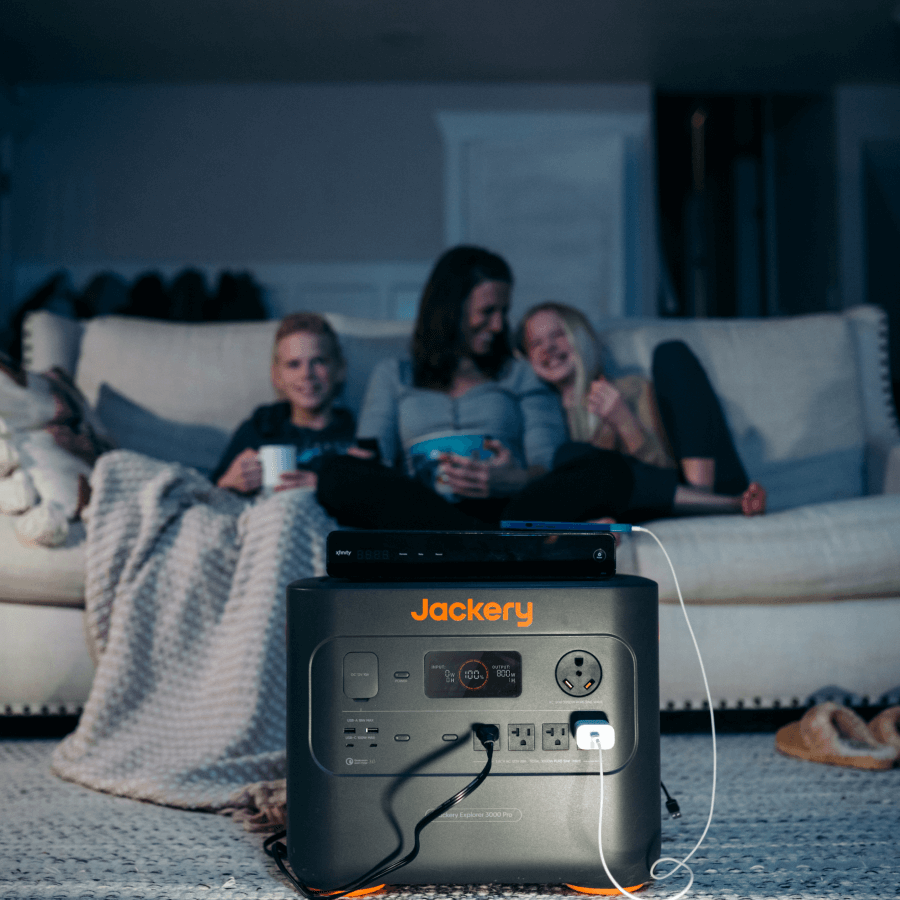
Houston's intense summer heat regularly triggers severe thunderstorms and coastal hurricanes, resulting in frequent power grid failures. An extended blackout can spoil hundreds of dollars in food, interrupt critical medical hardware, and disable home offices. Installing a reliable emergency home backup system is an essential safety requirement. To monitor local grid failures in real-time, consult our guide on the CenterPoint outage map: how to check outages in Houston, Texas.
Standard gas-powered generators produce dangerous carbon monoxide fumes, run loudly, and require ongoing maintenance. Conversely, battery-powered solar generators run silently with zero emissions, allowing you to operate them safely indoors directly next to your appliances during a storm. This is a massive advantage when strong winds make operating an outdoor gas generator impossible.
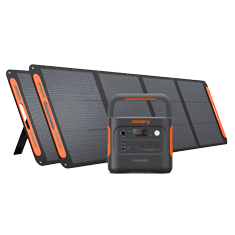
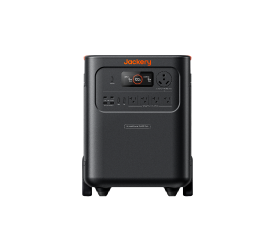
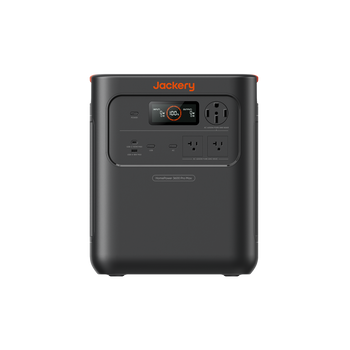
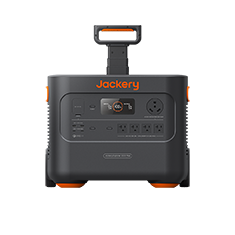
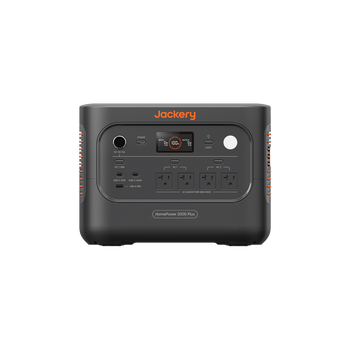
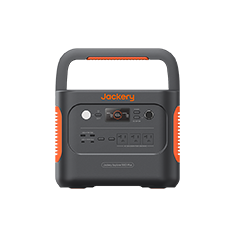
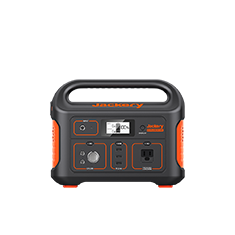
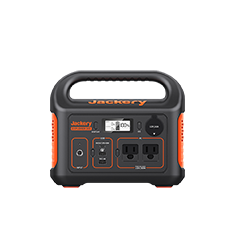
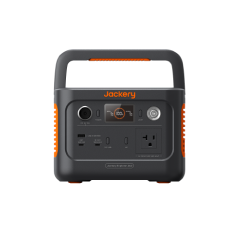
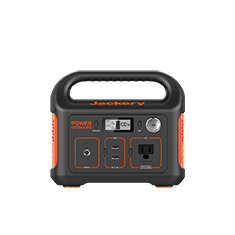
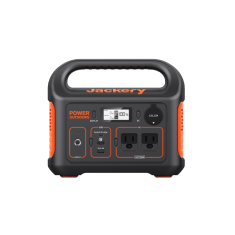
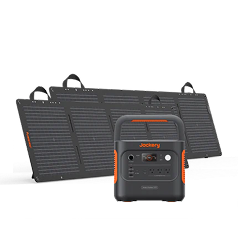
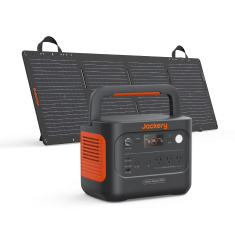
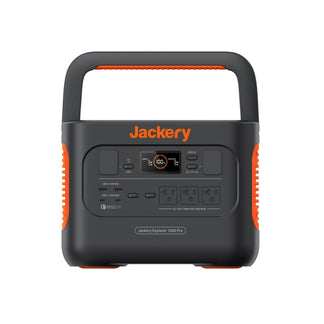
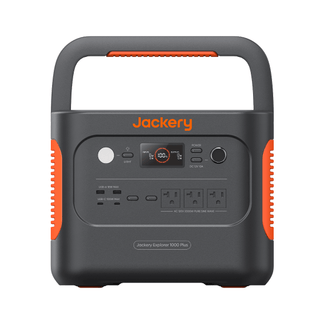
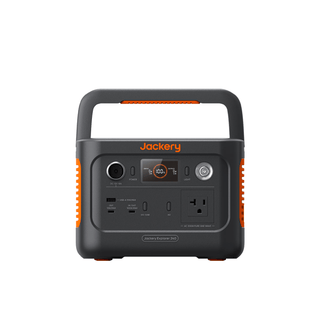
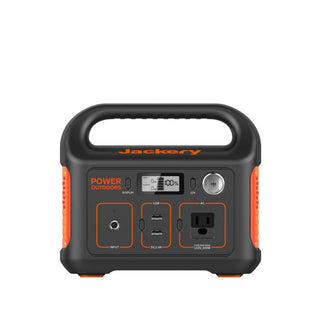
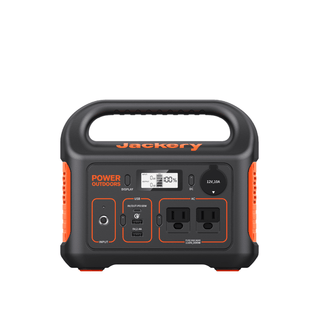
Three high-performance solar generators from Jackery provide ideal emergency backup power:
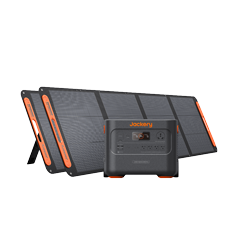
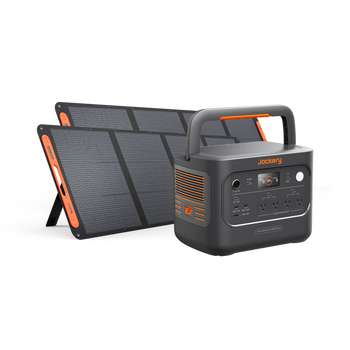
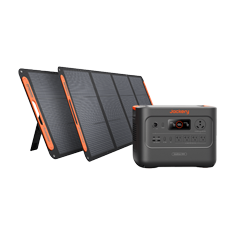
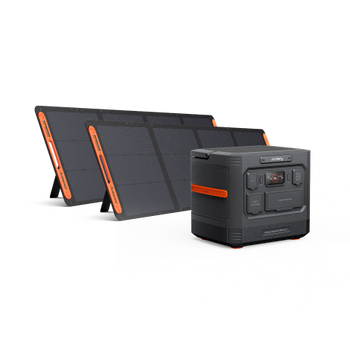
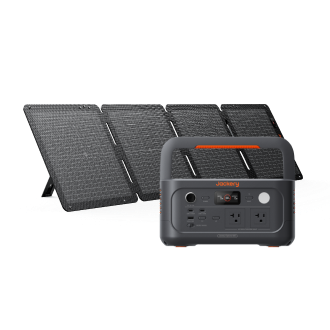
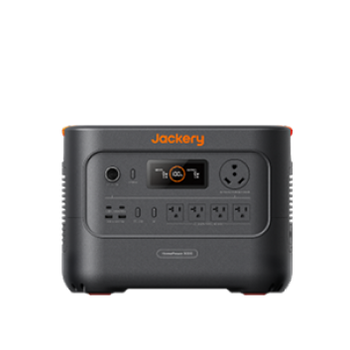
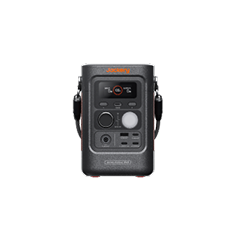
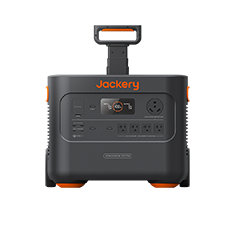
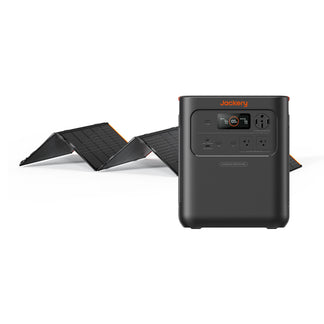
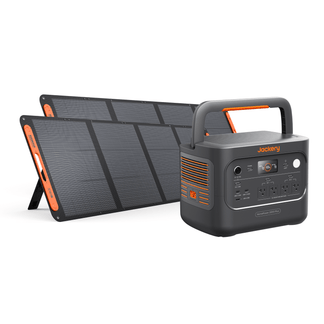
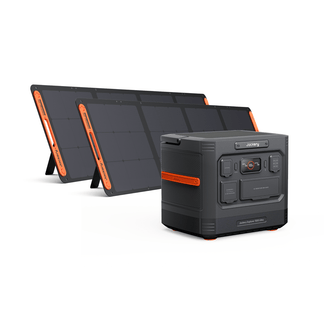
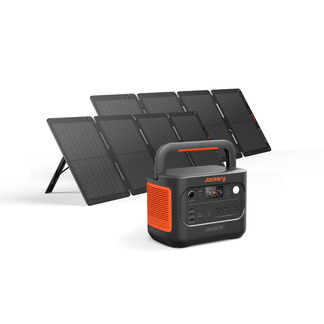
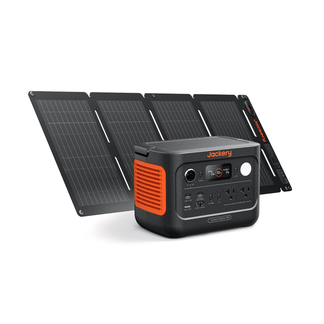
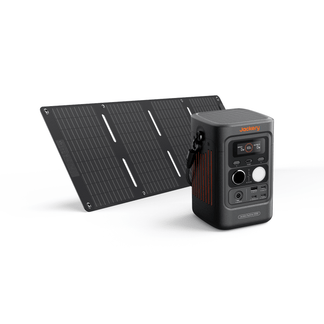
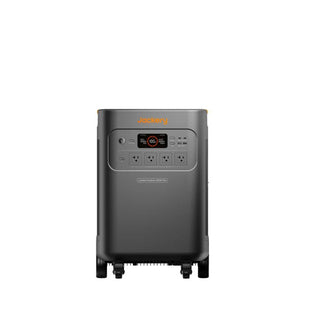
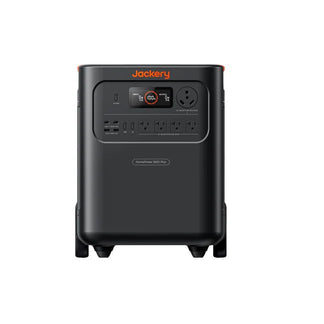
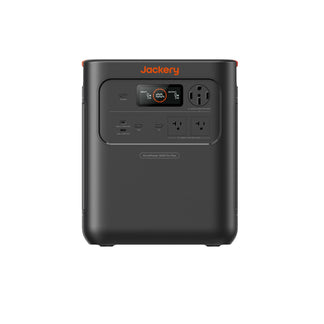
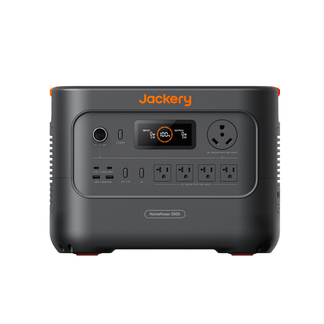
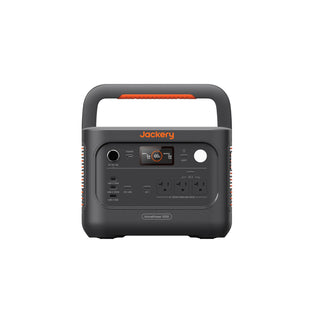
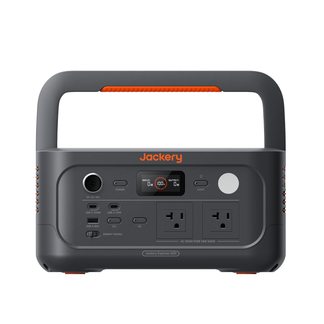
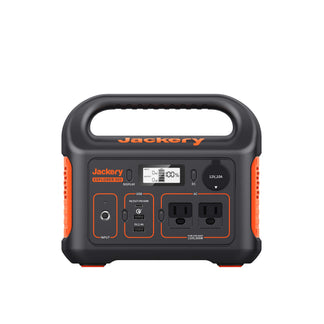
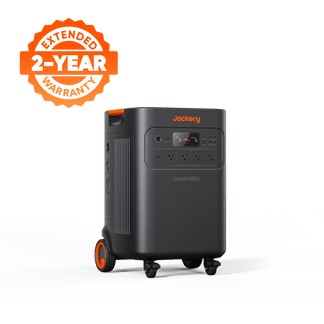
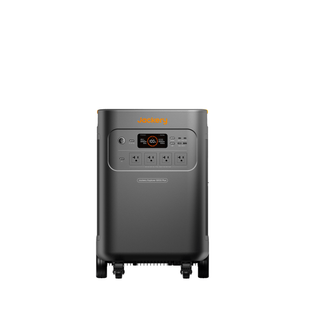
Jackery Solar Generator HomePower 3600 Plus: Delivers a 3,584 Wh capacity, capable of running a standard refrigerator silently for up to 38 hours. The system is expandable up to 43 kWh to scale from a few hours of backup to a robust, multi-day storm buffer.
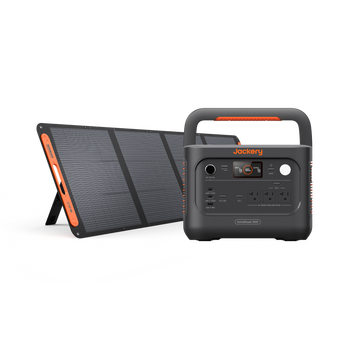
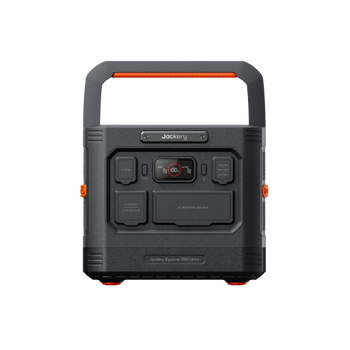
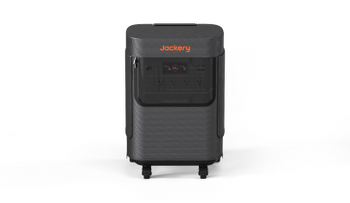
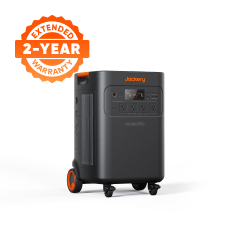
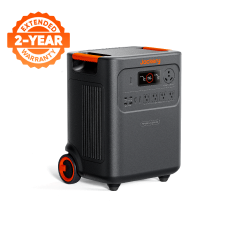
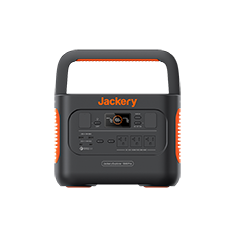
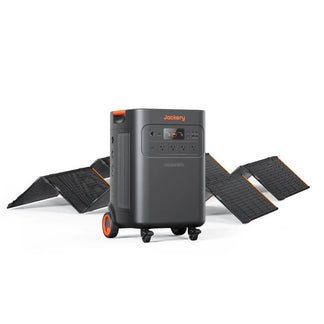
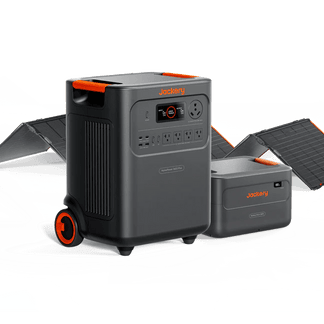
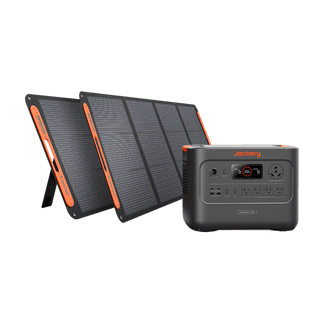
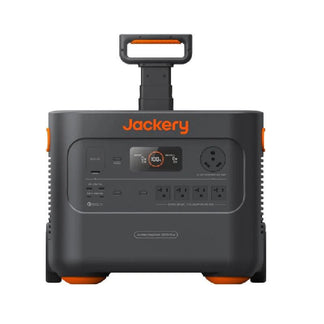
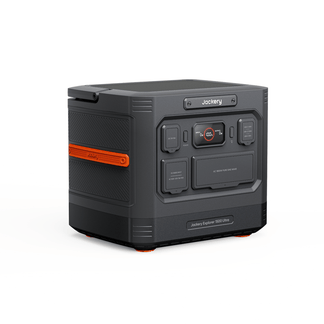
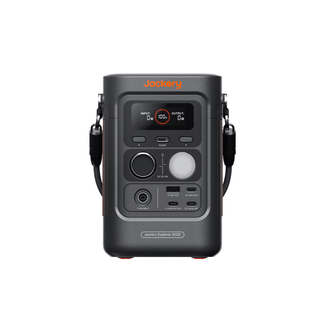
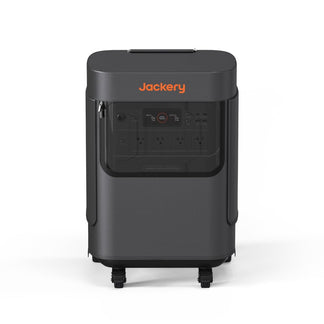
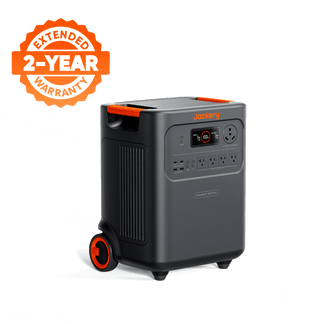
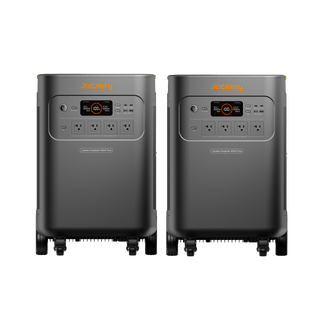
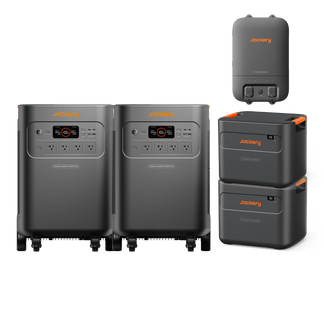
Jackery Solar Generator 5000 Plus: Sized for essential home critical circuit backup, delivering a 7,200W continuous output (14,400W surge) to easily run a 240V deep well pump, water heater, and central AC fan simultaneously. The 5,040 Wh base capacity is expandable to 60 kWh, backed by a true 0ms online UPS switchover.
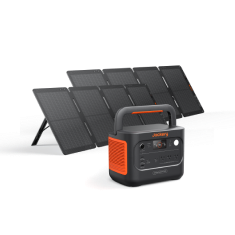
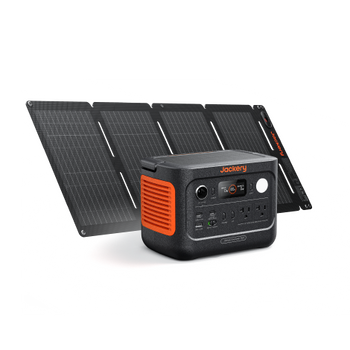
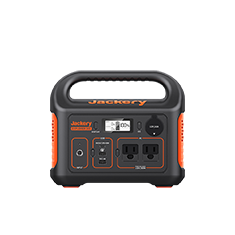
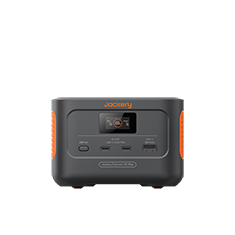
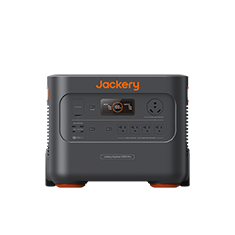
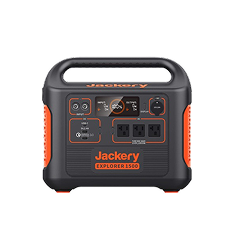
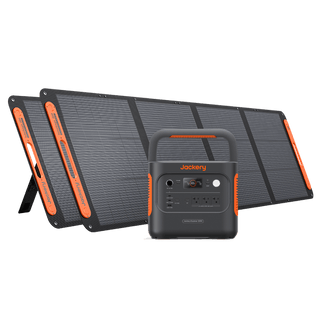
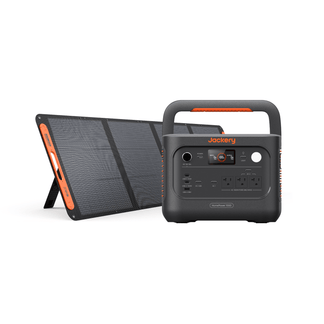
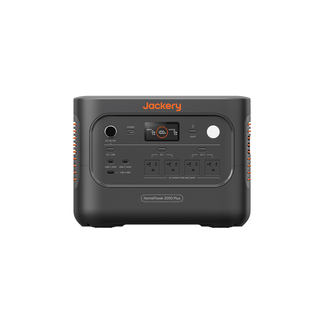
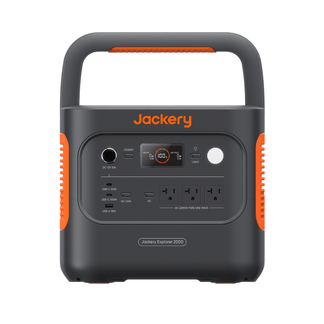
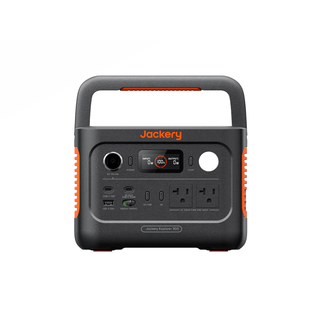
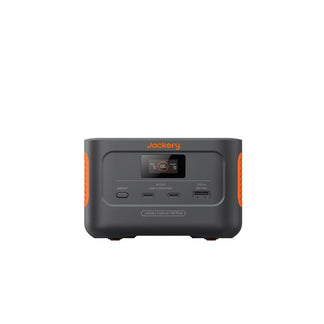
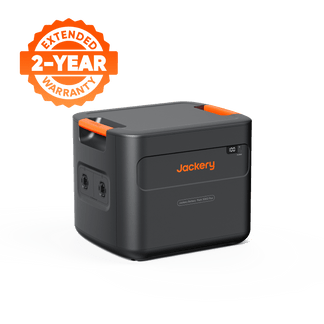
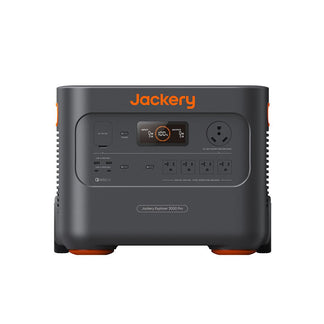
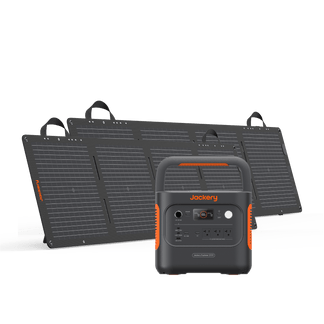
Jackery Explorer 2000 v2 Portable Power Station: The compact, highly portable option, packing a 2,042 Wh capacity to run your refrigerator and lights overnight. It can recharge completely via AC wall power in just 1.7 hours.
To evaluate these silent backup configurations against traditional permanent standby setups, check out our comprehensive guide on essential home backup power solutions.
Frequently Asked Questions
Why did my electricity bill go up if my usage didn't?
CenterPoint's bi-annual TDU delivery rate increases (which historically adjust on September 1 and March 1) or a billing cycle shift that pushed your heavy late-August cooling loads into September's billing cycle can easily explain these phantom utility bill increases.
How do I compare Houston electricity plans correctly?
Always evaluate plans at the 2,000 kWh usage tier—which reflects standard summer consumption for a mid-sized Houston home—rather than relying on low 500 kWh or 1,000 kWh teaser rates. Review the plan's Electricity Facts Label (EFL) to verify the true all-in rate including TDU fees.
Which pricing structure is safest for Houston summers?
A fixed-rate plan locked in during the spring shoulder season (March through May) provides the absolute strongest protection against summer price spikes, keeping your per-kWh rate completely flat regardless of wholesale market surges.
What should I avoid in a retail electricity plan?
Avoid complex plans that utilize bill credits, tiered pricing thresholds, or "free nights and weekends" gimmicks. These promotions often feature high hidden energy rates that can result in massive bills if your household usage misses their narrow tiers by even a few kWh.
When is the best time to switch Houston electricity providers?
The best time to switch is during the spring (March through May) or autumn (October and November) shoulder seasons. During these mild months, wholesale prices are low and retail providers offer their most competitive fixed-rate contracts.