
















![[Add - on] Jackery Manual Transfer Switch for Explorer 5000 Plus - Jackery](http://www.jackery.com/cdn/shop/files/add-on-jackery-manual-transfer-switch-for-explorer-5000-plus-9017324.png?v=1754016782&width=350)


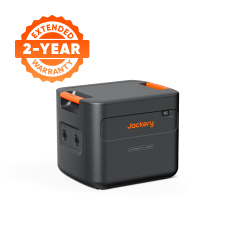
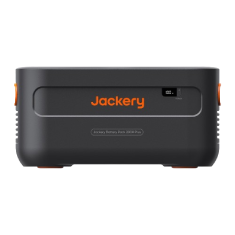
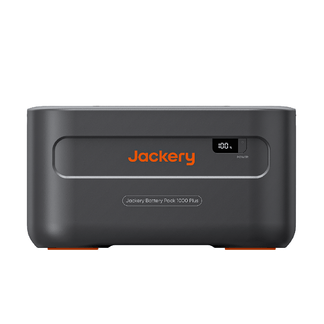
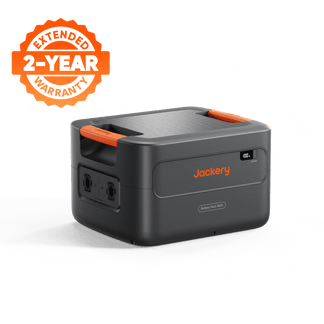
![[Add - on] Jackery Battery Pack 5000 Plus - Jackery](http://www.jackery.com/cdn/shop/files/add-on-jackery-battery-pack-5000-plus-6078351.png?v=1754016791&width=324)


![[Add - on] Jackery Car Charging Cable - Jackery](http://www.jackery.com/cdn/shop/files/add-on-jackery-car-charging-cable-3882421.png?v=1754016863&width=324)








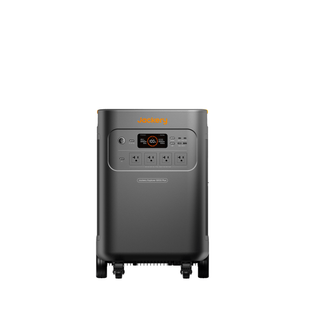
![[Add - on] Jackery Smart Transfer Switch - Jackery](http://www.jackery.com/cdn/shop/files/add-on-jackery-smart-transfer-switch-5842915.png?v=1754016784&width=324)
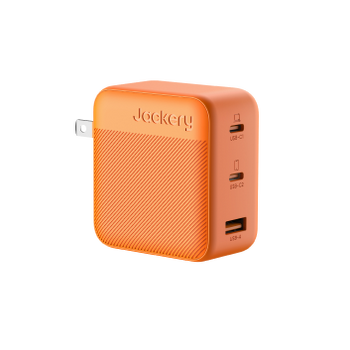
![[Add - on]Jackery 102W GaN 3 - Port Fast Charger - Jackery](http://www.jackery.com/cdn/shop/files/add-onjackery-102w-gan-3-port-fast-charger-6377742.png?v=1754016790&width=324)



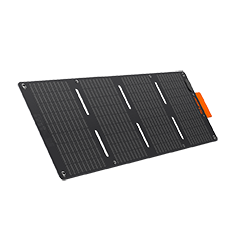
![[Add - on] SolarSaga 200W - Jackery](http://www.jackery.com/cdn/shop/files/add-on-solarsaga-200w-4834329.png?v=1754016915&width=324)

![[Add - on] Jackery Manual Transfer Switch for Explorer 5000 Plus - Jackery](http://www.jackery.com/cdn/shop/files/add-on-jackery-manual-transfer-switch-for-explorer-5000-plus-9017324.png?v=1754016782&width=324)


With US electricity prices up over 6% recently and projected to surge 40% by 2030, lowering your bill is a financial necessity. In early 2026, the average American pays about $165 monthly for 900 kWh.
However, location dictates your baseline—hotter states like Texas and Florida consume far more power for cooling than colder climates. To slash your costs, you must target the biggest energy hogs. This guide delivers data-driven strategies to optimize your HVAC, reduce overall consumption, and protect your wallet.
Decoding Your Bill: Supply, Delivery, and Deregulation
To reduce your electric bill, you must first understand what you are paying for. Generation accounts for 50-60% of your bill. Transmission and distribution add another 30-40%.
Your bill is typically divided into three primary parts:
- Supply Charges: The cost of the actual electricity (kWh) you consumed.
- Delivery Charges: The cost of transmitting that energy to your home, including infrastructure and maintenance.
- Taxes and Fees: Local, state, or federal government surcharges.
You cannot control delivery costs or taxes, but you can control your supply charge. In deregulated energy markets (like Texas, Ohio, Pennsylvania, and Massachusetts), you can shop for the generation portion of your bill.
Competitive shopping yields massive savings. A Pennsylvania household paying a default 20.5 cents/kWh can find competitive supply rates under 8 cents/kWh. This cuts the supply portion of the bill in half instantly.
Divide your total bill amount by your total kWh used to find your all-in cost per kWh. Check your billing cycle. Longer billing cycles (28 to 32 days) or estimated meter readings artificially inflate your monthly charges.
Mastering Time-of-Use (TOU) and Demand Response
When you use electricity is just as important as how much you use. Electricity rates are highest from 4 p.m. to 9 p.m. when grid demand peaks.
Shift your heavy appliance usage to off-peak hours. The cheapest times to use electricity are typically 11 p.m. to 5 a.m., early mornings, and weekends. Running dishwashers, dryers, or EV chargers during these windows capitalizes on cheaper rates.
Capitalize on super off-peak hours. In solar-heavy regions like California, midday hours (9 a.m. to 2 p.m.) offer the lowest rates due to abundant solar generation.
Enroll in demand response programs. Utility companies will pay you to reduce usage during peak grid demand. Programs in cities like Baltimore pay consumers around $10 a month just for participating. Other utilities offer summer peak incentives for letting them slightly adjust your smart thermostat during grid emergencies.
Taming the Biggest Energy Hogs: HVAC and Water Heating
Heating and cooling account for 40% to 50% of total residential energy usage. Optimizing your HVAC system and water heater yields the highest immediate return on investment.
Adopt the 68/78 rule. Set your thermostat to 78°F (25.5°C) or higher in the summer and 68°F or lower in the winter. You save 3-5% on energy costs for every degree you adjust your thermostat away from your baseline. Adjusting the thermostat by just a few degrees can increase or decrease heating bills by over 10%.
Use a smart, programmable thermostat. Automatically lower the temperature by 10-15 degrees when you sleep or leave the house. In the summer, use ceiling fans to circulate air. A fan uses significantly less power than an AC unit and makes the room feel several degrees cooler.
Water heaters consume 14-18% of your home's energy. Lower your water heater tank thermostat to 120°F (48.8°C). This prevents standby heat loss, reduces scalding risks, and saves money instantly.
Change your laundry habits. Wash clothes exclusively in cold water and only run full loads. Heating water accounts for about 90% of the energy your washing machine uses. Skip the dryer when possible and line-dry your clothes. A dryer consumes as much energy as a fridge, washer, and dishwasher combined.
Conduct a professional energy audit. An audit identifies hidden air leaks and failing insulation, potentially saving you 5% to 30% on your electric bill.
Eliminating Phantom Loads and Appliance Inefficiencies
Electronics in standby mode draw phantom power. These always-on devices account for 5% to 10% of residential energy use. Unplugging idle devices saves the average homeowner $100 to $200 annually.
Perform the 3 AM meter test. Check your smart meter at 3 AM. If your home's consumption isn't significantly lower than it was at 7 PM, you have active phantom loads draining your wallet.
Target the worst offenders. Focus on devices with digital displays, remote controls, or standby lights. Cable boxes, gaming consoles, and laptop chargers continuously drain power.
Use advanced power strips. Replace standard surge protectors with smart strips that completely cut power to entertainment centers or home offices with a single switch. Skip the small stuff; unplugging simple, non-digital appliances like basic toasters yields minimal financial savings.
Upgrade your lighting. Replace all incandescent bulbs with LEDs. LED bulbs use 75% less energy and last significantly longer than traditional lighting.
Upgrade aging appliances. HVAC units and refrigerators over 10 years old consume two to three times more energy than modern equivalents. Upgrading to ENERGY STAR-certified models uses 10-50% less energy.
Long-Term Investments: Solar, Storage, and Weatherization
Going solar is the ultimate way to cut your per-kWh price. By generating your own electricity, you bypass utility supply charges entirely.
While rooftop solar requires a significant upfront investment, the reduction in grid reliance pays for the system over a 10-to-15-year term. This locks in your energy rates against future utility price hikes.
Seal the envelope. Poor insulation and drafts cause treated air to escape, forcing your HVAC system to work overtime. Apply caulking, weatherstripping, and heavy-duty attic insulation to drastically lower baseline energy needs.
Utilize home batteries. Pair solar panels with home battery storage to capture cheap midday energy. Discharge that stored power during expensive 4 p.m. to 9 p.m. peak hours to avoid high TOU rates.
Prepare for Vehicle-to-Grid (V2G) technology. Emerging V2G systems allow EV owners to sell stored battery power back to the grid during peak demand, turning a vehicle into a revenue-generating asset.
Jackery Solar Generators to Save Electric Bills
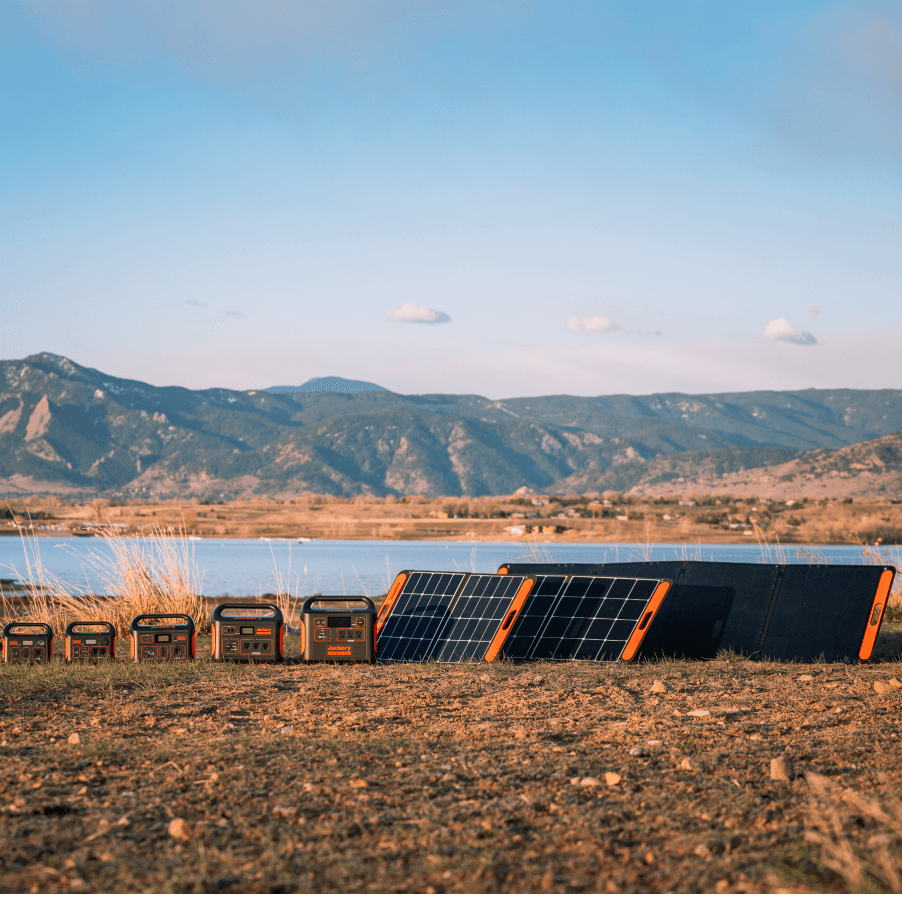
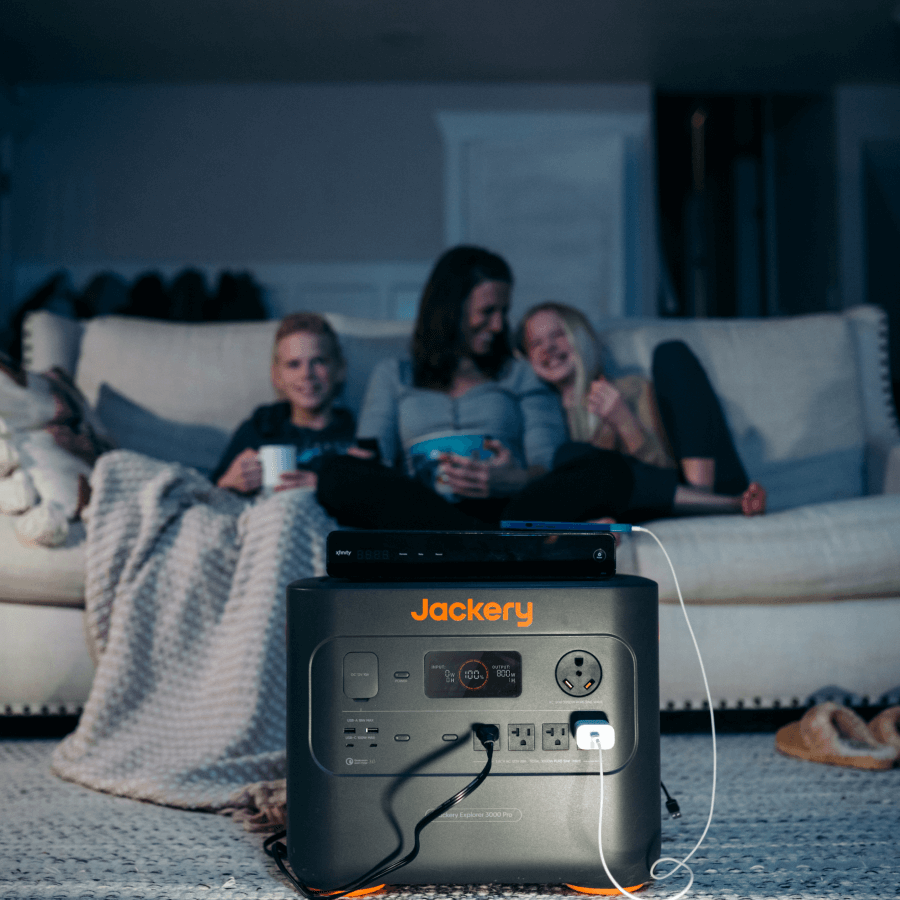
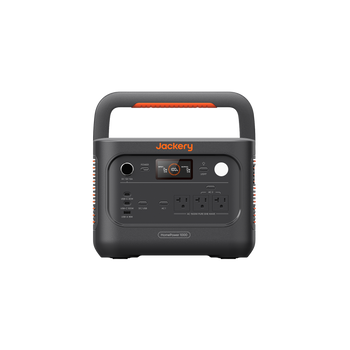
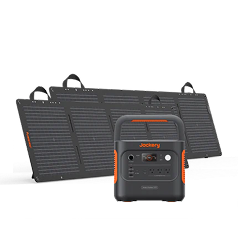
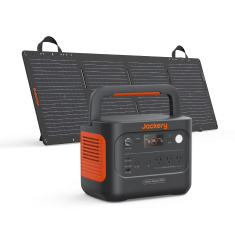
If permanent rooftop solar is out of reach, portable solar generators offer a highly effective, plug-and-play alternative. They allow you to capture free solar energy during the day and use it to power heavy appliances during expensive peak-rate hours.
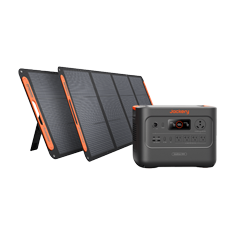
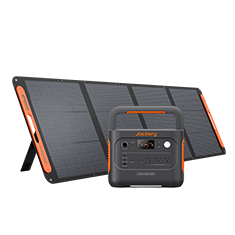
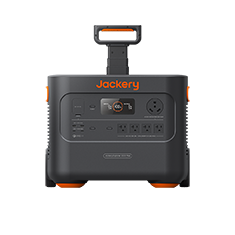
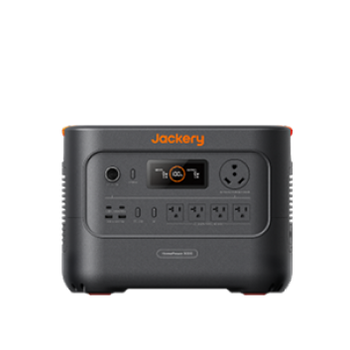
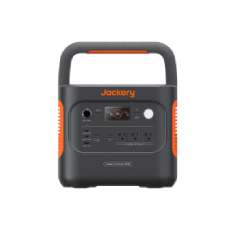
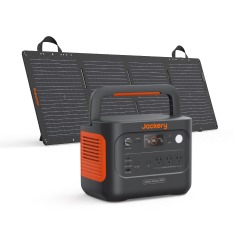
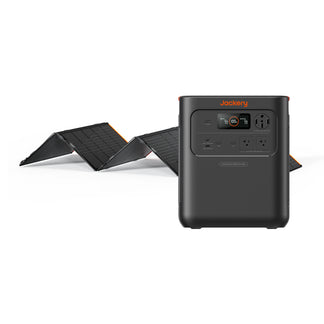
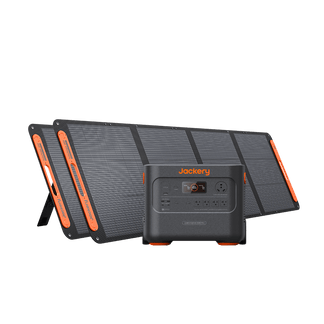
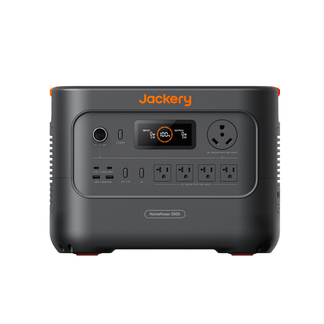
Jackery Solar Generator HomePower 3600 Plus
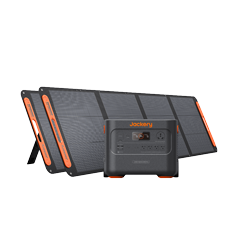
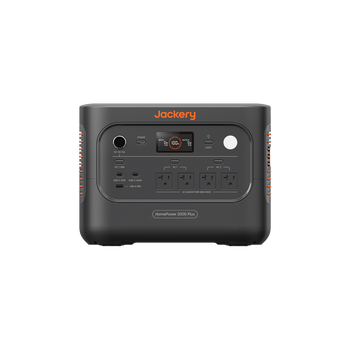
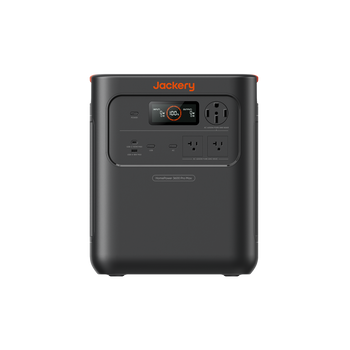
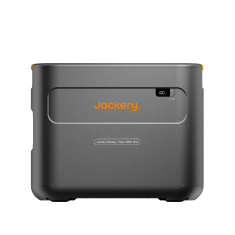
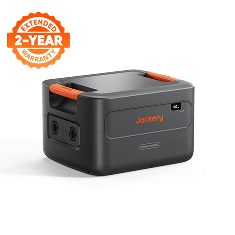
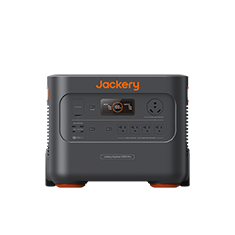
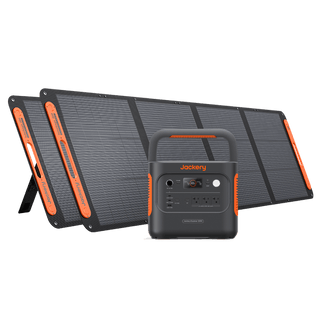
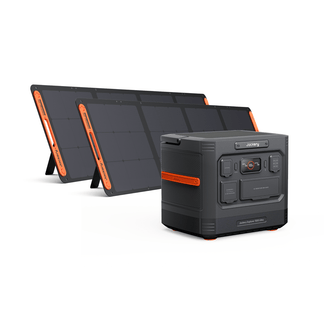
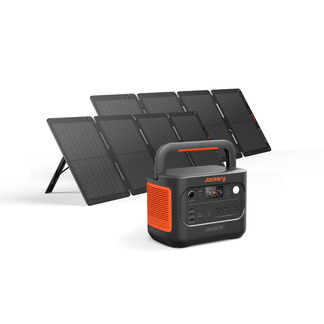
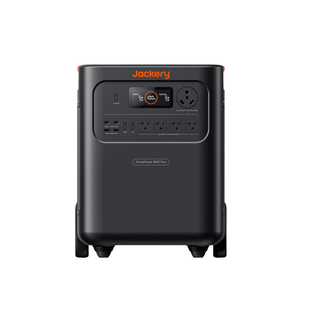
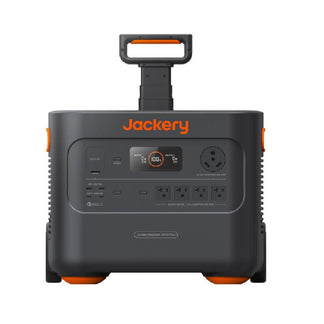
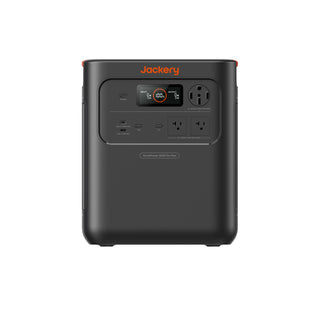
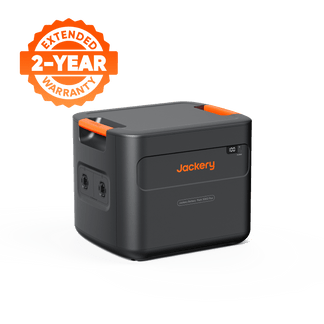
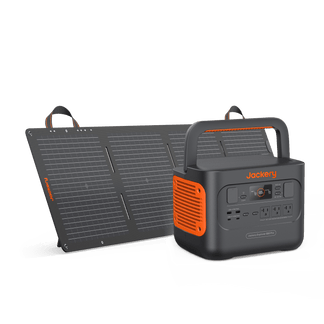
The Jackery Solar Generator HomePower 3600 Plus is designed for households serious about slashing their electricity costs. With a massive 3584Wh capacity and 3600W output, it stores solar power generated during the day and delivers it to your heaviest appliances at night.
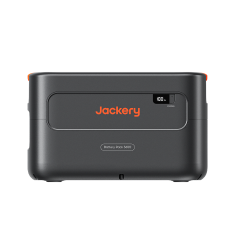
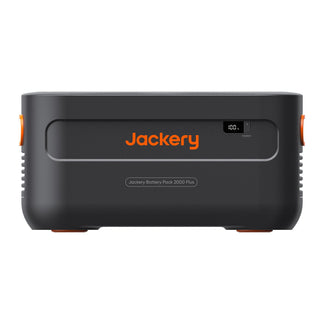
- Power Your Essentials: Keep your full-sized refrigerator running for up to 14 days (with expandable battery packs).
- Ultra-Long Lifespan: Features a 6,000-cycle LFP battery, delivering over 10 years of daily use.
- Dual Voltage Support: Supports 120V/240V dual voltage in parallel to power your fridge, water pump, or dryer simultaneously.
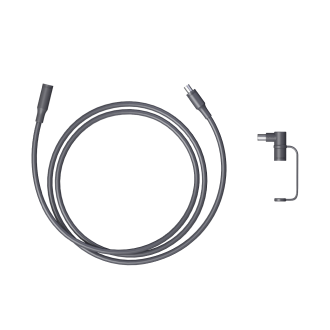
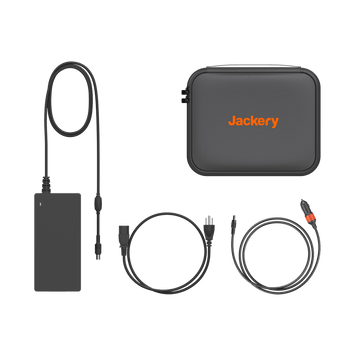
- Home Integration: Add a manual transfer switch to connect directly to your home's essential circuits.

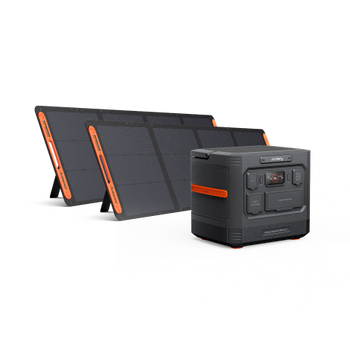
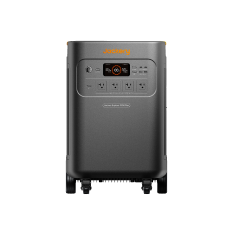
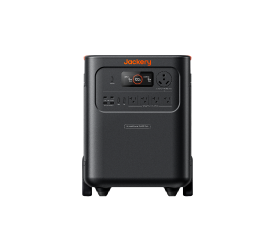
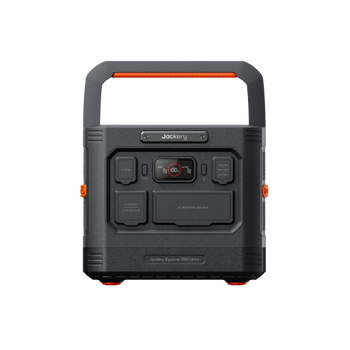
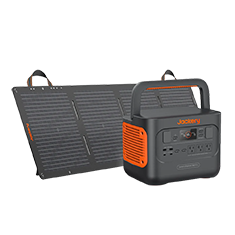
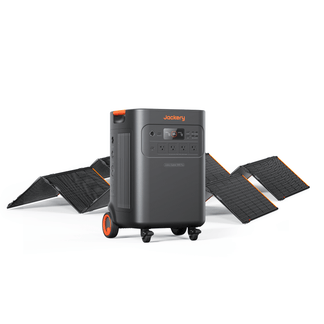
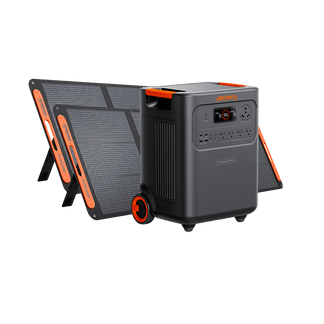
Jackery Solar Generator 5000 Plus
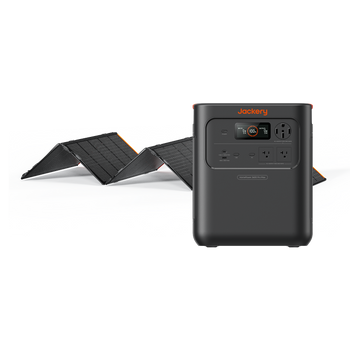
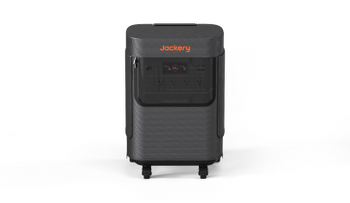
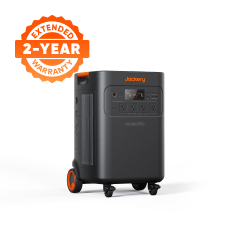
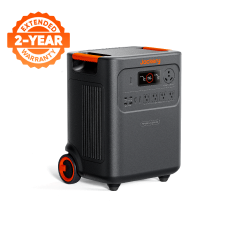
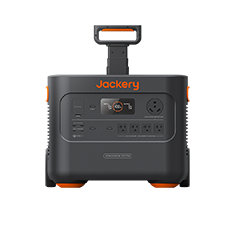
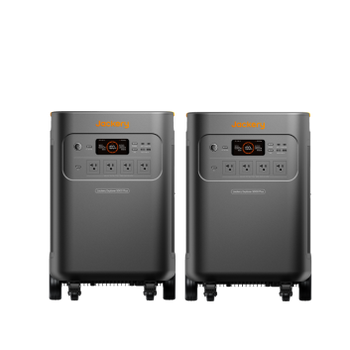
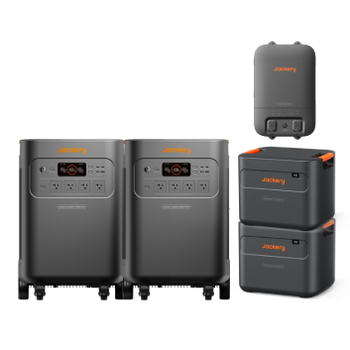
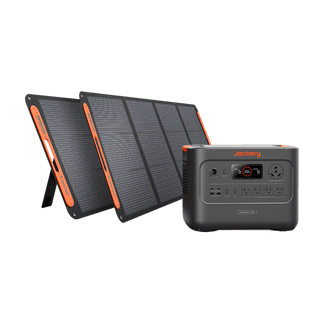
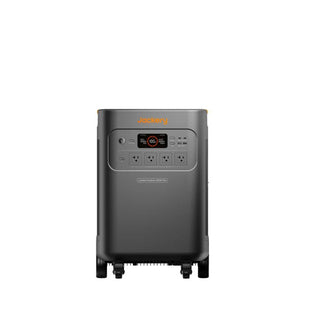
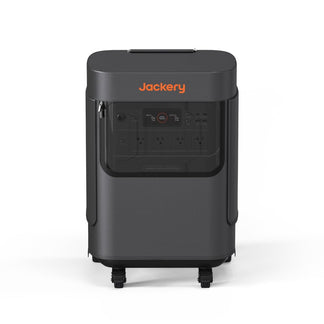
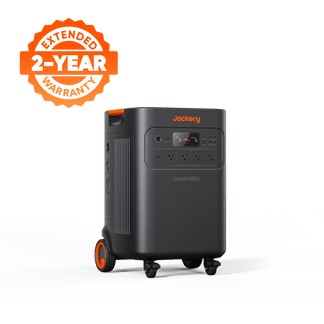
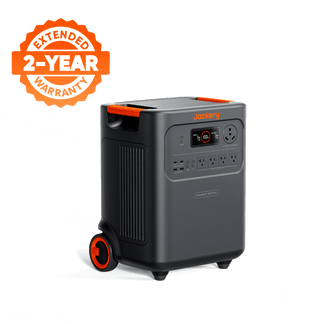
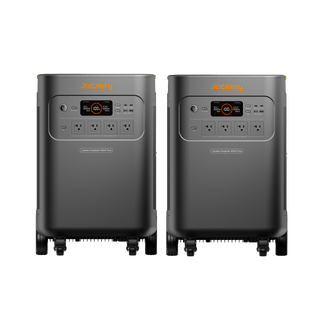
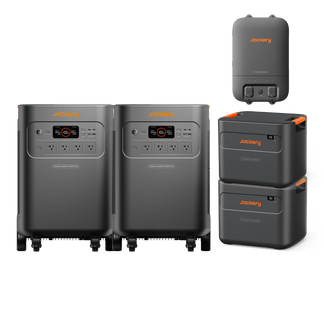
If your goal is to cut your electric bill dramatically and secure home battery backup, the Jackery Solar Generator 5000 Plus is the most powerful solution available. With an expandable capacity of up to 60kWh, it allows you to power appliances for extended periods during peak billing hours.
- Massive Output: 7200W to 14,400W output supports multiple high-demand devices, including HVAC units and well pumps.
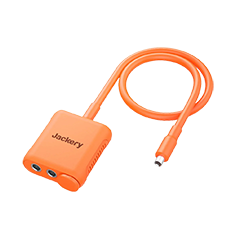
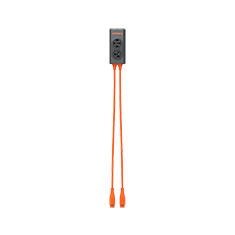
- Smart Home Integration: Connects directly to your home panel via the Jackery Smart Transfer Switch for a seamless 0ms power transition.
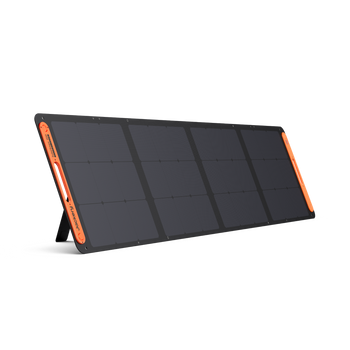
- Fast Charging: Fully charges in just 1.7 hours via 4000W solar input.
- Dual Voltage: 120V/240V compatibility ensures it can run heavy-duty household appliances without breaking a sweat.

Extreme (But Real) Behavioral Shifts for Maximum Savings
If you need immediate, drastic reductions in your electric bill, standard advice won't cut it. You must adopt radical behavioral shifts.
- Flip the breakers. For absolute zero phantom power, physically flip the main circuit breakers for non-essential rooms when they are not in use. This guarantees zero electricity flows to those circuits.
- Adopt radical temperature management. Turn off your HVAC entirely during shoulder seasons. Use ice packs and cooling towels in the summer. In the winter, heat only a single room with a small space heater while sealing off unused rooms, or use indoor sleeping tents and heavy thermal gear.
- Charge off-grid. Charge personal electronics, laptops, and high-capacity power banks at work, cafes, or public libraries. This keeps that consumption completely off your home meter.
- Embrace minimalist cooking. Avoid the electric oven entirely. Rely on raw foods, solar ovens, or low-wattage camp stoves to prepare meals without spinning your electric meter.
Conclusion: Building Your Energy Reduction Strategy
Reducing your electric bill requires a multi-front approach. Start with the bill itself. Analyze your current rate plan and switch to a fixed-rate or TOU plan if it benefits your lifestyle in a deregulated market.
Automate your savings. Install a smart thermostat and advanced power strips to handle temperature adjustments and phantom loads without daily effort. Wash laundry in cold water and adjust your water heater to 120°F.
Commit to the long game. Use your immediate behavioral savings to fund long-term structural upgrades like insulation, LED lighting, or a heat pump. Reduce your reliance on the aging electric grid by investing in solar energy and battery storage to build ultimate defense against rising utility costs.
How to Cut Electric Bill by 75% FAQs
What is one simple trick to cut your electric bill by up to 90%?
Generating your own power via solar panels or high-capacity solar generators is the only way to cut your bill by 90%. By replacing grid power with free solar energy, you eliminate the bulk of your supply charges.
What runs your electric bill up the most?
Heating and cooling systems (HVAC) run your bill up the most, accounting for 40% to 50% of your total energy use. Water heaters are the second largest culprit, consuming 14-18% of your home's energy.
What are phantom loads?
Phantom loads (or standby power) come from electronics that continue to draw electricity even when turned off or in standby mode. Devices with digital clocks, remote controls, or standby lights account for 5% to 10% of your total electricity usage.
How much energy does the average home use?
The average US home uses roughly 899 to 1,000 kWh of electricity per month, resulting in an average monthly bill of $136.84. This varies heavily by climate, region, and local utility rates.
What size of solar generator do I need for my house?
It depends on the appliances you want to run. To run a refrigerator (300W), microwave (960W), and lights simultaneously during peak hours, a mid-to-large unit like the Jackery Solar Generator HomePower 3600 Plus is ideal. For essential home backup including HVAC, you need the Jackery Solar Generator 5000 Plus.