


















































![[Add - on] Jackery Manual Transfer Switch for Explorer 5000 Plus - Jackery](http://www.jackery.com/cdn/shop/files/add-on-jackery-manual-transfer-switch-for-explorer-5000-plus-9017324.png?v=1754016782&width=350)


![[Add - on] Jackery Battery Pack 5000 Plus - Jackery](http://www.jackery.com/cdn/shop/files/add-on-jackery-battery-pack-5000-plus-6078351.png?v=1754016791&width=324)
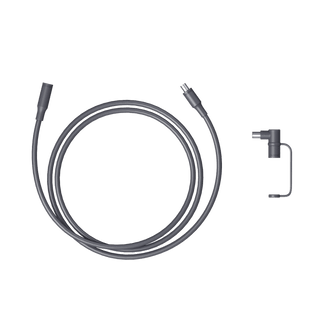
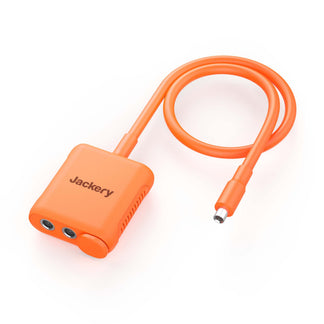
![[Add - on] Jackery Car Charging Cable - Jackery](http://www.jackery.com/cdn/shop/files/add-on-jackery-car-charging-cable-3882421.png?v=1754016863&width=324)
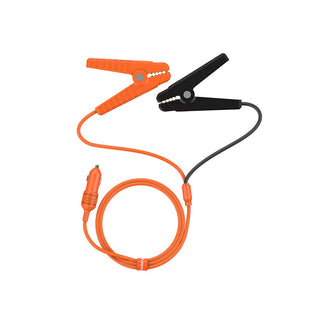
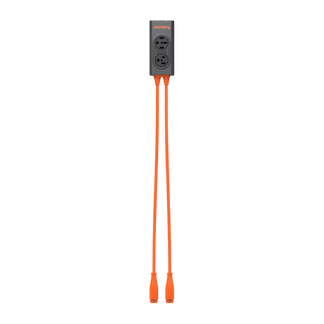






![[Add - on] Jackery Smart Transfer Switch - Jackery](http://www.jackery.com/cdn/shop/files/add-on-jackery-smart-transfer-switch-5842915.png?v=1754016784&width=324)
![[Add - on]Jackery 102W GaN 3 - Port Fast Charger - Jackery](http://www.jackery.com/cdn/shop/files/add-onjackery-102w-gan-3-port-fast-charger-6377742.png?v=1754016790&width=324)


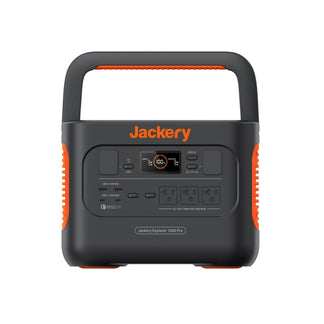
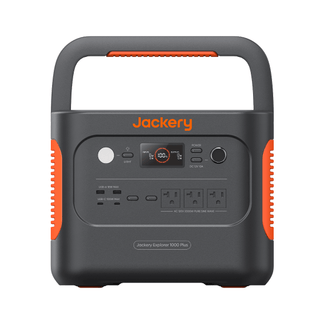
![[Add - on] SolarSaga 200W - Jackery](http://www.jackery.com/cdn/shop/files/add-on-solarsaga-200w-4834329.png?v=1754016915&width=324)
![[Add - on] Jackery Manual Transfer Switch for Explorer 5000 Plus - Jackery](http://www.jackery.com/cdn/shop/files/add-on-jackery-manual-transfer-switch-for-explorer-5000-plus-9017324.png?v=1754016782&width=324)


Expensive $30,000 rooftop installations keep traditional solar out of reach, especially for renters and condo owners. Plug and play solar panels for home offer a portable, contractor-free alternative for balconies or backyards. However, the US market involves tricky electrical codes. This guide explores the 2026 legal landscape, true costs, and safety requirements.
Who Needs Solar Power Without a Rooftop?
Not every home can support a permanent rooftop solar system. Anyone living in a rented apartment, shared housing, or a home with shaded roofs needs an alternative way to access solar power.
- Renters in Apartments: If you rent your home, you cannot install permanent solar panels on the roof. Portable and plug-in solar panels allow you to generate renewable energy without modifying the building. You simply set up the panels on a balcony or patio and connect them to your system.
- Shared Housing or Condos: Living in a condo means dealing with strict HOA rules and shared utility systems. Plug and play solar panels for home provide a localized way to offset your personal energy use without violating building codes.
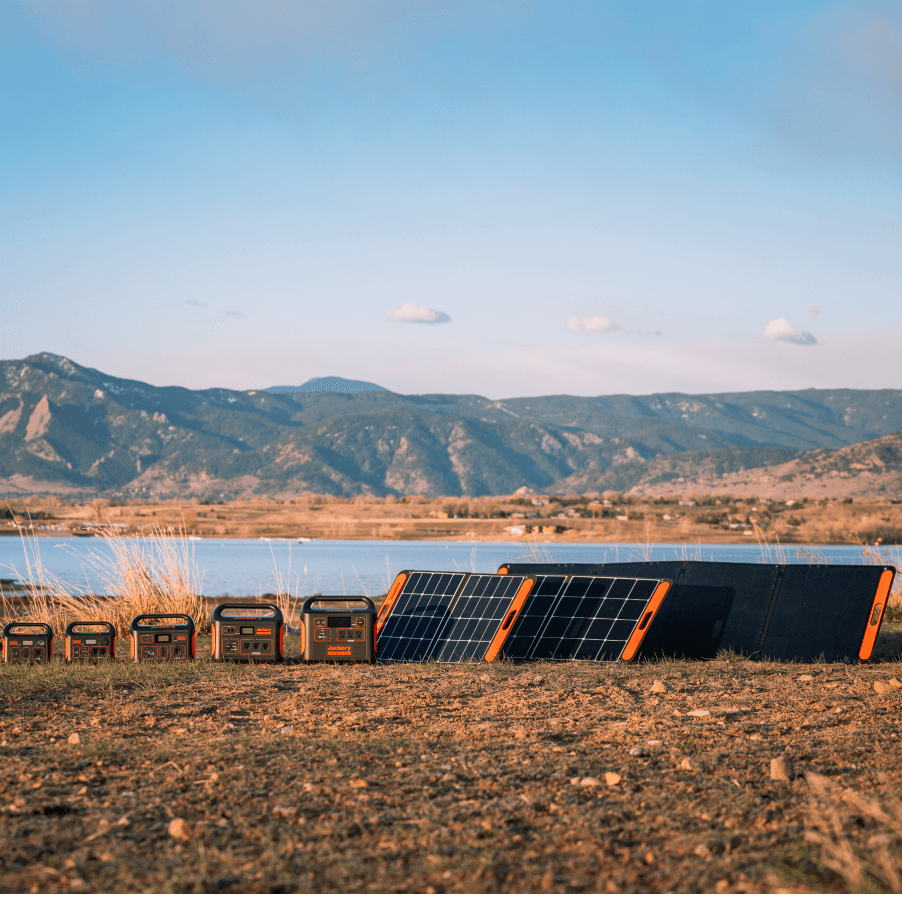
- Homeowners with Shaded or Damaged Roofs: Dense trees, poor sun exposure, or an aging roof structure make traditional solar impractical. Ground-mounted or portable solar systems offer the exact same energy benefits without requiring a single roof penetration.
How True Grid-Tied Plug and Play Systems Work
True plug and play solar panels for home bypass your main electrical panel entirely. They connect directly to your home via a standard 110/120V outdoor outlet or a dedicated Plug-In Photovoltaic (PIPV) receptacle. This DIY installation requires no special wiring and typically takes about an hour.
A microinverter acts as the core component. It converts the panel's Direct Current (DC) into grid-compliant Alternating Current (AC). Think of it like water pressure: the microinverter pushes solar electricity into your home's wiring. Your appliances consume this free solar power first before pulling from the utility grid.
This process relies on load-shifting. It offsets constant "vampire loads" like Wi-Fi routers, refrigerators, and standby electronics rather than selling power back to the grid.
Popular System Sizes and Brands
Plug-in solar kits come in various capacities to match different energy needs and space constraints.
Small starter systems range from 400W to 800W. These are highly portable, making them the standard choice for apartment balconies. Medium systems (1.2KW to 1.8KW) often feature expandable designs, while large 3KW to 10KW hybrid setups include lithium battery storage for off-grid capabilities.
Several brands currently dominate the plug-and-play market. Companies like EcoFlow, PluggedSolar, and CraftStrom offer modular kits that include high-efficiency panels, microinverters, and Wi-Fi power monitors for smartphone tracking.
The 2026 US Legal Landscape
In most of the US, grid-tied plug-in solar exists in a regulatory gray area. Plugging a solar panel directly into a wall outlet without utility permission often violates local interconnection agreements. However, legislation is rapidly changing:
Utah House Bill 340: Effective May 2025, Utah legally exempts compliant plug-in solar systems up to 1,200 watts from traditional utility interconnection agreements, provided they have built-in anti-islanding protection.
California SB 868 (Plug and Play Solar Act): Introduced in early 2026, this bill would exempt compliant plug-in solar systems up to 1,200 watts AC from utility interconnection requirements. As of March 2026, SB 868 passed the California Senate Energy Committee unanimously. If enacted, it could benefit approximately 14 million rental units.
New York SB 8512 (Solar Up Now New York Act): Introduced in September 2025, this bill defines and exempts "portable solar generation devices" from interconnection requirements, capping output at 1,200 watts. It remains under review as of March 2026.
Critical Safety Standards: The NEC 120% Rule
Grid-tied systems must be UL 1741 certified. This certification requires "anti-islanding" technology, which instantly shuts off your solar panels during a grid blackout. Anti-islanding prevents your panels from backfeeding dead power lines and electrocuting utility workers. The industry is also finalizing the UL 3700 standard to establish unified safety guidelines specifically for plug-in solar.
Installations must also comply with the National Electrical Code (NEC) 120% Rule (NEC 705.12) to prevent fire hazards.
The Formula: (Busbar Rating x 1.2) - Main Breaker Rating = Max PV.
For example, a 200A panel allows a maximum 40A solar breaker. To comply, the solar breaker must be installed at the exact opposite end of the busbar from the main utility breaker.
If your system exceeds the 120% limit, you have three legal solutions. You can derate (downsize) the main breaker, upgrade the main service panel to a higher amperage capacity, or perform a line-side tap to connect the system directly between the meter and the main breaker.
True Costs, Power Clipping, and 2026 Tax Incentives
Small starter systems (400W-800W) cost between $400 and $1,200. The average cost across all system sizes ranges from $0.65 to $3 per watt.
Unlike traditional rooftop solar, plug-in systems do not qualify for net metering or Solar Renewable Energy Certificates (SRECs). Because they offset expensive time-of-use electricity rates, they offer an average payback period of 3 to 6 years.
The Power Clipping Reality: Marketing claims often overstate actual wattage at the plug. Users frequently report power clipping, where an advertised 800W kit may only deliver 340W at the outlet due to sub-optimal microinverters or minor shading.
2026 Tax Update: The 30% Federal Tax Credit under the Residential Clean Energy Credit (Section 25D) officially expired on December 31, 2025. For systems purchased in 2026 and beyond, this federal rebate is no longer available. Furthermore, plug-in systems generally do not qualify for local utility rebates or SRECs. To see if any state-level programs still exist in your area, check your state's energy office or the DSIRE database.
Maximizing ROI: The Load-Shifting Strategy
Because plug-in systems cannot export power for utility credits, financial savings rely entirely on self-consumption.
Active load-shifting involves running high-energy appliances—like dishwashers, washing machines, or pool pumps—during peak solar production hours (typically 10 AM to 2 PM). Your appliances consume the solar power instantly, preventing it from going to waste.
A recent survey of plug-in solar owners showed that active load-shifting saved an additional 15% to 20% on utility bills. For a standard 800W system, this strategic appliance usage translates to an extra $15 to $25 in annual savings.
Plug-In Solar vs. Traditional Rooftop vs. Portable Generators
Understanding the difference between system types prevents costly mistakes, especially regarding blackout protection.
Traditional Rooftop Solar: Best for long-term homeowners seeking whole-home power and property value increases. Requires permits, contractors, and heavy upfront investment.
Grid-Tied Plug-In Solar: Ideal for renters wanting to lower daily utility bills. The Blackout Myth: Because of anti-islanding safety rules, grid-tied plug-in panels will not power your home during a grid outage. They shut down automatically.
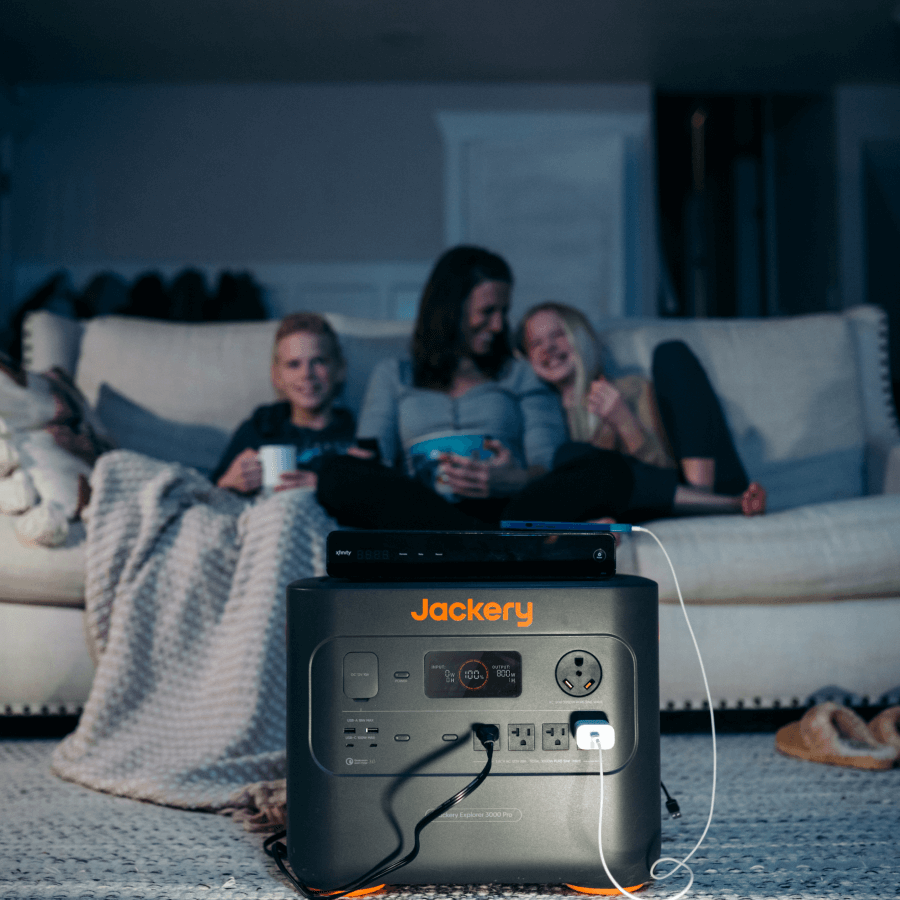
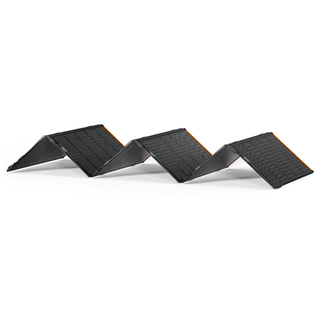
Portable Solar Generators: The safest off-grid alternative for blackout protection. These systems store solar energy in massive batteries and do not feed into the home's main panel, meaning they work perfectly during grid failures.
Are They Worth It? Alternatives to Consider
If your goal is to lower your daily utility bill, grid-tied plug-in panels are a great option—provided you navigate local interconnection laws. If you need backup power during grid outages, invest in a portable solar generator.
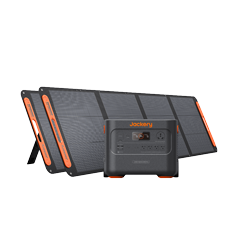
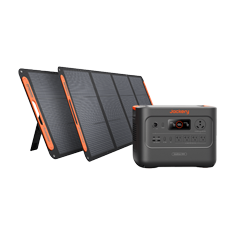
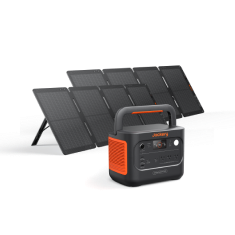
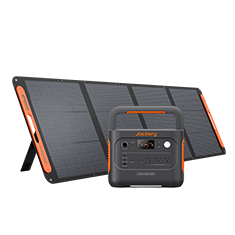
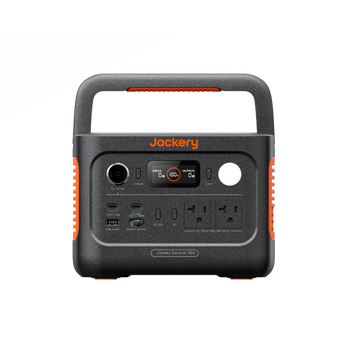
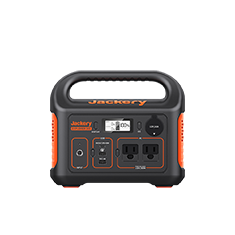
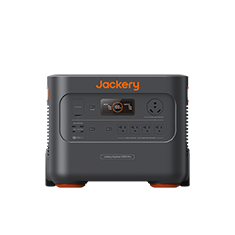
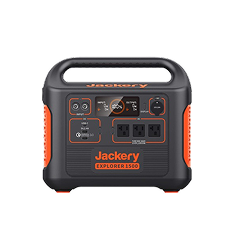
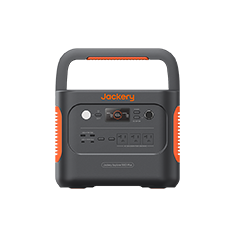
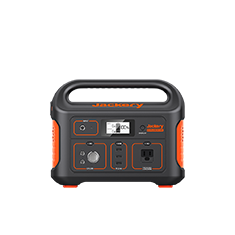
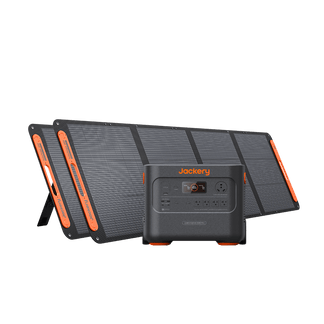
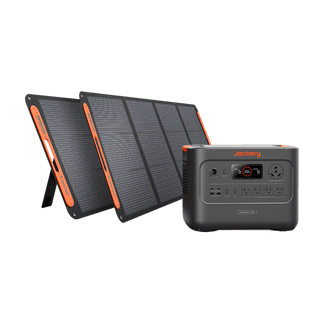
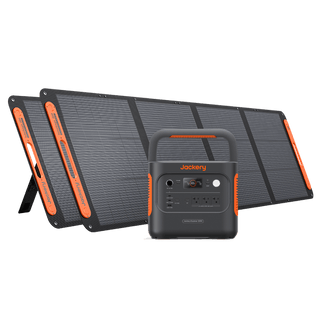
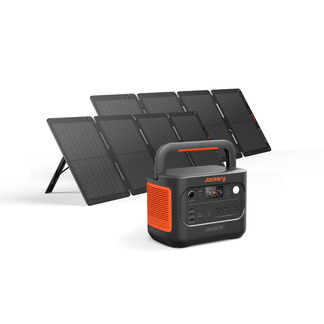
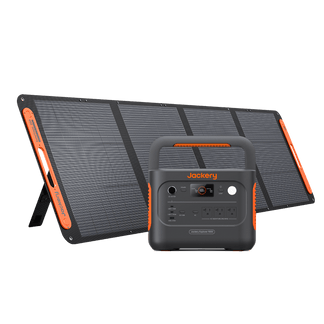
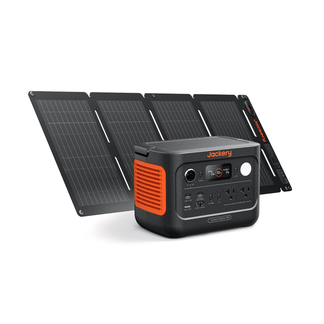
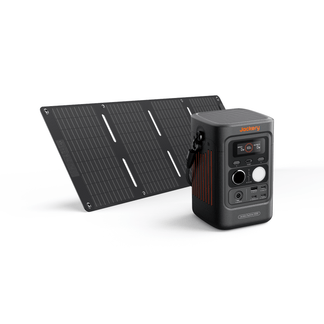
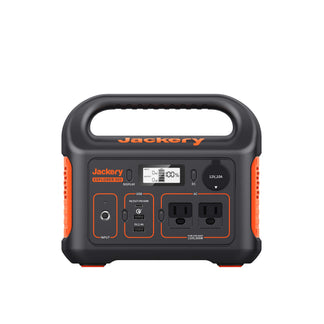
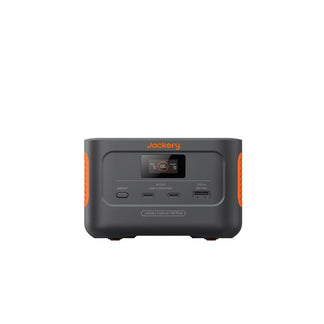
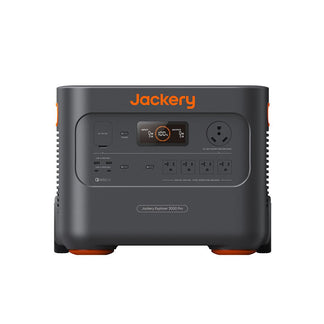
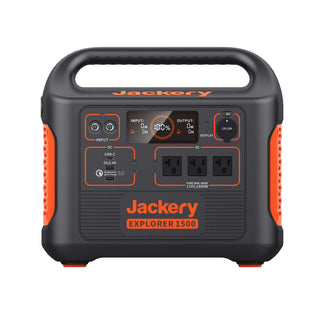
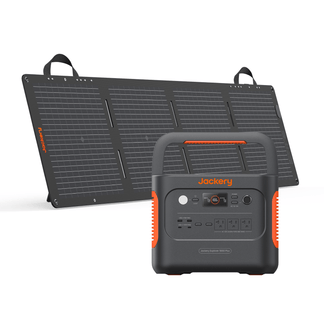
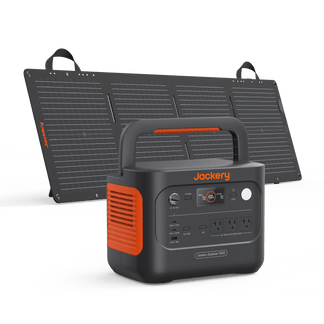
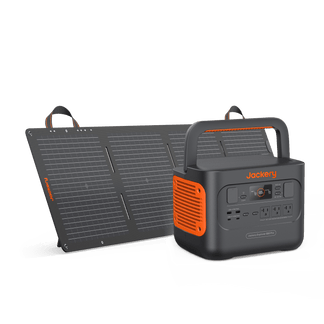
Off-grid portable solar generators require zero permits. Because they store energy in a battery and do not feed electricity back into your home's breaker panel, they are considered off-grid appliances. Jackery offers powerful, ready-to-use solutions designed for reliable energy during outages.
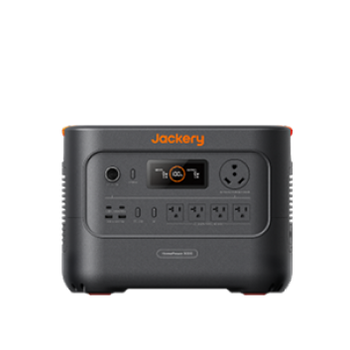
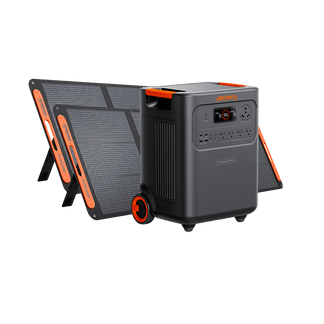
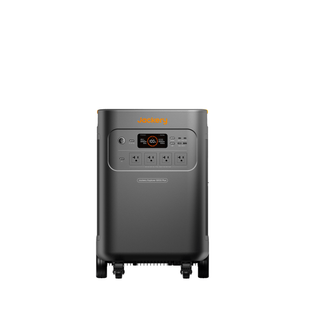
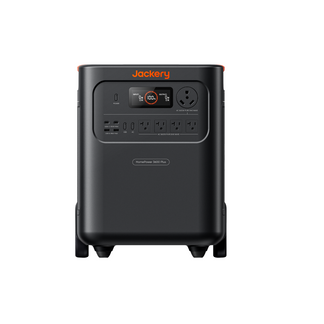
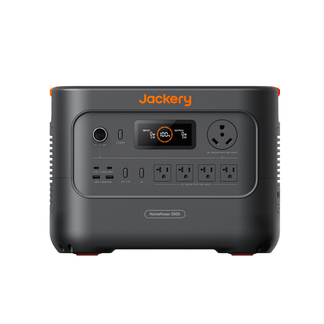
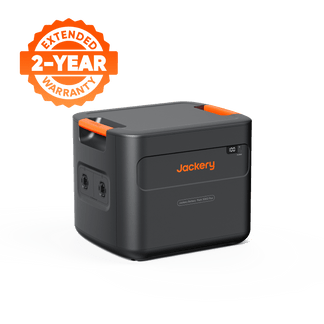
Jackery Solar Generator HomePower 3600 Plus
The Jackery Solar Generator HomePower 3600 Plus is built for heavy-duty everyday home use. Its massive battery capacity powers essentials like your refrigerator, microwave, medical devices, or washing machine. It features an advanced cell-to-body (CTB) design, making it incredibly easy to move and store without sacrificing power.
Appliances Running Time:
- Refrigerator (300W) = 10.5H
- TV (150W) = 19.2H
- Microwave (1000W) = 3.1H
- Heater (1000W) = 3.1H
- Vacuum Cleaner (2000W) = 1.6H
Key Features:
- 1-2 Days of Essentials: Keeps critical devices running through extended outages.
- 10+ Years of Use: Features ChargeShield™ 2.0 battery technology and a 5-year warranty.
- 3600W Continuous Output: Handles refrigeration, lighting, and small appliances simultaneously without circuit overloads.
- Always Ready with ZeroDrain™: Retains ~95% charge after 12 months in storage.

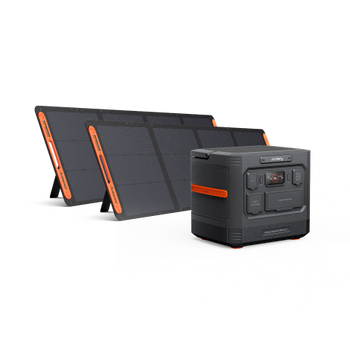
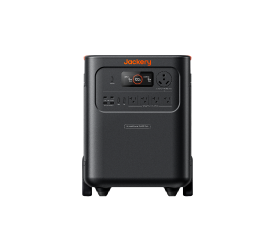
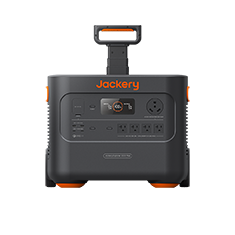
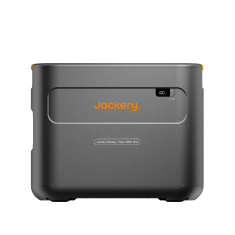
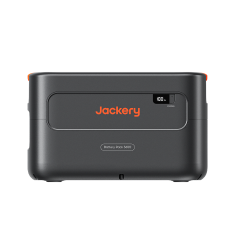
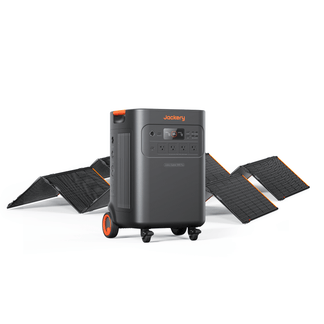
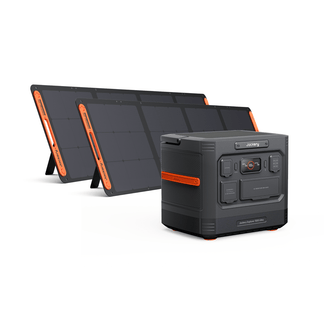
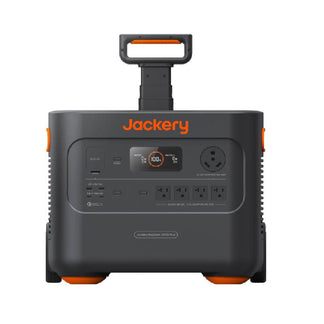
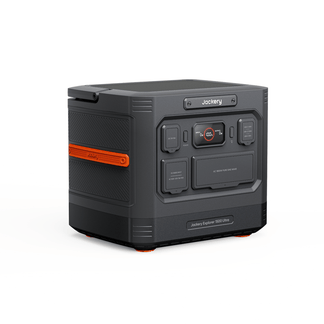
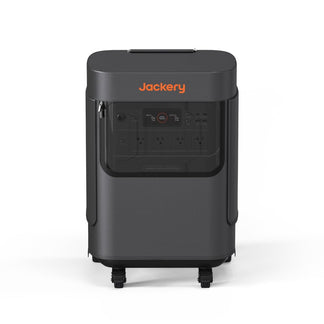
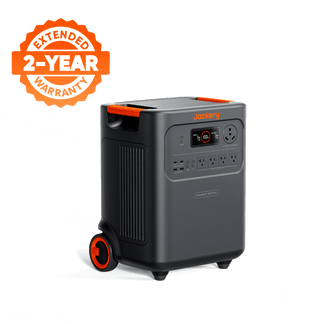
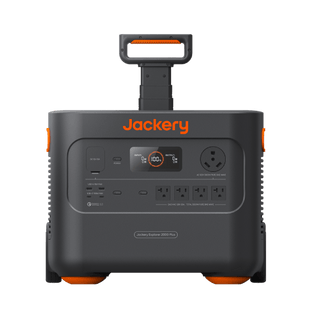
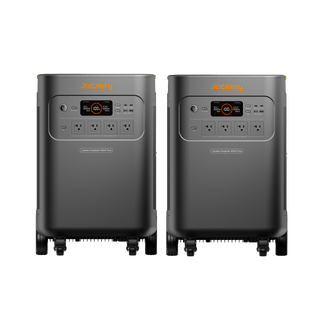
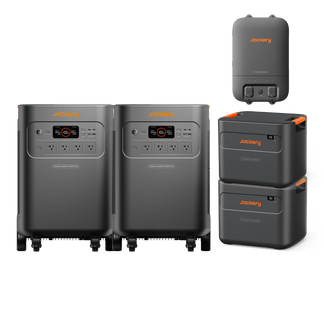
Jackery Solar Generator 5000 Plus
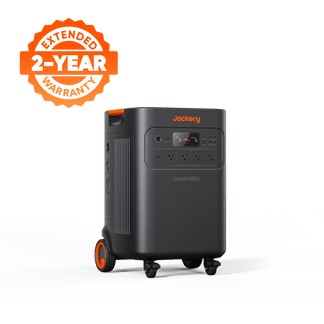
The Jackery Solar Generator 5000 Plus is the ultimate home backup solution for long-term power outages. It supports heavy 240V appliances, such as space heaters, sump pumps, and air conditioners. Despite its massive capacity, it easily rolls between rooms or into storage.
Appliances Running Time:
- Refrigerator (300W) = 14.5H
- TV (150W) = 26.0H
- Microwave (1000W) = 4.8H
- Heater (1000W) = 4.8H
- Vacuum Cleaner (2000W) = 2.4H
Key Features:
- Extended Outage Protection: Supports multiple devices for up to 30 days when paired with extra batteries.
- 0ms Power Transition: Your fridge stays cold and your Wi-Fi stays on without interruption.
- 120V/240V Dual Voltage: Enhances compatibility for heavy-duty appliances.
- Ultra-Fast Charging: Fully charges in 1.7 hours via 4000W solar input.

Where Can You Place a Solar Panel at Home?
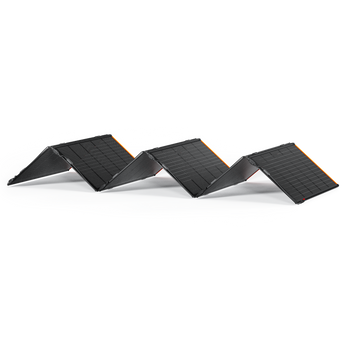
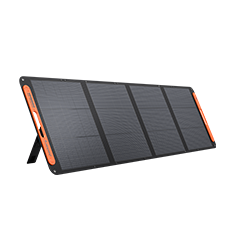
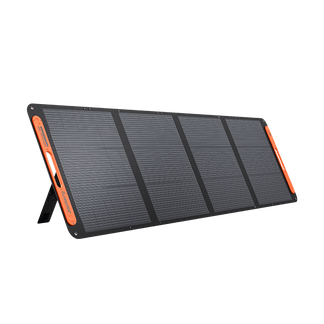
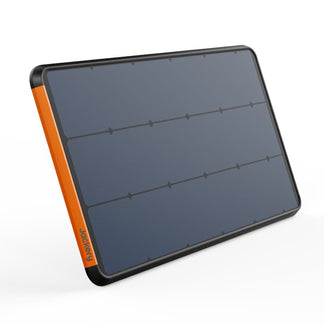
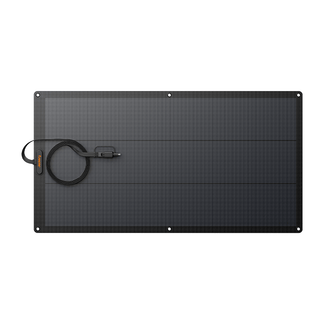
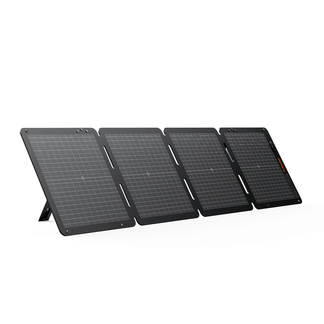
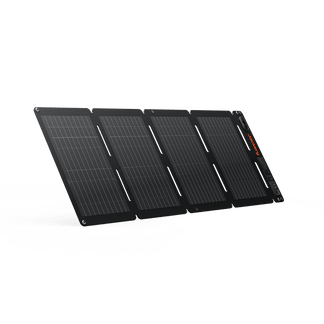
You don't need a rooftop to harvest solar energy. Portable and plug-in solar panels work in various settings, provided they receive direct sunlight. For safety, limit your total grid-tied plug-in setup to three 400W kits (1200W total) on a standard circuit.
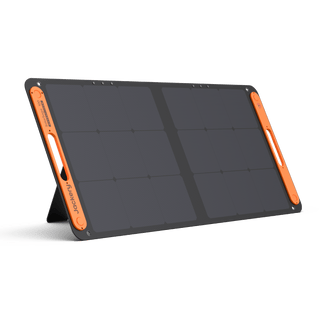
- Balcony or Terrace: Angle the solar panel toward the sun and easily adjust its position throughout the day.
- Backyard or Garden: Set the panels on a flat surface or a ground rack. Keep them away from tree shadows. Maximize energy capture by using bi-facial panels, which absorb reflected light from the ground.
- Near a Sunlit Window: In smaller apartments, placing the panel outside a south-facing window captures strong midday sun.
- Move It With the Sun: Flexibility is the biggest advantage. Start the day with the panel on one side of your home and move it as the sun shifts.
Common Questions About How to Get Solar Power
Are plug and play solar panels worth it?
Yes, if you are a renter or condo owner looking to offset baseload power. They offer an average payback period of 3 to 6 years. However, they are not worth it if you expect them to power your entire home or function during a grid blackout.
How does power clipping affect solar output?
Power clipping occurs when a solar panel generates more DC power than the microinverter can convert to AC power. The excess energy is lost. For example, an 800W solar array paired with a smaller inverter might "clip" and only deliver 340W to your wall outlet.
What is the NEC 120% rule for solar?
The 120% rule (NEC 705.12) ensures your electrical panel can safely handle both grid and solar power without overloading. It mandates that the combined utility and solar breaker ratings cannot exceed 120% of the busbar's total capacity.
Will plug-in solar panels work during a power outage?
Grid-tied plug-in panels will not work during an outage. They feature UL 1741 anti-islanding technology that forces them to shut down when the grid fails. To get power during a blackout, you must use an off-grid portable solar generator.
Can you put portable solar panels on the roof?
Yes, but only if they are securely mounted and designed for that purpose. Unsecured portable panels pose a severe wind hazard.
Can portable solar panels be left outside?
Yes, they are designed to absorb sunlight outdoors. However, if extreme weather, heavy rain, or snow is forecasted, it is best to fold them and store them inside to prolong their lifespan.
Conclusion
If you want to bypass expensive rooftop installations, plug and play solar panels for home offer a highly accessible alternative. Renters, condo owners, and budget-conscious homeowners can now offset their daily electricity costs using simple micro-generation systems.
Just remember the critical difference in technology. If your goal is to lower your daily utility bill, grid-tied plug-in panels are a great option—provided you navigate local interconnection laws. If your goal is guaranteed power during a blackout, off-grid solutions like the Jackery Solar Generator HomePower 3600 Plus and Jackery Solar Generator 5000 Plus provide the permit-free, reliable backup energy you need.