




![[Add - on] Jackery Manual Transfer Switch for Explorer 5000 Plus - Jackery](http://www.jackery.com/cdn/shop/files/add-on-jackery-manual-transfer-switch-for-explorer-5000-plus-9017324.png?v=1754016782&width=350)


![[Add - on] Jackery Battery Pack 5000 Plus - Jackery](http://www.jackery.com/cdn/shop/files/add-on-jackery-battery-pack-5000-plus-6078351.png?v=1754016791&width=324)
![[Add - on] Jackery Car Charging Cable - Jackery](http://www.jackery.com/cdn/shop/files/add-on-jackery-car-charging-cable-3882421.png?v=1754016863&width=324)



![[Add - on] Jackery Smart Transfer Switch - Jackery](http://www.jackery.com/cdn/shop/files/add-on-jackery-smart-transfer-switch-5842915.png?v=1754016784&width=324)
![[Add - on]Jackery 102W GaN 3 - Port Fast Charger - Jackery](http://www.jackery.com/cdn/shop/files/add-onjackery-102w-gan-3-port-fast-charger-6377742.png?v=1754016790&width=324)


![[Add - on] SolarSaga 200W - Jackery](http://www.jackery.com/cdn/shop/files/add-on-solarsaga-200w-4834329.png?v=1754016915&width=324)
![[Add - on] Jackery Manual Transfer Switch for Explorer 5000 Plus - Jackery](http://www.jackery.com/cdn/shop/files/add-on-jackery-manual-transfer-switch-for-explorer-5000-plus-9017324.png?v=1754016782&width=324)


Moving into a new home is expensive enough without utility companies demanding a $200 to $400 security deposit just to flip on the lights. It’s no wonder "no-deposit" electricity plans sound like a dream come true. But before you sign up, you need to look past the marketing. In exchange for skipping that upfront fee, you will likely pay significantly higher rates per kilowatt-hour—and your power could turn off the exact second your balance hits zero.
It’s not a scam; it’s a deliberate financial trade-off. This guide strips away the marketing hype to show you exactly how these plans work, what your true monthly expenses will look like, and how to protect your home from sudden, unexpected power cuts.
What Are No-Deposit Electricity Plans and How Do They Work?
Standard postpaid electricity plans require utility companies to run a credit check before establishing your service. If your credit score falls below their threshold, they demand an upfront cash security deposit often ranging from $200 to $400.
A no-deposit plan bypasses this upfront cash requirement entirely, utilizing either a prepaid model or specific legal exemptions to establish your service.
1. The Prepaid Electricity Model (Pay-As-You-Go)
Prepaid plans are the most common way to avoid an upfront deposit. This system works like a prepaid debit card:
- Low Startup Cost: You open an account with a small starting balance of just $40 to $75, which acts as your electrical bank balance.
- Dynamic Deductions: As your home consumes kilowatt-hours (kWh), your provider deducts costs in real-time, alongside any flat daily service charges.
- Instant Disconnection: The moment your account balance hits $0, the utility provider uses your smart meter to disconnect your power remotely. There are no paper billing cycles, grace periods, or manual warning knocks on your door.
2. No-Deposit vs. Prepaid: They Aren’t the Same
It is important to note that "no deposit" and "prepaid" are not identical. You can often secure a traditional, postpaid plan with zero deposit through several methods:
- Soft Credit Checks: Bypassing deposits by passing a soft credit check that doesn't impact your credit score.
- Autopay Enrollment: Agreeing to enroll in automatic monthly credit card or bank account drafts.
- State-Mandated Exemptions: Many state utility regulations mandate that deposits must be waived entirely for specific groups, including:
- Senior Citizens: Customers aged 65 or older with a clean payment history from their previous provider.
- Domestic Violence Survivors: Documented victims of family violence.
- Medical Necessity: Customers who rely on life-support or medically necessary equipment.
The Real Cost: Are No-Deposit Plans More Expensive?
Prepaid electricity plans often prove more costly than standard fixed-rate alternatives, with higher base rates (15¢–18¢/kWh) and daily fees pushing effective rates toward 20¢–26¢/kWh, as shown in the updated analysis.
Despite avoiding a $400 deposit, the additional monthly costs of prepaid plans can exceed that deposit amount within four to seven months, making them a less cost-effective long-term option compared to typical post-paid plans.
|
Plan Configuration |
Base Energy Rate |
Effective Rate (With TDU & Fees) |
Avg. Monthly Bill (1,000 kWh) |
|
Postpaid Fixed-Rate |
10.5¢ – 11.5¢/kWh |
14¢ – 16¢/kWh |
$140 – $160 |
|
Prepaid No-Deposit |
15.0¢ – 18.0¢/kWh |
20¢ – 26¢/kWh |
$200 – $260 |
This extra $60 to $100 per month adds up rapidly, meaning a prepaid plan will wipe out the savings of skipping that original $400 security deposit in as little as four to seven months. Low-volume users suffer an even harsher financial penalty; because flat daily connection fees are spread across fewer total kilowatt-hours, their effective per-kWh rate spikes drastically. This makes prepaid electricity an incredibly expensive trap for long-term use.
Key Benefits: Why Consumers Choose No-Deposit Plans
Despite their higher long-term operational costs, no-deposit electricity plans provide critical advantages for specific housing, credit, and transition scenarios.
Core Advantages:
- Same-Day Power Connection: Because service is managed remotely via modern smart meters, same-day connection is standard. You can activate your utilities within hours of moving in, completely bypassing the administrative and scheduling delays of traditional service startups.
-
Guaranteed Approval (No Credit Check): Approval is guaranteed for any customer with a valid state ID, driver's license, or passport—regardless of past bankruptcy history or prior utility debt. This represents a vital option for:
- International students and expats.
- Anyone lacking a U.S. social security number (SSN) or established credit file.
- Complete Contract Freedom: You enjoy month-to-month flexibility. Since there are no long-term contracts, you can cancel or switch your service at any time without facing expensive early termination fees (ETFs). This makes it highly attractive for temporary housing or short-term renters.
Major Drawbacks: The Disconnection Risk and Hidden Fees
While no-deposit electricity plans offer unmatched convenience, they come with substantial financial and operational risks that consumers must carefully weigh.
The Danger of Instant Disconnection: The single biggest risk of a prepaid plan is immediate, automatic disconnection.
Unlike traditional postpaid utilities—which are legally required to mail multiple written notices and provide several weeks of warning before shutting off power—prepaid systems disconnect the exact moment your account balance hits zero. This remote, zero-grace-period shutoff can leave your family in a dark, unsafe house without any human intervention.
Other Disadvantages to Consider:
- Unlocked, Variable Rates: Because prepaid plans are almost always variable-rate plans, your price per kWh is not locked in. Your provider can raise energy prices without prior notice to match peak seasonal grid demands, causing your account balance to drain unexpectedly fast during summer heatwaves.
- Nickel-and-Diming (Transaction Fees): Prepaid providers frequently charge extra processing fees (ranging from $2 to $5) every time you add funds to your account, especially when using cash top-up kiosks or third-party retail payment centers.
- Zero Credit-Building Benefits: Unlike postpaid utility accounts, prepaid providers do not report your positive payment history to major credit bureaus (Equifax, Experian, TransUnion). This means your on-time payments won’t help you build or repair your credit score.
How to Choose the Best No-Deposit Plan
Shopping for a deposit-free plan requires a smart, systematic approach. Use this four-step strategy to secure the lowest rates and protect your household from unexpected blackouts.
The Smart Shopper's Checklist
- Step 1: Check for Legal Waivers: First Before signing up for a prepaid plan, verify if you qualify for a state-mandated deposit waiver (such as being age 65+, having a medical necessity, or possessing a clean "Letter of Credit" from your previous utility provider).
- Step 2: Read the Electricity Facts Label (EFL): Compare different providers by looking at their Electricity Facts Label (EFL) at exactly the 1,000 kWh usage level. The EFL is the only document that legally exposes hidden daily base fees and reveals what you will actually pay per unit of power.
- Step 3: Require Low-Balance Alerts: Only select a provider that offers an automated low-balance warning system. Ensure they send automated text or email alerts the moment your account balance falls below a $15 threshold, giving you ample time to add funds.
- Step 4: Verify Fee-Free Top-Up Options: Choose a provider that supports instant, fee-free payment methods (such as a mobile app, bank draft, or Apple Pay) so you can avoid paying $3 to $5 transaction fees at physical retail kiosks.
Pro Tip: Use Prepaid as a Temporary Bridge Do not treat prepaid electricity as a permanent lifestyle choice. Instead, use it as a short-term stepping stone.
Once you establish 12 consecutive months of on-time payments with your current provider, you can use that pristine utility payment record to switch to a much cheaper, fixed-rate postpaid plan with any provider—completely bypassing their security deposit requirements.
Keep your Home Powered During Unexpected Outages
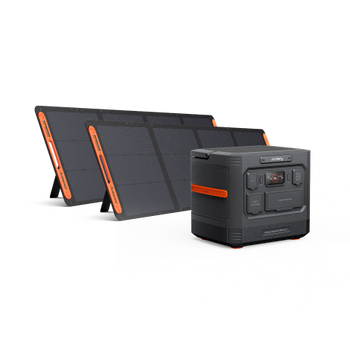
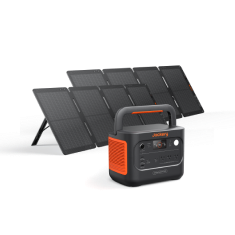
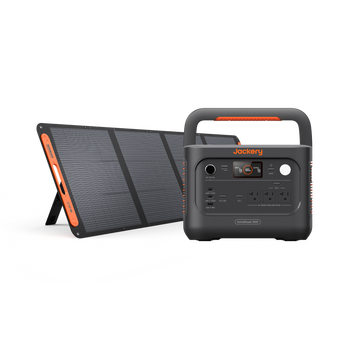
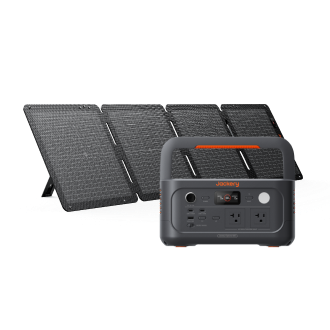
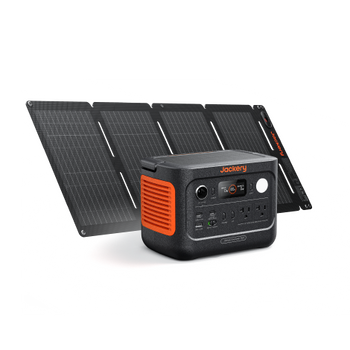
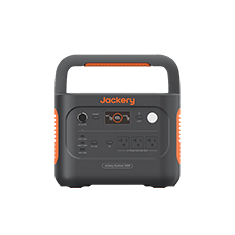
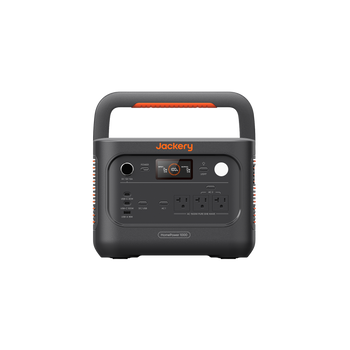
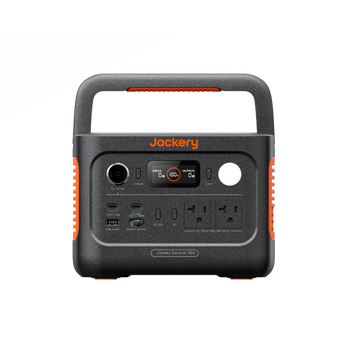
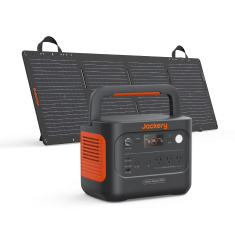
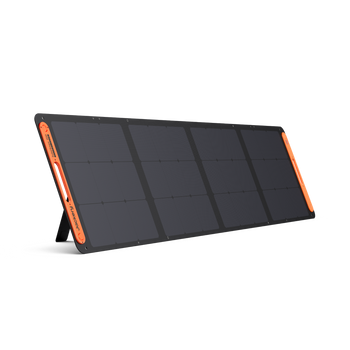
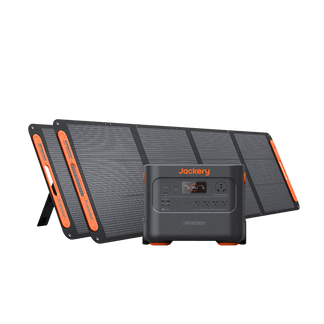
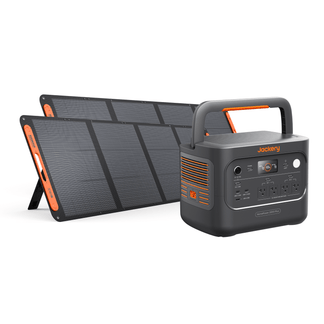
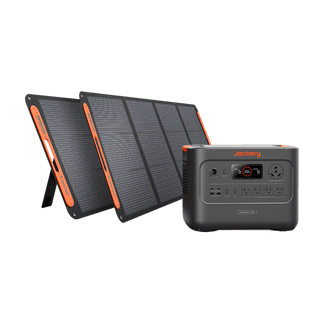
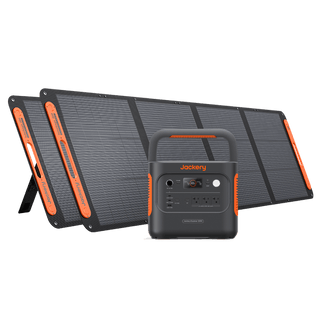
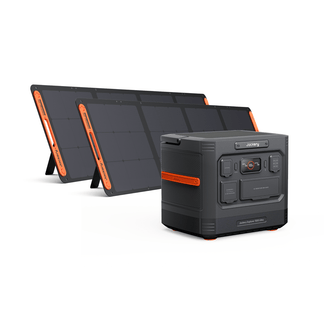
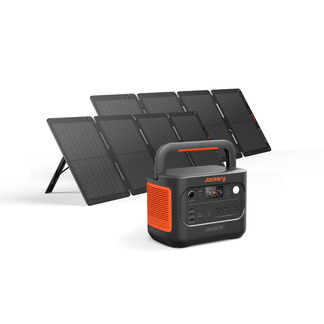
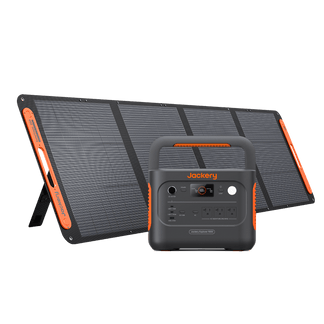
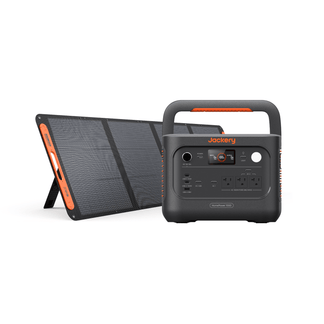
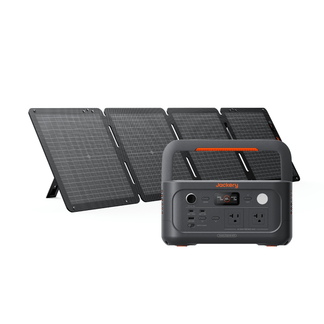
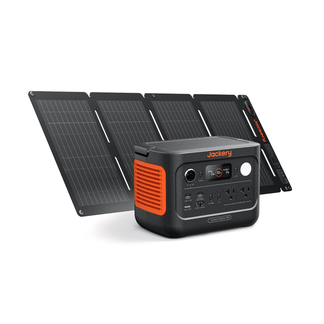
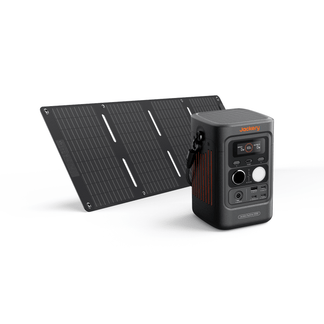
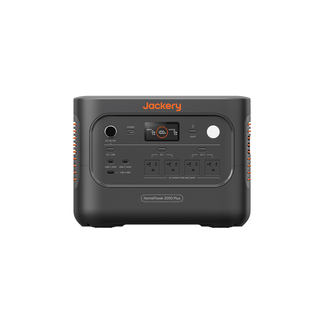
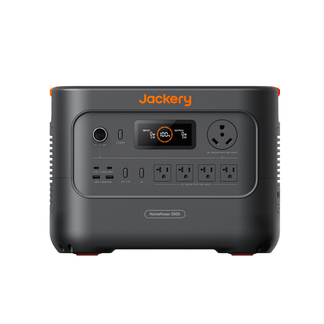
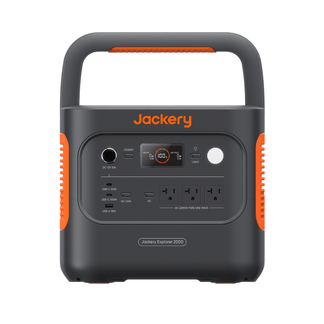
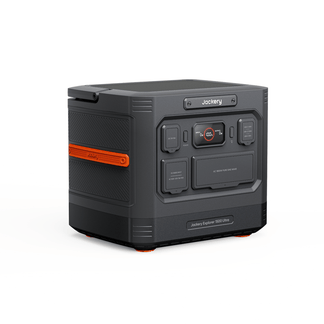
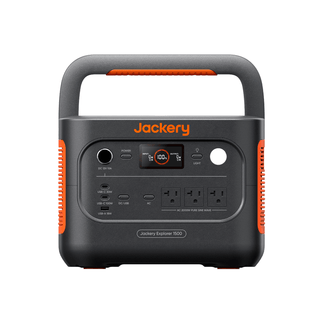
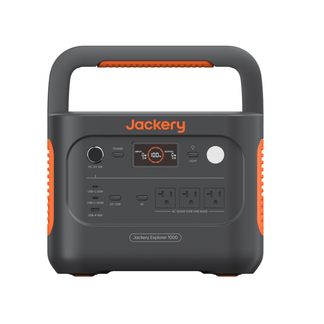
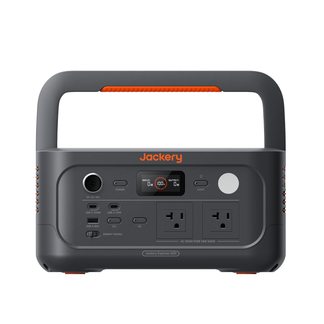
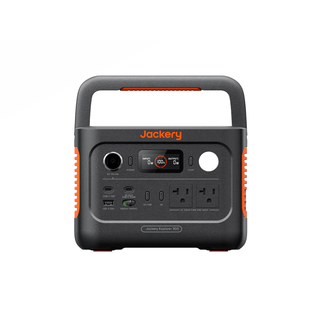
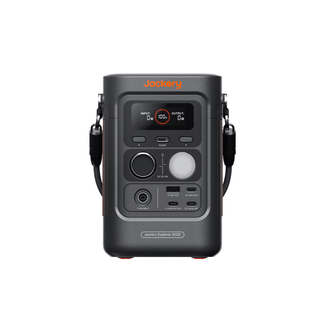
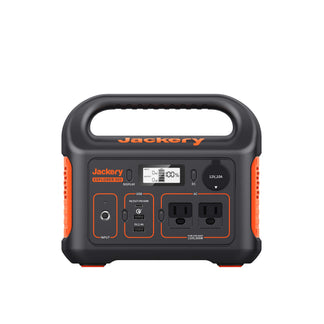
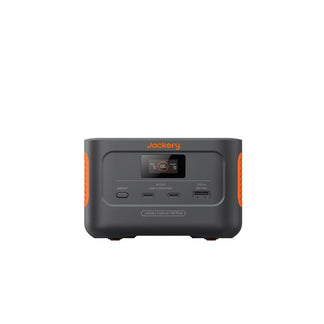
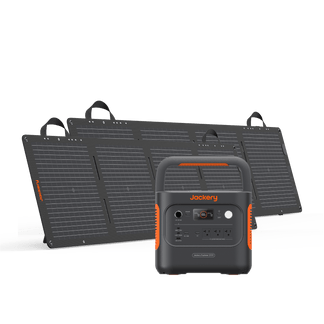
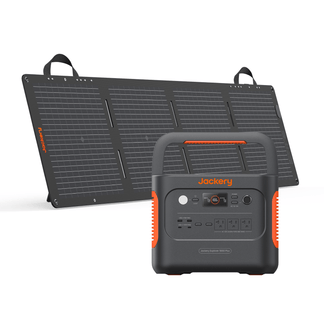
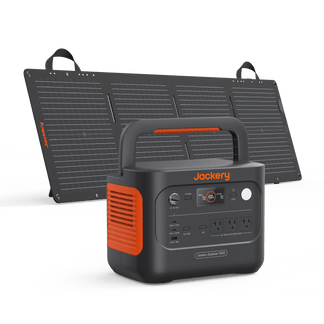
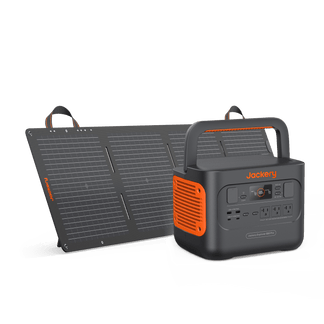
Because prepaid plans carry a constant risk of immediate shutoff if your balance reaches zero, keeping a reliable emergency backup system on-site is highly recommended to protect your family. A portable solar generator can run your critical appliances silently and cleanly inside your home, keeping your refrigerator cold and your internet online while you arrange an emergency account top-up.
To explore high-performance backup options, check out our selection of Jackery Solar Generators.
For a closer look at specific hardware, review our guide to selecting the Jackery Portable Power Stations or explore our comprehensive what to do when power goes out emergency checklist.

Two premium quiet-generation systems are ideal for household emergency backup:
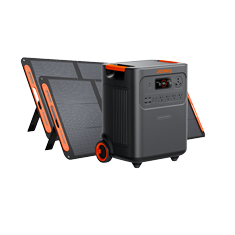
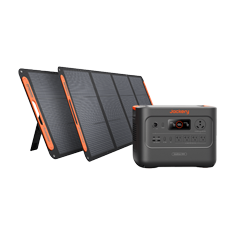
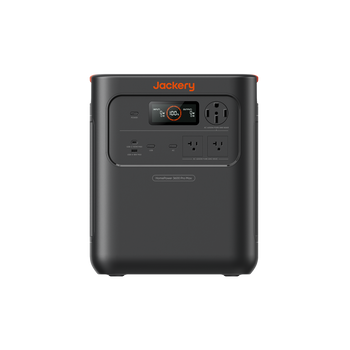
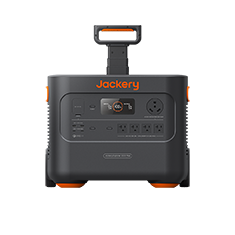
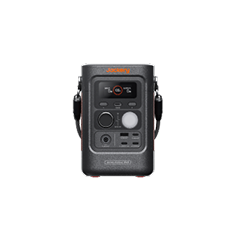
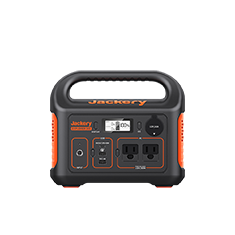
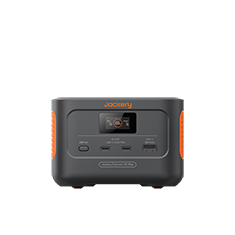
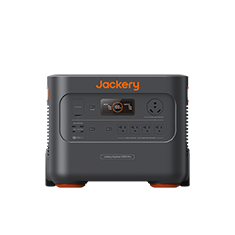
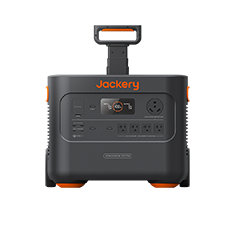
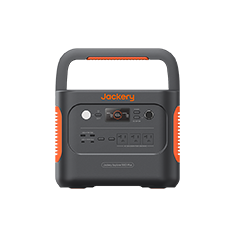
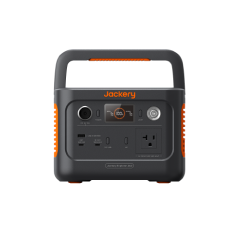
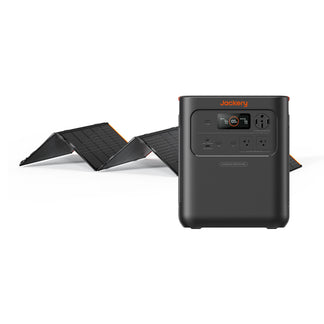
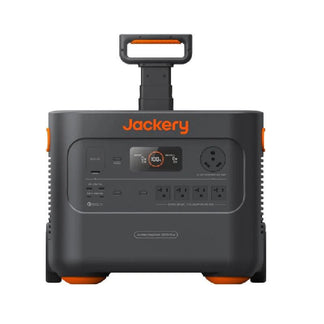
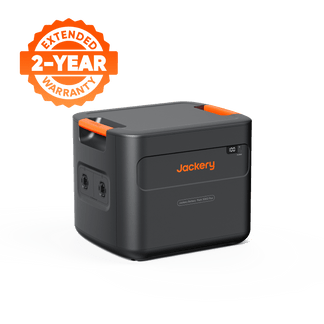
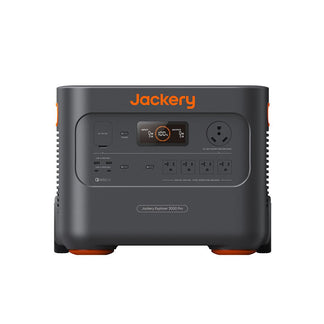
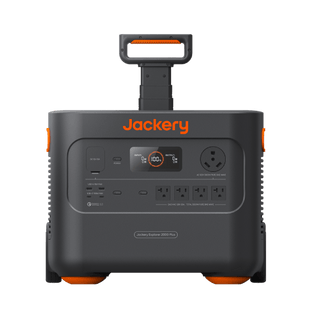
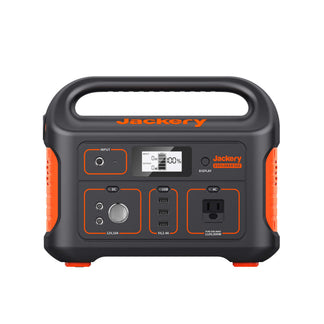
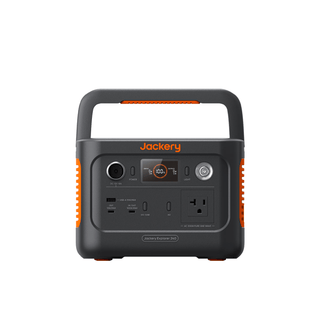
Jackery Explorer 2000 v2 Portable Power Station: Packs a 2,042 Wh capacity, capable of running continuous LED lighting circuits for up to 155 hours or running a standard home refrigerator for 25 to 30 hours. It is highly portable (39.5 lbs) and can recharge completely in just 1.7 hours from an AC wall outlet.
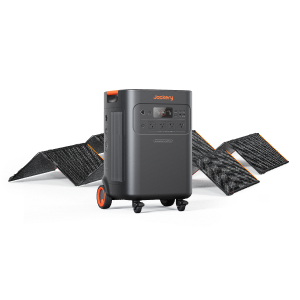
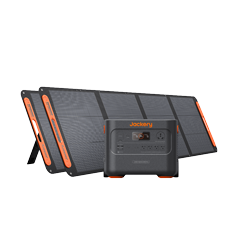
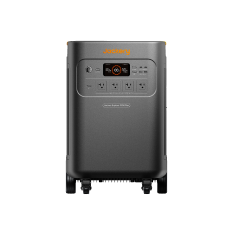
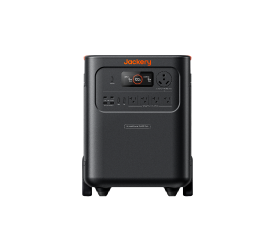
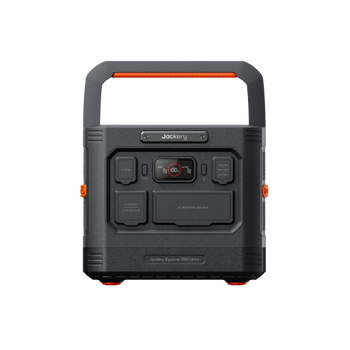
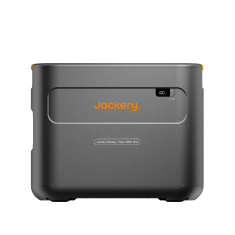
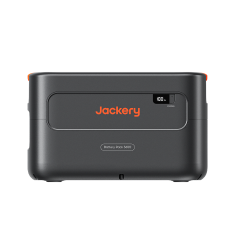
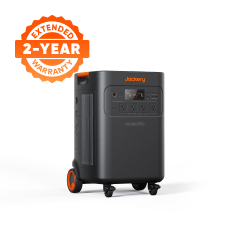
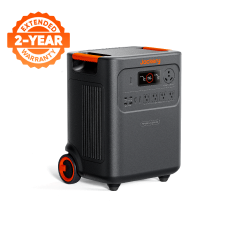
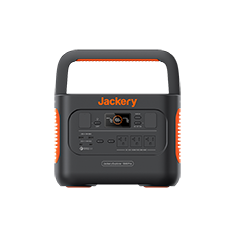
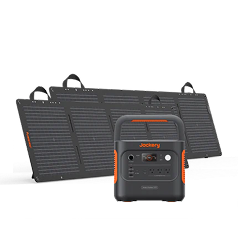
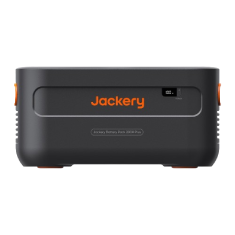
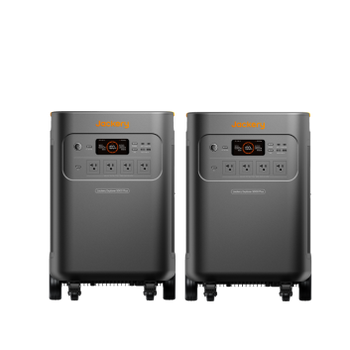
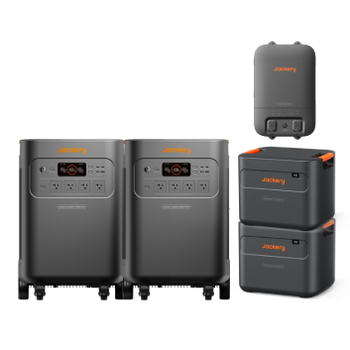
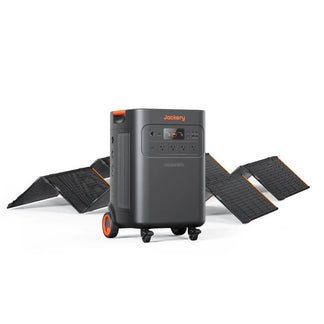
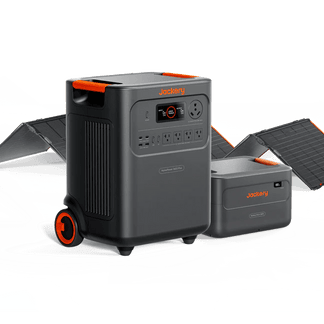
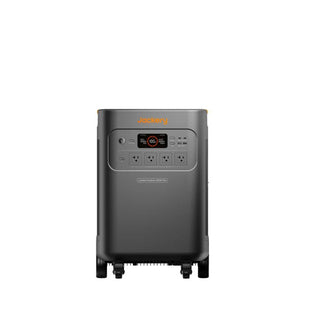
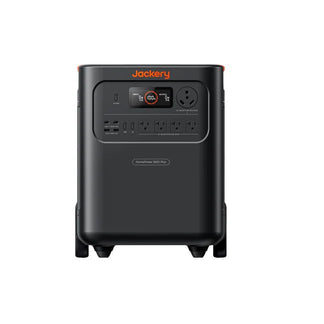
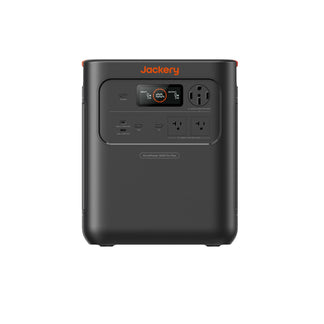
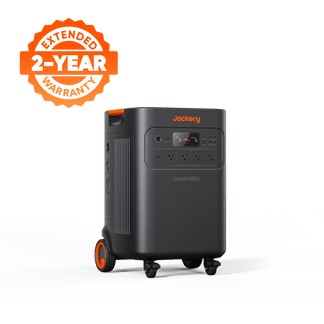
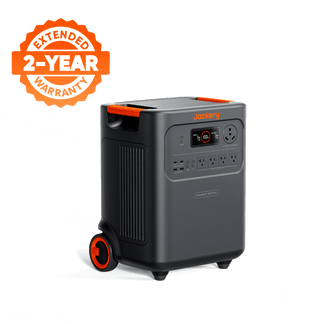
Jackery Solar Generator 5000 Plus: Houses a robust 5,040 Wh capacity (scalable up to 60 kWh) and a massive 7,200W split-phase 120V/240V output, capable of running heavy appliances like deep well pumps and central AC blower fans. It features an instantaneous 0ms online UPS switchover to protect medical hardware.
Frequently Asked Questions
How quickly can I restore power after a prepaid disconnection?
Reconnection is typically automated and completed within 15 to 30 minutes once you top up your account balance online or via your provider's mobile app. Your smart meter receives the signal remotely and re-energizes your home's main breaker without requiring a physical technician visit.
Are there special protections for customers with medical needs?
While standard postpaid utility contracts are subject to strict medical emergency disconnect protections, prepaid plans generally lack these safeguards. If your household relies on powered medical hardware, you should avoid prepaid plans and secure a traditional postpaid contract to eliminate shutoff risks.
What happens to my unused prepaid balance when I move?
In deregulated utility markets, your energy provider is legally required to refund any remaining positive balance on your account after deducting your final day's usage and connection fees. These refunds are typically processed and mailed as a paper check within a few weeks.
Do I need a smart meter to sign up for a no-deposit plan?
Yes. Because prepaid plans require real-time consumption tracking and remote connection capabilities, your property must have a functioning smart meter. If your home has an older analog meter, you will have to wait for your local utility to upgrade the hardware before you can enroll.
Is it possible to negotiate a lower rate on a prepaid plan?
No. Prepaid energy rates are set in advance by the retail provider. However, you can minimize your effective rate by choosing a plan with low daily base fees and implementing high-efficiency energy-saving habits to reduce your overall monthly consumption.
Is no deposit the exact same thing as prepaid?
No. While all prepaid plans are deposit-free, many traditional postpaid contracts will also waive your security deposit if you enroll in automatic billing, pass a soft credit check, or meet specific state exemptions, allowing you to secure lower fixed rates without an upfront cash payment.