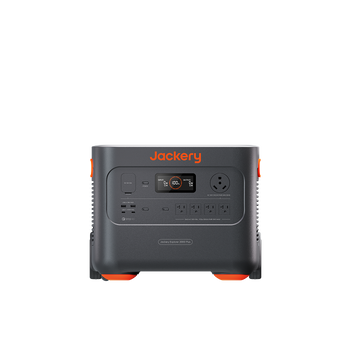

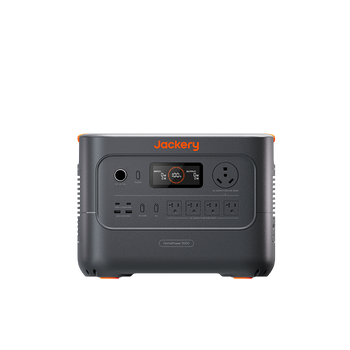
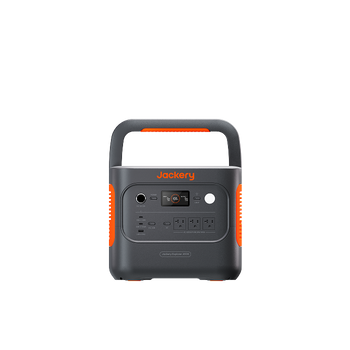
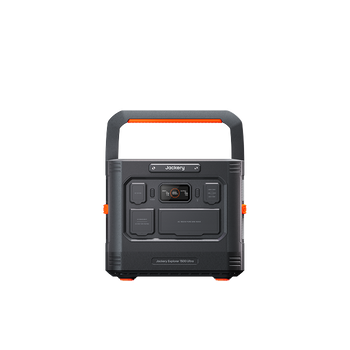
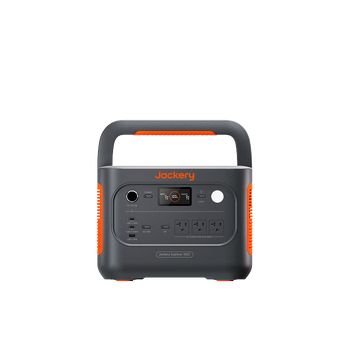
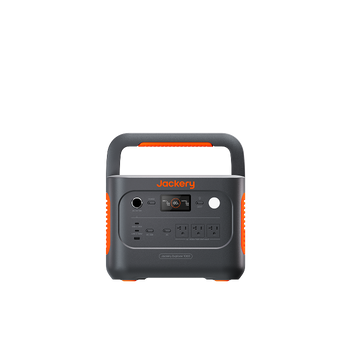
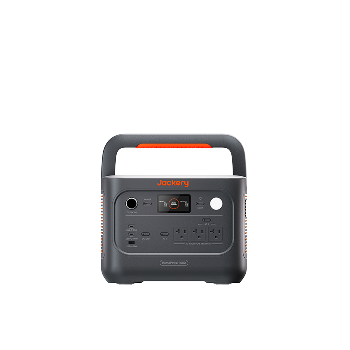
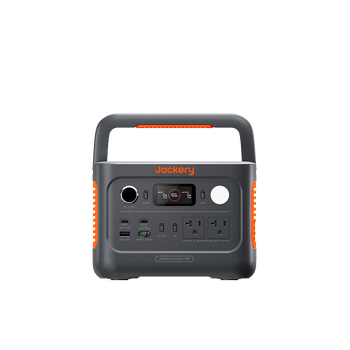
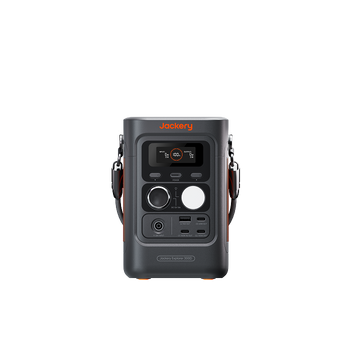
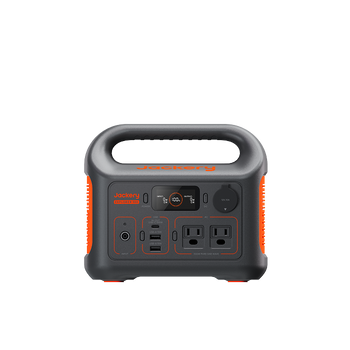








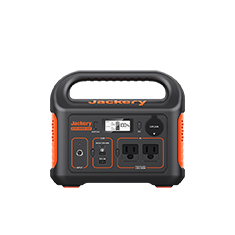
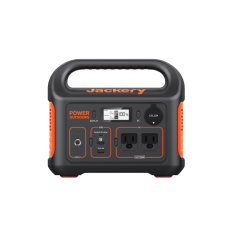
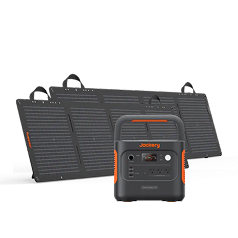
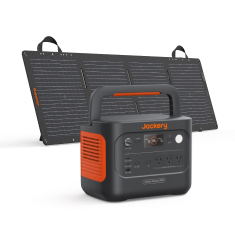



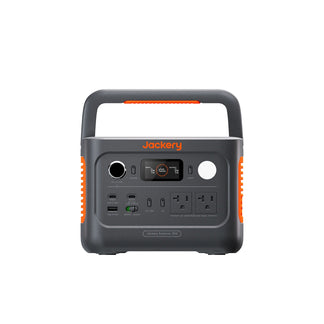
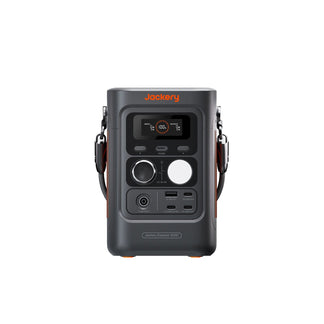
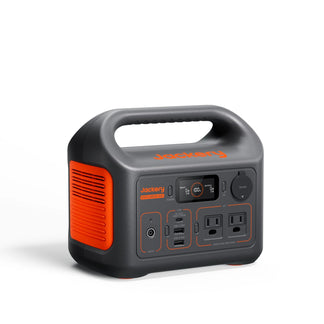
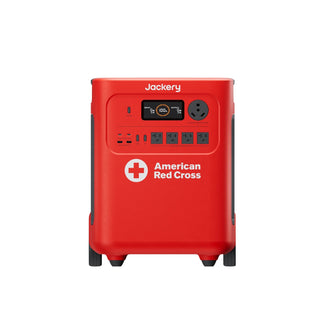









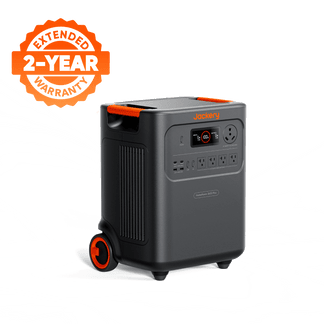
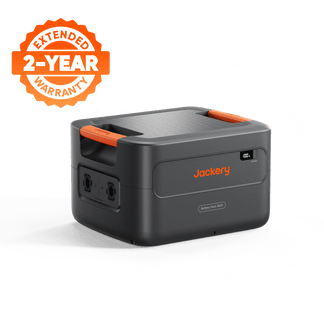


Quick Answer: Usually, no. A parked car can reach 47°C (116.6°F) or more, potentially exceeding your portable power station’s temperature limits. Heat can accelerate battery wear, while cold can reduce performance and restrict charging. Store the unit in a dry indoor location and follow the manufacturer’s separate limits for charging, operating, and storage.
If you are stopping for groceries on a road trip or parking overnight at a campsite, carrying your portable power station indoors is not always practical. The length of the stop, changing weather, and your unit’s temperature ratings all affect the precautions you need. This guide explains what to consider in each season and how much protection sunshades, insulation, and other common measures provide.
Key Takeaways
- Mild weather can still produce a hot cabin: JAF measured 48.7°C (119.7°F) inside a car when the outdoor high was 23.3°C (73.9°F).
- Sunshades provide limited protection: In JAF’s summer test, the white car without a sunshade averaged 47°C (116.6°F), compared with 45°C (113°F) in the sunshade-equipped car.
- Cold-weather limits depend on the model and activity: A temperature suitable for powering devices may be too cold for charging. Operating limits also should not be treated as long-term storage limits.
- Insulation slows temperature changes but does not actively cool or warm the battery.
- LFP batteries offer great thermal stability but still require proper temperature management.
Season |
Can you leave it in the car? |
Summer |
No for storage in a hot, parked car. The cabin can reach nearly 50°C (122°F), and sometimes higher. |
Spring and fall |
Usually not. Cloudy or rainy weather in the 10s°C (50–60s°F) does not guarantee that the cabin stays within your model’s storage range. |
Winter |
Not automatically. Being above -10°C (14°F) is not a universal storage rule; check the exact model and storage duration. |
Why Is Your Car a Bad Place to Store a Portable Power Station?
Heat is hard on lithium-ion batteries. In direct sun, the inside of a car can climb past 40°C (104°F), and that's true in spring and fall, not just summer.
• Heat wears the battery out faster. In a 400-day storage test, batteries lost 6% of their capacity at 40°C (104°F) and more than 20% at 60°C (140°F).
• Check the exact model’s limits. For example, 45°C (113°F) is the Explorer 2000 v2’s upper charging and discharging limit, not a universal limit for all lithium-ion batteries or long-term storage.
• Above that, things can go wrong. Long stretches in a hot car raise the risk of swelling, overheating, failure, and fire.
Source: Center for Low Carbon Society Strategy, Japan Science and Technology Agency, "Survey of Degradation Behavior of Lithium-Ion Batteries"
Related article: Are lithium batteries safe?
Is It Ever Safe to Leave It in the Car?
It depends on the actual cabin temperature, the model, and whether you are charging, using, or storing it.. Here’s how the seasons compare.
Can You Leave a Portable Power Station in a Car in Summer?
On a midsummer day, the inside of your car can reach nearly 50°C (122°F). That's well past what a power station can handle. The heat cuts charging capacity, shortens battery life, and can make the unit overheat.
Can You Leave a Portable Power Station in a Car in Spring or Fall?
Your car heats up faster than you'd expect, even on a mild day.
• An April test by the Japan Automobile Federation (JAF), the cabin hit 48.7°C (119.7°F) on a day when the high was only 23.3°C (73.9°F).
• Near the dashboard, it topped 70°C (158°F).
• Once it's 20°C (68°F) or warmer and the sun is on your car, your power station may be exposed to temperatures above its rated limits..
Source: Japan Automobile Federation, "Spring In-Car Temperatures (JAF User Test)"
If you have to leave it briefly, check the cabin temperature and your model’s manual. Cloudy or rainy weather in the 10s°C (50–60s°F) does not establish a safe storage period.
Can You Leave a Portable Power Station in a Car in Winter?
Not simply because it stays above -10°C (14°F). The US Explorer 2000 v2 can discharge at 14–113°F (-10–45°C), but charging requires 32–113°F (0–45°C). Its manual specifies 32–77°F (0–25°C) for one-year storage. These are different limits for different tasks.
Reference: Jackery Explorer 2000 v2 user manual
Cold can temporarily reduce available capacity; charging may be blocked below the model’s minimum charging temperature.In cold regions like North Dakota, Wyoming, and Minnesota, it's smarter to bring it inside. Wherever you live, home is the best place to store it.
What Are 5 Ways to Reduce Heat Exposure in Summer?
Reducing direct sun and managing temperature can help, but none of these steps makes an unattended, hot car a suitable storage location. Here are the five approaches and their limits:
1. Put up a sunshade.
2. Pack it in a soft cooler.
3. Use a purpose-built case.
4. Crack the windows a few centimeters.
5. Run a portable air conditioner.
These steps lower the risk, but they don't remove it. Treat them as a last resort.
1. Does a Sunshade Reduce Cabin Temperature?
Yes, but only modestly in JAF’s August 2012 test. The test compared five parked minivans over 4 hours on a 35°C (95°F) day; the white car without protection and the sunshade-equipped car had these average cabin temperatures:
• No sunshade, white car: Average cabin temperature of 47°C (116.6°F)
• With a sunshade, average cabin temperature: 45°C (113°F), or 2°C (3.6°F) cooler
Source: Japan Automobile Federation, "Midsummer In-Car Temperatures (JAF User Test)"
The 2°C (3.6°F) average difference does not make storage safe. The sunshade car still peaked at 50°C (122°F). A cabin at 47°C (116.6°F) is too hot for portable power stations; move the unit somewhere cooler.
2. Can a Soft Cooler Slow Heat Exposure?
An insulated cooler may slow temperature changes, but it cannot actively cool the unit or guarantee a safe temperature. Use one only for a switched-off, disconnected unit if the manufacturer permits it. Never charge or operate a power station in a closed cooler, and avoid ice or moisture.
3. Can a Purpose-Built Case Help?
Look for a case that insulates and also lets heat escape. A carrying case does not guarantee protection from a hot cabin.Check for three things:
• Manufacturer-approved protection suitable for your model.
• Zippers or vents that keep heat from building up
• A snug fit so the unit doesn't slide around
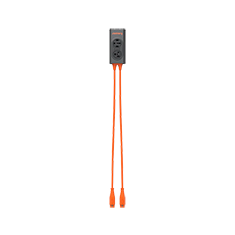
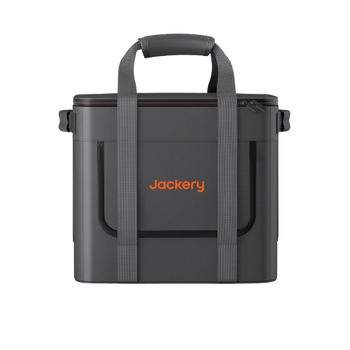
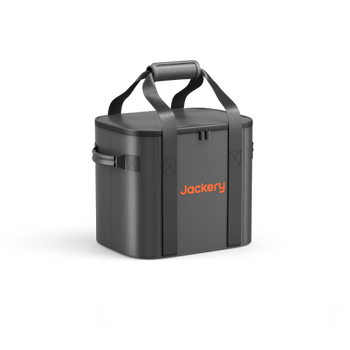
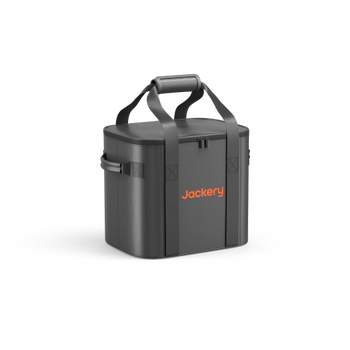
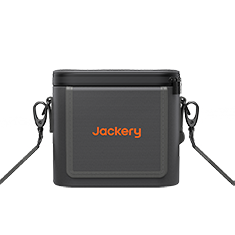
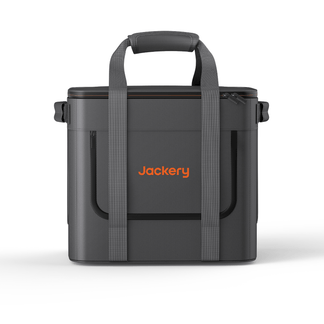
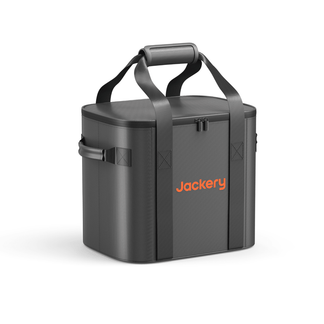
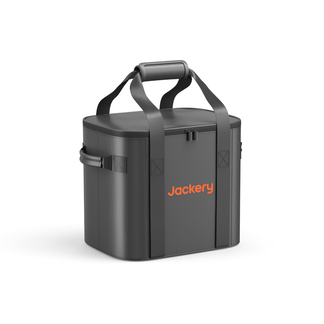
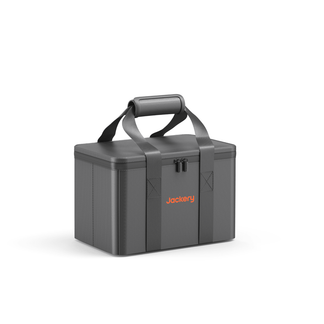
The Jackery Extreme Guard Carrying Bag uses USB-C heating for cold conditions; it is not an active cooling device. Follow the compatibility list and ventilation instructions, and do not rely on a case to make a hot car safe.
4. Does Cracking the Windows Keep the Car Cool?
Only to a limited extent. In the same JAF test, the car with windows open 3cm (about 1.2in) averaged 42°C (107.6°F), compared with 47°C (116.6°F) in the closed white car: a 5°C (9°F) difference.
Source: Japan Automobile Federation, "Midsummer In-Car Temperatures (JAF User Test)"
That car still peaked at 45°C (113°F). Cracked windows do not guarantee a safe battery temperature. The test did not establish a combined 6–7°C (10.8–12.6°F) reduction from using both a sunshade and open windows, so those separate results should not be added together.
5. Can a Portable Air Conditioner Help?
A correctly installed portable AC can help only while it is operating and removing heat from the car. It needs suitable exhaust venting and must fit the power station’s output and runtime limits. Do not rely on this setup for unattended storage.
The downside: once the battery runs out, the heat comes right back. Monitor the temperature and move the unit indoors before cooling stops.
What Should You Do With a Portable Power Station in Winter?
Winter brings the opposite problem. Bring it indoors for storage and follow the model’s limits; being above -10°C (14°F) alone doesn't guarantee safe storage. Cold can reduce available capacity and prevent charging below the allowed minimum. These three steps can help during winter trips.
1. Why Keep It Out of Direct Sun?
Even in winter, sun through the windows can warm your car fast. Going from freezing cold to warm can cause condensation on the unit, and that moisture can work its way inside.
Avoid sudden temperature swings. Keep it out of direct sun and put it somewhere the temperature stays steady, like a secure place away from direct sun, with ventilation and protection from moisture.
After bringing a cold unit into a warm, humid room, let it reach the permitted charging temperature and dry fully before connecting it. A shaded part of the car is not a temperature-controlled storage space.
2. Does Wrapping It Help in Cold Weather?
A blanket or insulation can slow heat loss from a switched-off unit, but it does not generate heat.. If the manufacturer permits it, consider:
• A camping mat
• An insulated camping blanket; keep exposed conductive foil away from ports.
• A thick blanket
It won't keep the unit warm forever, but it slows how fast it cools down.
One caution: the unit warms up while it's charging or running. Don't use it while it's wrapped up tight. Let it breathe when it's on, and wrap it only while switched off, within its storage limits.
3. Can the Jackery Extreme Guard Carrying Bag Help?
The Jackery Extreme Guard Carrying Bag adds USB-C heating for compatible power stations. Its heating module operates at -4–113°F (-20–45°C). This is a heater specification, not permission to store or charge every power station at those temperatures. Key features:
:
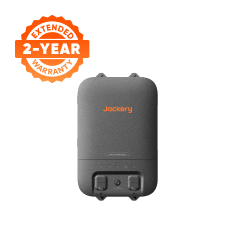
• Fits Explorer 1000 v2, Explorer 2000 v2, and HomePower 2000 Plus v2.
• A built-in 30W USB-C heating module (20V × 1.5A) heater keeps the battery warm in low temperatures
• Start heating before entering cold conditions, as directed in the user guide.
• The outer bag offers protection against splashes, dust, and rain; keep the power station dry.
• Unzip the front and top for use; open the sides and deploy the support bars when heat needs to escape or solar panels are connected.
If you spend a lot of time in cold places like North Dakota, Wyoming, or Minnesota, or you want to get the most out of your power station on winter car-camping trips, check that your model is compatible and follow both manuals.
Related article: How to store lithium batteries. Follow your exact model’s manual for temperature and charging instructions.
What Should You Look for in a Heat-Resistant Power Station?
Check the model’s temperature ratings and battery chemistry. If you take your power station out often, the battery type matters. Lithium iron phosphate (LFP) batteries handle heat better than nickel-based lithium-ion chemistries such as NMC.
• Ternary lithium-ion: made with rare metals like nickel, cobalt, and manganese. It breaks down at about 220°C (428°F), so wear and overheating are bigger concerns.
• LFP: its phosphate-based chemistry provides greater thermal stability, but it still requires temperature protection and proper storage.
The catch: the rest of the unit is built about the same way, so the real-world gain in heat resistance is limited and battery chemistry alone does not establish the safe temperature range for the complete unit. You still shouldn't leave it in a hot car.
Related article: LiFePO4 vs. lithium-ion batteries.
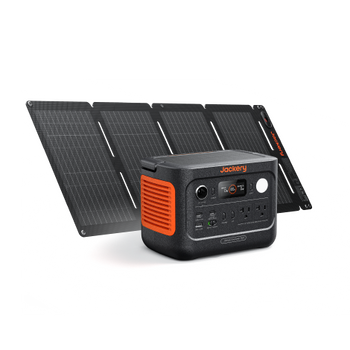
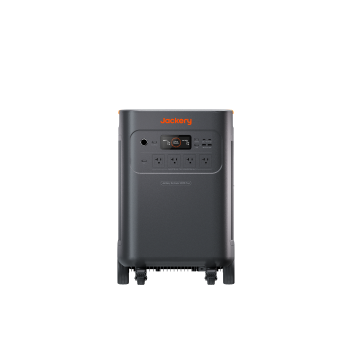
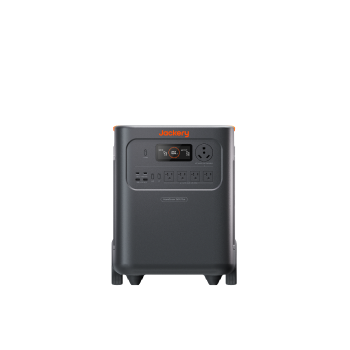
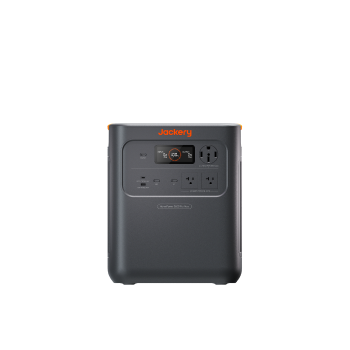
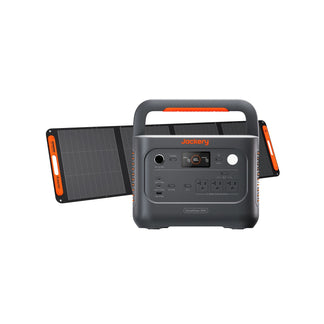
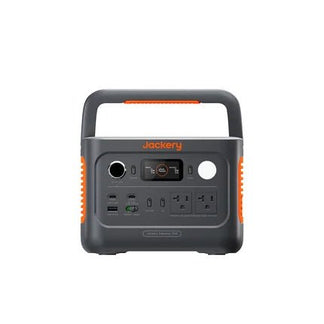
Jackery's power stations use LFP batteries. You get model-specific cycle-life ratings, warranty coverage, service options to pair them with solar panels so you can keep recharging outdoors. Choose the model that fits how you'll use it and what you want to spend.
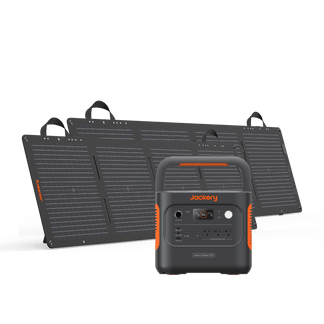
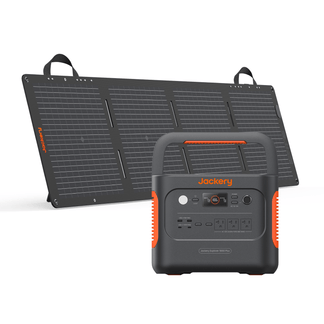
Jackery offers portable power stations and solar generator bundles for camping and essential home backup. Choose a model for your appliance loads and follow its temperature limits between trips.
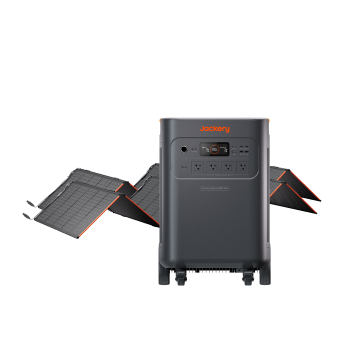
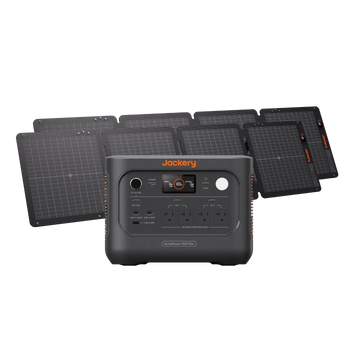
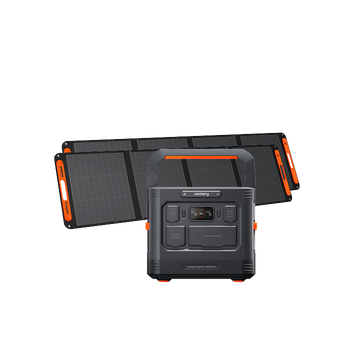
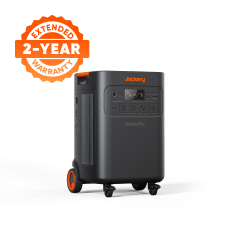
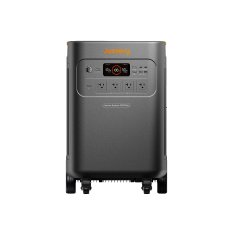
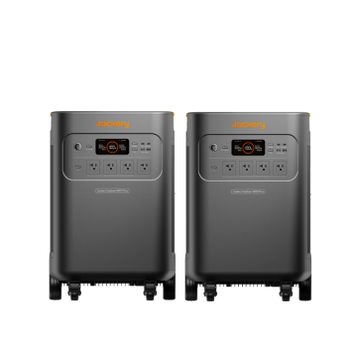
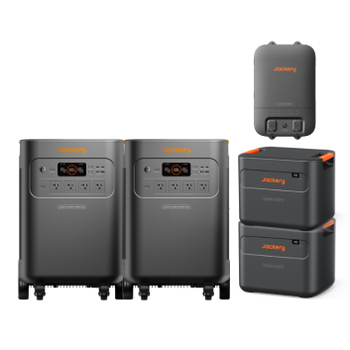
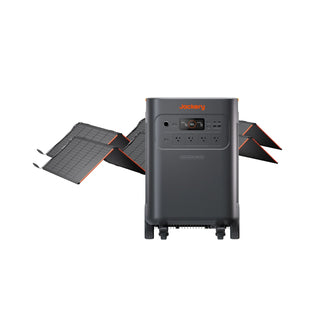
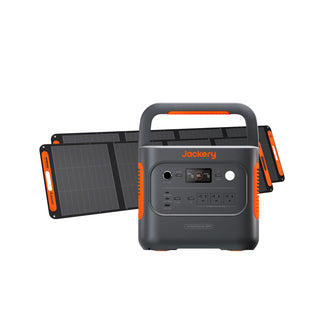
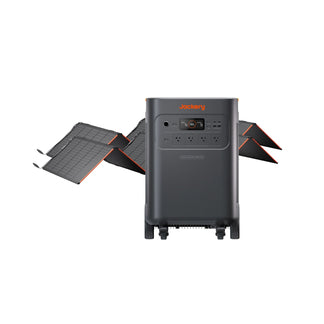
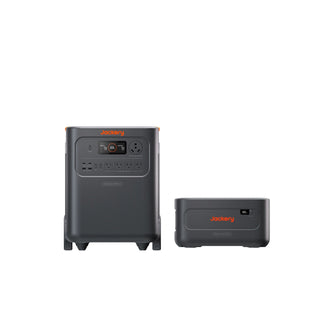
Jackery Solar Generator 3600 Plus Portable Power Station Set
Need serious backup power? With 3584Wh of capacity, this one can keep your fridge, lights, and phones running for hours during an outage. It puts out up to 3600W, so you can run compatible appliances such as a microwave and fridge if their combined running demand and startup surge stay within its ratings.. It's a solid pick for camper-van trips and emergency prep at home.
• 6,000 cycles to at least 70% remaining capacity, so it holds up for years
• Charging and discharging temperature: -20°C to 45°C (-4°F to 113°F)
• Storage temperature depends on duration: 1 month at -4–113°F (-20–45°C); 3 months at 32–113°F (0–45°C); 1 year at 32–77°F (0–25°C). These ranges do not make a parked car a suitable storage location.
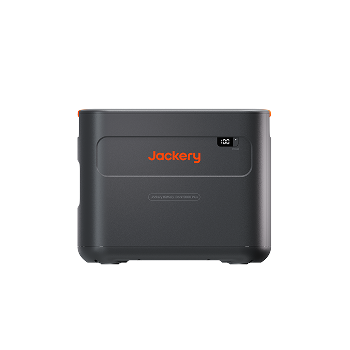
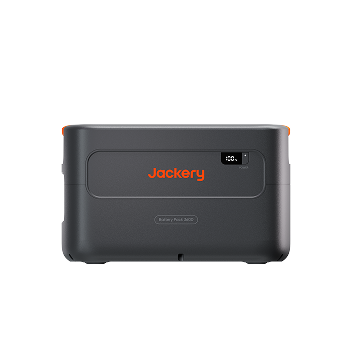
• Add up to 5 expansion batteries for as much as 21.5kWh total, which means plenty of power for long outages or time off the grid
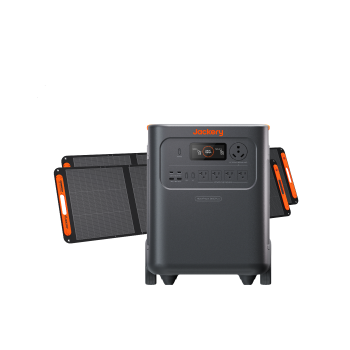
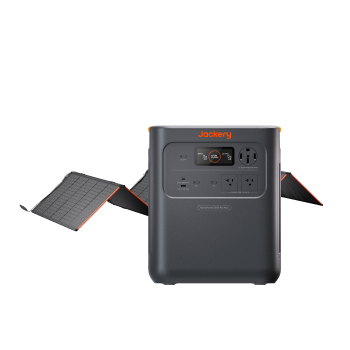
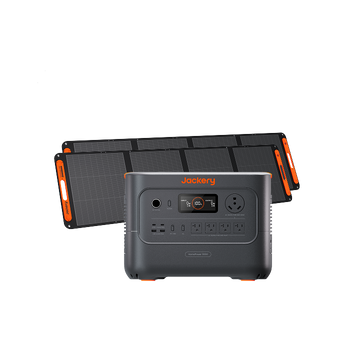
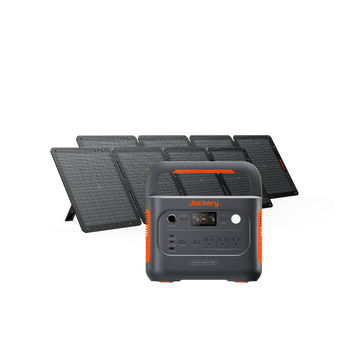
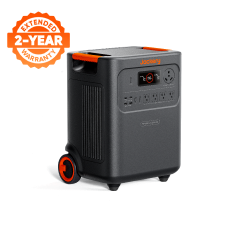
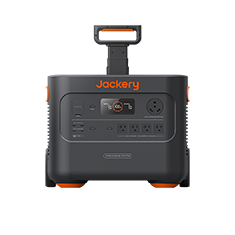
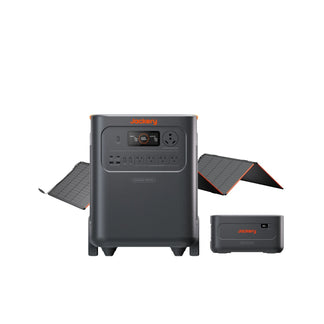
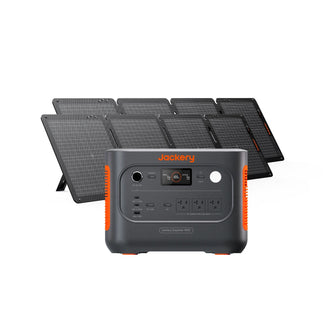
Jackery Solar Generator 2000 New Portable Power Station Solar Panel Set
This one is easy to carry out of the car, so it doesn't have to live there. Units in the 2,000Wh class are usually heavy, but this one weighs 17.9kg, the lightest in its class on the market, so check that you can lift and carry that weight comfortably.
• 2042Wh of capacity and 3000W of output, enough to run compatible appliances such as a coffee maker or small refrigerator, within the combined output and startup limits.
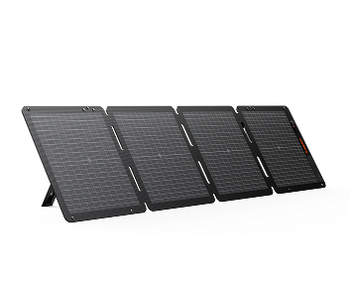
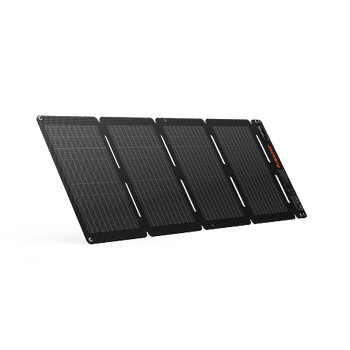
• Comes with a 200W solar panel, so you can recharge it when you get home instead of leaving it in the car
One of these makes car camping and regular camping a lot more comfortable.
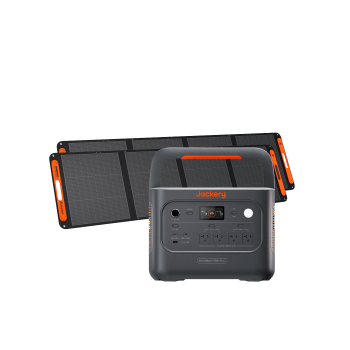
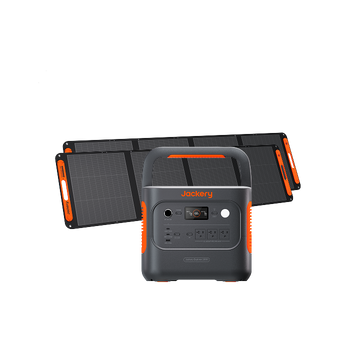
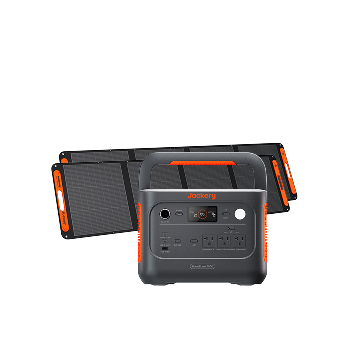
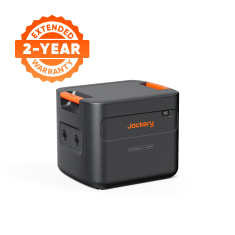
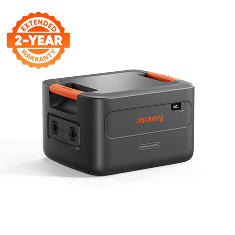
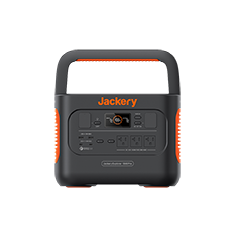
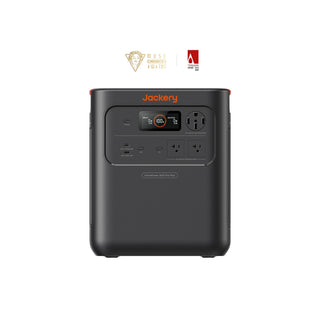
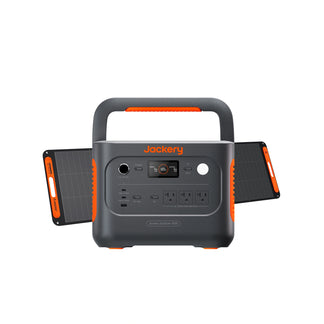
Jackery Solar Generator 1500 New Portable Power Station Set
Big power stations are a pain to haul in and out, which is why so many end up living in the car. At 14.5kg, the lightest and smallest in its class, this model may be easier to move than a larger unit. You can lift it with one hand, so carrying it inside after a trip and back out to the car in the morning is no big deal.
• 2,000W rated output that handles 99% of home appliances, including fridges and electric kettles
• Great for camping, car camping, backyard DIY, and emergency prep
• 6,000 cycles to at least 70% remaining capacity; actual service life depends on use and storage.
Related article: What size solar generator do I need?
FAQ
Can I leave it in the car for a short time?
Not on a warm, sunny day. JAF measured 48.7°C (119.7°F) inside a car when the outdoor high was 23.3°C (73.9°F). For the Explorer 2000 v2, that exceeds its 45°C (113°F) operating limit. A brief stop is not automatically safe.
Is any power station rated for storage in a car?
No. None of the major brands say their power stations are safe to leave in a car. Check the specific model’s manual; a temperature rating does not automatically approve permanent vehicle storage. For example, the Explorer 2000 v2 specifies 32–77°F (0–25°C) for one-year storage. Bring it indoors when you are not using it.
I car camp a lot and often have to leave it in the car. What can I do?
Combine a few of these steps:
Season |
What to do |
Summer heat |
• Put it somewhere that stays cooler, like the rear footwell • Block the sun with a sunshade • Use only manufacturer-permitted insulation for a switched-off unit; never charge or operate it in a closed cooler. |
Winter cold |
• Wrap it in a blanket or insulation • Use compatible Jackery Extreme Guard Carrying Bag according to its instructions. |
Move it indoors when you can. At a campsite, choose a dry, secure, shaded location with ventilation and protection from rain, within the model’s temperature limits. A tree or tarp alone does not guarantee those conditions.
Is a semi-solid-state battery any safer in the car?
Not automatically. “Semi-solid-state” does not establish a safe parked-car temperature or charging range. Check the manufacturer’s limits for that specific model, including its storage duration and cold-weather charging instructions. Do not assume a different battery chemistry makes a hot car safe.
If it's not too hot or too cold, can I keep it in the car all the time?
Not based on the outside temperature alone. JAF recorded a cabin temperature of 48.7°C (119.7°F) on a day with a high of just 23.3°C (73.9°F). Even spring and fall can get hot enough to cause damage.
Only keep it in the car during a stretch of cloudy or rainy days, with temperatures in the 10s°C (50–60s°F) and no direct sun. The rest of the year, bring it inside on days you're not using it.
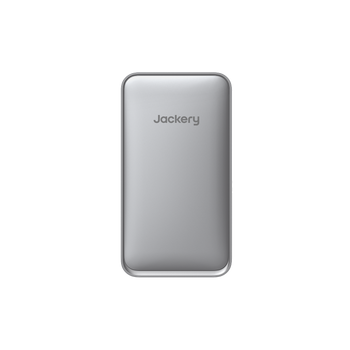
Is a power bank any different?
Both are risky in a hot car. They both use lithium-ion-type batteries, so summer heat can wear them out or make them overheat.
• Power banks: cells are packed tightly, and some have only basic temperature control and safety features. That's why smoke and fire incidents happen more often with power banks.
• Power stations: built with temperature management, safety controls, and cooling in mind, so problems are less likely. But because they hold hundreds to thousands of Wh, a problem can produce a lot more heat than a small device would.
Keep both out of your car.
The Bottom Line
Your car isn’t a good place to store a power station. Weather in the 10s°C (50–60s°F) or above -10°C (14°F) does not guarantee suitable storage. Keep it indoors.
When you store it at home:
• Keep it out of direct sun, somewhere with good airflow
• Follow the manual’s storage-charge level and recharge schedule; do not leave the battery depleted.
Jackery Solar Generators offer LFP options for trips, but the model’s temperature limits still apply.


