



![[Add-on] Jackery SolarSaga 500 X - Jackery](http://www.jackery.com/cdn/shop/files/add-on-jackery-solarsaga-500-x-1493607.webp?v=1786503068&width=324)
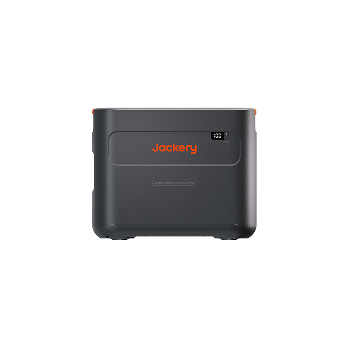
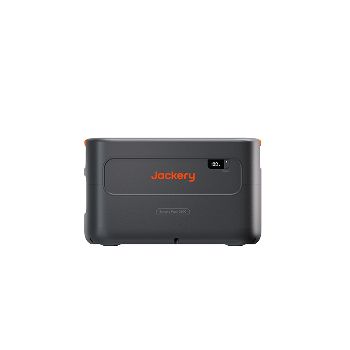
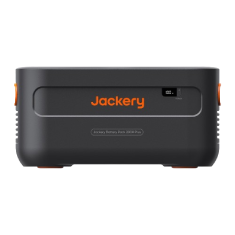
![[Add-on] Jackery Battery Pack 5000 Plus - Jackery](http://www.jackery.com/cdn/shop/files/add-on-jackery-battery-pack-5000-plus-6713401.webp?v=1786503068&width=324)




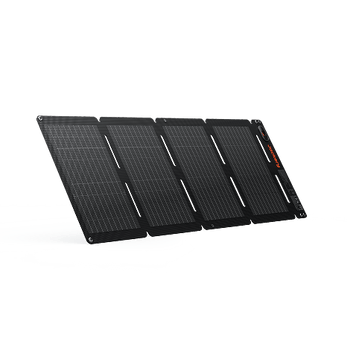
![[Add - on] SolarSaga 200W - Jackery](http://www.jackery.com/cdn/shop/files/add-on-solarsaga-200w-4834329.png?v=1754016915&width=324)


Want a sparkling clean pool without the sky-high utility bills or the nightmare of tearing up your yard?
Running your pool pump off-grid is highly practical, but you have to look past the glossy sticker numbers. A standard 0.5 HP pump runs at 500 watts, but it slams your electrical system with a 1,500-watt surge at startup—devouring 4,000 Watt-hours every day.
This guide shows you exactly how to size the perfect solar-and-battery setup. Learn how to skip the permits, bypass the utility grid, and get flawless daily water turnover for free.
Understanding Your Pool Pump’s Energy Needs
Sizing an off-grid solar system for a pool pump requires looking past the simple "continuous running" label. You must plan for two very different power demands: startup surge and daily energy consumption.
The Silent Design Killer: Startup Surge AC induction motors (found in most single-speed pool pumps) require massive startup current—known as Locked Rotor Amps (LRA)—just to break physical inertia and start spinning.
Because of this, a pump labeled 600W running power can easily demand a massive 1,800W surge for a fraction of a second at startup. If your battery bank or inverter cannot deliver this brief, high-current surge, the motor will stall and your filtration cycle will fail to begin.
1. How to Calculate Your Pump’s True Wattage
Don't rely on generic horsepower (HP) ratings. "0.5 HP" is simply marketing shorthand; a pump with this rating can draw anywhere from 400 to 750 running watts depending on plumbing resistance and motor efficiency.
To find your pump's real draw, locate the metal nameplate on the motor and use this simple formula:
{Running Watts} = {Amps} x {Volts}
- Step 1: Locate the Amps and Volts ratings printed on the pump's spec plate.
- Step 2: Multiply those two numbers.
2. Sizing for Daily Water Turnover
To keep your pool crystal clear, your pump must run long enough to achieve complete "water turnover" (filtering the entire volume of pool water at least once or twice daily):
- Average Runtime: Maintaining a clean swimming environment typically requires running your pump for 6 to 8 hours daily.
- The Turnover Calculation: A 0.5 HP pump moving 40 gallons per minute (GPM) through a 10,000-gallon pool requires roughly 4 hours of continuous runtime to cycle the water once.
- Daily Energy Budget: Once you factor in pipe friction and filter resistance, running your pump for the recommended 6 to 8 hours will require an energy budget of 3,000 Wh to 8,000 Wh of power every single day.
Two Off-Grid Approaches for a Small Pool
When designing your off-grid pool pump system, you have two primary architectural paths: installing a battery-free, direct-drive DC solar pump or retrofitting your existing AC pump with a battery backup system:
|
Technical Feature |
Direct-Drive DC Solar (Battery-Free) |
Off-Grid AC System (Battery Backup) |
|
Pump Type |
Dedicated DC pump (brushless, built-in MPPT) |
Existing or standard AC pump |
|
Battery Storage |
None (Runs directly from solar panels) |
LiFePO4 battery bank (2–3 days autonomy) |
|
Operational Window |
Only during peak daylight (typically 9 AM–3 PM) |
24/7 flexibility; independent of clouds |
|
Startup Surge |
Soft-start ramping managed by DC controller |
Inverter must handle 2–3x running watts |
1. Direct-Drive DC Solar Systems
In a direct-drive setup, your DC pump connects directly to your solar panels via an integrated MPPT controller. When sunlight hits the panels, the controller maximizes power transfer and the pump runs. There are no batteries, no inverters, and no system standby losses. However, operation stops completely during overcast or cloudy periods, meaning your filtration runs only during peak daylight hours. In consistently cloudy climates, water quality can suffer if cycles are missed.
2. Battery-Backed AC Systems
This approach keeps your existing AC pump. You will need solar panels, a charge controller, a high-capacity battery bank, and a pure sine wave inverter sized to handle your pump's startup surge. While this has a higher upfront equipment cost, it allows you to run your filtration 24/7, completely independent of weather conditions, and keeps your pool clean through extended power grid failures.
Sizing Your Solar System for a Small Pool
To determine the required size of your solar array and battery bank, follow this step-by-step sizing calculation:
- Calculate Daily Watt-Hours: Multiply your pump's running wattage by its daily runtime. For a 500W pump running 8 hours: 500W × 8 hours = 4,000 Wh of daily demand.
- Divide by Peak Sun Hours: Sizing depends heavily on your region's Peak Sun Hours (PSH). In sunny Phoenix (6.5 PSH), you need: 4,000 Wh ÷ 6.5 = 615 Watts of solar panels. In cloudier Seattle (4.2 PSH), you need: 4,000 Wh ÷ 4.2 = 952 Watts of panels.
- Add a Safety Buffer: Solar panels experience minor efficiency losses from high cell temperatures, dust, and age. Multiply your minimum panel array size by 1.25 to add a safe 25% buffer. For Phoenix, you need 770 Watts of panels, while Seattle requires 1,190 Watts.
For a standard 0.5 HP pump, a 1.2 kW to 1.5 kW solar array is typically sufficient across most regions, requiring three to four standard 400W solar panels. Sizing your system correctly ensures your battery bank can be fully recharged during peak solar hours while simultaneously powering your pump's daily filtration cycles.

Maximizing Efficiency and Sizing Conductor Wires
Before purchasing hardware, implement these simple efficiency upgrades to lower your power requirements:
First, use a solar pool cover. Evaporative cooling and debris accumulation are major drivers of pump runtime. A solar pool cover can reduce your required daily runtime by up to 50%, allowing you to select a significantly smaller solar array and battery bank.
Second, calculate your required wire gauge (AWG). Running low-voltage DC lines over long distances introduces line resistance, leading to significant voltage drops. If you run a 24V DC pump drawing 20A over a 20-foot distance, you must use at least **6 AWG wire** to keep your voltage drop under a safe 3%. Using thin, undersized wires is an extreme fire hazard; the excess line resistance will convert your harvested electricity into heat, melting the insulation and starving your battery bank of charging current.
Reliable Power for Your Off-Grid Pool Pump
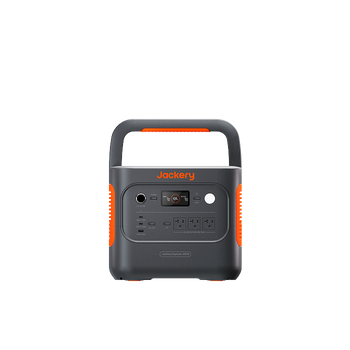
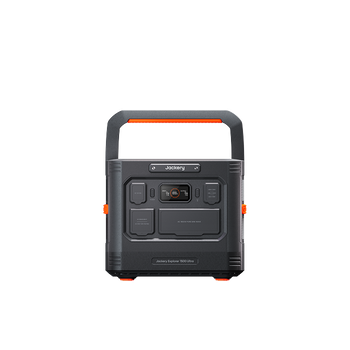
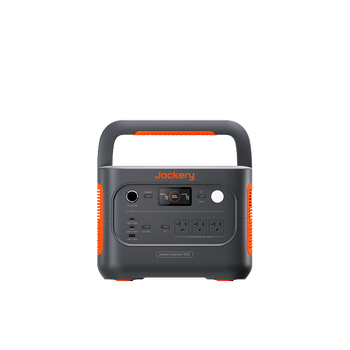
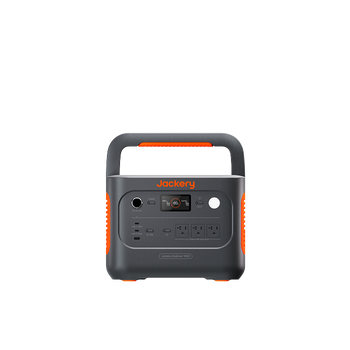
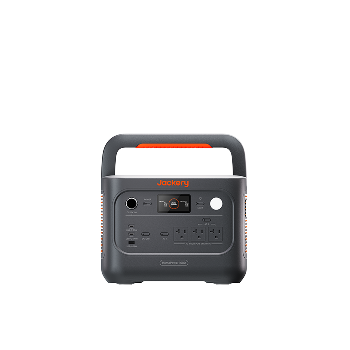
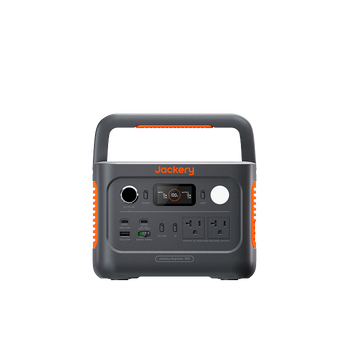
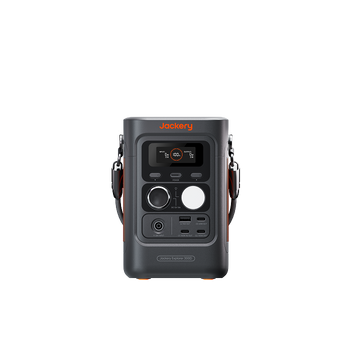
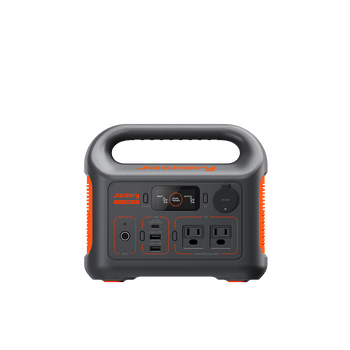
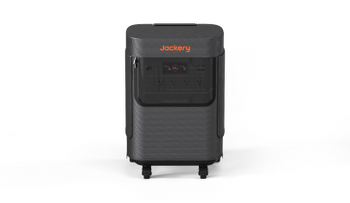
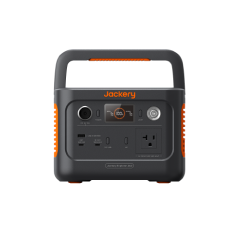
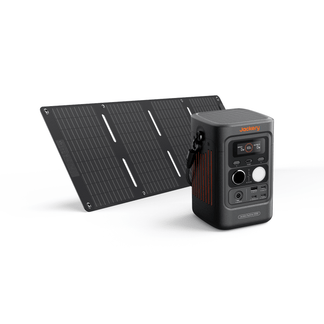
A portable solar generator is the cleanest way to power a pool pump off-grid. By combining a pure sine wave inverter, an MPPT charge controller, and a durable LiFePO4 battery into one plug-and-play system, these units let you skip thousands of dollars in yard-trenching and high-voltage wiring costs.
Three premium Jackery setups provide the perfect power profile for off-grid pool filtration:
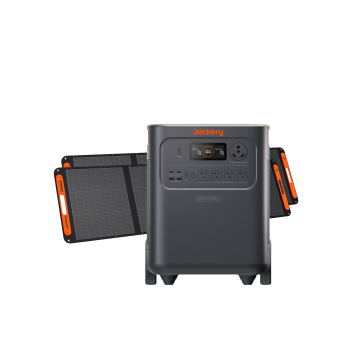
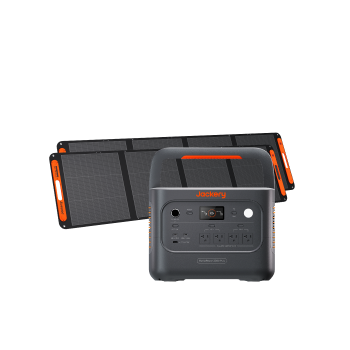
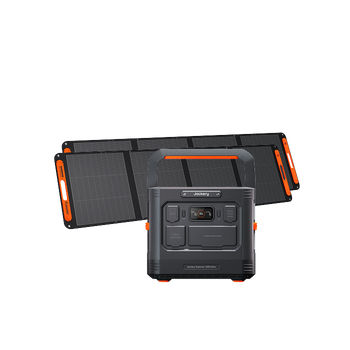
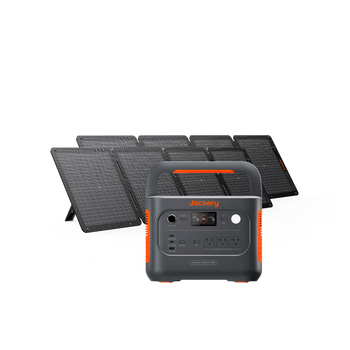
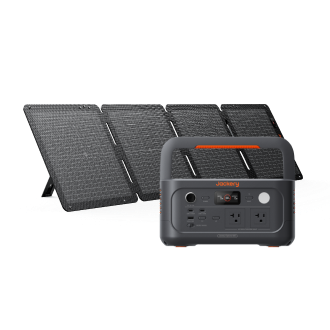
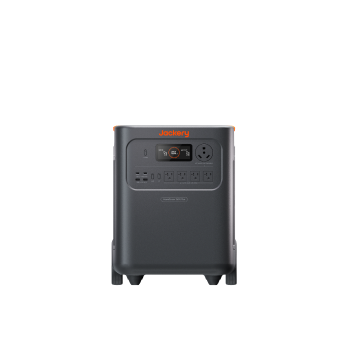
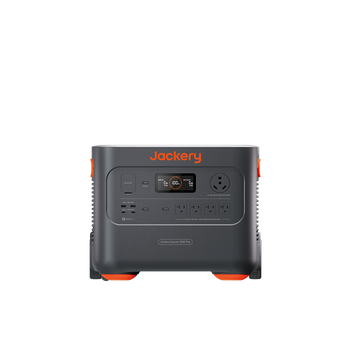
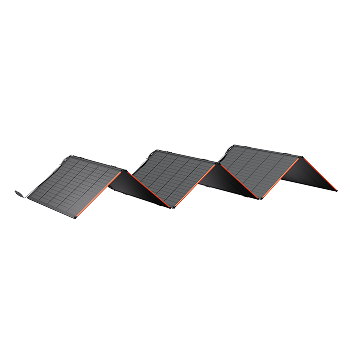
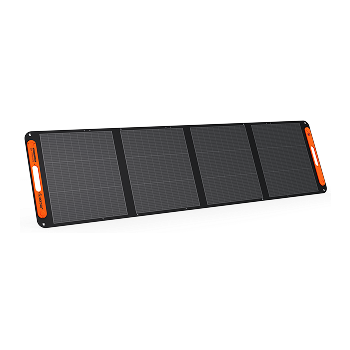
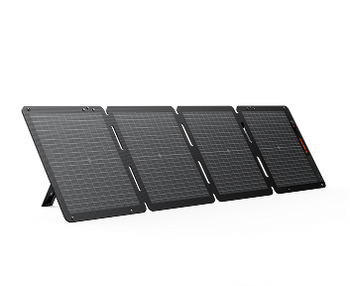
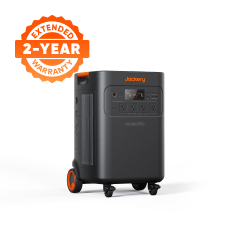
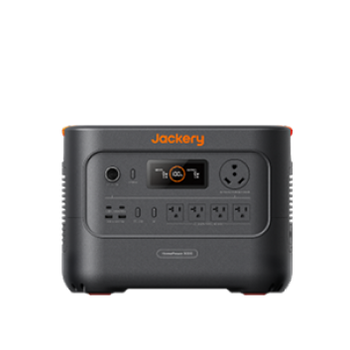
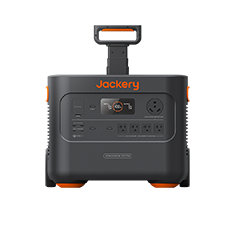
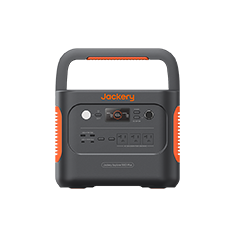
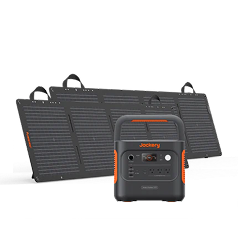
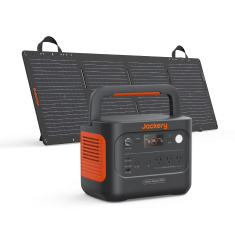
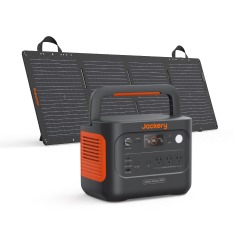
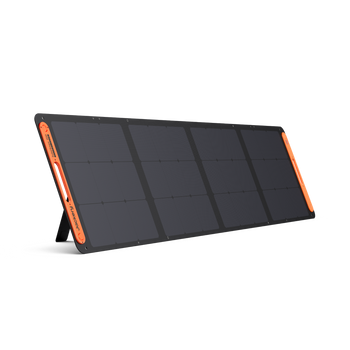
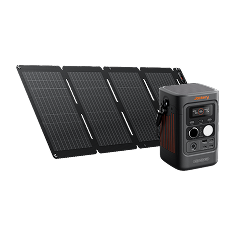
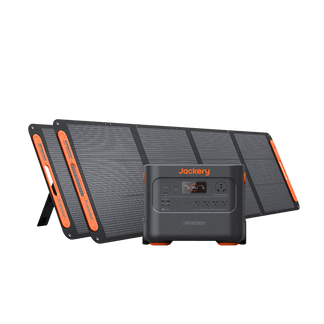
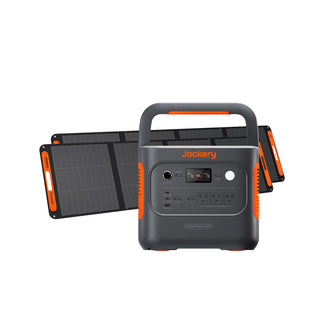
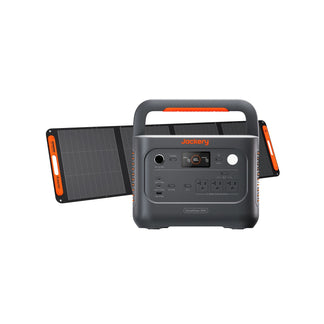
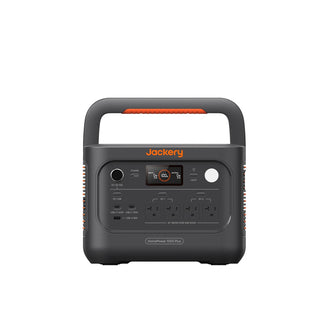
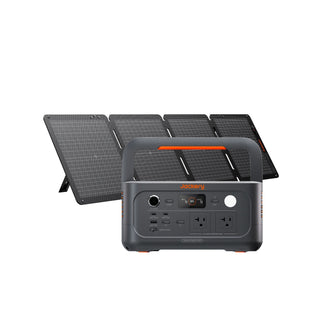
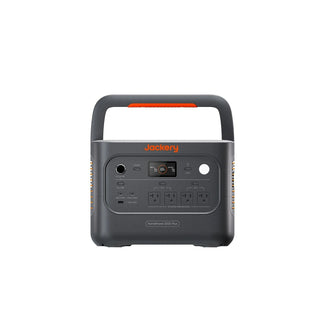
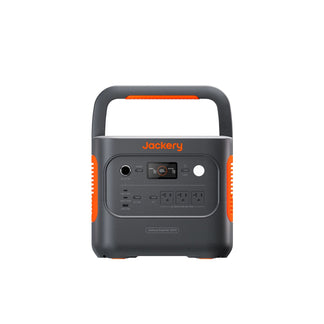
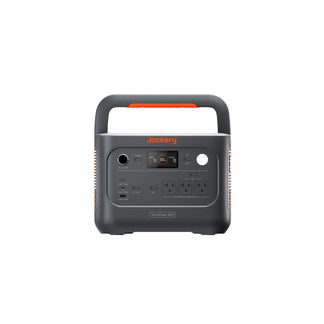
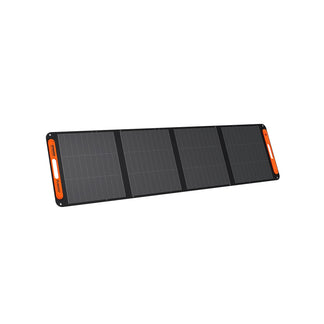
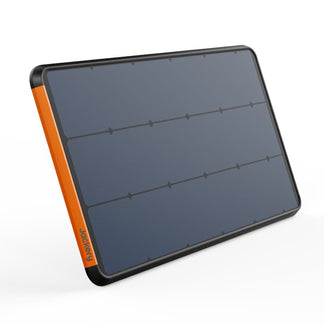
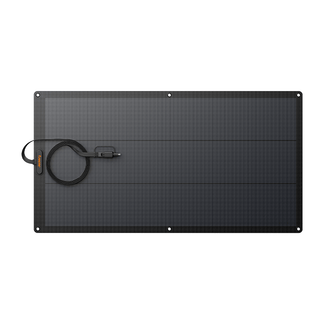
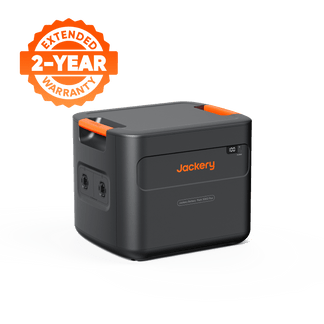
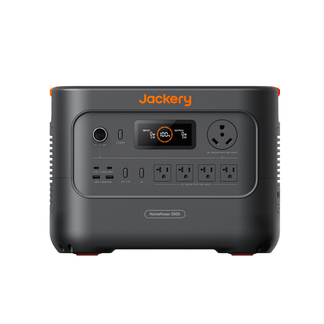
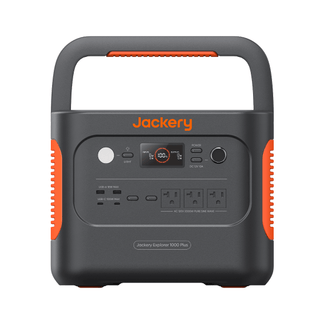
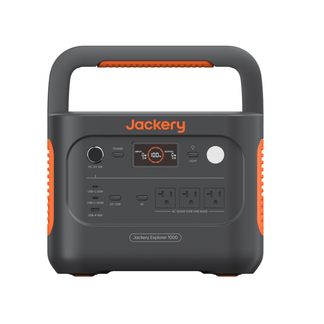
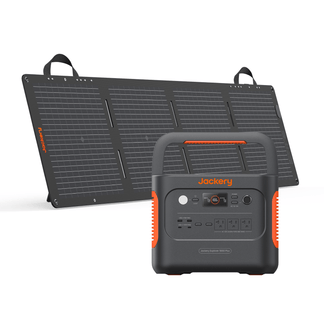
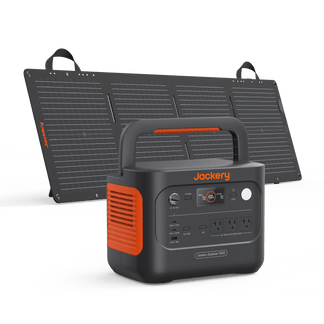
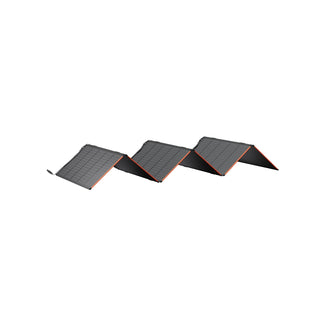
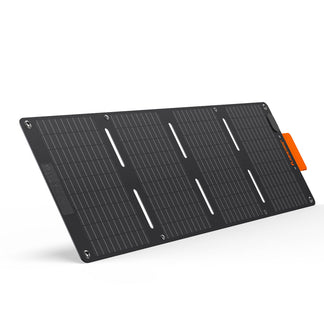
Jackery Solar Generator HomePower 3600 Plus: Features a robust 3,584 Wh capacity, capable of running a 500W pump for over 7 hours. Its 3,600W output (7,200W surge) can easily handle the startup surge of standard 1 HP pumps. The bundled Jackery SolarSaga 500X Solar Panel recharges the station cleanly during the day to match your daily filtration cycles.
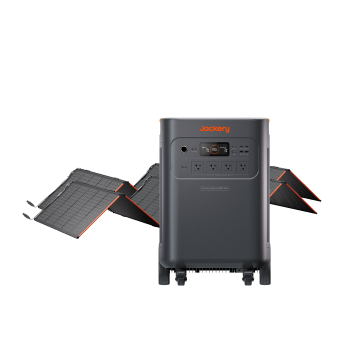
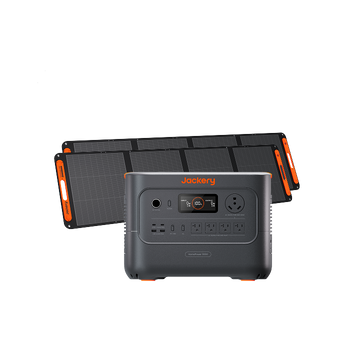
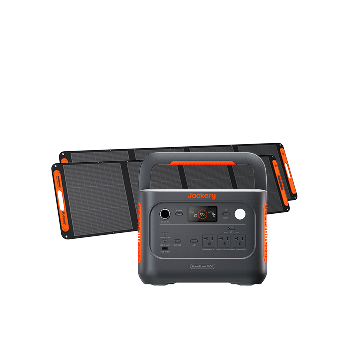
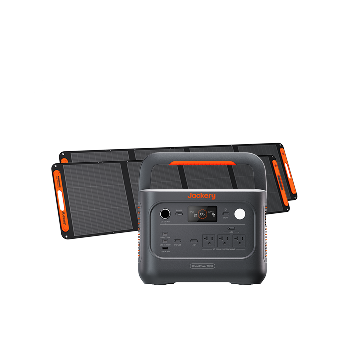
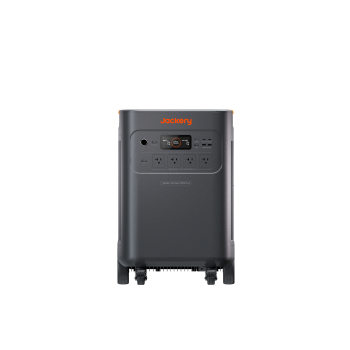
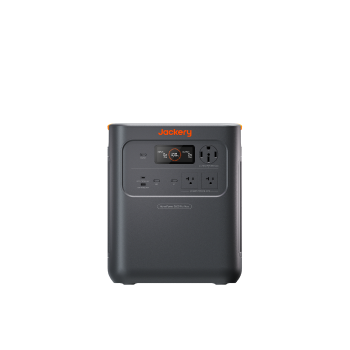
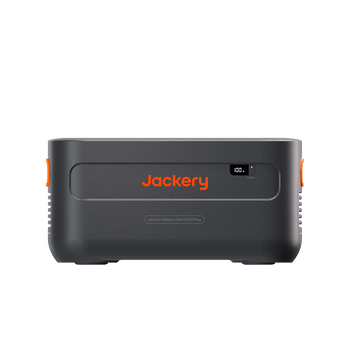
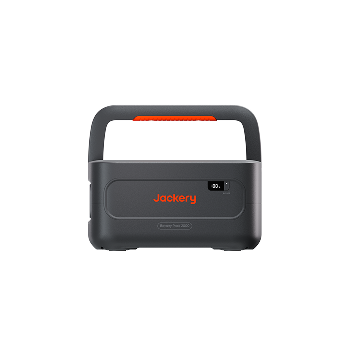
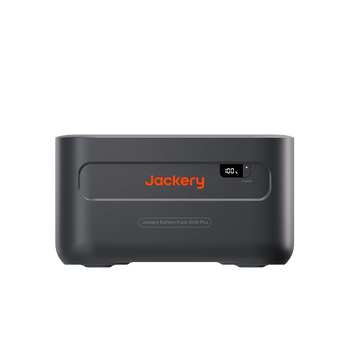
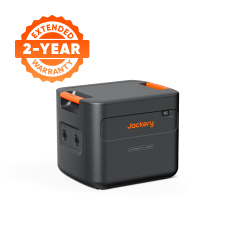
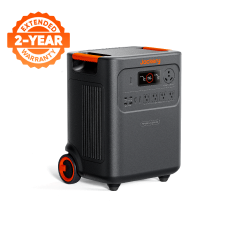
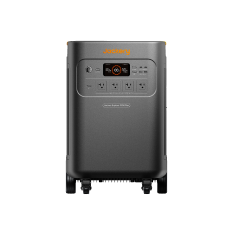
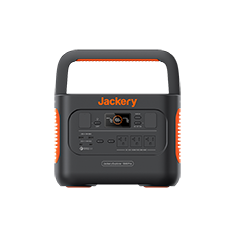
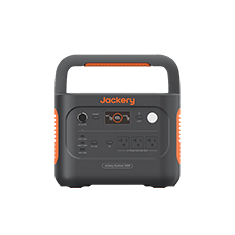
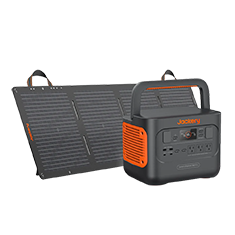
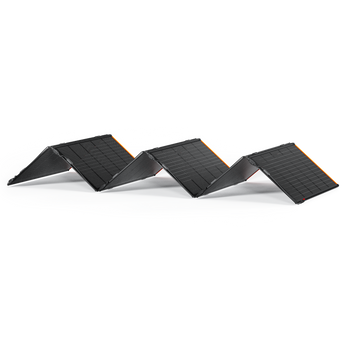
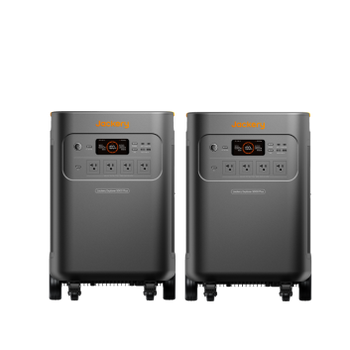
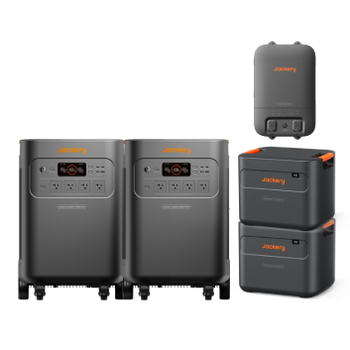
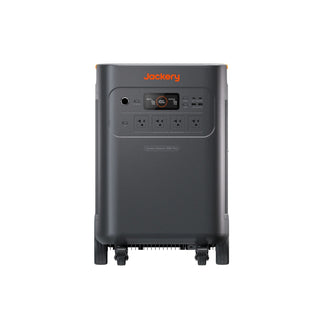
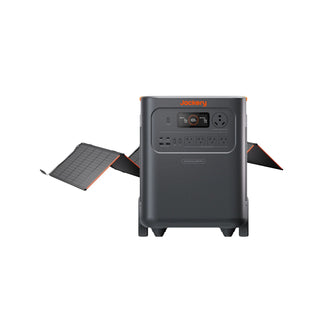
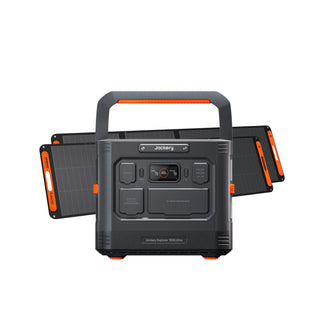
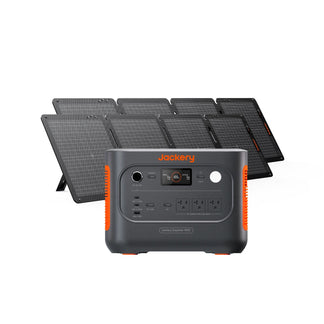
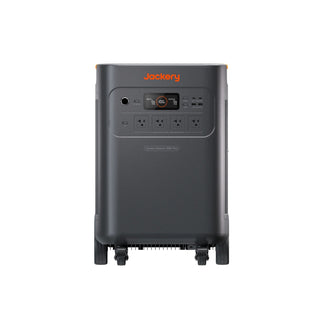
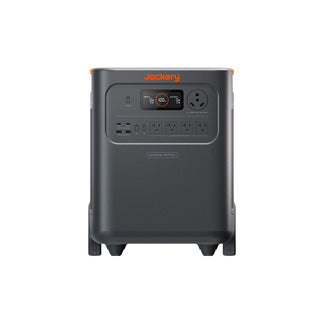
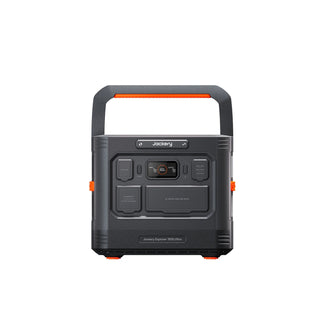
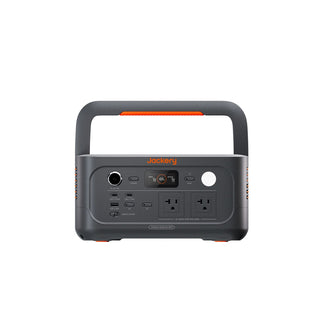
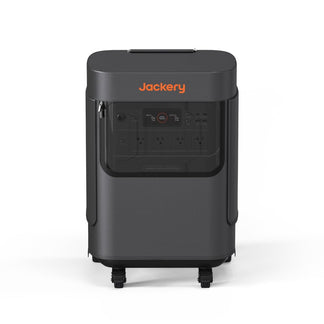
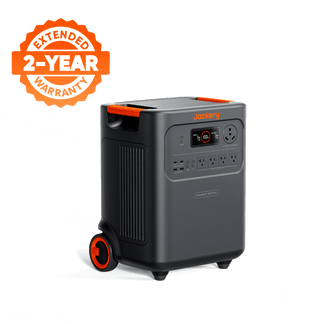
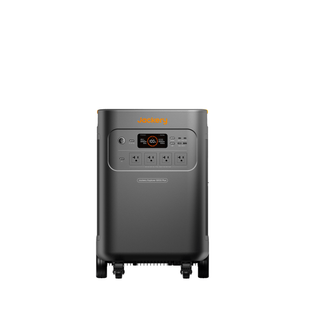
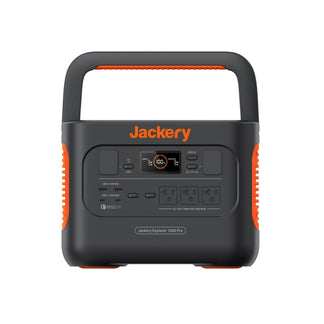
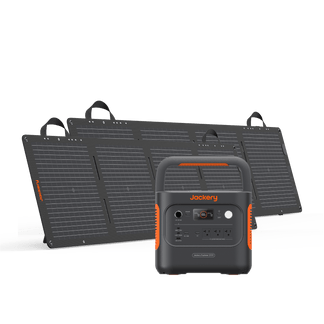
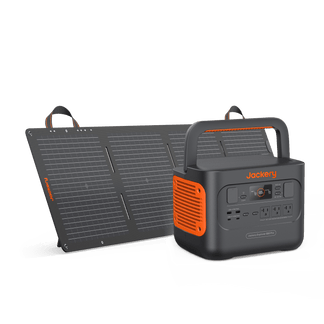
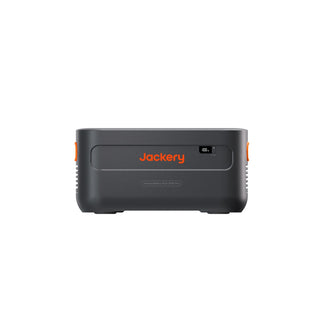
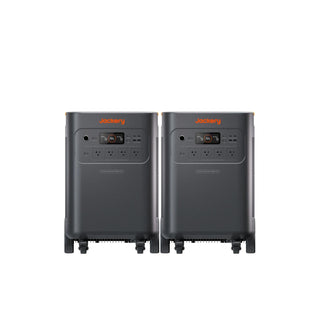
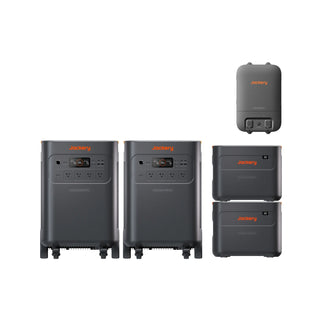
Jackery Solar Generator 5000 Plus: Sized for heavier loads, delivering a 5,040 Wh capacity (expandable to 60 kWh) and a massive 7,200W continuous output (14,400W surge) to run multiple pool pumps, chlorinators, and lights simultaneously. The two SolarSaga 500X panels can fully recharge the station in 6.5 hours of sunlight.
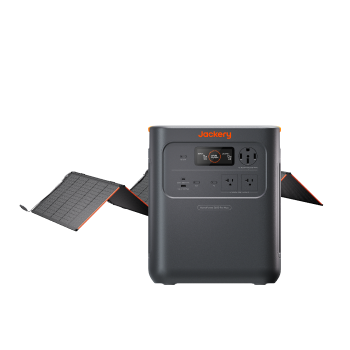
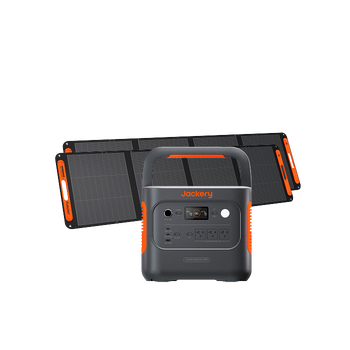
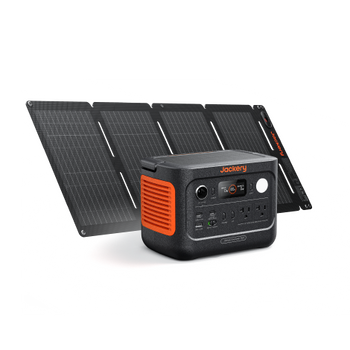
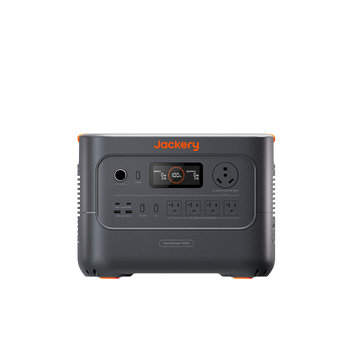
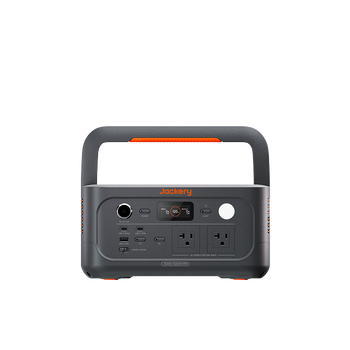
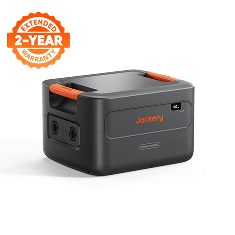
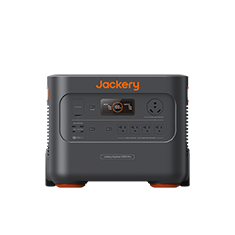
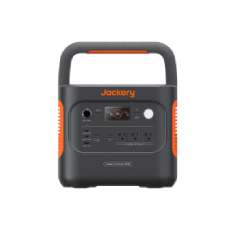
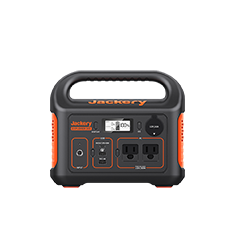
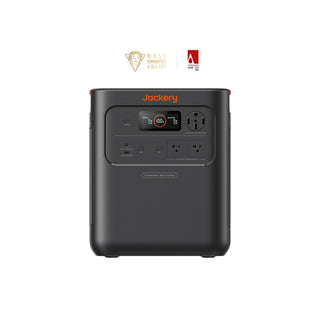
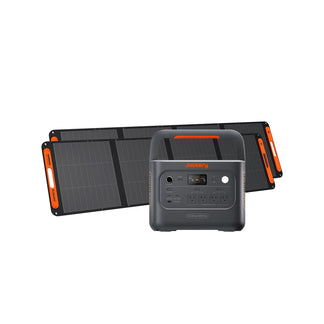
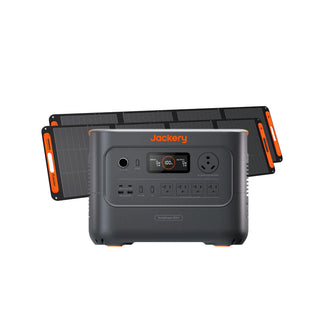
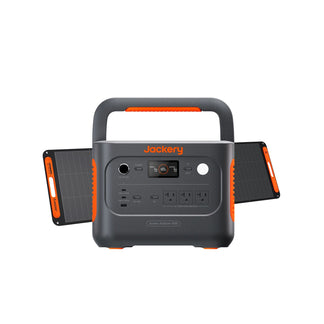
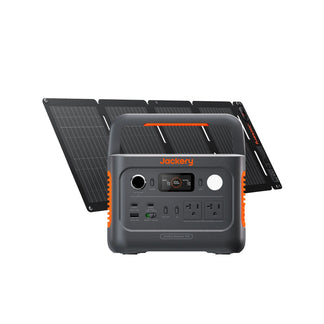
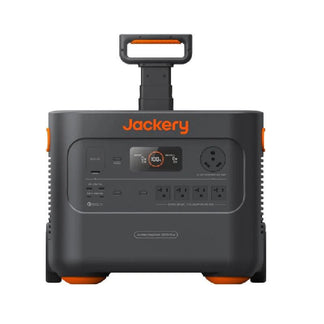
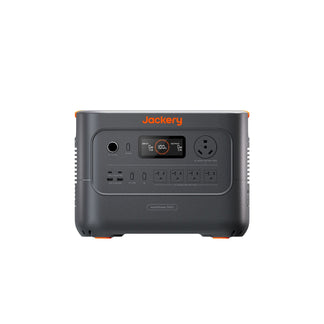
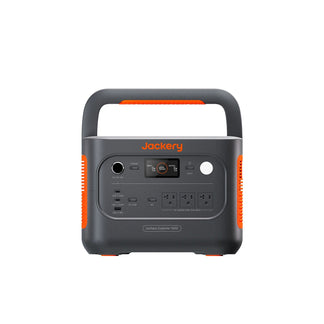
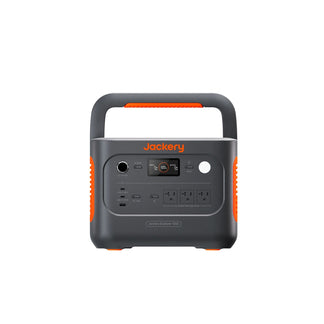
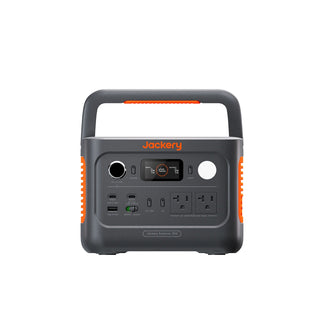
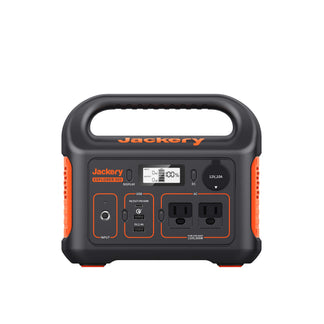
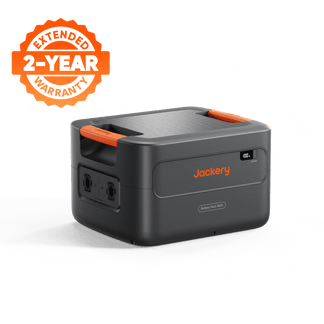
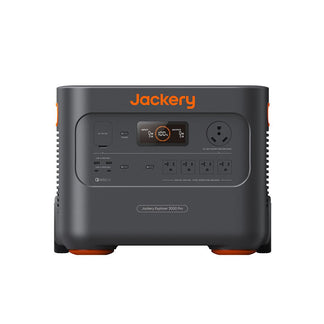
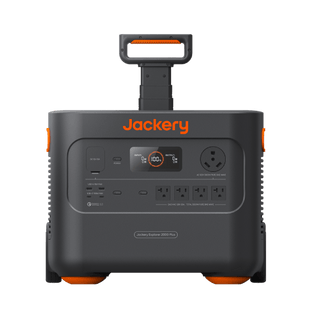
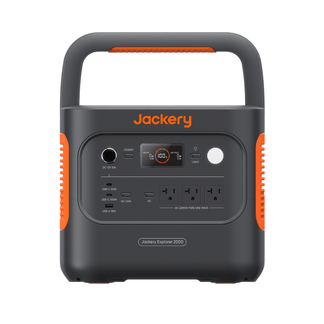
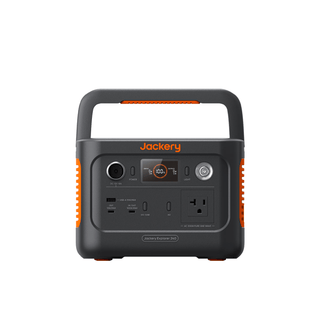
Jackery Explorer 2000 v2: The compact, highly portable option, packing a 2,042 Wh capacity to run a 500W pump for a shorter 4-hour daily cycle. Its 2,200W output (4,400W surge) handles high starting currents easily, and the unit can recharge completely in just 1.7 hours from an AC outlet.
Frequently Asked Questions
What wire gauge do I need for a 24V DC pump?
For a standard 500W pump operating at 24V over a physical distance of 20 feet, 6 AWG copper wire is required to keep your voltage drop under a safe 3%. Always use a reliable voltage drop calculator to verify your exact cable run lengths and current draws before purchasing wiring.
Can I run my pump during a grid outage with a hybrid inverter?
Yes. Most high-efficiency hybrid inverters paired with a dedicated battery bank can safely power your pool's filtration pump when the main grid fails, provided the inverter's peak surge rating can handle the motor's starting current without tripping.
Do I need a permit for a small off-grid solar pump setup?
Check with your local building authority. While permanently hardwired or roof-mounted solar installations often require electrical inspections and permits, standalone portable power stations paired with plug-in ground solar panels typically do not require formal permitting.
How often should I maintain a direct-drive DC pump system?
You should inspect your brushless motor bearings and clean your charge controller's intake vents every 3 to 4 months to prevent dirt buildup from restricting airflow and causing overheating. No other routine daily maintenance is required.
Can I run a small pool pump directly from solar panels without batteries?
Yes. By utilizing a dedicated DC brushless pump paired with an integrated MPPT controller, your system can run directly from solar panels. However, operation will stop completely during heavy overcast conditions, running only during peak daylight hours.
How many solar panels do I need for a 0.5 HP small pool pump?
Typically, you will need 3 to 5 standard 400W solar panels to establish a 1.2 kW to 1.5 kW solar array, depending on your region's peak sun hours and local shading obstacles.
Do solar pool pumps work on cloudy days?
Yes, but their overall GPM output will drop significantly. Sizing your solar panel array with a 20% to 30% safety margin ensures your pump can continue operating at a lower, energy-saving speed even during overcast sky conditions.


