


![[Add - on] Jackery Manual Transfer Switch for Explorer 5000 Plus - Jackery](http://www.jackery.com/cdn/shop/files/add-on-jackery-manual-transfer-switch-for-explorer-5000-plus-9017324.png?v=1754016782&width=350)


![[Add - on] Jackery Battery Pack 5000 Plus - Jackery](http://www.jackery.com/cdn/shop/files/add-on-jackery-battery-pack-5000-plus-6078351.png?v=1754016791&width=324)
![[Add - on] Jackery Car Charging Cable - Jackery](http://www.jackery.com/cdn/shop/files/add-on-jackery-car-charging-cable-3882421.png?v=1754016863&width=324)
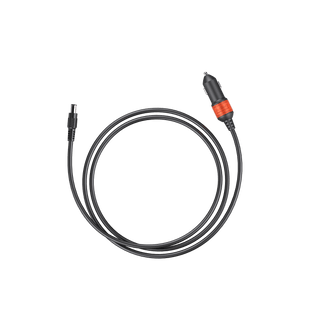
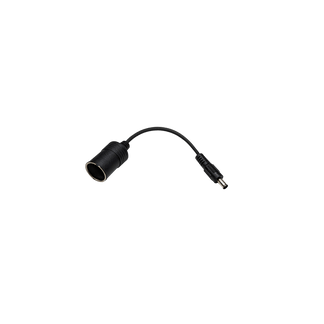
![[Add - on] Jackery Smart Transfer Switch - Jackery](http://www.jackery.com/cdn/shop/files/add-on-jackery-smart-transfer-switch-5842915.png?v=1754016784&width=324)
![[Add - on]Jackery 102W GaN 3 - Port Fast Charger - Jackery](http://www.jackery.com/cdn/shop/files/add-onjackery-102w-gan-3-port-fast-charger-6377742.png?v=1754016790&width=324)


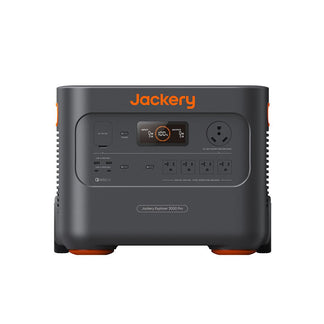
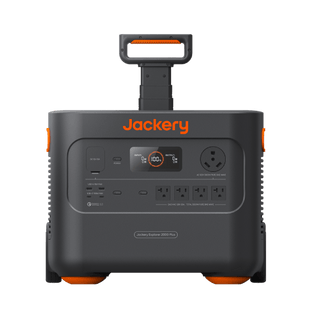
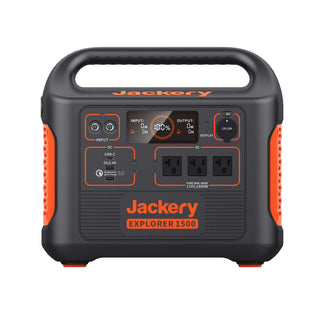
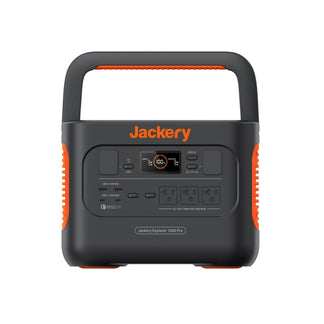
![[Add - on] SolarSaga 200W - Jackery](http://www.jackery.com/cdn/shop/files/add-on-solarsaga-200w-4834329.png?v=1754016915&width=324)
![[Add - on] Jackery Manual Transfer Switch for Explorer 5000 Plus - Jackery](http://www.jackery.com/cdn/shop/files/add-on-jackery-manual-transfer-switch-for-explorer-5000-plus-9017324.png?v=1754016782&width=324)


Summer heatwaves inevitably bring surging grid demand, rolling blackouts, and electricity rates that can spike up to 50%. While permanent off-grid cooling systems cost thousands, and traditional gas generators are loud and emit toxic exhaust, there is a smarter way to stay cool.
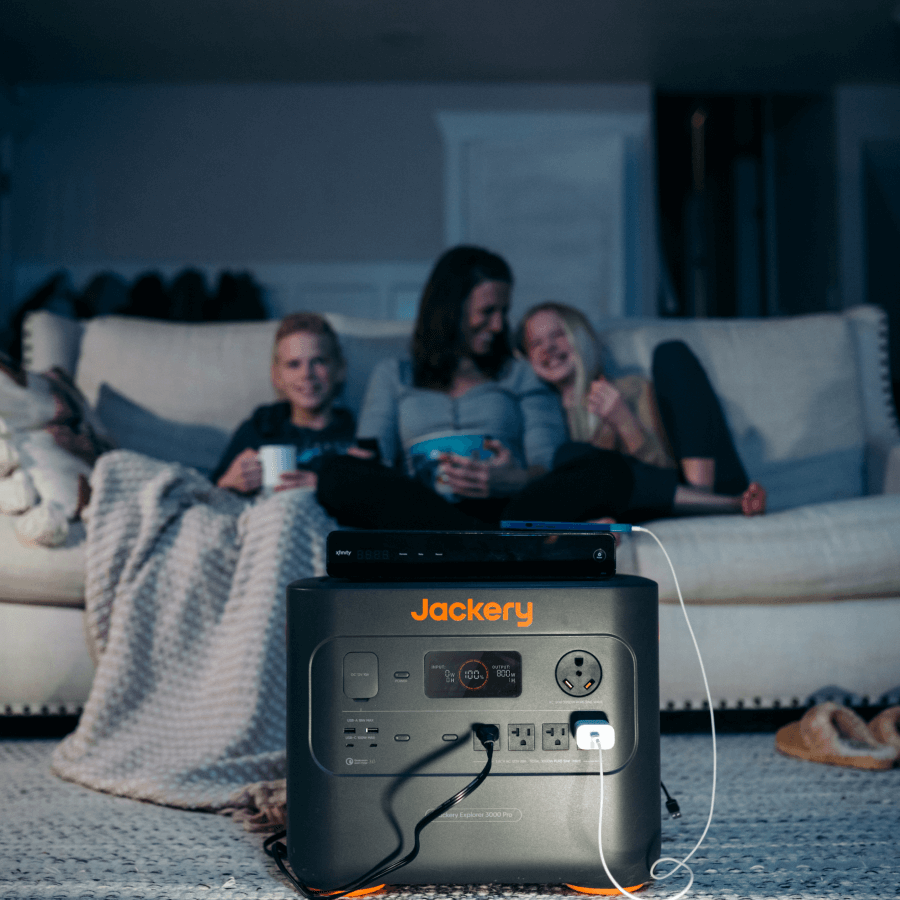
A portable AC power supply offers a versatile, plug-and-play solution that operates silently and safely right beside your bed. By investing in a reliable battery station, you can bypass peak energy rates, completely eliminate your grid dependence, and guarantee emission-free emergency cooling exactly when you need it most.
Calculating Your Portable AC Power Supply Requirements
Calculating your portable AC power supply requirements requires more than just looking at the continuous running wattage. To ensure your system can handle the heavy demands of an air conditioner, keep these key factors in mind:
- Account for the startup surge: An AC compressor requires a massive power spike the split second it engages. You must have an inverter with a high surge capacity; otherwise, the momentary spike will overload the system and shut it down instantly.
- Secure sufficient baseline capacity: Aim for a minimum of 2,000Wh capacity and 2,000W continuous output to run standard window AC units for several hours. Understanding how many amps a portable AC uses is critical for accurate sizing. For context, an 8,000 BTU unit pulls roughly 700W continuously—running it for three hours demands 2,100Wh of raw capacity.
- Factor in efficiency loss: Always add 10-15% to your total watt-hour calculation to accommodate the energy lost during the DC-to-AC conversion process. Because the inverter consumes power to operate, a 1,000Wh battery realistically delivers about 850Wh of usable power to your AC.
- Prioritize safety: Never plug an air conditioner into a standard power strip. The high continuous current can easily melt cheap plastic and create severe fire hazards. Plug cooling units directly into the heavy-duty, grounded 20A receptacles on the front of your power station.
Quick Reference Sizing Guide:
|
AC Unit Size |
Continuous Draw |
Surge Requirement |
Minimum Battery Capacity |
|
5,000 BTU |
450W |
1,500W |
1,000Wh |
|
8,000 BTU |
700W |
2,200W |
2,000Wh |
|
10,000 BTU |
900W |
3,000W |
3,000Wh+ |
Off-Grid and Emergency Cooling Strategies
To maximize your cooling efficiency and protect your equipment, your setup strategy is just as important as your battery size. Keep these best practices in mind:
- Spot-cool to save massive amounts of energy: Central air conditioning systems consume 3,000W to 5,000W per hour. By raising your central thermostat (or shutting it off entirely) and running a 500W portable AC connected to your power supply in just your bedroom, you can cut your overnight cooling energy consumption by 85%.
- Manage your cooling expectations: Ultra-low wattage ACs are great for conserving battery life, but they struggle in large, sun-baked spaces. A 2,000 BTU micro-AC will comfortably cool a small tent or a closed cabin bedroom, but it will fail entirely in a 400-square-foot living room with south-facing windows.
- Verify a pure sine wave inverter: Always ensure your power station features a pure sine wave inverter. Clean power is essential to protect the sensitive compressor motors inside modern portable air conditioners from long-term electrical damage.
- Choose dual-hose AC units: Whenever possible, opt for dual-hose models over single-hose units to cool spaces efficiently without creating warm air negative pressure.
Single-Hose vs. Dual-Hose Efficiency:
|
AC Hose Type |
Mechanism |
Efficiency Impact |
|
Single-Hose Units |
Takes pre-cooled air from inside and exhausts it outside |
The single-hose exhaust creates a vacuum, sucking hot outdoor air back into the room |
|
Dual-Hose Units |
Uses dedicated intake and exhaust lines |
Cools the room **30%** faster while drastically reducing battery runtime |
Securing a Portable AC Power Supply for Camping
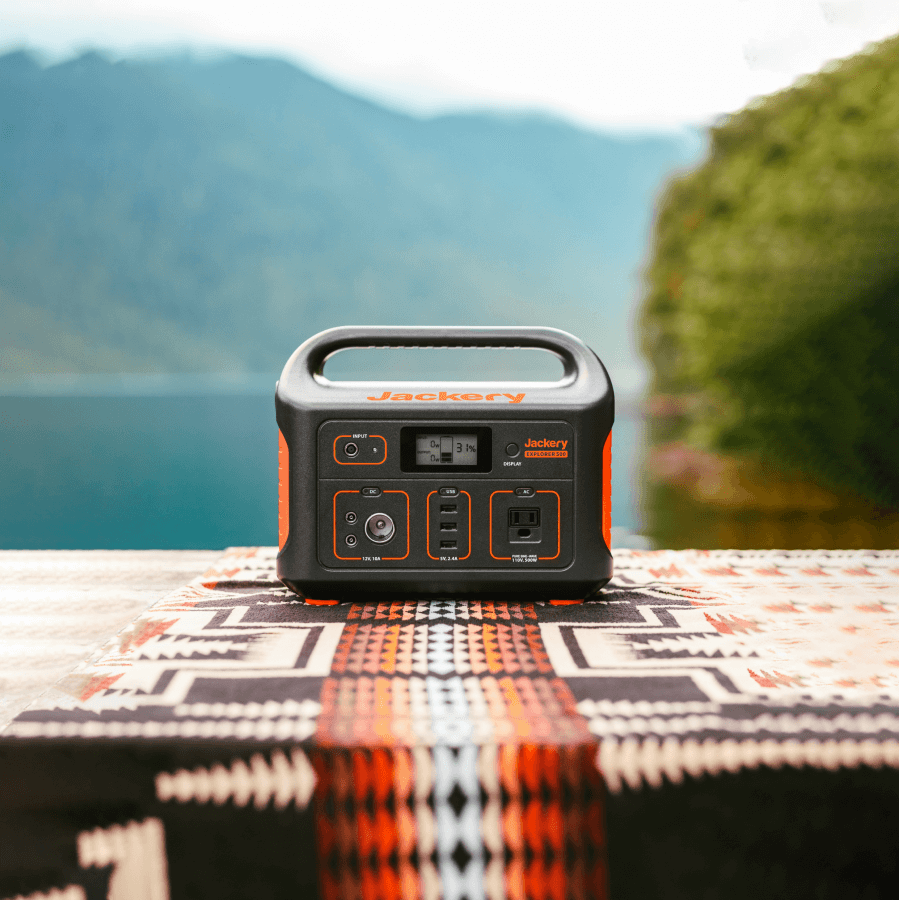
A portable power supply for camping transforms your outdoor experience by providing reliable, silent cooling without the noise and fumes of a traditional gas generator. Here is why you need a battery station off-grid:
- Comply with campground quiet hours: National parks and private campgrounds strictly enforce quiet hours, usually starting at 10:00 PM. A silent battery station lets you run your camp AC all night without risking citations or bothering neighbors.
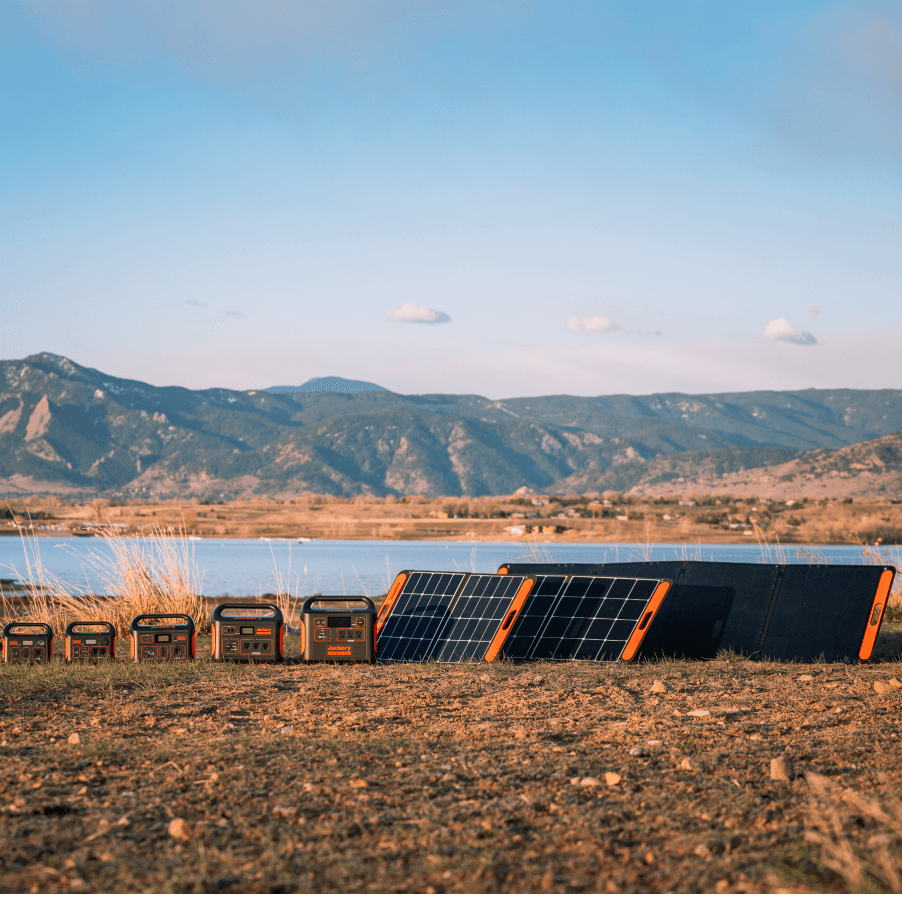
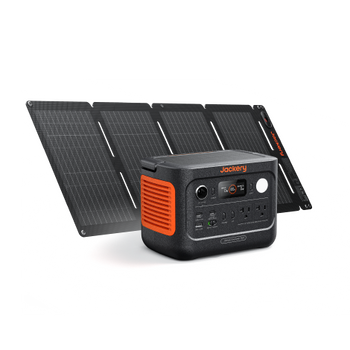
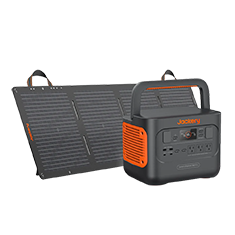
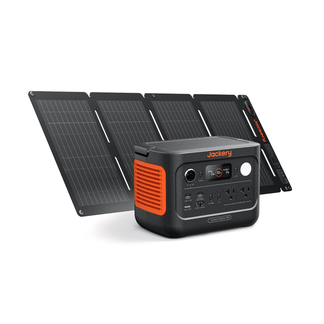
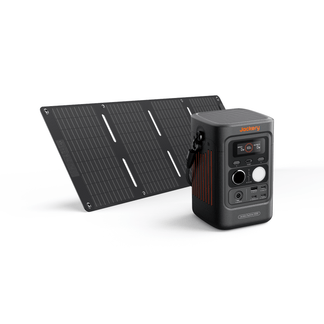
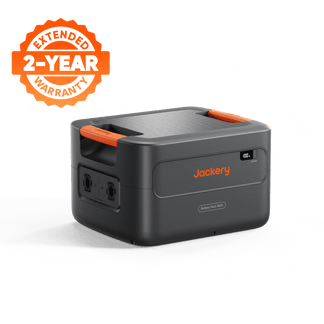
- Scale your power with modular batteries: If your cooling demands grow, use expandable systems like the Jackery Solar Generator HomePower 3600 Plus (up to 21kWh) or Jackery Solar Generator 5000 Plus (up to 60kWh). These modular setups let you easily double or triple your capacity directly at the campsite.
- Protect pets in parked vehicles: A car interior can reach lethal temperatures in just 20 minutes on an 80-degree day. A portable station can silently run a small AC to maintain a climate-controlled environment for your pets while the engine is off.

Outfitting a Portable AC Power Supply for a Car
When outfitting a car, van, or RV with a portable cooling system, you must balance limited physical space with high electrical demands. Here is how to optimize your mobile setup:
- Match your wattage demands: Always verify your power station can handle both the continuous and surge wattage of your specific cooling unit. This is critical for van conversions where electrical capacity is strictly limited.
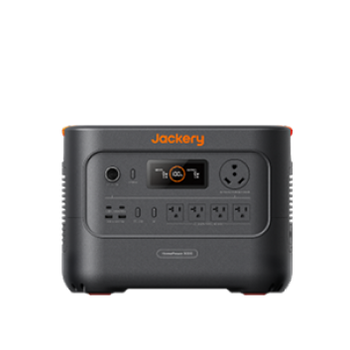
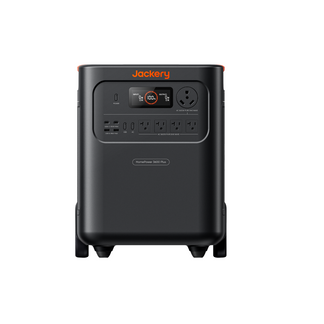
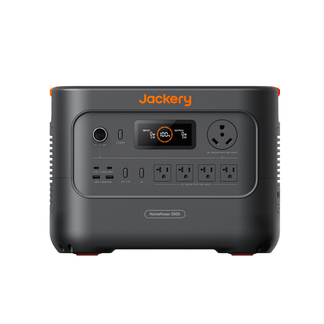
- Opt for standard 120V AC units: Pair your setup with a high-efficiency 120V AC portable air conditioner. High-capacity power stations with robust pure sine wave inverters—like the Jackery Solar Generator HomePower 3600 Plus—easily handle this power conversion, allowing you to bypass expensive, hardwired 12V DC rooftop units and save thousands on specialized hardware and installation.
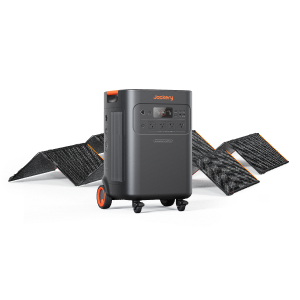
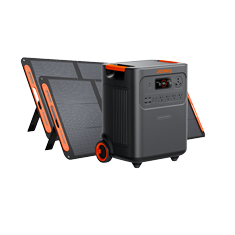
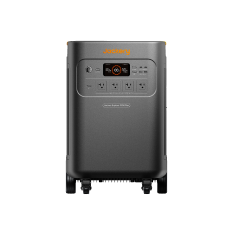
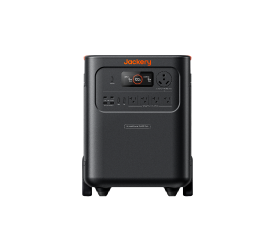
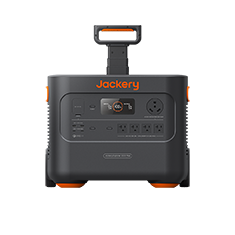
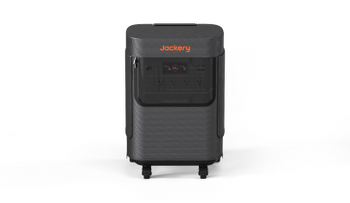
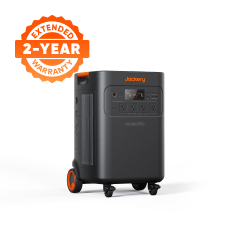
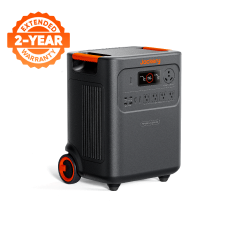
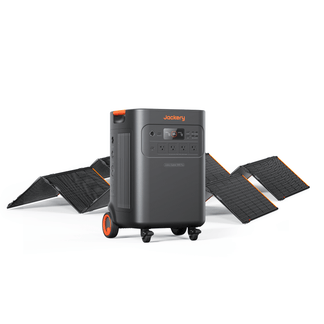
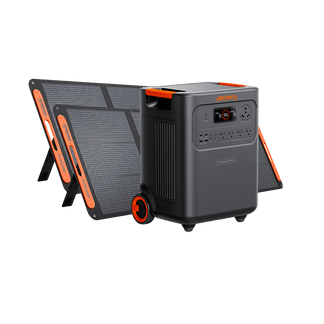
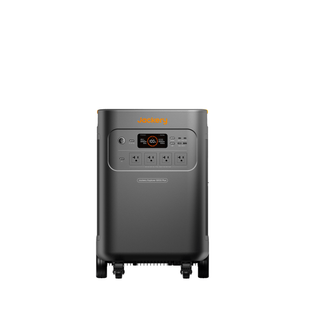
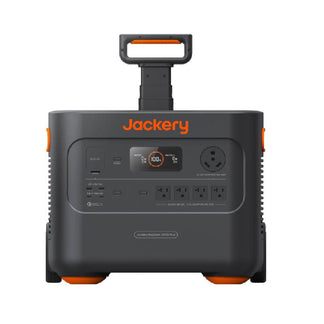
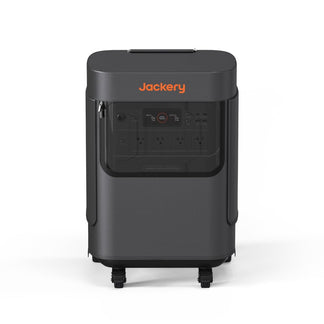
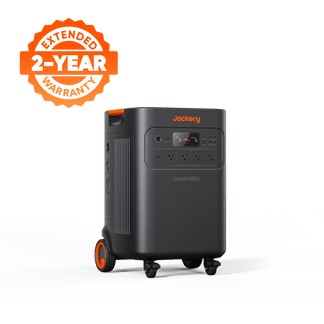
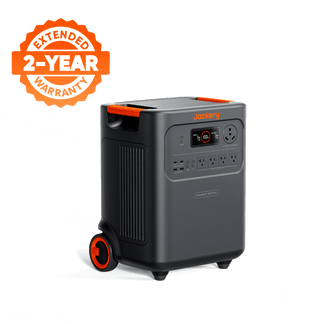
- Prioritize mobility features: Don't let weight limits deter you from getting the power you need. Select high-capacity stations with built-in wheels and ergonomic handles. The Jackery Solar Generator 5000 Plus packs a massive 5,040Wh capacity, but its wheeled chassis lets you roll it effortlessly across a campsite or down a boat ramp without heavy lifting.
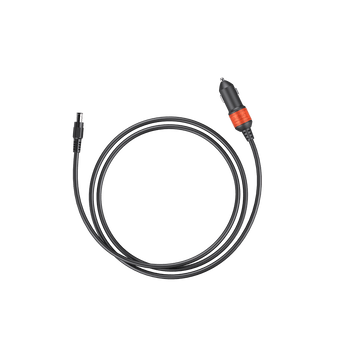
- Upgrade your driving recharge system: Install a dedicated DC-to-DC charger instead of relying on a standard cigarette lighter adapter for much faster, safer battery replenishment while you drive.
In-Vehicle Charging Comparison:
|
Charging Method |
Maximum Output |
Recharge Time (3,000Wh Battery) |
|
12V Auxiliary Port |
120W |
Over 25 hours of driving |
|
DC-to-DC Charger |
500W |
Just 6 hours |
Sizing High-Capacity Solar Generators for Air Conditioning
Ensure your power station's inverter supports at least 20% more than the AC's surge wattage to handle compressor startups safely. If an air conditioner requires 2,000W to start, your inverter should be rated for a minimum of 2,400W surge. Operating an inverter at its absolute maximum limit generates excessive internal heat and shortens the lifespan of the power station.
Deploy high-capacity units exceeding 2,000Wh for emergency home backup to run 5,000 BTU window units during summer grid outages. When assessing if a solar generator can run a portable air conditioner, runtime dictates the required capacity. A 2,000Wh unit will run a 450W window AC for approximately four hours before requiring a recharge.
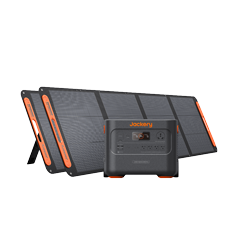
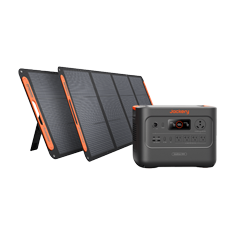
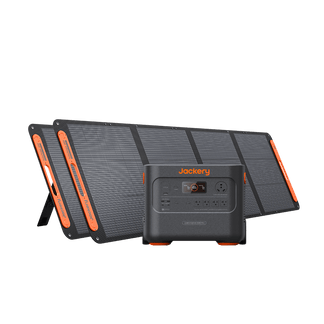
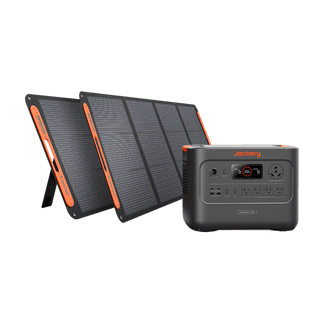
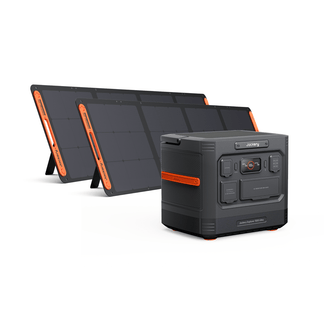
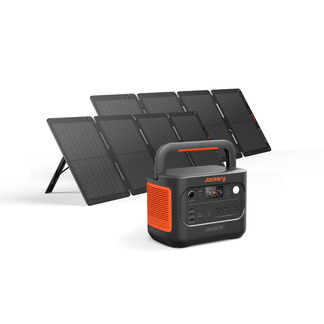
Use the Jackery Solar Generator HomePower 3600 Plus (3584Wh capacity, 3600W output) to handle heavy continuous AC draws and compressor surges during extended summer blackouts. The 3584Wh capacity secures a full night of uninterrupted cooling. Choose expandable systems like the Jackery Solar Generator 5000 Plus (7200W output) for room cooling or demanding RV setups that require running multiple appliances simultaneously alongside the air conditioner.

Utilize these high-capacity solar generators to bypass peak grid rates, achieving a direct return on investment through daily energy savings. The daily peak-shaving strategy actively pays off the cost of the generator over time:
|
Time of Day |
Grid Rate |
Cooling Strategy |
|
Peak (4:00 PM - 9:00 PM) |
$0.45 per kWh |
Shift cooling load entirely to the battery |
|
Off-Peak (Overnight) |
$0.12 per kWh |
Recharge the battery from the grid |
Essential Maintenance and Safety Protocols
Following essential maintenance and safety protocols ensures your portable AC and power station operate safely and efficiently:
- Clean or replace air filters: Perform this every one to three months to maximize airflow, prevent freezing, and reduce energy consumption. A clogged filter restricts intake air, causing the evaporator coils to drop below freezing. Once ice forms on the coils, cooling efficiency drops to zero while power consumption remains at maximum.
- Plug directly into the wall or power station: Connect your portable AC to a dedicated, grounded socket to prevent dangerous electrical overloads. Avoid extension cords entirely. If necessary, strictly use a heavy-duty, 14-gauge appliance cord kept as short as possible. Standard 16-gauge household extension cords cannot handle the 10-amp continuous draw of an AC; they will overheat, drop the voltage, and potentially start a fire.
- Drain condensate lines regularly: Do this to prevent water backups, automatic shut-offs, and internal water damage to the AC unit. Portable units extract humidity from the air. In humid climates, internal water pans fill rapidly, triggering a float switch that completely disables the compressor until emptied.
- Install whole-house surge protection: Add this at the electrical panel to safeguard sensitive inverter-driven AC boards from grid spikes. When utility power fluctuates during summer brownouts, aggressive voltage spikes destroy the microprocessors inside modern air conditioners in milliseconds.
Achieving Cost-Effective Summer Cooling
Achieving cost-effective summer cooling requires preparing your systems before summer to ensure optimal efficiency, lower electricity bills, and a longer lifespan for your appliances. Waiting until a heatwave hits guarantees you will pay premium prices for hardware and face out-of-stock inventory.
Secure a dedicated portable ac power supply to guarantee your family stays safe and comfortable during unpredictable grid failures. The initial investment in battery hardware secures years of reliable, emission-free operation when local infrastructure collapses under peak demand. Combine routine HVAC maintenance with smart, solar-powered backup solutions for a sustainable, resilient strategy to beat the summer heat.
Frequently Asked Questions
How long will a 1000Wh power station run an AC?
Divide the battery capacity (1,000Wh) by the AC's continuous wattage (e.g., 500W) and factor in a 15% inverter efficiency loss. This calculation yields an estimated runtime of roughly 1.7 hours for a small cooling unit.
Is it cheaper to leave portable ACs on all day?
No. Turning the unit off when you are away is generally more cost-effective than running it continuously to maintain a set temperature, especially when operating on finite battery power.
Can solar panels generate enough power to run AC continuously?
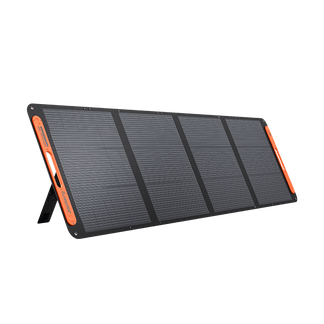
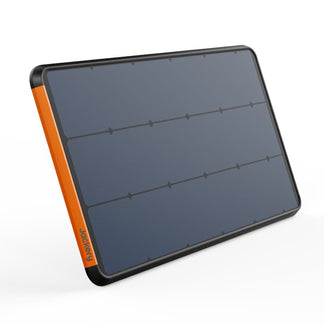
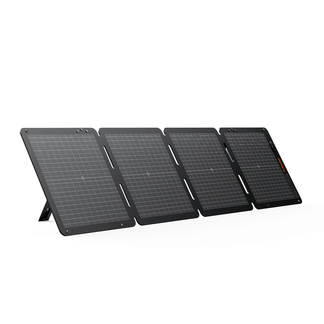
Solar input rarely outpaces the heavy continuous draw of an air conditioner. Because a 500W AC draws more power than a standard 200W solar array can replenish, the battery will eventually deplete even in full sun.
What happens if the power station gets too hot outside?
Power stations have strict thermal limits and will automatically shut down to prevent battery degradation or fire. Never leave your power unit operating in direct summer sun or inside an unventilated vehicle.
Do portable ACs need to be vented on battery power?
Yes. All traditional portable ACs must vent hot air outside, regardless of whether they are powered by a wall outlet or a portable battery.