

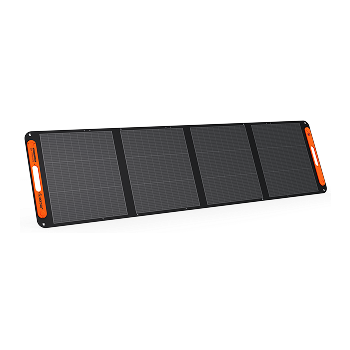
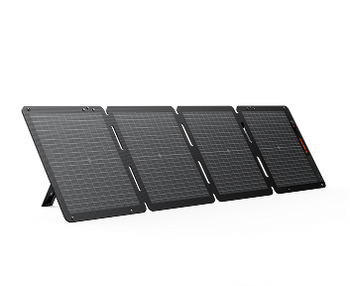
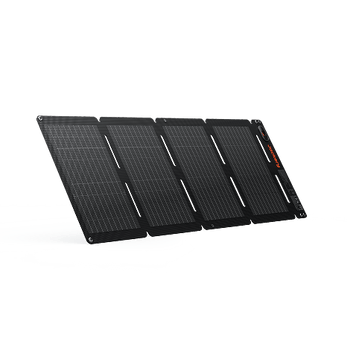






![[Add-on] Jackery SolarSaga 500 X - Jackery](http://www.jackery.com/cdn/shop/files/add-on-jackery-solarsaga-500-x-1493607.webp?v=1786503068&width=324)
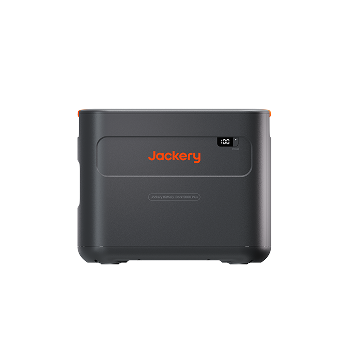
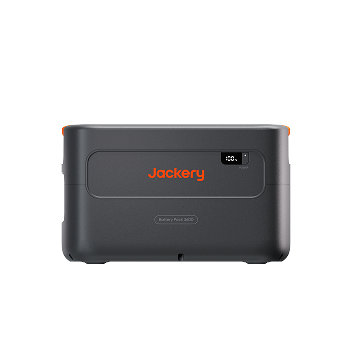
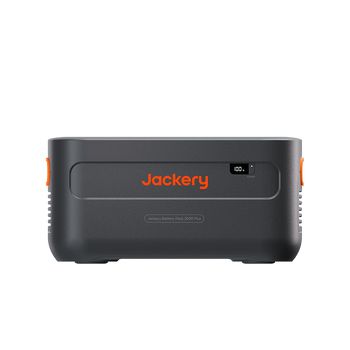
![[Add-on] Jackery Battery Pack 5000 Plus - Jackery](http://www.jackery.com/cdn/shop/files/add-on-jackery-battery-pack-5000-plus-6713401.webp?v=1786503068&width=324)







Most RV owners can easily read an appliance label. What trips them up, however, is translating those electrical numbers—watts, volts, and amps—into a practical power budget that actually works when they are plugged into a 30-amp pedestal or camping off-grid.
In reality, the calculation you need to solve is simpler: finding how much current (amps) your appliances will draw from your system’s voltage before you trip a shore power pedestal breaker or over-discharge your battery bank. This guide starts with your individual loads, explaining how to calculate your power limits and optimize your RV electrical gear.
Understanding the Power Triangle: Watts, Volts, and Amps
The relationship between electricity's core variables is governed by Watt's Law, which states that current (amps) is equal to total power (watts) divided by electrical pressure (volts). Watts represent the total energy an appliance consumes, while volts represent the pressure of the electrical system—typically 120V for standard US household AC appliances and 12V for direct current (DC) battery systems.
The core mathematical formula is written as:
Amps = Watts ÷ Volts | Watts = Amps × Volts
When operating on the 120V AC side of your RV—such as when plugged into shore power or running a high-capacity inverter—you will always use 120 as your voltage constant. For example, a standard 1,500-watt space heater draws 12.5 Amps (1,500W ÷ 120V), and a 1,000-watt microwave pulls 8.3 Amps. Running both simultaneously on a single 15-amp branch circuit draws a total of 20.8 Amps, instantly tripping the circuit breaker.
The 12V DC battery side of your rig utilizes the same mathematical formula with a constant of 12. A 120-watt 12V portable refrigerator draws 10 Amps of current from your battery bank (120W ÷ 12V). Understanding this conversion is critical when sizing battery cables and calculating your off-grid runtime limits.
Step-by-Step: Sizing Your Gear with Watts and Volts
To establish an accurate RV power budget and avoid tripped breakers, you must convert your appliance specs into a unified unit: current (amps). If an appliance label lists only wattage, divide that wattage by your system's voltage (typically 120V for AC devices or 12V for DC devices) to find the amp draw. If the label lists only amperage, multiply those amps by the appliance's operating voltage (typically 120V for AC household appliances or 12V for DC battery-powered devices) to calculate the equivalent wattage.
While you should compile a list of every appliance in your rig, you must size your system based on the devices you intend to run simultaneously. A 1,000-watt microwave drawing 8.3 Amps consumes over 55% of a standard 15-amp branch circuit. Adding a 900-watt coffee maker (drawing 7.5 Amps) on the same circuit will push the total draw to 15.8 Amps, causing the breaker to trip as heat builds up in the panel.
Furthermore, motor-driven appliances introduce an extra planning step. An air conditioner’s label list running watts—the continuous power consumed once the motor is spinning. However, starting the motor requires surge watts, which can be two to three times higher than the running rating. If your power source cannot handle this brief startup surge, the system will instantly shut down.
Running Watts vs. Surge Watts: Soft-Start Upgrades
Running watts represent the continuous, steady power an appliance consumes during standard operation. Surge watts are the intense, split-second electrical spike required to start inductive electric motors (such as those in air conditioners, refrigerators, and water pumps). Sizing your power source solely for running watts will leave you without backup power during an outage.
A standard 13,500 BTU RV air conditioner draws roughly 12 to 15 Amps of running current (1,440W to 1,800W at 120V). However, the compressor's startup surge can spike to 30 to 45 Amps (3,600W to 5,400W) for a fraction of a second. Your inverter or generator must have sufficient surge headroom to support this initial spike.
Installing an RV soft-start kit can reduce this startup surge by 60% to 70%, dropping a 45-amp spike to 15 Amps or less. This minor mechanical upgrade allows you to run your air conditioner using a compact portable power station rather than needing a heavy, noisy 4,000-watt gas generator.
The Math Behind RV Electrical Limits
Converting watts to amps reveals exactly how much standard 30-amp RV service pedestal delivers a maximum of 3,600 Watts (30 of your total electrical pedestal capacity each appliance consumes. A sA × 120V). In contrast, a 50-amp RV service delivers up to 12,000 Watts—utilizing two independent 50-amp 120V hot legs. This massive 3.3x difference explains why 30-amp rigs require careful power load management.
Additionally, the National Electrical Code (NEC) mandates an 80% safety margin for continuous loads: the combined draw of all loads running continuously for three hours or more must not exceed 80% of the circuit's total rating (or the circuit breaker must be sized at 125% of the continuous load). For a 30-amp pedestal, your continuous draw must remain below 24 Amps (2,880 Watts). While you can briefly spike to the full 30 Amps (3,600W) to run a microwave, running an air conditioner at maximum capacity for hours near the limit will eventually trip the main breaker as heat builds up in the panel.

Common RV Appliance Power Budgets
To prevent system overloads, group your RV appliances into three distinct consumption tiers, prioritizing running only one high-draw appliance at a time unless you are plugged into a 50-amp pedestal:
- High-Draw Appliances (1,200W – 2,400W): Air conditioner (1,400W–1,800W running), space heater (1,500W), microwave (1,000W–1,200W), and electric hair dryers or kettles (1,500W–1,875W).
- Medium-Draw Appliances (150W – 1,000W): Residential-style refrigerators (150W–800W), coffee makers (600W–900W), and standard toasters (800W–1,000W).
- Low-Draw Devices (5W – 120W): LED light fixtures (5W–15W), laptop chargers (45W–65W), 12V compressor refrigerators (40W–120W), and smartphone chargers (5W–20W).
Because heating elements and electric motors dominate your power budget, scheduling your usage—such as running your coffee maker before the microwave, or drying your hair after the air conditioner cycles off—is the most effective way to prevent tripped breakers.
Choosing an RV Backup Power System
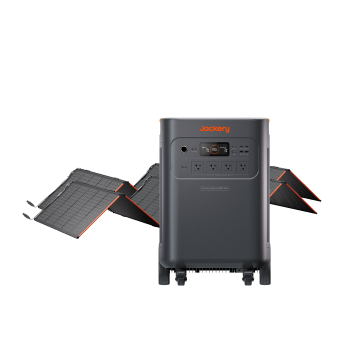
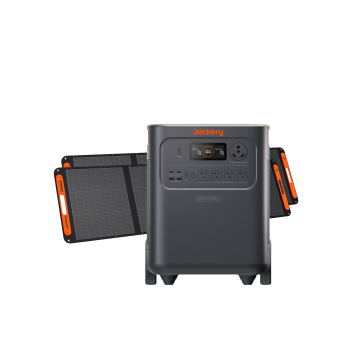
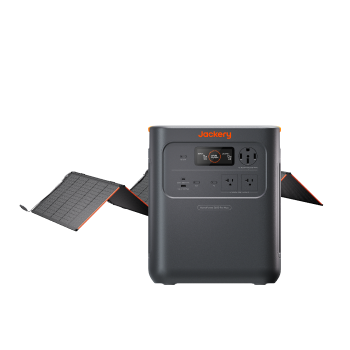
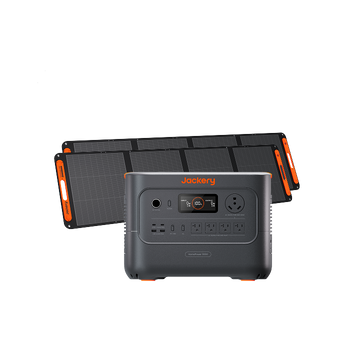
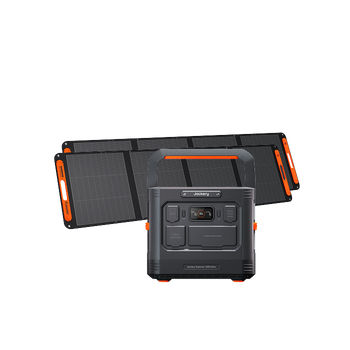
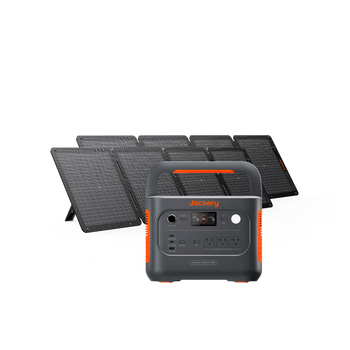
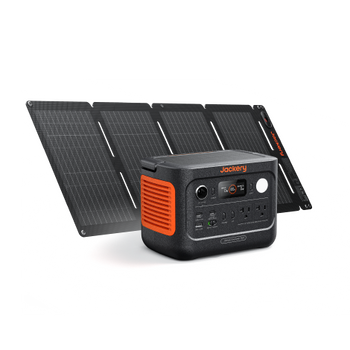
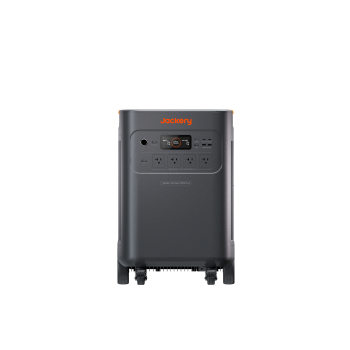
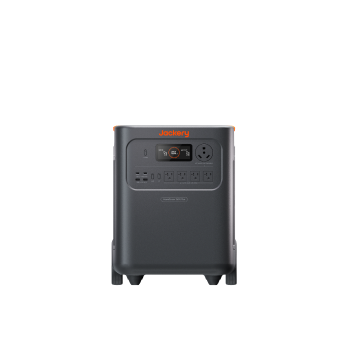
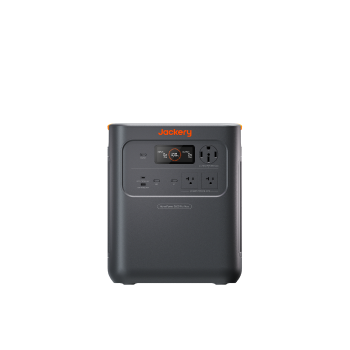
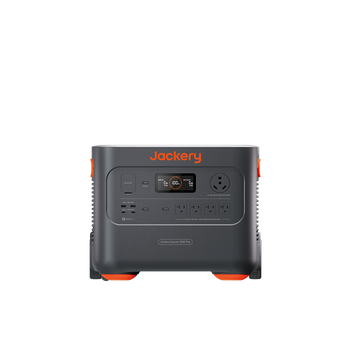
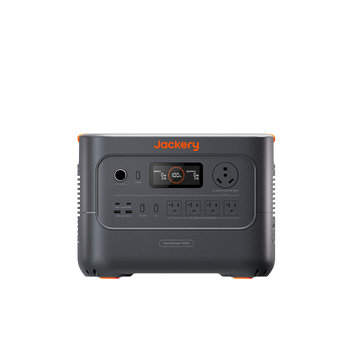
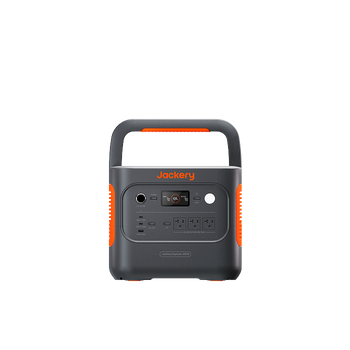
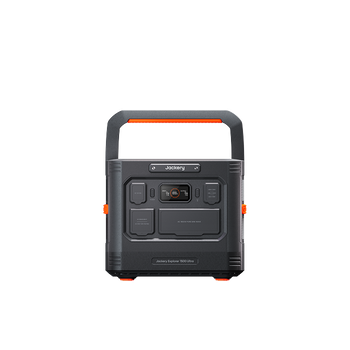
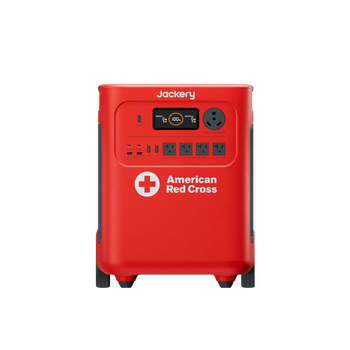
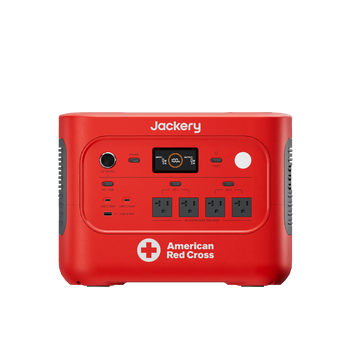
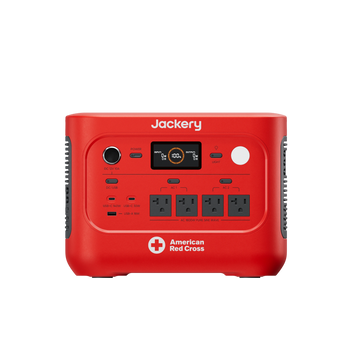
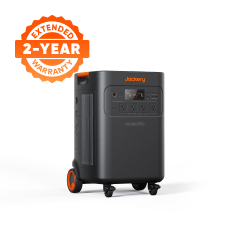
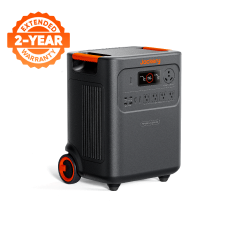
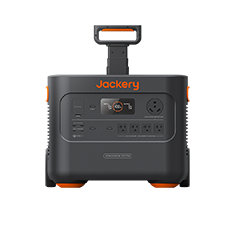
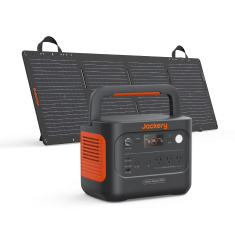
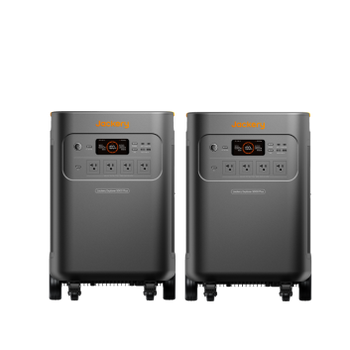
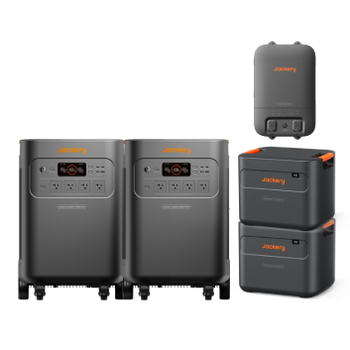
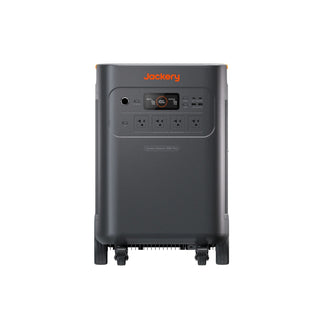
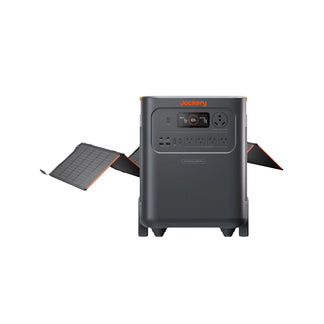
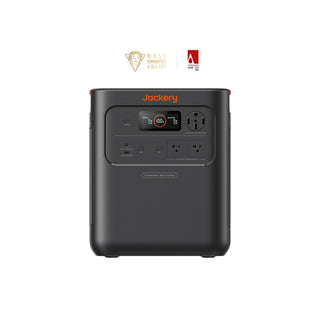
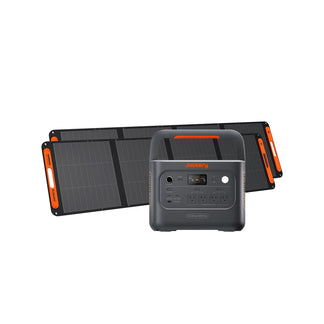
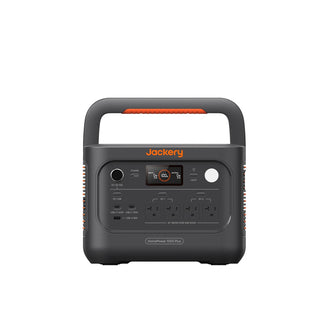
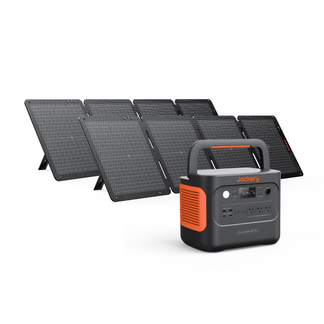
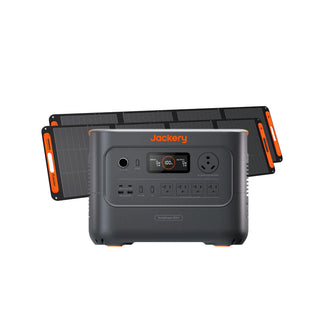
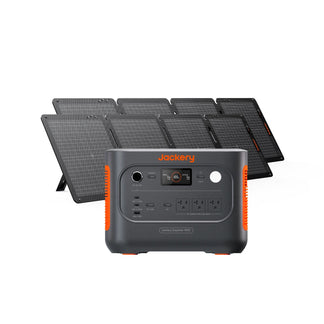
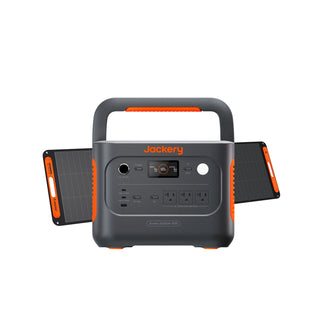
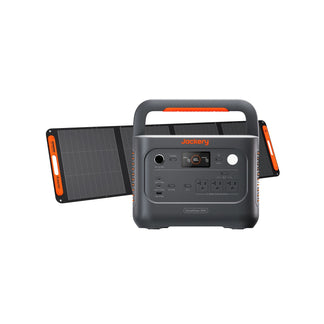
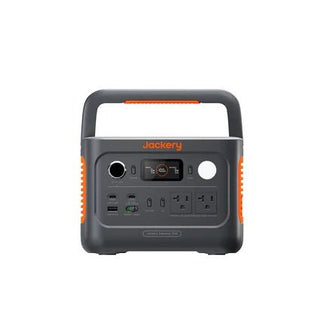
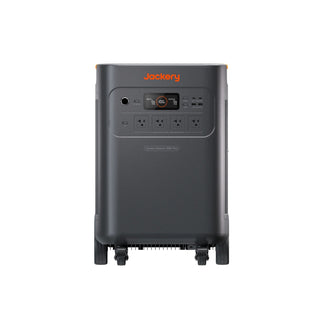
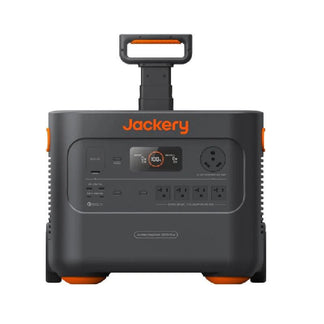
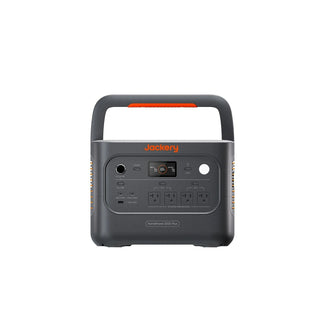
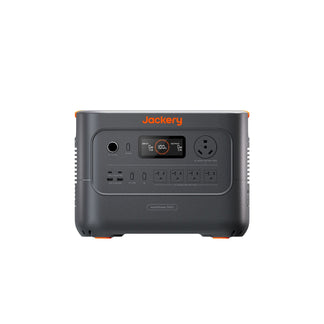
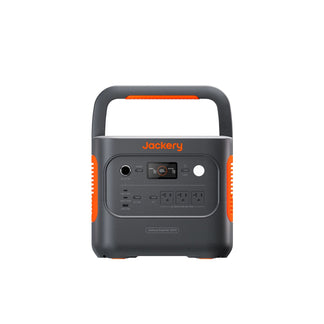
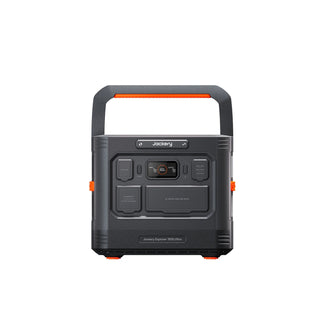
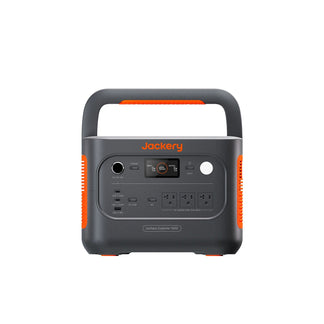
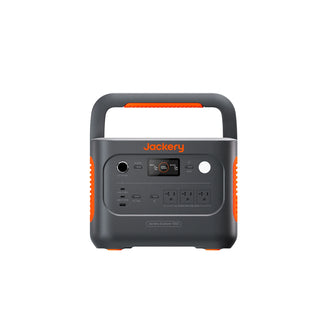
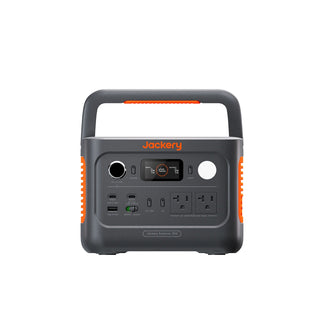
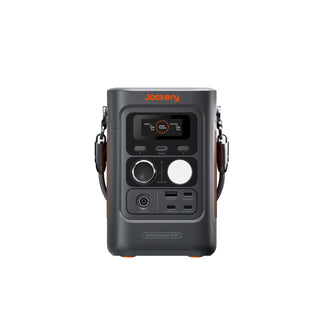
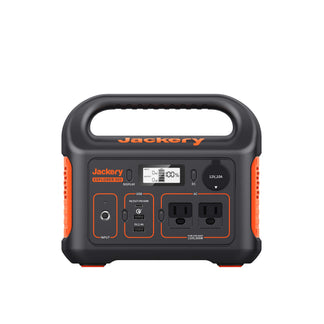
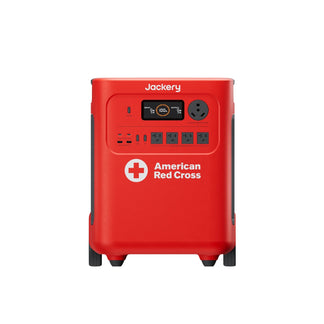
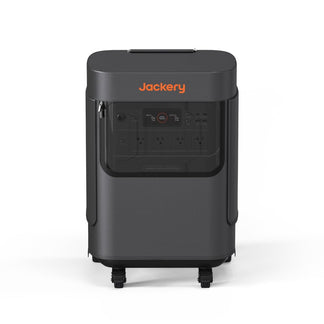
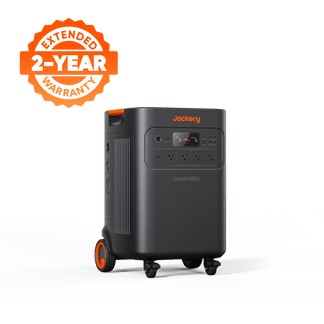
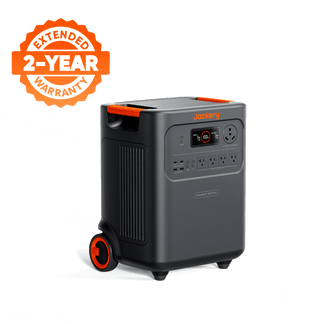
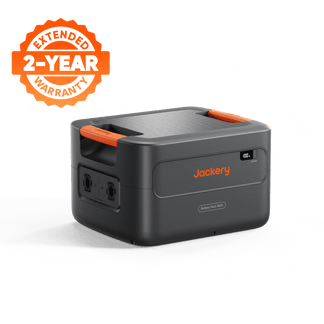
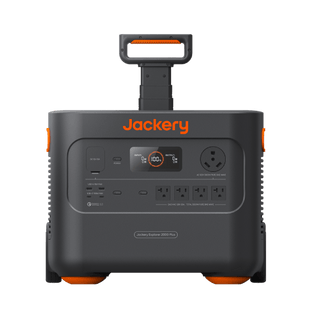
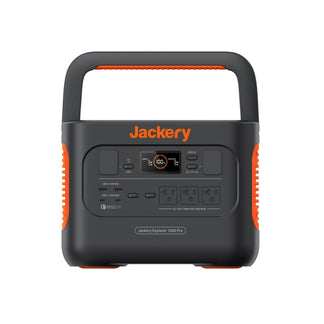
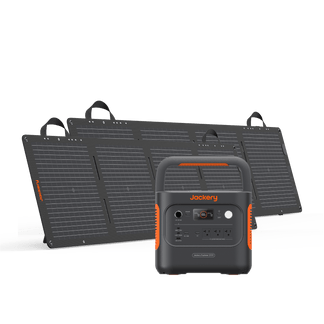
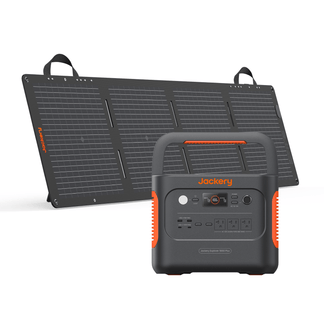
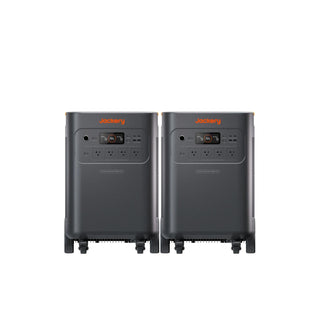
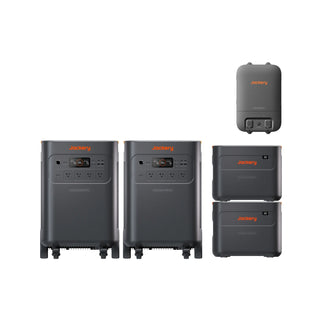
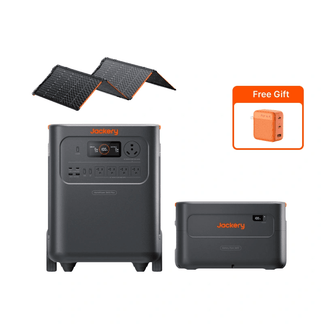
When camping off-grid or boondocking without shore power, a high-capacity portable power station serves as a clean, silent alternative to noisy gas generators. Two premium solar generators from Jackery are ideal for RV power integration:
|
System Model |
Continuous & Surge Power |
RV Integration & Best Application |
|
Jackery Solar Generator 2000 v2 |
2,200W Continuous (4,400W Surge) |
Powers a soft-start-equipped 13,500 BTU air conditioner, 12V fridge, and lighting. Compact and portable (39.5 lbs). |
|
Jackery Solar Generator 2000 Plus |
3,000W Continuous (6,000W Surge) |
Supports simultaneous microwave and AC startup. Expandable to 24 kWh; connecting two units in parallel via the Jackery Connector supports 120V/240V split-phase outputs to power heavy-duty 50-amp RV panels. |
When selecting a power station, always start with your calculated load list, choosing a unit that can handle your largest simultaneous draw (including motor startup surges) with at least 20% safety headroom.
Frequently Asked Questions
How do I know what my 30A pedestal can run?
Convert your appliance wattages to amps by dividing by 120V, and sum the draw of the items you intend to run simultaneously. Ensure your total continuous load remains below 24 Amps to comply with the 80% safety rule.
How many watt-hours do I need for boondocking?
Multiply each appliance's running wattage by its estimated daily runtime hours, and sum the totals. A typical travel trailer consumes 2,000 Wh to 5,000 Wh per day to run a 12V fridge, lighting, water pumps, and charging devices.
Can I run my AC and microwave at the same time?
On a standard 30-amp service, generally no. While a 1,800W air conditioner and a 1,200W microwave draw a combined 3,000 Watts (25 Amps)—which is under the absolute 30-amp pedestal limit—running both leaves only a 5-amp (600W) margin. Standard background loads, such as your RV's battery converter/charger (4 to 8 Amps) or an electric water heater (10 to 12 Amps) cycling on, will instantly push the total system over 30 Amps and trip the main breaker. For an analysis of running heavy climate systems off-grid, check out our guide on Can a Portable Power Station Run an RV AC?.
What size inverter do I need for my RV?
Calculate the total wattage of the AC appliances you plan to run simultaneously, and add a 20% to 30% safety margin. If your microwave (1,200W) and coffee maker (900W) run together, a 3,000W inverter is recommended to handle the load comfortably.
How do I convert battery amp-hours to watt-hours?
Multiply the battery's rated amp-hours (Ah) by its nominal voltage (typically 12V). For example, a 100Ah 12V battery stores 1,200 Watt-hours (100Ah × 12V). Note that traditional lead-acid batteries are limited to a 50% usable depth of discharge, whereas modern LiFePO4 batteries deliver up to 100% usable capacity.


