







![[Add-on] Jackery Battery Pack 5000 Plus - Jackery](http://www.jackery.com/cdn/shop/files/add-on-jackery-battery-pack-5000-plus-6713401.webp?v=1786503068&width=324)
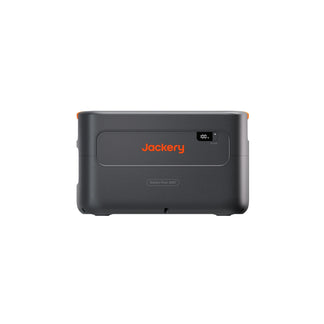
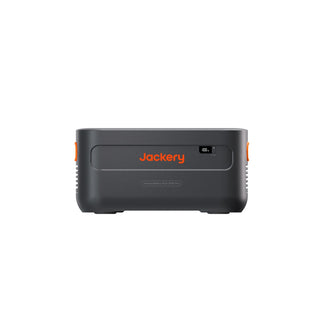
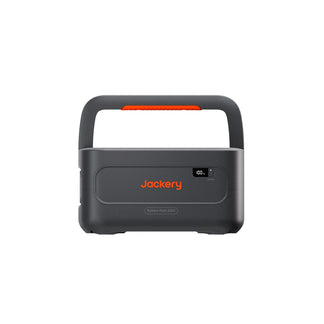
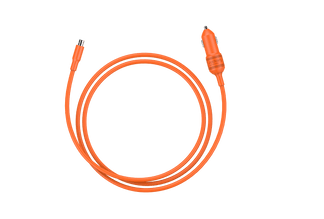
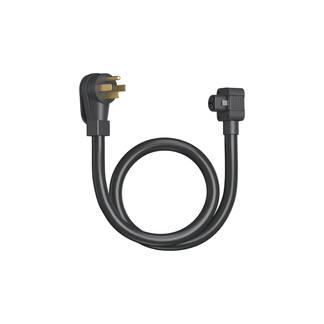
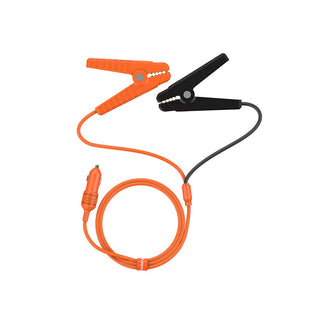
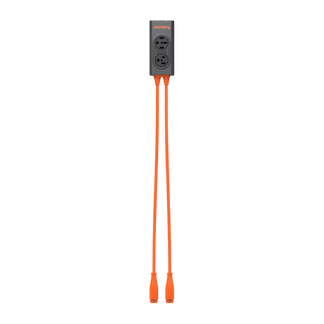


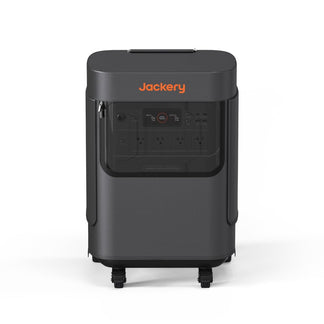


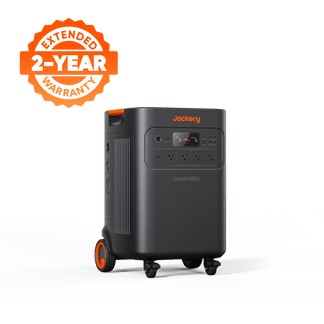
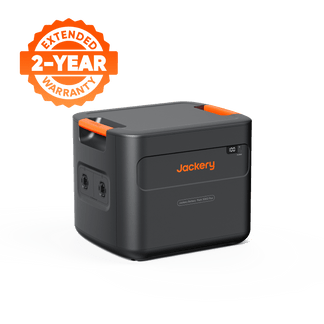
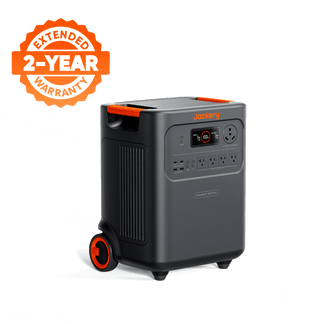
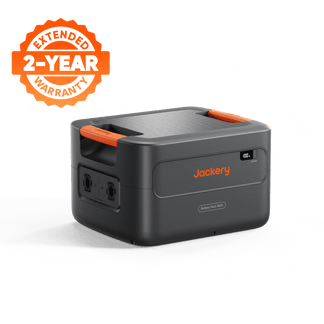
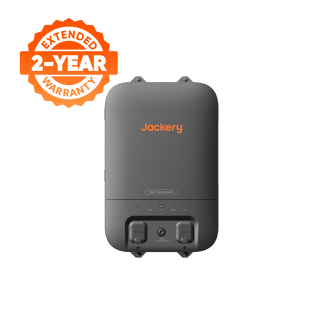
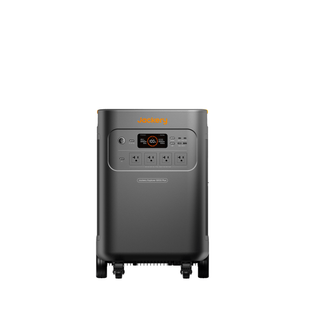
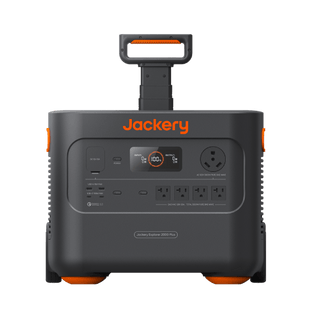
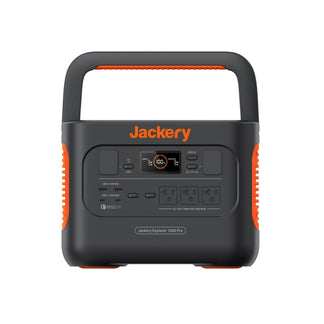
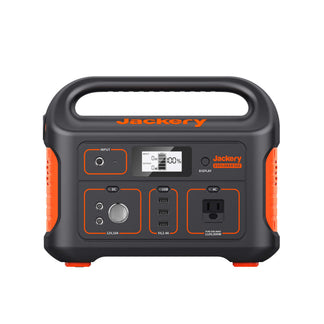
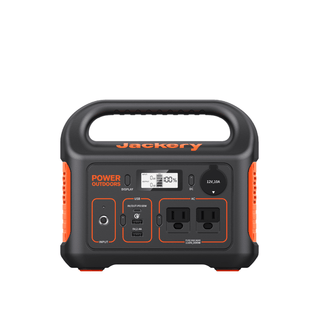
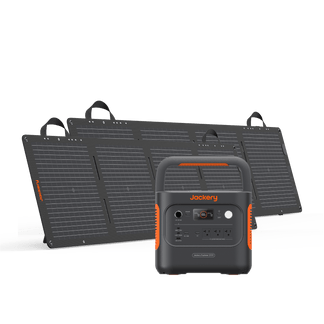
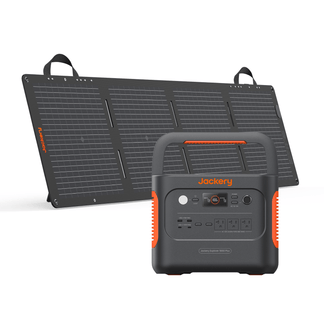
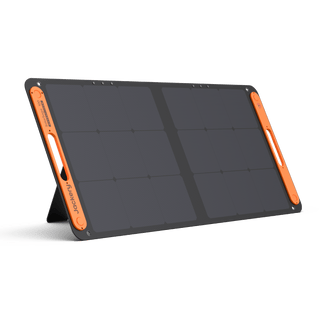
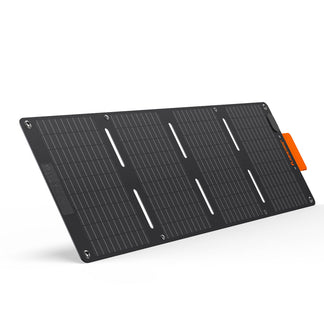
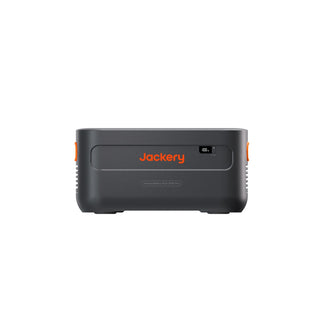
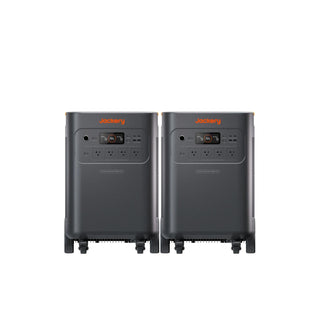
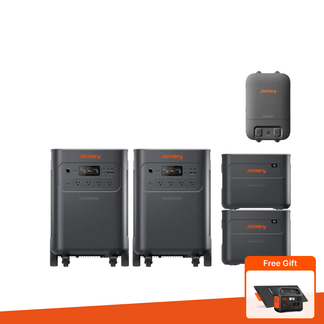


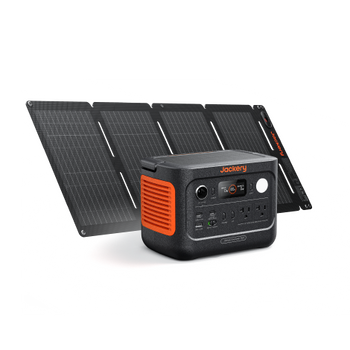
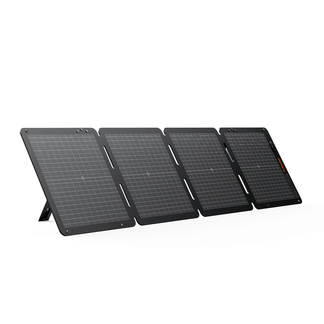
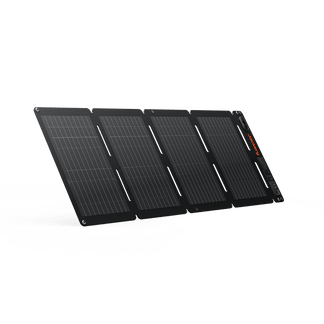
A portable power station stores electricity. A solar panel generates electricity from sunlight. A solar generator combines both (a portable power station bundled with solar panels) into a complete, self-sustaining energy system.
Electricity powers nearly every aspect of our lives, from refrigerators and TVs to laptops and LED lights. When the grid goes down or when you are far from an outlet, having the right backup power solution makes the difference between inconvenience and genuine disruption.
Three terms come up most often in this space: solar generators, portable power stations, and solar panels. They are related, frequently confused, and genuinely different in ways that matter for your purchasing decision.
Here, we will reveal the critical differences between solar generators, solar panels, and power stations so you can make an informed choice.
Key Takeaways
- A portable power station is a large rechargeable battery that stores electricity and delivers it through AC, USB, and DC outputs. It requires an external source, such as a wall outlet, car adapter, or solar panels, to recharge.
- A solar panel generates DC electricity from sunlight and transfers it to a compatible power station for storage. On its own, a solar panel cannot power appliances directly (with the exception of small built-in USB/DC outputs on some panels).
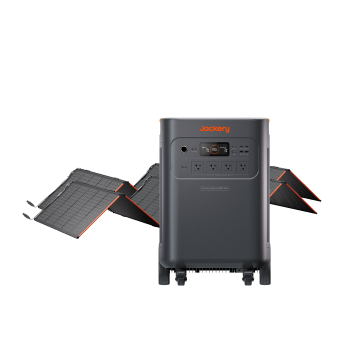
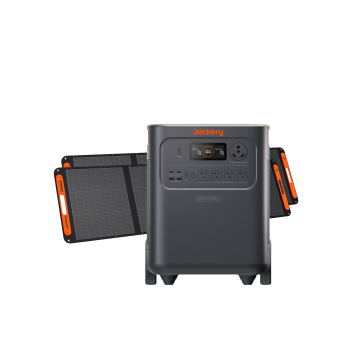
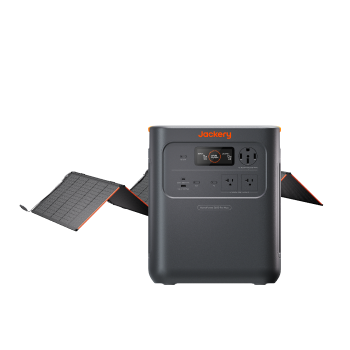
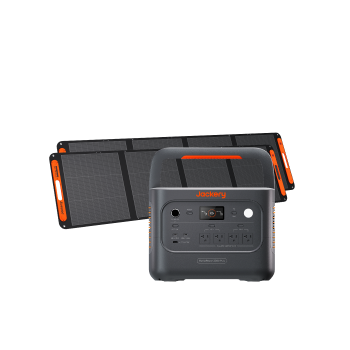
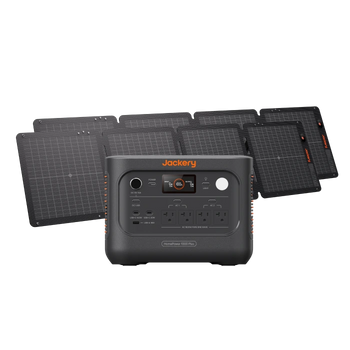
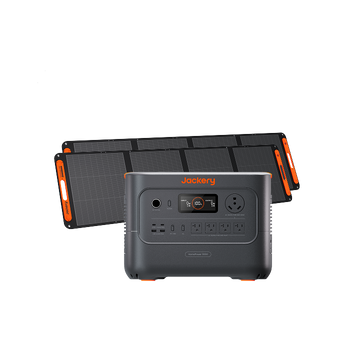
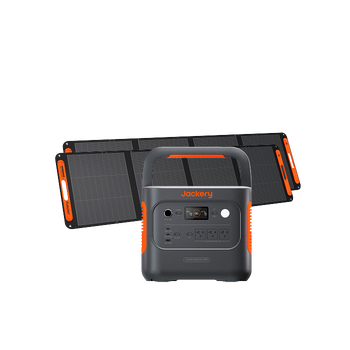
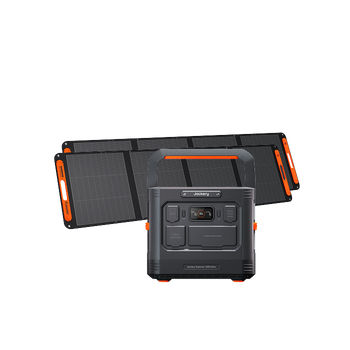
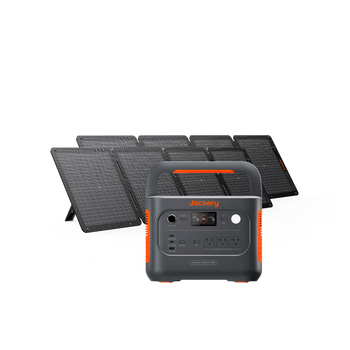
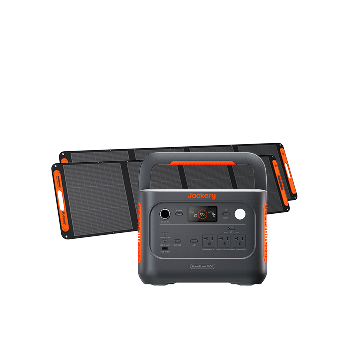
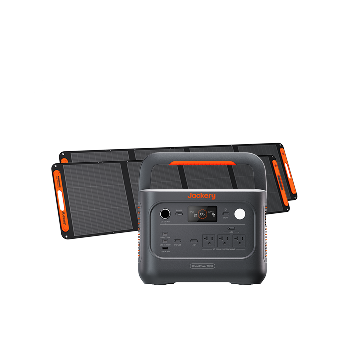
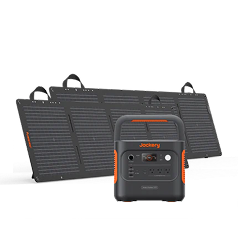
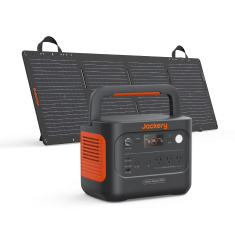
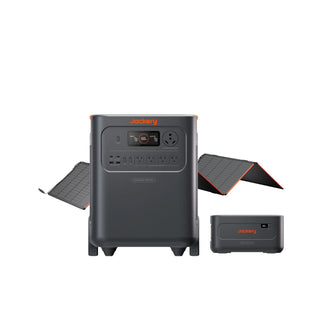
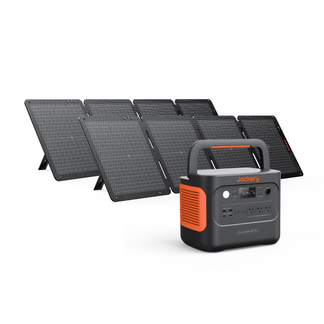
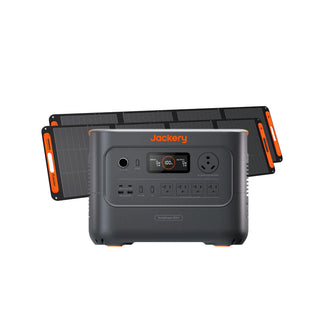
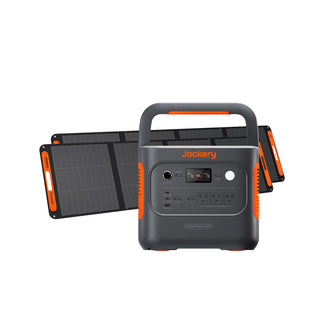
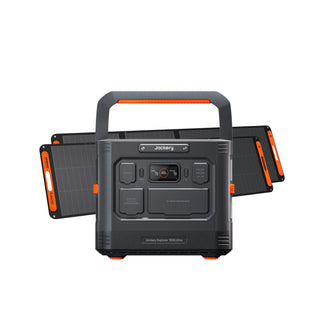
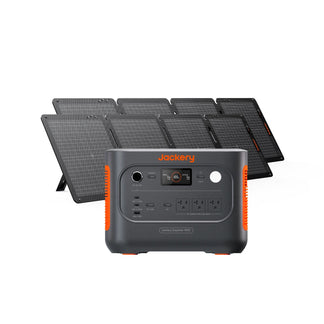
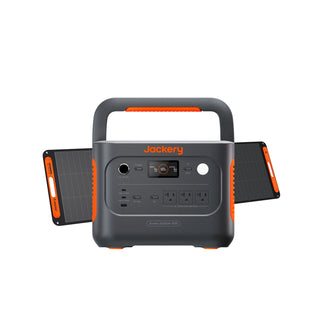
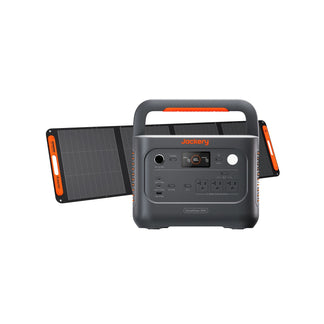
- A solar generator combines a portable power station and solar panels into a single bundle, delivering both energy storage and energy generation in one purchase, without additional accessories needed.
- The key practical difference: a portable power station depends on external sources to recharge. A solar generator can recharge itself as long as sunlight is available, making it the better choice for extended outages, off-grid living, and multi-day outdoor adventures.
- For most home backup use cases, a solar generator is the more capable long-term solution. For short trips and everyday supplemental power, a standalone portable power station is often sufficient.
What is a Portable Power Station
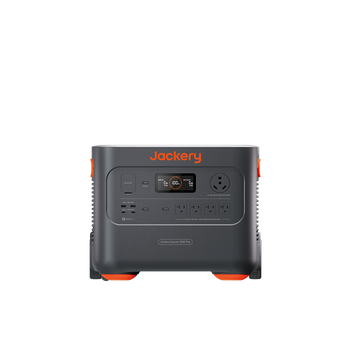
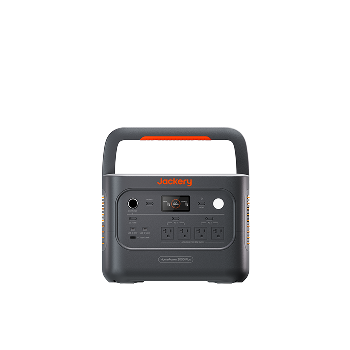
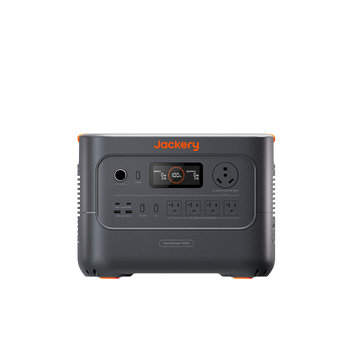
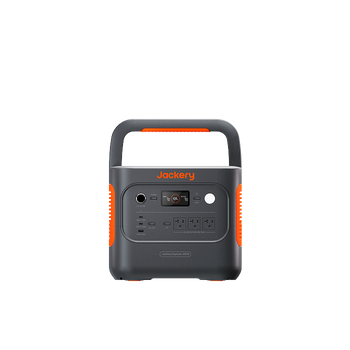
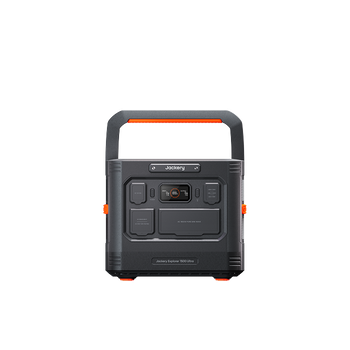
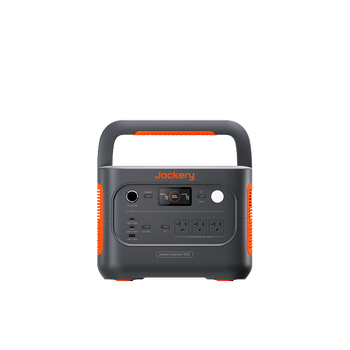
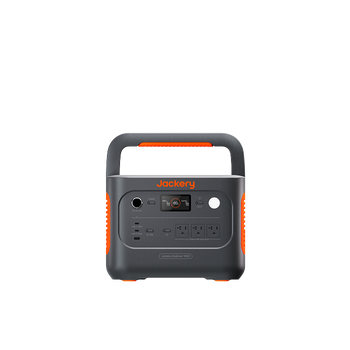
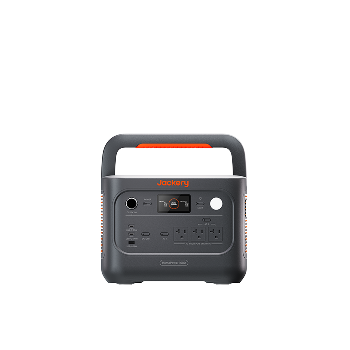
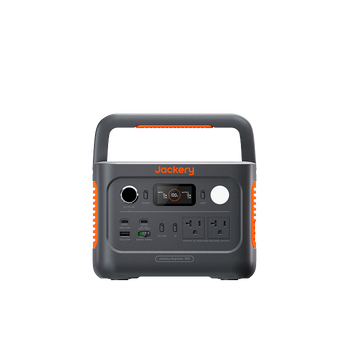
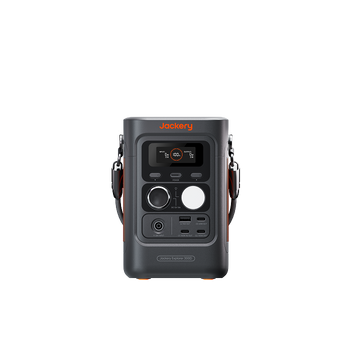
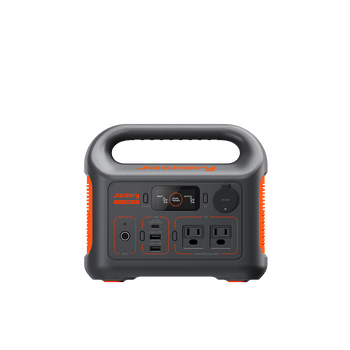
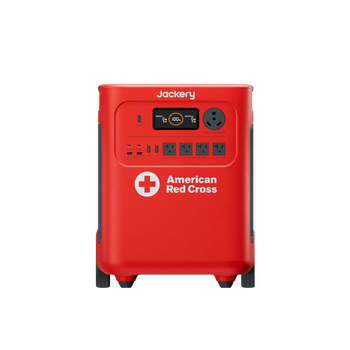
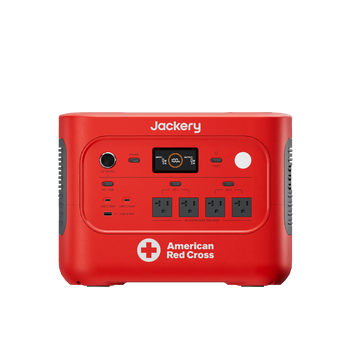
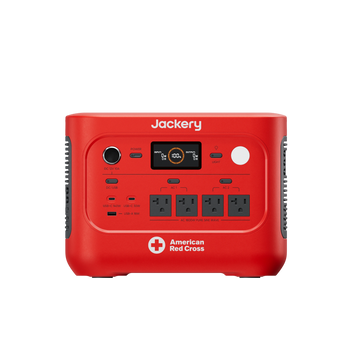
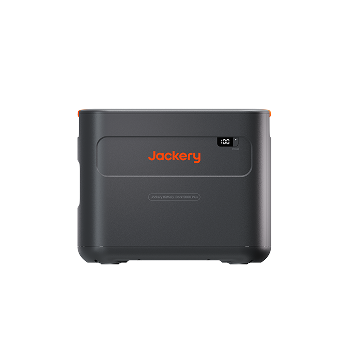
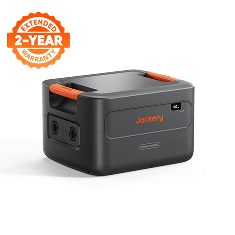
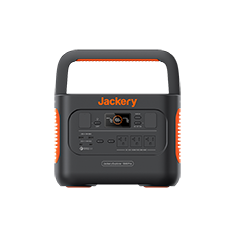
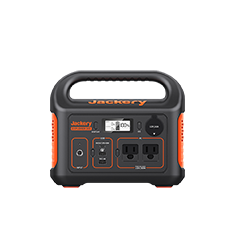
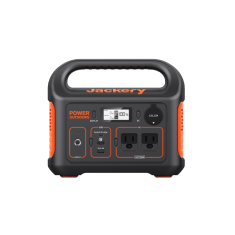
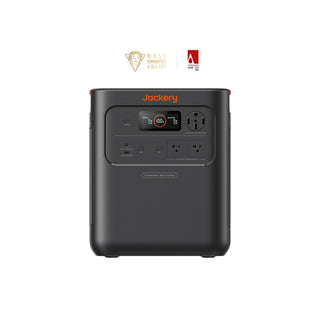
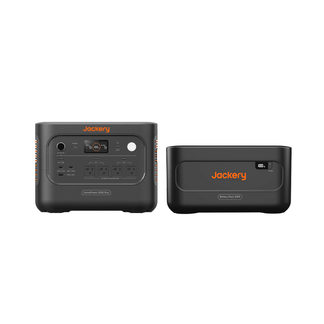
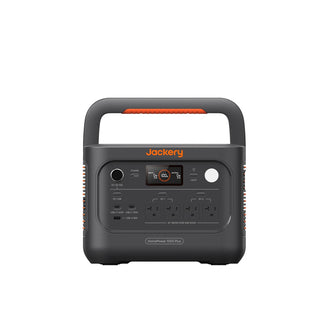
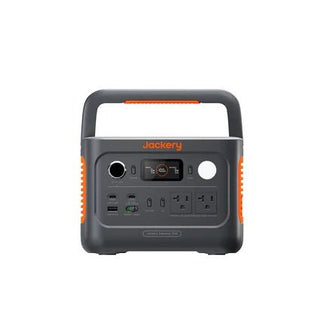
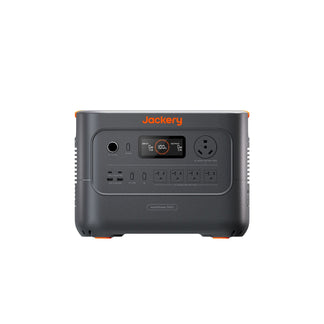
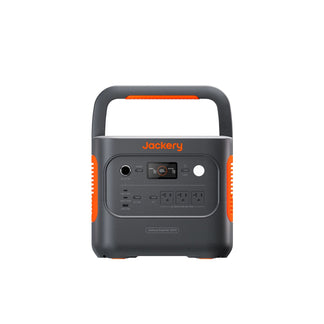
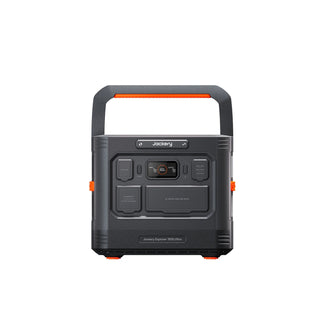
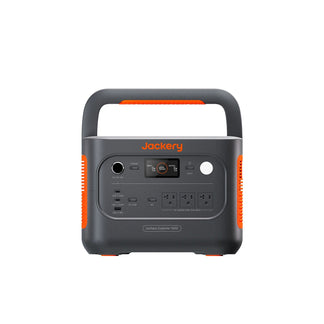
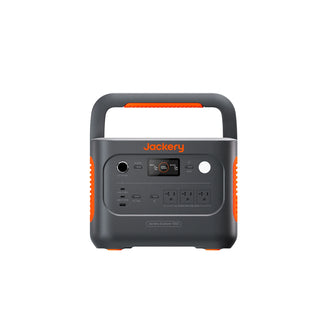
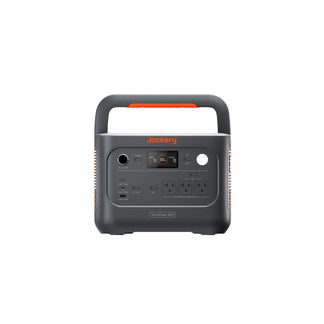
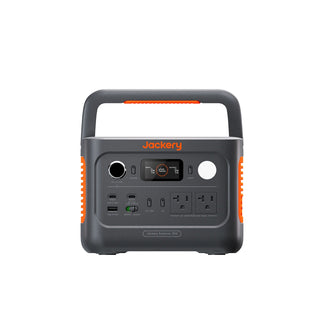
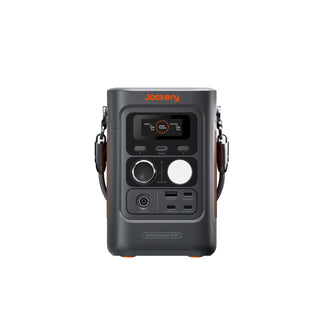
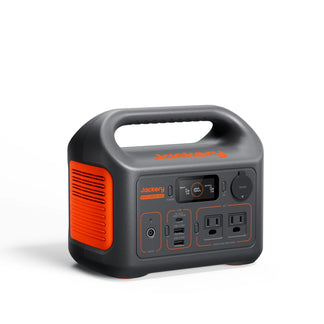
A portable power station is an energy-storing unit that stores the power for later use. Jackery Portable Power Stations vary in capacity (usually measured in watt-hours). The higher the watt-hours or the battery capacity, the more appliances it can power.
Portability also varies from one Jackery Portable Power Station to another, which makes them suited for different needs. They feature different output ports, such as USB ports, DC ports, and AC outlets, which makes them compatible with different devices.

How Does a Portable Power Station Work?
Jackery Portable Power Stations are like giant power banks that supply electricity to your indoor or outdoor appliances. They can recharge your phone and larger home appliances such as your refrigerators.
All you do is plug the appliance into the output port and let the power station run it for hours. Jackery Portable Power Stations use pure sine wave inverters, which means the AC power they deliver is the same clean, stable waveform your appliances receive from the grid, which is safe for motors, compressors, and sensitive electronics.
Types of Recharging
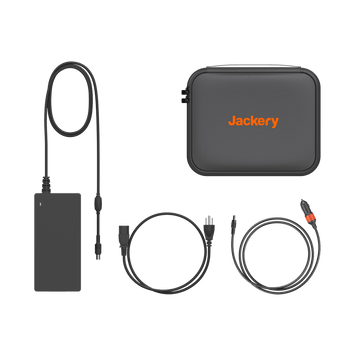
Jackery Portable Power Stations can be recharged with a wall outlet, car adapter, or solar panels (sold separately). For example, if you are preparing for an unexpected power outage or planning an outdoor trip to a remote location, you can charge the portable power station with the wall outlet.
On the other hand, if a blackout hits your area, the Jackery SolarSaga Solar Panels can help you recharge the power station without being dependent on the electricity grid. Those who are looking to recharge on the go can use the vehicle's DC outlet to charge the power station, ensuring you never run out of power.
Usage Scenarios
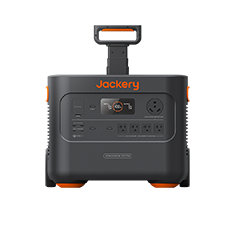
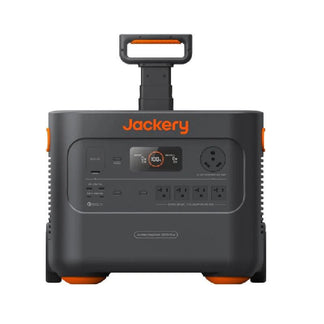
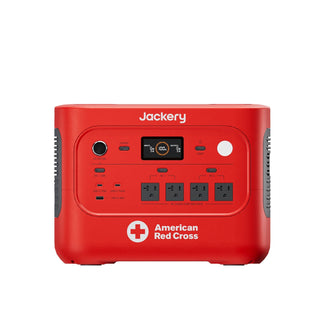
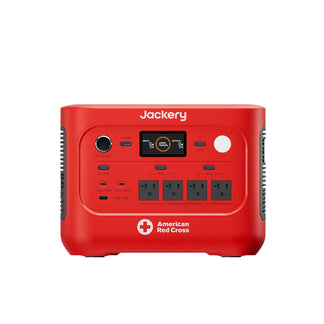
Jackery Portable Power Stations can run appliances during outdoor trips, emergencies, or RV living. For everyday outdoor adventures, such as a weekend camping trip, a tailgate, a backyard event, a portable power station like the Jackery Explorer 1000 v2 handles phones, laptops, cameras, LED lights, and fans without difficulty.
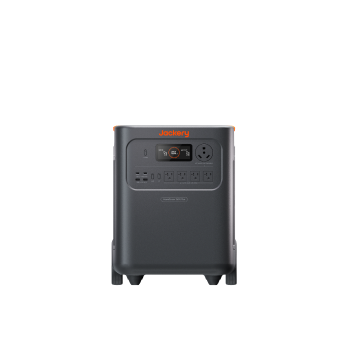
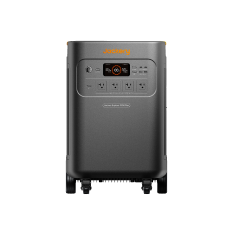
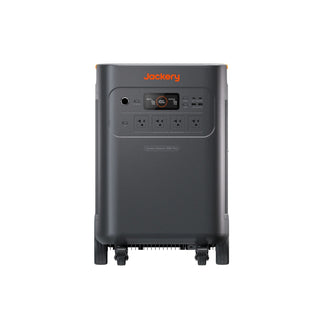
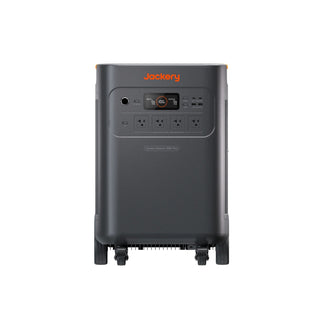
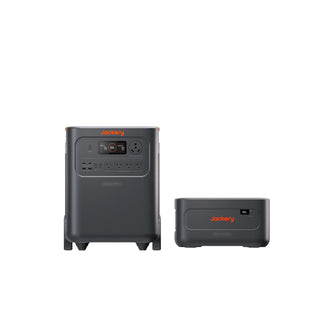
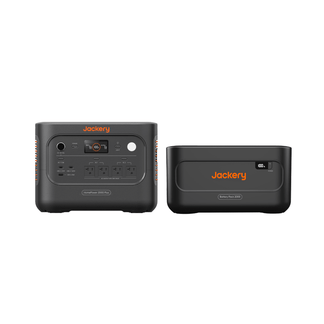
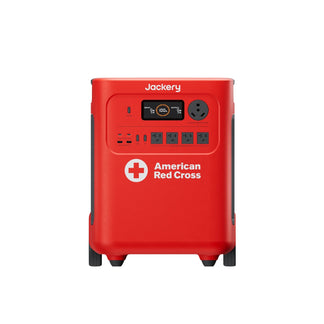
For more serious home backup, larger home battery backups like the Jackery HomePower 3000 (3,072Wh) or the Jackery HomePower 3600 Plus (3,584Wh) keep a refrigerator, WiFi router, lights, and other essential devices running through multi-hour and multi-day outages. These units can be recharged via a wall outlet, solar panels, or a gas generator, giving you multiple options regardless of what the outage situation allows.
What is a Solar Generator
A solar generator efficiently converts the sun's energy into electricity to offer a reliable power solution for RVing, off-grid living, and home backup. Jackery Solar Generators are available in different sizes and capacities.

They are built with an advanced BMS (Battery Management System) to protect the appliances from temperature sensors, under and over-voltage, and short circuits. The system can keep most essential appliances powered, though it will vary depending on the battery capacity.
How Does a Solar Generator Work?
Jackery Solar Generators combines portable power stations and solar panels that work in tandem to convert sunlight into electricity. You can place the Jackery SolarSaga Solar Panels under direct sunlight so they absorb the sun's rays falling on the PV panels and generate DC electricity.

The DC electricity is supplied to the Jackery Portable Power Station, where the built-in pure sine wave inverter converts DC to AC electricity. You can then use the AC electricity to recharge your phone, refrigerator, laptop, and other home appliances.
Since solar generators do not depend on electricity from the grid, they are a reliable solution for RV living, camping, and home backup.

Types of Recharging
The primary recharging method for Jackery Solar Generators is the Jackery SolarSaga Solar Panels. Since they use solar panels as a charging source, they are more versatile and allow you to go off-grid without relying on the electricity grid. In addition to solar panels, you can charge the power stations with the help of a wall outlet or car adapter.
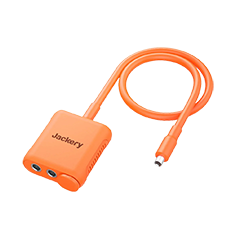
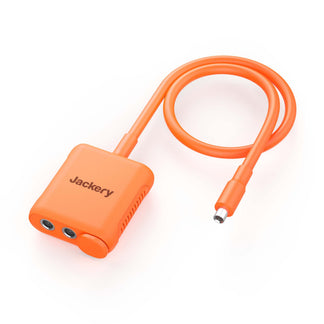
Note: The Jackery Solar Connector is optional and is required only when connecting three or more solar panels to the portable power station. If you are connecting one or two solar panels to the power station, you can do so with a simple solar panel cable already available in the bundle.
Usage Scenarios
Jackery Solar Generators are ideal when there is a power outage that lasts for days, when you are in a remote location with no grid access, or when you want an energy solution that recharges itself using sunlight rather than depending on a wall outlet.
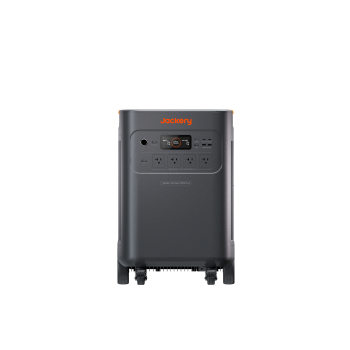
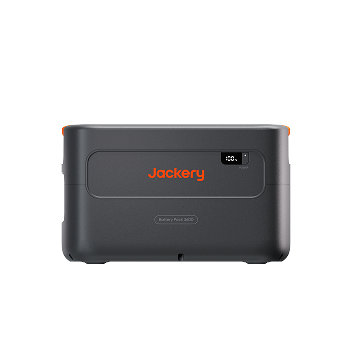
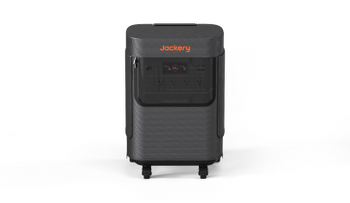
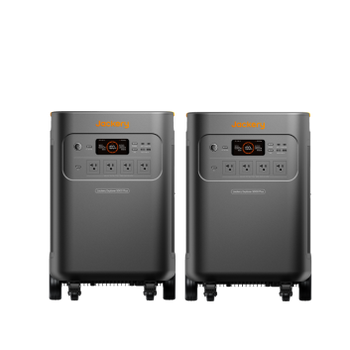
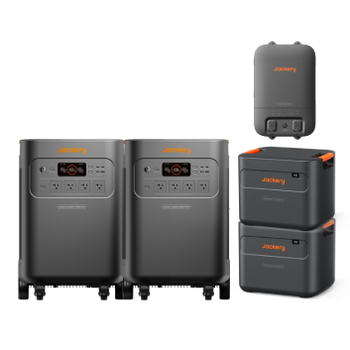
For essential home backup, the Jackery Solar Generator 5000 Plus is the most powerful option. It is capable of running refrigerators, air conditioners, and 240V heavy appliances simultaneously. For multi-day outdoor adventures, the Jackery Solar Generator HomePower 3000 provides clean solar power in the world's lightest and smallest 3kWh form factor, while the Jackery Solar Generator HomePower 3600 Plus adds expandability to 21kWh and sub-10ms UPS switching for home backup scenarios where every millisecond of seamless transition matters.
What is the Difference Between a Portable Power Station and Solar Generator?
Portable power stations and solar generators are more similar than they are different, but some criteria set them apart.
Solar generators can generate their own energy with an additional component — solar panels. A solar generator generates solar energy using solar panels and stores it in a power station for later use.
Portable power stations require an external energy source to recharge the batteries. You can recharge the power station with a wall outlet, car adapter, or additional solar panels. On the other hand, solar generators bundle power stations and solar panels, so you do not require any extra power source or accessories to start solar charging immediately.
Power Storage vs. Power Generation
The primary distinction between a portable power station and a solar generator lies in how they handle energy. Portable power stations store energy, and solar generators generate energy by converting sunlight through solar panels and then store it for use.
That said, the distinction blurs when you pair a portable power station with solar panels purchased separately. At that point, you have created the functional equivalent of a solar generator. You have just assembled the components individually rather than buying them bundled. The advantage of purchasing a solar generator bundle is that all included components (power station, solar panels, and cables) are confirmed compatible and designed to work together from day one.
Power Source
Portable power stations require an external energy supply to recharge their batteries: a wall outlet, a car adapter, or solar panels purchased separately. Solar generators come ready to use with solar panels and cables already included. This makes solar generators significantly more versatile for off-grid situations where neither a wall outlet nor fuel for a gas generator is available.
Portability and Size
Due to the necessary addition of solar panels, solar generators tend to be a little heavier and larger than standalone portable power stations when the full bundle is assembled. However, portability varies significantly by model.
Jackery SolarSaga Solar Panels fold flat for compact storage and transportation, so the panels themselves do not add significantly to the storage footprint. The power station component of a solar generator is identical in size to the standalone portable power station. And the difference is simply that solar panels come in a box.
Head-to-Head Comparison Table
|
Portable Power Station |
Solar Generator |
Solar Panel (standalone) |
|
|
What it does |
Stores electricity |
Stores and generates electricity |
Generates electricity only |
|
Recharge sources |
Wall outlet, car, solar (panels separate) |
Solar panels (included), wall outlet, car |
N/A |
|
Grid independence |
Partial (depends on external source) |
High (recharges from sunlight) |
Full generation, needs storage unit |
|
Best for |
Short trips, everyday backup, portability |
Extended outages, off-grid, multi-day use |
Supplementing existing power station |
|
Setup complexity |
Low; plug and use |
Low; bundle is ready out of the box |
Moderate; must connect to power station |
|
Upfront cost |
Lower |
Higher (includes panels) |
Lowest (panel only) |
|
Long-term value |
Good |
Best for regular solar use |
Strong when added to existing station |
|
Noise |
Silent |
Silent |
Silent |
|
Emissions |
Zero |
Zero |
Zero |
|
Works indoors |
Yes |
Yes |
No (panels must face sunlight) |
What is a Solar Panel
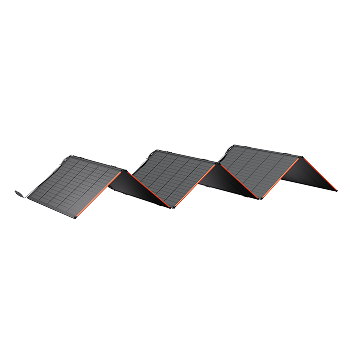
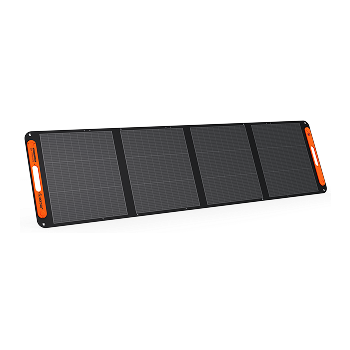
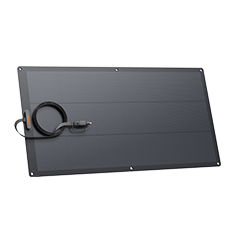
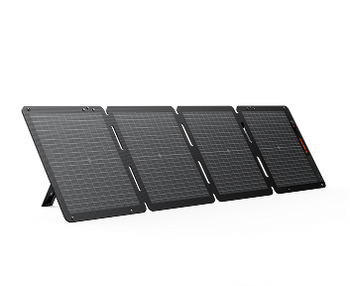
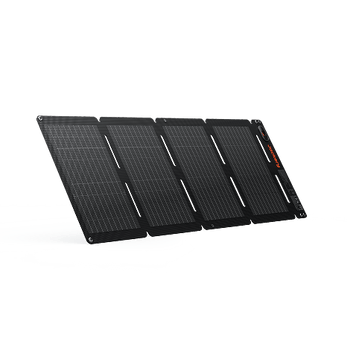
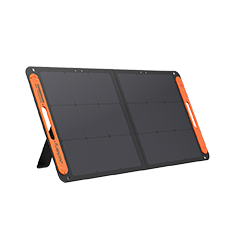
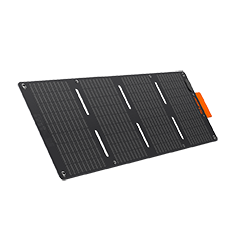
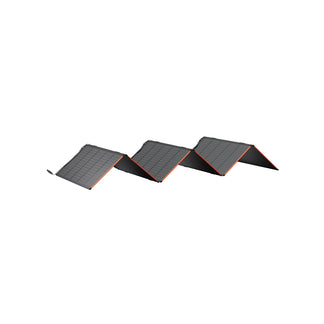
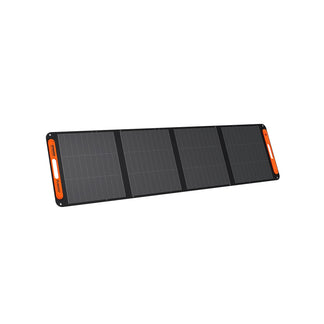
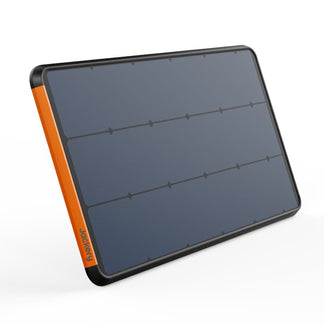
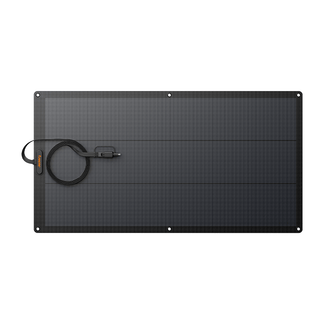
Jackery SolarSaga Solar Panels are portable and foldable, making them ideal for charging power stations during camping and home backup. They can be installed in as little as 60 seconds - just unfold the panels and place them under direct sunlight to generate electricity.
Solar panels from Jackery use monocrystalline silicon solar cells, which are considered to be the purest type available. They have an industry-leading solar efficiency rate of 25%, meaning maximum sunlight is converted into electricity for charging the power station.

What are the Types of Solar Panels?
Let's briefly explain the different types of solar panels available in the market:
Monocrystalline Solar Panels: These are the purest solar panels made of monocrystalline silicon. They have a high power output, last the longest, and occupy less space, with an efficiency of 25%.
Polycrystalline Solar Panels: They are made by melting raw silicon, which is cheaper than that used for monocrystalline panels. They have lower efficiency (around 15%), shorter lifespan, and lower space efficiency since they can be affected by hot temperatures.
Thin-Film Solar Cells: They are manufactured by placing one or more films of PV materials onto a substrate. They are easy to produce and cheaper compared to monocrystalline and polycrystalline solar panels.
PERC: PERC panels are built with an extra conductive layer on the backside of their PV cells that helps increase energy absorption and are most suited for limited spaces requiring higher efficiency. Jackery SolarSaga 100 Air and Jackery SolarSaga 40 Air both use bifacial PERC cells.
IBC (Interdigitated Back Contact): IBC panels place all electrical contacts on the rear of the cell, eliminating front-surface shading losses and achieving the highest efficiency of any silicon cell type, up to 25% or more. The Jackery SolarSaga 100 Light uses IBC cells, making it the highest-efficiency 100W panel in the Jackery lineup.
Which is Right for You: Portable Power Station, Solar Generator, or Solar Panel?
The right choice depends on how you plan to use it, how long outages or off-grid stays typically last, and whether solar recharging is a priority for your situation.
For Camping and Outdoor Adventures
If you are heading to a campsite for one to two nights and will have access to a wall outlet before you leave, a standalone portable power station is a practical and lightweight option. Charge the power station from the wall before the trip, run your lights, fan, speaker, and device chargers through the night, and recharge when you return.
If you are heading off-grid for multiple days with no access to electricity, a solar generator is the smarter choice. With solar panels recharging the power station during daylight hours, you effectively have unlimited power for the duration of your stay, as long as sunlight is available. The Jackery Solar Generator HomePower 3000 or Jackery Solar Generator HomePower 3600 Plus are both well-suited for multi-day outdoor stays with solar-sustained power.
For Home Backup During Power Outages
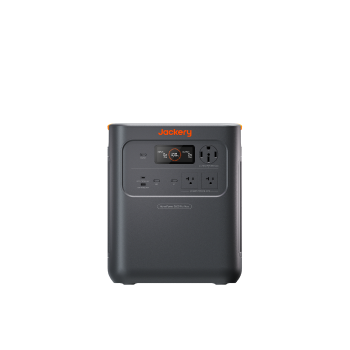
For short outages lasting a few hours (the most common type in the US), a portable power station charged from the wall outlet before the storm is a straightforward and reliable solution. The Jackery HomePower 3000, Jackery HomePower 3600 Plus, and Jackery HomePower 2000 Plus v2 all recharge in 1.5 to 2.5 hours from a wall outlet, making pre-storm readiness fast and simple.
For extended outages lasting multiple days, which is common in hurricane-affected regions or areas with aging grid infrastructure, a solar generator is a better long-term investment. The Jackery Solar Generator HomePower 3600 Plus and Jackery Solar Generator 5000 Plus can recharge from solar panels during the day, creating a self-sustaining backup loop that keeps your refrigerator and essential appliances powered without depending on the grid to return.
For RV and Van Life
RV users typically benefit most from a solar generator setup. The combination of high capacity and self-recharging capability suits multi-day or multi-week off-grid travel. The Jackery Solar Generator HomePower 3000 handles a full RV load (refrigerator, TV, coffee maker, lighting, and device charging) and recharges from roof-mounted or ground-mounted solar panels during daytime stops.
DC-DC alternator charging (available on select Jackery power stations) also allows the power station to recharge while driving, ensuring the battery is always replenished by the time you arrive at the next destination.
For Supplementing an Existing Setup
If you already own a Jackery Portable Power Station and want to add solar charging capability, purchasing a compatible Jackery SolarSaga Solar Panel separately is the most cost-effective path. Check your power station's maximum solar input specification and select a panel (or pair of panels) that stays within that limit.
FAQs About Solar Generators vs. Portable Power Stations
What is the main difference between a solar generator and a portable power station?
A solar generator includes solar panels and a power station in a single bundle, allowing it to generate and store electricity independently. A portable power station only stores electricity. It requires an external source (wall outlet, car adapter, or separately purchased solar panels) to recharge. In terms of the power station unit itself, they are functionally identical. The difference is what comes in the box and whether solar recharging is included from day one.
Can a portable power station work as a solar generator?
Yes. If you pair a portable power station with compatible solar panels, it functions exactly like a solar generator. The practical difference is that a solar generator bundle provides compatible panels and cables out of the box, while building your own setup requires verifying compatibility between the power station's DC input specification and the panels you choose.
Is a solar generator better than a portable power station?
It depends on your use case. For regular outdoor use, multi-day off-grid stays, or extended power outages where grid access is unavailable for days, a solar generator is a better investment because it can recharge itself using sunlight. For short outages, everyday supplemental power, and scenarios where a wall outlet is reliably available for recharging, a portable power station is a simpler and often more cost-effective choice.
Can solar generators be used indoors?
Yes. Unlike gas generators, which produce carbon monoxide and must be used outdoors, solar generators produce zero emissions and run at under 30dB in quiet mode. They are completely safe for indoor use in any room of the house. The solar panels themselves must be placed outdoors or in direct sunlight to generate power.
Do I need a solar panel to use a portable power station?
No. A portable power station can be fully charged from a standard wall outlet and used without any solar panels. Solar panels are an optional addition that provides grid-independent recharging. Many homeowners charge their power station from the wall before a storm and add solar panels only if they want the ability to recharge during a multi-day outage.
Conclusion
Solar generators, portable power stations, and solar panels are complementary components of the same energy ecosystem. A portable power station stores energy. A solar panel generates it. A solar generator bundles both into a single, ready-to-use system that generates, stores, and delivers clean power wherever you need it.
For most homeowners, the choice comes down to usage frequency and outage duration. If you want a fast, always-ready home backup that you recharge from the wall before a storm, a Jackery Portable Power Station delivers that reliably. If you want energy independence and need a system that recharges itself from sunlight, covers multiple days without a wall outlet, and keeps the whole household running through extended outages, a Jackery Solar Generator is the right investment.


