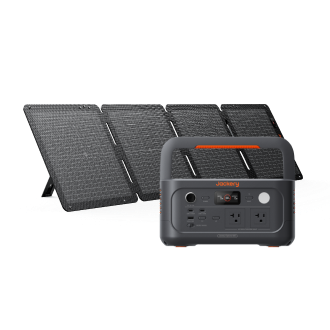
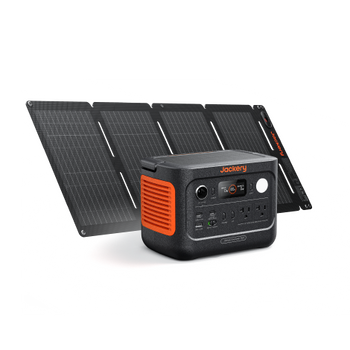
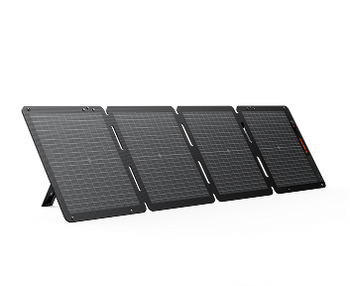


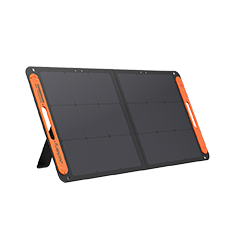
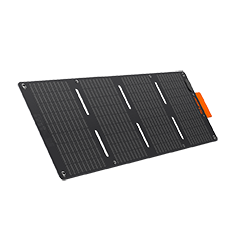


![[Add-on] Jackery SolarSaga 500 X - Jackery](http://www.jackery.com/cdn/shop/files/add-on-jackery-solarsaga-500-x-1493607.webp?v=1786503068&width=324)
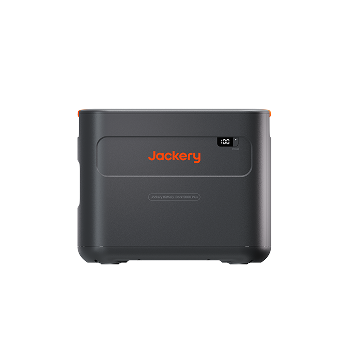
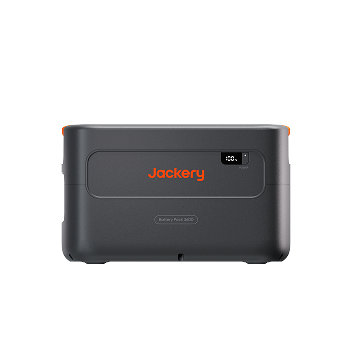
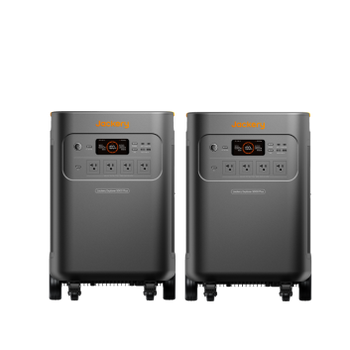
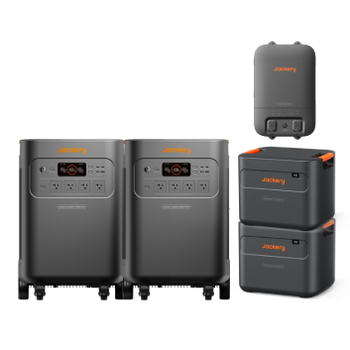
![[Add-on] Jackery Battery Pack 5000 Plus - Jackery](http://www.jackery.com/cdn/shop/files/add-on-jackery-battery-pack-5000-plus-6713401.webp?v=1786503068&width=324)





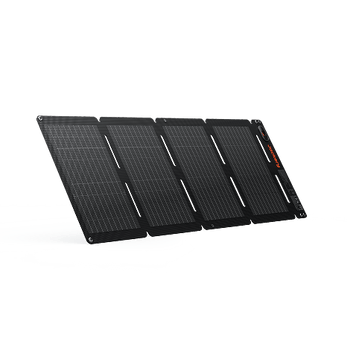
![[Add - on] SolarSaga 200W - Jackery](http://www.jackery.com/cdn/shop/files/add-on-solarsaga-200w-4834329.png?v=1754016915&width=324)


Quick Answer:
A deep cycle battery is a rechargeable unit designed to deliver steady power over hours and withstand repeated deep discharges to 50–80% of its capacity. It powers RVs, boats, off‑grid solar, golf carts, and essential home backup, unlike starter batteries that only provide short high‑current bursts for engine cranking. The four main types — flooded lead‑acid, AGM, gel, and lithium LiFePO₄ — differ in cost, maintenance, cycle life, and usable depth of discharge.
Key Takeaways
- Deep cycle batteries have thick plates that enable repeated deep discharges, while starter batteries’ thin plates deliver instant bursts and fail if deeply cycled.
- Lithium LiFePO₄ offers 4,000+ cycles and up to 100% usable depth of discharge, far outperforming lead‑acid chemistries limited to 50% DoD.
- Lead‑acid deep cycle costs less upfront but requires maintenance (flooded) or careful charging (AGM/gel) and effectively halves usable capacity due to the 50% DoD limit.
- Common uses include RV house power, trolling motors, solar storage, mobility scooters, and essential home backup via LiFePO₄ portable power stations.
- Proper charging and storage — never store lead‑acid below 50% charge or lithium at full charge for months — prevents sulfation, capacity loss, and premature failure.
What Defines a Deep Cycle Battery and How It Differs from a Starter Battery
A deep cycle battery is built to deliver a steady current over many hours and recover from deep discharges — sometimes to 20% of capacity — hundreds or thousands of times. A starter battery releases a massive short‑duration current (often 300–600 A) to crank an engine, then immediately recharges; deep‑cycling it ruins it in weeks.
The difference comes from internal construction. Deep cycle units use fewer, thicker lead plates that resist corrosion and mechanical stress during repeated deep discharges. Starter batteries pack many thin plates for maximum surface area and high cold cranking amps (CCA), a design that cannot tolerate deep discharge — even a few cycles below 80% depth of discharge causes permanent capacity loss.
Capacity is rated in amp‑hours (Ah) at the 20‑hour rate. For real‑world sizing, convert to watt‑hours:
Wh = Ah × nominal voltage
A 12 V 100 Ah battery stores 1,200 Wh, but for lead‑acid only 600 Wh is usable, respecting the 50% DoD limit. Useable energy is what you compare across chemistries.
What Are the Main Types of Deep Cycle Batteries?
Chemistry |
Maintenance |
Usable DoD |
Cycle Life (to 80% cap.) |
Upfront Cost per kWh |
Weight |
Flooded lead‑acid |
Water topping, equalization |
50% |
200–500 |
Low |
Heaviest |
AGM |
Zero (sealed) |
50% |
500–1,000 |
Medium |
Heavy |
Gel |
Zero |
50% (strict charging) |
500–1,000 |
Medium |
Moderate |
Lithium LiFePO₄ |
Zero (BMS required) |
80–100% |
3,000–5,000 |
3–4× higher upfront |
~60% lighter |
Flooded lead‑acid is the cheapest per nameplate kWh, but you must regularly check water levels, use a vented enclosure, and perform equalization charges. Leaving it partially discharged for weeks hardens sulfate crystals, permanently reducing capacity.
AGM (Absorbent Glass Mat) batteries are sealed, spill‑proof, and vibration‑resistant — ideal for RVs, boats, and hard‑to‑service installations. Not every AGM is deep‑cycle; some are dual‑purpose or starter batteries. Always check the manufacturer’s label for a “deep cycle” rating.
Gel batteries use a silica‑thickened electrolyte with very low self‑discharge, but they require precise, voltage‑limited charging. Overvoltage causes irreversible bubbles in the gel that destroy the cell, making them a niche choice for standby applications with controlled charging.
Lithium LiFePO₄ has upended the category. A built‑in battery management system (BMS) protects against overcharge, over‑discharge, and temperature extremes. You get 3,000–5,000 full‑equivalent cycles with minimal capacity fade — typically still above 80% capacity after rated cycles. The per‑cycle cost over a decade is lower than lead‑acid, even though the initial purchase price is steeper.
When Should You Use a Deep Cycle Battery?
Any load that demands a steady current for hours and discharges the battery past 80% state of charge calls for deep cycle construction.
- Off‑grid solar systems cycle daily. Lead‑acid at 50% DoD or LiFePO₄ at 80% DoD handle this without early failure. For a portable power supply in a cabin or tiny home, lithium‑based units drastically reduce replacement frequency.
- RVs and campers run lights, water pumps, refrigerators, and electronics for hours off‑shore‑power. Using the starting battery for these house loads ruins it, so separate deep cycle house batteries are standard.
- Marine trolling motors, fish finders, and live wells draw low to moderate current for hours. A starter battery won’t last more than a few trips.
- Mobility scooters and golf carts are classic deep cycle applications — repeated deep discharges over short trips demand a battery that can be drained to 20–30% regularly.
- Essential home backup for refrigerators, Wi‑Fi routers, lights, and phone charging. Portable power stations like Jackery units use LiFePO₄ deep cycle cells, can be taken indoors, recharged from solar or AC, and cycle for years. For a deep dive into how these can be used for essential home backup, you can read more.
How Do Depth of Discharge and Lifespan Relate?
Depth of discharge (DoD) — the percentage of stored energy drawn — is the single biggest factor determining cycle life.
For flooded or AGM lead‑acid batteries, the rule is rigid: never regularly discharge below 50% DoD. Doing so accelerates plate shedding and sulfate crystal growth. Cycling a typical AGM to 80% DoD instead of 50% can halve its cycle life from 600 to 300 cycles.
Lithium LiFePO₄ flips this logic. It can be drawn to 80–100% DoD daily with only a small, predictable capacity fade. Even after 4,000 full‑discharge cycles, a quality LiFePO₄ bank holds 70–80% of its original rating. In practice, you get about twice the usable energy from the same nameplate Ah rating compared to lead‑acid, because you aren’t forced to leave half the capacity untouched.
Temperature also matters: capacity drops roughly 1% per °C below 25°C, and heat above 40°C accelerates chemical degradation in all chemistries. A BMS with low‑temperature cut‑off is essential for lithium; charging a lithium cell below 0°C causes permanent metallic lithium plating.
What Are Common Mistakes That Shorten Deep Cycle Battery Life?
Avoid these five common mistakes:
- Mistake 1: Chronic undercharging and sulfation – Leaving a lead‑acid battery partially discharged for weeks hardens sulfate crystals, causing permanent capacity loss. This is the number‑one killer of flooded and AGM batteries in seasonal RVs and boats.
- Mistake 2: Overcharging with the wrong voltage – Pushing too high a voltage causes excessive gassing in flooded cells and thermal runaway in sealed AGM/gel units. A smart, chemistry‑specific charger is not optional — it’s the difference between a 10‑year bank and a 2‑year scrap heap.
- Mistake 3: Repeated deep discharge beyond design limits – Taking a lead‑acid battery below 50% DoD or a lithium battery below its BMS cut‑off (usually 10–20% remaining) on every cycle will shred cycle life. Respect the minimum voltage threshold.
- Mistake 4: Parasitic drain while stored – Inverters, battery monitors, and BMS boards draw small currents. Over weeks, this can pull a battery into deep discharge. Always disconnect batteries entirely when storing for more than a month, or keep them on a maintenance charger.
- Mistake 5: Improper storage conditions – Never store lead‑acid below 50% charge — sulfation starts immediately. For lithium, long‑term storage at 100% charge accelerates electrolyte decomposition. The ideal is 40–60% state of charge and a cool, dry spot (15–25°C). The 20/80 rule for lithium storage is a practical guideline: store between 20% and 80% charge for maximum calendar life.
How Should You Choose Between Flooded, AGM, and Lithium Deep Cycle Batteries?
Choose based on cycling depth, maintenance tolerance, and budget.
Use Case |
Recommended Chemistry |
Why |
Full‑time off‑grid solar with daily deep cycling |
Lithium LiFePO₄ |
Lowest cost per cycle, 80%+ usable capacity, zero maintenance |
Weekend RV or boat with moderate cycles |
AGM |
Sealed, spill‑proof, good cycle life for part‑timers |
Budget‑limited solar shed or cabin with regular maintenance possible |
Flooded lead‑acid |
Cheapest per nameplate kWh, but requires water checks |
Emergency home backup that sits idle most of the year |
LiFePO₄ portable station |
No self‑discharge issue, always ready, no ventilation needed |
Unattended installation where safety and gas venting matter |
AGM or LiFePO₄ |
Avoids acid fumes and spill risks |
A critical sizing point: always work with watt‑hours, not amp‑hours. A 12 V 100 Ah lead‑acid battery delivers 1,200 Wh — but only 600 Wh is usable because of the 50% DoD limit.
The same nameplate capacity in lithium gives 960–1,200 Wh usable. Missing this has caused countless undersized systems. High‑quality battery backup generators today all use LiFePO₄ precisely to avoid this trap.
Limitations / What to Know Before
Deep cycle batteries are workhorses, but they aren’t universal.
- Not for engine starting. Deep cycle batteries lack the CCA to reliably start an engine; using one in a starting role will fail on a cold morning.
- Higher upfront cost than starter batteries. Lithium‑iron‑phosphate deep cycle cells cost 3–4× more per usable amp‑hour than entry‑level flooded lead‑acid, though the total 10‑year cost usually flips in lithium’s favor.
- Charging equipment must match chemistry. A lead‑acid charger with an equalization phase can damage a lithium bank. A lithium‑specific charger may undercharge lead‑acid. Buy the charger for the battery, not the other way around.
- Usable capacity is always less than nameplate. For lead‑acid, apply the 50% buffer. For lithium, usable is 80–100%, but the BMS enforces a hard low‑voltage cutoff that stops the draw — you can’t squeeze out every last watt‑hour.
- A battery monitor is strongly recommended. Voltage‑based state‑of‑charge readings are unreliable under load. A shunt‑based monitor that counts amp‑hours in and out is the only way to know true remaining capacity and avoid accidental deep discharge.
Product Recommendation: Jackery Portable Power Stations with Lithium Deep Cycle Cells
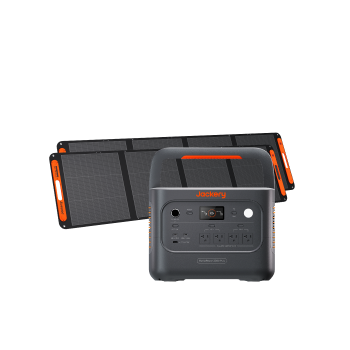
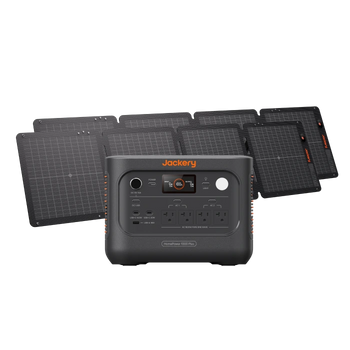
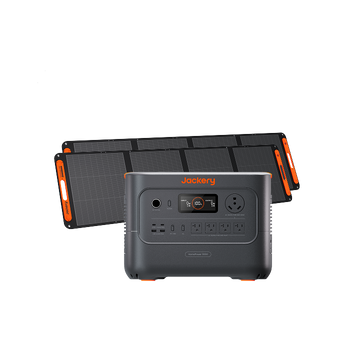
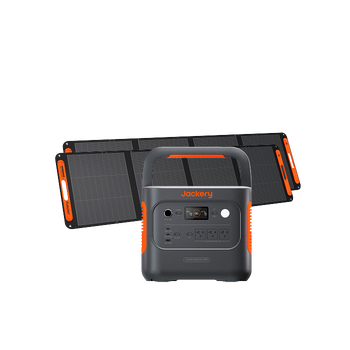
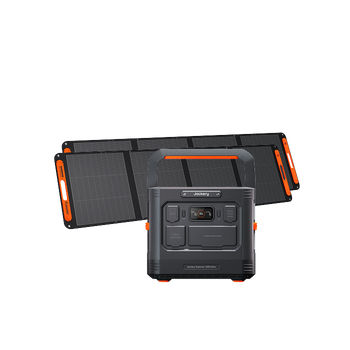
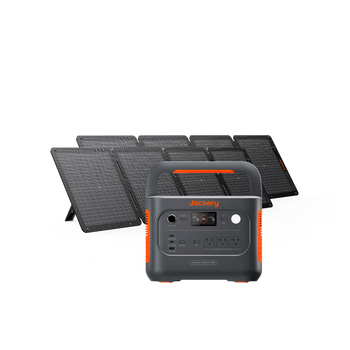
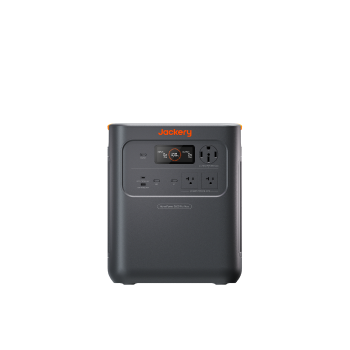
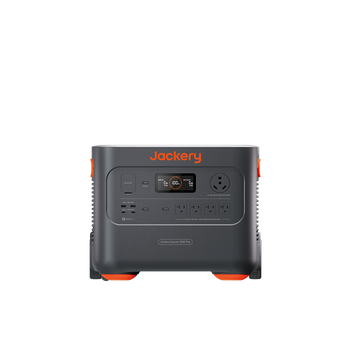
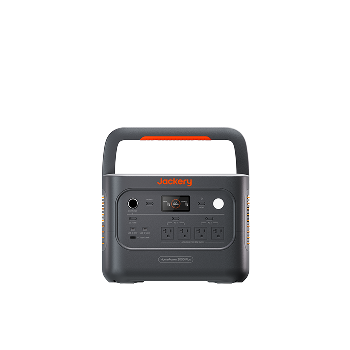
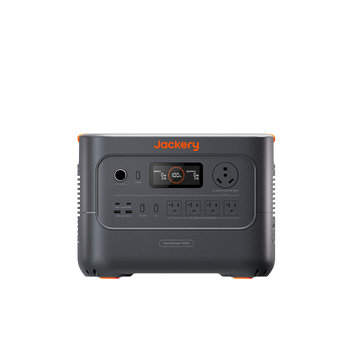
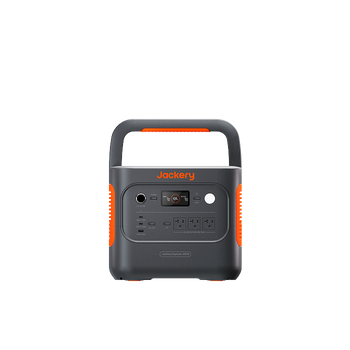
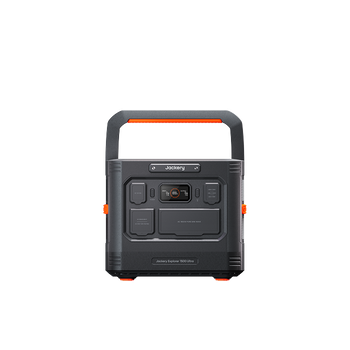
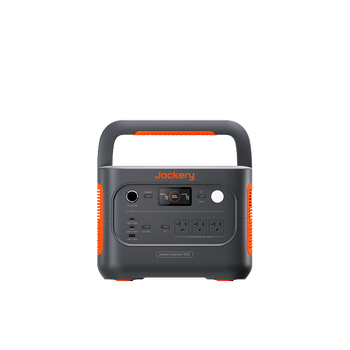
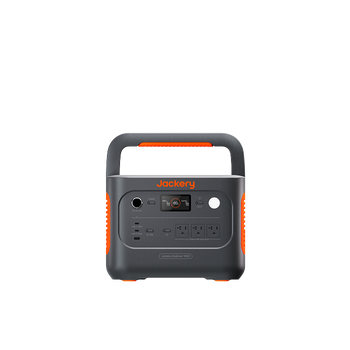
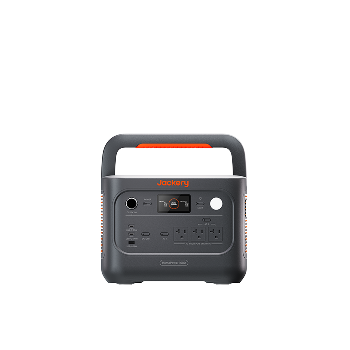
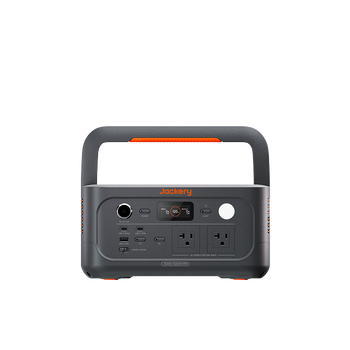
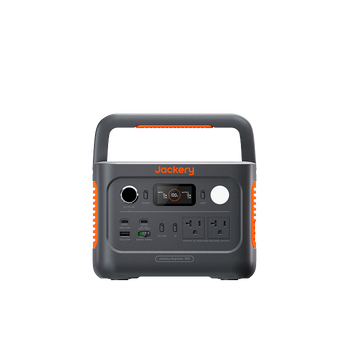
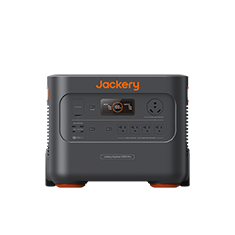
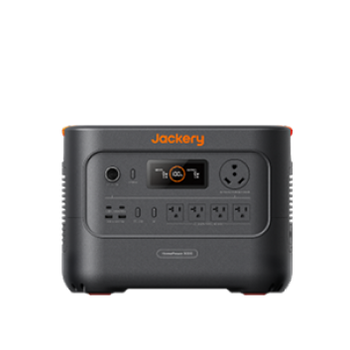
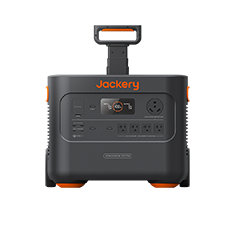
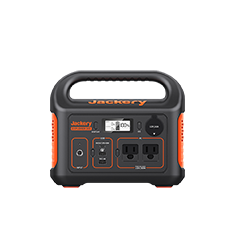
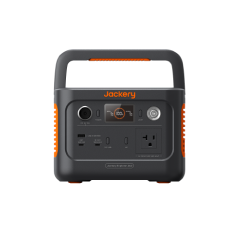
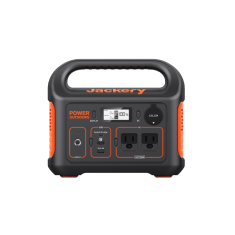
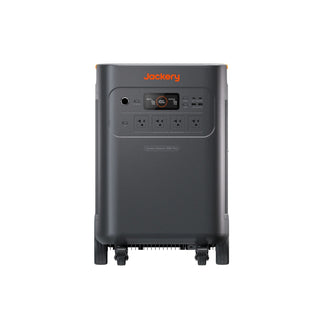
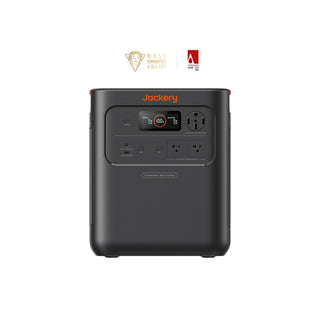
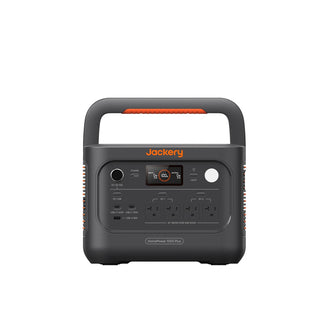
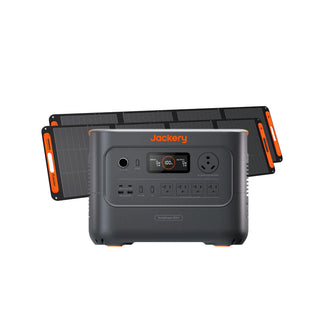
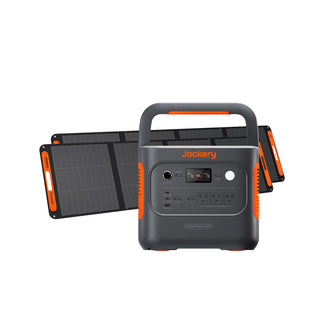
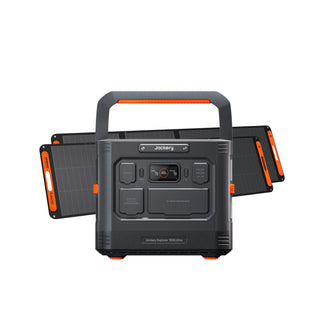
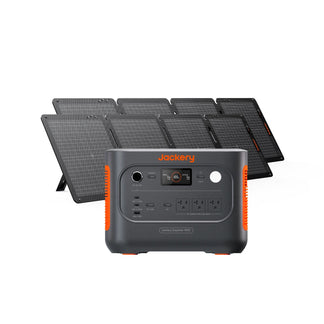
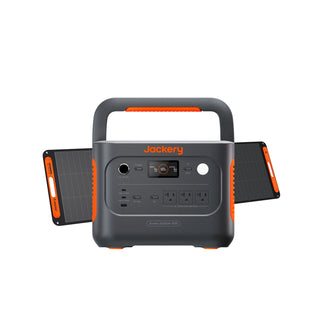
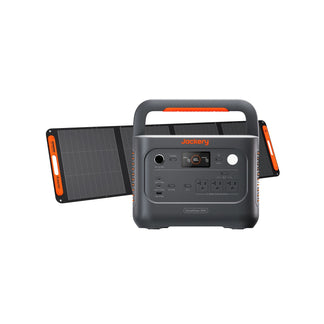
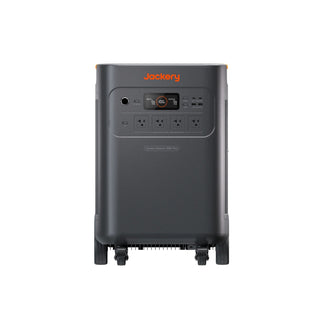
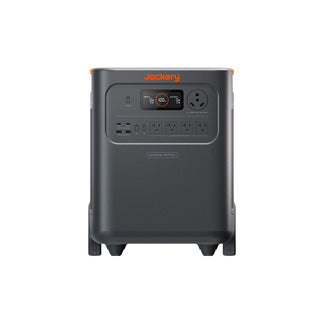
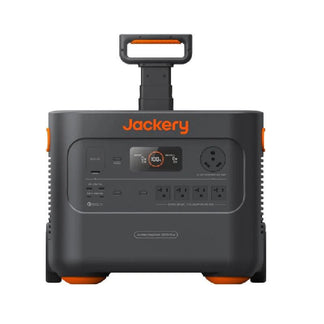
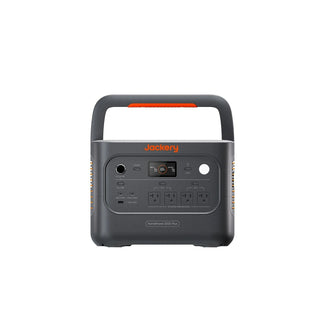
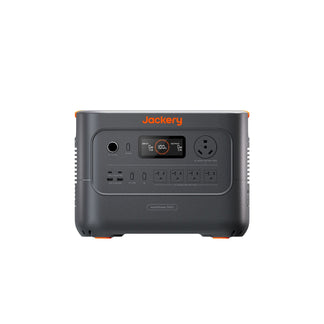
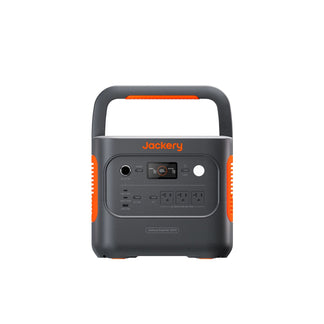
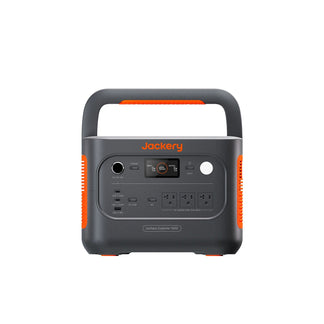
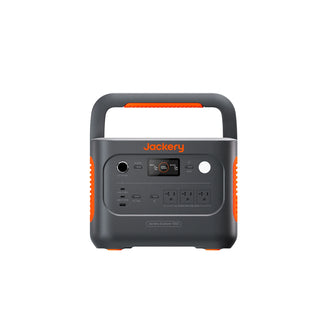
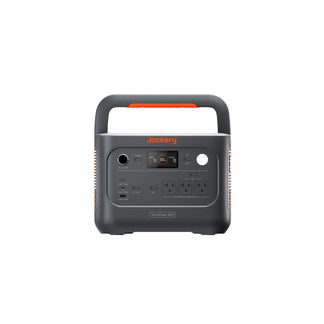
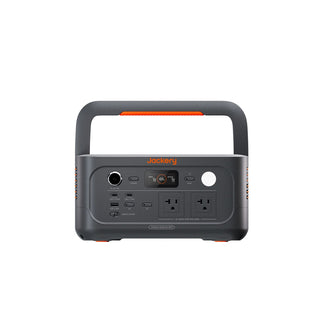
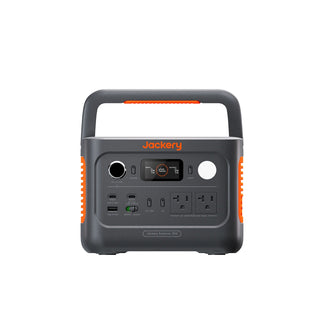
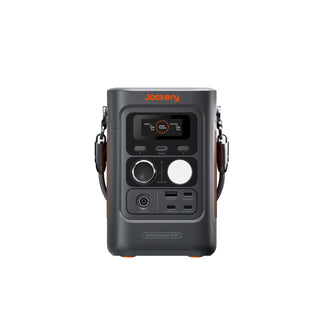
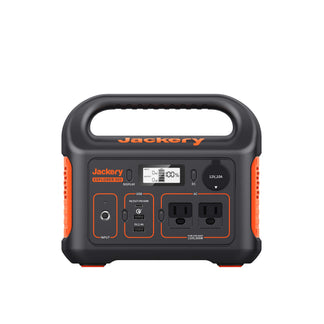
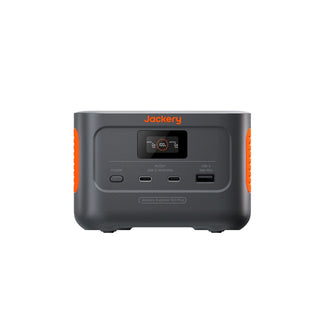
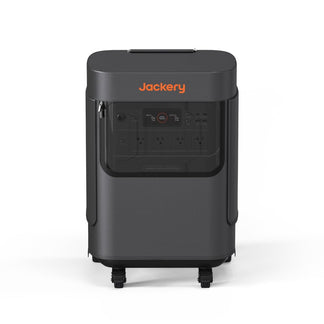
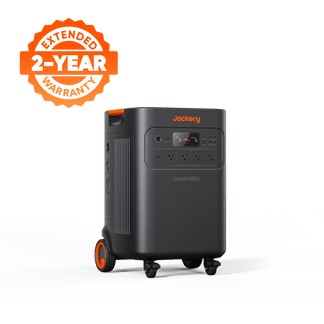
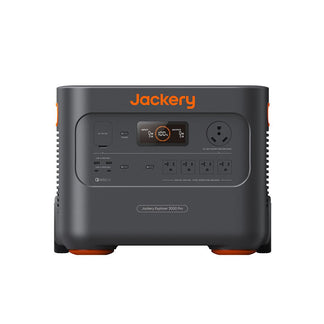
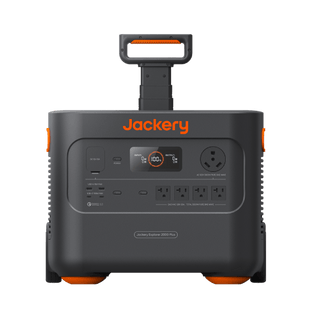
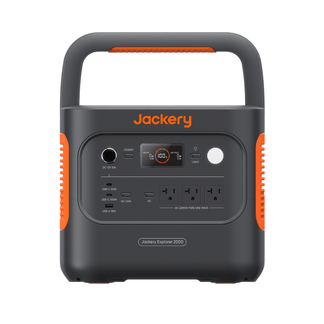
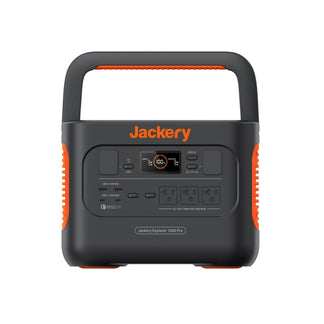
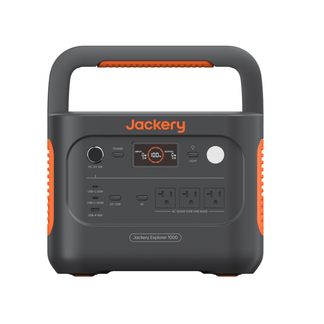
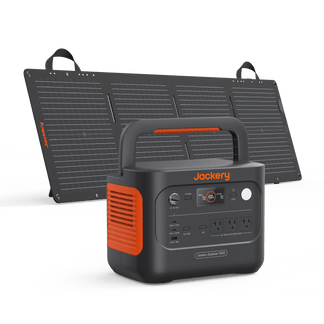
Jackery’s Explorer v2 series packs LiFePO₄ deep cycle cells into portable, plug‑and‑play power stations that deliver all the lithium advantages covered above — zero maintenance, no fumes, and a decade of daily cycling — with no installation required. Unlike a small power bank, these units can run full‑size appliances for hours.
Feature |
Explorer 2000 v2 |
Explorer 1000 v2 |
Solar Generator 2000v2 (bundle) |
Battery capacity |
2,042 Wh LiFePO₄ |
1,070 Wh LiFePO₄ |
2,042 Wh (station + panels) |
Cycle life |
Long-lasting LiFePO₄ (10‑year lifespan) |
4,000+ to 70% capacity |
Long-lasting LiFePO₄ (10‑year lifespan) |
AC output |
2,200 W (surge 4,400 W) |
1,500 W (surge 3,000 W) |
2,200 W (surge 4,400 W) |
Recharge time (AC) |
1.7 h (Emergency Super Charge) |
1 h (Emergency Super Charge) |
1.7 h (station only) |
Solar input max |
400 W |
400 W (dual port) |
400 W; bundle includes 2×100W panels |
Weight |
39.5 lbs |
23.8 lbs |
Station: 39.5 lbs; panels: ~8 lbs each |
Ideal for |
Whole‑day fridge + router + lights backup |
Camping, tailgating, home‑office backup |
Off‑grid solar‑capable essential home backup or RV |
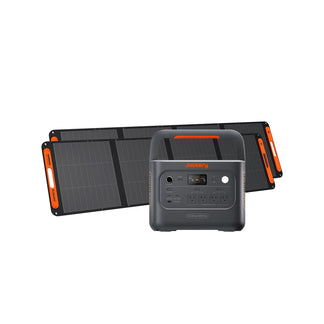
The Jackery Explorer 2000 v2 can run a refrigerator for roughly 14–20 hours plus a router, lights, and phone charging; its pure sine wave inverter handles motor loads like sump pumps or power tools. The Jackery Explorer 1000 v2, under 25 lbs, powers a bedroom (lights, fan, phone, router) through a typical overnight outage.
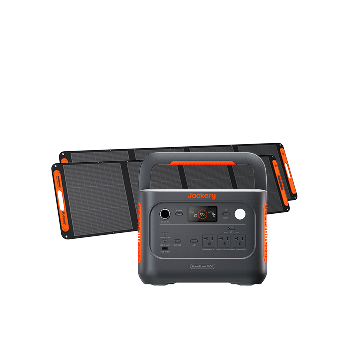
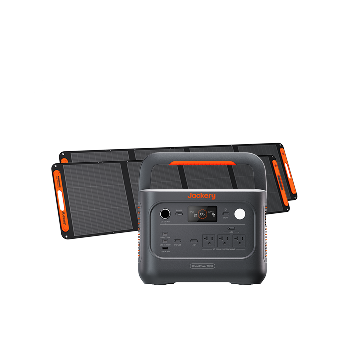
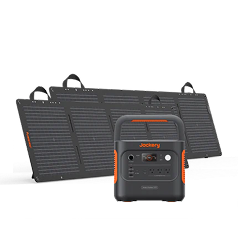
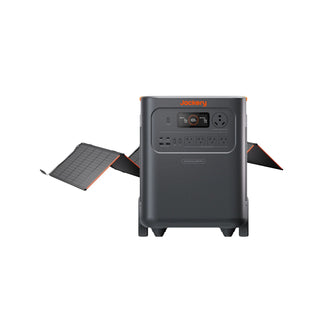
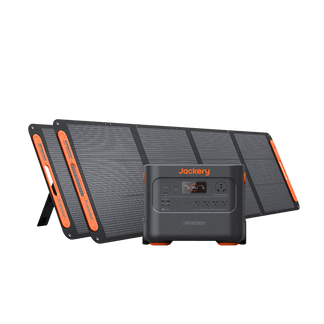
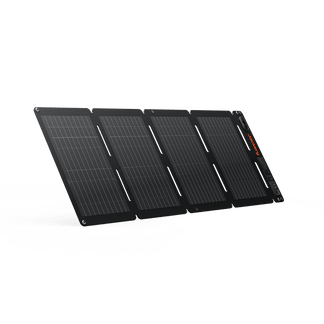
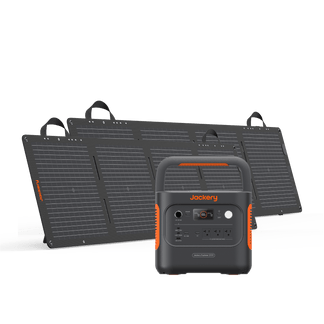
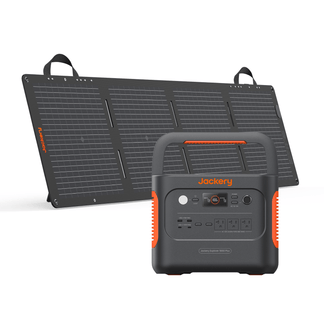
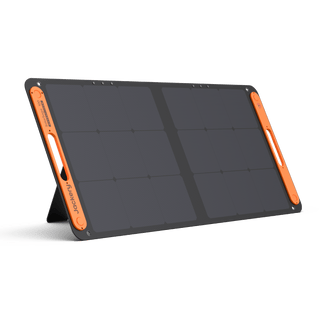
The Jackery Solar Generator 2000v2 bundles the 2000 v2 station with two 100W SolarSaga panels. You can expand to four panels for a full 400W input, recharging in about 7.5 hours of good sun — a true off‑grid daily cycling setup without fuel or fumes.
Frequently Asked Questions (FAQ)
Can I charge a deep cycle battery with a regular charger?
No, you must use a charger specifically designed for your battery’s chemistry to avoid undercharging or damaging the cells.
Can you jumpstart a car with a deep cycle battery?
No, a deep cycle battery cannot deliver the high burst current needed to crank an engine.
What is the 20/80 rule for lithium batteries?
The 20/80 rule recommends keeping lithium batteries between 20% and 80% charge during long‑term storage to maximize their lifespan.
How long does it take to charge a deep cycle battery?
Charge time depends on battery capacity and charger amperage, typically ranging from 4 to 12 hours for a full charge.
Are lithium deep cycle batteries safe from fire?
Yes, lithium LiFePO₄ batteries with a built‑in BMS are chemically stable and have a very low fire risk compared to other lithium types.
