



















![[Add-on] Jackery Battery Pack 5000 Plus - Jackery](http://www.jackery.com/cdn/shop/files/add-on-jackery-battery-pack-5000-plus-6713401.webp?v=1786503068&width=324)
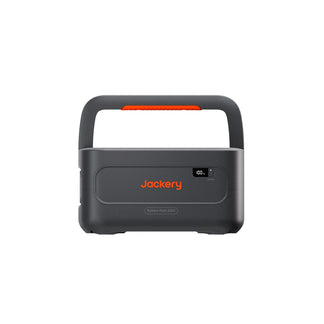













Quick Answer: A watt-hour (Wh) measures total energy — one watt of power sustained for one hour. It is the only reliable metric for comparing battery capacity across different voltages, unlike amp-hours or milliamp-hours. Real-world usable Wh is always lower than the rated value due to conversion losses, voltage drop, and battery management cutoffs. For portable power, Wh directly determines how long a device can run.
Key Takeaways:
- A watt-hour quantifies stored energy, making it the most accurate way to compare batteries of different voltages — mAh alone is meaningless without voltage.
- Convert mAh to Wh by multiplying by nominal voltage and dividing by 1,000; a 20,000 mAh power bank at 3.7V equals 74 Wh.
- Real-world usable capacity is 70–85% of the rated Wh due to inverter losses, voltage sag, and BMS cutoff — plan accordingly.
- The FAA restricts lithium-ion batteries to 100 Wh in carry-on luggage, roughly 27,000 mAh at 3.7V.
- Higher Wh increases weight, size, and cost — choose capacity based on your daily device energy consumption plus 20% headroom.
What Is a Watt Hour and How Is It Calculated?
A watt-hour is the total energy delivered when one watt of power flows for one hour. It’s a simple product: power (watts) multiplied by time (hours). A 60W light bulb running for 5 hours consumes 60W × 5h = 300 Wh.
For batteries, the calculation uses voltage and amp-hours:
Wh = nominal voltage (V) × capacity in amp-hours (Ah)
A 12V, 100Ah deep-cycle battery stores 12V × 100Ah = 1,200 Wh.
Common real-world examples make the scale concrete. A smartphone battery holds 10–15 Wh. A 20,000 mAh USB power bank at 3.7V internal cell voltage stores 3.7V × 20 Ah = 74 Wh. (Divide mAh by 1,000 to get Ah.)
Why not just use amp-hours? Because voltages differ.
A 12V battery and a 48V battery might both be rated at 100Ah, but the 48V unit holds four times the energy — 4,800 Wh vs. 1,200 Wh. Watt-hours remove the guesswork.
Did you know? When shopping for portable power stations or home backup batteries, always compare total watt-hours, not amp-hours — even among units with “similar” Ah numbers, the internal voltage can vary, giving radically different usable energy.
Watt Hours vs. Amp Hours: Why Voltage Matters
Amp-hours measure charge quantity alone. A 10Ah battery at 12V and a 10Ah battery at 48V have the same Ah, but the second stores 48V × 10Ah = 480 Wh — four times more energy.
The formula ties them together: Energy (Wh) = Ah × Voltage (V). Voltage is the multiplier that turns amp-hours into meaningful capacity.
A practical conversion: a single 5,000 mAh (5 Ah) lithium-ion cell at a nominal 3.7V yields 3.7V × 5Ah = 18.5 Wh. But when that cell’s energy is converted to 5V USB output, conversion losses (typical 10–15%) drop usable energy. You might get only around 15.7 Wh at the USB port — far less than the cell’s label suggests.
Marketing often quotes mAh at the cell level, especially for power banks. A “20,000 mAh” bank at 3.7V has 74 Wh, but a 48V power station listed in Ah would confuse you if you didn’t know Wh. Always check the Wh rating for a true comparison.
Standard nominal voltages help you convert:
Battery Chemistry / Use Case |
Nominal Voltage |
Wh from 1,000 mAh |
LiFePO4 (LFP) |
3.2V |
3.2 Wh |
Lithium-ion (standard) |
3.7V |
3.7 Wh |
USB output (typ.) |
5V |
(after conversion, ~85% of cell Wh) |
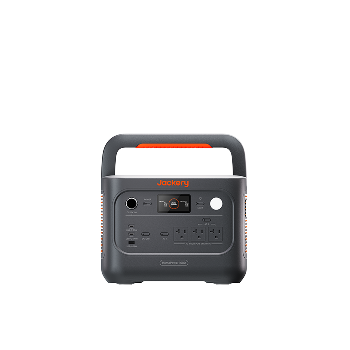
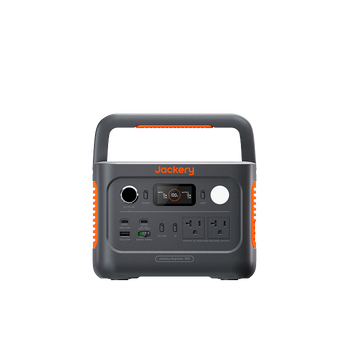
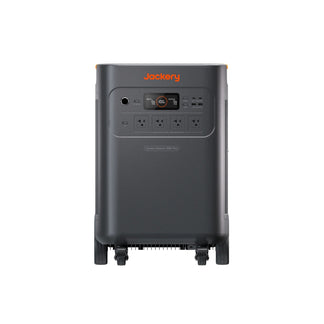
Jackery’s portable power stations use LiFePO4 cells for long cycle life (3,000–5,000 cycles). When you see 2,042 Wh on the Explorer 2000 v2, that’s the real, integrated energy — no voltage gymnastics needed.
When comparing best battery backup generators, ignore Ah listings; look at total watt-hours to size your backup accurately.
How to Estimate Battery Runtime Using Watt-Hour Ratings
Runtime in hours is simply: Battery Wh ÷ device power draw (W) = hours. A 1,000 Wh battery running a constant 100W load would last 10 hours.
Real life is less tidy. Devices don’t always draw the rated wattage, and AC output adds inverter loss. For accurate estimates, multiply the device’s listed wattage by 1.15 to account for a 10–15% inverter efficiency penalty.
Example calculation:
A 2,000 Wh power station powering a 150W refrigerator (running)
(150W × 1.15) = 172.5W effective draw
2,000 Wh ÷ 172.5W ≈ 11.6 hours of runtime
A more complete guide to portable power supply explains that runtime also depends on the battery management system (BMS), which cuts off output at 10–20% remaining charge to protect cells. So usable Wh might be only 80–90% of rated — in the 2,000 Wh case, that’s 1,600–1,800 Wh, trimming runtime further.
For variable loads (fridges cycle on/off), use a plug-in watt-meter to measure average daily consumption in Wh, not just peak watts. Multiply daily Wh by 1.2 for headroom.
Factors That Reduce Real-World Battery Capacity
Rated Wh is a laboratory number. In practice, several effects cut usable capacity by 15–30%.
- Voltage sag during discharge: As a battery drains, its voltage drops, delivering slightly less energy than the nominal calculation assumes. This effect is more pronounced under heavy loads.
- Conversion losses: Every voltage conversion (DC-to-DC for USB, DC-to-AC inverter) burns energy as heat. DC-to-AC inversion can waste 10–15%; USB step-up from 3.7V to 5V loses another 10–15%. Stacking these cuts total usable Wh.
- High C-rate loads: Pulling 1,000W from a 1,000 Wh battery (a 1C discharge) creates internal resistance losses. Capacity you can extract at a 1C rate is often 10–15% lower than at a slower 0.2C rate.
- Age and temperature: LiFePO4 cells lose roughly 10–20% capacity after 3,000 full cycles. Cold below freezing can temporarily slash available Wh by 30% or more. Never charge lithium batteries in sub-freezing temperatures unless the unit has low-temperature protection.
- Marketing vs. reality: The sticker Wh assumes ideal test conditions. For everyday planning, expect 70–85% of that number.
Understanding these factors prevents surprises. If you need 1,500 Wh of daily energy, choose a power station rated at least 1,800–2,100 Wh to cover inefficiencies.
How to Choose the Right Watt-Hour Rating for Your Needs
Start with your device energy audit. List everything you’ll power, its average watts, and hours of use.
Device |
Running Watts |
× Hours |
Daily Wh |
Refrigerator |
150W |
8 |
1,200 |
LED lights (5 bulbs) |
50W |
5 |
250 |
Wi-Fi router |
10W |
24 |
240 |
Laptop + monitor |
60W |
4 |
240 |
Total |
1,930 Wh |
Refrigerators cycle on/off; actual runtime fraction is often 30–50%, so 8 hours of compressor operation is a realistic worst-day figure.
Add 20% headroom: 1,930 Wh × 1.2 = 2,316 Wh usable. Since usable Wh is about 80% of rated, aim for a battery rated around 2,900 Wh to cover this load cycle.
Portability vs. capacity: A sub-2,000 Wh unit weighs 35–45 lbs and slides into the car for camping. Units above 3,500 Wh are heavier but provide multi-day essential home backup. Choose based on whether you’ll move it often.
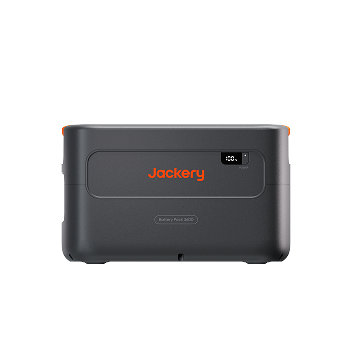
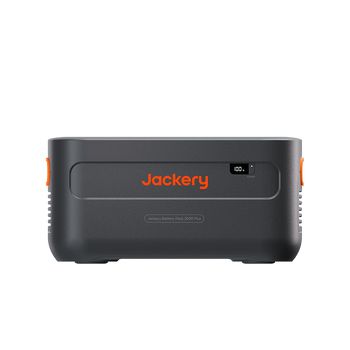
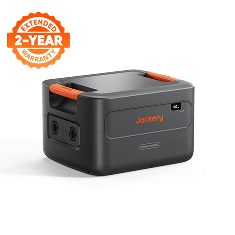
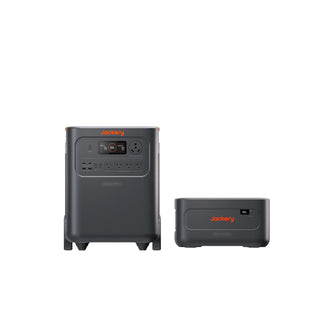
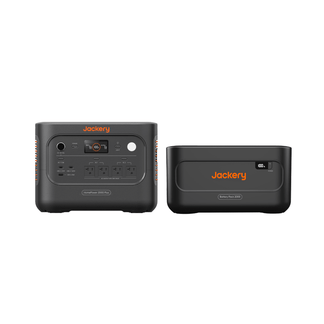
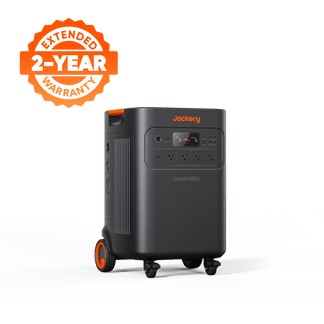
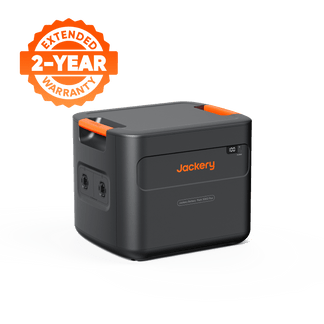
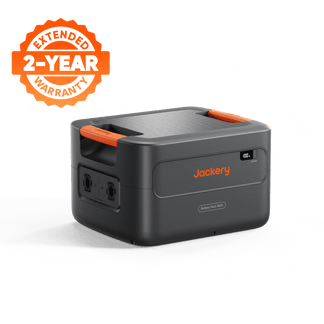
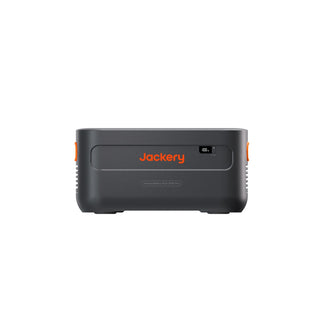
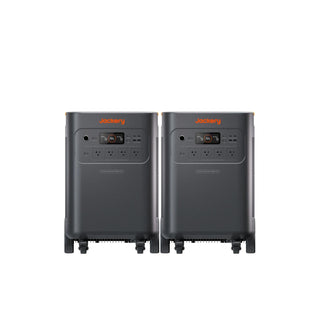
Expandability matters: Look for systems that accept battery packs. Starting with 2,000 Wh and the option to double capacity later prevents overspending now. Jackery’s HomePower 3600 Plus, for example, scales to over 21 kWh with add-on packs.
Inverter rating must match the surge: A refrigerator compressor can need 2–3x its running watts for seconds. The power station’s surge rating must handle that peak; otherwise, the inverter trips even though the battery has energy left. A full guide to building a secure power backup for home appliances covers sizing for motor-driven loads.
For longer outage scenarios, you can also compare battery vs. generator backup systems to see where quiet, emission-free battery power fits your life.
Limitations / What to Know Before
- Theoretical vs. usable Wh: The number on the box is a best-case lab figure. In routine use, you’ll access 70–85% after inverter and BMS losses. Plan your loads around that derating.
- Variable loads complicate runtime estimates: A refrigerator cycles, so an overnight runtime calculation that assumes constant 150W draw overstates by 30–50%. For precision, measure actual daily Wh with a plug-in meter instead of guessing from the nameplate wattage.
- Higher Wh doesn’t always mean proportionally longer runtime: If the inverter is too small for the load, the unit may shut down before the battery is empty, wasting capacity. A 3,000 Wh battery with a 500W inverter can only run a 600W appliance for zero minutes, even though the energy is there.
- Capacity fades over time: After roughly 3,000 cycles, a LiFePO4 battery retains about 80% of its original Wh. Factor that into long-term backup plans — the unit you buy today might deliver 20% less energy after a decade of frequent use.
Product Recommendation: Essential Home Backup Solutions
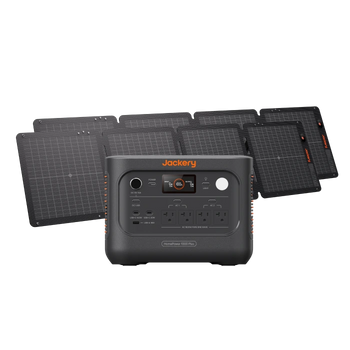
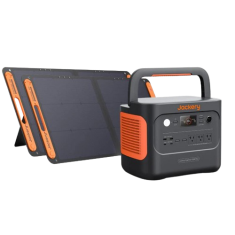
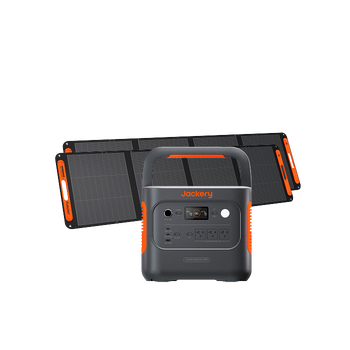
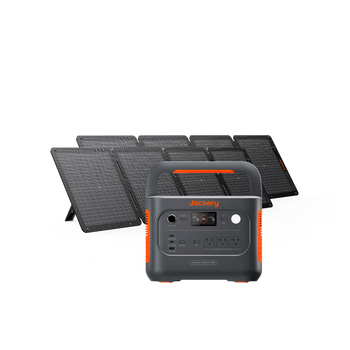
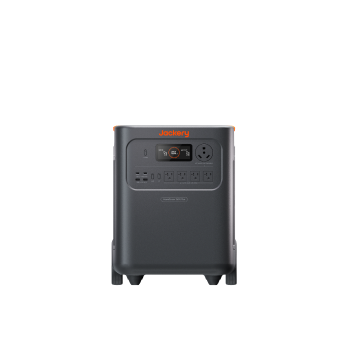
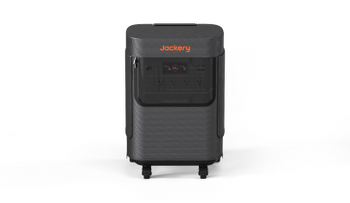
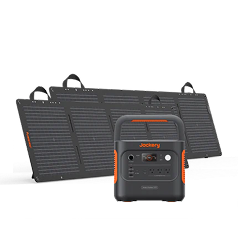
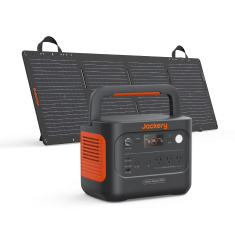
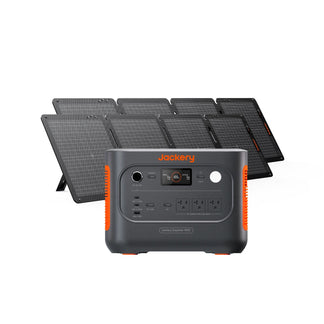
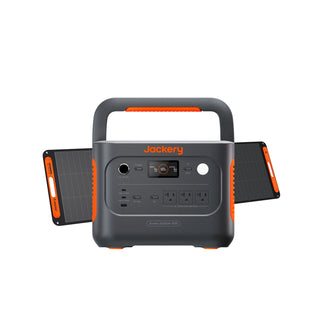
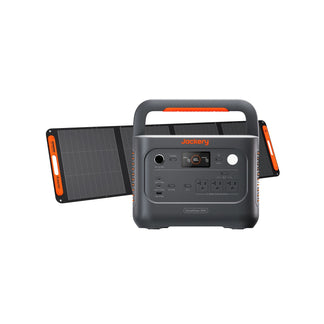
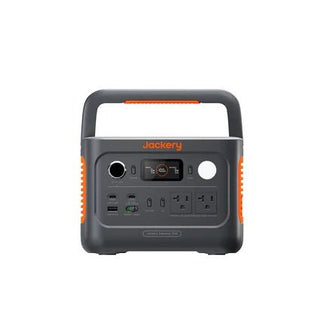
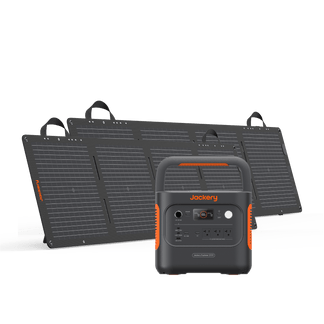
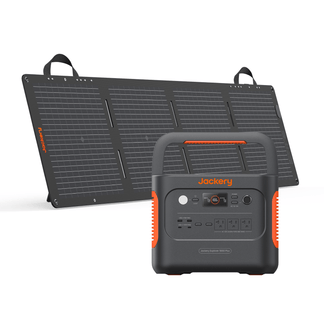
These Jackery solar generators cover different scales of backup — from a weekend power outage to multi-day essential home backup.
How to Choose the Right Capacity
Match your daily essential load to a unit that has at least 20% more rated Wh than your estimated daily Wh, plus inverter headroom for surge loads. If you want to weather a 2-day outage without recharging, double the capacity.
Who These Solutions Are For
These units are for homeowners wanting fridge, lights, router, and a few small appliances during blackouts — not whole-home backup. Campers, RV users, and remote workers benefit from the capacity-to-weight balance.
Product |
Capacity (Wh) |
Key Feature |
Ideal For |
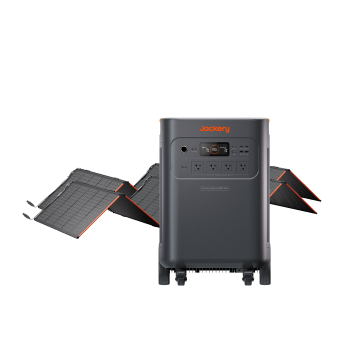
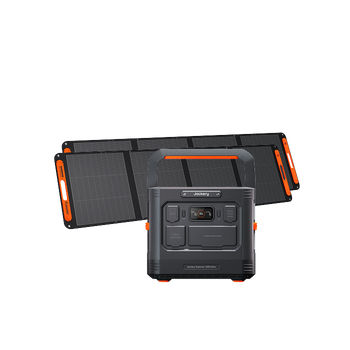
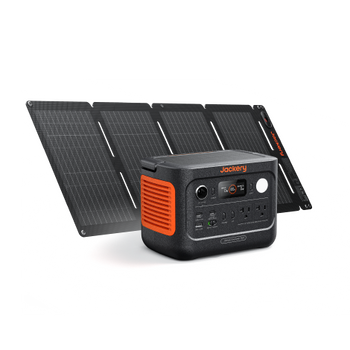
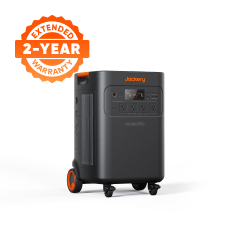
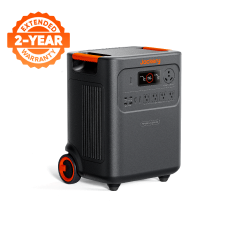
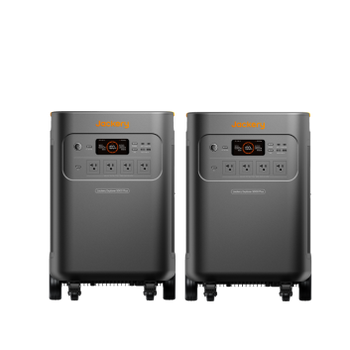
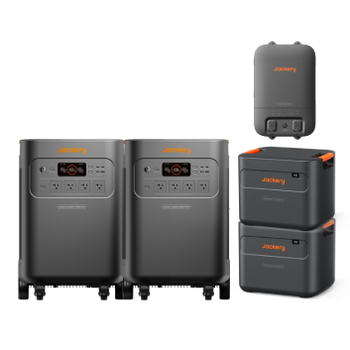
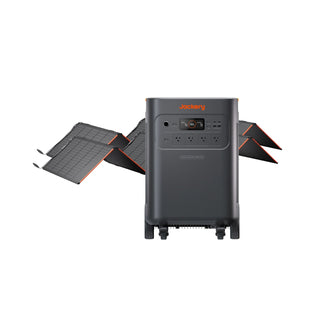
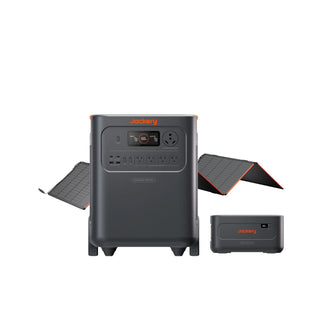
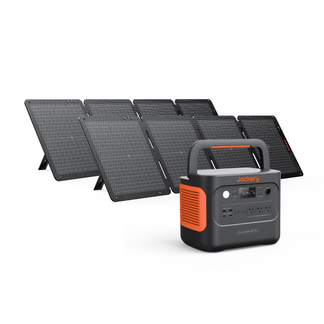
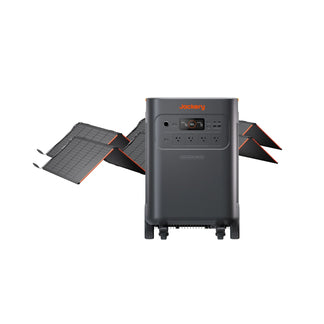
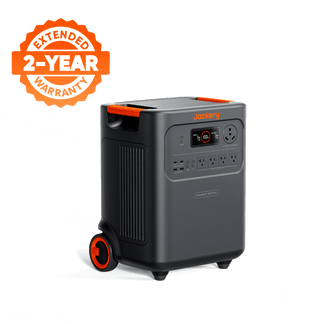
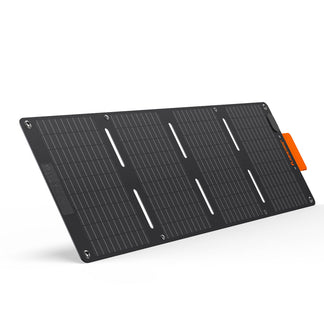
Jackery Solar Generator 5000 Plus + 2x SolarSaga 500X |
5,040 Wh |
14,400W surge, expandable to 60kWh, dual 500W solar |
Multi-day essential backup, well pumps, portable AC |
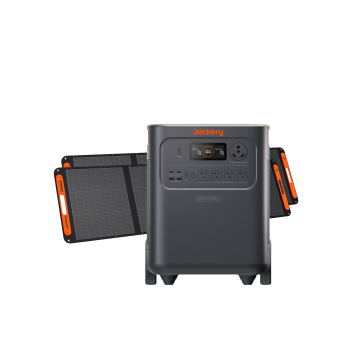
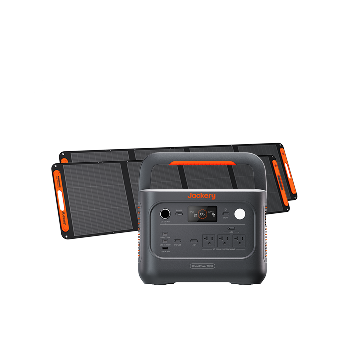
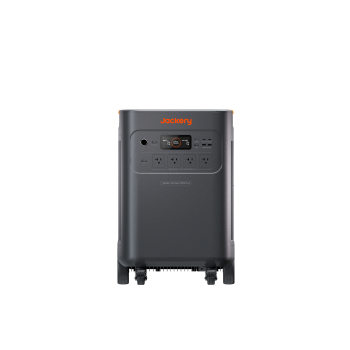
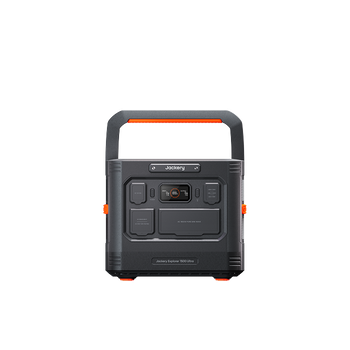
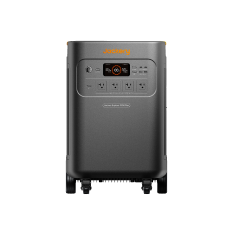
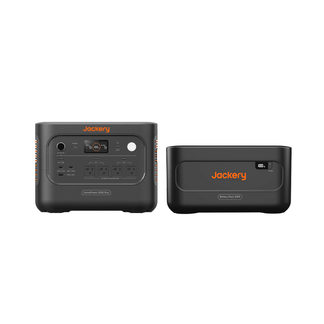
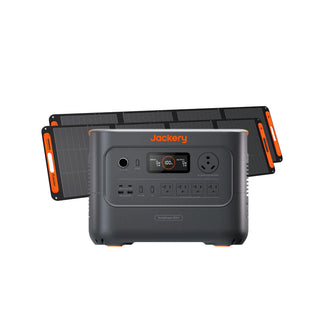
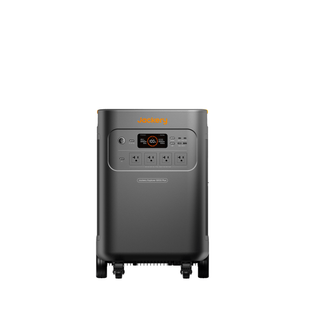
Jackery Solar Generator HomePower 3600 Plus + SolarSaga 500X |
3,584 Wh |
3,600W continuous, expandable to 21.48kWh |
Essential circuits (fridge, modem, lights) for 12–18 hours |
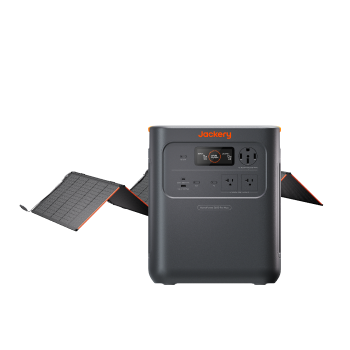
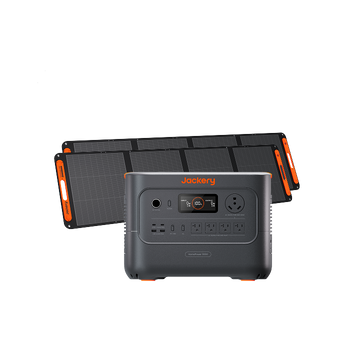
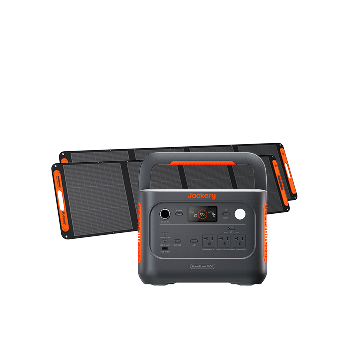
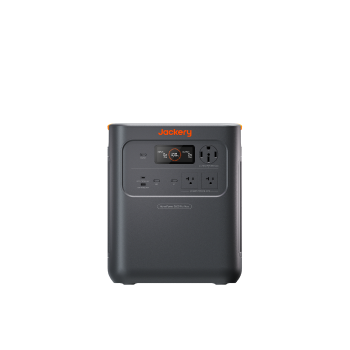
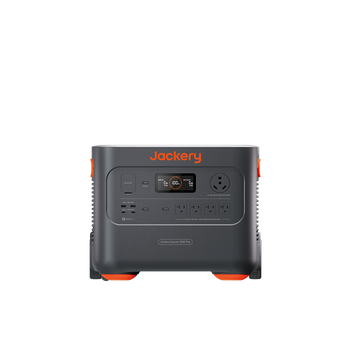
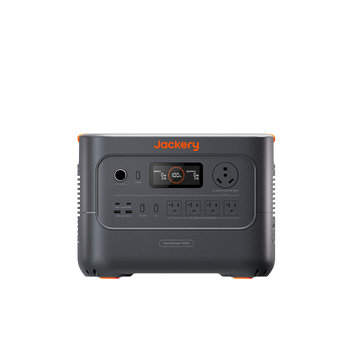
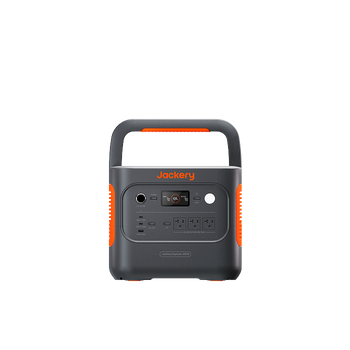
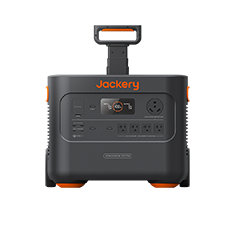
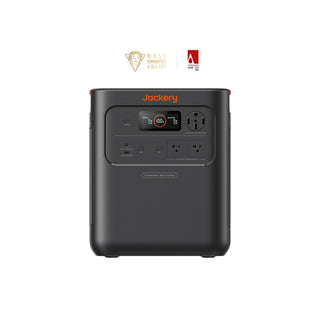
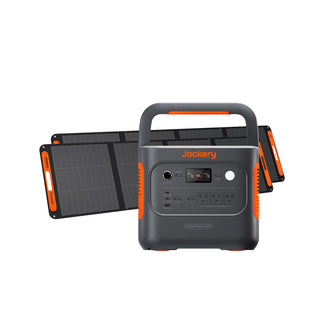
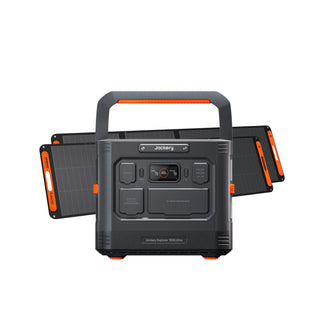
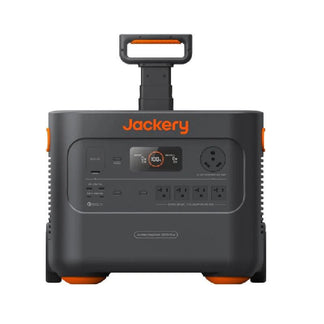
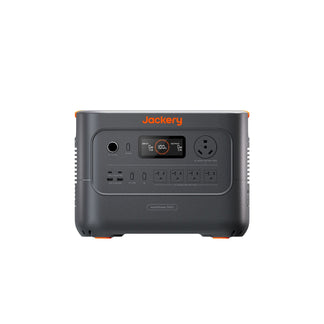
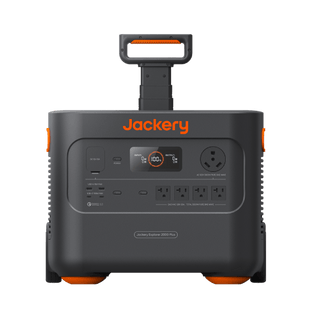
Jackery Explorer 2000 v2 |
2,042 Wh |
39.5 lbs, 2,200W/4,400W surge, portable |
Camping, short outages, moving between home and car |
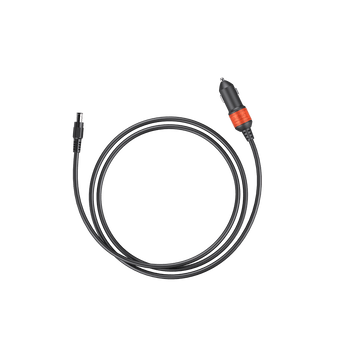
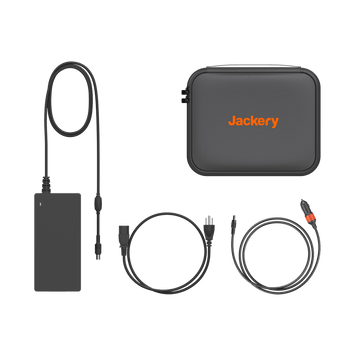
All three solutions charge from solar, wall outlets, or a car. The 5000 Plus and HomePower 3600 Plus are designed for stationary backup — keep them in the garage or utility room. The Explorer 2000 v2 is light enough to grab for a trip.
A deeper look at home backup power options can help you decide between a battery system and a fuel generator. If you need a step-by-step approach to selecting capacity, best battery backup generators walks through sizing for your specific appliances.
Frequently Asked Questions (FAQ)
Can I use a power station while it is charging?
Yes, most modern units support pass-through charging, but doing so may generate extra heat and slightly slow battery charging speed.
What is the ideal temperature range for lithium batteries?
Lithium batteries charge best between 32°F and 104°F (0°C to 40°C). Outside that range, charging can permanently damage cells. Discharging is safe in a wider band, but capacity drops sharply below freezing.
How do I know when my power station is fully charged?
The LED indicator turns solid green or the display shows 100%. Unplugging once full prevents unnecessary trickle-charging, which can marginally degrade long-term health.
Which battery chemistry lasts longer: LiFePO4 or lithium-ion?
LiFePO4 typically delivers 3,000–5,000 complete cycles before reaching 80% capacity. Standard lithium-ion lasts 300–500 cycles. LiFePO4 is the clear winner for long-term stationary backup.
Should I keep my power station plugged in all the time?
No. Storing a fully charged lithium battery for extended periods accelerates capacity fade. For storage, aim for 50–80% charge and top it up every few months.
