




















































![[Add - on] Jackery Manual Transfer Switch for Explorer 5000 Plus - Jackery](http://www.jackery.com/cdn/shop/files/add-on-jackery-manual-transfer-switch-for-explorer-5000-plus-9017324.png?v=1754016782&width=350)





![[Add - on] Jackery Battery Pack 5000 Plus - Jackery](http://www.jackery.com/cdn/shop/files/add-on-jackery-battery-pack-5000-plus-6078351.png?v=1754016791&width=324)

![[Add - on] Jackery Car Charging Cable - Jackery](http://www.jackery.com/cdn/shop/files/add-on-jackery-car-charging-cable-3882421.png?v=1754016863&width=324)











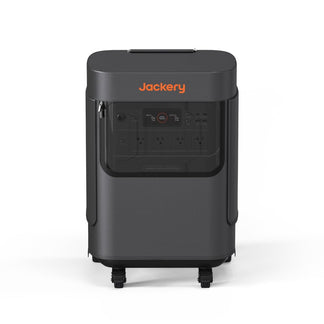

![[Add - on] Jackery Smart Transfer Switch - Jackery](http://www.jackery.com/cdn/shop/files/add-on-jackery-smart-transfer-switch-5842915.png?v=1754016784&width=324)
![[Add - on]Jackery 102W GaN 3 - Port Fast Charger - Jackery](http://www.jackery.com/cdn/shop/files/add-onjackery-102w-gan-3-port-fast-charger-6377742.png?v=1754016790&width=324)
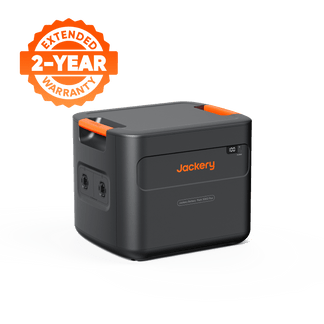
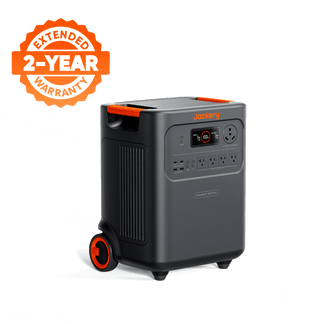
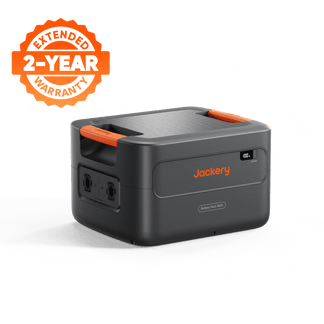



![[Add - on] SolarSaga 200W - Jackery](http://www.jackery.com/cdn/shop/files/add-on-solarsaga-200w-4834329.png?v=1754016915&width=324)

![[Add - on] Jackery Manual Transfer Switch for Explorer 5000 Plus - Jackery](http://www.jackery.com/cdn/shop/files/add-on-jackery-manual-transfer-switch-for-explorer-5000-plus-9017324.png?v=1754016782&width=324)


The average US residential electric bill is approaching $160 per month. Driven by a electricity rates have risen ~36% since 2020 and 4.2% increase projected for 2026, homeowners are feeling the squeeze.
Understanding what uses the most electricity at home is your first line of defence. The US Energy Information Administration (EIA) tracks 26 distinct end-uses for electricity, revealing massive disparities in how appliances consume power.
This guide breaks down the biggest energy hogs, exposes hidden vampire loads, and provides data-backed strategies to permanently lower your utility costs.
The Heavyweights: Climate Control and Water Heating
Household electricity consumption is the total amount of power used by all appliances over time. According to the EIA, the average US household consumes about 10,500 kWh of electricity annually. Two major categories dominate this usage.
HVAC Systems (42-54%)
Heating and cooling are the undisputed largest consumers of home energy. For the 2025–2026 winter season, heating US homes costs an average of $976–$995 annually, with electricity-heated homes averaging $1,205 and natural gas homes averaging $693. Central air conditioning alone can push annual climate control costs from $340 to over $1,200 depending on climate and system efficiency. Extreme outdoor temperatures force these systems to move large volumes of air for extended periods, drastically increasing runtime.
Poor home insulation forces HVAC systems to overwork. Drafty windows and uninsulated attics add an unnecessary 5% to 30% to your total energy costs. Upgrading to high-efficiency heat pumps and setting thermostats to 68°F in winter and 78°F in summer yields the highest return on investment.
Electric Water Heaters (12-18%)
Electric water heaters are the second-largest expense, costing between $400–$600 annually depending on tank size, efficiency, and local electricity rates. Traditional electric tanks continuously heat water 24/7 to support laundry, dishwashing, and showers.
Lower your tank temperature to 120°F. This is hot enough for sanitary use but prevents standby heat loss. Upgrading to heat pump water heaters or on-demand tankless systems offers massive efficiency gains over traditional storage tanks.
The Daily Grinders: Major Household Appliances
Washers and Electric Clothes Dryers (5-10%)
Laundry appliances consume 5% to 10% of household electricity. An electric clothes dryer uses as much energy as a new refrigerator, washer, and dishwasher combined.
Air-dry clothes or run full loads on lower heat settings to drastically cut this high-wattage consumption. Wash your laundry in cold water to eliminate the heating costs associated with your washing machine.
Refrigerators and Freezers (4-9%)
Your refrigerator never turns off. This constant operation costs the average household $170 to $240 annually, with ENERGY STAR models running as low as $68 to $136 per year. Household size dictates usage. Four-member households spend about $167 annually on refrigeration, compared to $125 for single-member homes.
Secondary fridges are major drains. Running a second fridge or standalone freezer can push the average household refrigeration cost to approximately $151 per year. Keep primary fridges between 35-38°F and unplug empty secondary mini-fridges in the garage during off-seasons.
The Hidden Drains: Lighting, Electronics, and Phantom Loads
The Great Lighting Shift: A US Energy Success Story
Lighting used to be a massive burden on the electrical grid. In 2006, lighting accounted for 18% of a home's total energy use.
Today, that number has plummeted to just 4% to 5%. By 2024, roughly 90% of US households use LED bulbs for indoor lighting, with 37% using LEDs exclusively. This widespread adoption has driven household lighting costs well below the $91 average recorded in 2020. Replacing your remaining incandescent or halogen bulbs with LEDs saves the average US household over $225 per year over the bulbs' lifespans.
Vampire Energy and Standby Power
Phantom loads refer to the power consumed by devices even when turned off. Electronics left in standby mode account for 5% to 15% of total household usage. This adds approximately $165 to $217 to your annual electric bill, contributing to an estimated $19.2 billion in wasted electricity nationally.
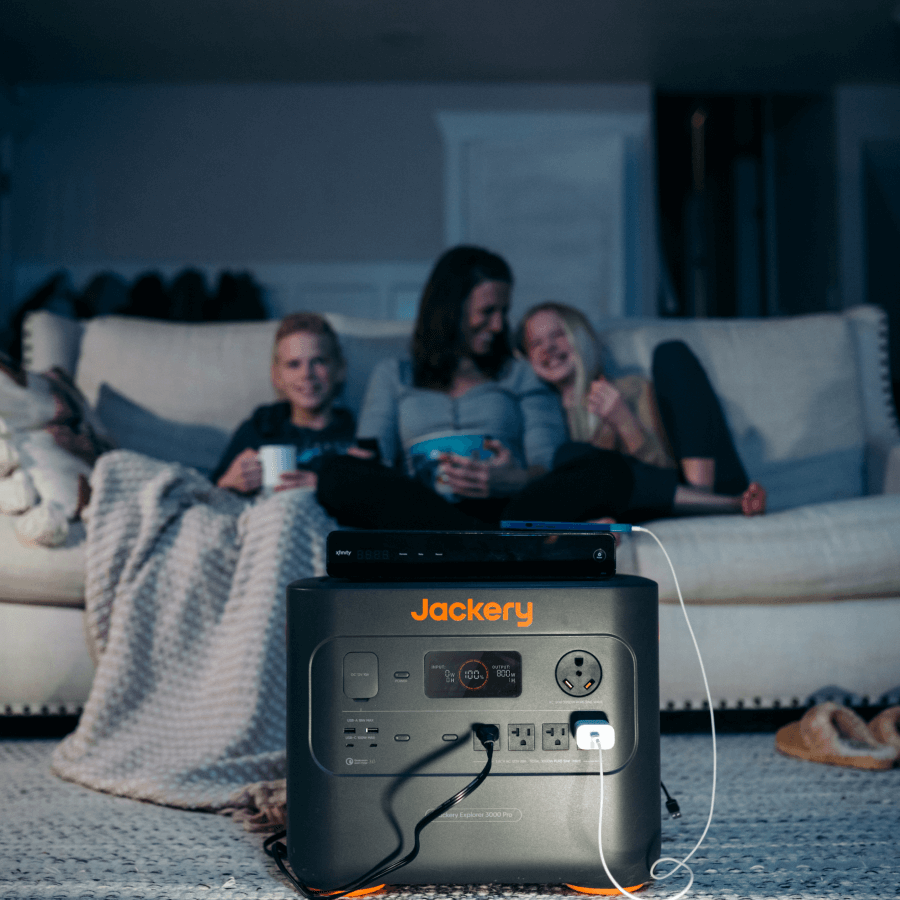
Primary TVs use about 210 kWh per year, while secondary TVs use 106 kWh. Cable boxes are the biggest standby energy users, constantly communicating with providers. Smart bulbs, speakers, and plugs constantly draw a small amount of power to maintain their Wi-Fi connection, creating new phantom loads.
Group your entertainment and office electronics on smart power strips. This allows you to easily cut power to multiple vampire devices simultaneously.
What NOT to Unplug
Never unplug your air conditioner, central heating system, or water heater to save standby power. Shutting these off completely can cause severe system disruptions, frozen pipes in winter, or require long, energy-intensive reboot times that negate any savings.
Surprising Energy Hogs You Might Be Overlooking
Beyond the obvious appliances, several hidden energy hogs inflate your monthly bill.
- Dehumidifiers: Often left running continuously in damp basements, older dehumidifiers draw heavy wattage. Upgrade to ENERGY STAR models to prevent massive continuous drains.
- Pool Pumps: While present in approximately 7% of US homes, pool pumps can account for 20–30% of a household's electricity bill during swimming season, consuming 1,500 to 2,500 watts and adding 150–300 kWh per month.
How Housing Type and Location Change the Math
Apartments vs. Single-Family Homes
Housing type drastically changes energy usage patterns. Apartment dwellers often save significantly on HVAC costs due to the insulation provided by shared walls.
In apartments, electric water heaters and electric ovens frequently become the primary electricity users instead of HVAC systems.
Regional Climate and Fuel Source Differences
Electricity usage is not uniform across the US. Fuel type dictates the electric bill. If your space and water heating run on electricity rather than natural gas, your electric bills will skyrocket.
In cold climates like New Hampshire, households spent $981 on heating, but mostly used fuel oil (40%), keeping electric bills lower. In warm climates like Louisiana, households spent only $244 on heating, but 62% rely entirely on electricity, shifting the heavy burden to the electric grid.
How to Calculate Your Own Appliance Usage
Examining your monthly bill and tracking your usage helps lower your costs. To find out exactly what an appliance costs, use this simple formula:
Daily kWh = (Appliance wattage × hours used per day) ÷ 1,000
Multiply the Daily kWh by your utility provider's rate (e.g., $0.17/kWh). This reveals the exact daily cost of any device. Use a plug-in electrical usage monitor to track the exact wattage of older appliances in real-time.
Actionable Strategies to Lower Your Electricity Costs
Reducing electricity consumption saves money and increases energy security.
Combat Time-of-Day (TOD) Rates
Many utility companies now charge higher rates during peak evening hours. Shift your heavy appliance usage. Run high-drain appliances like dishwashers and clothes dryers during off-peak morning or late-night hours to avoid premium peak-time utility charges.
Optimize Your Thermostat
Set your thermostat to 78°F (25.5°C) in the summer and 65-68°F (18.3-20°C) in the winter. Adjusting your thermostat by just 7-10 degrees for 8 hours a day yields significant savings.
Solar & Battery Integration
The most permanent way to lower your electric bill is to generate your own power. Pairing home solar panels with a portable power station allows you to store off-peak power and run heavy appliances affordably.
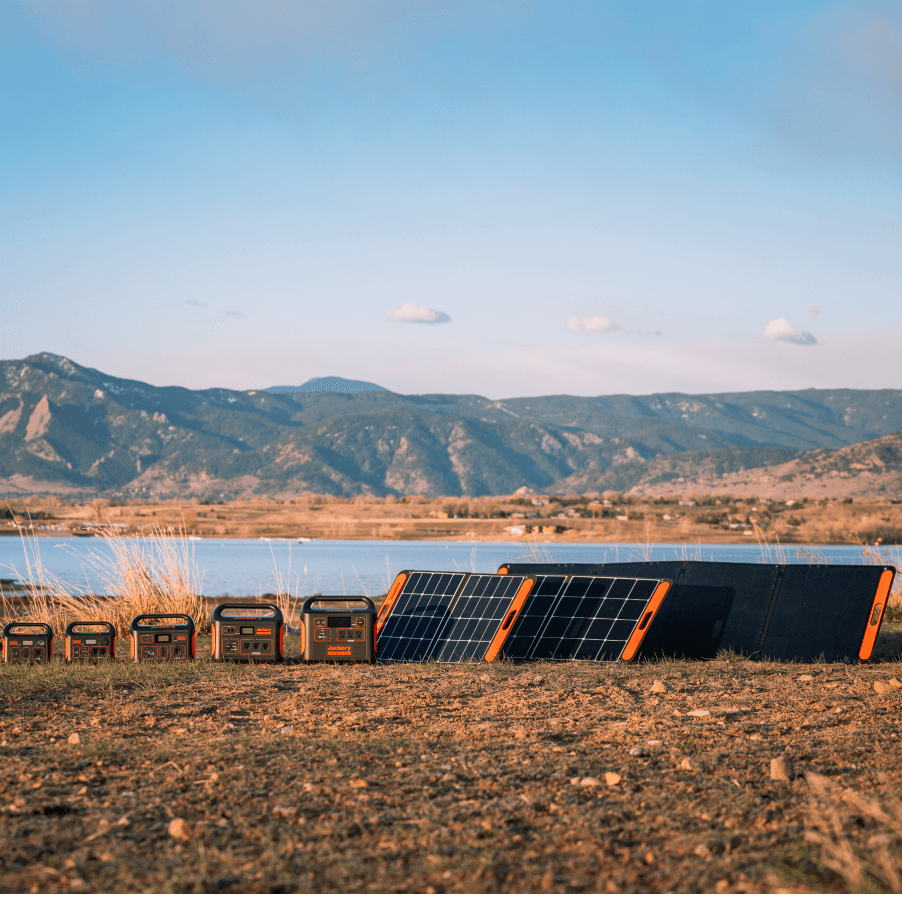
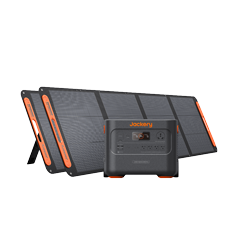
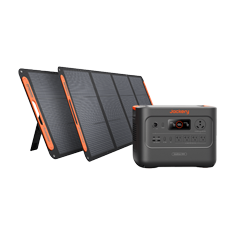
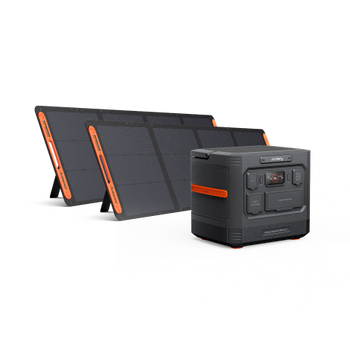
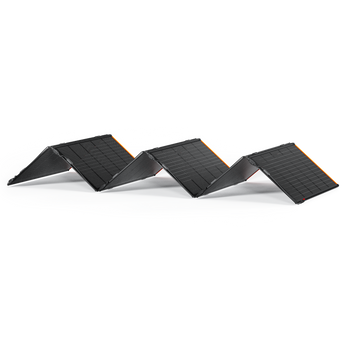
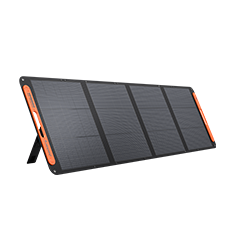
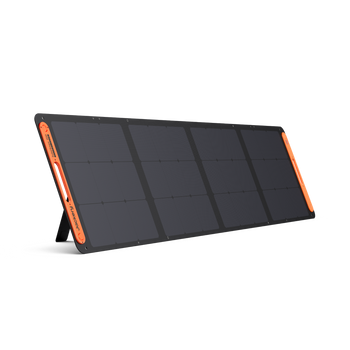
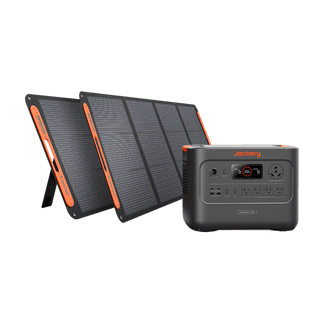
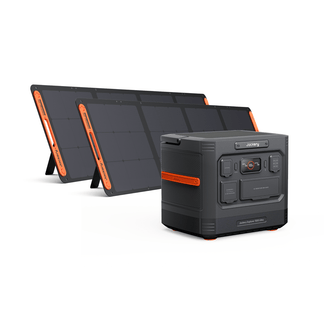
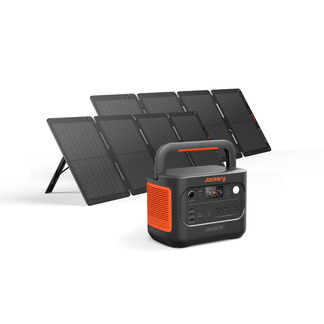
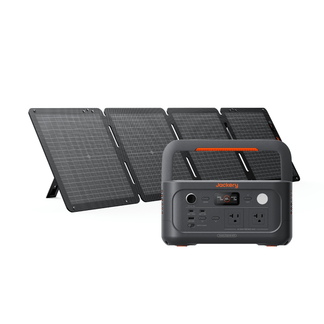
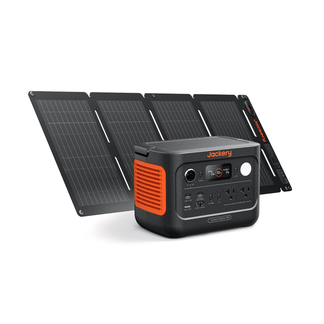
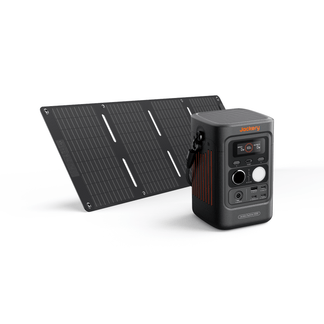
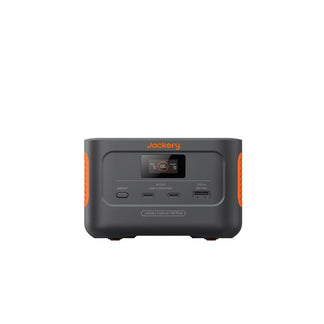
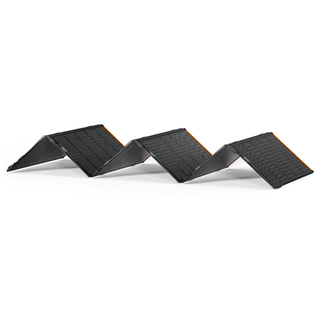
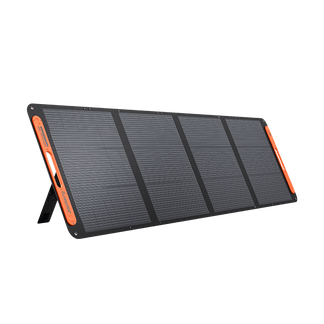
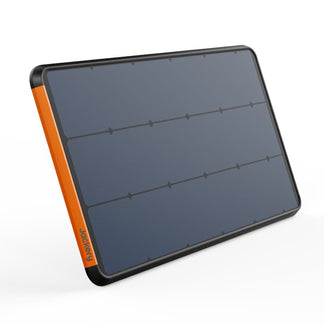
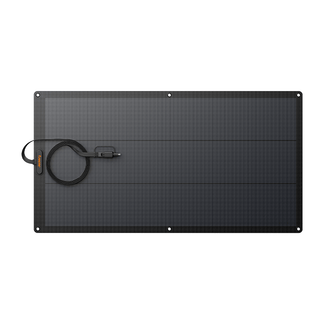
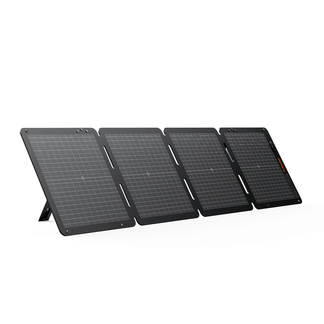
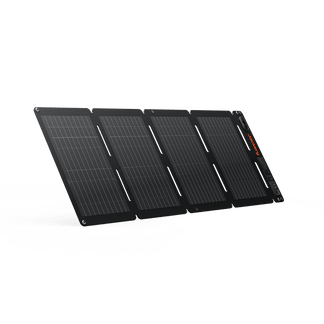
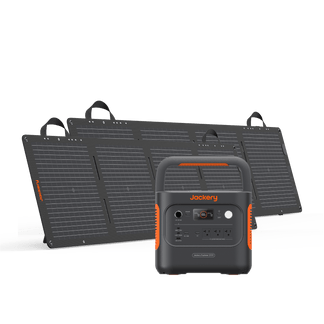
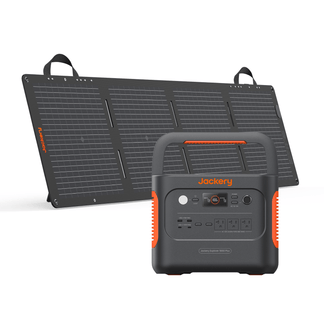
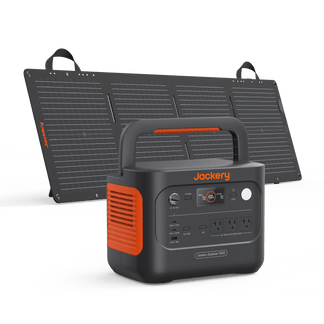
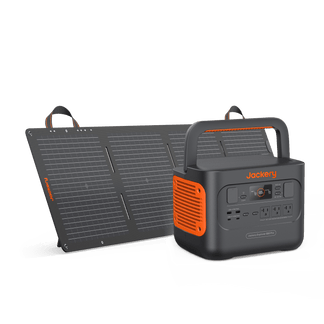
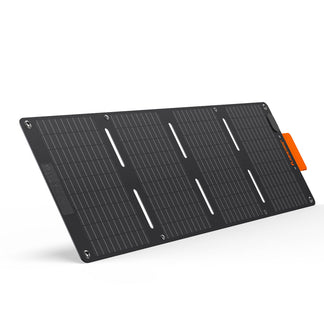
Jackery manufactures industry-leading solar generators that supply clean, renewable energy. By capturing solar energy with Jackery SolarSaga Solar Panels and storing it in a high-capacity power station, you can reduce your dependency on grid energy and bypass expensive Time-of-Day rates entirely.
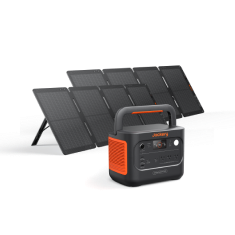
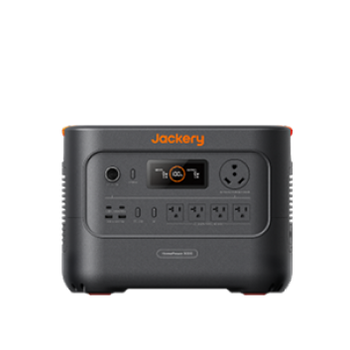
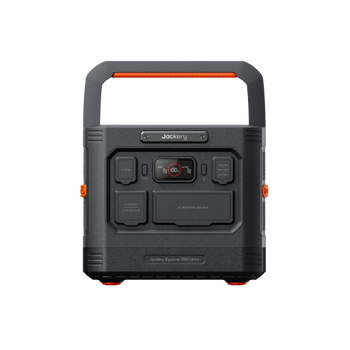
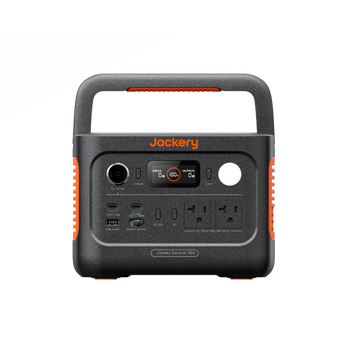
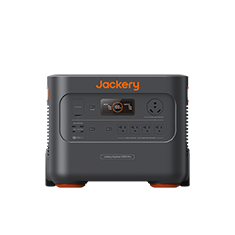
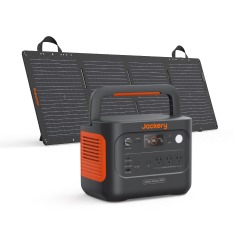
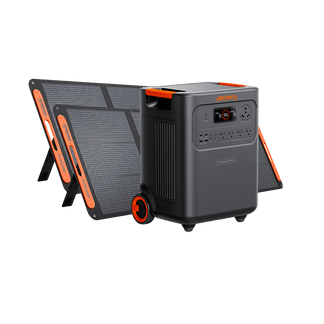
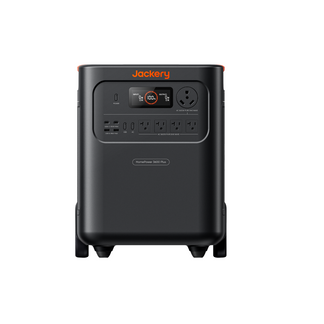
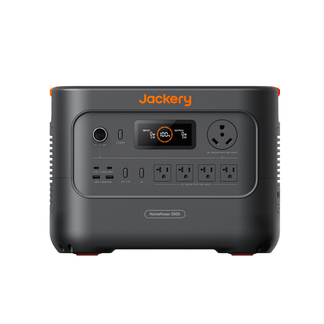
Jackery Solar Generator HomePower 3600 Plus
The Jackery Solar Generator HomePower 3600 Plus is a high-capacity powerhouse designed for robust home backup and off-grid living. It provides enough wattage to run heavy-duty appliances, helping you offset peak grid rates by powering your most demanding devices with stored solar energy.
- Massive Capacity: Starts at 3584Wh and expands to accommodate extended power outages or heavy daily use.
- High Power Output: Easily runs most heavy-duty home appliances, including refrigerators, window AC units, and electric ovens.
- Ultra-Fast Charging: Advanced technology allows for rapid solar or wall charging, ensuring your battery is ready when peak rates hit.
- Long-Lasting Reliability: Features an outstanding LiFePO4 battery with a 10-year lifespan, ensuring a long-term return on your investment.

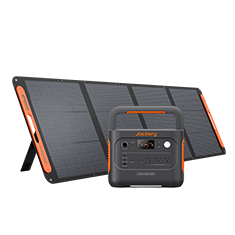
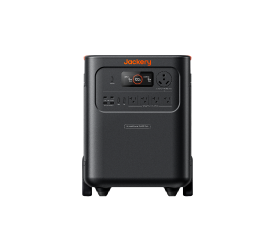
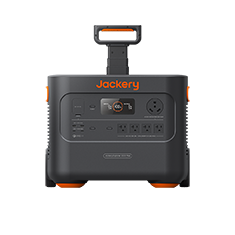
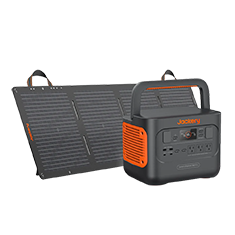
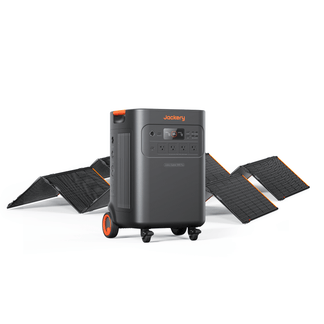
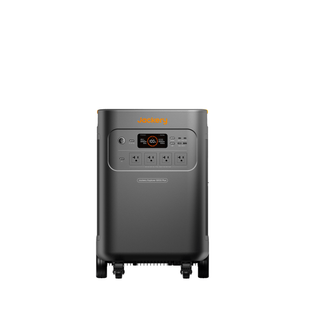
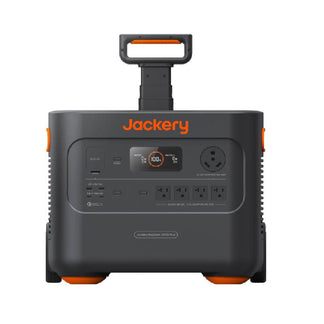
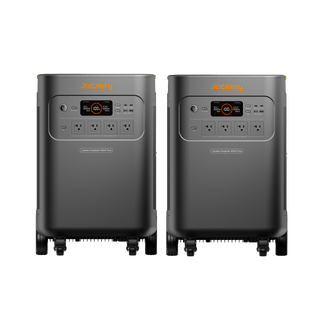
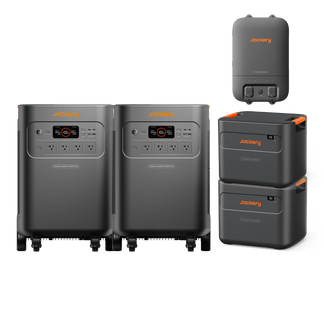
Jackery Solar Generator 5000 Plus
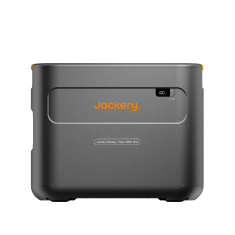
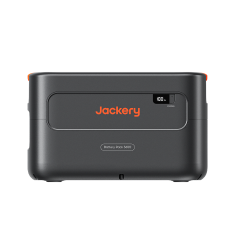
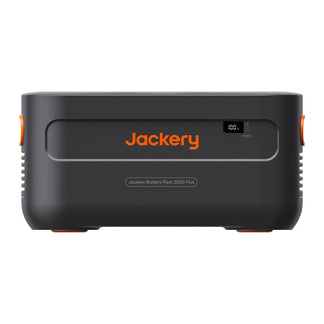
For those looking to maximize their energy independence, the Jackery Solar Generator 5000 Plus offers unparalleled performance. It is the ultimate solution for whole-home backup and serious daily energy offset.
- Leaping Performance: Delivers massive power output capable of supporting multiple high-wattage appliances simultaneously, from HVAC components to well pumps.
- Expandable Ecosystem: Scale your capacity based on your home's specific energy needs, creating a custom off-grid or hybrid power solution.
- ChargeShield Technology: Utilizes a unique variable-speed charging algorithm that boosts battery life and ensures safe, efficient power storage.
- Smart App Control: Monitor your energy input and output in real-time, allowing you to perfectly time your appliance usage to maximize utility savings.

What Uses the Most Electricity in A Home FAQs
What wastes the most electricity in a house?
Heating and cooling systems (HVAC) waste the most electricity, especially in poorly insulated homes. Beyond that, vampire devices like cable boxes and instant-on TVs waste up to 10% of your home's electricity by drawing power while turned off.
What appliances should you NOT unplug?
Never unplug your central AC, heating system, or water heater. Shutting these down completely can cause system disruptions, frozen pipes, or require massive energy spikes to reboot.
How does apartment living affect energy use?
Shared walls in apartments act as insulation, drastically lowering HVAC costs. As a result, water heaters and electric ovens typically become the primary electricity consumers in apartment settings.
Does unplugging save electricity?
Yes. When devices are not in use but still plugged in, they consume standby power (phantom load). Unplugging devices or using smart power strips saves the average household around $100 annually.
Do kettles use a lot of electricity?
Due to its heating element and rapid heat transfer, an electric kettle draws high wattage (often 1500W to 3000W). However, because it only runs for a few minutes at a time, its overall impact on your monthly bill is relatively low compared to appliances that run continuously.
Does a TV use a lot of electricity?
A modern LED TV uses 60-80W of power depending on its size. However, the real cost comes from leaving the TV in standby or instant-on mode, which continuously draws power 24/7.
What size solar generator do I need for my home?
This depends on the appliances you want to run. To calculate your needs, you can go to the product page here and find the Estimate Runtime section to do the calculations. For heavy home backup, high-capacity models like the Jackery Solar Generator HomePower 3600 Plus or Jackery Solar Generator 5000 Plus are recommended to handle the surge wattage of refrigerators and AC units.