














































![[Add - on] Jackery Manual Transfer Switch for Explorer 5000 Plus - Jackery](http://www.jackery.com/cdn/shop/files/add-on-jackery-manual-transfer-switch-for-explorer-5000-plus-9017324.png?v=1754016782&width=350)












![[Add - on] Jackery Battery Pack 5000 Plus - Jackery](http://www.jackery.com/cdn/shop/files/add-on-jackery-battery-pack-5000-plus-6078351.png?v=1754016791&width=324)




![[Add - on] Jackery Car Charging Cable - Jackery](http://www.jackery.com/cdn/shop/files/add-on-jackery-car-charging-cable-3882421.png?v=1754016863&width=324)


















![[Add - on] Jackery Smart Transfer Switch - Jackery](http://www.jackery.com/cdn/shop/files/add-on-jackery-smart-transfer-switch-5842915.png?v=1754016784&width=324)
![[Add - on]Jackery 102W GaN 3 - Port Fast Charger - Jackery](http://www.jackery.com/cdn/shop/files/add-onjackery-102w-gan-3-port-fast-charger-6377742.png?v=1754016790&width=324)










![[Add - on] SolarSaga 200W - Jackery](http://www.jackery.com/cdn/shop/files/add-on-solarsaga-200w-4834329.png?v=1754016915&width=324)


![[Add - on] Jackery Manual Transfer Switch for Explorer 5000 Plus - Jackery](http://www.jackery.com/cdn/shop/files/add-on-jackery-manual-transfer-switch-for-explorer-5000-plus-9017324.png?v=1754016782&width=324)


You open your utility statement and immediately ask yourself: why is my gas bill so high this winter? The answer lies in a combination of surging baseline rates, aging infrastructure, and extreme weather. Natural gas prices are volatile and influenced by global events, production levels, and U.S. exports. Space heating now accounts for 50% or more of a standard home's total energy use during the colder months.
Consumers are increasingly frustrated by administrative fees and delivery charges that routinely exceed the cost of the actual energy consumed. You are also paying for macro-level grid upgrades. Utilities are raising rates to fund the repair or replacement of aging pipelines and to meet new environmental regulations. Transitioning to electric appliances and solar alternatives is the only permanent strategy to stabilize your household energy costs long-term.
Identify the Root Causes of Surging Winter Gas Bills
Why Is My Gas Bill So High Today: Weather and Heating Demand
Your gas bill is high today because space heating accounts for over 50% of household gas usage during colder winter months. Extreme weather events force your HVAC systems to run continuously, directly increasing daily gas consumption. Keeping a drafty 1940s home at a constant 70°F during a polar vortex will result in extremely high utility bills. Your furnace burns fuel simply to replace the heat escaping through your walls.
Aging Appliances and Poor Home Insulation
Aging appliances and poor home insulation drive up your gas bill because furnaces can lose 2-3% efficiency every five years once they pass a decade of use. Appliance degradation requires your system to burn significantly more fuel to produce the same ambient temperature. Poor insulation and drafty windows compound heat loss, allowing up to 40% of your heating energy to escape directly outdoors.
Market Volatility and Geopolitical Factors
Natural gas prices fluctuate violently due to supply and demand imbalances alongside overseas supply chain disruptions. In some regional markets, these volatile factors have led to unpredictable and sharp rate increases over the past three years. Market volatility creates severe financial shocks for users locked into variable-rate utility plans.
Gas Leaks: What to Do if Your Gas Bill Tripled in One Month
If your gas bill suddenly spikes to $1,000, you should immediately check for a severe natural gas leak before assuming a neighbor is stealing your power. The reality is far more dangerous. A sudden spike where your gas bill tripled in one month strongly indicates a severe natural gas leak. Evacuate the premises immediately and call 911 if you detect a rotten egg smell or hear a hissing sound near your meter or gas lines.
Navigate High Energy Costs in Rental Properties
Why Is My Gas Bill So High For My Apartment: Shared Meters and Fees
Your apartment's gas bill is high because shared utility meters mean you actively subsidize your neighbors' high energy consumption. Fixed utility charges, delivery fees, and municipal taxes heavily inflate your monthly statements regardless of your actual personal usage.
|
Fee Type |
Description |
Impact on Bill |
|
Delivery Charges |
Cost to transport gas through local pipelines. |
Often 30-50% of the total bill. |
|
Fixed Customer Charge |
Base monthly fee just to maintain an active account. |
$10 - $25 flat rate monthly. |
|
Usage (Volumetric) |
The actual gas you burned (measured in therms or CCF). |
Varies heavily by season. |
Mitigate Heat Loss from Drafty Windows and Poor Insulation
To mitigate heat loss in a rental, you must rely on renter-friendly fixes since you lack the legal authority to upgrade poor wall insulation or replace outdated gas appliances. You must rely on renter-friendly fixes to prevent heat loss:
- Weather-stripping: Apply weather-stripping to exterior doors.
- Silicone caulking: Use silicone caulking on window frames.
- Thermal curtains: Hang heavy thermal curtains to block drafts.
Recognize Macro Factors Driving Up Overall Energy Prices
Aging Grid Infrastructure and Inflation
Aging grid infrastructure drives up energy prices because 70% of domestic transmission lines are over 25 years old, according to data from energy.gov. Utility companies pass the massive costs of upgrading the decaying grid infrastructure directly to consumers. High inflation and international tariffs on raw materials make routine grid maintenance significantly more expensive today than a decade ago.
Surging Demand from AI Data Centers
The rapid, unchecked growth of AI data centers actively drives up wholesale electricity and natural gas prices worldwide. Consumers are quietly paying a "data center tax." Utility providers raise residential base rates to subsidize the heavy infrastructure upgrades required to deliver 24/7 uninterrupted power to AI data centers.
Take Actionable Steps to Lower Your Gas and Energy Bills
Audit Your Usage and Home Maintenance
To audit your usage and lower your bills, analyze the kWh or therm consumption graphs on your utility statement rather than just reacting to the final dollar amount. If you want to know why your energy bill is so high, you must track the raw units consumed. Turn off all main breakers to check the outdoor meter for phantom drains or crossed wiring.
- Use inline energy meters to measure the exact power draw of specific 120V household appliances.
- Schedule annual professional HVAC tune-ups.
- Replace furnace filters every 60 to 90 days to maintain airflow efficiency.
Upgrading to Electric Appliances
Transitioning from traditional gas furnaces to highly efficient electric air source heat pumps eliminates your reliance on volatile natural gas. However, without proper insulation or supplementary solar power, users frequently report their electric bills doubling after switching to heat pumps. Swap your gas stove for an induction cooktop and upgrade to a heat pump water heater to fully electrify your home's footprint.
Switch to Solar and Battery Storage to Offset Costs
How Solar Panels Reduce Utility Reliance
Pairing electric household appliances with rooftop solar panels significantly reduces your monthly energy bills.
Important 2026 Update: The direct 30% Residential Clean Energy Credit (Section 25D) expired at the end of 2025 for homeowner-purchased systems. Homeowners can still indirectly benefit from the 30% commercial tax credit (Section 48E), which remains active through 2027, by utilizing Third-Party Ownership (TPO) models. Explore platforms for $0 down solar leasing or Power Purchase Agreements (PPAs). Under Power Purchase Agreements, the provider claims the commercial tax credit and passes the savings down to the consumer through lower, locked-in monthly energy rates.
Navigating Net Metering and Time-of-Use (TOU) Rates
Navigating net metering and Time-of-Use (TOU) rates is essential because smart meters force utility customers onto TOU schedules, making nighttime electricity up to three times more expensive than midday power. Opt out of TOU billing for a standard flat rate immediately if you lack a home battery system. Net metering policies credit homeowners for the excess daytime solar energy they send back to the grid, though net metering credits are shrinking in many states. Learning how to calculate your electricity bill under TOU structures is critical before signing a solar contract.
The Role of Battery Backup Systems
Solar Battery Energy Storage Systems (BESS) are critical to avoid peak evening utility rates and store cheap, daytime energy. Hybrid solar inverters seamlessly switch between your solar panels, battery reserves, and the traditional grid.
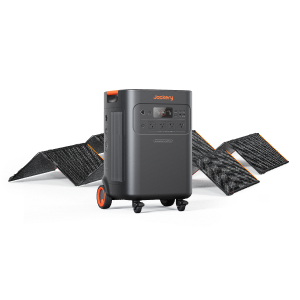
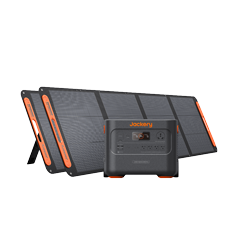
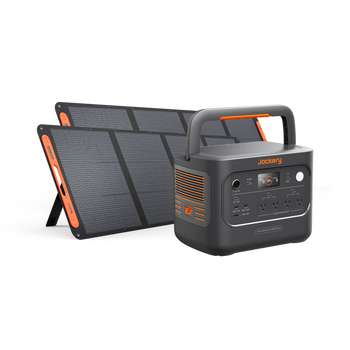
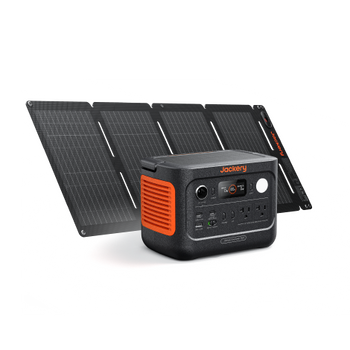
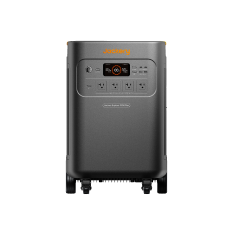
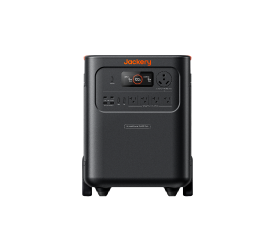
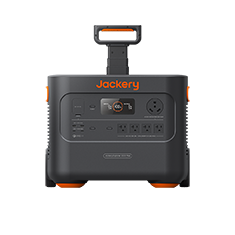
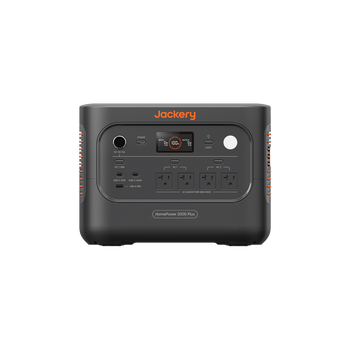
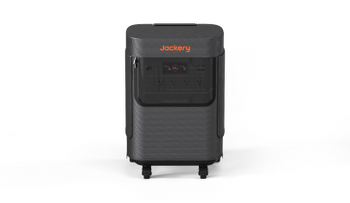
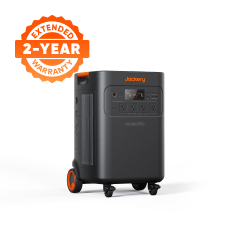
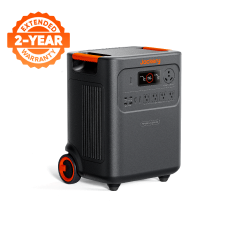
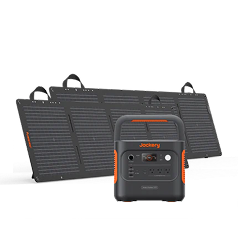
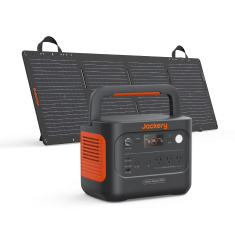
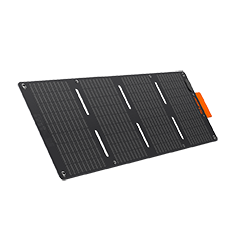
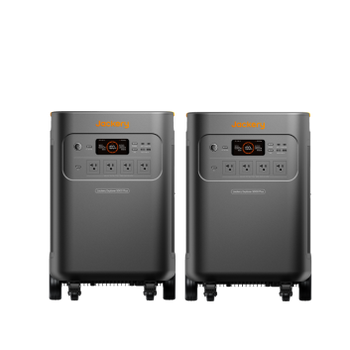
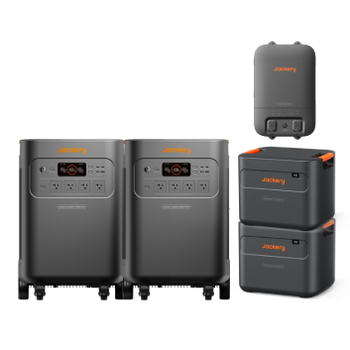
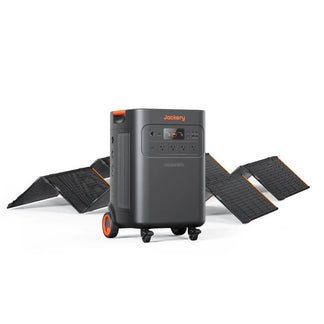
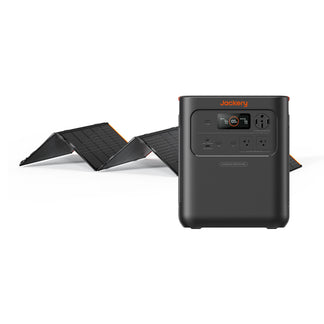
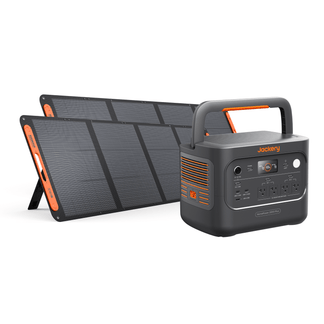
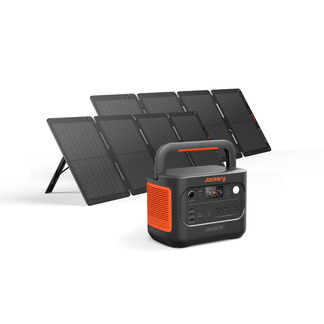
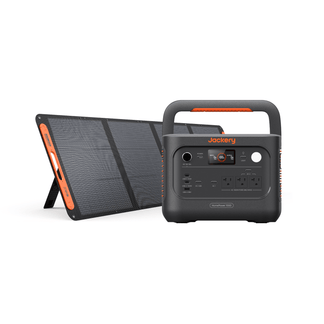
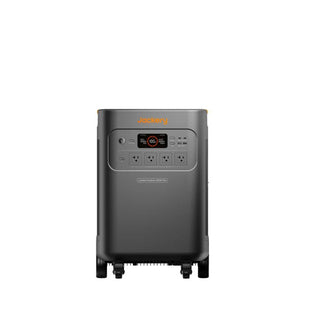
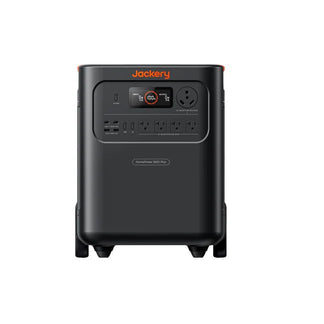
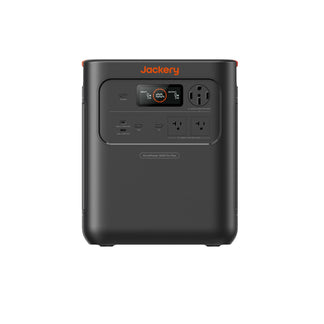
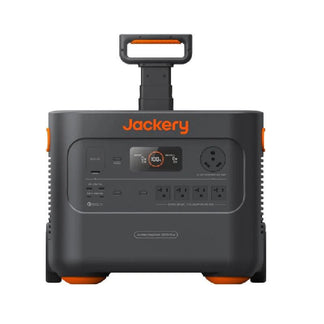
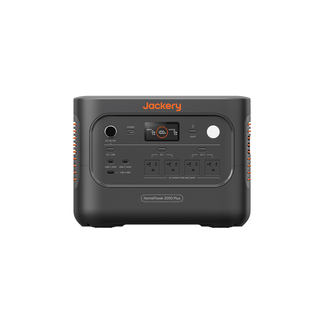
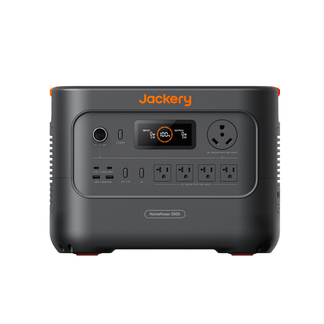
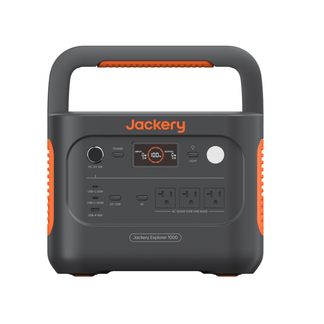
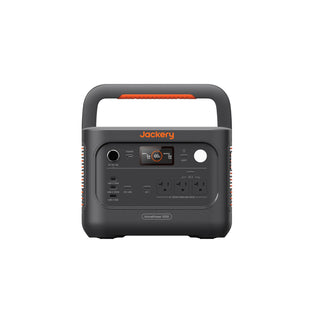
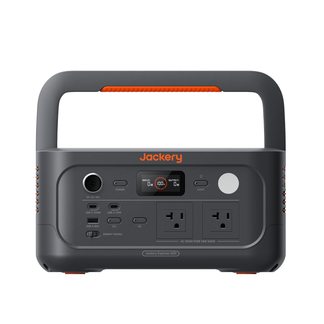
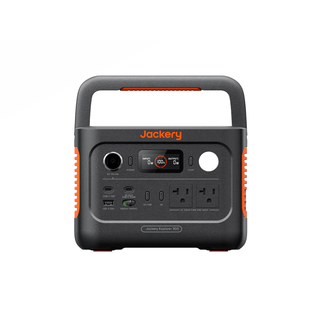
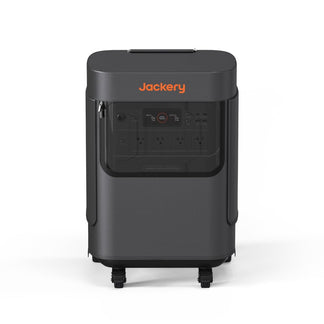
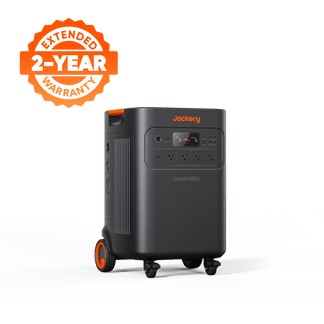
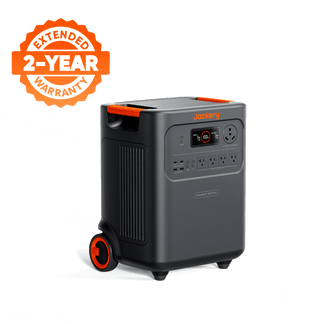
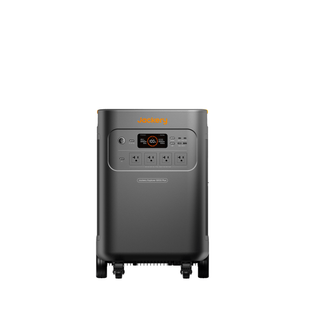
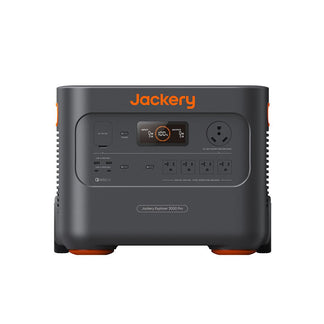
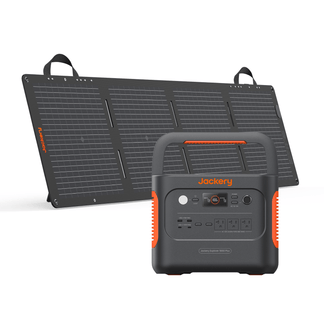
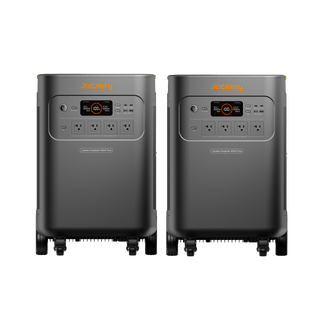
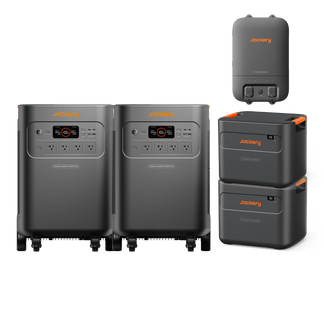
For reliable home energy management, deploy robust battery solutions like the Jackery Solar Generator HomePower 3600 Plus or the Jackery Solar Generator 5000 Plus.
|
Battery System |
Capacity |
Key Specs |
Primary Use Case |
|
Jackery Solar Generator 5000 Plus |
5040Wh |
7200W output |
Heavy-duty home backup to run high-draw appliances. |
|
Jackery Solar Generator HomePower 3600 Plus |
3584Wh |
Sub-20ms switchover time |
Seamless emergency power the moment grid power drops. |
Storing your own solar energy completely bypasses expensive evening grid rates.

Conclusion: Take Control of Your Energy Future
Understanding the root causes of high utility bills is the first step toward permanent savings. Start with rigorous usage audits and basic home efficiency upgrades before transitioning to robust solar-plus-storage solutions. Relying on utility companies for cheap gas is a failing strategy; generating and storing your own power is the definitive solution.
Frequently Asked Questions
Can I get financial help to pay my gas bill?
Yes. Federal assistance programs like LIHEAP (Low Income Home Energy Assistance Program) and local utility hardship grants are designed specifically for low-income households struggling with winter heating costs.
Do smart thermostats actually lower winter heating bills?
Yes. Automated temperature scheduling and machine-learning features reduce unnecessary daily gas consumption without sacrificing your baseline comfort. Research from Stanford University confirms that automated setbacks save significant energy over manual adjustments.
What is the most cost-effective winter thermostat setting?
Set your thermostat to 68°F while you are awake and at home. Lower it by 7 to 10 degrees while you are sleeping or away at work to maximize fuel savings.
Are there fees to permanently disconnect my gas meter?
Yes. Check with your local utility provider regarding specific meter capping or physical line removal charges, as these fees vary widely when transitioning a home to fully electric.
How long do solar panels take to pay for themselves?
The average payback period is 6 to 10 years. This timeline depends heavily on your current local energy rates, system size, and available third-party tax incentives.