











![[Add-on] Jackery SolarSaga 500 X - Jackery](http://www.jackery.com/cdn/shop/files/add-on-jackery-solarsaga-500-x-1493607.webp?v=1786503068&width=324)
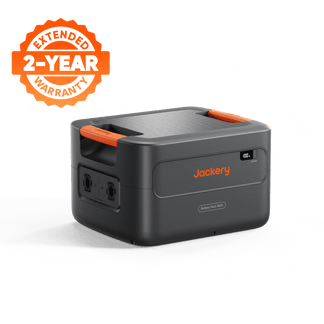
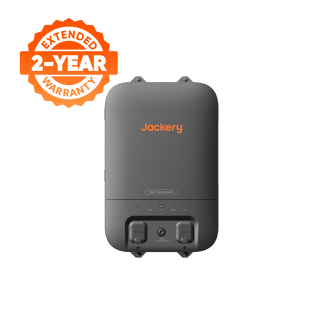
![[Add-on] Jackery Battery Pack 5000 Plus - Jackery](http://www.jackery.com/cdn/shop/files/add-on-jackery-battery-pack-5000-plus-6713401.webp?v=1786503068&width=324)
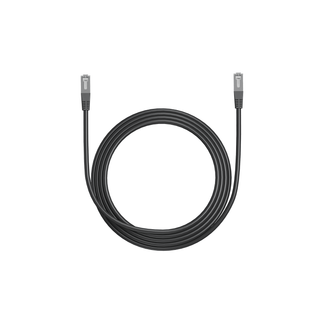
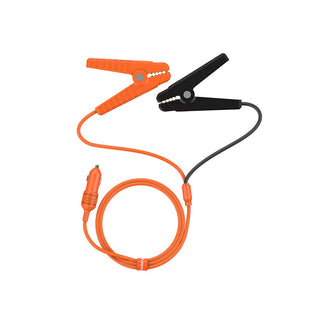
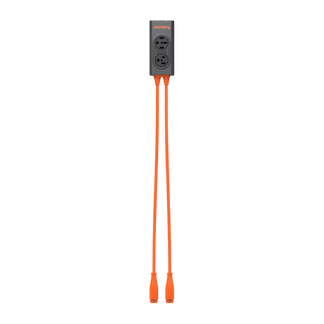
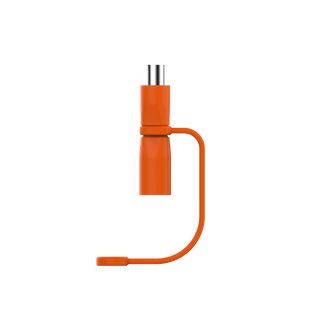

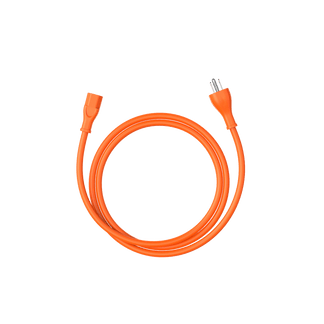
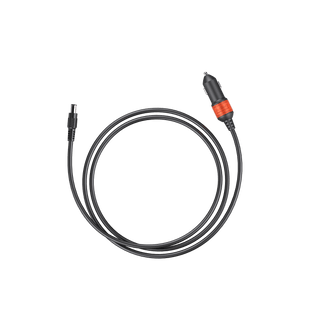
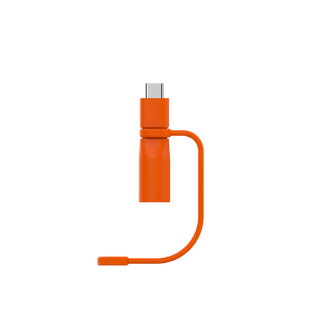
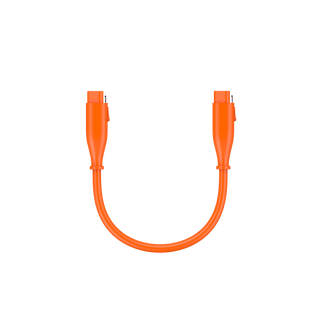




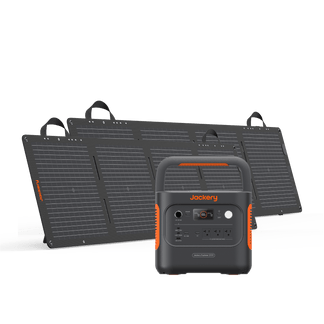
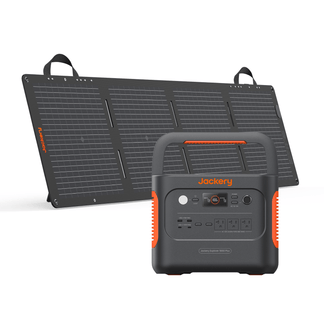
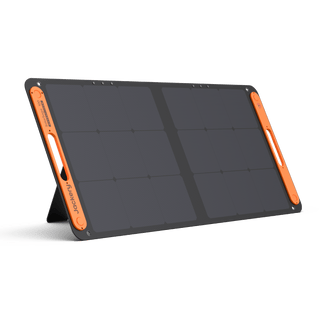
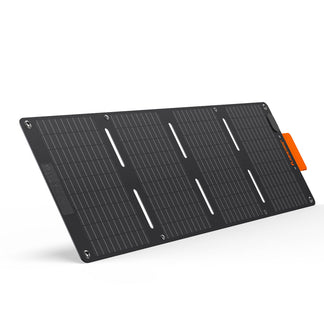


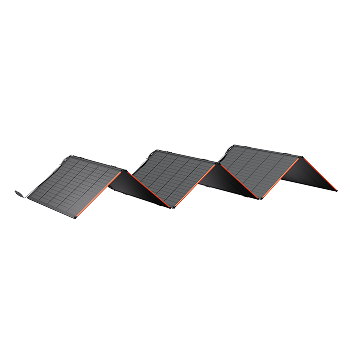
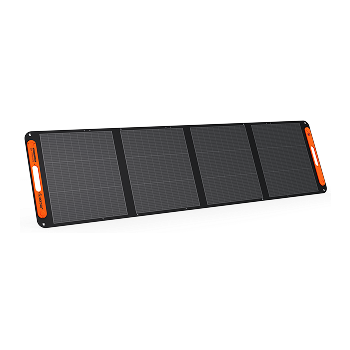
You don't need to drill holes in your roof. That is the single biggest reason off-grid enthusiasts and RVers choose a portable RV solar panel over a fixed, roof-mounted array. No structural leaks, no mounting brackets, and no permanent modifications to a vehicle you might decide to sell or trade in a few years. You simply unfold, connect, and start harvesting clean power.
However, the advantages of mobile setups run far deeper than simple installation convenience. Portable solar panels solve a fundamental physical problem that rooftop panels cannot: they follow the sun while your RV stays comfortably in the shade. Park your rig under the cool shade of the trees, deploy your panels in a sunny clearing 30 feet away, and collect solar energy that your roof would otherwise miss. This guide will outline the key reasons to add portable solar to your rig, how to calculate your daily off-grid consumption, and how to select the right battery storage.
Reason 1: Capture 40% More Sunlight with Flexible Positioning
Rooftop solar panels are permanently fixed in a flat, horizontal position on your RV's roof. This means that if you park your rig under a pine tree to stay cool in the summer heat, your entire solar harvest collapses. A single shaded cell on a standard solar panel can reduce its overall output by up to 50% due to internal resistance and parallel string limitations.
A mobile portable RV solar panel bypasses this issue entirely. By using a heavy-duty extension cable, you can park your RV in complete shade and position your panels in full, direct sunlight. This simple flexibility allows you to capture up to 40% more solar energy over the course of a day compared to an identical panel fixed to a shaded roof.
The Importance of Solar Tilting Angles
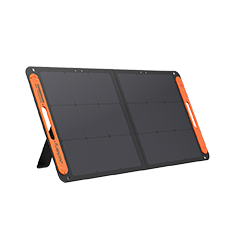
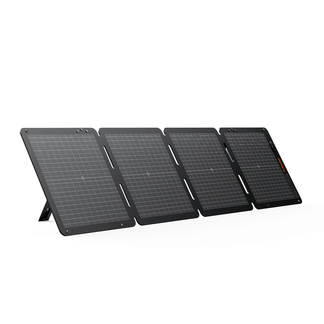
Rooftop panels laid flat lose 15% to 25% of their potential generation because they are rarely aligned perpendicular to the sun's rays. Portable solar panels are built with adjustable kickstands, allowing you to manually tilt the panels to match the sun's seasonal altitude. Tilting your panels east in the morning, flat at noon, and west in the afternoon maximizes your peak daily solar generation.
While environmental factors like heat, pollen, and dust will prevent any panel from producing 100% of its rated capacity (expect roughly 70% to 85% real-world output on clear days), an angled, unshaded 200W portable panel will easily outperform a 300W rooftop panel that is parked in partial shade.
Reason 2: Zero Installation, Plug-and-Play Setup
Traditional rooftop solar installations are complex, labor-intensive projects. You have to drill holes through your RV's roof membrane (which can cost thousands of pounds to replace if damaged), run heavy-gauge cables through interior cabinets, and mount a separate charge controller, while praying your weatherproof sealant holds through winter freeze-thaw cycles. One slow roof leak can lead to structural rot, mold, and a voided RV warranty.
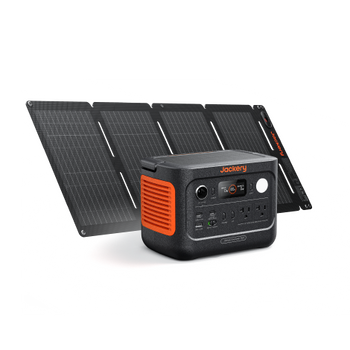
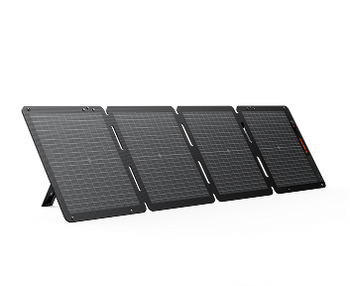
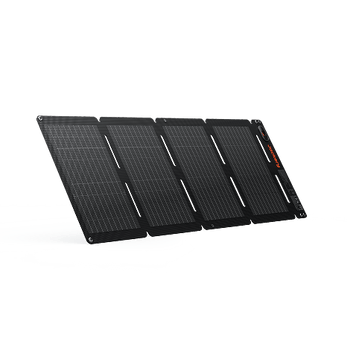
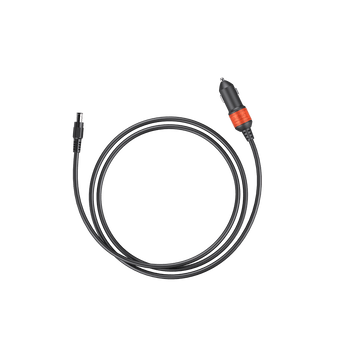
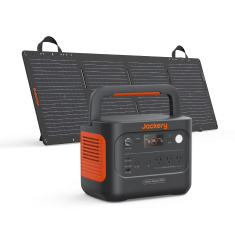
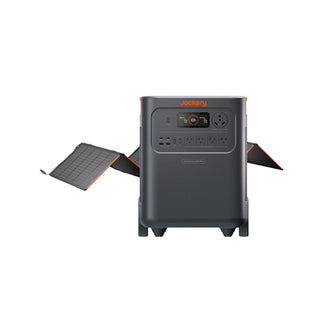
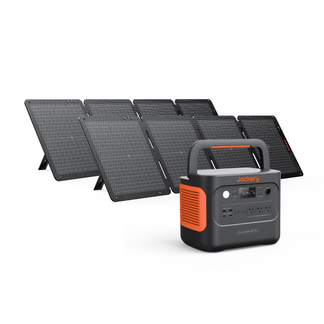
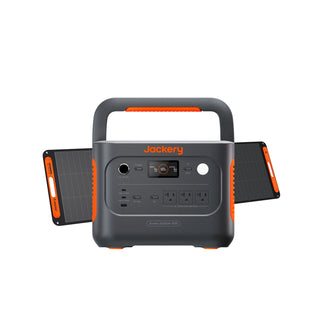
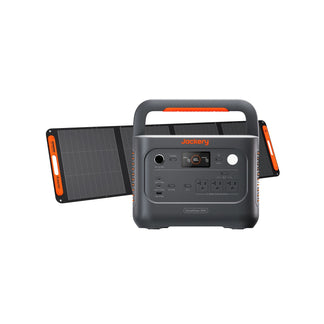
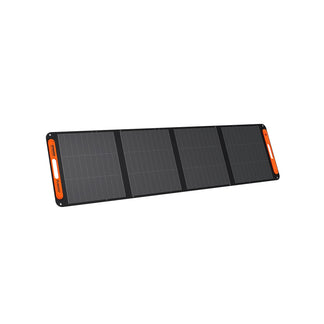
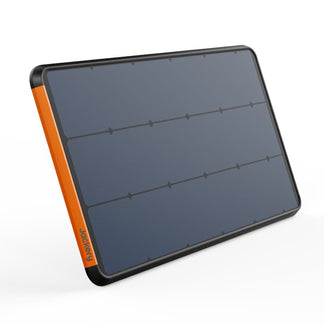
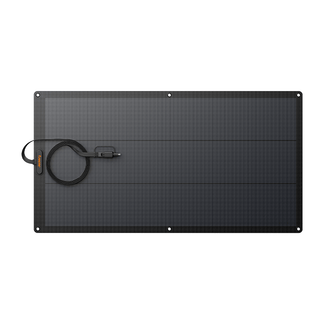
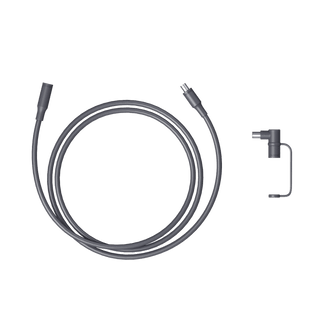
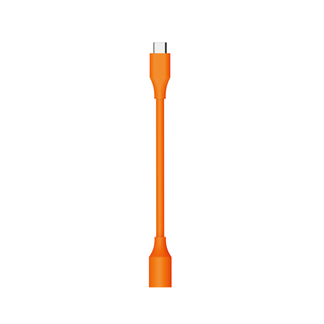
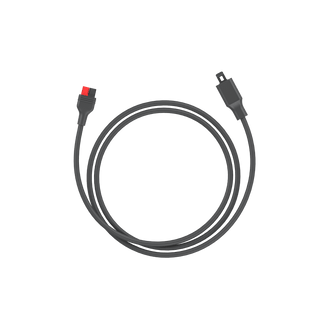
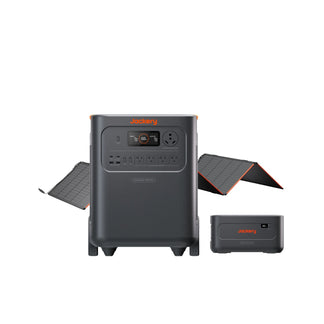
Portable solar kits are designed for complete plug-and-play simplicity. Most high-efficiency portable panels, like the Jackery SolarSaga series, utilize specialized plug-and-play DC8020 barrel connectors that plug directly into Jackery portable power stations. This eliminates the need to handle complex, positive-and-negative MC4 wiring. When paired with high-performance portable solar panels, the station's integrated MPPT (Maximum Power Point Tracking) charge controller handles all voltage regulation and battery protection automatically, requiring zero wiring or electrical engineering skills.
This zero-installation design eliminates structural risk. If you can unfold a suitcase panel, angle its kickstands, and plug in a single cable, your RV battery bank will begin charging in less than two minutes.
Reason 3: Your Solar Investment Travels with You
Rooftop solar arrays are permanently bonded to the vehicle. When you sell or trade in your RV, the solar panels go with it. Buyers rarely pay retail value for aftermarket modifications, meaning you will likely only recover 30% to 50% of your initial solar installation costs in resale value.
A portable solar setup remains your personal, mobile asset. Unlike permanently fixed rooftop systems that must be sold with the vehicle, you take your portable panels with you when you upgrade or trade in your rig. This ensures you retain your investment, and because you remain the owner, your comprehensive multi-year manufacturer's warranty stays fully active and intact. This protects your hardware whether the panels are deployed in the desert Southwest, packed into a rental van, or set up on your home balcony during a local grid outage.
Experienced boondockers treat portable solar as a lifetime energy asset. A single 200W ground panel can charge batteries in a Class C motorhome, a fifth-wheel trailer, a camper van, or even a small utility boat. This versatile utility extends far beyond camping, serving as a reliable emergency power source for your home during seasonal storms.
Reason 4: Slash Campground Fees and Generator Fuel Costs
Relying on full-hookup campsites in national parks or commercial campgrounds can cost between $30 and $60 per night. By enabling off-grid boondocking on BLM (Bureau of Land Management) public lands, a quality portable solar generator system (panels paired with a portable power station) can completely eliminate these campground fees. Over a 30-night camping season, this translates to $900 to $1,800 in direct savings, allowing your complete setup to quickly pay for itself.
If you rely on an onboard gas generator, the math is equally compelling. A standard RV generator burns roughly 0.3 to 0.5 gallons of fuel per hour under a light load (averaging 0.4 gallons per hour). At $3.50 per gallon, running your generator for just two hours a day to keep your house batteries topped off costs roughly $2.80 daily. Over a 60-day camping season, you will spend over $168 on fuel alone. Solar panels eliminate this fuel cost entirely, operating in dead silence with zero fumes.
Setting Realistic Power Expectations
While solar is an exceptional battery maintenance tool, it is important to align your expectations with your energy needs. A 200W panel in direct sun produces roughly 800 Wh to 1,200 Wh of energy per day. This is ample power to run LED lights, charge your phones and laptops, and run a 12V portable refrigerator. However, it will not run high-load appliances like air conditioners or microwaves for more than a few minutes.
To select the correct system capacity, use this standard sizing matrix based on your daily energy use:
|
Daily Energy Consumption |
Recommended Solar Capacity |
Required Battery Storage |
|
500 – 800 Wh |
100W – 200W Portable Panel |
500 Wh – 1,000 Wh (Basic device charging & LED lights) |
|
1,500 – 2,500 Wh |
400W Portable Panels |
2,000 Wh – 3,000 Wh (Boondocking with 12V fridge & laptop) |
|
3,000+ Wh |
600W – 800W Portable Array |
5,000+ Wh (Heavy use with microwave bursts & portable AC) |
Reason 5: Effortless Maintenance and Space-Saving Storage
Rooftop solar panels are difficult to maintain. Cleaning them requires climbing a ladder, balancing on a slippery roof, and scrubbing away built-up grime, bird droppings, and tree sap while working at height. Left uncleaned, this surface dirt can block sunlight and reduce your panel's efficiency by 5% to 15%.
Portable solar panels deploy at ground level, allowing you to easily wipe them down with a microfiber cloth and water in less than 30 seconds whenever you notice dust or pollen buildup. This eliminates the danger of rooftop maintenance, ensuring your panels are always operating at their peak output.
Lightweight Foldable Engineering
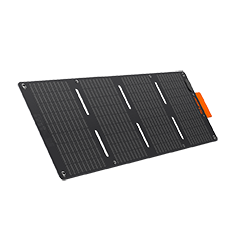
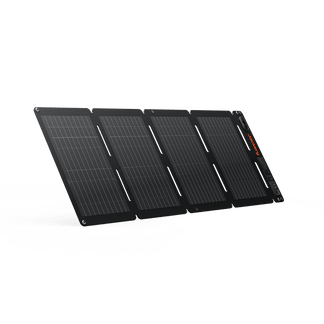
For mobile boondockers, storage space is premium. High-quality portable panels are engineered as fabric-backed, foldable suitcases that weigh under 20 lbs per 200W, sliding easily behind an RV seat or into an exterior storage bay. They utilize rugged, IP68 waterproof synthetic fabrics and impact-absorbing backings that can tolerate minor drops and rough ground conditions without shattering, unlike heavy, glass-faced rigid panels.
Powering Your Portable Setup: Solar Generators for RVs
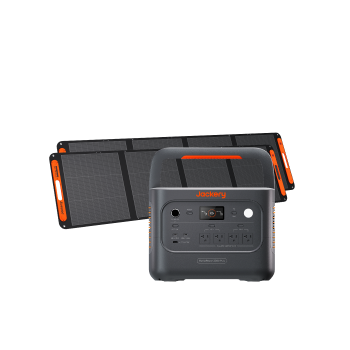
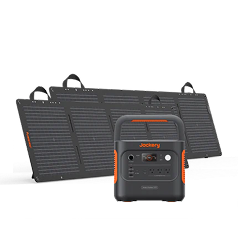
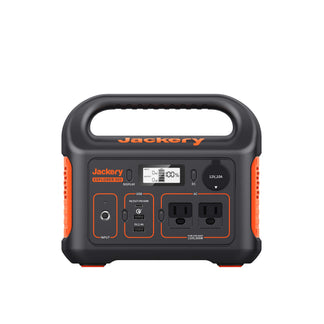
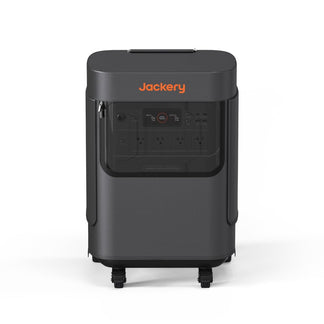
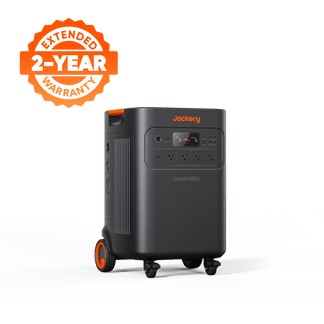
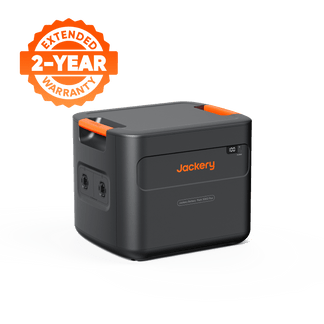
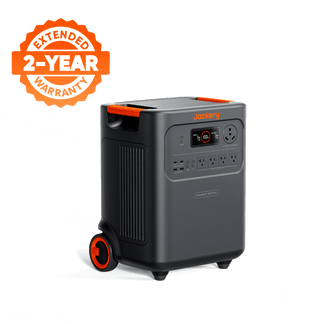
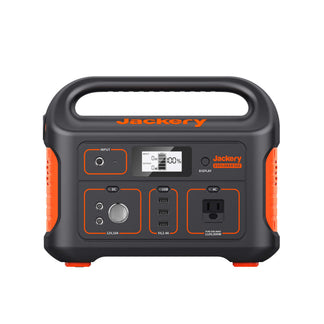
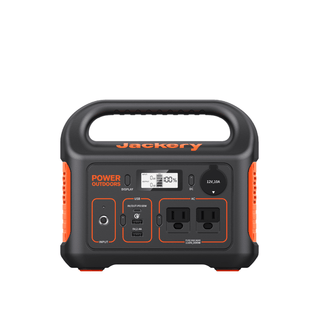
To store the solar energy your ground panels harvest, you need a high-performance battery bank. Pairing portable solar panels with clean, lithium-ion solar generators provides a complete off-grid power solution, combining an MPPT controller, battery cells, and a pure sine wave inverter in a single, plug-and-play unit.

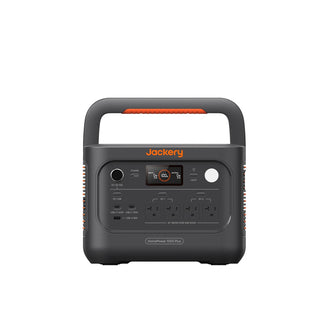
Two premium portable systems from Jackery are ideal for RV off-grid applications:
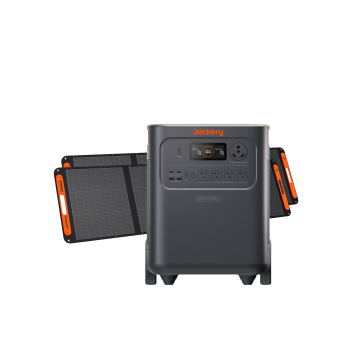
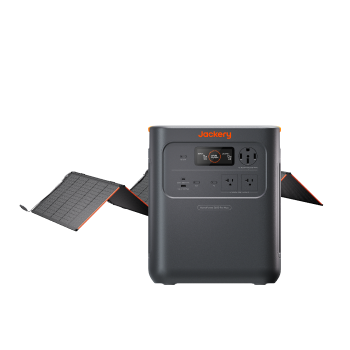
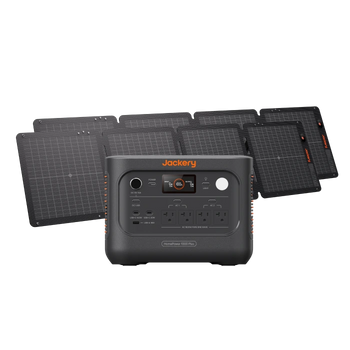
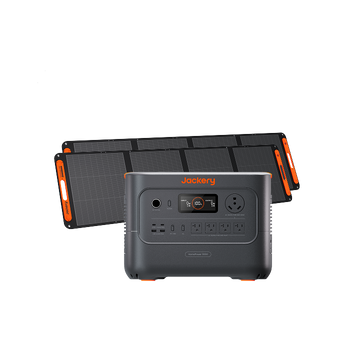
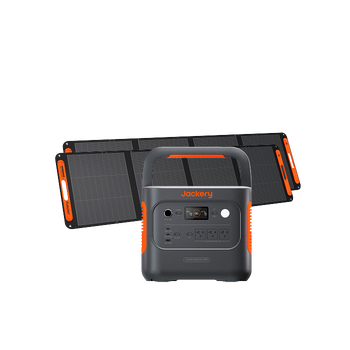
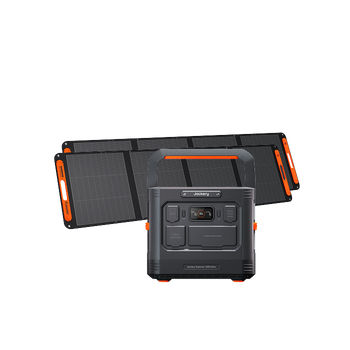
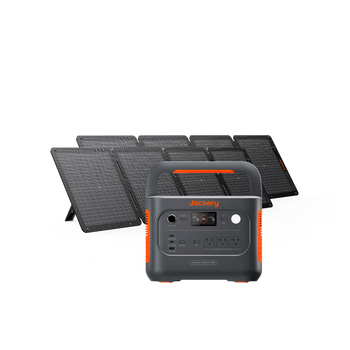
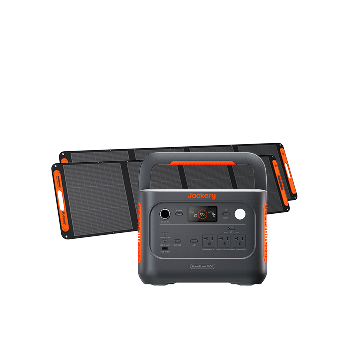
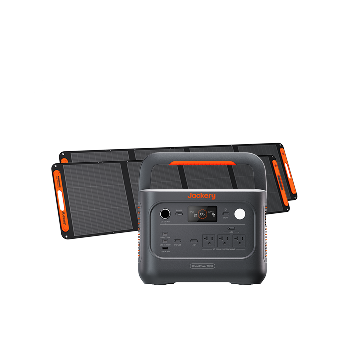
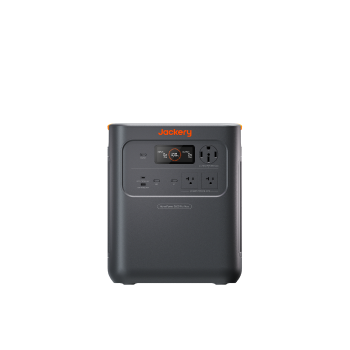
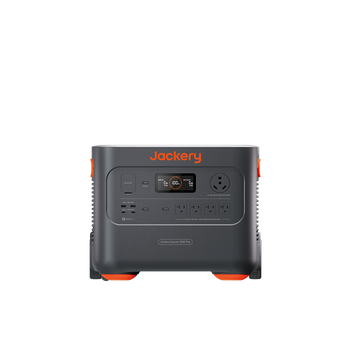
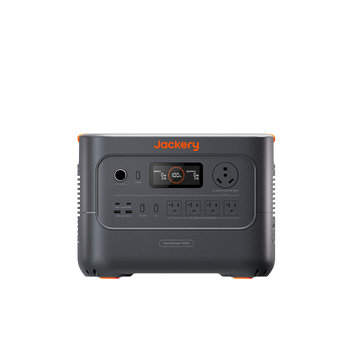
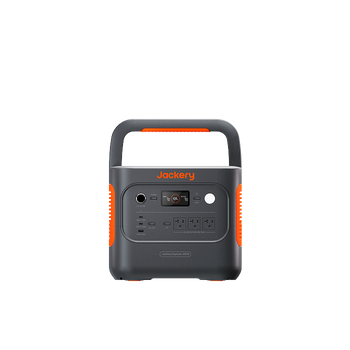
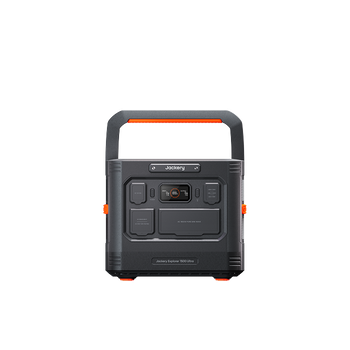
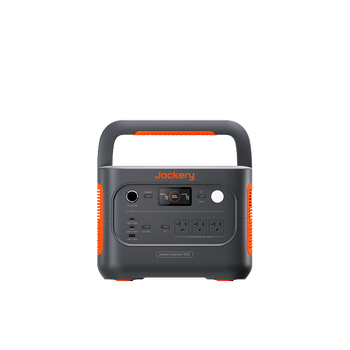
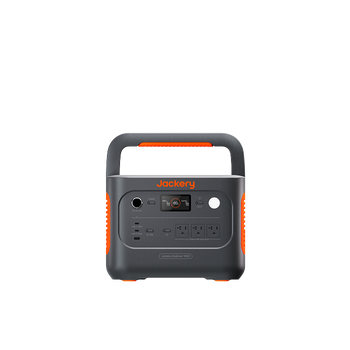
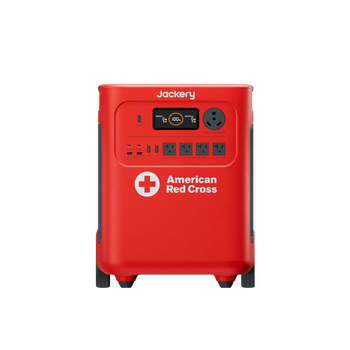
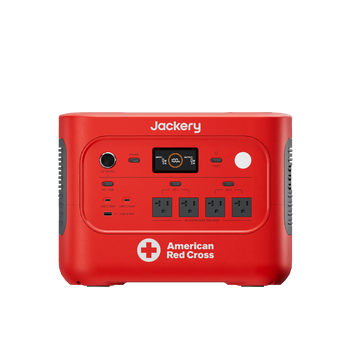
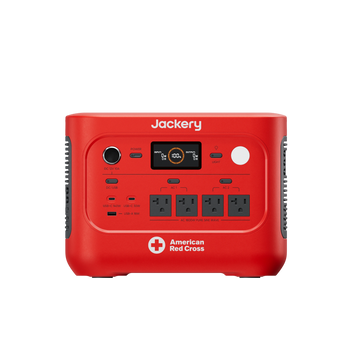
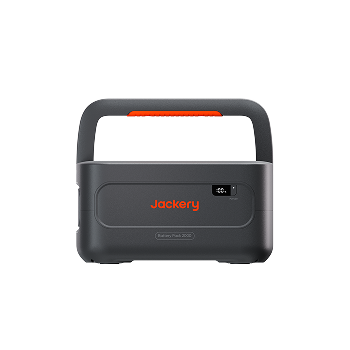
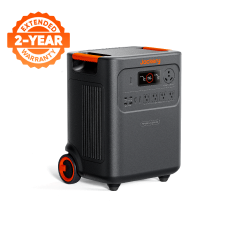
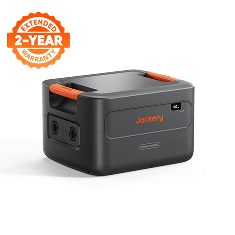
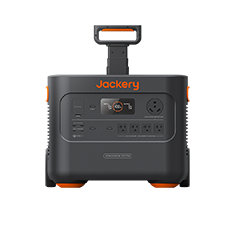
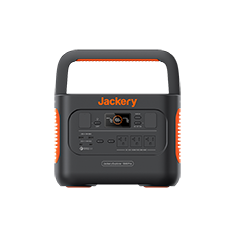
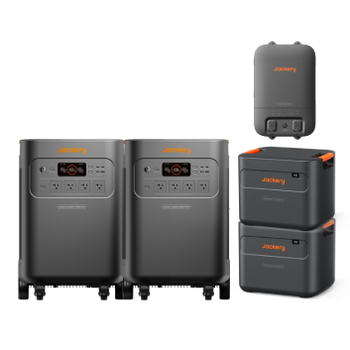
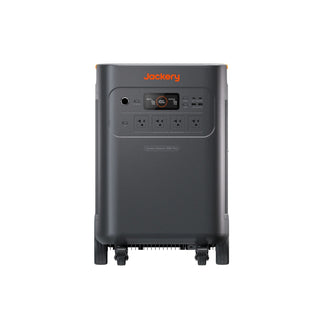
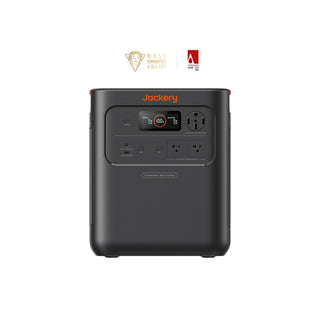
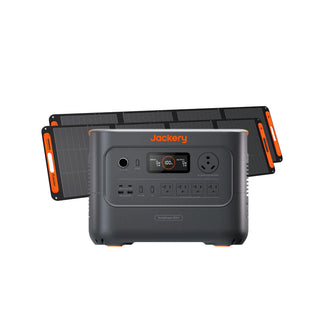
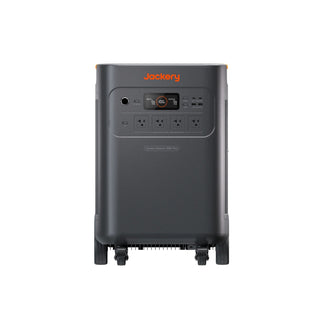
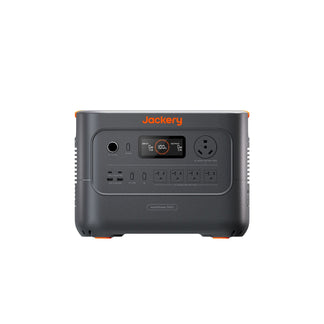
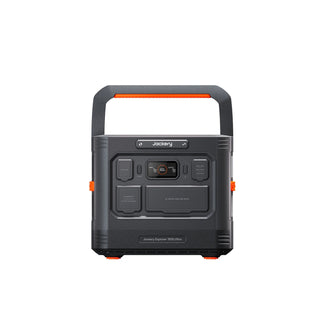
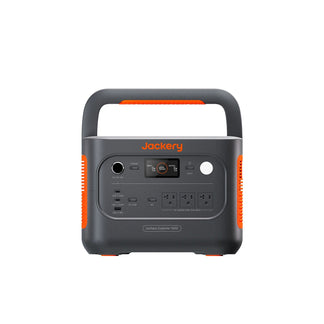
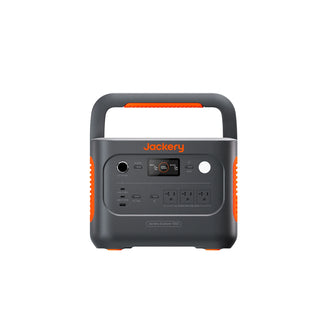
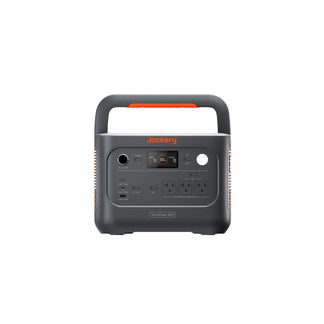
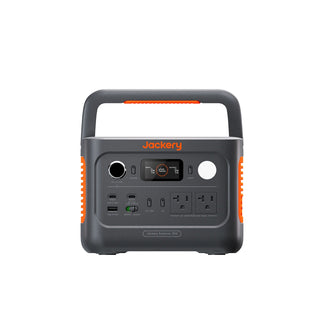
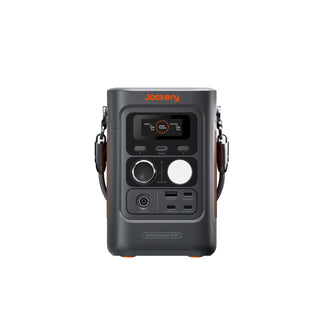
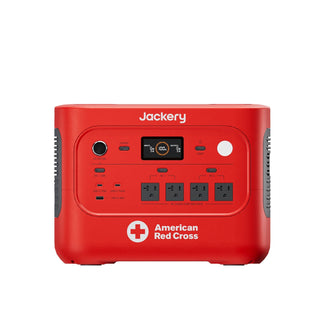
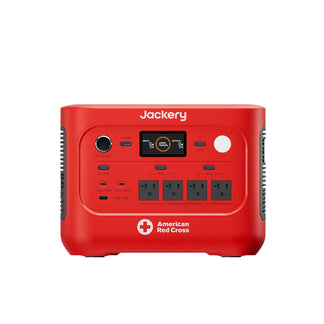
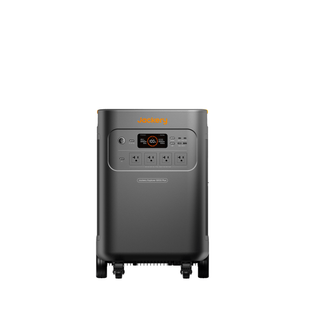
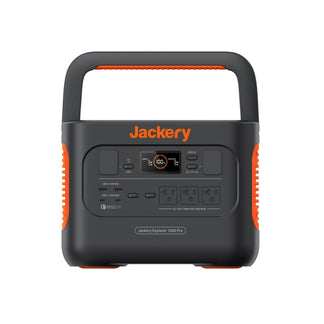
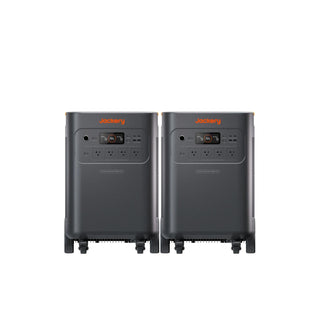
Jackery Solar Generator 2000 v2: Delivers a robust 2,042 Wh capacity, capable of running a 50W continuous 12V refrigerator for roughly 40 hours or powering LED lighting circuits for 155 hours. Its 2,200W output (4,400W surge) can easily run standard RV appliances like microwaves or coffee makers without grid power.
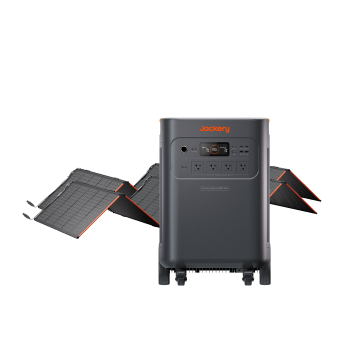
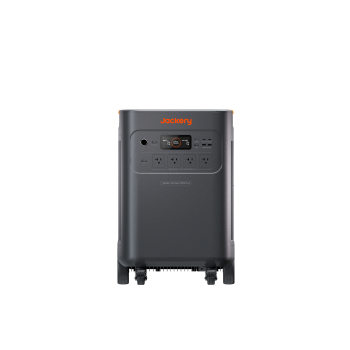
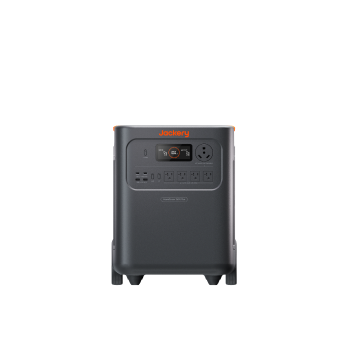
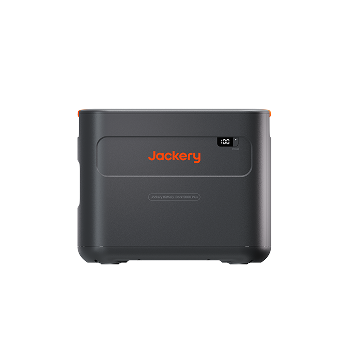
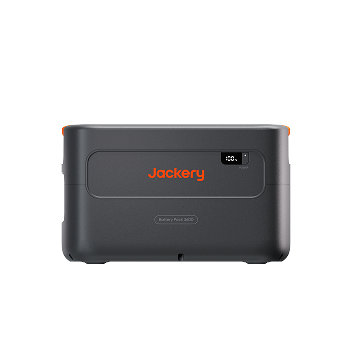
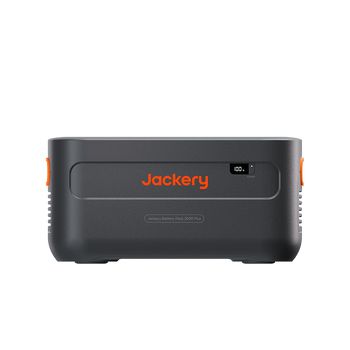
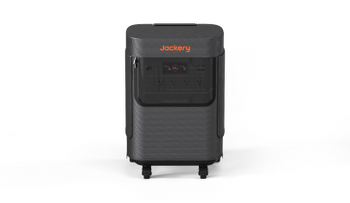
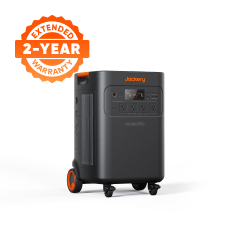
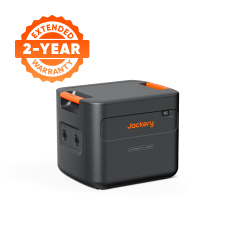
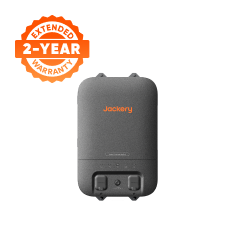
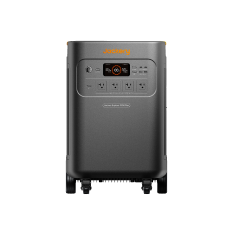
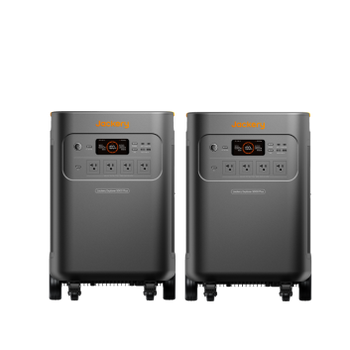
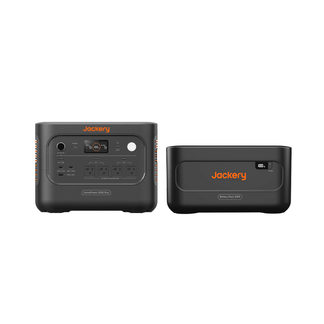
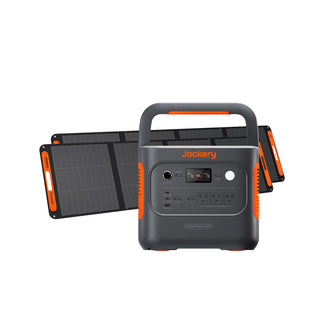
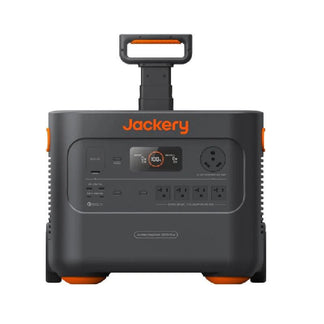
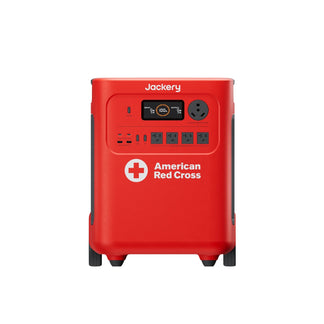
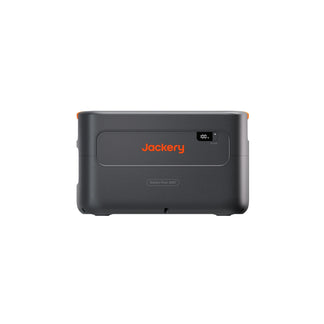
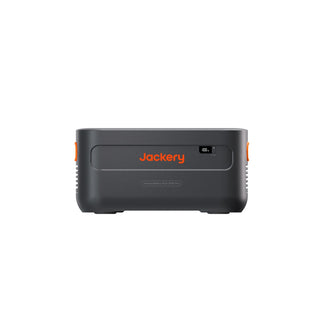
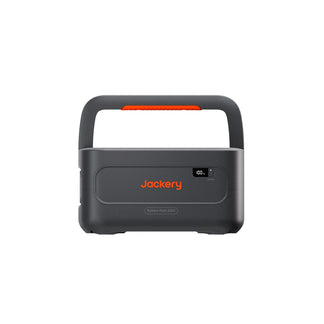
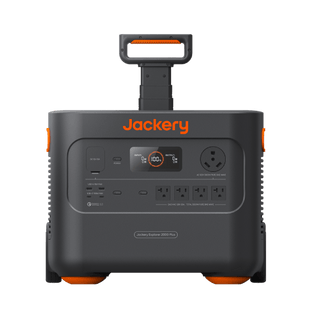
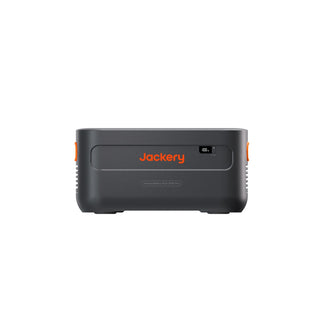
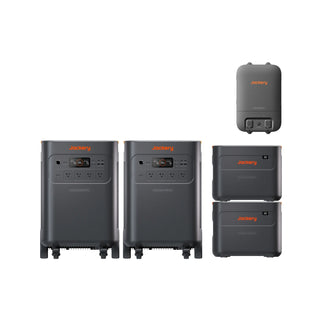
Jackery Solar Generator 2000 Plus: Features an expandable capacity scaling from 2,042.8 Wh up to a massive 24 kWh by adding modular battery blocks. It delivers a powerful 3,000W continuous output (6,000W surge) that can run heavy loads like portable air conditioners and electric grills, making it the preferred choice for full-time RV living.
Frequently Asked Questions
Is solar worth it for weekend campers?
Yes. A single 200W portable panel can easily keep your house batteries topped off to run LED lights, charge devices, and power a 12V portable fridge for 2 to 3 days. By enabling off-grid boondocking and avoiding commercial hookup fees, the panel can pay for itself in just 5 to 10 trips.
How many watts do I actually need?
A 100W panel is ideal for basic device charging and lighting. A 400W ground setup supports full boondocking, keeping refrigerators, laptops, and satellite internet systems powered. To calculate your requirements, divide your household's daily watt-hour consumption by your expected direct solar hours (typically 4 to 6 hours), and then divide that result by a standard 75% (0.75) real-world efficiency factor to account for weather and connection losses. (For example, if you consume 1,000 Wh daily and expect 5 hours of sun: 1,000 / (5 * 0.75) = 267W of required solar panel capacity).
Portable vs. roof-mounted solar panels: which is better?
Portable panels are superior for shade-prone campsites, leased or rented rigs, and anyone who plans to upgrade their RV within 5 years. Rooftop systems are convenient if you always park in wide-open, unshaded spaces and prefer a permanently wired, hands-off setup.
Can a portable panel replace a generator?
Yes, for low- to mid-wattage DC and AC battery loads. However, solar panels cannot run high-wattage 1,500W appliances like central air conditioners continuously. Most off-grid boondockers use portable solar to silently-charge their battery banks daily, reserving a gas generator solely for brief appliance runs or high-AC bursts.
What solar connectors work with my RV?
Most portable panels utilize industry-standard MC4 outputs. For modern portable power stations, adapters exist to convert MC4 to XT60, Anderson, or SAE ports. For traditional lead-acid RV house batteries, you must install an external charge controller between the panel and the battery terminal, which can be wired in under five minutes.
Is an MPPT charge controller worth the extra cost?
Yes. MPPT charge controllers harvest 20% to 30% more solar energy than standard PWM (Pulse Width Modulation) controllers in variable, overcast skies and cool weather. This increased efficiency easily offsets the slight price premium by maximizing your daily watt-hour harvest.


