






![[Add - on] Jackery Manual Transfer Switch for Explorer 5000 Plus - Jackery](http://www.jackery.com/cdn/shop/files/add-on-jackery-manual-transfer-switch-for-explorer-5000-plus-9017324.png?v=1754016782&width=350)


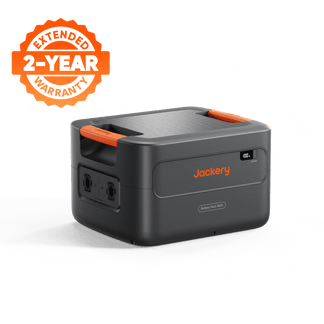
![[Add - on] Jackery Battery Pack 5000 Plus - Jackery](http://www.jackery.com/cdn/shop/files/add-on-jackery-battery-pack-5000-plus-6078351.png?v=1754016791&width=324)
![[Add - on] Jackery Car Charging Cable - Jackery](http://www.jackery.com/cdn/shop/files/add-on-jackery-car-charging-cable-3882421.png?v=1754016863&width=324)

![[Add - on] Jackery Smart Transfer Switch - Jackery](http://www.jackery.com/cdn/shop/files/add-on-jackery-smart-transfer-switch-5842915.png?v=1754016784&width=324)
![[Add - on]Jackery 102W GaN 3 - Port Fast Charger - Jackery](http://www.jackery.com/cdn/shop/files/add-onjackery-102w-gan-3-port-fast-charger-6377742.png?v=1754016790&width=324)


![[Add - on] SolarSaga 200W - Jackery](http://www.jackery.com/cdn/shop/files/add-on-solarsaga-200w-4834329.png?v=1754016915&width=324)
![[Add - on] Jackery Manual Transfer Switch for Explorer 5000 Plus - Jackery](http://www.jackery.com/cdn/shop/files/add-on-jackery-manual-transfer-switch-for-explorer-5000-plus-9017324.png?v=1754016782&width=324)


There's nothing quite like camping with your family, filled with the campfire stories, fresh air, and sense of adventure that makes kids' eyes light up. But if you've ever arrived at a campsite only to discover that your kids' tablets are dead, your phone is at 10%, and the mini-fridge you packed to keep the yogurt and snacks cold is sitting uselessly in the cooler, you already know: power planning matters. Understanding your family camping power needs before you leave the driveway can be the difference between a relaxing trip and a stressful one.
The good news is that figuring out exactly how much power your family needs takes a little math and the right equipment. Jackery Solar Generators are reliable camping generators that can run essential appliances while being light enough for transportation. This guide is built specifically for families of four (two adults and two children). We'll walk you through a realistic device-by-device power breakdown and help you choose the right-capacity power station for any trip length.
Key Takeaways
- A typical family of four uses roughly 600–900 Wh daily at a campsite.
- Trip length is the most important factor when choosing power station capacity for camping.
- Solar panels dramatically reduce the capacity you need to bring, especially on 3+ night trips.
- Jackery Solar Generators do not emit noise or fumes and work on solar energy, making them ideal for family camping trips during quiet hours.
What Does a Family of Four Actually Need to Power at a Campsite?
The typical family camping power needs load for two adults and two children includes four smartphones, two tablets, a mini-fridge for perishable food and drinks, a portable fan for warm nights, and a string of LED lights to brighten the campsite after dark. You can add cameras, a portable speaker, and maybe a lantern or two, and you'll have a surprisingly high power draw.
Before you can pick the right power station or solar generator, you need to know what you are actually powering. Most camping gear guides focus on tents and sleeping bags, but for a modern family, the device list is just as important.
How Much Power Does a Family of Four Use Per Day at a Campsite?
A family of four at a campsite typically uses between 500 Wh and 700 Wh daily for basic needs like lighting, charging devices, and a mini fridge. For more robust, modern camping with multiple gadgets, daily consumption can reach nearly 900Wh.
Here is a realistic daily load breakdown for a family of 4 (2 adults and 2 children) on a typical campground stay. These figures use standard device wattages and real-world usage hours:
|
Device (Family of 4) |
Qty |
Watts |
Hrs/Day |
Wh/Day |
|
Smartphones |
4 |
5W each (20W total) |
1.5 hrs each |
~120 Wh |
|
Tablets |
2 |
10W each (20W total) |
3 hrs each |
~120 Wh |
|
Mini-fridge (12V compressor) |
1 |
45W avg |
24 hrs (cycling ~50%) |
~540 Wh |
|
Portable fan |
1 |
20W |
8 hrs |
~160 Wh |
|
LED string lights |
1 set |
10W |
5 hrs |
~50 Wh |
|
Camera / action cam charging |
1–2 |
10W |
1 hr |
~20 Wh |
|
Bluetooth speaker |
1 |
5W |
3 hrs |
~15 Wh |
|
Miscellaneous buffer |
— |
— |
— |
~50 Wh |
|
TOTAL (approx.) |
— |
— |
— |
~1,075 Wh/day |
The mini-fridge is by far the biggest energy draw, accounting for roughly half of your daily consumption. If you skip the fridge, your family camping power needs can drop to around 500–550 Wh/day.
How Do You Choose the Right Power Station Capacity for a Family Camping Trip?
Once you know your daily load (roughly 500–1000 Wh, depending on whether you are running a fridge), choosing the right capacity comes down to trip length and whether you will be recharging via solar panels. Here's a practical reference table:
|
Trip Length |
Nights |
Min. Capacity |
Recommended |
With Solar |
|
Day trip |
0 |
300–500 Wh |
500 Wh |
Not needed |
|
Weekend |
1–2 |
800–1,000 Wh |
1,000–1,200 Wh |
500–700 Wh unit |
|
3–4 Nights |
3–4 |
1,500–2,000 Wh |
2,000 Wh |
1,000 Wh unit |
|
5–7 Nights |
5–7 |
2,500–3,500 Wh |
3,000+ Wh or expandable |
2,000 Wh unit |
|
Extended / Off-Grid |
7+ |
Expandable system |
2,000+ Wh + battery pack |
Pairs of 200W panels |
Key Notes:
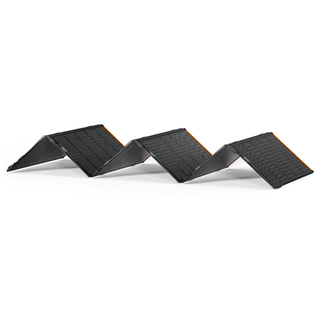
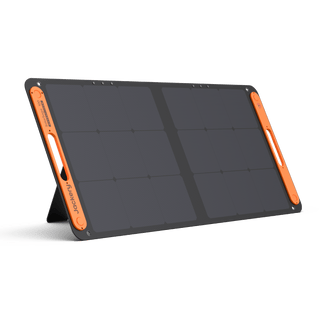
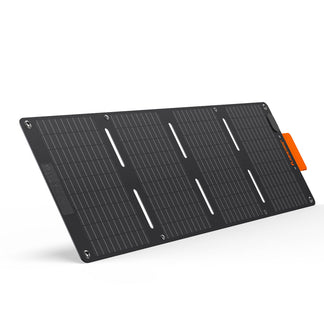
- “With Solar” figures assume 4–6 hours of good sun per day with a 200W solar panel, which is realistic in most of the continental US from April through September.
- Always add a 20% buffer to your minimum capacity. That bottom 20% of battery is your emergency reserve for overnight fridge power and phone charging if solar underperforms.
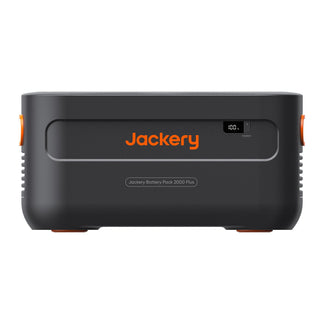
- For extended off-grid trips, an expandable battery system lets you add capacity without replacing the base unit, which is a smarter long-term investment for families who camp regularly.
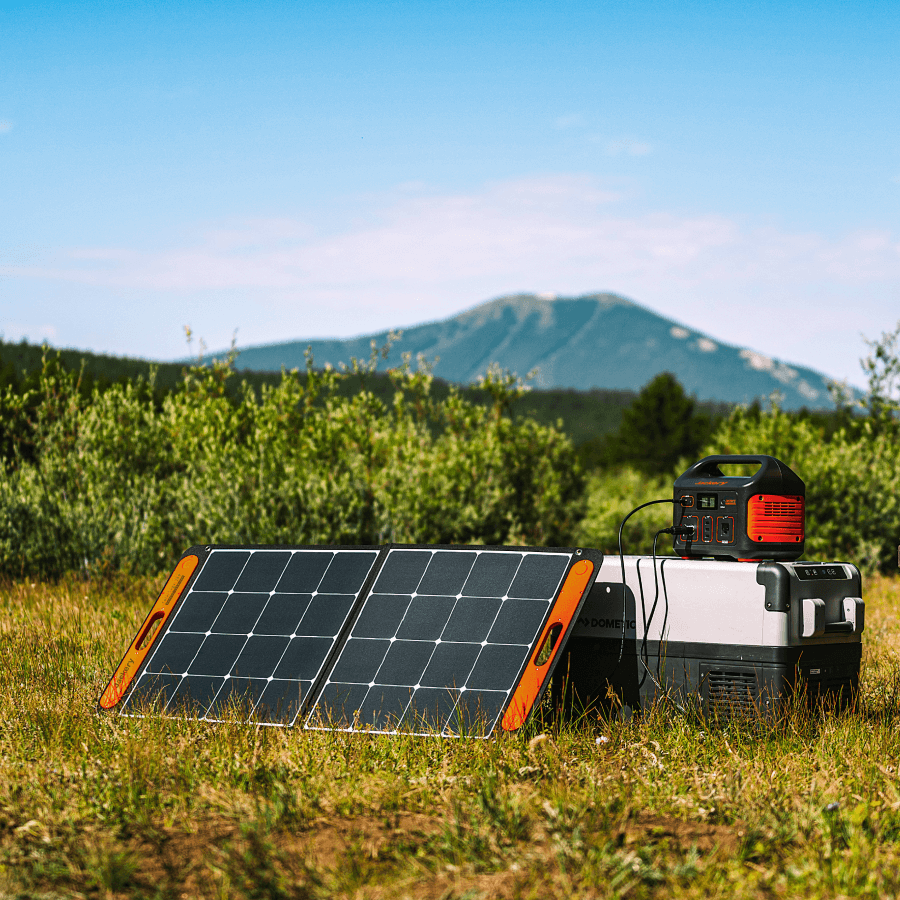
Jacob Ires lives by a simple rule: bring your own power. In the high-altitude quiet of Alma, Colorado, where outages are common, and self-reliance isn’t optional, his Jackery product has become more than backup. It’s part of how he works, camps, and chases wildlife photography deeper into the wild. From keeping essentials running during sudden blackouts to powering full campsites and off-grid homes, Jacob’s story shows how reliable energy can shift from convenience to necessity. Explore more Jackery stories like this.
Which Jackery Solar Generators are Recommended for Family Camping Trips?
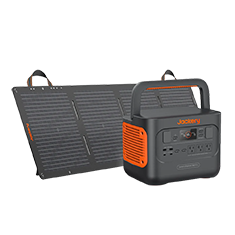
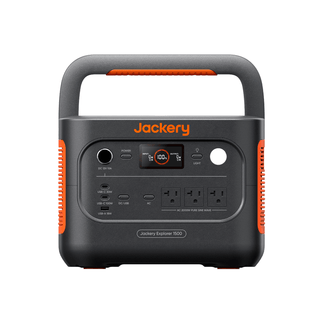
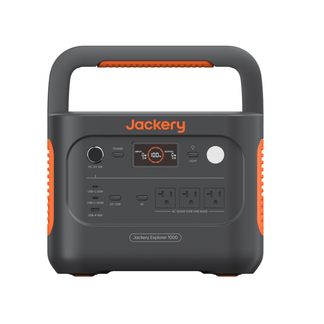
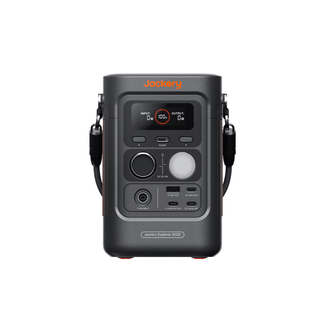
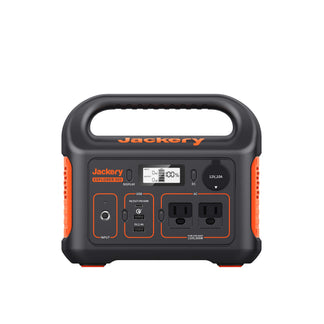
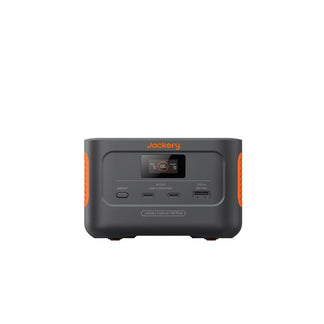
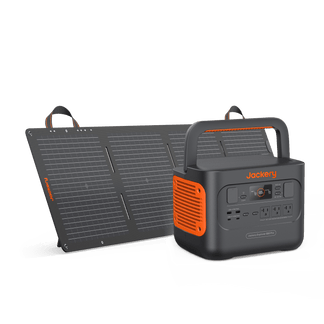
Not every power station or solar generator is a good fit for families. You need something that is quiet enough not to disturb sleeping kids, safe enough to run indoors or in a tent vestibule, and powerful enough to handle the full family load. Jackery's solar generators for camping lineup ticks all three boxes, making them ideal for camping trips. Here are the three power stations that best match the common family camping power needs scenarios:
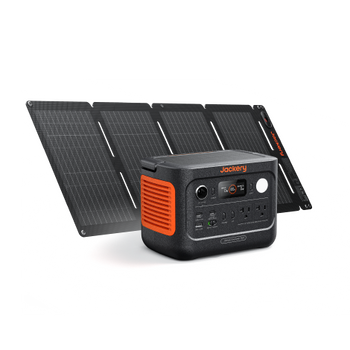
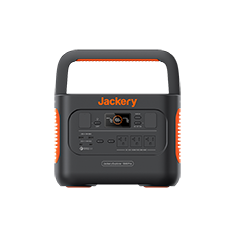
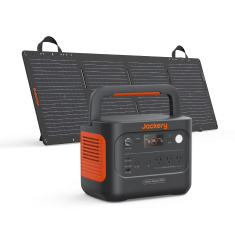
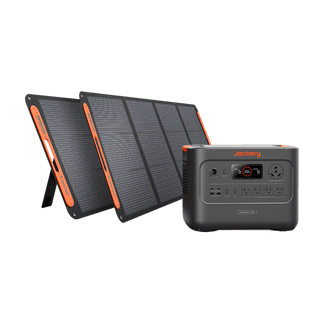
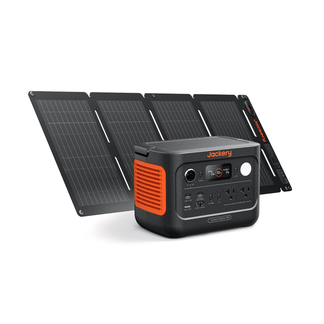
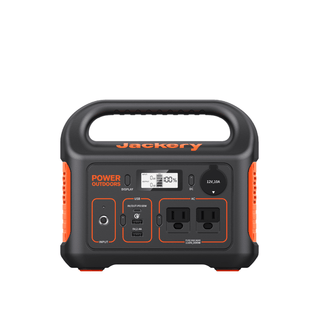
Best for Weekend Family Trips (No Fridge): Jackery Solar Generator 1000 v2
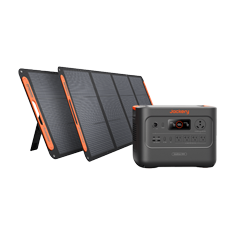
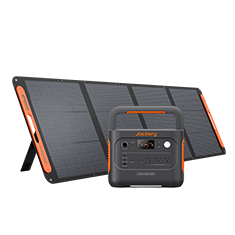
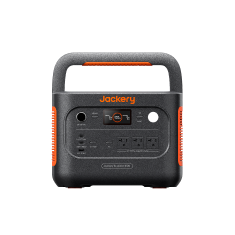
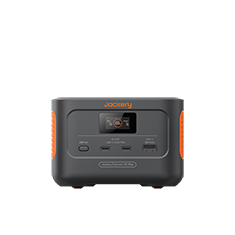
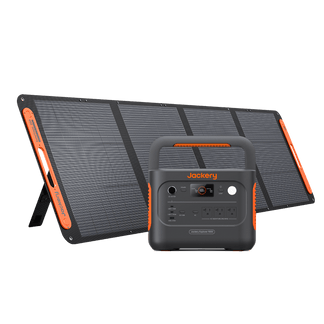
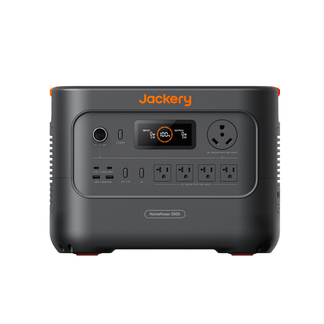
The Jackery Solar Generator 1000 v2 is the ideal weekend companion for families who are keeping things light, such as four phones, two tablets, LED string lights, and a fan for two nights. It comfortably handles the full non-fridge family load with room to spare. The 30 dB quiet charging mode ensures the power station operates at library-level noise, so you can recharge it overnight without waking a single sleeping child. The compact, carry-handle design means one adult can load and unload the portable power supply for camping without any issues.
Appliances Running Time
- Smartphone (10W) = 35.1H
- Portable Fan (20W) = 25.1H
- 2*Tablets (20W) = 25.1H
- LED String Lights (20W) = 25.1H
- Camera (10W) = 35.1H
Who Should Buy This
If you are looking for a compact battery backup solution that can keep essential appliances running during a backyard camping trip and is easy to transport, the Jackery Solar Generator 1000 v2 is an ideal solution.

Customer Review
Best product ever!! So far, so good. Solar panels did their job indeed. Would recommend for anyone who is camping or living in a vehicle or RV
— Luis F.
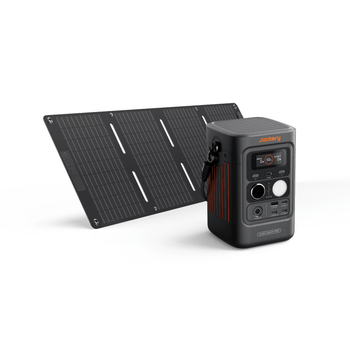
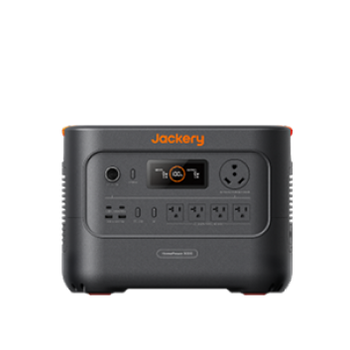
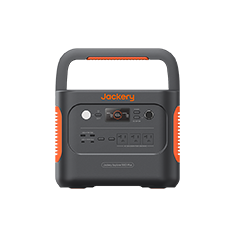
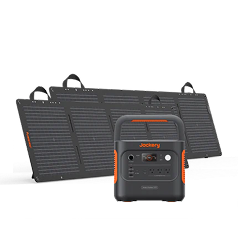
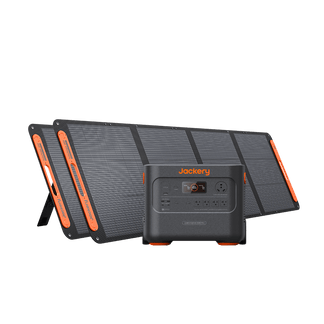
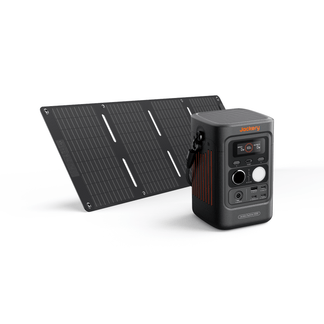
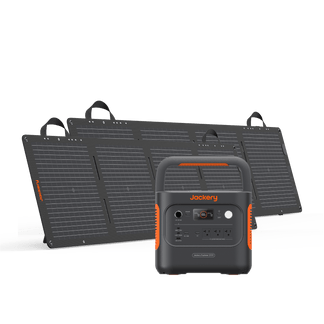
Best for 3–4 Night Family Camping with a Fridge: Jackery Solar Generator 2000 v2
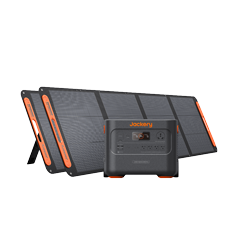
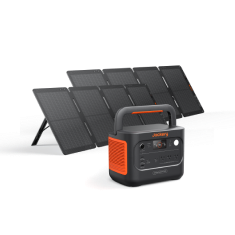
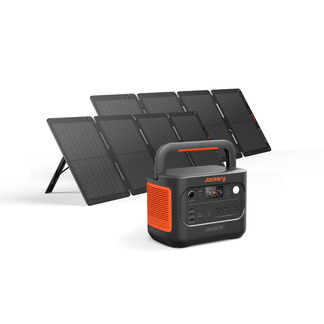
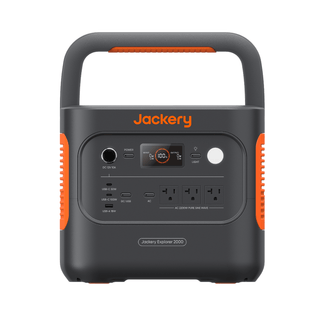
If you want to power a mini-fridge on 3+ night trips, your daily draw jumps to over 1,000 Wh. The Jackery Solar Generator 2000 v2 is built exactly for this scenario. It is the lightest 2 kWh power station in its class and manageable for one person to carry to the car and back. It's 41% lighter and 34% more compact than comparable 2 kWh LiFePO4 stations, which matters a lot when you're already loading a family's worth of camping gear. It runs at under 30 dB in silent charging mode, making it genuinely family-friendly.
Appliances Running Time
- Mini Fridge (45W) = 26.6H
- Portable Fan (20W) = 44.1H
- 2*Tablets (20W) = 44.1H
- LED String Lights (20W) = 44.1H
- Camera (10W) = 59.8H
Who Should Buy This
If you are powering a mini-fridge to keep food and drinks cold during a long camping trip with kids, you can consider going ahead with the Jackery Solar Generator 2000 v2.

Customer Review
This Jackery solar generator is really nice and compact! It supplies plenty of power and lasts longer than I expected! The solar panels are made really well and are easy to set up! They produce a really good fast charge!
— Gim M.
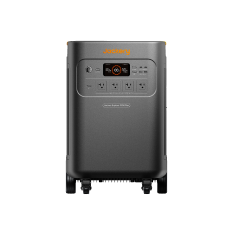
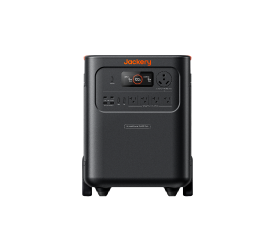
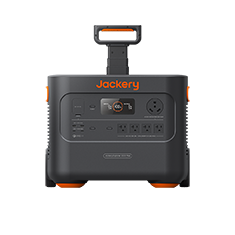
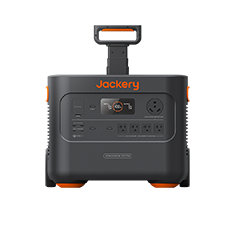
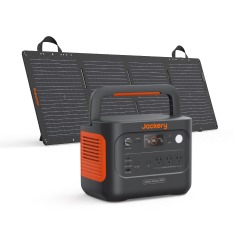
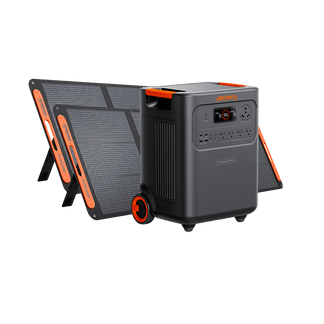
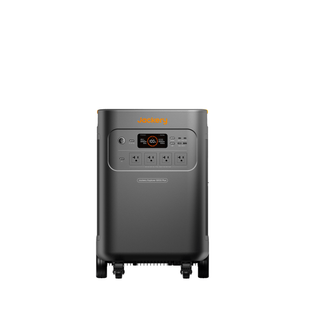
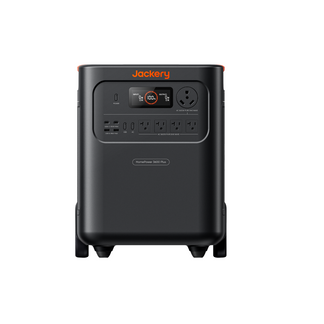
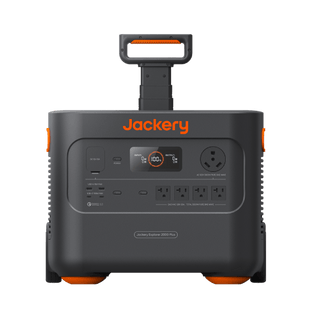
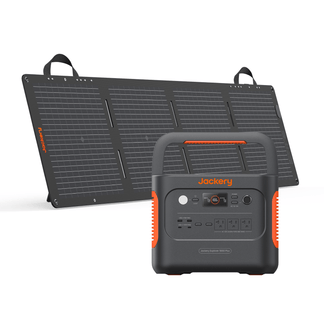
Best for Extended or Frequent Family Camping: Jackery Solar Generator 2000 Plus
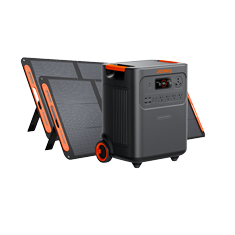
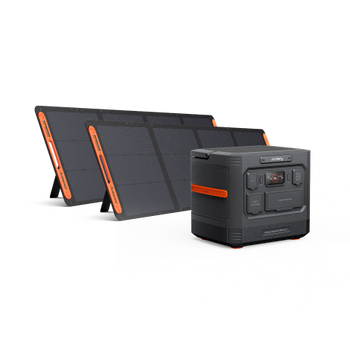
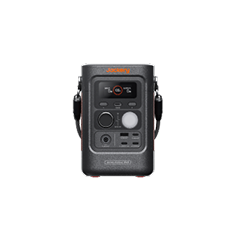
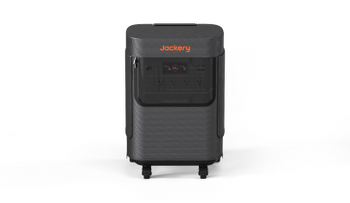
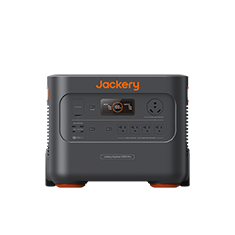
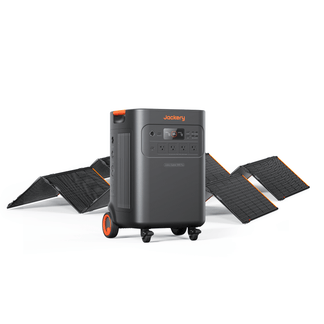
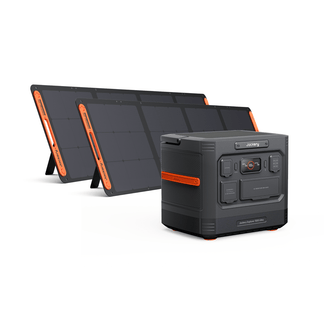
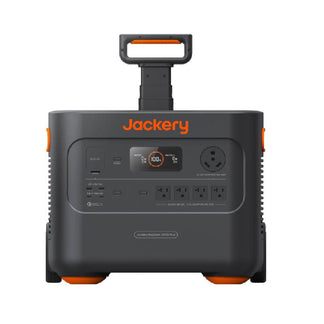
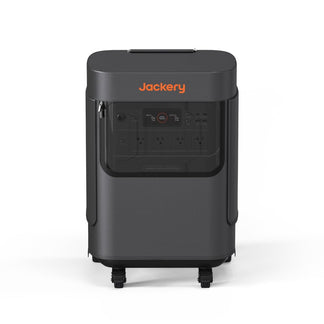
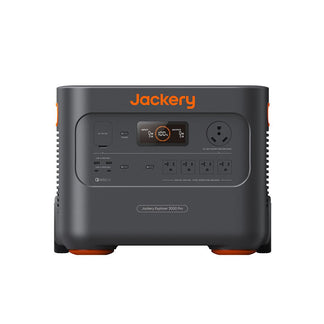
For families who camp for a week or more at a time, or who head out every month and want a battery backup system that grows with them, the Jackery Solar Generator 2000 Plus is an ideal camping generator. It can comfortably run a full-size refrigerator, power tools, and essential devices your family owns. The whisper-quiet 30 dB silent charging mode ensures it won't disturb kids' sleep while powering the appliances. It is suited for base-camp style camping rather than backpacking. For car camping families, the wheelbase and pull handle make it easy to move around the site.
Appliances Running Time
- Mini Fridge (45W) = 26.6H
- Portable Fan (20W) = 44.1H
- 2*Tablets (20W) = 44.1H
- LED String Lights (20W) = 44.1H
- Camera (10W) = 59.8H
Who Should Buy This
If you often plan outdoor activities and need a reliable battery backup solution that can expand as your family's camping power needs grow, consider the expandable Jackery Solar Generator 2000 Plus.

Customer Review
Fantastic - easy to use and runs our cabin like a pro! I was expecting the 2000-plus to work well, but the plug-and-play nature of the system, as well as the simple interface, exceeded my expectations!!!
— Robert C.
What are the Best Practices for Managing Power Across a Family Camping Trip?
Having the right power station for camping is only half the equation. How you manage power throughout the camping trip determines whether you coast through comfortably or scramble to charge phones the morning you break camp. Here are some best practices that will help you manage power across the family camping trip:
Charge Priority Order
Think of your power station like a household budget. Spend power on the essentials first: the mini-fridge stays on continuously. After that, prioritize any medical devices (CPAP, nebulizers), then adult phones for navigation and emergencies. Kid tablets and entertainment come last because they can wait until the solar panels have recharged the bank.
Solar Window Habit
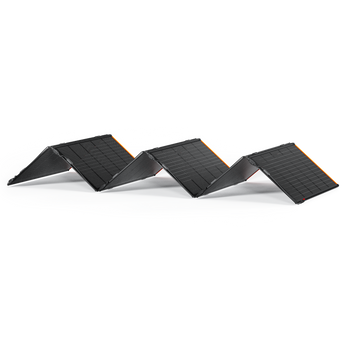
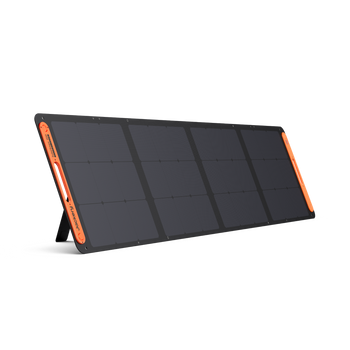
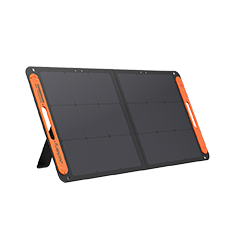
Deploy your solar panels as soon as you arrive at the campsite, and not when you realize the battery is getting low. The difference between deploying at 10 AM vs. 2 PM can be 4 hours of peak solar generation. For a 200W solar panel in good sun, that's 800Wh you didn't have to bring from home.
'Check Before Bed' Routine
Before you zip up the tent, spend 30 seconds to confirm the fridge is running and drawing expected watts, check that the display shows a healthy charge level, switch off the inverter if nothing is actively running, and unplug anything that finished charging hours ago. It takes only a few minutes and can save you from a dead battery by morning.
Screen-Free Morning Buffer
Delay charging phones and tablets until after breakfast. By 9 AM, your solar panels will have been working for 2–3 hours, and you can refill devices from solar energy rather than using the overnight reserve. Kids eating breakfast without screens is also, coincidentally, a very good thing.
20% Emergency Reserve Rule
Treat the bottom 20% of your power station's battery as untouchable. That reserve is your overnight fridge power if clouds roll in and solar underperforms, and your emergency phone charge if something unexpected happens on the last morning. Following this discipline from day one will ensure you never end a trip scrambling.
FAQs
How to make family camping comfortable?
Start by planning for power, sleep, and shade that can make or break a family trip. A reliable power station keeps fans running, devices charged, and food cold, which removes most of the friction points that wear families down by day two. Add a good sleeping setup and a shaded seating area to remain comfortable throughout the trip.
How to stay connected while camping?
A portable power station with enough capacity for daily phone and tablet charging is the most reliable solution. Make sure your family camping power needs plan accounts for full charges across all devices, which is typically 30–50 Wh per device per day. If you need a cellular signal, a signal booster paired with a charged phone works far better than relying on spotty campground WiFi.
How to have power during camping?
The cleanest and most flexible option for most families is a reliable solar generator: a portable power station paired with one or two solar panels. This eliminates dependence on campground hookups, runs silently, and can keep you powered indefinitely in good sun. For weekend trips without a fridge, even a 1,000Wh unit like the Jackery Solar Generator 1000 v2 is more than enough.
What are the power options for camping?
Families have four main options: campground electrical hookups (convenient but not always available), gas generators (powerful but noisy and smelly), car inverters (limited output and drains your vehicle battery), or portable solar generators. Solar generators win for family camping because they are quiet, safe, fume-free, and can recharge themselves during the day.
Conclusion
Planning for your family camping power needs doesn't have to be complicated. A typical family of four needs somewhere between 500 and 1,100Wh per day, depending on whether you are running a mini-fridge. Choosing a power station that covers your trip length with a 20% buffer will keep everyone comfortable from the first night to the last morning.
For weekend trips without a fridge, the Jackery Solar Generator 1000 v2 is a compact battery backup solution that can keep essentials running. For 3 - 4 night trips with cold food storage, the Jackery Solar Generator 2000 v2 is the lightest and most practical 2 kWh station on the market. And for families who camp long or often, the Jackery Solar Generator 2000 Plus gives you a base today with room to expand for years to come.