
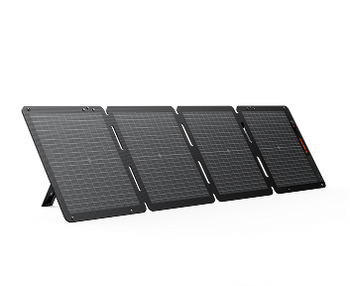
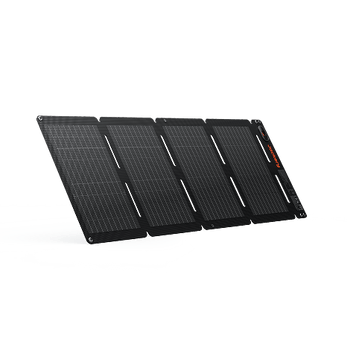





![[Add-on] Jackery SolarSaga 500 X - Jackery](http://www.jackery.com/cdn/shop/files/add-on-jackery-solarsaga-500-x-1493607.webp?v=1786503068&width=324)
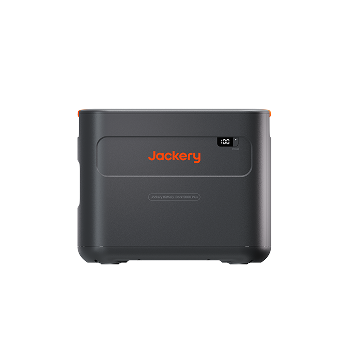
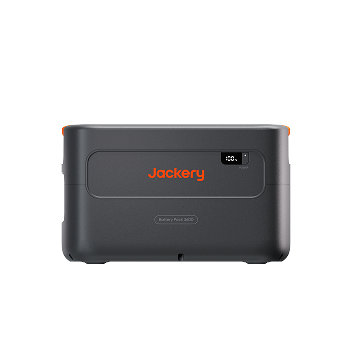
![[Add-on] Jackery Battery Pack 5000 Plus - Jackery](http://www.jackery.com/cdn/shop/files/add-on-jackery-battery-pack-5000-plus-6713401.webp?v=1786503068&width=324)





Quick Answer:
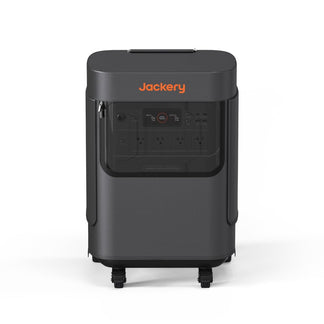
A portable power station—a portable power inverter with battery—delivers silent, emission‑free AC outlets for outdoor entertaining. For a 4‑hour movie night, 1,000 Wh works. For a full‑day tailgate with cooking, you need 1,500–2,000 Wh and a pure sine wave inverter. Add 20% to your watt‑hour estimate to be safe.
Key Takeaways
- A 2,000 Wh portable power station runs a full‑day tailgate with a griddle (1,500 W), blender, lights, and music; a 600 Wh unit powers a 2‑hour brunch with lights and a speaker.
- Pure sine wave output is non‑negotiable for projectors, audio gear, and motor‑driven appliances — modified sine wave causes hum, flicker, and motor overheating.
- Calculate total watt‑hours by multiplying running watts by hours, then add a 20 % buffer for inverter losses and a BMS overhead of 7‑10 %; real‑world usable capacity is typically 60‑93 % of the stated figure.
- LiFePO₄ batteries deliver 3,000–6,000 cycles, handle deep discharge, and last 10–15 years; lead‑acid is unsuitable because it degrades rapidly when discharged below 50 %.
- Set the station on a dry, level surface at least 3 feet from grills, use 12‑gauge cords for high‑draw appliances, and check the battery level every 30 minutes under heavy load.
Why Your Backyard Setup Falls Short for Real Outdoor Entertaining
Extension cords strung across the lawn are a tripping hazard and limit where you can place the buffet, bar, or DJ table. A portable power station removes that leash — you set up anywhere, no cord‑length math required.
Gas generators solve the location problem but bury the party in a 70‑decibel drone that forces guests to shout, and the exhaust drifts over the food. A portable power inverter with battery runs silently, so conversation and music stay front and centre.
Standard power banks only offer USB ports. They can’t run a blender, projector, or electric griddle — the appliances that turn a get‑together into an event. A power station with AC outlets delivers exactly that.
Its fully‑insulated plastic chassis also eliminates shock risk from single‑point contact; there’s no exposed metal to accidentally energize. Pre‑built portable stations offer plug‑and‑play convenience for events under 2,000 Wh. For a permanently wired outdoor kitchen or custom high‑capacity setup, have a licensed electrician integrate the system — but for a portable party, a grab‑and‑go unit like those used for essential home backup, camping, and outdoor work is the right tool.
Calculating Your Party’s Power Budget Before You Buy
A blender’s startup surge — often 800–1,200 W peak — dictates the inverter's surge rating, not just its continuous watts. A 2,000 W surge inverter that delivers only 1,000 W continuous will trip the moment the blender locks onto ice. Always match the inverter’s continuous rating to the total running watts of everything you plan to run simultaneously, and verify the surge headroom covers the highest startup spike.
Begin with a mandatory energy audit. Experienced users recommend doubling your first watt‑hour estimate — phantom loads, inverter inefficiency, and the “one more thing” device catch beginners off guard. The formula is straightforward:
`(Running Watts × Hours Used) ÷ 1 ,000 = Daily kWh`
Example: a 50 W string light running 6 h uses (50 × 6) ÷ 1 ,000 = 0.3 kWh.
Long‑duration, low‑wattage devices — string lights, a speaker, a small fan — often drain the most total watt‑hours because they run for hours. A 50 W string light left on for 6 hours consumes 300 Wh, more than a 500 W blender used for 10 minutes (83 Wh). Factor each appliance into a running tally, and then add a 20 % buffer covering inverter losses (10–15 % converted to heat) and the inevitable last‑minute phone charger or tablet that gets plugged in, plus a BMS overhead of 7–10 %.
Appliance |
Running Watts |
Surge Watts |
Typical Party Use (Hours) |
Daily Watt‑Hours |
|---|---|---|---|---|
String lights (LED) |
50 |
50 |
6 |
300 |
Bluetooth speaker |
30 |
50 |
4 |
120 |
Blender (high‑speed) |
500 |
1,200 |
0.2 |
100 |
Electric griddle |
1,500 |
1,800 |
1 |
1,500 |
Projector (home cinema) |
200 |
200 |
3 |
600 |
A 4‑hour movie night (projector + lights + speaker) demands roughly 1,020 Wh before buffer → 1,224 Wh with 20 % margin.
A full‑day tailgate (griddle, blender, lights, speaker) reaches 2,020 Wh plus buffer → 2,424 Wh.
A 1,000 Wh unit works for the movie night; the 2,000 Wh class is the minimum for the tailgate. If you anticipate the griddle running an extra hour, a higher‑capacity station becomes necessary — but that’s a weight and budget jump from a portable power inverter with battery.
Pure Sine Wave vs. Modified Sine Wave: Why It Matters for Your Party Gear
Pure sine wave inverters output the same smooth AC waveform as your home’s outlets. Projectors, laptops, and high‑fidelity audio gear demand it. A modified sine wave — a stepped approximation — causes audio equipment to hum, LED lights to flicker, and induction motors in blenders and coolers to run hotter and eventually fail. If the party involves a speaker, projector, or any appliance with a motor, pure sine wave is the only safe choice.
Audio systems in particular reveal the difference instantly: a modified wave introduces a constant background buzz that cuts through the music. Motor‑driven appliances like a blender or mini‑fridge compressor may run on modified sine but will draw more current, generate extra heat, and wear out faster. Portable power stations with a built‑in pure sine wave inverter eliminate the guesswork — every device runs as intended without a compatibility chart.
Matching Battery Capacity to Your Party Duration
LiFePO₄ (lithium iron phosphate) is the only battery chemistry that makes sense for repeated deep‑cycle party use. Lead‑acid car batteries degrade rapidly when discharged below 50 %, and a single deep discharge can cut their lifespan. LiFePO₄ cells safely deliver their capacity down to 90 % depth of discharge and are rated for 3,000–6,000 full cycles — enough for a weekly party for 10–15 years.
However, the advertised watt‑hour number isn’t what you get at the AC outlet. Inverter efficiency and Battery Management System (BMS) overhead reduce usable energy to 60–93 %. A 1,000 Wh unit typically delivers 850–930 Wh to your appliances, depending on load profile and ambient temperature. So a “1,000 Wh” station might run a 200 W projector for only 4.25 hours, not the theoretical 5.
Real‑world duration examples for a 1,000 Wh unit (after efficiency hit):
- Blender (10 min) + lights (6 h) + speaker (4 h) ≈ 600 Wh used — 30 % headroom remains.
- No capacity left for a griddle (1,500 Wh/h) or projector.
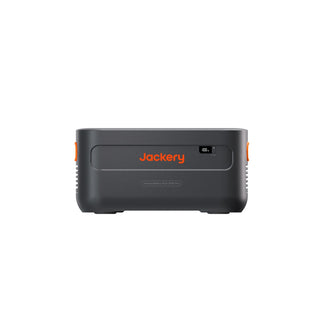
For a full‑day tailgate with cooking, target 1,500–2,000 Wh. That class can run a griddle for an hour and still cover the lights, speaker, and blender. Solar recharging during the party extends runtime indefinitely on a sunny day.
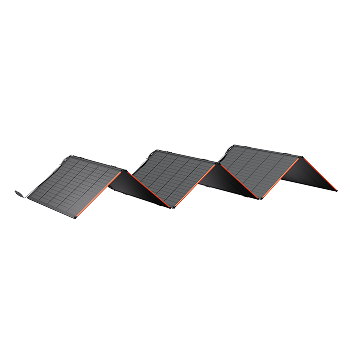
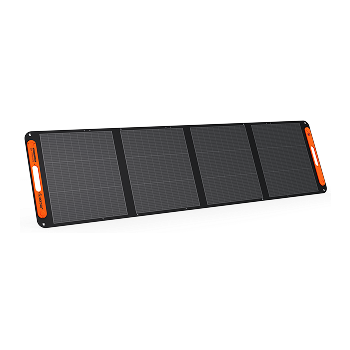
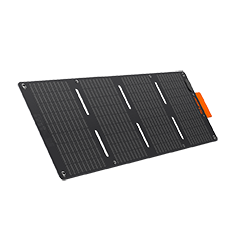
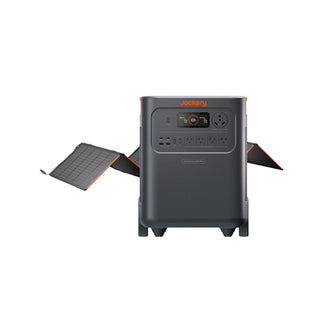
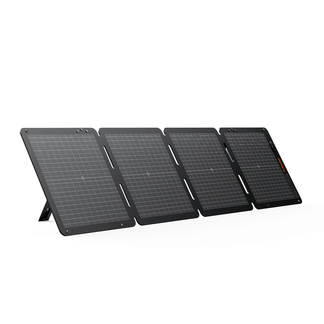
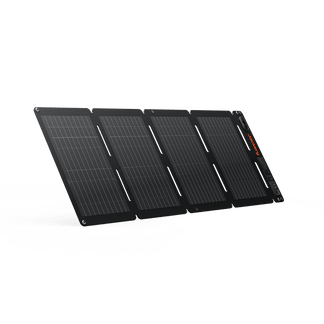
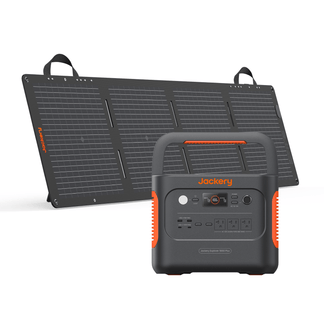
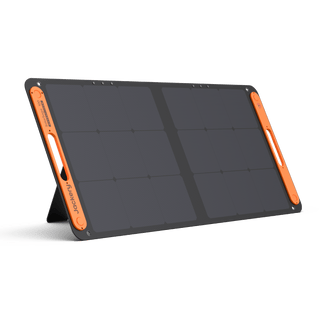
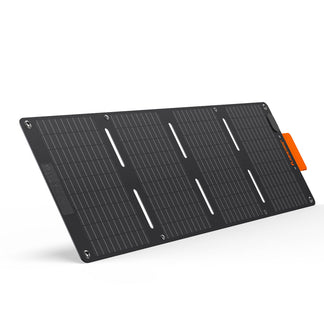
With 400 W of plug‑and‑play solar panels, a partially drained 2,000 Wh battery can be replenished enough to keep the griddle going through the afternoon. Higher‑voltage battery architectures (48 V vs 12 V) allow the MPPT charge controller to push four times the wattage at the same amperage limit — a critical advantage for fast solar top‑up without bulky cables. When selecting a unit, look for high solar input ratings and integrated MPPT controllers; they turn a portable power inverter with battery into a self‑sustaining party hub.
Setup, Safety, and Placement for Outdoor Events
Place the station on a dry, level surface — a folding table or an overturned plastic crate works — at least 3 feet from any grill, smoker, or fire pit. Direct radiant heat can trigger thermal shutdown. For high‑draw appliances like a 1,500 W griddle, use a 12‑gauge extension cord no longer than 25 ft to minimize voltage drop and keep the plug connections cool. Thinner cords can overheat and trip the station’s overload protection.
The power station’s plastic chassis is fully insulated, so touching a single connector or casing won’t give you a shock even without an earth ground. Under heavy load, check the battery level on the display or companion app every 30 minutes.
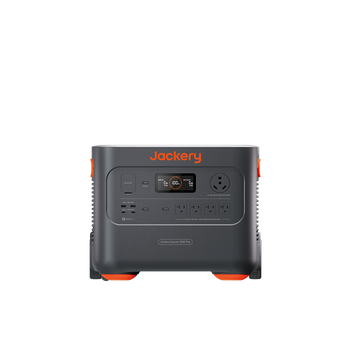
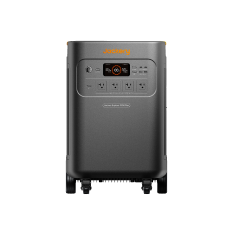
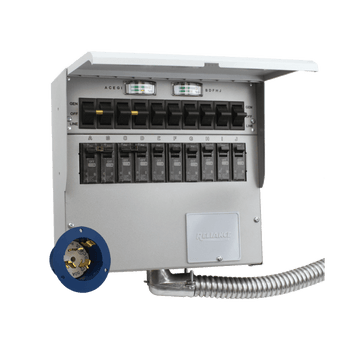
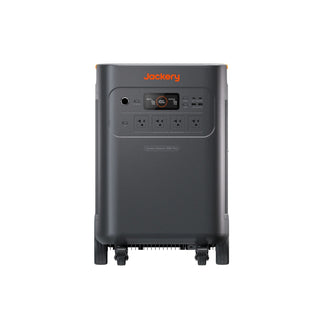
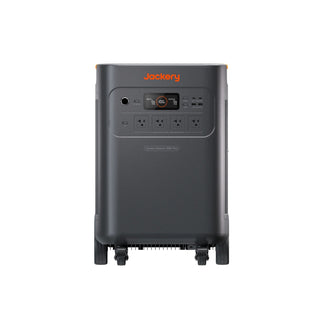
Load changes (someone plugging in a phone, the blender cycling on) can accelerate drain, and a sudden shutdown kills the vibe faster than a spilled drink. Charge the station fully the night before and store it indoors; extreme heat or cold can temporarily reduce capacity by 15–30 %. For larger semi‑permanent outdoor setups requiring fixed wiring, a system like the Jackery HomePower 3600 Plus with a transfer switch is more appropriate — but that’s installed kit, not a grab‑and‑go portable unit.
Recommended Jackery Portable Power Stations for Outdoor Entertaining
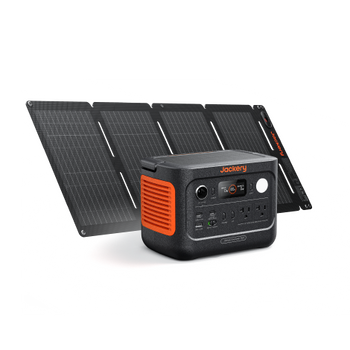
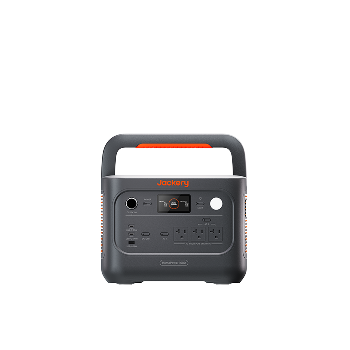
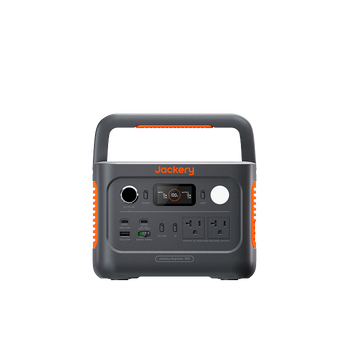
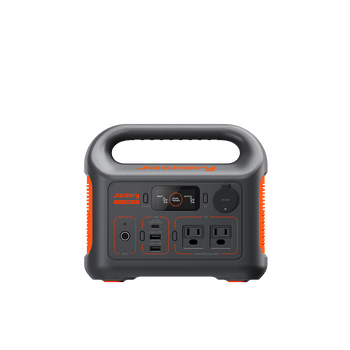
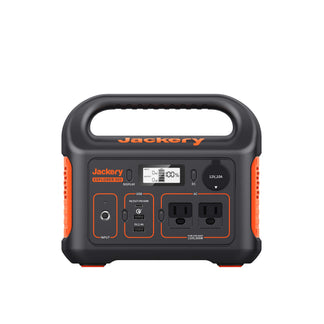
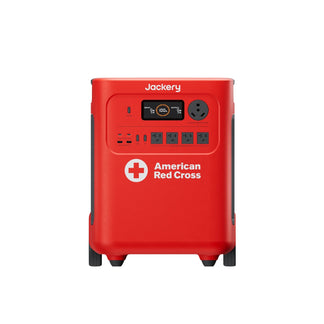
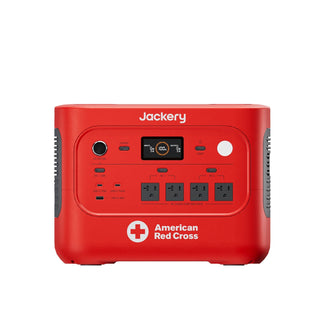
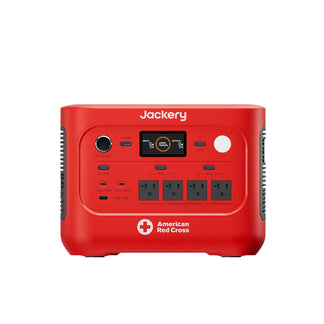
Choosing the right Jackery for your party comes down to the heaviest appliance and total runtime. The models below all have pure sine wave output, LiFePO₄ cells, and plug‑and‑play design. Start with the biggest simultaneous load you plan to run — the griddle at 1,500 W, the projector at 200 W — and work back to the capacity that covers the full event plus buffer.
Party Type |
Ideal Jackery Model |
Capacity |
Why It Fits |
|---|---|---|---|
Full‑day tailgate with cooking |
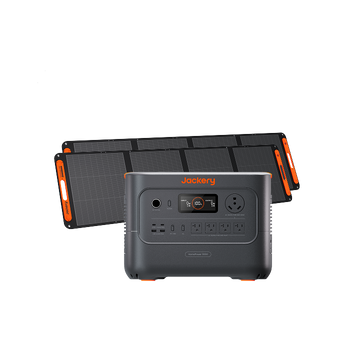
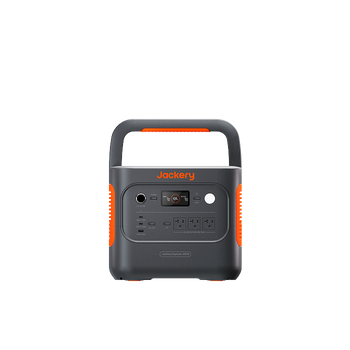
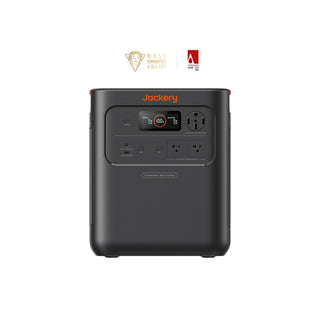
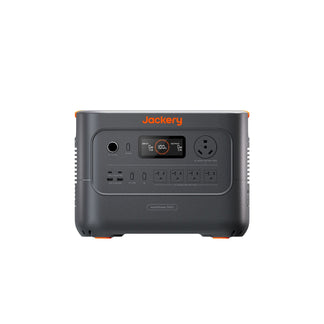
Jackery Explorer 2000 v2 |
2,042 Wh |
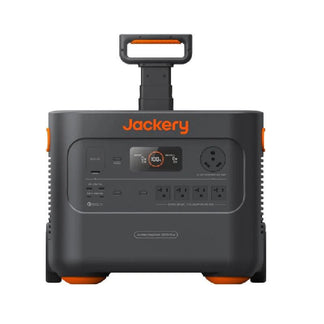
Powers griddle + blender + lights 5 h; compact 39.5 lb design with sturdy handle. |
4‑hour movie night or mid‑size gathering |
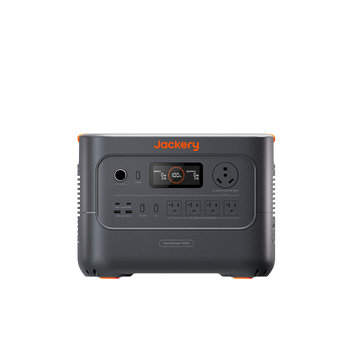
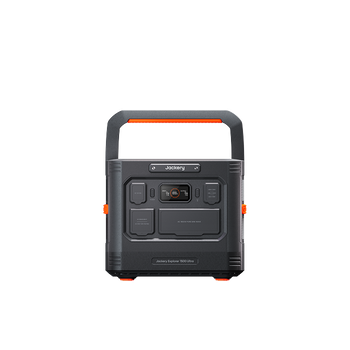
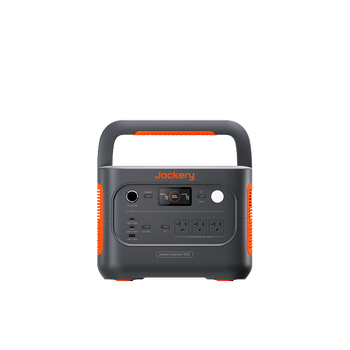
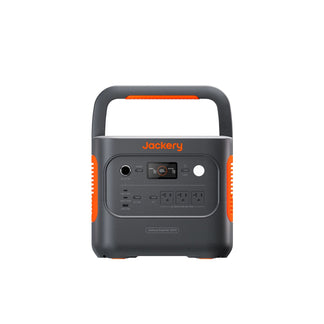
Jackery Explorer 1000 v2 |
1,070 Wh |
Runs projector, lights, speaker with 15 % buffer; compact for car trunks. |
Small brunch or backyard background music |
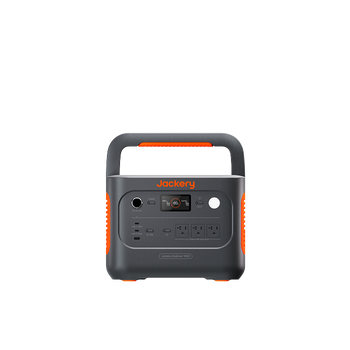
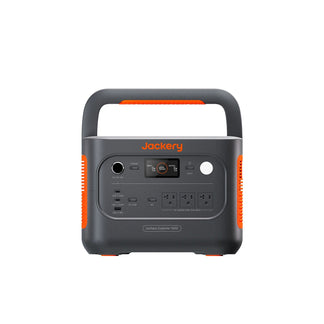
Jackery Explorer 600 v2 |
640 Wh |
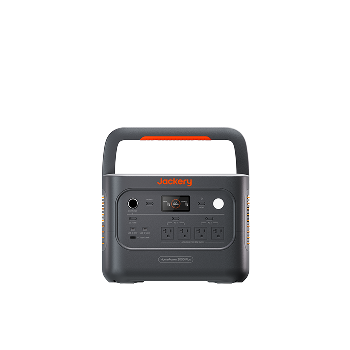
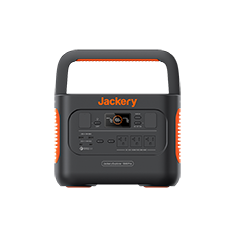
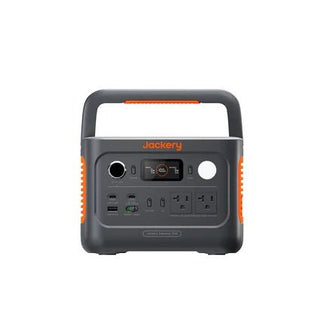
Handles a blender, string lights, and speaker for 2 h; grab‑and‑go 14 lb weight. |
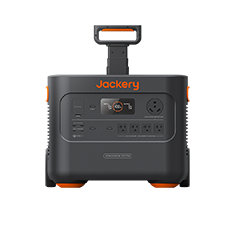
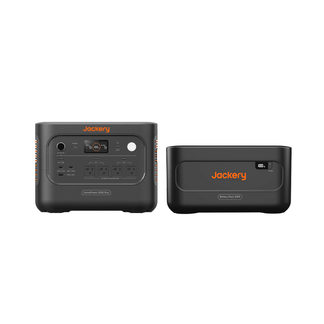
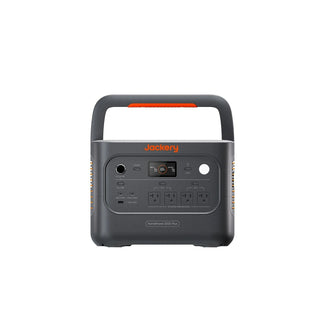
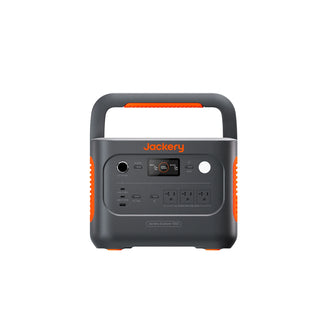
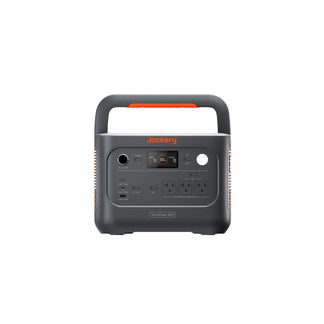
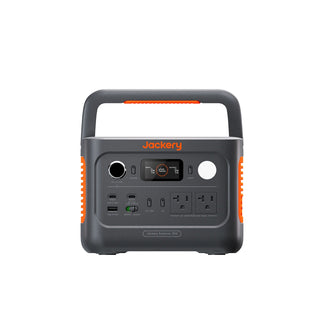
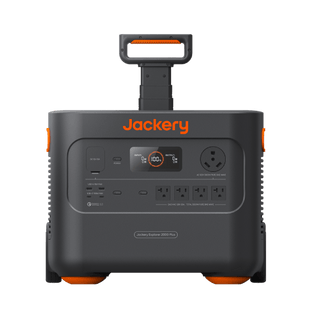
Bottom line: The Explorer 2000 v2 is the party animal for cooking and long days. The 1000 v2 hits the sweet spot for movie nights and medium gatherings. The 600 v2 handles small socials without breaking your arm carrying it. All three use the same pure sine wave tech and LiFePO₄ chemistry — just match the capacity to your party’s worst‑case hour. If you’re intrigued by how these units perform across multiple scenarios, the Jackery Explorer 2000 Plus’s expandable capacity and similar multi‑scene flexibility are worth a closer look.
Frequently Asked Questions (FAQ)
Can I run a refrigerator on a portable power station?
Yes, most 1,000 Wh+ units can run a small energy‑efficient refrigerator for 6–12 hours before needing a recharge. Always check the fridge’s startup surge and continuous draw against the station’s specs.
Can I use the power station while it is charging?
Yes, the Explorer series supports pass‑through charging — power devices from the AC outlets while the battery recharges from solar or a wall outlet simultaneously.
How should I store the power station for the off‑season?
Store it at a 50–80 % charge level in a cool, dry spot and recharge to that window every 3–6 months to preserve LiFePO₄ health.
Do I need a separate inverter if I have a portable power station?
No. The station integrates an inverter, battery, and charge controller into one unit — just plug in your gear.
How many years will a LiFePO₄ power station typically last?
With weekly use, a quality LiFePO₄ station lasts 10–15 years, as the cells are rated for 3,000 to 6,000 full charge cycles before capacity drops to 80 %.
