






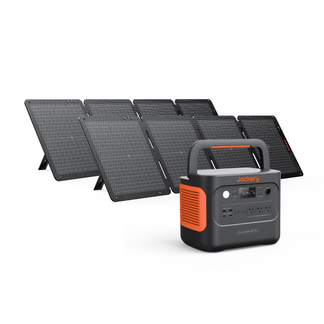

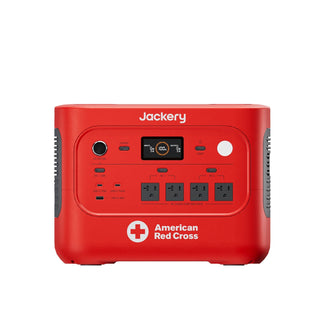
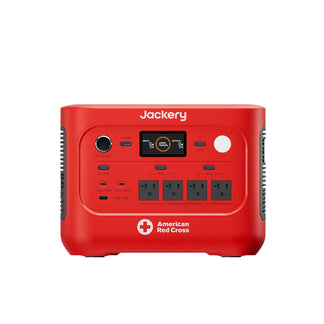
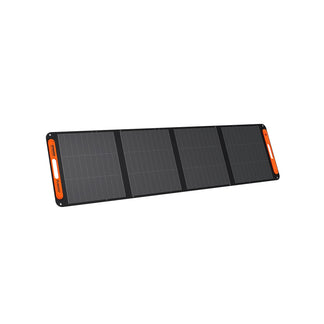
![[Add-on] Jackery SolarSaga 500 X - Jackery](http://www.jackery.com/cdn/shop/files/add-on-jackery-solarsaga-500-x-1493607.webp?v=1786503068&width=324)
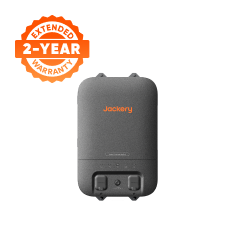
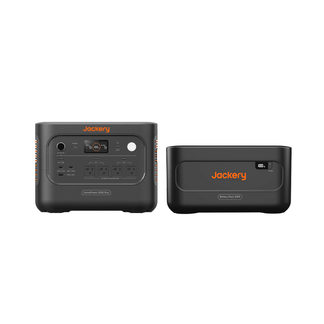
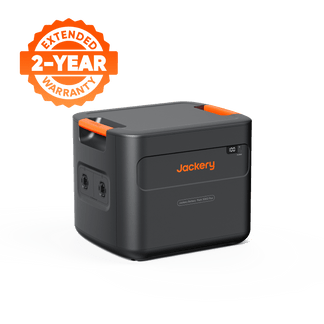
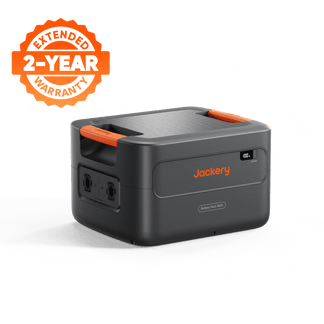
![[Add-on] Jackery Battery Pack 5000 Plus - Jackery](http://www.jackery.com/cdn/shop/files/add-on-jackery-battery-pack-5000-plus-6713401.webp?v=1786503068&width=324)










When hosting a summer watch party, your biggest anxiety isn't whether your team will score—it is whether your electrical breaker will trip right as they are about to make the winning play. Between blasting the air conditioner, running multiple televisions, keeping drinks cold, and operating high-draw kitchen appliances, a hot-weather gathering is a high-stakes challenge for your home's electrical grid.
Treating your event as a load-management equation, rather than just a gadget checklist, is the only way to avoid a sudden blackout. This comprehensive guide reveals exactly what uses the most electricity in your home during a summer watch party, explains how to calculate your peak consumption, and outlines how to manage your power safely so the screen never goes dark.
What are the Biggest Energy Drains During a Summer Watch Party?
To prevent overloads, you must understand how different appliances drain energy when a crowd gathers in your home. Sizing these loads is the foundation of planning what uses the most electricity in a home:
- HVAC Systems (45%–54% of Total Power): Air conditioning is the single largest summer electrical draw. When ten or more guests pack into a single room, combined body heat and open patio doors force your AC compressor to run almost continuously at maximum wattage.
- Water Heating (12%–18% of Total Power): A standard water heater tank runs 3 to 5 hours daily. During a party, increased hand-washing, bathroom runs, and quick dishwashing cycles force the heating element to kick in at unpredictable intervals, drawing a heavy 4,500W load.
- Refrigeration and Ice Makers (7%–8% of Total Power): Opening the refrigerator door repeatedly to grab drinks lets cold air escape. Each opening adds 1 to 2 minutes of compressor runtime. Over a 4-hour watch party, twenty door openings can add up to 0.5 kWh of extra energy draw.
- Entertainment Systems (3%–5% of Total Power): A large television, soundbar, and streaming box or console draw between 150W and 330W continuously. While modest, this steady draw must be budgeted alongside higher loads. Sizing your TV's draw is easy once you understand how many watts does a TV use.
- Standby or "Vampire" Loads: Devices left in standby mode (game consoles, chargers, idle TVs) draw 50W to 100W continuously, quietly draining energy all party long.
The Overload Threshold: The danger is combining multiple modest devices with one heavy load. A TV (100W), soundbar (50W), and refrigerator (150W average) run safely on a standard 15-amp circuit. But plugging in a portable AC unit (1,500W) or a microwave (1,200W) on the same circuit will immediately exceed your 1,800W breaker limit.
How Do You Calculate Your Party’s Electricity Consumption?
Calculating your party's power demand requires converting continuous wattage into kilowatt-hours (kWh):
- Tally Nameplate Wattages: Locate the metal spec plates on all devices you plan to run simultaneously. Keep in mind that nameplate ratings are maximum theoretical draws—real-world draws are typically 20% to 30% lower in normal settings.
-
Calculate Kilowatt-Hours: Use this formula to estimate your energy consumption:
(Total Watts × Hours of Use) ÷ 1,000 = kWh - Account for Surge Margins: Motor-driven appliances (like refrigerator compressors) draw a momentary startup surge that is 2 to 3 times higher than their running wattage. Always add a 20% to 25% safety buffer to your peak load calculation to handle these startup spikes.
- Measure for Accuracy: For precise, real-world data, plug your entertainment center into a standard energy meter during a normal viewing session to map actual compressor cycling and screen dimming draws.
What are the Best Energy-Saving Tips to Reduce Your Electricity Bill?
You can lower your power bill and reduce grid strain during your gathering by adopting these smart energy-saving habits:
- Set the Thermostat Higher: Set your AC thermostat 2 to 3 degrees Fahrenheit higher than normal. Each degree you raise the temperature saves 3% to 5% on cooling. Use ceiling fans to create a wind-chill effect that keeps guests feeling cool.
- Use a Drink Cooler: Group your canned and bottled drinks in a separate insulated ice cooler. This prevents guests from opening the refrigerator door repeatedly, cutting refrigeration energy by up to 30%.
- Switch to LED String Lights: Swap out high-draw overhead incandescent bulbs (60W+) for energy-efficient LED string lights (25W total) to create a festive watch party ambiance while freeing up electrical capacity.
- Pre-Chill the Refrigerator: Pre-chill your refrigerator to 34 degrees Fahrenheit a few hours before guests arrive. This lower starting temperature allows the fridge to maintain safe temperatures longer with the door open.
- Unplug Unused Electronics: Unplug secondary entertainment gear, gaming consoles, and charging blocks to eliminate standby "vampire" loads.
- Cook Outdoors: Avoid using your indoor oven, which generates up to 5,000 BTUs of waste heat and forces your AC to run 10% to 20% longer. Grilling shifts the thermal load outdoors and slashes your indoor energy bill.
- Isolate High-Draw Appliances: Keep high-draw kitchen appliances (like microwaves, coffee makers, or portable heaters) on separate electrical circuits from your main television and sound system.

Why Does Reliable Backup Power Matter for Outdoor Watch Parties?
If you are shifting your watch party outdoors to the patio or backyard, a portable power station is your best defense against energy challenges:
- Bypass Long Extension Cords: Running an extension cord 50 feet or more from your house creates a severe tripping hazard and causes voltage drop, which can damage sensitive electronics.
- Protect Against Summer Storm Outages: Sudden summer storms can knock out utility grid power mid-match. A battery backup with an under-20ms automatic transfer switch (UPS bypass) keeps your projector, sound system, and streaming device running seamlessly.
- Pure Sine Wave Output: Projectors, streaming sticks, and audio receivers have sensitive power supplies that require clean, pure sine wave power. Cheap, modified wave outputs can cause screen flicker, audio hum, or permanent internal damage.
- Avoid Grid Power Limits: Outdoor setups typically draw about 330W of continuous power. Running a high-lumen projector, sound system, and multiple slow cookers on a single outdoor circuit is risky—portable battery banks handle these heavy loads cleanly.
Which Jackery Solutions are Best for Your Summer Watch Party?
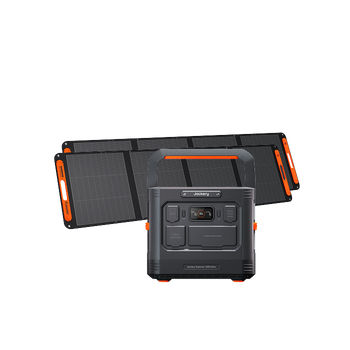
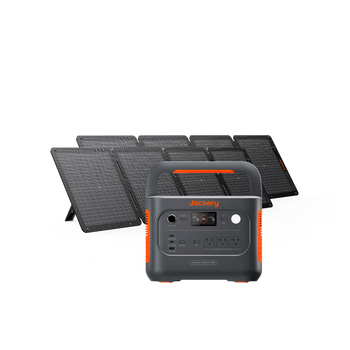
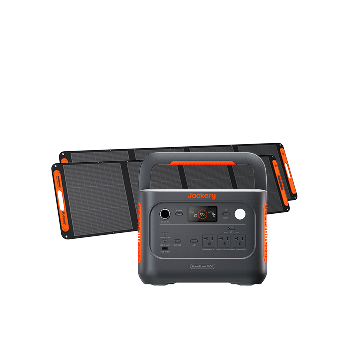
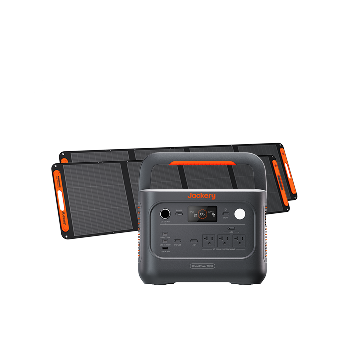
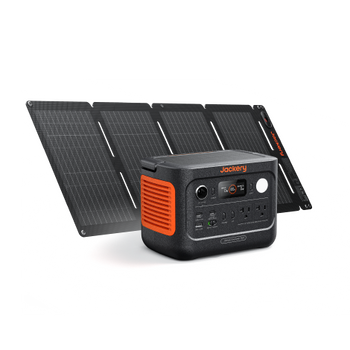
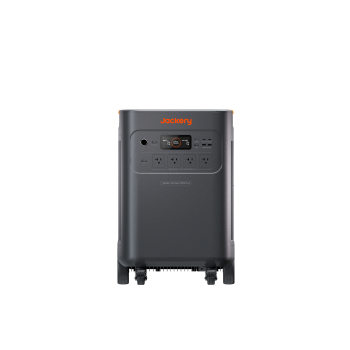
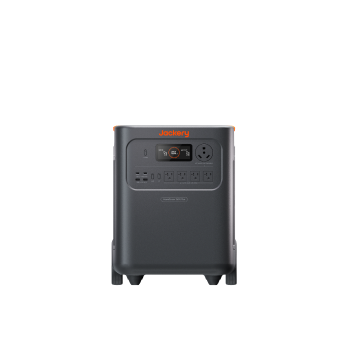
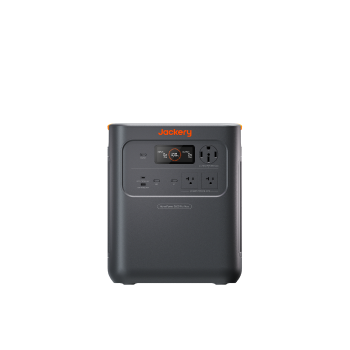
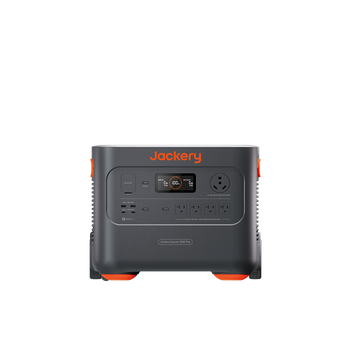
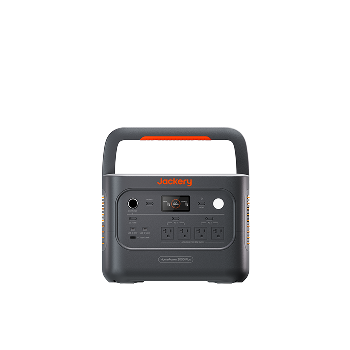
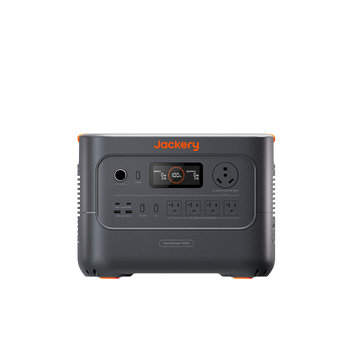
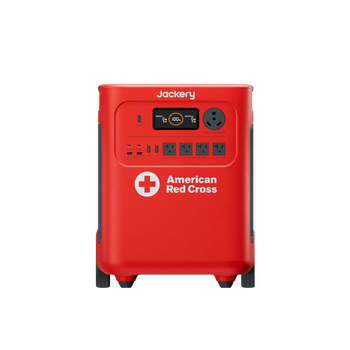
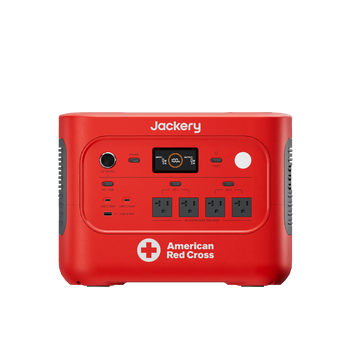
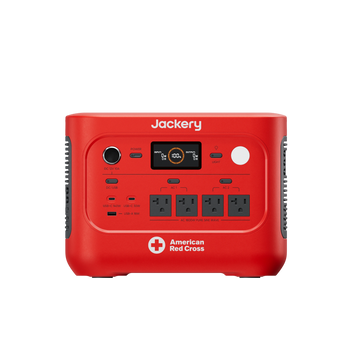
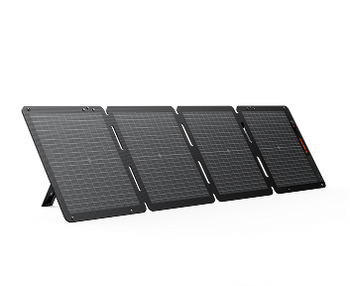
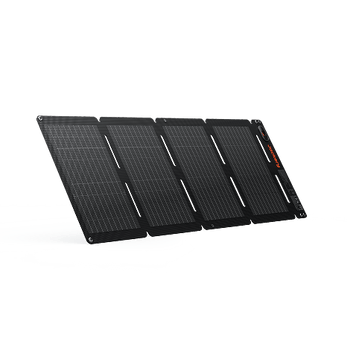
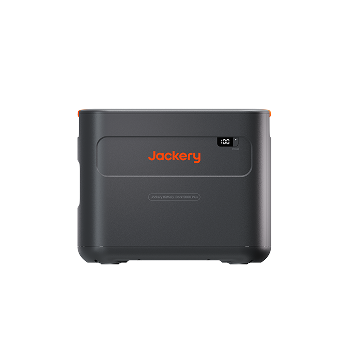
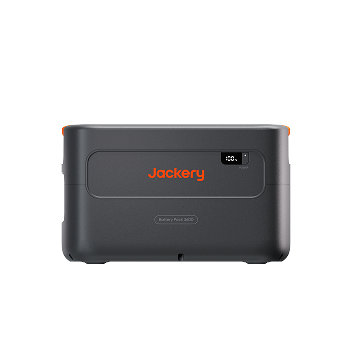
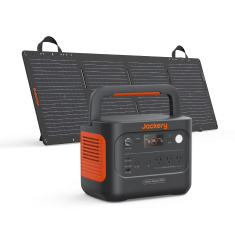
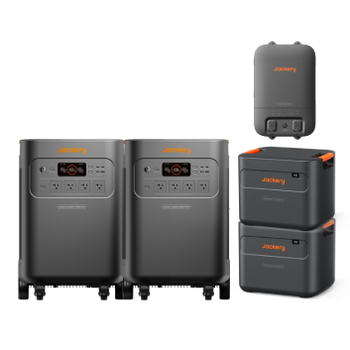
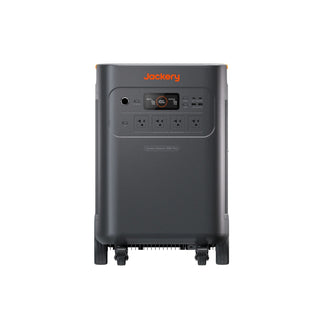
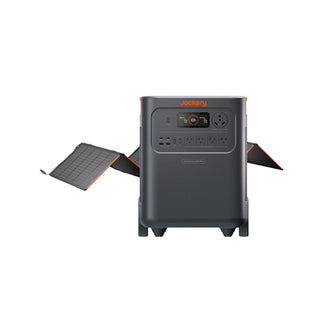
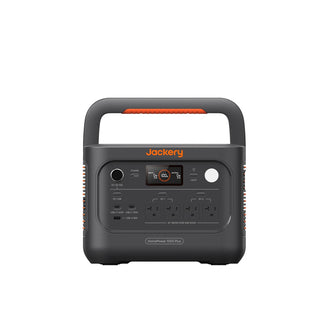
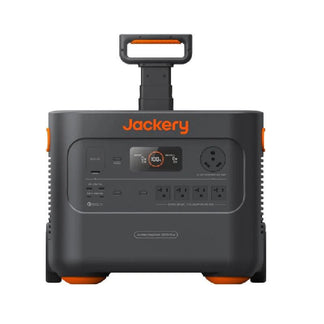
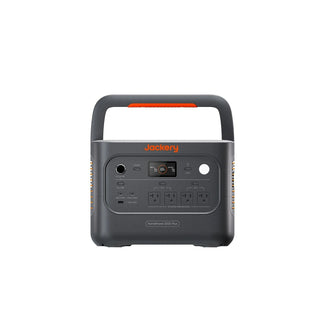
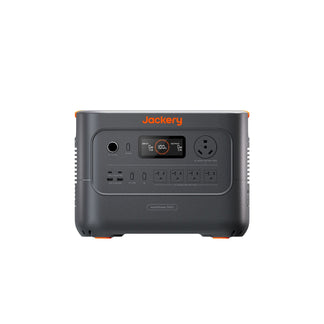
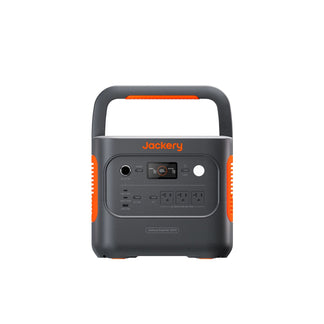
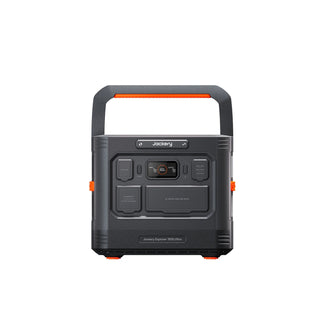
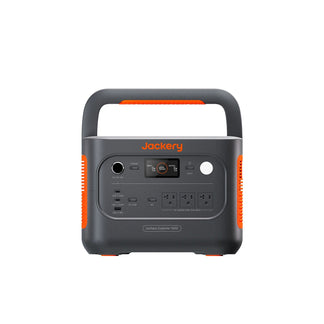
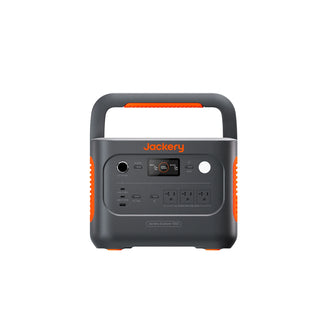
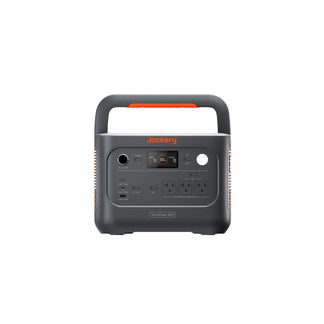
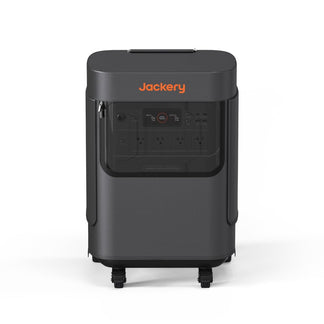
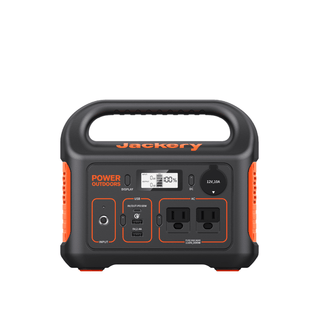
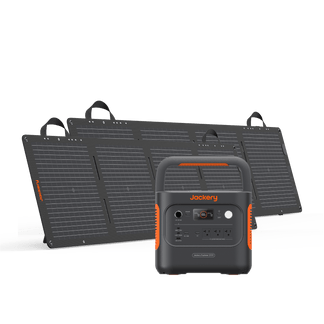
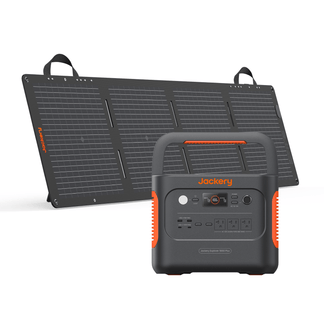
Three high-capacity systems from Jackery provide clean, silent, and reliable power to keep your summer watch party running safely, indoors or out. Before purchasing, consult our comprehensive Jackery buying guide to select the ideal system for your needs:
|
Model |
Battery Capacity |
Continuous / Surge Output |
Outage Runtime Example |
Key Party Highlight |
|
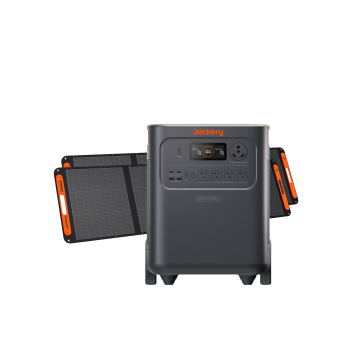
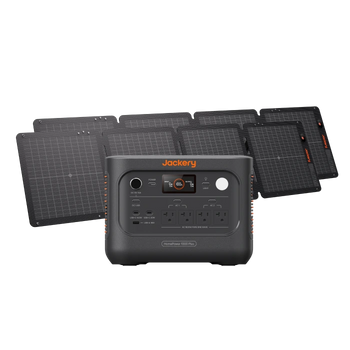
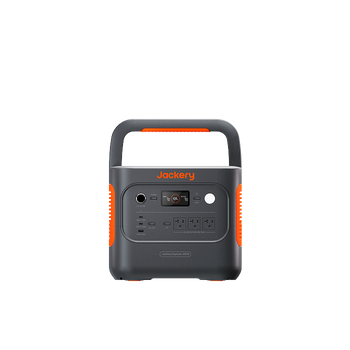
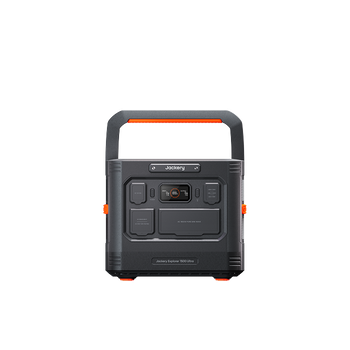
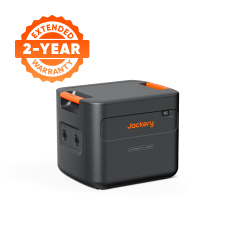
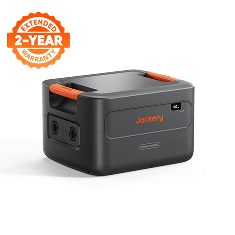
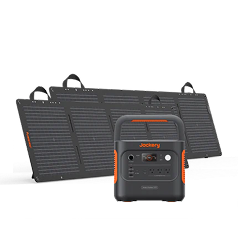
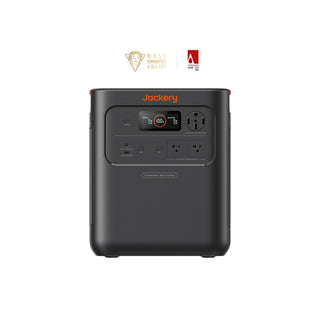
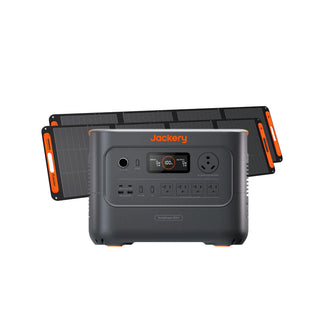
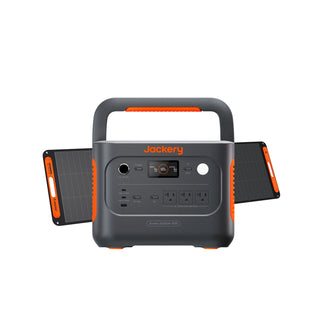
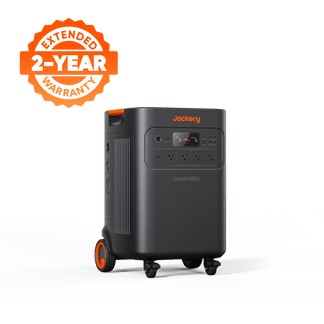
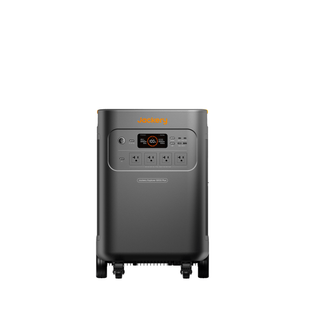
Jackery Solar Generator HomePower 3600 Plus |
3,584 Wh (Expandable to 43 kWh) |
3,600 W / 7,200 W |
Projector, soundbar, and mini-fridge: **6+ hours** |
Whisper-quiet 30dB run; zero emissions allow safe indoor placement directly next to guests. |
|
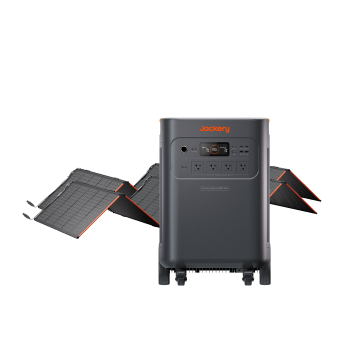
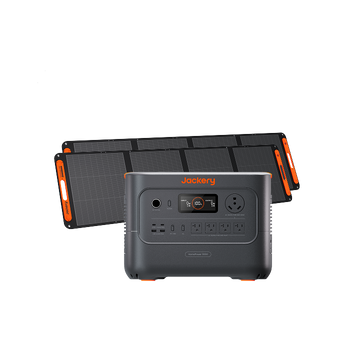
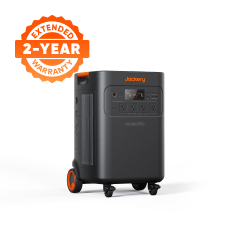
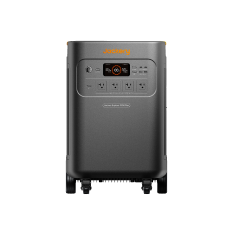
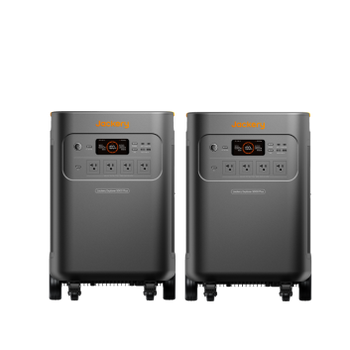
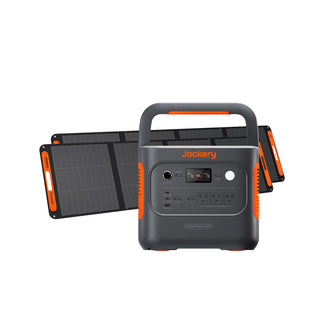
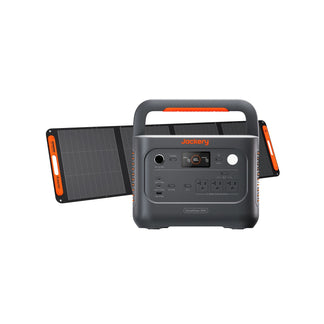
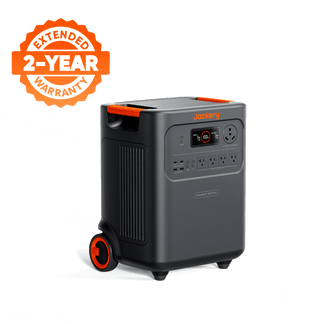
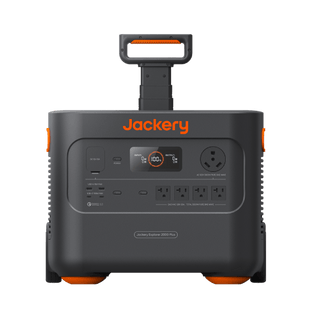
Jackery Solar Generator 5000 Plus |
5,040 Wh (Expandable to 60 kWh) |
7,200 W / 14,400 W |
Outdoor TV, sound system, and mini-fridge: **12+ hours** |
True 120V/240V dual-voltage output; check can Jackery power an air conditioner to run peak indoor cooling loads during outages. |
|
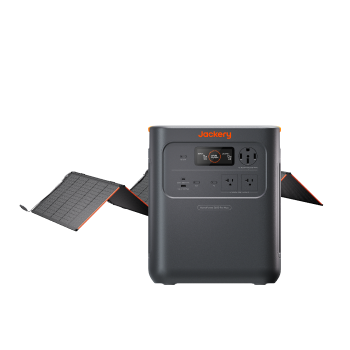
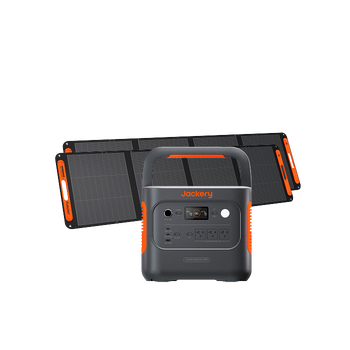
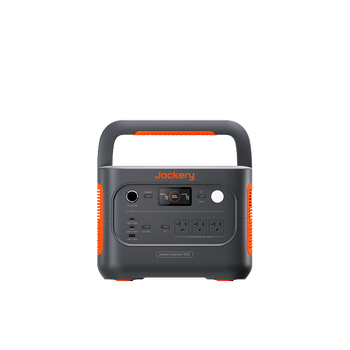
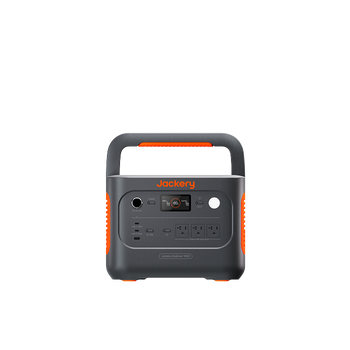
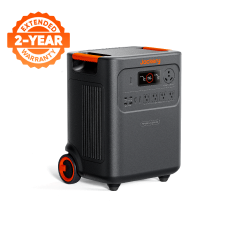
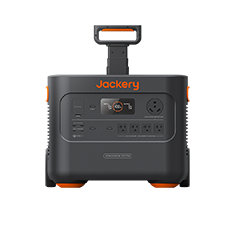
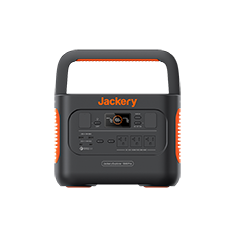
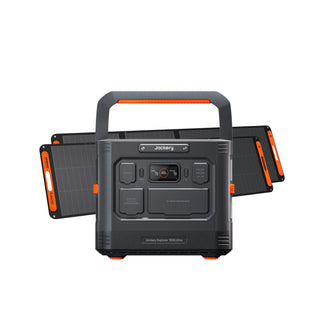
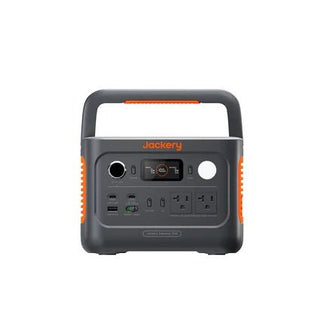
Jackery Explorer 2000 v2 |
2,042 Wh |
2,200 W / 4,400 W |
Projector and streaming setup: **10+ hours** |
Lightweight 39.5-pound design; features an under-20ms UPS mode to prevent reboots during grid loss. |
Frequently Asked Questions
Which appliance is the single biggest electricity drain during a watch party?
Your home's HVAC/air conditioning system is the largest summer electrical draw, accounting for 45% to 54% of your total home consumption. A single portable AC unit can draw up to 1,500W continuously.
How do I calculate watts versus kilowatt-hours for my party?
Multiply the combined wattage of all active appliances by the total runtime hours, then divide by 1,000. For example, a 500W load running for 4 hours consumes 2,000 Wh (2 kWh) of energy.
Can a standard home circuit handle a TV, sound system, refrigerator, and lights?
Yes. A standard 15-amp household circuit handles up to 1,800W. To maintain a safe 20% margin, ensure your steady load does not exceed 1,440W, leaving ample headroom for appliance startup surges.
Does turning the TV off when leaving the room really save money?
Yes, but focus first on unplugging unused streaming devices and game consoles, which draw up to 30W even when idle. Unplugging these "vampires" delivers far greater energy savings than toggling the TV screen.
Will a ceiling fan allow me to raise my AC thermostat setting?
Yes. Ceiling fans create a wind-chill effect on your skin, allowing you to raise the thermostat by 4 degrees Fahrenheit without your guests feeling warmer. Each degree you raise the thermostat saves 3% to 5% on cooling costs.
Should I unplug my secondary garage fridge or freezer before the party?
Only if the unit is completely empty. A full freezer operates far more efficiently than an empty one because the frozen food acts as a cold thermal mass, preventing temperature spikes.


