
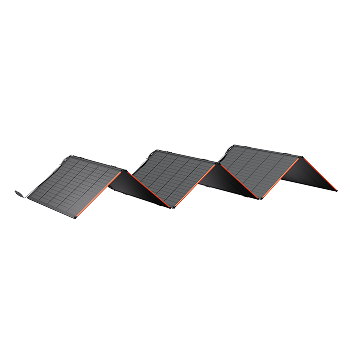
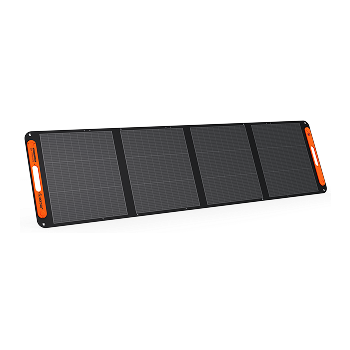
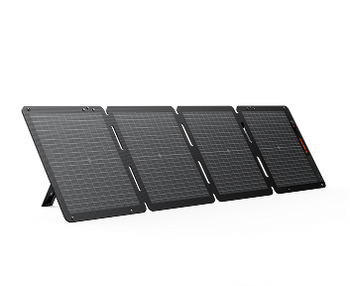
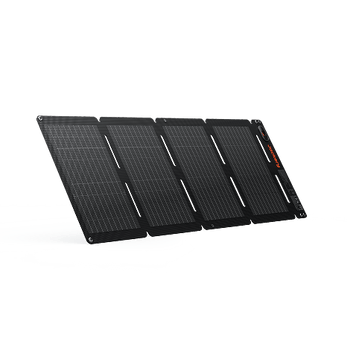





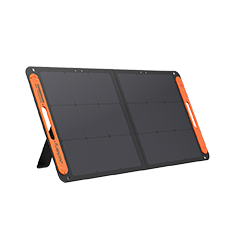
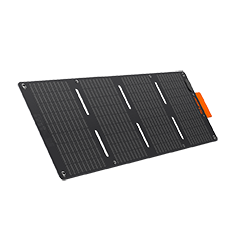




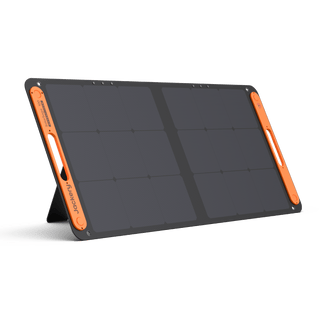
![[Add-on] Jackery SolarSaga 500 X - Jackery](http://www.jackery.com/cdn/shop/files/add-on-jackery-solarsaga-500-x-1493607.webp?v=1786503068&width=324)
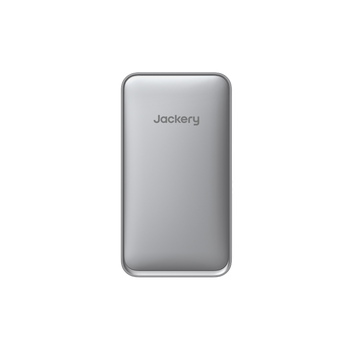
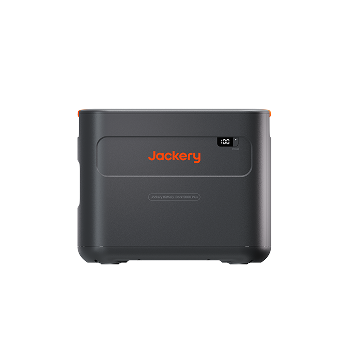
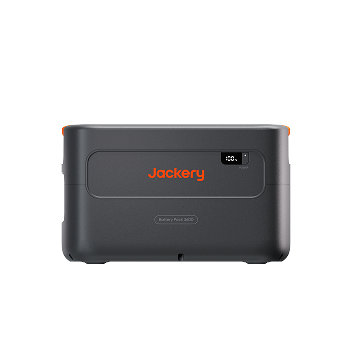
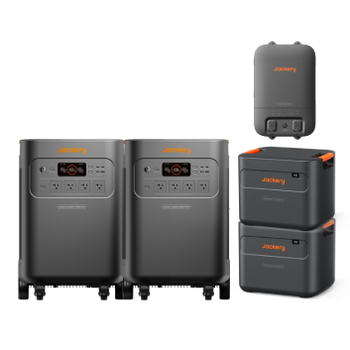
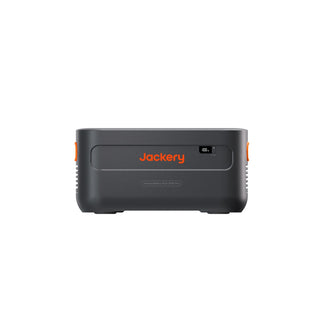
![[Add-on] Jackery Battery Pack 5000 Plus - Jackery](http://www.jackery.com/cdn/shop/files/add-on-jackery-battery-pack-5000-plus-6713401.webp?v=1786503068&width=324)







You can ruin a campground's natural peace much faster with a loud gas generator than with a stray fire spark. Many beginner campers do not realize they have broken established safety or etiquette rules until a park ranger or camp host knocks on their tent flap at 11:00 PM.
Understanding and respecting campground rules is not about turning you into a perfect outdoor survivalist overnight; it is about keeping you from becoming that camper—the one whose excessive noise, improperly stored food, or safety violations empty neighboring campsites. If you are serious about never worrying about generator hour limits, an ultra-quiet solar-powered setup can completely change your outdoor experience. Let's explore the essential rules that keep campsites safe and enjoyable for everyone.
Master Campground Etiquette: Quiet Hours, Noise, and Respect
At most state parks, national forests, and private campgrounds, quiet hours are strictly enforced, most commonly from 10:00 PM to 6:00 AM (though some state and private campgrounds may extend this from 10:00 PM to 7:00 AM). Treat these hours as a non-negotiable minimum rather than a suggestion. Park rangers and camp hosts can issue formal citations or evictions for repeat violations, especially if your noise disrupts sleeping neighbors.
Gas generator usage is typically restricted to specific daytime windows, which vary significantly by park. For example, some parks permit use only during two or three narrow daytime blocks (such as Yosemite National Park's 7:00 AM to 9:00 AM, 12:00 PM to 2:00 PM, and 5:00 PM to 7:00 PM schedules), while other locations allow continuous daytime use. Relying on a noisy gas generator means gambling with your daily schedule and risking eviction if you run your machine outside these hours.
Furthermore, open-frame gas generators can register over 70 decibels (roughly equivalent to a running vacuum cleaner), which carries straight through tent fabric and disrupts campsites within a 300-foot radius. Since National Park Service regulations (36 CFR § 2.12(a)(1)(i)) strictly prohibit operating motorized equipment or generators in a manner that exceeds a noise level of 60 decibels at a distance of 50 feet, running these loud, open-frame models is actually illegal in many public campgrounds.
Wildlife, Pets, and Campsite Sweeps
Sound travels much farther across open campsites, gravel, and water, particularly at night. Keep your conversations low and keep personal audio devices at a minimum. Pets must be held on a leash no longer than 6 feet at all times, and should never be left unattended at your site. Dog barking is a common source of conflict, and uncollected pet waste creates clear sanitation hazards.
Before retiring for the night, always conduct a thorough site sweep. Ensure all food wrappers, empty cans, and scented items are securely packed away. Leaving even a single snack on your picnic table can attract raccoons, skunks, or bears, creating a safety hazard for your family and the campers next door.
Stress-Free Travel: The 3-3-3 and 2-2-2 Rules
Long hours behind the wheel are a major cause of driver fatigue, particularly when towing a heavy travel trailer or fifth-wheel. To maintain road safety, experienced travelers rely on two simple transit formulas:
- The 3-3-3 Rule: Drive no more than 300 miles per day (roughly 5 to 6 hours of driving), arrive at your campsite by 3:00 PM, and stay at least 3 nights per location to decompress and explore.
- The 2-2-2 Rule: A more relaxed alternative, recommending you drive no more than 200 miles per day, arrive by 2:00 PM, and stay at least 2 nights per location. This is highly recommended for families with young children or retirees.
Arriving by 2:00 PM or 3:00 PM ensures you have ample daylight to pitch your tent or level your RV safely, preventing the stress of late-night arrivals. Setting up camp in the dark often leads to slammed doors, bright headlights, and loud talking, which can disturb already-settled campers. If you are exploring full-time RV configurations, check out our guide on Why Is Living in an RV Illegal? to understand local housing and parking regulations.
Fire Safety, Firewood Rules, and Leave No Trace
Uncontrolled campfires represent an extreme hazard on public lands. Always check for local fire restrictions and burn bans before your trip. When building a campfire, use established fire rings, keep your blaze to a manageable size ( basketball-sized is plenty for cooking and warmth), and never leave the fire unattended.
To extinguish your campfire completely, douse it thoroughly with water, stir the ashes, and repeat until the entire bed is cool to the touch. If the ashes are too hot to hold your hand an inch above them, the fire is not fully out. Leftover hot embers can easily be scattered by a sudden gust of wind and spark a wildfire.
The Firewood Transport Rule
You must buy or gather your firewood locally—ideally within 10 miles of your campsite, and absolutely no more than 50 miles away. Transporting wood over long distances can spread highly destructive invasive species like the emerald ash borer, which has killed tens of millions of ash trees across the US. Many state parks now ban out-of-state firewood entirely to protect local ecosystems.
Additionally, always follow the core principles of Leave No Trace. Use only dead and down wood for campfires, and never cut branches from standing trees. Scented items like toothpaste and soap must be stored in bear-proof containers or locked inside your vehicle. Dishwashing must be done at your campsite using a portable wash basin—never at the communal drinking water spigots.
Dispersing greywater must be done at least 200 feet away from natural lakes and rivers. If you are planning an off-grid trip, explore our comprehensive guide on Can You Camp on BLM Land? to understand dispersed camping rules.
Essential Campground Policies and Site Boundaries
Upon arriving at any campground, check in at the main office or with the camp host immediately. Skipping registration can lead to trespassing citations, even if you have an active online booking. Standard occupancy limits are strictly enforced, typically capped at 6 people and 2 tents per campsite, with a maximum stay limit of 14 consecutive nights.
Always respect physical site boundaries. Treat neighboring campsites as private property: do not walk through someone else's site to take a shortcut to the bathroom or the trail. Walking through an active campsite is the outdoor equivalent of walking uninvited through a neighbor’s living room.
Park your vehicles exclusively on designated asphalt or gravel pads. Never park on grass or block campground access roads, as this can trap emergency vehicles. Ensure your chairs, coolers, and equipment stay within your site's physical boundaries, and secure loose items before going to bed to prevent wildlife visits or wind damage.
Stay Powered While Following Every Rule: Silent Solar Generators
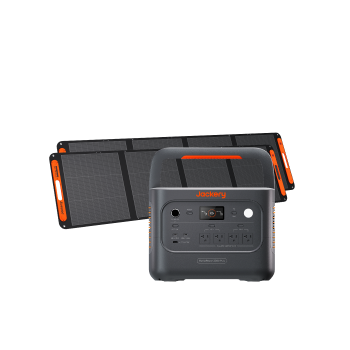
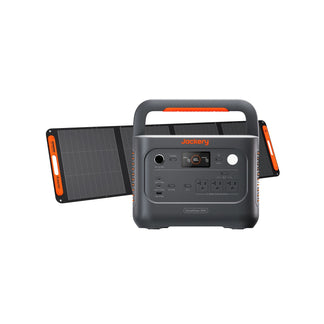
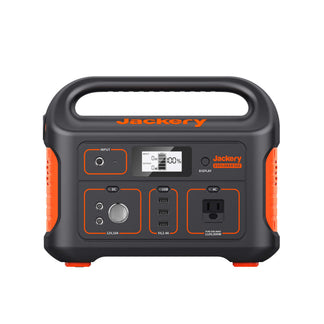
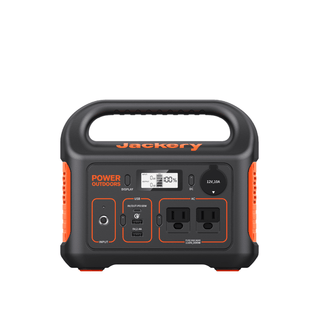
A portable solar generator completely eliminates the single biggest source of campground conflict: generator engine noise. Because solar batteries operate in dead silence (typically under 30 decibels, which is quieter than a whisper), they can run continuously through quiet hours without violating any noise restrictions or disturbing neighboring campers.
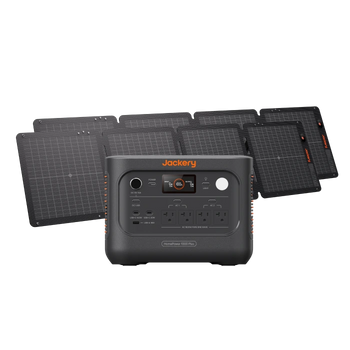
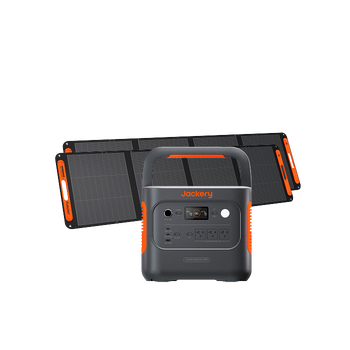
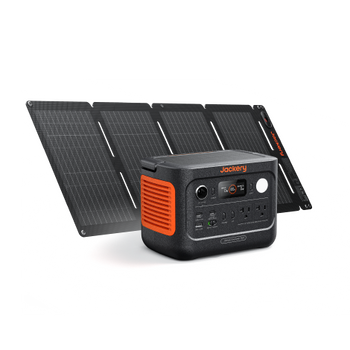
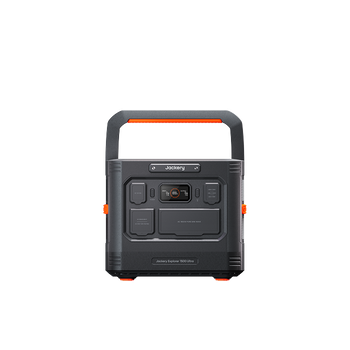
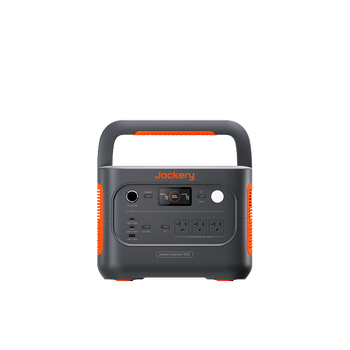
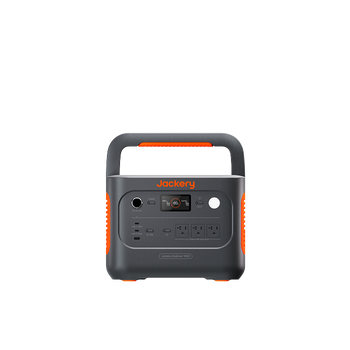
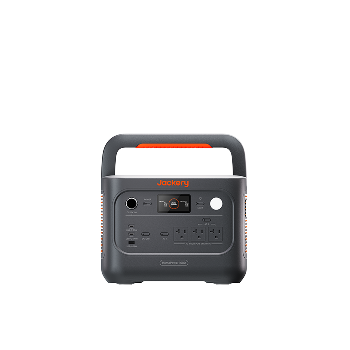
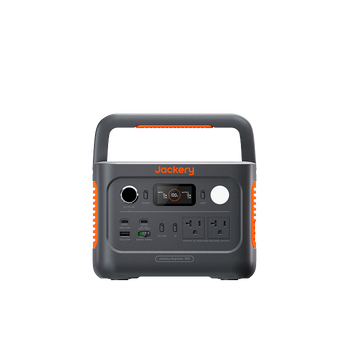
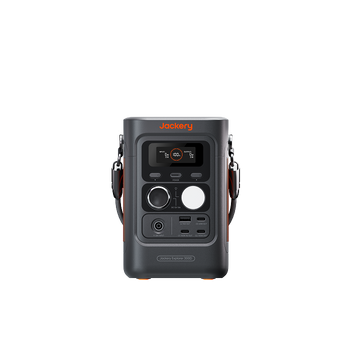
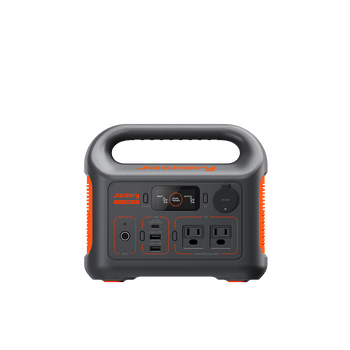
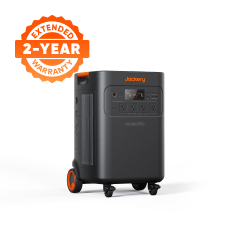
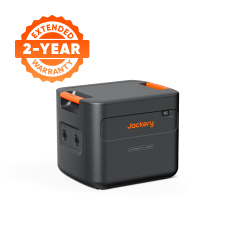
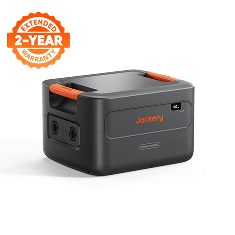
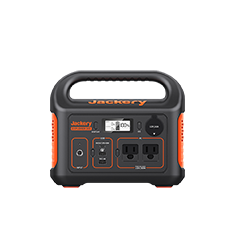
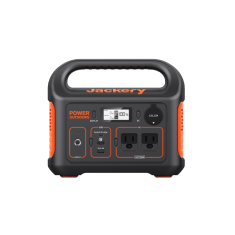
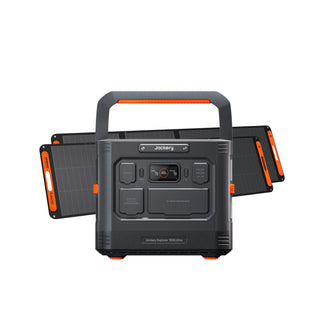
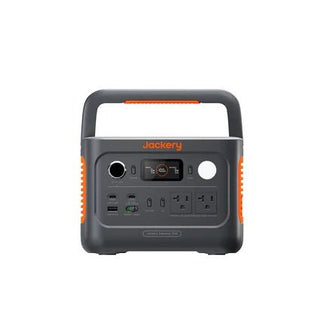
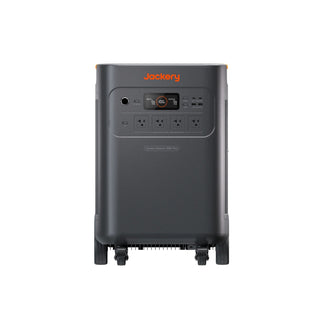
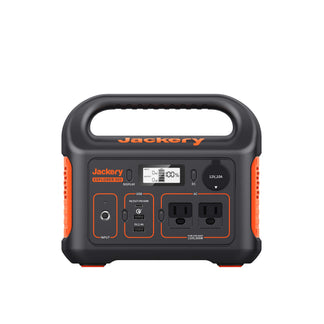
To find the best battery storage for your campsite, check out our selection of Jackery Portable Power Stations. For a closer look at specific hardware, review our guide to selecting the Best Portable Generator for Camping or explore our comprehensive Portable Camp Generator Guide.

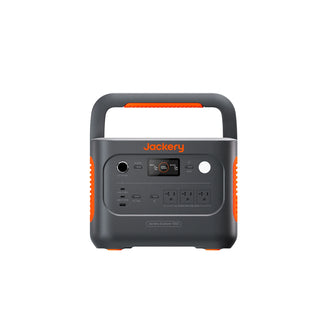
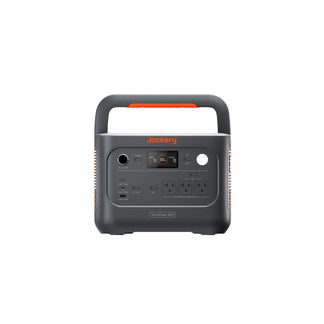
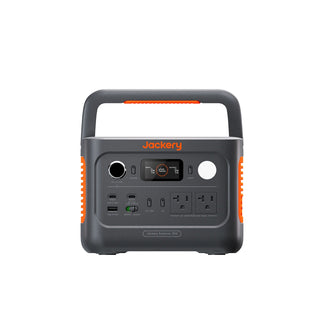
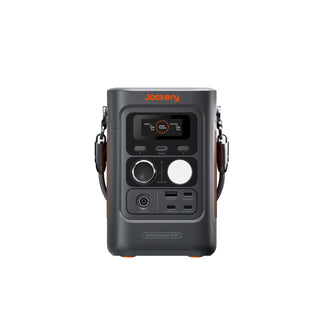
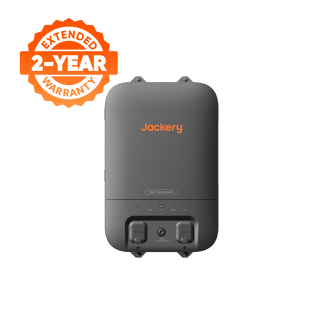
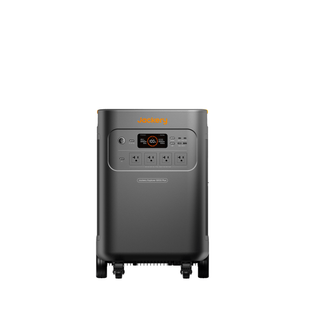
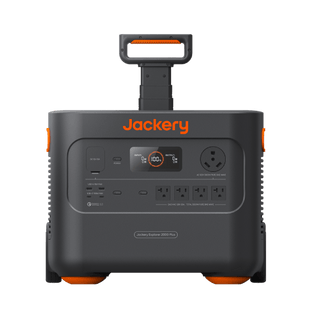
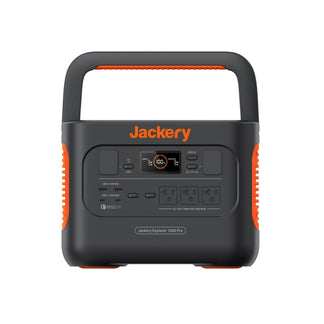
Two premium quiet-generation systems are ideal for campsite power:
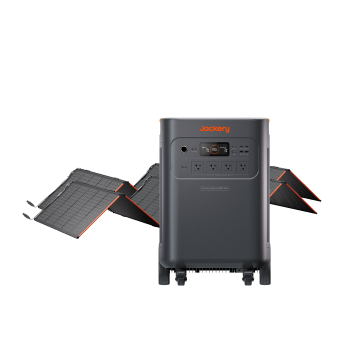
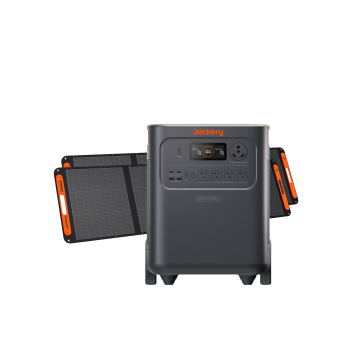
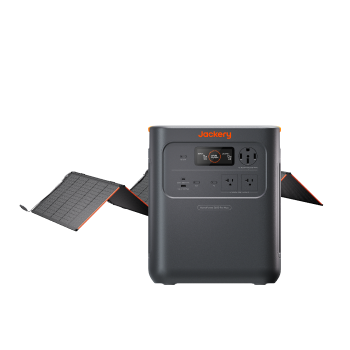
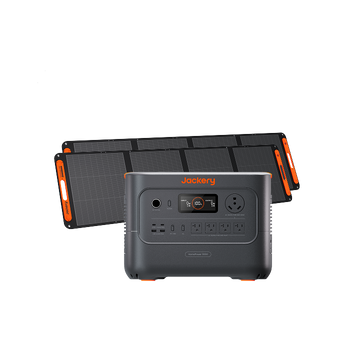
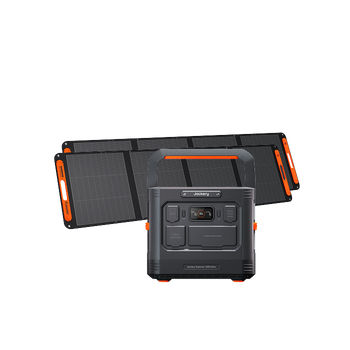
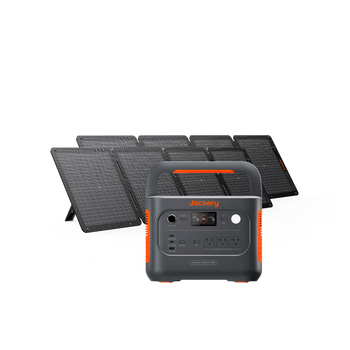
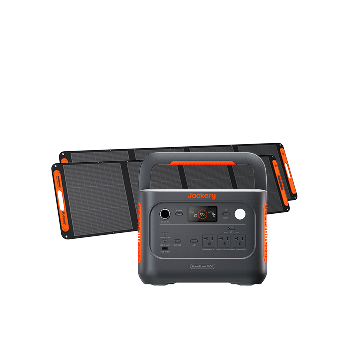
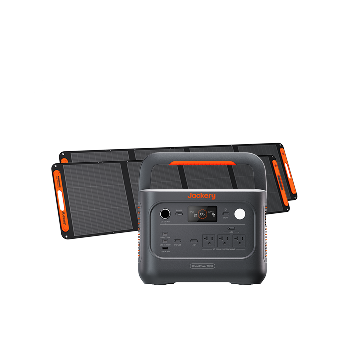
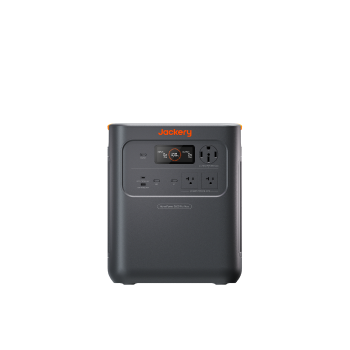
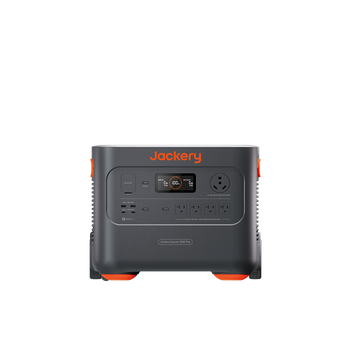
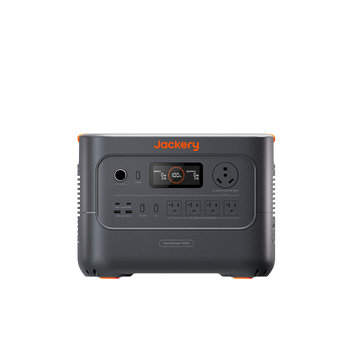
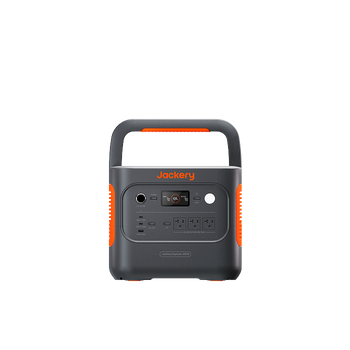
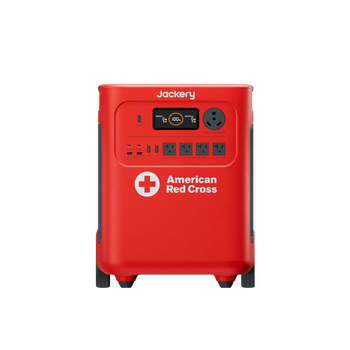
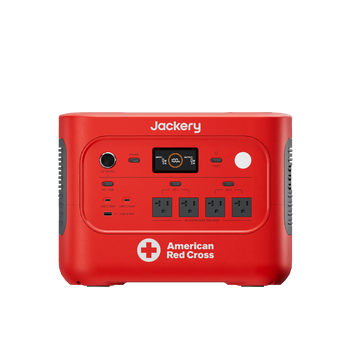
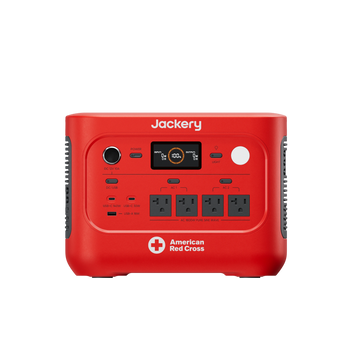
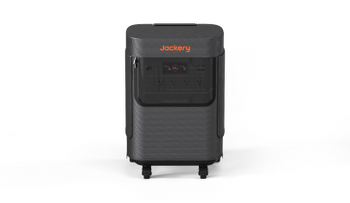
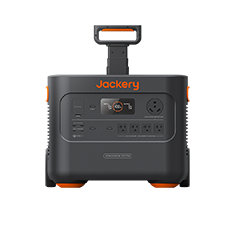
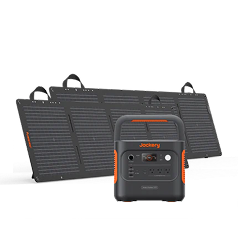
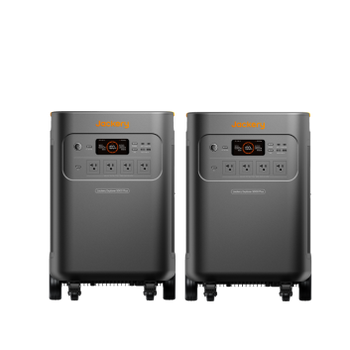
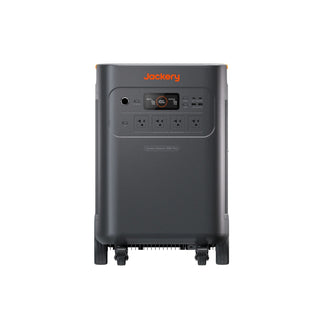
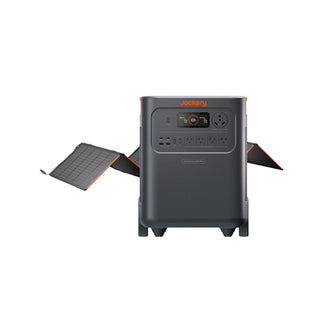
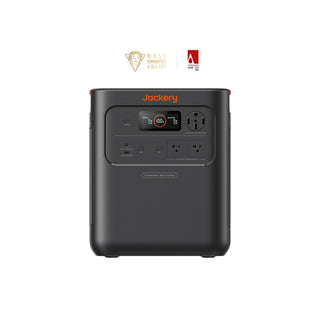
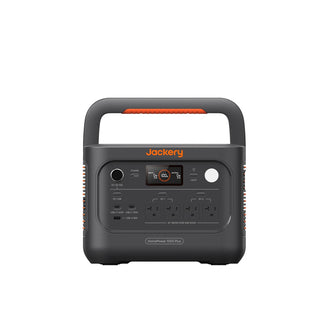
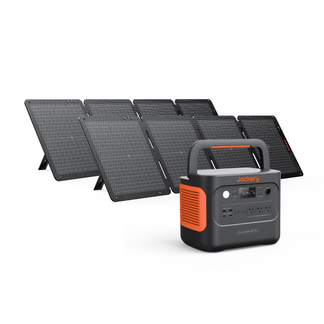
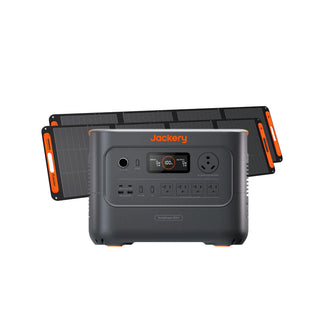
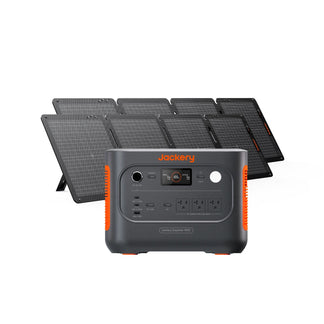
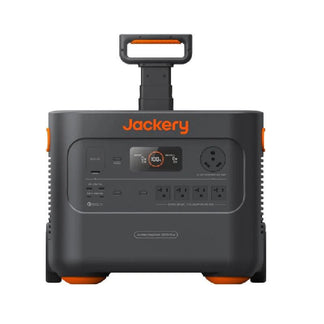
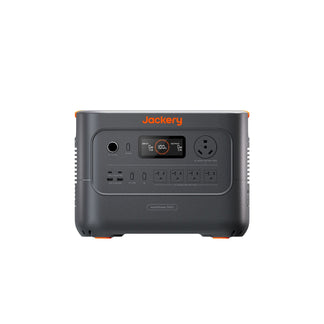
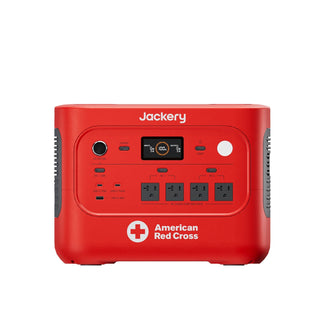
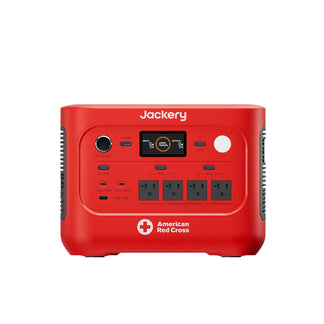
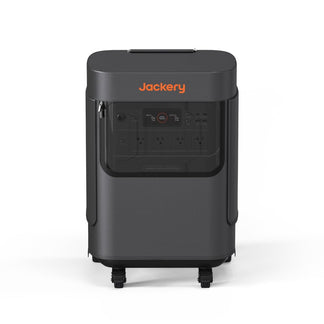
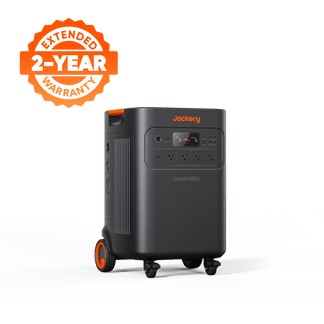
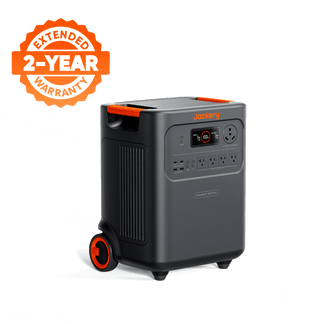
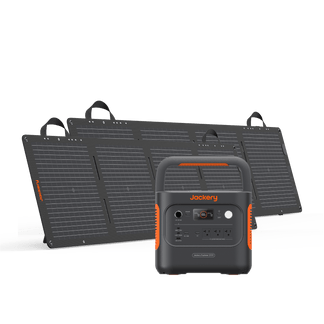
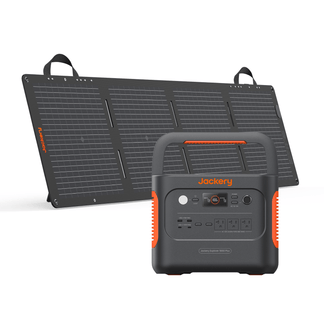
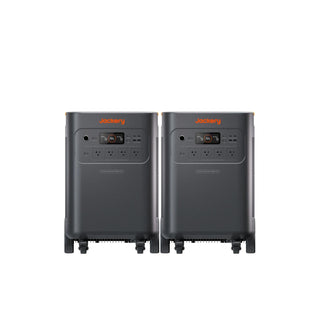
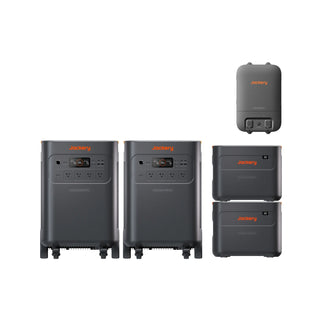
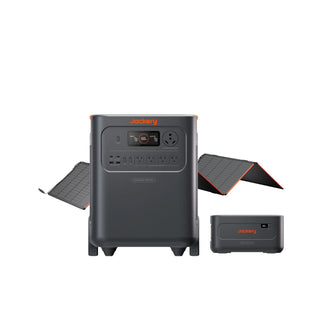
Jackery Solar Generator 2000 v2: Weighing just 39.5 lbs, it is light enough to carry from your vehicle to the picnic table in one trip. It delivers 2200W of clean output, recharging silently via portable solar panels without any fuel storage or exhaust emissions, allowing you to harvest energy all day long.
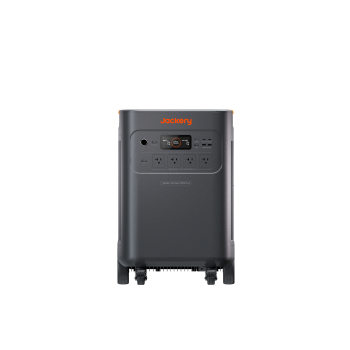
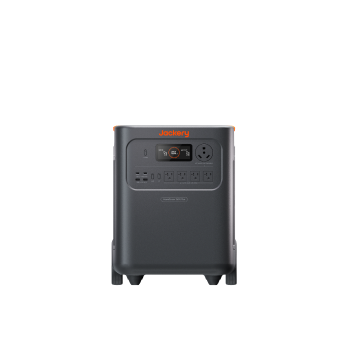
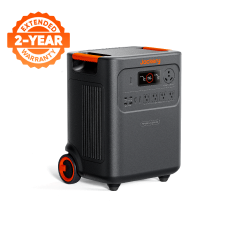
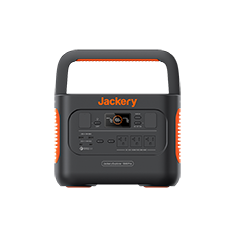
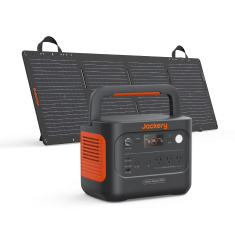
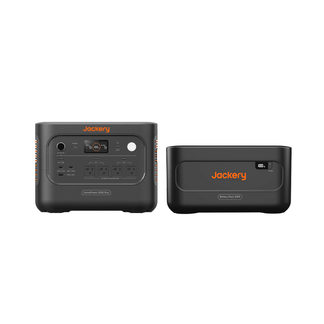
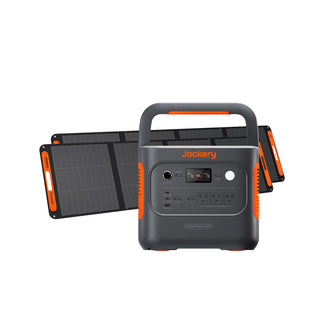
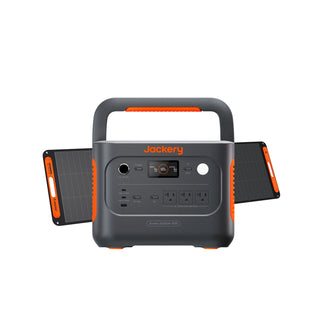
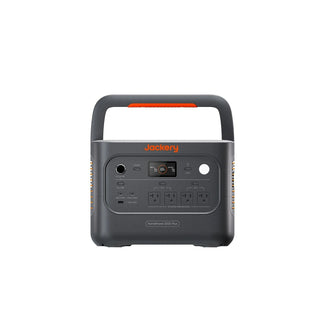
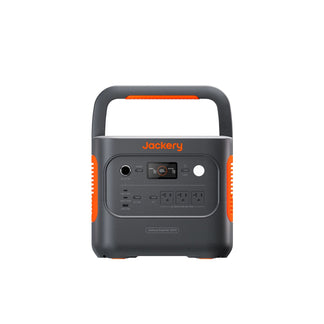
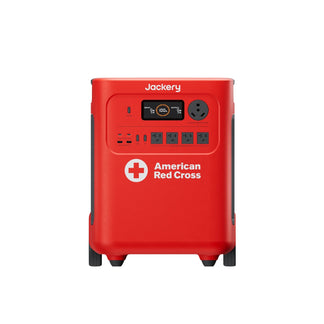
Jackery Solar Generator 2000 Plus: Features a robust 2,042.8 Wh capacity (expandable to 24 kWh) capable of running high-draw appliances like microwaves silently overnight. It operates with zero emissions, making it completely safe to run inside your tent or RV.
Frequently Asked Questions
What if I arrive after check-in times?
If you arrive after hours, park in designated late-arrival bays if available. If you must enter your site, dim your headlights, use a low red headlamp to navigate, and keep your setup as quiet as possible, leaving full unpacking and camp organization for the following morning.
How do I handle a noisy neighbor?
Always start with a polite, non-confrontational request—many campers do not realize their voices or music are carrying. If the noise continues past quiet hours, do not engage in an argument; instead, contact the on-duty camp host or local park ranger to handle the issue.
Can I reserve a specific campsite number?
Most public campgrounds utilizing reservation sites (like Recreation.gov) allow you to view a map and select a specific site number during booking. Private campgrounds typically allow you to select your preferences but may assign your specific site number upon arrival.
What size solar generator do I need for camping?
Calculate the total daily watt-hours of the appliances you plan to run. A compact 500Wh unit is perfect for charging phones, laptops, and headlamps. For running a 12V portable compressor refrigerator for multiple days, a 1,000 Wh to 2,000 Wh unit is the recommended minimum.
What happens if I accidentally break a campground rule?
If a ranger or camp host points out a violation, apologize immediately, correct the behavior, and comply with their instructions. Camp hosts are volunteers who want to keep the area safe, and cooperative campers are almost always forgiven for honest mistakes.


