




![[Add - on] Jackery Manual Transfer Switch for Explorer 5000 Plus - Jackery](http://www.jackery.com/cdn/shop/files/add-on-jackery-manual-transfer-switch-for-explorer-5000-plus-9017324.png?v=1754016782&width=350)


![[Add - on] Jackery Battery Pack 5000 Plus - Jackery](http://www.jackery.com/cdn/shop/files/add-on-jackery-battery-pack-5000-plus-6078351.png?v=1754016791&width=324)
![[Add - on] Jackery Car Charging Cable - Jackery](http://www.jackery.com/cdn/shop/files/add-on-jackery-car-charging-cable-3882421.png?v=1754016863&width=324)

![[Add - on] Jackery Smart Transfer Switch - Jackery](http://www.jackery.com/cdn/shop/files/add-on-jackery-smart-transfer-switch-5842915.png?v=1754016784&width=324)
![[Add - on]Jackery 102W GaN 3 - Port Fast Charger - Jackery](http://www.jackery.com/cdn/shop/files/add-onjackery-102w-gan-3-port-fast-charger-6377742.png?v=1754016790&width=324)


![[Add - on] SolarSaga 200W - Jackery](http://www.jackery.com/cdn/shop/files/add-on-solarsaga-200w-4834329.png?v=1754016915&width=324)
![[Add - on] Jackery Manual Transfer Switch for Explorer 5000 Plus - Jackery](http://www.jackery.com/cdn/shop/files/add-on-jackery-manual-transfer-switch-for-explorer-5000-plus-9017324.png?v=1754016782&width=324)


Why a CPAP Battery Backup is Essential
For the millions of people diagnosed with sleep apnea, a CPAP (Continuous Positive Airway Pressure) machine is not just a sleep aid—it is a medical necessity. Sleep apnea causes breathing to stop and start repeatedly during sleep, leading to fragmented rest and lower blood oxygen levels.
A reliable CPAP battery backup bridges the gap between the grid and your health. It ensures that whether you are facing a blackout at home or camping off-grid in the wilderness, your therapy continues uninterrupted. It provides not just electricity, but the peace of mind that your health is protected regardless of external circumstances.
What Is CPAP Battery Backup
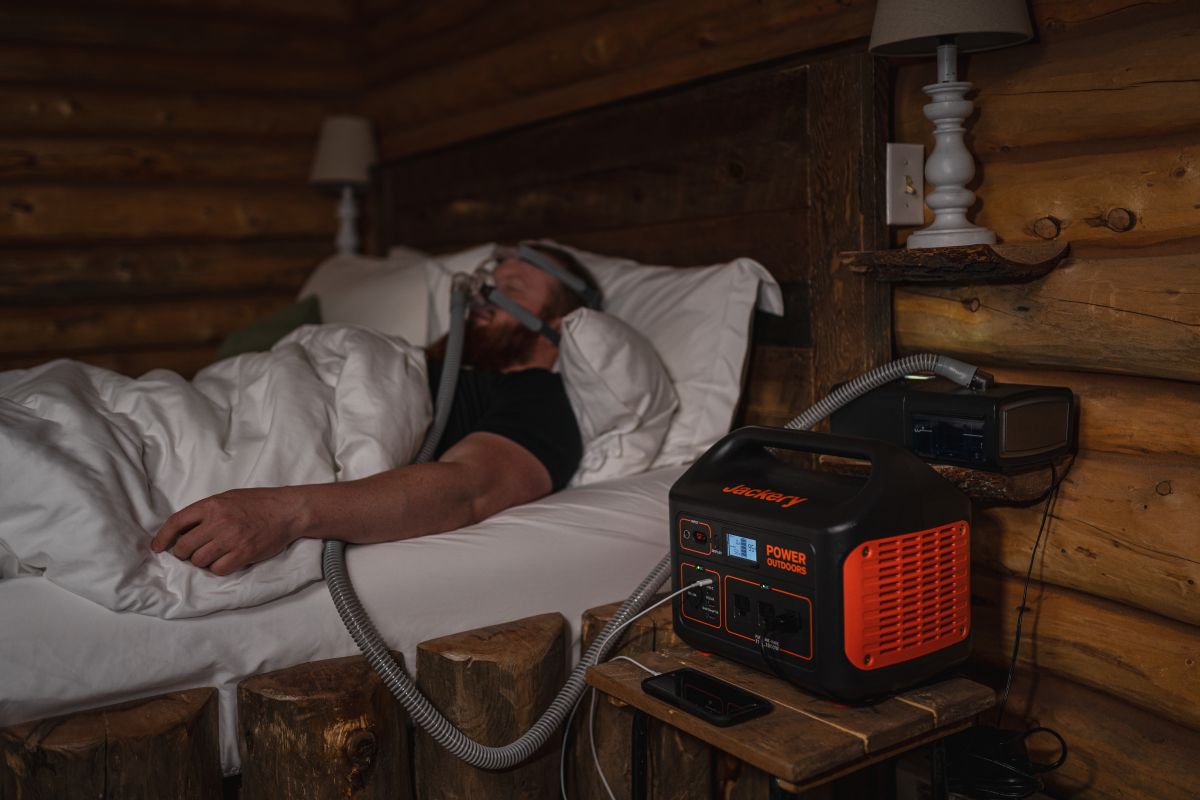
A CPAP battery backup is an independent power source designed to run your sleep apnea machine when a standard wall outlet is unavailable or inactive. These systems range from small, pocket-sized batteries for flights to robust portable power stations for home backup and camping.
Types of CPAP Machines
To choose the right backup, it helps to understand the power demands of your specific machine type:
- Standard CPAP Machines: These deliver a continuous stream of fixed-pressure air. On average, they consume between 30-60 watts, though this can double if a heated humidifier is used.
- APAP Machines (Auto-CPAP): These devices automatically adjust air pressure based on your breathing patterns throughout the night. Their power draw fluctuates but generally averages similar to standard CPAPs.
- BiPAP Machines (Bi-level PAP): These provide two pressure settings (one for inhaling, one for exhaling) and typically draw more power than standard CPAPs due to the complex motor adjustments.
- Travel CPAP Machines: These are designed for portability. They are smaller, lighter, and consume significantly less power (often 5-20 watts), making them ideal for pairing with portable batteries.
How Does Jackery Work as CPAP Battery Backup?
Jackery Portable Power Stations serve as comprehensive CPAP battery backups that go beyond simple energy storage. Unlike gas generators, which are noisy and emit toxic fumes (making them unsafe for indoor use), Jackery stations are battery-powered, silent, and emission-free. You can safely place one right next to your nightstand.
Pure Sine Wave Technology
Crucially, Jackery power stations utilize Pure Sine Wave inverters. CPAP machines contain sensitive motors and microprocessors that require clean, stable electricity to function correctly. "Modified sine wave" inverters found in cheaper batteries can cause CPAP motors to overheat, buzz loudly, or even fail. Jackery’s pure sine wave output replicates the smooth electricity of a wall outlet, ensuring your medical device runs quietly and safely. That’s why Jackery Portable Power Stations can safely power your CPAP device.
Versatile Charging
Jackery Portable Power Stations act as a central hub. While powering your CPAP machine via the AC outlet or 12V DC carport, you can simultaneously charge your phone, keep a fan running, or power a bedside lamp. When the battery runs low, you can recharge the station using:
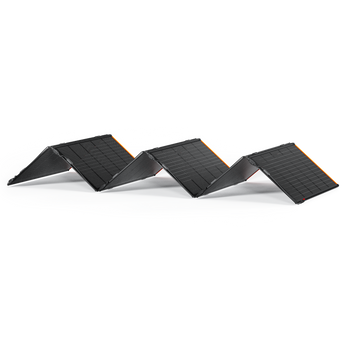
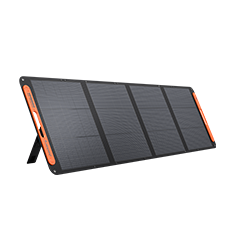
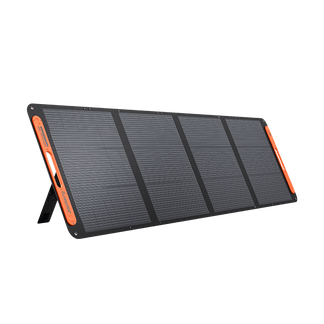
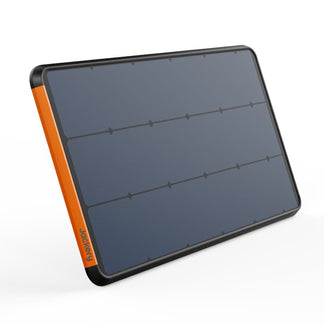
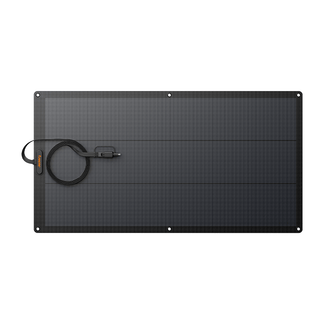
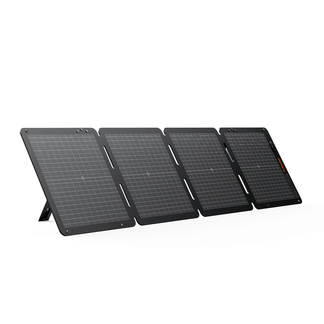
- Solar Panels: Ideally paired with Jackery solar panels for an off-grid, renewable energy source during camping or extended blackouts.
- Wall Outlet: Fast charging at home before a storm hits.
- Car Outlet: Recharging while driving to your campsite.
Understanding Power Consumption & Runtime
The Humidifier Factor
The heated humidifier and heated tubing on a CPAP machine are energy hogs. They can increase power consumption by 50% to 70%.
-
Pro Tip: To maximize battery life during a power outage or camping trip, turn off the heated humidifier and heated tube. You can still use water in the chamber for "passive" humidification, which uses zero extra power. This simple step can often double your runtime.
AC vs. DC Connections
Most CPAP machines run natively on Direct Current (DC). When you plug them into a standard wall outlet (AC), a power brick converts AC to DC.
-
Efficiency Hack: Plugging your CPAP's standard plug into the AC outlet of a power station requires the station to convert DC to AC, and then the CPAP brick converts it back to DC. This double conversion wastes energy. Using a DC converter cable (specific to your CPAP model) to plug directly into the Jackery’s 12V car port is significantly more efficient, extending your battery life.
How To Choose the Best Battery Backup For CPAP?
Selecting the right unit involves balancing capacity, portability, and budget.
Capacity (Watt-Hours)
Capacity, measured in Watt-hours (Wh), is the size of your fuel tank.
-
Calculation: You can check out the Jackery Buying Guide to estimate the runtime for your appliances.
-
For a multi-night camping trip, look for 500Wh or higher. For home backup during extended blackouts, look for 2000Wh+.
Portability vs. Power
If you are car camping or need home backup, weight is less of a concern, and you should prioritize high capacity (Jackery HomePower 3000 or Explorer 2000 Plus). If you are moving frequently, a lighter unit like the Explorer 500 or 1000 v2 is preferable.
Noise Levels (dB)
Since the battery sits near your bed, silence is golden. Jackery models are designed to operate quietly (often under 30-40dB), ensuring the cooling fans don't disrupt the sleep you are trying to protect.
Input/Output Ports
Ensure the station has a 12V DC carport if you plan to use a DC converter cable. Multiple AC outlets allow you to power your CPAP alongside your partner's machine or other essentials like a white noise machine.
5 Best Battery Backup For CPAP Machines
Below are the top recommended Jackery power stations, categorized by their best use case for CPAP users.
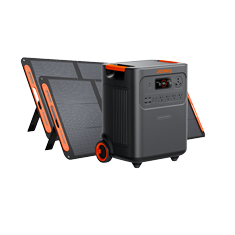
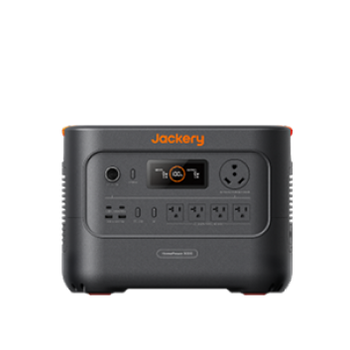
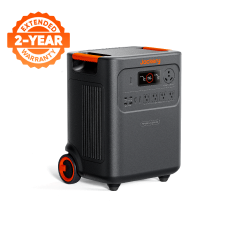
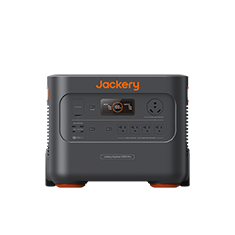
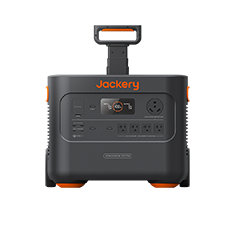
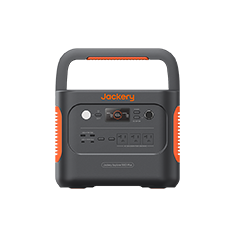
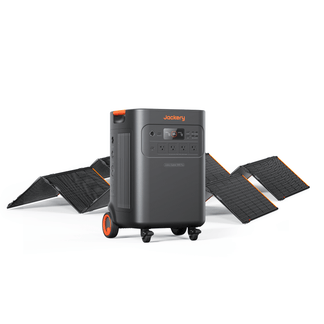
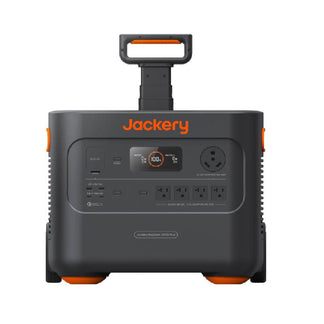
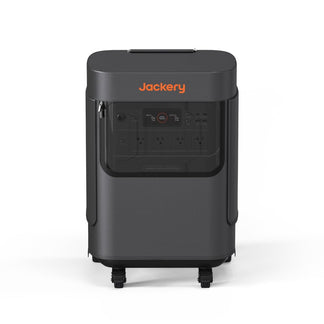
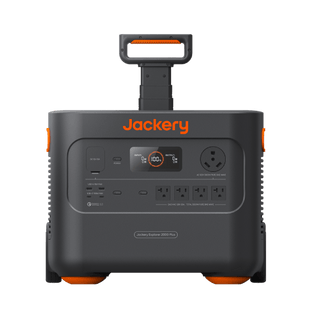
Essential Home Backup for Days - Jackery HomePower 3600 Plus
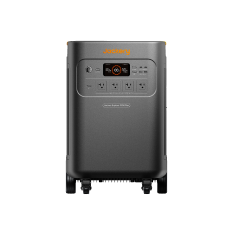
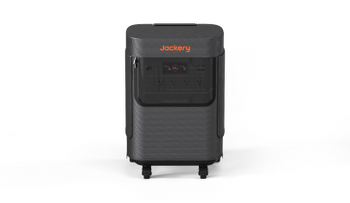
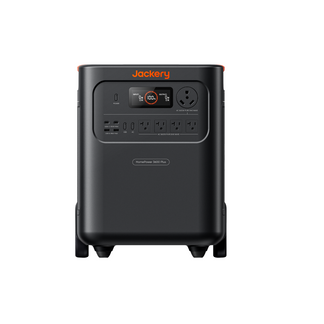
The Jackery HomePower 3600 Plus is the ultimate solution for users living in areas prone to severe weather and multi-day blackouts. Its massive capacity ensures you can run your CPAP machine for over a week on a single charge (without humidifier), while also keeping the refrigerator running and lights on. It features a luggage-style design with wheels, making it easy to move into the bedroom when the grid goes down.
Appliances running time:
- CPAP Machine (60W): ~37.2 Hours (with humidifier) / 60+ Hours (without humidifier)
- Portable AC (1000W): 3.0H
- Refrigerator (850W): 3.5H
- Electric Grill (1700W): 1.8H
Who Should Buy This: Homeowners who need a comprehensive emergency plan that covers medical devices and major home appliances simultaneously.

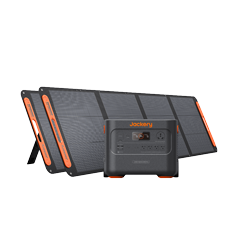
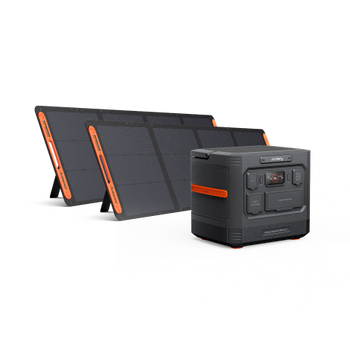
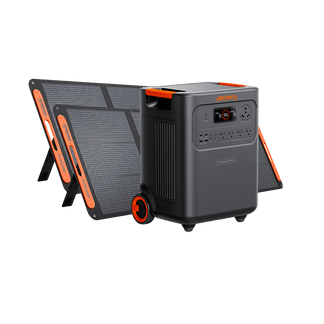
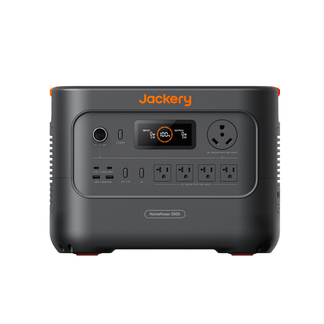
Essential Home Backup for Long Hours - Jackery HomePower 3000
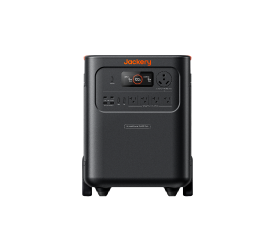
If you rely on a CPAP machine, the Jackery HomePower 3000 gives you the peace of mind that your sleep won’t be interrupted, even during power outages. With enough capacity to run a CPAP for multiple nights, this home battery backup solution keeps your therapy consistent at home.
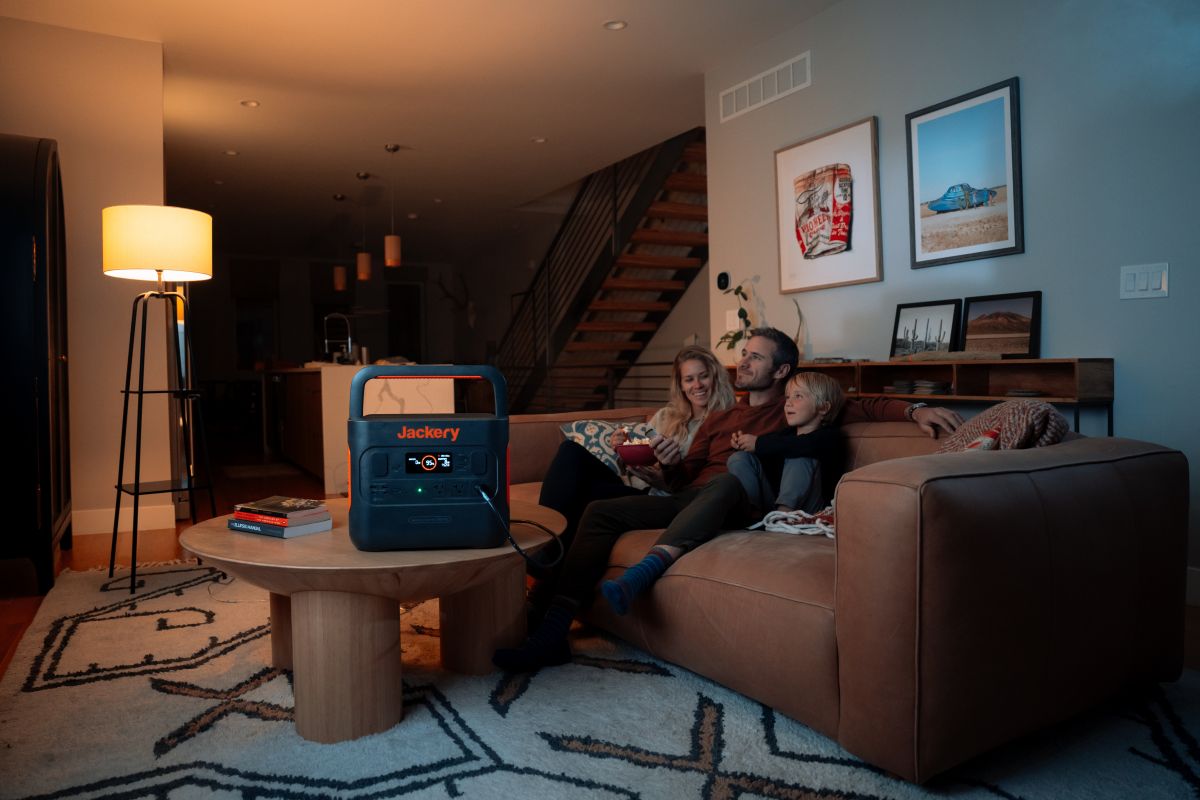
Its quiet, emission-free design makes it suitable for bedside use, while solar charging during the day ensures you are never out of power. During the day, you can use this essential home backup solution to power other appliances, such as fridges, lights, TVs, etc.
Appliances running time:
- CPAP Machine (60W): ~31.8 Hours (with humidifier)
- Portable AC (1000W): 2.6H
- Refrigerator (850W): 3.0H
- Electric Grill (1700W): 1.5H
Who Should Buy This: The Jackery HomePower 3000 is ideal for CPAP users who want a reliable, quiet power backup at home with the flexibility to take it on short outdoor trips or RV adventures.

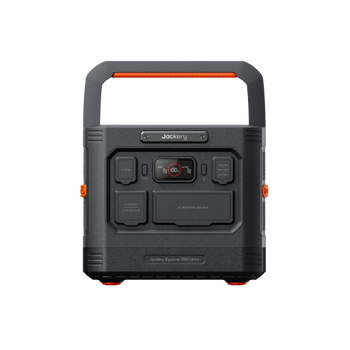
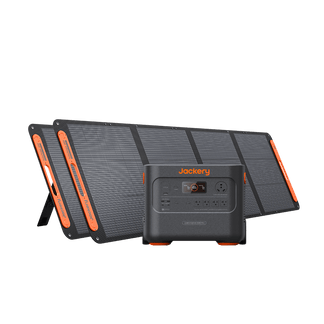
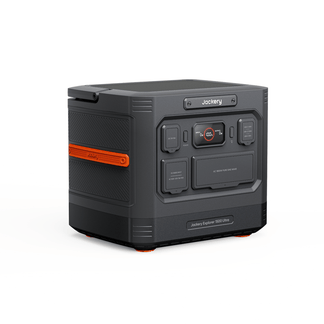
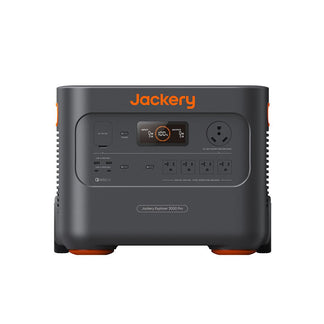
Power Outage CPAP Battery Backup - Jackery Explorer 2000 Plus Portable Power Station
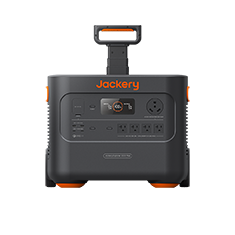
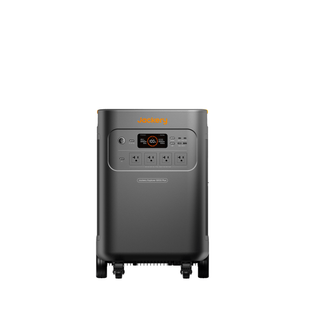
The Jackery Explorer 2000 Plus offers a perfect balance of high capacity and expandability. It features a long-lasting LiFePO4 battery with a 10-year lifespan. If you need more power later, you can add battery packs to expand its capacity. For a standard CPAP machine drawing 30-60 watts, this unit provides ample power for several nights of comfortable sleep.
Appliances running time:
- CPAP Machine (60W): ~19.7 Hours
- Portable AC (1000W): 1.6H
- Refrigerator (850W): 1.9H
- Electric Oven (800W): 2.0H
Who Should Buy This: Individuals who need a future-proof solution. It is portable enough for RV camping but powerful enough to serve as a primary home backup for medical needs.
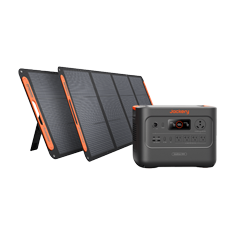
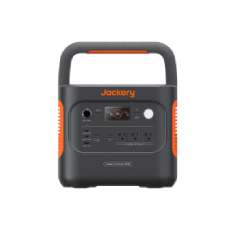
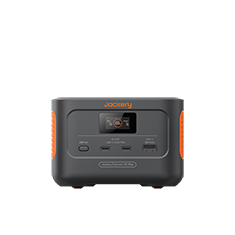
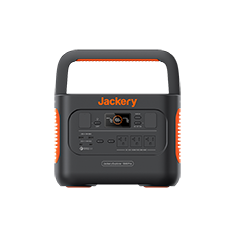
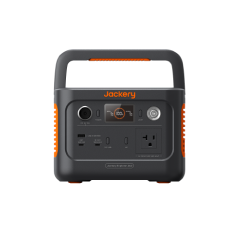
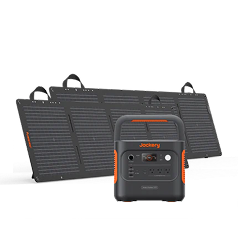
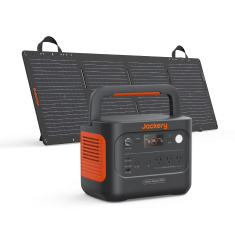
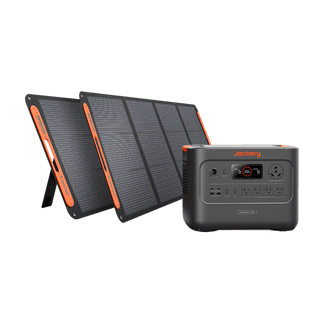
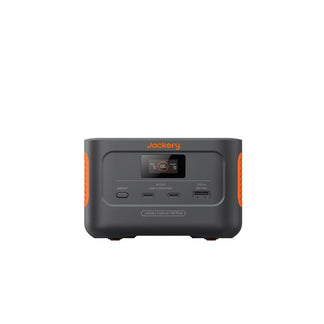
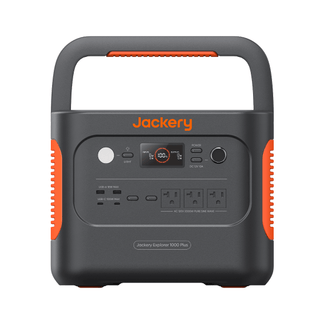
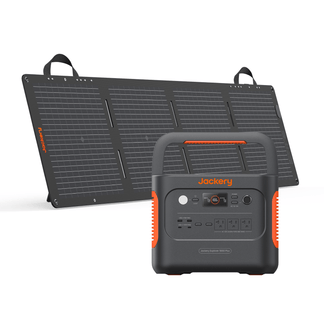
CPAP Generator - Jackery Solar Generator 1000 v2
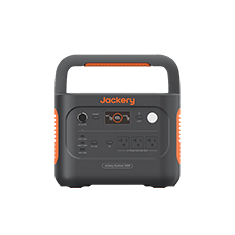
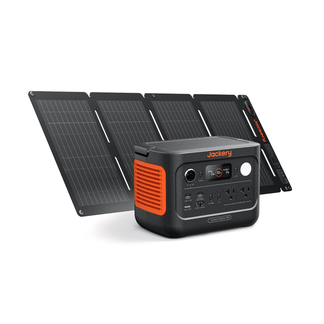
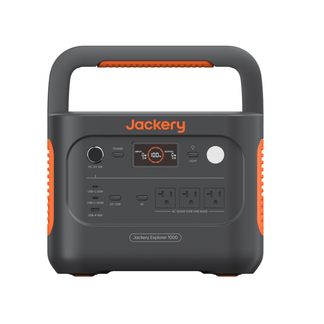
The Jackery Solar Generator 1000 v2 is a modernized classic, ideal for camping trips where space is at a premium but power cannot be compromised. Weighing substantially less than older models, it fits easily into a car trunk. It charges quickly via solar or wall outlets, ensuring your CPAP is ready every night of your camping trip.
Appliances running time:
- CPAP Machine (60W): ~11.7 Hours
- Portable AC (1000W): 0.9H
- Refrigerator (850W): 1.0H
- Kettle (850W): 1.0H
Who Should Buy This: Campers and road-trippers who need a lightweight yet powerful generator to run a CPAP machine for 1-2 nights between charges.

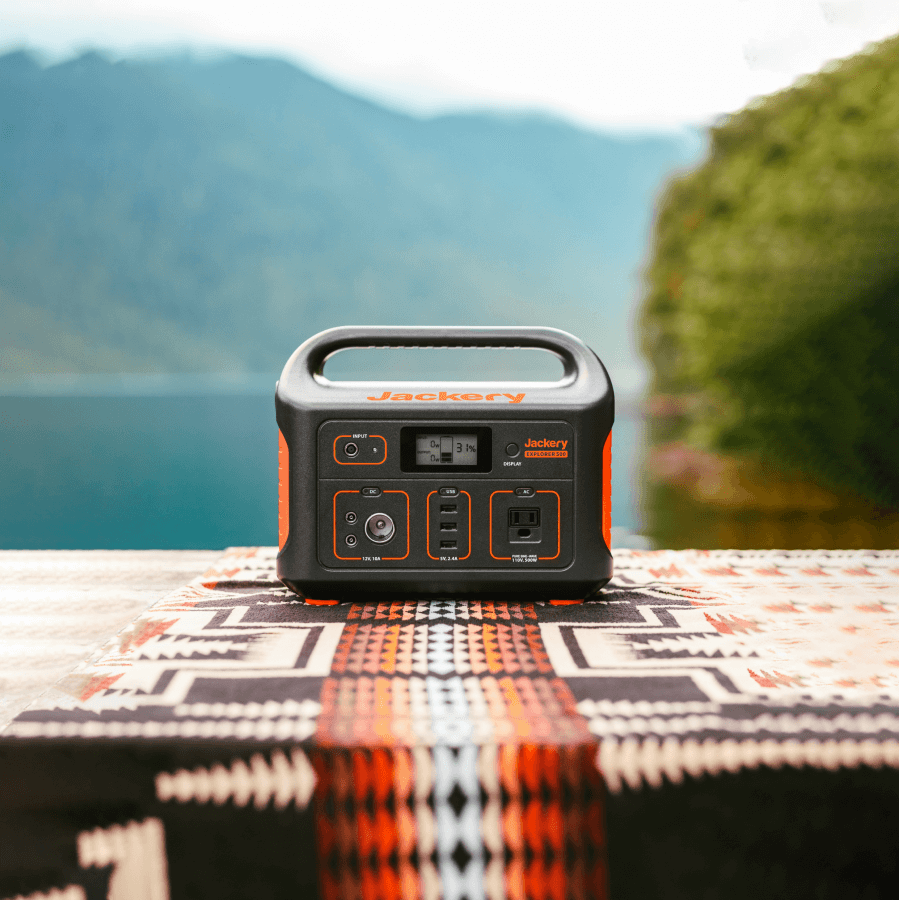
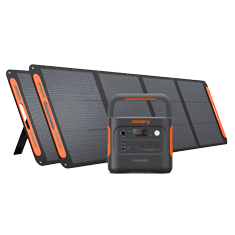
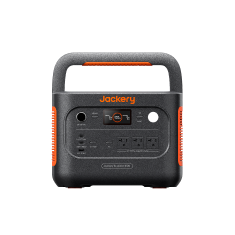
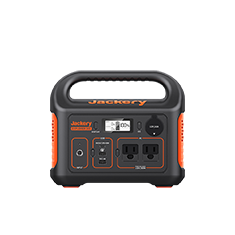
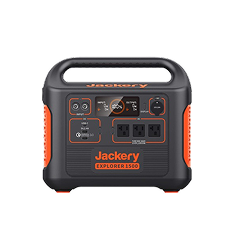
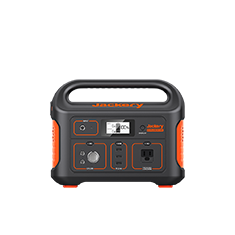
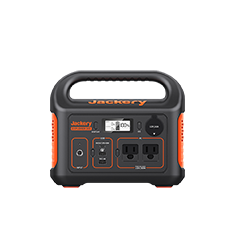
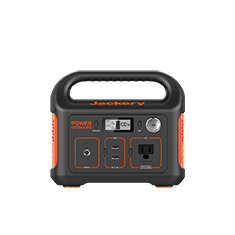
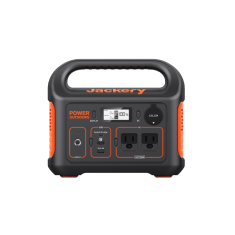
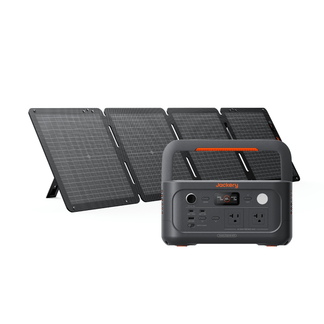
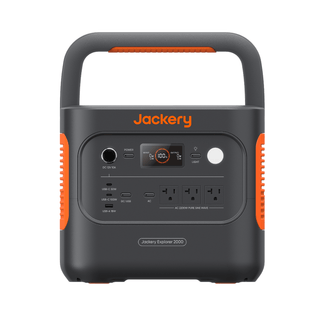
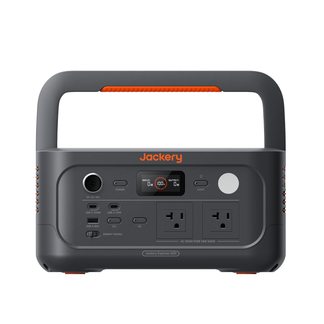
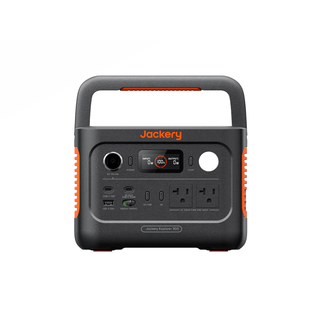
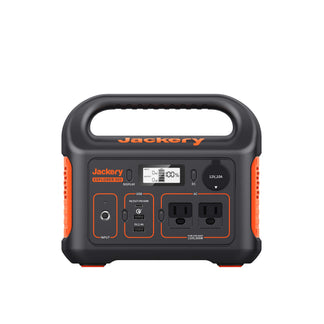
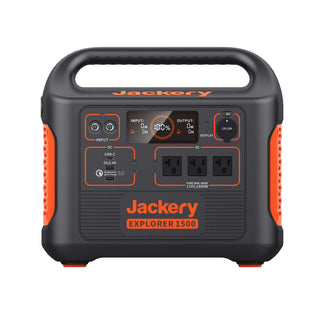
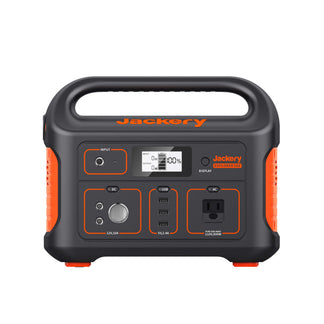
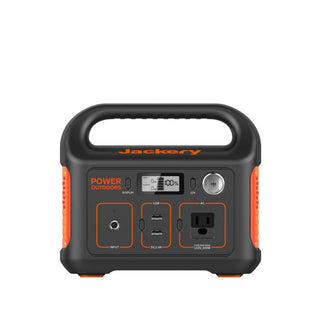
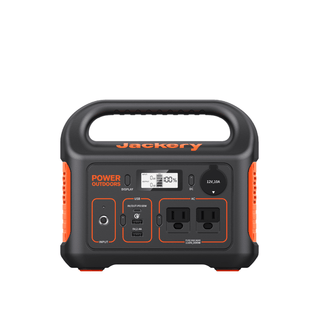
Portable Power Station for CPAP - Jackery Explorer 500 Portable Power Station
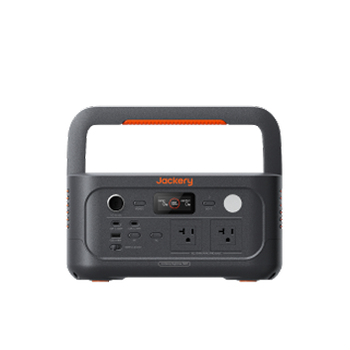
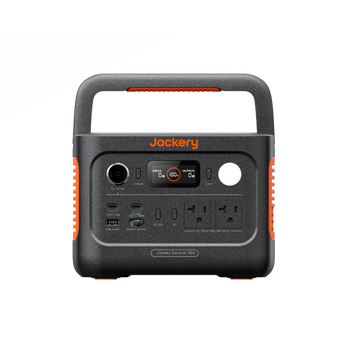
The Jackery Explorer 500 is the gold standard for portability and durability. While it has a smaller capacity, it is incredibly efficient and rugged. It is ideal for weekend camping trips or as a dedicated, budget-friendly backup solely for your CPAP machine (provided you turn off the humidifier).
Appliances running time:
- CPAP Machine (60W): ~6.1 Hours (Note: With humidifier off/DC cable, runtime can extend significantly to ~2-3 nights).
- TV (60W): 6.1H
- Blender (300W): 1.4H
- Mobile Phone (20W): 14.2H
Who Should Buy This: Solo travelers, tent campers, or budget-conscious users looking for a dedicated emergency backup for their medical device.
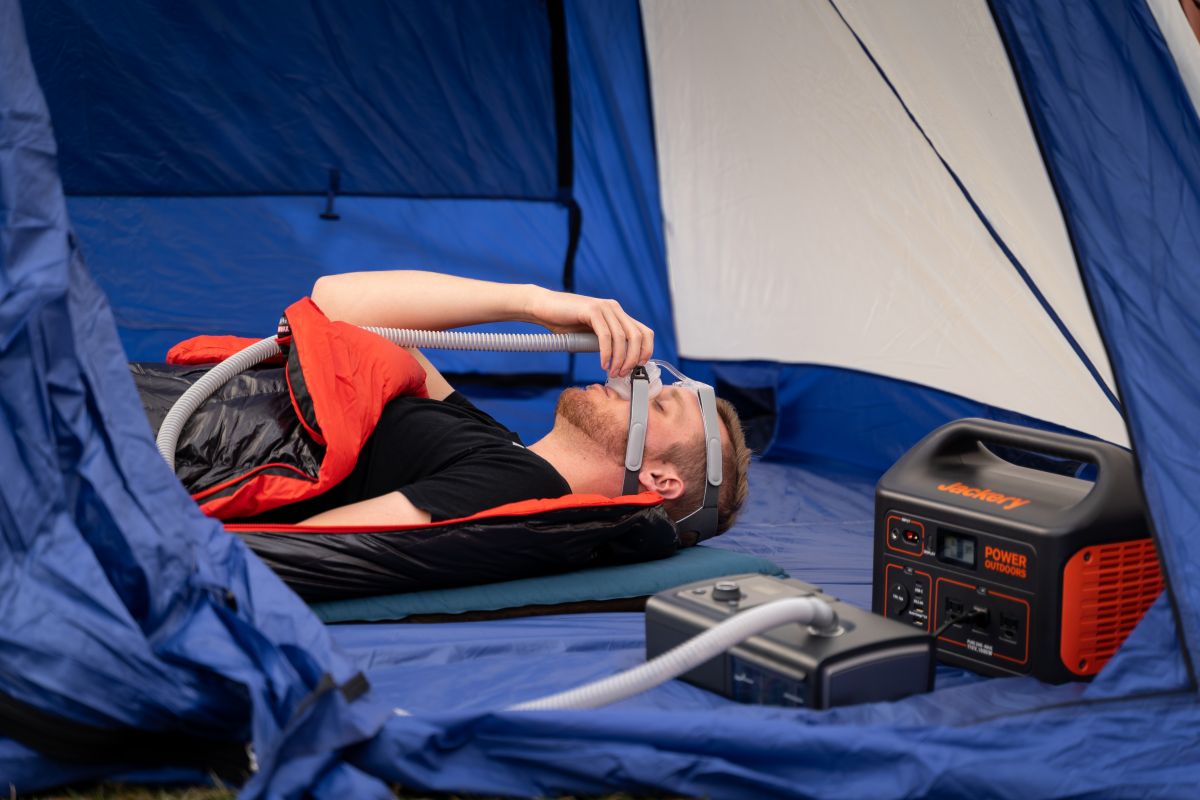
Travel Considerations: Flying and Camping
Flying with CPAP Batteries (FAA & TSA Rules)
If you plan to fly, you must adhere to strict regulations regarding lithium-ion batteries.
- Carry-On Only: Lithium batteries must be in your carry-on luggage. They are prohibited in checked bags.
- The 100Wh Limit: The FAA and TSA generally allow batteries up to 100 Watt-hours (Wh) without special approval.
- The 160Wh Exception: With airline approval, you can carry up to two spare batteries between 101Wh and 160Wh.
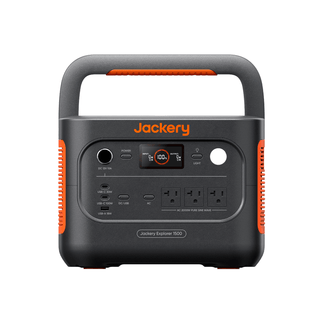
- Important Note: Most portable power stations (like the Jackery Explorer 500, Jackery Explorer 1000 v2, etc.) exceed 160Wh and cannot be taken on commercial flights. These units are designed for road travel, camping, and home backup. For flying, you will need a specialized, small-capacity medical battery.
Camping Off-Grid
When camping without shore power, managing your energy is key.
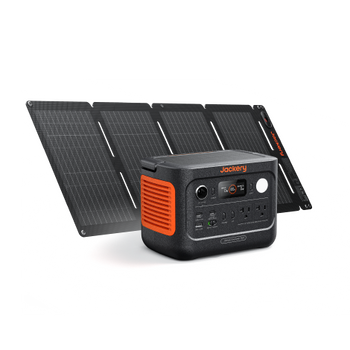
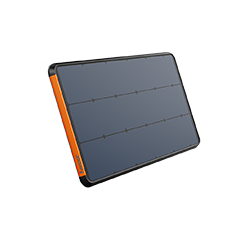
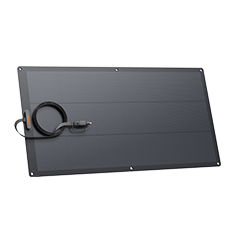
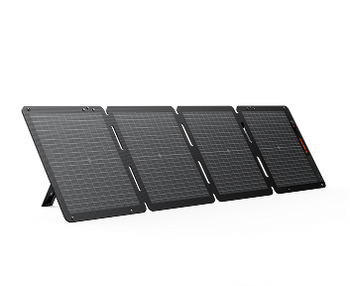
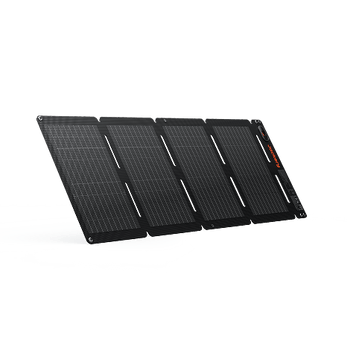
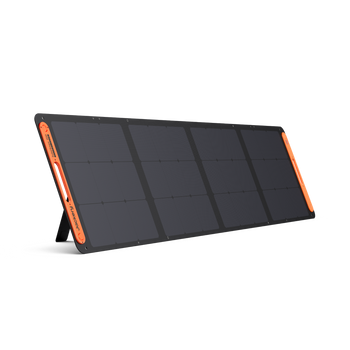
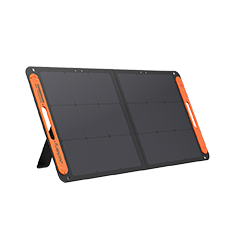
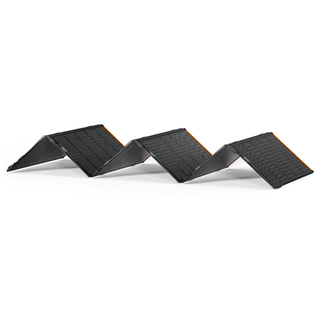
- Solar Charging: Pairing your Jackery with solar panels allows you to replenish the energy used the previous night. A 100W or 200W panel can typically recharge a unit like the Jackery Explorer 1000 v2 fully during a sunny day.
- Temperature Protection: Batteries perform best at moderate temperatures. Avoid leaving your power station in a freezing car or direct scorching sun, as extreme temperatures can temporarily reduce capacity or shut down the unit for safety.
For more detailed tips, read our guide on how to power a CPAP while camping to ensure a restful night under the stars.
Insurance and Medicare Coverage
A common question arises: "Will my insurance pay for a backup battery?"
- General Rule: Unfortunately, most private insurance plans and Medicare classify CPAP backup batteries as "convenience items" rather than medical necessities. Therefore, they are rarely covered under standard Durable Medical Equipment (DME) policies.
- Exceptions: Some active-duty military members (via TRICARE) may find coverage options depending on deployment status.
- FSA/HSA Eligibility: The good news is that CPAP batteries and portable power stations purchased primarily for medical support are often eligible for reimbursement through Flexible Spending Accounts (FSA) or Health Savings Accounts (HSA). Check with your plan administrator to confirm eligibility and required documentation.
FAQs About CPAP Battery Backup
How much power does a CPAP use in 8 hours?
A standard CPAP machine typically draws 30-60 watts. In an 8-hour night, this equals roughly 240Wh to 480Wh. However, turning off the heated humidifier can drop this consumption significantly, often to just 100-200Wh per night.
What is the best battery backup for CPAP?
For home use, the Jackery HomePower 3000 is a top choice due to its large capacity and quiet operation. For camping, the Jackery Explorer 1000 v2 offers the best balance of portability and power.
Can I run my CPAP on a battery?
Yes. Jackery Portable Power Stations are safe for CPAP machines because they use Pure Sine Wave inverters, which provide clean electricity similar to your wall outlet, preventing damage to the machine's motor.
How big a battery backup do I need for a CPAP?
If you need power for just one night, a 500Wh battery (like the Jackery Explorer 500) is sufficient if you manage settings efficiently. For multi-night backup or high-pressure prescriptions with humidification, aim for at least 1500Wh to 3000Wh (like the Jackery HomePower 3000).
Does Medicare cover CPAP batteries?
Generally, no. Medicare considers batteries to be convenience items. However, you can often use HSA or FSA funds to purchase a battery backup.