













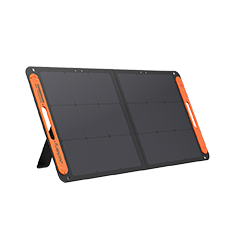
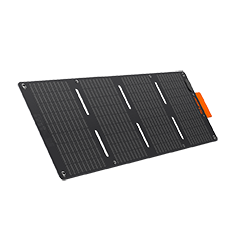
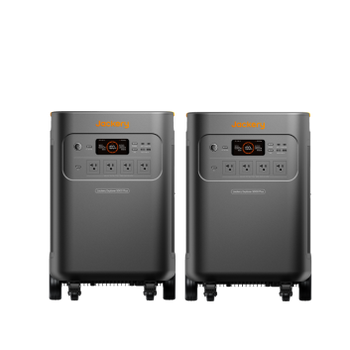



![[Add-on] Jackery SolarSaga 500 X - Jackery](http://www.jackery.com/cdn/shop/files/add-on-jackery-solarsaga-500-x-1493607.webp?v=1786503068&width=324)
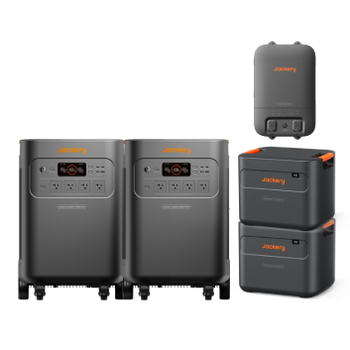
![[Add-on] Jackery Battery Pack 5000 Plus - Jackery](http://www.jackery.com/cdn/shop/files/add-on-jackery-battery-pack-5000-plus-6713401.webp?v=1786503068&width=324)













Do You Need to Tell Your Homeowners Insurer About a LiFePO4 Backup System?
Homeowners insurance for a battery backup system does not follow a universal rule requiring or waiving LiFePO4 disclosure. The practical answer depends first on how the system relates to your home: a portable unit used through its own outlets raises different questions than a battery fixed or wired into the home. Before relying on the system during an outage, ask your insurer or agent how your system’s storage, use, connection, location, and policy terms apply.
Homeowners insurance for a battery backup system: decide what to ask your insurer
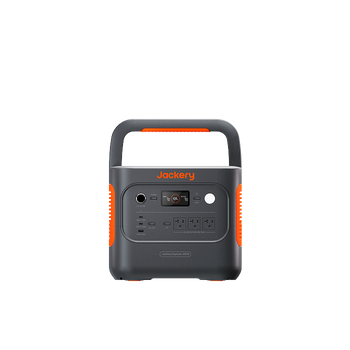
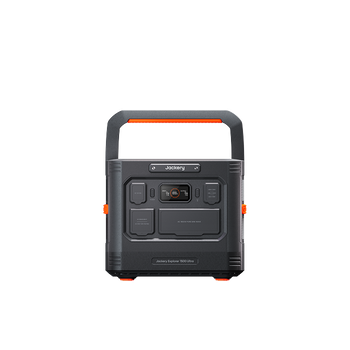
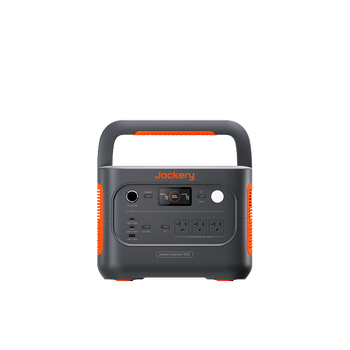
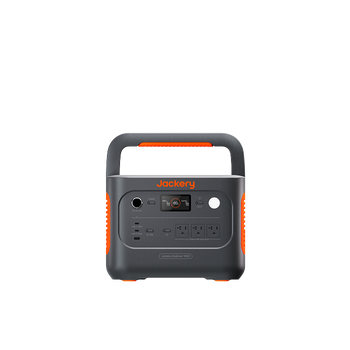
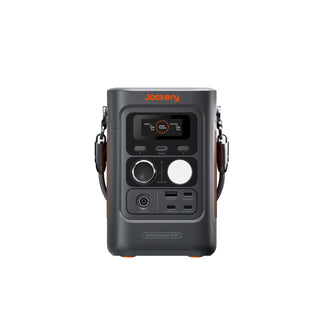
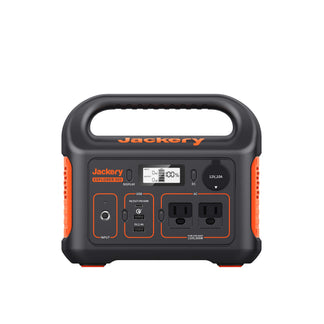
With homeowners insurance and battery backup, classify the equipment by its physical relationship to the home—not by the LiFePO4 label. A movable unit and a fixed or home-wired system can raise different questions about location, use, connection, and property changes. Neither setup automatically establishes a disclosure duty, coverage, or exemption.
The table separates the connection question from the location-and-use question. The first two rows can both apply to one portable unit, so consider the relevant questions together rather than treating the rows as mutually exclusive.
| Setup dimension | Relationship to the home | First question for the insurer |
|---|---|---|
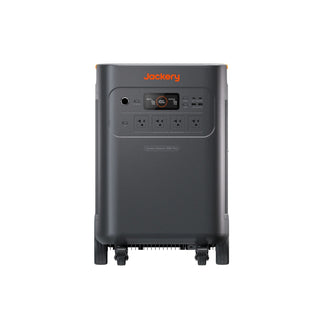
| Portable through its own outlets | Movable equipment that powers devices from its built-in receptacles and is not connected to home wiring | “How does my policy treat this unit based on its value, storage location, operating location, intended use, and connection method?” |
| Portable but regularly stored or used in a garage or dwelling | A location-and-use factor that may apply to the portable setup above; regular storage, charging, or operation may be relevant to the property and policy | “Do the regular storage location, charging, use, or value require notice or affect how the policy applies?” |
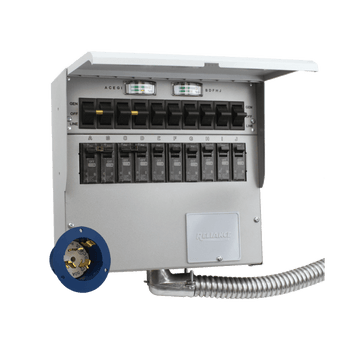
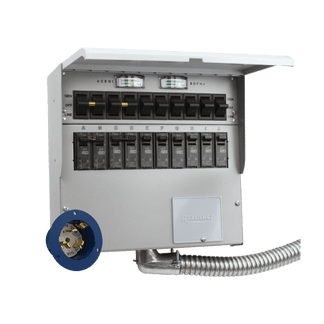
| Permanently installed or home-wired | Fixed equipment or equipment connected to transfer equipment, a panel, fixed wiring, or another home electrical component | “Do the installation, electrical connection, property change, or related records need to be disclosed, and how would the policy treat the system?” |

A UL Solutions explanation of the portable-versus-stationary distinction separates a portable power pack used through its own receptacles from one fixed or wired into a home. That technical distinction is not an insurance ruling, so describe the physical setup accurately instead of relying on a product category or marketing label.
Portability does not guarantee coverage or eliminate questions about value, location, use, or connection. For a fixed or home-wired system, contact the insurer before relying on it and ask specifically about the property and electrical change. The NAIC’s policy guidance explains that the policy sets the rights and responsibilities of you and the insurance company. Ask the insurer or agent how its terms apply to your setup.
Gather the facts that can change the insurance answer
Before asking whether to report a home battery to your insurer, prepare the details that distinguish your system from other backup equipment. Note the model; whether it is portable or installed; where it is stored and operated; how it connects to appliances or the home; what you intend to power; and whether it is planned, newly purchased, already in use, or newly installed.
Start with the connection method. Note whether the unit powers appliances through its own outlets or connects to transfer equipment, a service panel, fixed wiring, or another home electrical component. Then record where it is stored, charged, and operated, including whether those locations are inside the dwelling, in a garage, in an outbuilding, or outdoors. Also note whether the use is temporary, regular, or fixed.
For a permanently installed system, gather available details about contractor or electrical work, inspection or permit records, and related property changes. These records help describe the setup, but no single permit, inspection, certification, or manufacturer label determines the insurance result. The insurer may request different information based on the policy, system, installation, and jurisdiction.
Review the parts of your policy that address property changes, installed or personal property, notification, valuation, exclusions, and loss-prevention conditions. Do not try to classify the battery based on a general clause alone. After a major purchase or home improvement, review coverage with your insurer and keep purchase or installation records. That guidance supports a coverage review and recordkeeping step, not a universal rule that every LiFePO4 battery must be reported.
Keep insurance disclosure, electrical or installation compliance, and safe storage or operation as separate checks. An answer to one does not settle the others.
Ask the insurer for separate answers about notice and protection
With homeowners insurance and battery backup, have one focused conversation instead of asking only, “Do I have to tell you?” The sequence below gives the insurer context about the actual system and separates notice, protection, and next steps.
- Identify the system and its stage. Say whether you are considering a purchase, have newly purchased the unit, are already using it, or have completed a fixed installation. Include the model and battery chemistry without treating LiFePO4 as the insurance rule.
- Describe portability and connection. State whether the unit moves and powers equipment through its own outlets, or whether it connects to transfer equipment, a panel, fixed wiring, or another home electrical component.
- Give the location and intended use. Explain where the system is stored, charged, and operated, and whether it is for occasional outage use, regular backup, or another purpose. Say what equipment or areas it is intended to support.
- Describe installation or electrical work. For a fixed or home-wired system, identify the work performed and any available contractor, inspection, permit, or installation records. Ask which records the insurer wants rather than assuming there is a universal document list.
- Ask about notice separately. Ask, “Does this system, its installation, or the related property change need to be disclosed under my policy? If so, what action should I take and when?”
- Ask about coverage treatment separately. Ask how the equipment and related property would be treated under the policy. Discuss applicable limits, listed perils, exclusions, valuation, endorsements, and conditions without assuming any category applies automatically. NAIC homeowners insurance guidance explains that coverage depends on contract terms, listed perils, and policy limits, so ask the insurer to explain how those terms relate to the specific equipment and loss scenario.
- Ask what records or policy change are requested. Confirm whether the insurer needs purchase information, photographs, installation details, receipts, an updated inventory, or other records. The request may vary, so treat the answer as specific to your policy and setup.
- Request the action and answer in writing. Ask the insurer or agent to state what you need to do and how the policy-specific question was answered. Written confirmation documents the response, but it does not guarantee claim payment, coverage for every loss, installation approval, or regulatory compliance.
A useful opening script is: “I have a [portable or permanently installed] LiFePO4 backup system, model [model], located at [location]. It is [used through its own outlets or connected to the home electrical system] for [intended use]. It is [planned, newly purchased, already in use, or newly installed]. Does my policy require notice, how would the equipment and related property be treated, and what records or next action do you need from me?”
The NAIC consumer guide to home insurance recommends reading the policy and contacting the insurer or agent when its wording is unclear. If the system is fixed or home-wired, do not rely on it during an outage until you have received the insurer’s policy-specific response and separately confirmed that the electrical installation and operation meet applicable requirements.
Keep disclosure, coverage, claims, and installation compliance separate
Disclosure asks whether you must notify the insurer about the system or a property change. Coverage asks how the policy treats the equipment or related property, including its terms, listed perils, limits, exclusions, conditions, and valuation. Claims handling applies those terms to a particular loss, so an insurer’s receipt of notice does not promise claim payment. Installation and safety compliance are separate from all three insurance questions; UL Solutions’ guidance on portable and stationary power packs provides technical context for intended installation use, not an insurance or compliance guarantee.
The next action is straightforward: contact your insurer or agent with the system’s actual model, connection, location, intended use, installation status, and timing. Ask for separate answers about notice, coverage treatment, claims-related conditions, and installation or documentation questions. Then obtain the requested action and policy-specific response in writing before relying on a materially changed property or electrical setup.
FAQ: LiFePO4 backup systems and homeowners insurance
These questions address four points that often need separate answers: reporting, installation, information to provide, and what an insurer’s response does or does not establish.
Does a portable LiFePO4 backup system have to be reported to homeowners insurance?
Not necessarily. The insurer may need to consider how the unit is stored, used, connected, and valued, so ask about those details under your policy.
Does a permanently installed LiFePO4 battery change the insurance question?
It presents different property and electrical facts because the system may be fixed or home-wired. Ask about disclosure and policy treatment before relying on it, while handling installation compliance separately.
What information should I give my insurer about a home battery backup?
Start with the model, system type, installation status, location, intended use, connection method, and timing. Mention available contractor or installation details, then ask which records the insurer wants.
Does telling my insurer about a battery guarantee that it is covered?
No. Notice documents communication; it does not itself determine coverage or claim eligibility. Ask how the policy treats the equipment and related property change.
Sources
Disclaimer:
The runtime mentioned for appliances powered by Jackery is for reference only. Actual runtime may vary under different conditions. Please refer to real-world performance for accurate results.