


















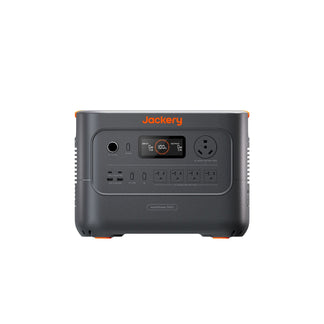
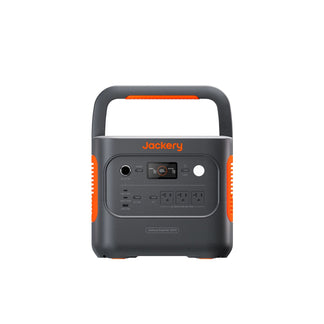
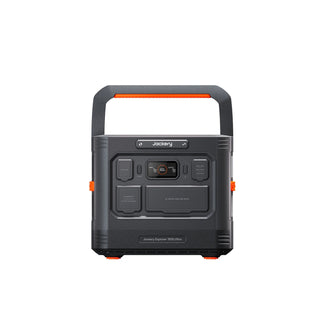
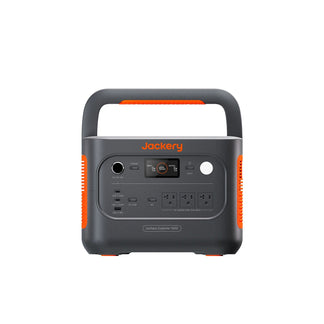

![[Add-on] Jackery SolarSaga 500 X - Jackery](http://www.jackery.com/cdn/shop/files/add-on-jackery-solarsaga-500-x-1493607.webp?v=1786503068&width=324)
![[Add-on] Jackery Battery Pack 5000 Plus - Jackery](http://www.jackery.com/cdn/shop/files/add-on-jackery-battery-pack-5000-plus-6713401.webp?v=1786503068&width=324)
















Quick Answer
Photovoltaic panels convert sunlight directly into electricity through the photovoltaic effect. When photons strike a semiconductor material—typically silicon—they knock electrons loose from atoms, creating electron-hole pairs. A built-in electric field at the p-n junction separates these charges, forcing electrons through an external circuit as direct current (DC). An inverter then converts this DC into alternating current (AC) for household use.
Key Takeaways
- Photovoltaic cells use silicon semiconductors doped with phosphorus and boron to create a permanent electric field that separates light-generated charges.
- A single PV cell produces about 0.5 volts; panels connect 60–72 cells in series to reach 30–40 volts for residential systems.
- Modern monocrystalline silicon panels achieve 20–24% conversion efficiency in real-world conditions, with lab records exceeding 47% for multi-junction cells.
- Complete PV systems require inverters to convert DC to AC, plus optional battery storage for energy use when the sun isn't shining.
- Panel output drops 0.3–0.5% per degree Celsius above25°C (77°F), and partial shading can disproportionately reduce entire string performance.
When a massive power plant in the sky above us is spewing clean, uninterrupted electricity for free, why do we waste time drilling for oil and shoveling coal? Solar panels transform the Sun's roiling ball of nuclear energy into an infinite, practical electricity supply. The Sun has enough energy to power our Solar system for another five billion years.
Solar energy is widely used today. You might wear a quartz solar-powered watch or have a solar-powered calculator. Solar-powered lights are in gardens, and solar panels are frequently found on satellites and spacecraft. There is little doubt that solar energy will grow even more significantly as a renewable energy source as global warming continues to endanger our ecosystem. But do you know how do solar cells work? How do solar panels or solar batteries work? You will find answers on this page.
What is A Solar Cell
An electronic device known as a solar cell converts sunlight directly into electricity. It is octagonal, roughly the size of an adult's palm, and bluish-black. Solar cells are frequently combined to create solar modules connected to larger solar panels yet have either blue or black slabs.
Like battery cells, solar panel cells are made to produce energy; however, unlike battery cells, which use chemicals, solar panel cells do it by soaking up sunlight. They are called photovoltaic (PV) cells since they generate electricity using sunshine. The transistors in microchips comprise silicon, which is also how solar cells function. A semiconductor is a type of substance, such as silicon.

A single silicon cell measures roughly 6 inches square and generates approximately 0.5 volts DC—insufficient for most applications by itself. Standard residential panels connect 60 or 72 cells in series within an aluminum frame, producing 30–40 volts and 250–450 watts per panel under full sun.
The Development of Solar Cells
Most PV devices today produce an electric field inside a semiconductor like a PV cell using a single junction or interface. In a single-junction PV cell, only photons with energies equal to or higher than the band gap of the cell material can liberate an electron for an electric circuit.

Source: US Energy Information Administration
One technique to get around this restriction is using two (or more) different cells with another band gap and junction to produce a voltage. "Multi-junction" cells are what these are known as. Because multi-junction devices can convert more of the energy spectrum of light to electricity, they can attain a greater overall conversion efficiency. A multi-junction device is a stack of distinct single-junction cells arranged in decreasing order of band gap, as shown below.

The theoretical maximum efficiency for a single-junction silicon cell is 33.7%—known as the Shockley-Queisser limit. Multi-junction cells in laboratory settings have exceeded 47% efficiency by stacking different semiconductor materials that capture different portions of the light spectrum.
How Do Solar Cells Work
Semiconductors of the n- and p-types of silicon are used to create solar cells. P-type silicon is produced by mixing boron or gallium atoms, which have one fewer electron in their exterior energy level than silicon. An electron vacancy, sometimes known as a "hole," is generated in boron because it has one fewer electron than is necessary to make the bonds with the neighboring silicon atoms.
Silicon's atomic structure makes it ideal for photovoltaic conversion. Its four valence electrons form stable covalent bonds that photons can break with precisely the right energy threshold. Doping with phosphorus creates n-type silicon with extra free electrons, while boron doping creates p-type silicon with electron vacancies called holes. This establishes the essential charge imbalance.
A solar cell comprises two layers of silicon: one of p-type and one of n-type. The n-type layer has too many electrons, and the p-type layer has too many positively charged holes. The n-type layer migrates into the gaps close to the intersection between the two layers (p-type layer). Consequently, an area around the connection known as the depletion zone is created, where the electrons fill the holes.
When all the gaps in the depletion zone have been filled with electrons, the p-type side has negatively charged ions, and the n-type side now contains positively charged ions. The internal electric field created by the negative charges of these ions prevents the electrons from the n-type layer from entering the holes in the p-type layer.
When sunlight strikes a solar cell, silicon's electrons are evacuated, which causes "holes" to form—the voids the outgoing electrons left behind. If this occurs, the electric field will transport holes to the p-type layer and electrons to the n-type layer. Metal contacts on the cell's top and bottom collect separated electrons, channeling them through an external circuit as direct current before they recombine with holes at the opposite electrode.
- Photons (light particles) pelt the cell's upper surface when sunlight shines.
- The photons (yellow blobs) transport energy through the cell at a downward angle.
- In the lower p-type layer, photons transfer their energy to electrons (green blobs).
- With this power, the electrons can overcome the barrier into the top n-type layer and break into the circuit.
- The lamp begins to glow as the electrons move across the circuit.

Types of Solar Cells and Their Efficiency Ranges
Not all solar cells are created equal. Three main types dominate the market, each with distinct efficiency ranges and applications.
Monocrystalline silicon cells achieve 20–24% efficiency using single-crystal wafers. They offer the highest commercial performance and a distinctive uniform black appearance. These are the premium choice for residential rooftops where space is limited.
Polycrystalline silicon cells reach 15–18% efficiency from melted and recrystallized silicon fragments. They provide a lower-cost option with a recognizable blue marbled look. The trade-off is slightly less power per square foot.
Thin-film technologies like cadmium telluride (CdTe) deliver 10–12% efficiency but use 98% less semiconductor material. They are lightweight and suitable for large-scale utility installations where land area is abundant.
The temperature coefficient matters in real-world conditions. Panel output drops 0.3–0.5% per degree Celsius above 25°C (77°F). Rooftop ventilation and cooler climates measurably improve energy yield.
How Do Solar Panels Work
The photovoltaic effect, a natural occurrence involving physics and chemistry that transforms solar energy into usable electricity, is how solar panels produce power. The solar cells in a module capture light energy when sunlight strikes it. Solar energy is transformed into a direct current by solar panels, then converted into the alternating current that fuels your devices.
- Solar Cells Absorb Photons: Photons are tiny solar light rays. When an electron is knocked loose by a photon, the solar cell develops a "hole."
- Solar Panel Produce Current: Solar cells use photons to create direct current (DC). Crystalline silicon is the main component of each solar cell, sandwiched between positive and negative conducting layers. Anti-reflective coatings and textured glass surfaces maximize light capture by reducing photon reflection, which can otherwise waste over 30% of incoming sunlight.
- Inverter Convert DC to AC: Solar cells can't generate enough current to power a house independently; you need an inverter to turn that current into something you can use. String inverters convert the combined DC output of multiple panels into120/240V AC, typically achieving 95–98% conversion efficiency. Micronverters attach to each individual panel, optimizing output independently and mitigating the impact of partial shading. DC optimizers pair with a central inverter to perform panel-level maximum power point tracking (MPPT) while keeping conversion centralized.
- Converted Electricity: AC electricity leaves the inverter and travels to an external circuit before passing through your house. Solar energy can power light switches, appliances, televisions, and the rest of your home's electrical equipment.
- Store Extra Energy: You can use a solar battery to store extra energy or use a net metering program to resell it to your local utility company. Consider purchasing a solar storage battery if you prefer your system to operate off the grid.

Bypass diodes integrated into junction boxes prevent shaded cells from becoming resistive hotspots that reduce entire string output and can cause permanent damage. Encapsulation layers of ethylene-vinyl acetate (EVA) seal cells between tempered glass and a polymer backsheet, protecting against moisture, mechanical stress, and decades of UV exposure.
Source: Byju's Study Material
How Do Solar Cells Work in Real-World Conditions
How do solar cells work when conditions aren't perfect? Several factors beyond weather affect real-world output.
Temperature effects are measurable. Solar panels lose some effectiveness during sweltering summer months. As the day gets warmer and the temperature rises, solar cells produce less voltage and electricity. The fact that solar panels function more effectively in lower temperatures does not necessarily translate into increased electricity production. Clouds can also reduce output, but summers bring more prolonged sun exposure and fewer cloudy days.
Partial shading from trees, chimneys, or neighboring buildings disproportionately reduces output. Shaded cells act as resistors, blocking current flow through the entire series string. Even a small shadow can significantly cut production.
Soiling losses from dust, polen, and bird droppings typically reduce annual output by2–5%. Losses are steeper in dry, dusty regions unless panels receive periodic cleaning or rainfall.
Panel degradation averages0.5–0.8% per year. Quality panels retain 80–90% of original output after 25–30 years of continuous outdoor exposure.
Seasonal sun angle variation means fixed-tilt systems produce 25–40% less energy in winter than summer at mid-latitudes. This factor must be accounted for in annual production estimates. Mounting and racking systems secure panels at the optimal tilt angle for the installation latitude, with fixed-tilt residential systems angled between15–40 degrees depending on geographic location.
How Do Solar Batteries Work
When a device or system has an electrical surplus, batteries use chemical potential energy to store the extra electricity. Solar storage batteries store energy like other batteries. As opposed to electrical terminal types, anode and cathode are found in batteries.
Lithium iron phosphate (LiFePO4) is the dominant chemistry for residential storage today. It offers3,000–5,000 cycle life and10–15 years of durability, with superior safety compared to older lithium-ion chemistries. Typical residential storage systems hold 10–15 kWh, with installed costs ranging from $800–$1,300 per usable kWh (EnergySage 2026).
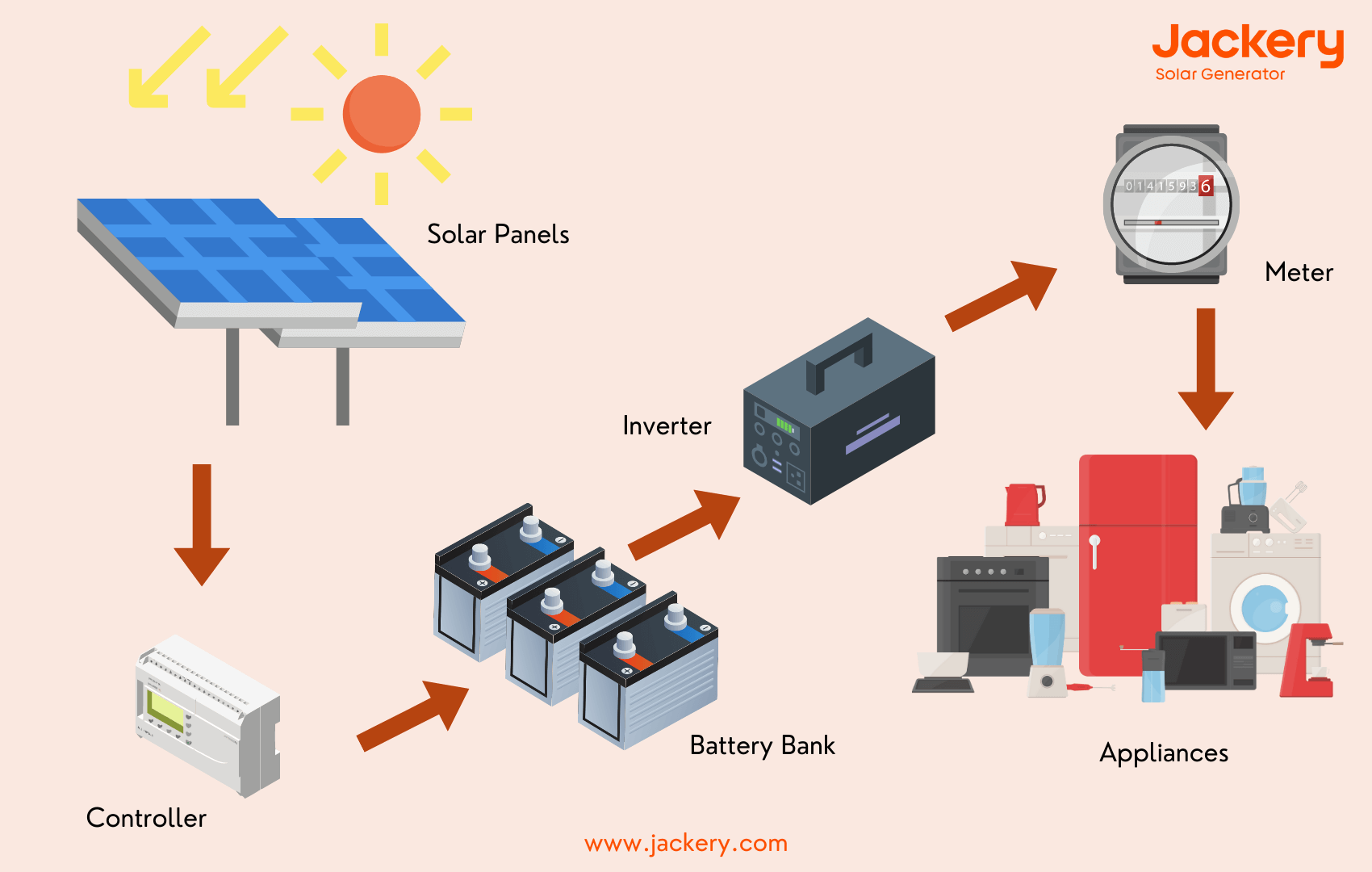
- Sunlight into Electrical Flow: Solar panels allow photons to impact electrons and knock them away from atoms, converting sunlight into electrical flow. This causes an electrical flux and charges the particles. The more electricity is charged, the more daylight there is.
- Energy Conversion: As the solar panels produce power, it enters the battery via silicon-based wafers and circuits. In a nutshell, the electrical current that is straight or linear is known as direct current or DC. On the other hand, the current flow in AC, or alternating current, electricity can alternate between positive and negative.
- DC-Coupled Conversion: If your solar energy system is simply DC-coupled, the electricity enters your solar battery immediately. Additionally, DC electricity is kept instead of converted to AC and kept in that form.
- AC-Coupled Conversion: The procedure is slightly different if your solar panel system is AC-coupled. As before, your energy is captured as DC power when sunlight strikes the solar panels. However, the electricity then passes via an inverter and is instantly turned into AC electricity, which is ideal for usage.
Source: Sunlight Solar
Best Portable Solar Generators with Jackery
By enabling clean charging efficiency and accessibility on or off the grid, Jackery's portable solar generators empower outdoor adventure. As the leading maker of portable electricity and one of the world's largest producers of outdoor solar utilities, Jackery is a leader in the energy sector. We'e a crucial front in the battle against climate change by reinventig sustainable energy for outdoor life.
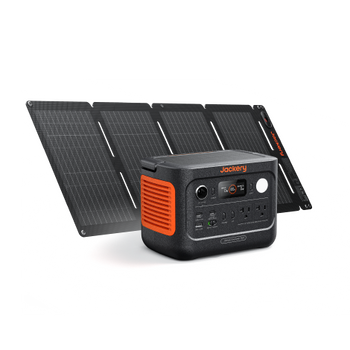
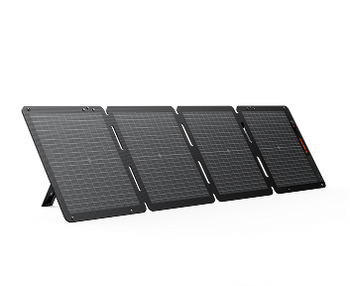
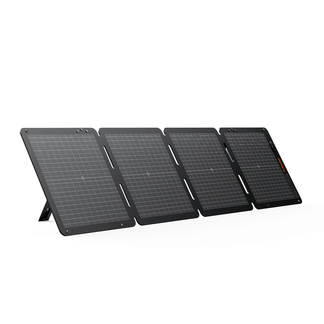
Jackery portable solar panels can be folded and strapped for carrying and use. They make the most of the Sun and convert it into clean energy thanks to one of the sector's top25% efficiency rates. Use solar power and the Jackery power stations to charge your equipment. It is the cutting-edge off-grid solar-producing technology for improved backup management.

How Do Jackery Solar Panels Work
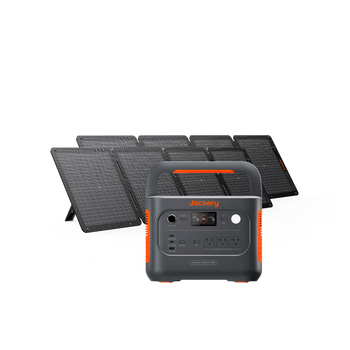
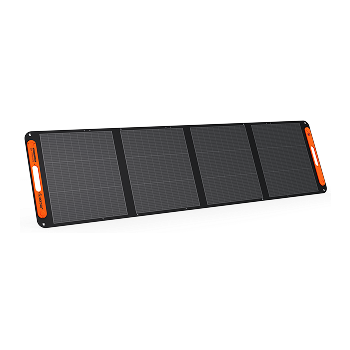
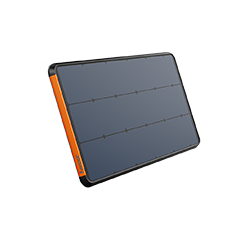
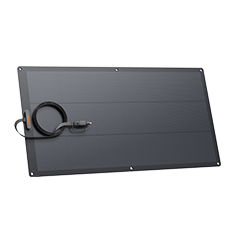
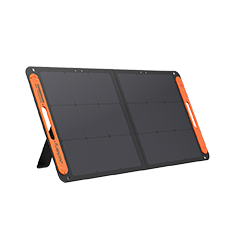
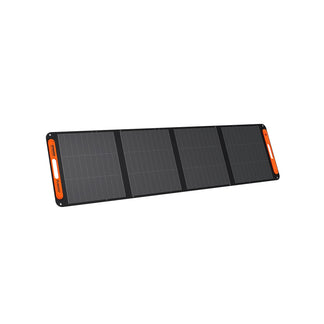
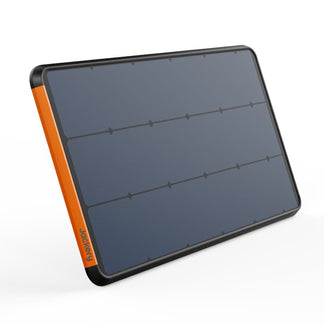
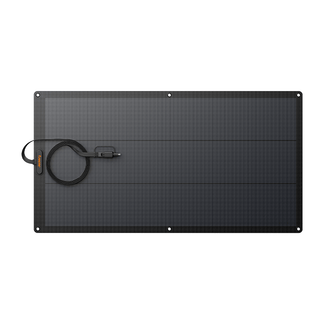
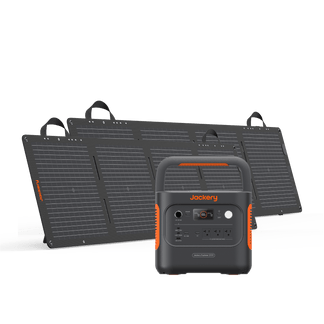
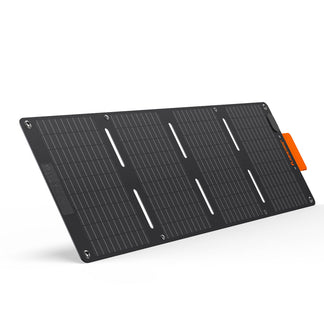
Jackery portable solar panels are built with high-efficiency solar cells and fitted with adjustable stands. The charging efficiency reaches up to25% using advanced TOPCon bifacial technology. Utilize solar energy to its fullest potential. It is simple to connect your power station and solar panel. Connect your portable power station's DC input to the DC interface. A portable power station and solar panels are combined in the solar solution. It converts solar panels' energy into electrical power, then stored in a portable power station for later use.
- Collect Energy: Gather solar power by positioning the solar panels in the Sun.
- Store Power: A lithium battery is used to store energy from a solar panel and release it. The MPPT controller allows the inverter to convert DC/AC into electrical energy.
- Charge Appliances: By releasing stored energy, a range of equipment and appliances are powered.

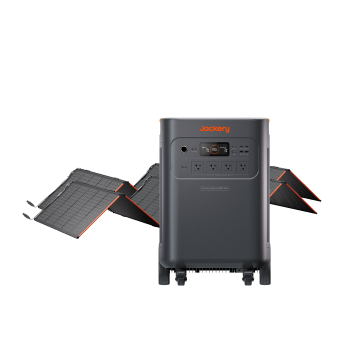
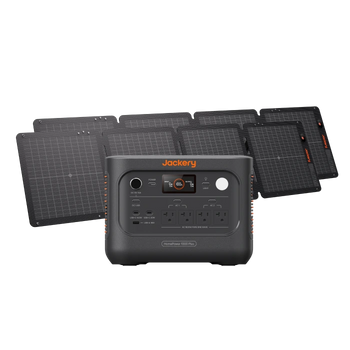
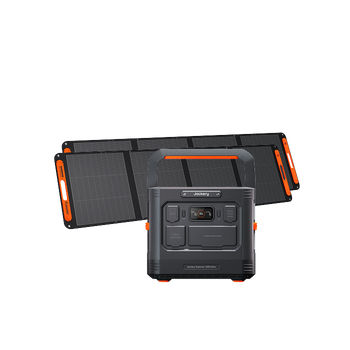
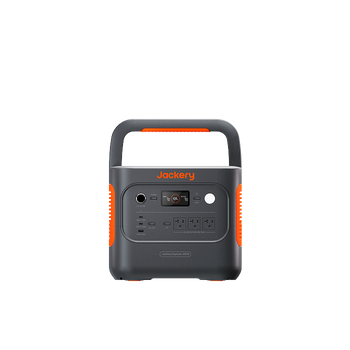
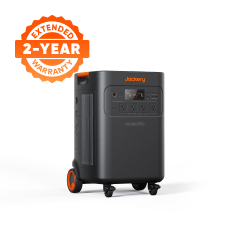
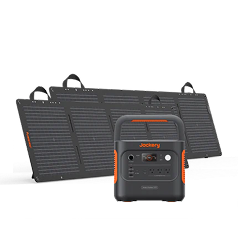
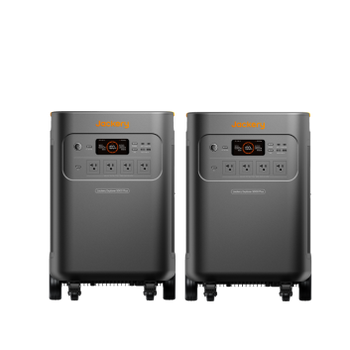
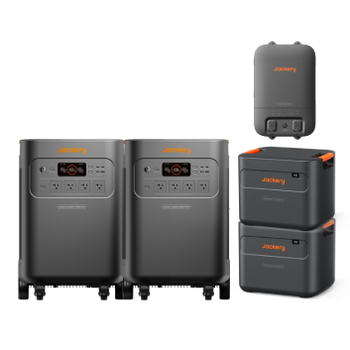
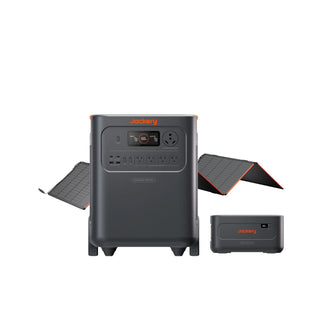
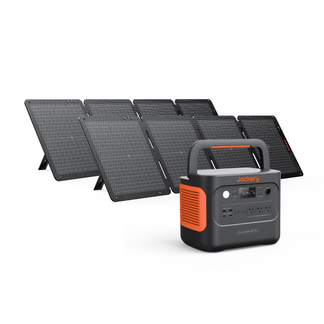
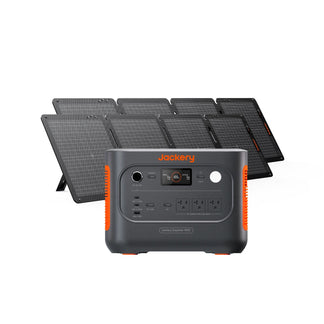
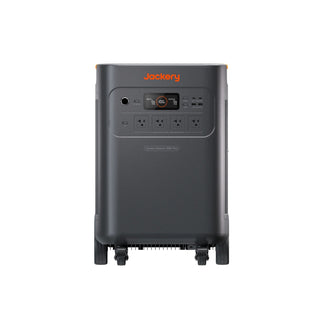
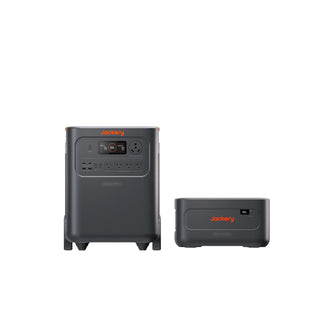
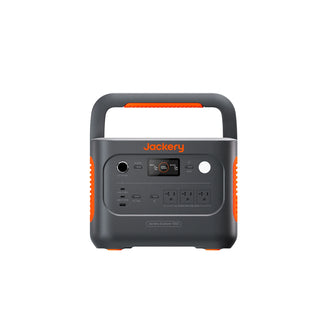
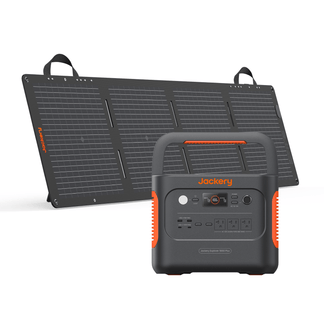
Jackery Solar Generator 5000 Plus + 2x SolarSaga 500X
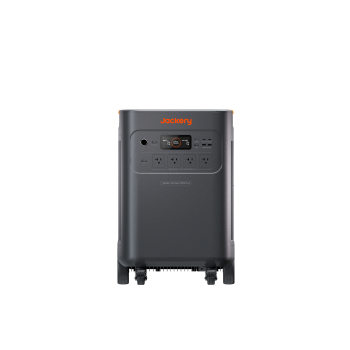
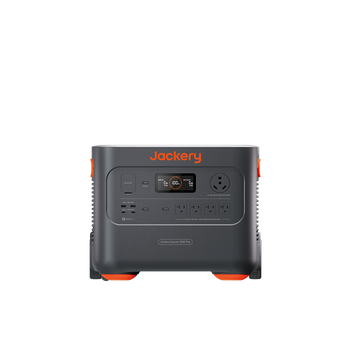
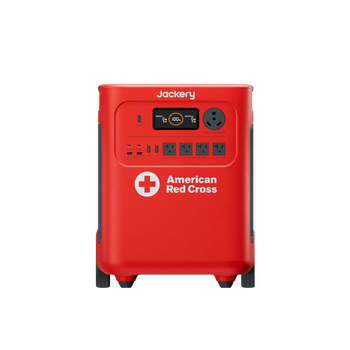
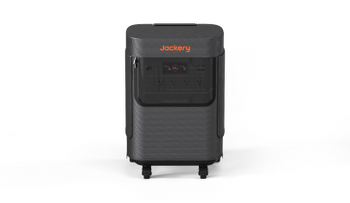
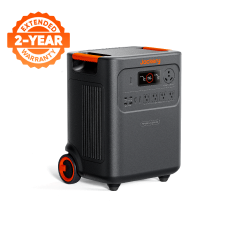
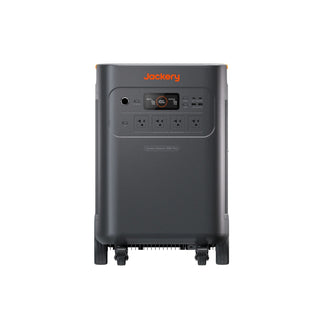
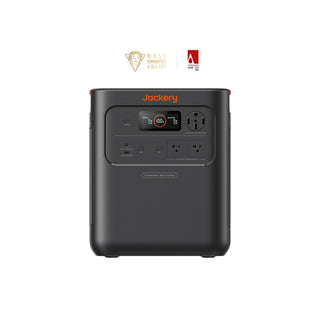
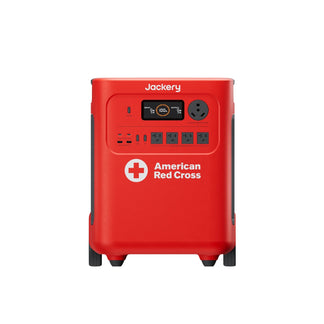
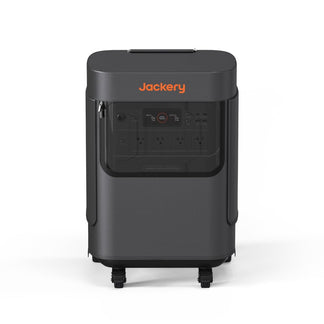
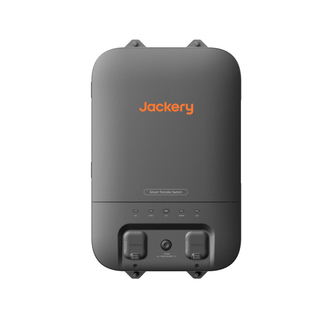
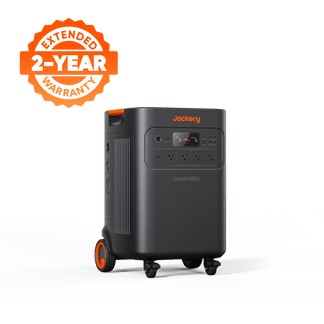
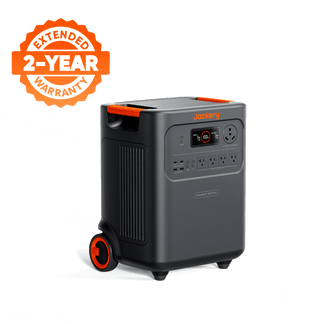
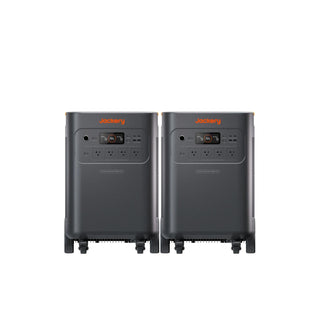
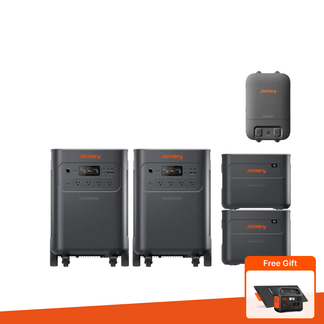
The Jackery Solar Generator 5000 Plus is the flagship solution for high-demand essential home backup. It delivers7,200W continuous output with14,400W surge capacity—sufficient for refrigerators, lights, Wi-Fi routers, and home office equipment during outages.
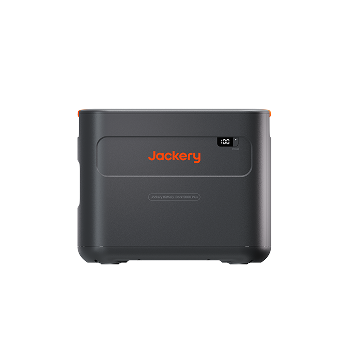
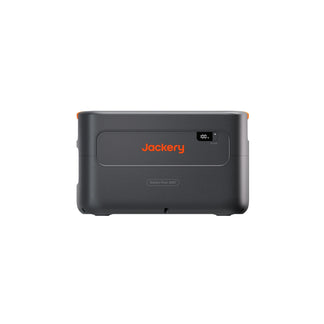
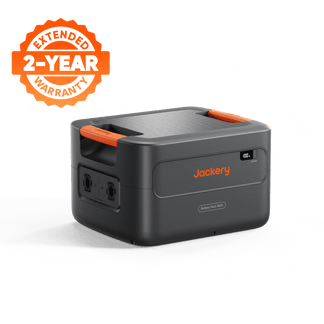
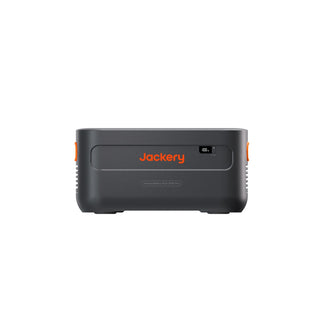
The expandable LiFePO4 battery starts at5,040Wh and scales to60kWh with add-on packs. Two included SolarSaga 500X panels provide up to1,000W solar input, recharging the base unit in approximately6.5 hours of direct sun. With maximum solar input of4,000W, recharge drops to1.7 hours.
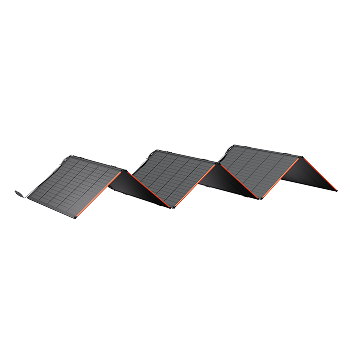
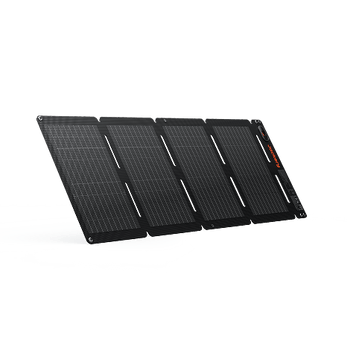
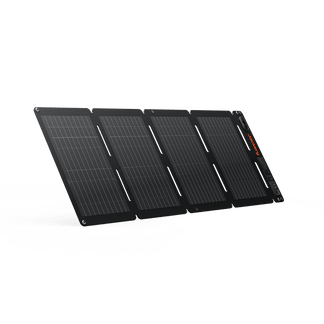
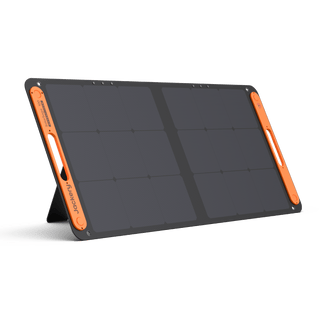
Each SolarSaga 500X panel delivers 500W output using bifacial TOPCon technology at25% efficiency. IP68 waterproof rating and extreme temperature tolerance (-40°F to185°F) ensure all-weather durability.
| Product | Compatible With | Recharging Time | Key Feature |
|---|---|---|---|
| Jackery Solar Generator 5000 Plus | 2x SolarSaga 500X (included) | 6.5 Hours | 5,040Wh expandable to60kWh |
| Jackery Solar Generator 5000 Plus | 4x SolarSaga 500X (max solar) | 1.7 Hours | 7,200W output,0ms UPS |
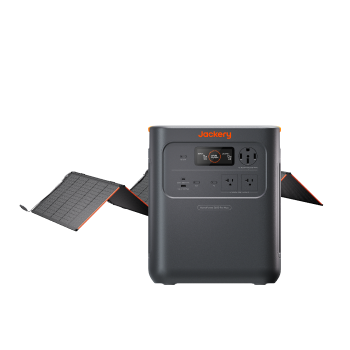
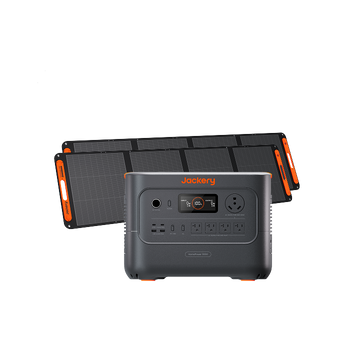
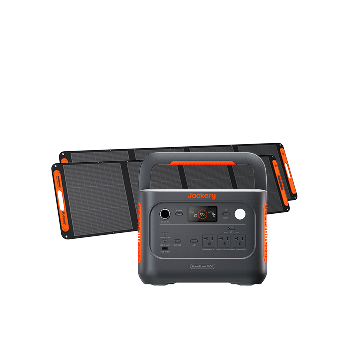
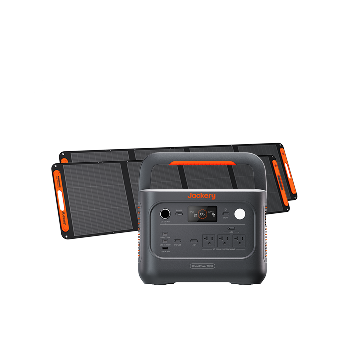
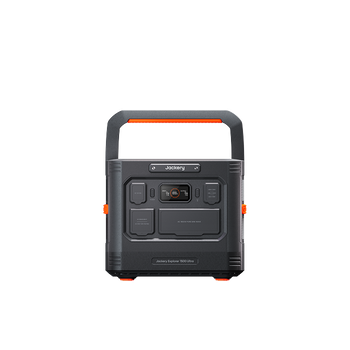
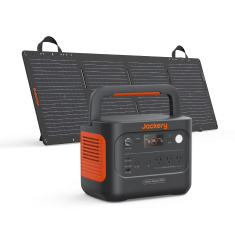
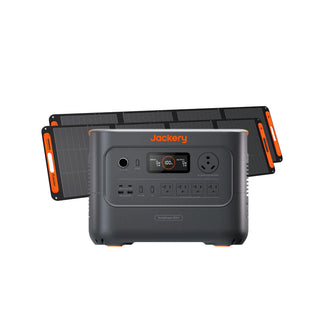
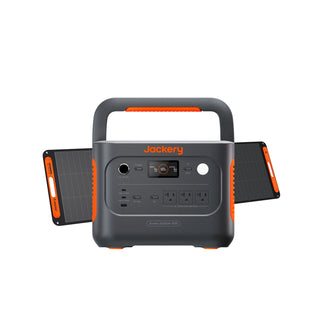
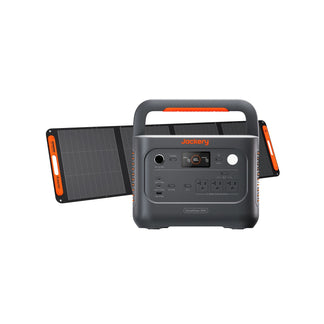
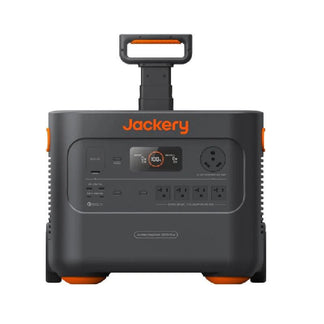
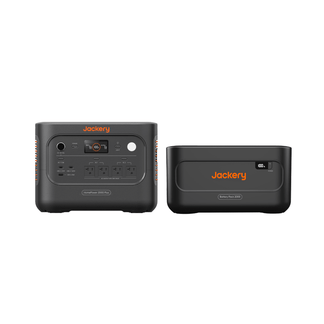
Jackery Solar Generator HomePower 3600 Plus + SolarSaga 500X
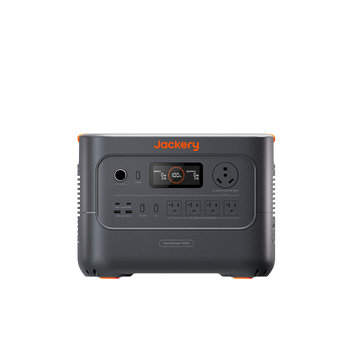
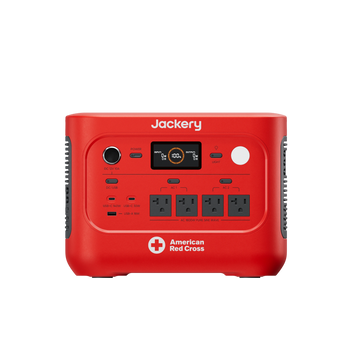
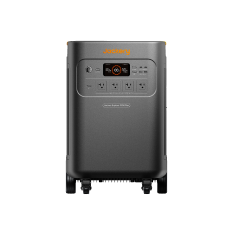
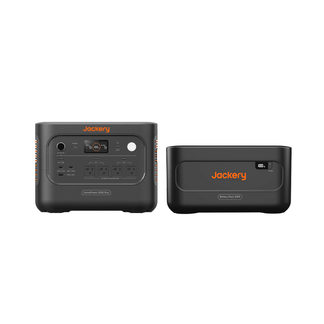
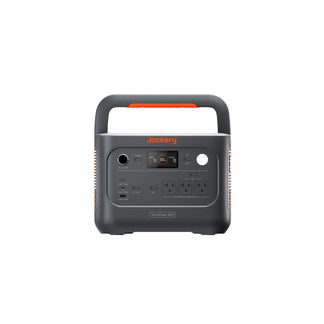
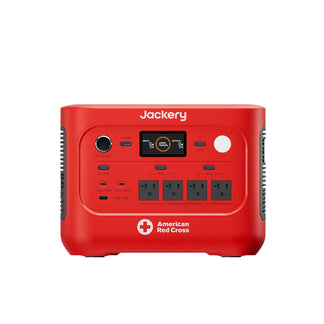
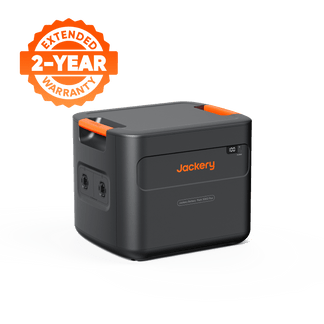
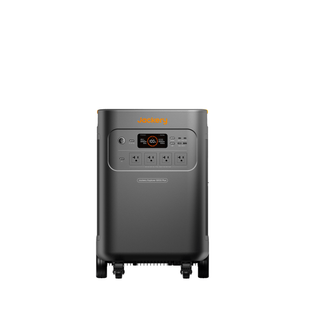
The Jackery Solar Generator HomePower 3600 Plus provides3,600W rated output with7,200W surge—handling startup loads for full-size refrigerators and portable air conditioners.
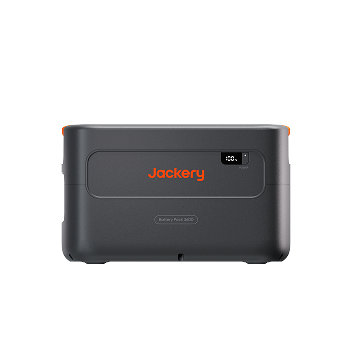
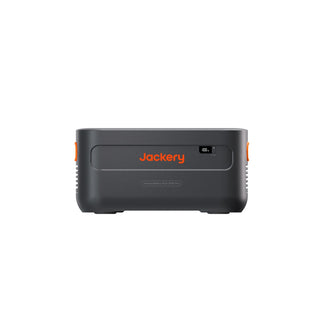
The built-in UPS function switches to battery power in under20 milliseconds, protecting home office equipment and networking gear from brief grid interruptions. The3,584Wh capacity expands up to21.48kWh with battery packs.
A single SolarSaga 500X panel delivers 500W charging input, with the system accepting up to2,400W total solar for faster recharge times.
| Product | Compatible With | Recharging Time | Key Feature |
|---|---|---|---|
| Jackery HomePower 3600 Plus | 1x SolarSaga 500X | 16 Hours | 3,584Wh expandable to21.48kWh |
| Jackery HomePower 3600 Plus | Wall Outlet | 2.5 Hours | UPS <20ms,30dB quiet operation |
Frequently Asked Questions (FAQ)
How does the photovoltaic effect generate electricity?
Photons from sunlight strike silicon atoms, transferring energy that frees electrons from their atomic bonds. A built-in electric field at the p-n junction separates these electron-hole pairs, forcing electrons through an external circuit as direct current.
What is the electrical power point of a solar cell?
When exposed to direct sunlight, photovoltaic cells produce electrical power measured in Watts, expressed as the product of voltage and current for each panel. Hence, P = V x I.
Why are solar cells made of semiconductors only?
The semiconductor material in a PV cell can transmit electricity more effectively than an insulator but is less effective than a good conductor like a metal. If photon energy exceeds the threshold energy, electrons are rapidly ejected from the material.
What affects solar panel efficiency the most?
The Shockley-Queisser limit caps single-junction silicon cells at33.7% theoretical efficiency. Real-world factors include temperature (output drops0.3–0.5% per °C above25°C), partial shading, soiling losses of2–5% annually, and panel degradation of0.5–0.8% per year.
How long do solar panels last?
Quality solar panels retain 80–90% of original output after25–30 years. Annual degradation averages0.5–0.8%, meaning a300-watt panel might produce240–270 watts after three decades of continuous outdoor exposure.
What is the difference between monocrystalline and polycristalline panels?
Monocrystalline cells use single-crystal silicon wafers, achieving20–24% efficiency with a uniform black appearance. Polycrystalline cells use melted and recrystallized silicon fragments, reaching15–18% efficiency with a blue marbled look at a lower cost.
Final Thoughts
Solar cells convert the Sun's energy into electrical power through solar modules. This article provides a fundamental understanding of how solar cells work and how solar panels and solar batteries function in real-world conditions. From the photovoltaic effect and p-n junction physics to panel types, efficiency limits, and system components—the science behind solar energy is both accessible and practical.
For those ready to apply this knowledge, Jackery offers portable solar generators that bring clean energy to outdoor life and essential home backup. In line with the growth of the solar cell industry, we are committed to creating the best solar solutions.
Disclaimer: The runtime mentioned for appliances powered by Jackery is for reference only. Actual runtime may vary under different conditions. Please refer to real-world performance for accurate results.


