

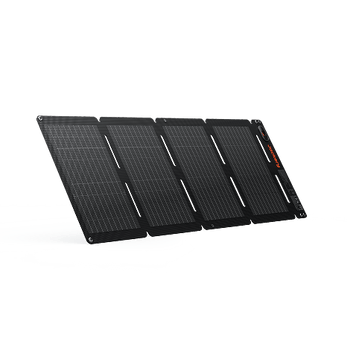





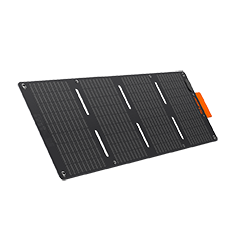





![[Add-on] Jackery SolarSaga 500 X - Jackery](http://www.jackery.com/cdn/shop/files/add-on-jackery-solarsaga-500-x-1493607.webp?v=1786503068&width=324)

![[Add-on] Jackery Battery Pack 5000 Plus - Jackery](http://www.jackery.com/cdn/shop/files/add-on-jackery-battery-pack-5000-plus-6713401.webp?v=1786503068&width=324)











How Do Busbar Torque and Loose Connections Affect LiFePO4 Home Backup Safety?
The correct LiFePO4 busbar torque is a product-specific mechanical requirement that helps maintain reliable electrical contact. Incorrect tightening can compromise contact and contribute to localized heating or unreliable operation. There is no universal LiFePO4 torque value. Identify the equipment and follow its documented procedure instead of borrowing a number from another battery.
What LiFePO4 Busbar Torque Controls in a Home Backup System
The specified torque establishes the contact condition designed for the particular terminal, cell, busbar, fastener, or battery system. The applicable requirement comes from the manufacturer's documentation, not from LiFePO4 chemistry alone. Terminal type, hardware, component design, and overall system construction can all affect the requirement.
A compromised connection may have more electrical resistance than intended. Under load, that resistance can create localized heat. Voltage drop, intermittent output, or movement may also occur, but those symptoms have other possible causes, including cabling, loads, protection equipment, or another system fault.

Identify the battery, module, cell, busbar, terminal hardware, or complete backup system before using any service instruction. Then find its current manual or data sheet and determine whether the connection is user-accessible. If the documentation is missing or unclear, do not borrow a value from another battery or guess at a setting. Do not loosen, tighten, or probe a busbar or terminal connection while the battery system is energized; use the manufacturer's service process or qualified service instead.
Under-Torque and Over-Torque Create Different Connection Risks
Under-torque and over-torque create different connection risks. Apparent tightness does not prove that either condition is safe.
| Tightening condition | Possible effect | Practical implication and boundary |
|---|---|---|
| Under-torque | Inadequate contact pressure may contribute to resistance and heating. Voltage drop or intermittent behavior may appear as system symptoms. | Use the applicable inspection procedure or qualified service. The specific hardware and manufacturer's procedure determine the assessment; apparent tightness does not prove safety. |
| Over-torque | Excessive force may damage terminals or related hardware, even when the connection initially appears secure. | Use the applicable inspection procedure or qualified service. The specific hardware and manufacturer's procedure determine the assessment; apparent tightness does not prove safety. |
The distinction matters because “tighten it more” is not a universal safety fix. The product-specific manual controls the applicable torque requirement and service method, so a numeric value from one battery, cell, or busbar does not establish the correct value for another.

When Heat, Damage, or Intermittent Output Means Stop and Escalate
Abnormal localized heat, discoloration, damaged or melted insulation, an unusual odor, intermittent output, an unexpected voltage drop, visible movement, or signs of sparking or arcing should take the system out of routine operation and prompt assessment or qualified service. These warning signs can indicate a connection concern, but they can also point to another electrical or equipment problem. Treat them as action triggers, not proof of a loose battery connection.
If the equipment is smoking, on fire, rapidly overheating, sparking or arcing, or has visibly damaged battery hardware, stop treating the issue as connection troubleshooting. Move away from hands-on intervention, follow the product's emergency guidance, and use the appropriate emergency response for the situation. OSHA's lithium-ion battery safety guidance addresses stored-energy and thermal hazards, including smoke and fire concerns, and emphasizes following manufacturer guidance. The NFPA energy-storage safety fact sheet covers emergency planning and safe-shutdown considerations for energy-storage systems. Neither source establishes that loose torque alone caused the hazard.
Do not open the enclosure, disturb the busbar, or attempt to tighten or loosen an energized connection. If safe isolation is uncertain, the cause is unclear, or hardware appears damaged, qualified service is the appropriate next step. Keeping backup power available is not a reason to continue operating equipment that shows a serious thermal, electrical, or physical hazard.
Use the Exact Procedure to Choose Monitoring, Inspection, or Qualified Service
Use the least-invasive option the product allows. A normally operating system may need only permitted monitoring; an inspection is appropriate only when the instructions expressly describe a de-energized process; unclear access or warning signs call for support or qualified service.
- Normal system with no warning signs: Limit routine care to the visual and operational monitoring permitted by the product instructions. Note changes in output, connection appearance, heat, odor, or equipment behavior without opening or disturbing a connection. A factory-built backup unit may not expose user-serviceable busbars or terminals.
- Documentation explicitly permits a de-energized inspection: Identify the model and obtain its shutdown, access, inspection, and service instructions. Follow that procedure only. Do not add a generic torque value, tool setting, retightening step, or sequence from an online source. For electrical work, the OSHA de-energization benchmark addresses disconnecting energy sources, controlling hazardous stored energy, and verifying de-energization by a qualified person. This is an occupational safety benchmark, not blanket legal advice for every homeowner.
- Warning signs, damaged hardware, unclear isolation or access, missing specifications, or uncertainty: Stop hands-on work and use the manufacturer's support route or qualified service. If you own a Jackery system, contact our support team with the model, symptoms, operating conditions, and visible changes. If a serious hazard is present, stop using the system first and follow product or emergency guidance before sending those details.
Frequently Asked Questions
These questions address common distinctions about LiFePO4 connections without replacing the equipment-specific service instructions.
Why is LiFePO4 busbar torque model-specific?
The required condition depends on the terminal, fastener, busbar, cell, and system construction. LiFePO4 chemistry alone does not supply a universal torque value.
Can warning signs prove that a battery connection is loose?
No. Heat, discoloration, odor, intermittent output, voltage drop, movement, or signs of sparking warrant assessment, but other electrical or equipment faults can produce similar symptoms.
Why should I avoid using a torque value from another battery?
Different hardware and system designs can have different requirements. A value that applies to one battery or busbar does not establish a safe setting for another, so use the applicable product procedure or qualified service.
Disclaimer:
The runtime mentioned for appliances powered by Jackery is for reference only. Actual runtime may vary under different conditions. Please refer to real-world performance for accurate results.