

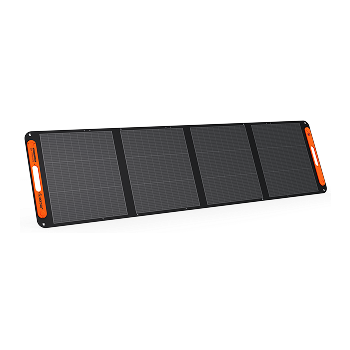
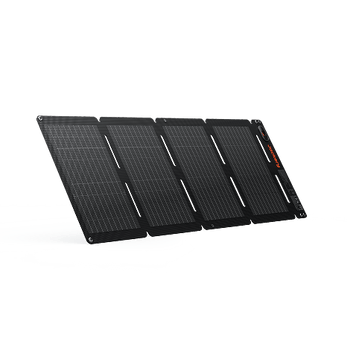










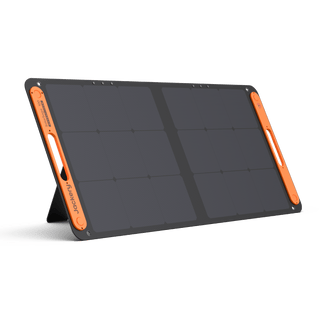
![[Add-on] Jackery SolarSaga 500 X - Jackery](http://www.jackery.com/cdn/shop/files/add-on-jackery-solarsaga-500-x-1493607.webp?v=1786503068&width=324)
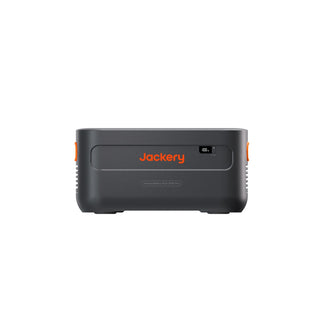
![[Add-on] Jackery Battery Pack 5000 Plus - Jackery](http://www.jackery.com/cdn/shop/files/add-on-jackery-battery-pack-5000-plus-6713401.webp?v=1786503068&width=324)












How Does Uneven Cell Temperature Affect a LiFePO4 Home Backup Bank?
Uneven temperature between cells in a LiFePO4 home backup bank can occur alongside uneven electrical behavior, less consistent charging or output, and system protection activity. A single reading does not diagnose a fault. Interpret the LiFePO4 cell temperature spread based on the operating state and trend, then compare it with the system’s documented limits before relying on the bank for planned high-load backup use.
How to interpret a LiFePO4 cell temperature spread before backup use
Compare a brief, context-related difference again under similar conditions. A persistent or widening spread—especially when paired with reduced output, charging interruptions, or protective activity—should not be relied on for planned high-load backup until you have reviewed the system documentation and contacted qualified support. Uneven temperature can occur alongside uneven current sharing and state-of-charge behavior during active charging or discharging, as described in this LiFePO4 temperature study.
No single temperature-spread number applies to every home backup system. The appropriate comparison depends on the battery design, sensor arrangement, cooling, operating state, and documented limits. DOE system-evaluation guidance includes operating limits, thermal-management information, BMS data, and time-stamped events in system evaluation.

| Observed pattern | Operating context | What it suggests | Next action |
|---|---|---|---|
| Brief difference that changes with activity | Charging or load | A context-related variation is possible | Record the conditions and compare again at a similar stage, rate, or load |
| Repeated difference under similar conditions | Charging, load, or settled standby | The pattern warrants closer review | Compare the trend, airflow, installation conditions, and system events |
| Widening spread or a repeatedly warm point with reduced output, charging interruption, or protection activity | Any active state | System behavior may be limited by a specific protection response or another unresolved condition | Do not plan high-load reliance until you have reviewed the model guidance and contacted qualified support |
What a LiFePO4 cell temperature spread actually measures
A LiFePO4 cell temperature spread is the difference between the warmest and coolest reported cells or monitored points at roughly the same time. It is a comparative observation, not a universal pass-or-fail rating. Without information about the sensors, installation, ambient conditions, and bank activity, the reading cannot identify its cause.
Sensor location, uneven airflow, enclosure position, nearby heat, recent charging or discharging, and electrical workload can all affect displayed temperatures. An NREL thermal-performance overview covers evaluation at the cell, module, pack, and system levels. Compare readings within the same monitored level and installation.
In a multi-battery bank, compare like with like. A warmer battery unit may reflect its spacing, enclosure placement, or airflow, while a within-pack difference may involve sensor placement or cell-level behavior. Before comparing readings, record the sensor source, timestamp, ambient conditions, operating state, load or charge rate, and recent activity. A trend under similar conditions is more useful than an isolated value.

How charging, discharging, and standby change the interpretation
Operating state changes what an uneven battery temperature reading means. During charging, compare the charge stage and current; under load, compare demand and recovery; at standby, check whether the difference remains after conditions settle.
During charging, compare the spread with charge stage and current
Note the charge stage, charging current, ambient conditions, airflow, and whether the same point remains the warmest as charging continues. Charge rate and cooling design can create or amplify temperature differences, so use thermal-management research to treat the reading as a condition-dependent observation rather than a generic limit. A difference that disappears as conditions change means something different from one that remains or grows.
Under load, compare the spread with demand and recovery
Relate the temperature spread between LiFePO4 cells to the load level, duration, and the cell, sensor location, or battery unit that repeatedly appears warmest. Record reduced output, unexpected shutdowns, or protective limiting if they occur. After removing the load, note whether the temperatures move closer together. A post-load reading answers a different question than one taken during steady demand.
At standby, look for persistence after conditions settle
Compare readings only after the system has settled according to its documentation and under similar ambient conditions. An immediate post-charge or post-load value does not represent settled standby behavior. If an uneven cell temperature in a battery bank persists or worsens without an active workload, move to the observation and documentation sequence below.
Which home-backup effects deserve attention first
Uneven battery temperature can make charging, available output, protection response, and long-term consistency less predictable. The spread alone cannot predict a specific runtime loss, service-life outcome, or failure mode.
- Available backup power: The most temperature-limited cell or monitored unit may cause the system to reduce output or activate protection before the rest of the bank appears depleted. That can make available power less predictable.
- Charging behavior: A battery-management system may reduce or interrupt charging in response to a temperature condition. The trigger and response are system-specific, so follow the model documentation.
- Protection behavior: Depending on the design, temperature-related protection may limit output, stop charging, disconnect a load or charger, or produce another system response.
- Long-term consistency: Repeated thermal differences may be associated with less even aging among cells or connected units. The spread alone cannot quantify capacity loss, runtime loss, or service life.
Research on LiFePO4 temperature gradients reports relationships involving temperature, current distribution, state of charge, and pack performance. These are possible associations, not a diagnosis of a particular bank, as described in this research on LiFePO4 temperature gradients.
When comparing home backup systems, ask whether the specific model documents temperature data, operating limits, protection indications, and support procedures. Do not infer a thermal-management advantage from a brand name or product category.
What to check before relying on the bank for backup power
Use a noninvasive sequence that moves from observation to documentation and then to support. Do not open, bypass, reconfigure, or repair the battery based only on a displayed spread.
- Validate the observation. Confirm that the readings refer to comparable cells or monitored points. Record the timestamp, charging, discharging, or standby state; ambient conditions; sensor source; and load or charge rate.
- Review safely observable conditions. Check airflow, spacing, enclosure placement, and nearby heat sources without dismantling the bank. For connected battery units, confirm that installation and use match the system instructions.
- Compare repeated readings. Recheck similar operating states and loads. Note whether the same point remains the warmest, whether the spread persists or widens, and whether output limits, shutdowns, charging interruptions, or protection alerts accompany it.
- Review the model documentation. Find the specific system’s temperature limits, preferred operating window if provided, protection indications, installation requirements, and approved owner checks. Do not substitute a number from another battery, study, or online forum.
- Escalate the pattern when needed. If the readings remain unexplained, worsen, or coincide with abnormal behavior, contact the manufacturer, installer, or qualified support with the recorded pattern rather than attempting an invasive inspection.
Stop planned high-load use and seek qualified support if the spread is worsening or is accompanied by unusual heat, odor, swelling, physical damage, or repeated protective shutdowns. If the pattern is persistent, worsening, or linked to system behavior without those stop signs, send the record to the manufacturer, installer, or qualified support for the next decision.
Frequently Asked Questions
These edge cases depend on what the system actually reports and how the bank is being compared.
What if the display shows one battery temperature instead of cell temperatures?
Treat the reading as a battery-unit or sensor reading, not as a cell-to-cell spread. Record what the display identifies and ask the manufacturer or qualified support which monitored point it represents before comparing it with cell-level data.
Can I compare temperatures from separate battery units as if they were cells in one pack?
No. Keep unit-level and within-pack comparisons separate, and compare only readings taken under comparable placement, airflow, workload, and timing. A warmer unit is a reason to review the installation and data source, not a basis for ranking battery health by temperature alone.
What temperature information should I ask about before choosing a home backup system?
Ask whether the model identifies the monitored temperature points, states operating limits, records or displays protection events, and explains the approved support process. Those details determine how a future temperature pattern can be interpreted for that system.
Disclaimer:
The runtime mentioned for appliances powered by Jackery is for reference only. Actual runtime may vary under different conditions. Please refer to real-world performance for accurate results.