


























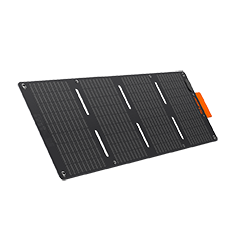






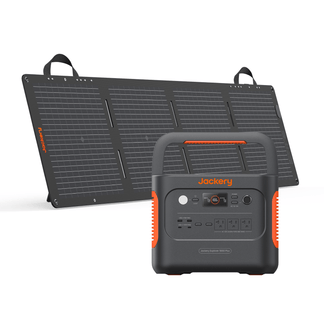
![[Add-on] Jackery SolarSaga 500 X - Jackery](http://www.jackery.com/cdn/shop/files/add-on-jackery-solarsaga-500-x-1493607.webp?v=1786503068&width=324)



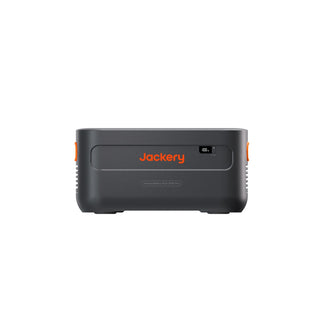
![[Add-on] Jackery Battery Pack 5000 Plus - Jackery](http://www.jackery.com/cdn/shop/files/add-on-jackery-battery-pack-5000-plus-6713401.webp?v=1786503068&width=324)


























What Transport Rules Apply When Moving a Large LiFePO4 Backup Battery in the United States?
LiFePO4 transport rules in the United States depend on more than battery chemistry. Before moving a large home backup battery, identify its condition, configuration, transport mode, carrier involvement, and destination. In practice, the move falls into one of four paths: a confirmed personal ground move, an accepted ground-carrier shipment, a confirmed air shipment, or a pause for qualified handling or more information.
Apply the LiFePO4 transport rules to your move
The right path starts with the specific move, not a generic battery label. Federal requirements are only one part of the review, and a private household move still requires a fact-specific assessment. PHMSA's shipper guide separates battery-only, installed-in-equipment, and packed-with-equipment scenarios, so do not assume that instructions for one configuration apply to another.
| Planned move | Decision-changing checks | Next action |
|---|---|---|
| Personal ground move | Confirm the exact model, rated energy, condition, configuration, manufacturer's instructions, vehicle plan, route, and destination. | Proceed only after documenting a personal-ground go/no-go decision. |
| Ground-carrier shipment | Disclose the exact battery, package, service, origin, destination, and condition. | Obtain the intended carrier's acceptance for this shipment before packing or tendering it. |
| Air movement | Distinguish passenger-aircraft travel from cargo-air service. Confirm the exact package, route, airline or air carrier, and service. | Use air only after confirming exact eligibility and carrier acceptance. |
| Compromised or uncertain battery | Damage, swelling, leakage, recall, heat, unusual odor, or an uncertain condition changes the decision before packing. | Pause the ordinary workflow and seek qualified handling guidance. |
Use the battery's documented rated watt-hours and actual configuration rather than an invented universal definition of "large." In practice, these LiFePO4 transport rules provide a fact-specific decision framework: federal and destination requirements, manufacturer instructions, and carrier requirements may all affect the path. If the specifications, condition, or applicable mode requirements cannot be confirmed, pause instead of choosing a routine transport path.
Confirm the battery's condition and configuration before moving it
Use the normal transport workflow only when the unit's identity, condition, and configuration are known. Do not move or tender a damaged, swollen, leaking, recalled, hot, odorous, otherwise compromised, or uncertain battery through ordinary transport. Seek qualified, mode-specific handling guidance first.
Record the model and serial information, rated energy, chemistry, physical configuration, and visible condition. Then identify which scenario applies:
- the battery is being shipped by itself;
- the battery is installed in equipment; or
- the battery is packed with equipment.
These scenarios can change the classification and preparation questions. Do not apply instructions for a loose battery to an installed unit, or assume that a package containing equipment follows the same process as a battery-only shipment.
PHMSA's damaged-battery guidance states that damaged or safety-defective lithium cells or batteries that could produce dangerous heat, fire, or a short circuit may be transported only by highway, rail, or vessel and are forbidden for transportation by aircraft. That rule does not mean every uncertain symptom has the same regulatory classification. The practical next step is to stop the ordinary move-and-ship workflow and obtain qualified guidance rather than improvising repacking, isolation, disposal, or an alternate mode.
Prepare for personal ground movement in the United States
A personal ground move requires a model-specific go/no-go check. The available federal guidance does not establish a blanket private-vehicle exemption or one universal loading procedure for every large home backup battery, so do not treat a carrier-shipping rule as a complete answer for a household move.
- Identify the unit. Record the exact model, serial information, LiFePO4 or LFP chemistry, rated watt-hours, and the configuration being moved.
- Confirm normal condition. Do not load the battery if its condition is compromised or cannot be established. Follow the stop-and-escalate guidance in the condition section instead.
- Gather current instructions. Obtain the manufacturer's current manual or transport instructions and compare them with applicable authority guidance for the actual move.
- Complete only supported preparation. Follow current instructions for any applicable shutdown, terminal protection, covering, orientation, state of charge, or other preparation requirement. Do not invent a step because it is common for another battery or transport mode.
- Protect and secure the unit. Use only protection and securement methods supported by the applicable instructions and the actual vehicle plan. Do not assume that a passenger vehicle, cargo area, or upright position is automatically suitable.
- Check the route and destination. Confirm vehicle, route, receiving-site, storage-site, and destination conditions before loading, including any move-specific state or local requirements.
- Make the go/no-go decision. Load the battery only when the unit, preparation, vehicle plan, route, and destination are confirmed. If a material detail is unresolved, keep it unloaded and obtain current guidance.
This sequence supports a documented, model-specific go/no-go decision for this unit and this trip. It does not establish that every private move follows the same commercial hazardous-materials process. If the plan remains unresolved, keep the battery unloaded until current guidance resolves it.
Arrange a ground-carrier shipment with exact battery details
A carrier shipment adds an acceptance decision that does not arise in the same way when you move the unit yourself. Before booking, packing, or handing the battery to a driver, provide the intended carrier with its exact identity, rated energy, configuration, condition, package, origin, destination, and requested service. Ask whether the carrier accepts that specific shipment under its current process.
Carrier requirements may add conditions for service, packaging, marking, documentation, pickup, route, and destination. A generic "lithium-battery" shipping option or a preprinted return label is not acceptance for a large standalone battery. If the carrier cannot confirm the exact unit and package, do not tender it as an ordinary return.

USPS domestic instructions illustrate why carrier rules cannot be combined into one universal rule. USPS distinguishes batteries shipped without equipment from batteries installed in or packed with equipment, and it distinguishes surface transportation from other services. Those instructions are USPS-specific and do not establish that a particular large backup battery is mailable. UPS battery guidance is likewise UPS-specific and may include hazardous-materials agreements, preapproval, or service limitations. Select the carrier first, then match the package, labels, marks, documents, and preparation to that carrier's current acceptance process.
If a seller, manufacturer, repair facility, installer, or customer is the destination, confirm who is authorized to receive the package and whether the destination has additional delivery or site requirements. This check is part of shipping a large battery in the US, not a step to leave until pickup.
Treat air transport as a separate eligibility decision
Air transport is a separate and potentially more restrictive choice. Ground acceptance does not establish air eligibility, and passenger-aircraft rules do not determine every cargo-air shipment.
For passenger-aircraft planning, the FAA passenger guidance states that rechargeable lithium-battery devices such as power stations and generators with a capacity above 160 Wh are not allowed on passenger aircraft. Apply that fact only to passenger travel and passenger-aircraft planning. Do not turn it into a universal ban on every cargo-air service or assume that an airline will accept a lower-capacity package without reviewing its current requirements.
For proposed air cargo, confirm the exact battery, preparation, package, route, service, and airline or air carrier before booking. The FAA carrier guidance warns that a carrier can be more restrictive than the regulation and directs shippers to check the full regulations and carrier requirements. If the exact air path is not confirmed, choose a confirmed ground option or pause for qualified handling. Do not take the battery to an airport or tender point hoping staff will determine eligibility at the counter.
Complete the transport record and final acceptance check
Before loading the battery or tendering it to a provider, create one transport record that matches the physical unit, package, mode, route, destination, and requested service. Request the manufacturer's UN 38.3 test-summary document when needed. PHMSA's UN 38.3 guidance states that manufacturers must make these test summaries available on request for lithium cells and batteries offered for transportation; request the actual summary from the manufacturer. It is a documentation item, not blanket approval for a particular package, route, carrier, or mode.
Include these fields in the record:
- model, serial information, chemistry, rated watt-hours, and other applicable specifications;
- condition and configuration, including whether the battery is alone, installed, or packed with equipment;
- selected mode, such as personal ground, ground carrier, passenger aircraft, or air cargo;
- preparation completed under current manufacturer or authority instructions;
- package, protection, securement, labels, marks, and required documents;
- origin, destination, route, receiving site, and requested service; and
- for carrier or air shipments, the intended provider's acceptance for the exact move; for personal ground, the documented self-transport go/no-go confirmation.
For personal ground, proceed only when the unit, preparation, vehicle plan, route, and any relevant destination conditions match the record. For carrier or air shipments, proceed only when the provider has accepted the exact move and the relevant destination details are confirmed. If a required specification, document, package detail, self-transport condition, provider acceptance, or destination condition is unresolved, pause and resolve it before loading or tendering the unit.
Frequently Asked Questions
These answers address boundaries that can change the transport choice without replacing the move-specific record above.
Does LiFePO4 chemistry alone determine US transport rules?
No. Chemistry alone does not select the transport path. The exact specifications, condition, configuration, mode, carrier involvement, and destination determine which guidance applies, so begin with the unit's records and planned move.
Does the 160 Wh limit apply to every air shipment?
No. The supplied 160 Wh restriction applies to passenger-aircraft planning for rechargeable lithium-battery devices such as power stations and generators. It should not be treated as a universal rule for cargo-air service, which requires a separate review with the intended air carrier.
Does a battery installed in equipment follow the same process as a battery shipped alone?
Not necessarily. Battery-only, installed-in-equipment, and packed-with-equipment configurations can raise different classification and preparation questions. Identify the actual configuration before applying instructions or asking a carrier to accept the shipment.
Disclaimer:
The runtime mentioned for appliances powered by Jackery is for reference only. Actual runtime may vary under different conditions. Please refer to real-world performance for accurate results.