


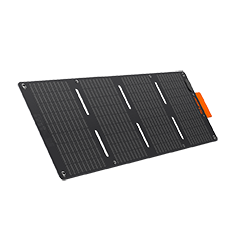



![[Add-on] Jackery SolarSaga 500 X - Jackery](http://www.jackery.com/cdn/shop/files/add-on-jackery-solarsaga-500-x-1493607.webp?v=1786503068&width=324)
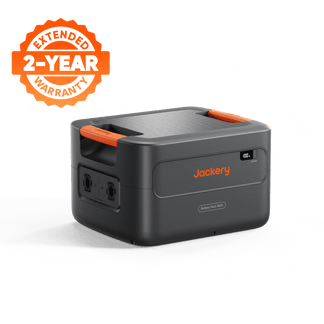
![[Add-on] Jackery Battery Pack 5000 Plus - Jackery](http://www.jackery.com/cdn/shop/files/add-on-jackery-battery-pack-5000-plus-6713401.webp?v=1786503068&width=324)




How Do You Prevent Voltage Drop When Running Solar Generator Backup Through Long Extension Cords?
The most reliable way to reduce extension cord voltage drop is to shorten the run, use one suitable cord with a marked rating that covers the load, and keep the load within both the cord and solar generator limits. Before connecting anything, note the load’s running demand, documented startup demand when applicable, total one-way distance, cord rating, and generator output limits. If any of those details are unclear, check the equipment instructions before use instead of relying on plug fit.
Start With the Shortest Suitable Cord and a Verified Load
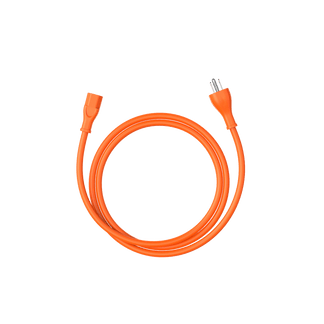
Start by moving the solar generator closer to the load when practical. Then choose the shortest single cord that reaches without strain and whose marked rating covers the connected equipment. This reduces avoidable resistance and connection points, but it does not increase the generator’s output capacity.
Before selecting the cord, note the load’s normal running demand and its documented startup demand, if applicable. Motors and other startup-sensitive equipment may require more power during startup than during normal operation, so running demand alone may not show the full requirement. Also check the generator’s outlet and output limits in the applicable instructions.

Measure the full one-way distance from the generator to the load. Match that distance, the load demand, and the intended environment to the cord’s markings and documentation. A cord that fits the receptacle may still be unsuitable if its rating does not cover the load. If you cannot confirm the load demand, cord rating, or generator capability, leave the setup disconnected until the instructions resolve the question.
What Causes Extension Cord Voltage Drop in a Long Extension Cord?
Extension cord voltage drop is the reduction in voltage delivered to a load as current encounters resistance in the cord. The effect generally increases with a longer or thinner conductor and with higher load current.
Fluke explains that voltage drop depends on circuit loading and source impedance, including the length and conductor gauge of the wire run, in its discussion of power quality at receptacle branch circuits. A smaller conductor generally has more resistance than a larger conductor of comparable construction. Increasing load current also increases expected voltage loss and can raise heating concerns.
Startup demand adds another variable. An appliance may draw a different amount of current while starting than it does while running, so a setup that appears adequate based only on normal running demand may still fail during startup. Use the equipment documentation for that demand rather than applying a universal multiplier.
These relationships explain why there is no single correct gauge, maximum length, wattage cutoff, or acceptable voltage-drop percentage for every solar-generator setup. A heavier-gauge cord can reduce resistance in a particular run, but it cannot make the generator supply more power than its own limits allow. For a plain-language explanation of electrical terms, see these volts and amps basics.
Choose the Cord by Load, Total Length, and Environment
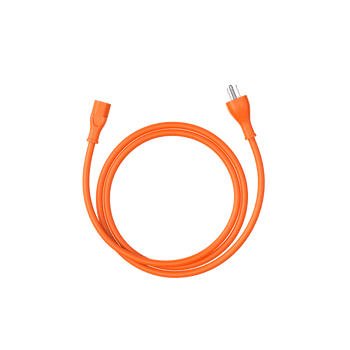
Choose the cord based on the complete setup, not on length or plug fit alone. The cord’s marked current or wattage rating must cover the intended load, and the generator must also be able to supply that load under its documented operating conditions. Use this selector as a decision path, not as a universal gauge chart.
| Planned situation | Verify | Lower-loss choice |
|---|---|---|
| Low-power load on a shorter or moderate run | The cord marking covers the load, and the generator outlet and load instructions agree | Use the shortest suitable cord rather than assuming any cord is adequate |
| Higher-wattage or startup-demand load | Running demand, documented startup demand, cord rating, and generator output limits | Reduce the distance first, then select a cord whose marked rating clearly covers the complete demand |
| Long one-way run | Total distance, conductor and cord marking, connection count, and generator limits | Prefer one suitable cord that reaches without strain; do not select by length alone |
| Outdoor, garage, RV, or camping placement | Environmental marking, routing, moisture exposure, traffic, abrasion, and strain | Use a cord marked for the intended outdoor use and route it so placement does not damage it |

For general background, CPSC extension-cord material discusses checking a cord’s capacity on its tag or packaging before connecting products. Treat outdoor markings and physical placement as fit conditions, not cosmetic details. If startup demand, environmental marking, cord capacity, or generator output capability is unclear, pause the selection and check the applicable instructions or consult a qualified electrician.
Set Up One Suitable Cord to Reduce Avoidable Loss
Use this sequence before energizing the backup load:
- Identify the load and distance. Note the running demand, documented startup demand where applicable, and the full one-way distance from the generator to the load.
- Move the generator closer. Reduce the cord run when practical, while keeping the generator within the placement and ventilation conditions specified by its instructions.
- Inspect and deploy one suitable cord. Confirm its marked rating and environmental marking. Look for damage, then route it away from crushing, abrasion, door or window edges, fasteners, traffic, and avoidable strain.
- Make compatible connections. Fully seat the intended connections without forcing mismatched plugs, stretching the cord, or placing a connection under tension. OSHA notes that flexible cords can be damaged by edges, fasteners, abrasion, and aging, so protect the flexible-cord run during placement.
- Connect only the intended load within ratings. Do not add appliances or rely on a cord that is merely long enough. Keep the total load within the cord marking and the generator’s documented limits.
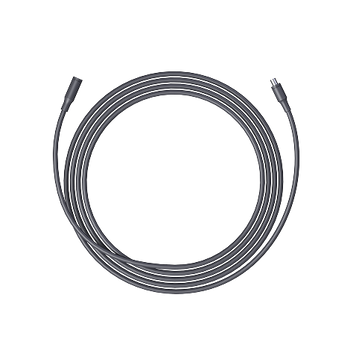
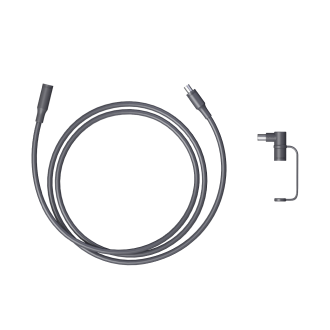
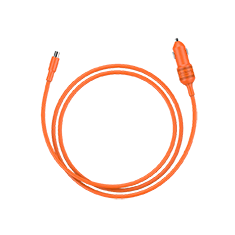
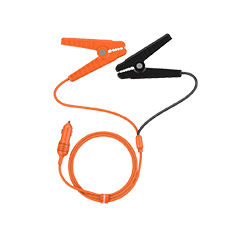
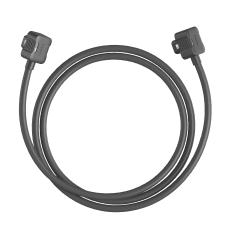
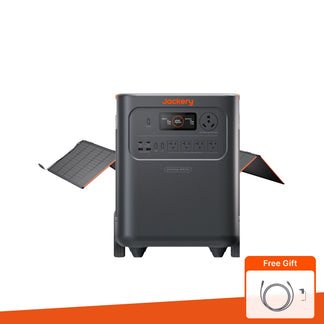
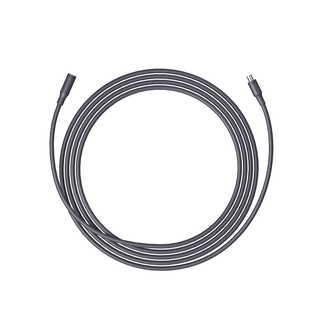
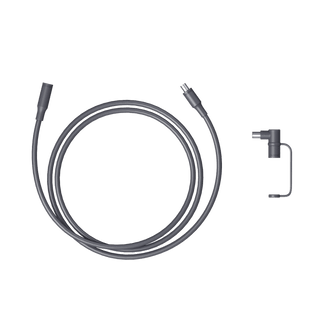
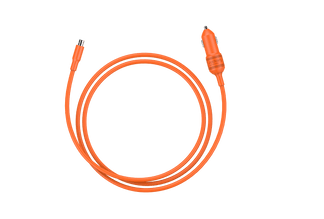
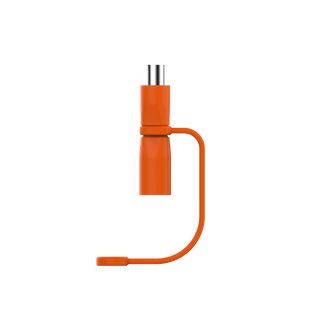
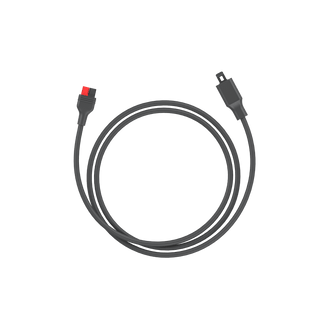
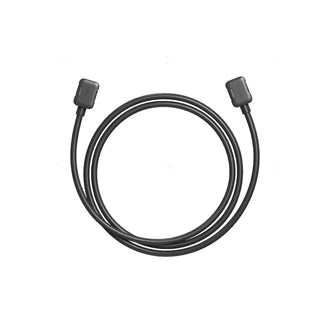
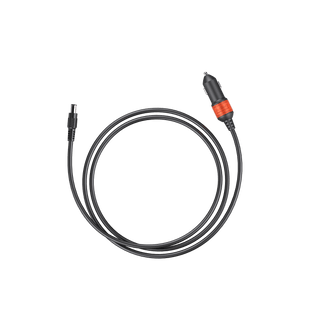
The DC solar-panel extension cable is listed at 16.4 feet for a solar-panel and portable-power-station connection. It belongs to the DC solar-panel path, not the AC load-cord path, and its product listing does not establish AC extension-cord compatibility.
Avoid Cord Choices That Increase Loss or Heat
Reject these choices before connecting power:
- An undersized cord: Do not use a cord whose marked current or wattage rating does not clearly cover the connected load. A generic “heavy-duty” description or a matching plug is not a substitute for the marked rating.
- An overloaded cord or generator: Do not add appliances or exceed the cord rating or the solar generator’s documented output limits. A lower-resistance cord cannot correct an overloaded source or load path.
- A damaged cord or connection: Reject cords, plugs, connectors, or receptacles that are cut, crushed, frayed, loose, discolored, or otherwise damaged. CPSC advises checking for excessive wear and replacing damaged extension cords.
- End-to-end connected cords as the default: Prefer one suitable cord that reaches. Multiple cords add total length and connection points, and CDC/NIOSH specifically advises using one long cord instead of multiple cords connected end to end.
If the complete cord, load, generator, distance, and environment do not clearly match, do not use the arrangement merely because it connects.
When to Stop and Check the Setup
Stop and disconnect the load if the cord, plug, or connection becomes unusually hot, shows visible damage, produces a burning odor, melts, sparks, or arcs. Also disconnect it if the generator reports an overload or fault, shuts down repeatedly, or fails to start the load.
For the heat and damage boundary, CPSC’s extension-cord safety guidance discusses these conditions as requiring attention. Do not respond to abnormal heat, odor, arcing, or repeated shutdown by simply trying a longer or heavier cord. Leave the load disconnected until the model-specific instructions identify an appropriate next step. If compatibility or the cause of the behavior remains unclear, obtain qualified electrical help.
The practical answer is to reduce distance first, verify running and startup demand, match the cord’s marked rating to the complete load, and use one intact cord suited to the environment. Leave the setup disconnected when an active stop-use sign appears or the equipment limits remain unresolved.
Frequently Asked Questions
How Do Extension Cord Length and Wire Gauge Affect Voltage Drop?
Greater length generally adds resistance, while a larger conductor generally reduces resistance for a comparable cord construction. Higher current increases expected voltage loss and heating concerns. These relationships explain the choice, but they do not produce one universal gauge answer.
What Gauge Extension Cord Should I Use for a Battery Backup Setup?
There is no universal gauge for every battery backup setup. The exact choice depends on the load’s running and documented startup demand, total one-way length, environment, cord marking, and generator limits. Do not choose by a generic gauge rule or plug fit.
Can I Connect Extension Cords End to End for a Solar Generator?
End-to-end connections should not be the default because they increase total length and add connection points. Prefer one suitable cord that reaches without strain.
Why Does a Solar Generator Shut Down When an Appliance Is Connected Through a Long Cord?
Possible causes include startup demand, total load, voltage loss, a poor connection, cord damage, or a generator limit. A shutdown does not identify one cause by itself. Disconnect the load, stop repeatedly retrying it, and check the generator and appliance instructions before making another connection.
Disclaimer:
The runtime mentioned for appliances powered by Jackery is for reference only. Actual runtime may vary under different conditions. Please refer to real-world performance for accurate results.