

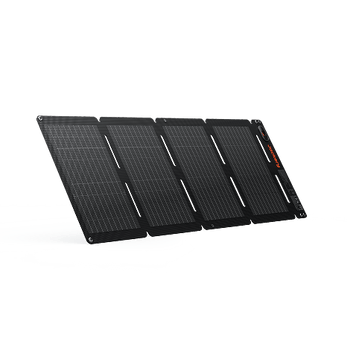



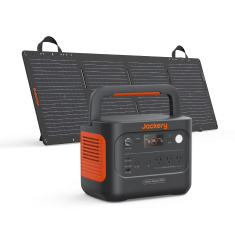





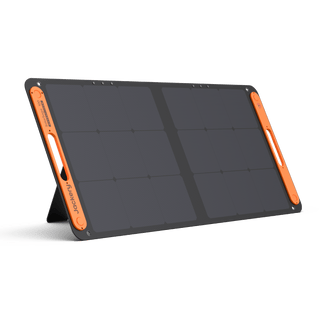
![[Add-on] Jackery SolarSaga 500 X - Jackery](http://www.jackery.com/cdn/shop/files/add-on-jackery-solarsaga-500-x-1493607.webp?v=1786503068&width=324)
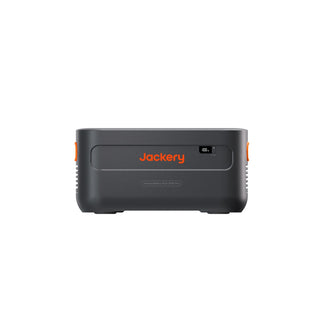
![[Add-on] Jackery Battery Pack 5000 Plus - Jackery](http://www.jackery.com/cdn/shop/files/add-on-jackery-battery-pack-5000-plus-6713401.webp?v=1786503068&width=324)






Can a Solar Generator Keep Smoke, Carbon Monoxide, and Security Alarms Powered During an Outage?
A solar generator can support an alarm system battery backup plan only when the alarm or security equipment has a compatible, manufacturer-approved input. It is not an automatic replacement for the specified battery in a smoke or carbon monoxide alarm, and it does not make every hardwired panel compatible. Battery-powered alarms remain battery-dependent; compatible plug-in equipment may be supported; hardwired alarms and security panels require verification of the complete power path, communications equipment, and required batteries.
Which Alarm Backup Outcome Fits Your Setup?
The right choice depends on how each device is powered and which functions must continue during the outage.
- Battery-powered smoke or CO alarm: Do not count on a solar generator as a replacement battery. Keep the specified battery installed, maintained, and tested. USFA guidance notes that a smoke alarm with a dead or missing battery provides no protection. Separately, CPSC guidance on CO and smoke alarms covers battery and battery-backup arrangements and regular testing. As a compatibility precaution, do not treat the generator as the alarm battery unless the exact manufacturer approves that arrangement.
- Compatible plug-in alarm or security equipment: Conditional yes. A solar generator may support the equipment when its labeled voltage, frequency, wattage or amperage, connector, polarity, and operating method match the approved requirements. Required internal batteries and accessories still need to remain in place.
- Hardwired alarm or security panel: Verify before connecting. The AC path, transformer or dedicated supply, panel battery, communicator, siren, and any network or telephone equipment may all affect the functions you expect during an outage. A nearby outlet or a power station's UPS feature does not prove compatibility.
Use a supported arrangement only when the approved input and all required functions are covered. If the wiring, input, battery, transfer behavior, or manufacturer instructions are unclear, treat the setup as requiring verification rather than making an improvised connection.

How Does Each Alarm Get Its Power?
Start with the label, battery compartment, plug, panel enclosure, and manual for each device. The model number and power information identify the approved power path more reliably than the device's appearance or another alarm in the home.
Battery-Powered Smoke or Carbon Monoxide Alarms
A battery compartment with no household power cord or visible permanent wiring usually points to a battery-powered arrangement, but the manual provides the final identification. Note the specified battery, low-battery indication, maintenance guidance, and test procedure. The key continuity question is whether that required battery is installed and maintained. For smoke alarms, USFA describes battery and household-electrical power configurations and related maintenance requirements.
Plug-In Alarms and Security Equipment
Treat a plug-in alarm, monitor, camera, or other security component as compatible only after its label and manual establish the input and operating method. Note the voltage, frequency, wattage or amperage, connector, and polarity where provided, along with any internal battery requirements. Include a router, monitor, camera, or other accessory only when it is needed for the function you expect to preserve. This classification is the starting point for an alarm system battery backup, not proof that a particular power station will work.
Hardwired Alarms, Panels, and Communicators
For a hardwired arrangement, identify the panel, transformer or dedicated supply, backup battery, communicator, siren, and relevant network or telephone equipment separately. NFPA installation guidance describes hardwired smoke alarms as using the home's AC electrical system and commonly having battery backup. For security systems, ADT's Base documentation is one manufacturer-specific example showing that AC input, an internal battery, and connectivity can be separate considerations; it is not a universal description of every system.
If the label, panel documentation, or wiring does not reveal the approved power path, classify the arrangement as requiring verification. Keep the model and power information for every alarm, panel, communicator, siren, router, or other component needed for the protection your household expects.

What Must You Verify for an Alarm System Battery Backup?
The alarm or security-system manufacturer's approved backup method determines the choice before you consider the power station's outlets, wattage rating, or UPS feature. Compare the complete connection and required function, not just whether a receptacle looks familiar.
For a clearly documented plug-in device, compare the exact voltage, frequency, wattage or amperage, connector, polarity, and operating method with the power station's approved output. Do not improvise an adapter or assume that a matching plug makes the connection safe. The device documentation should also address any internal battery, charging, transfer, or uninterrupted-power requirement.
A panel or hardwired installation needs a broader review. Establish whether the approved backup method uses a transformer, dedicated supply, transfer method, or internal battery, and whether the proposed source can support that method without changing the installation. The power station's rating does not override the alarm manufacturer's input requirements.
Powering the panel may not cover the security functions your household expects. If monitoring, notifications, cameras, a siren, or remote access matter, include the communicator, router, internet, telephone, cellular service, and other required equipment in the plan. For a system using Alarm.com, its help resources direct users to verify the installed communications path with their security provider, illustrating why provider and system details matter.
If an input is unsupported, wiring is unclear, a battery requirement is missing, or hardwired work would be needed, stop and obtain guidance from the alarm manufacturer or a qualified installer. Do not modify hardwired alarm wiring, bypass a required battery, or rely on an improvised connection.
How Do You Estimate Backup Runtime and Recharging?
After the approved connection is established, estimate coverage from the power station's usable energy and the verified combined load, not from nominal watt-hours alone. The basic planning relationship is:
Estimated runtime = usable energy ÷ combined load
Keep the units consistent. If usable energy is recorded in watt-hours and the combined standby load in watts, the result is an estimate in hours. Use the documented or measured standby draw for every required alarm, panel, communicator, router, monitor, siren, and accessory. Then allow for conversion losses, changing loads, startup draw where relevant, and uncertainty in the estimate. Without those device-specific inputs, runtime cannot be responsibly quantified.
Compare the estimate with the intended outage duration. A short outage may require only stored energy, while a multiday outage also requires a realistic recharge path. Determine when wall, solar, car, or another manufacturer-approved charging method will be available and whether the equipment may remain connected while charging. Do not assume that solar input, charging while running, or a particular recharge time is supported by every power station.
How Should You Set Up and Test an Approved Alarm Backup Plan?
Connect equipment only through the approved method, keep every required alarm battery and system component installed, and test the functions your household relies on before an outage. Power delivery alone does not prove detection, monitoring, or notification continuity.
For battery-powered smoke and CO alarms, install, maintain, and test the specified batteries. A portable power station applies only to separately verified compatible equipment. CPSC guidance on battery-operated and battery-backup alarms also emphasizes regular smoke and CO alarm testing during outage preparation.
Follow the equipment instructions for a controlled test of the backup condition. Check the relevant alarm, fault, low-power, siren, and notification behavior. If a required battery is missing, the monitoring path is unavailable, the test produces a fault, or hardwired wiring would need to change, stop and obtain manufacturer or qualified-professional guidance. Do not bypass the battery or continue an unclear power test.
If the approved test confirms the functions your household relies on, use that arrangement and keep the device-specific instructions with your outage supplies. If it does not, do not connect the system for backup; contact the alarm manufacturer or a qualified installer before the next outage.
Frequently Asked Questions
These answers address decisions that can change how smoke, CO, and security equipment should be backed up.
Can a solar generator replace the battery in a smoke or carbon monoxide alarm?
Not by default. Keep the alarm's specified battery installed and maintained unless the exact manufacturer approves another arrangement. A solar generator may be considered for separately approved equipment, but it should not be counted as the alarm's replacement battery.
Does a power station's UPS feature prove that it will work with an alarm panel?
No. UPS mode describes a power-station operating feature, not approval for a particular alarm input, transfer method, battery arrangement, or hardwired installation. The alarm or panel manufacturer's approved connection remains the controlling condition.
Will powering a security panel preserve monitoring during an outage?
Not necessarily. The communicator, router, internet, telephone or cellular service, siren, and provider configuration may have separate continuity requirements. Include those dependencies when the goal is monitoring or notification rather than assuming that a powered panel covers them.
Sources
The sources below support the article's smoke, CO, and security-system guidance; they do not establish universal compatibility for a solar generator.
Disclaimer:
The runtime mentioned for appliances powered by Jackery is for reference only. Actual runtime may vary under different conditions. Please refer to real-world performance for accurate results.

