

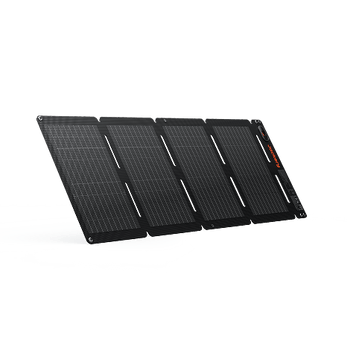









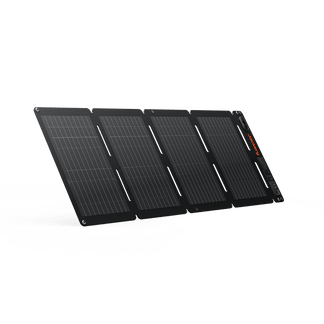
![[Add-on] Jackery SolarSaga 500 X - Jackery](http://www.jackery.com/cdn/shop/files/add-on-jackery-solarsaga-500-x-1493607.webp?v=1786503068&width=324)
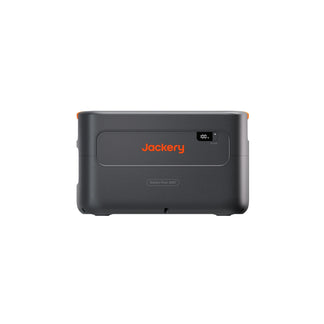
![[Add-on] Jackery Battery Pack 5000 Plus - Jackery](http://www.jackery.com/cdn/shop/files/add-on-jackery-battery-pack-5000-plus-6713401.webp?v=1786503068&width=324)







Can a Solar Generator Power GFCI- and AFCI-Protected Circuits Without Nuisance Trips?
A solar generator with GFCI-protected circuits may power a protected load without tripping, but there is no universal, trip-free answer. Compatibility depends on the source output, neutral and grounding behavior, connection method, protective device, and load. Use the three-way choice below: continue only with a permitted limited-load setup, use approved transfer equipment for house wiring, or stop and get qualified help when the arrangement is unknown or the protection keeps tripping. Never bypass, disable, hold closed, or repeatedly reset GFCI or AFCI protection to keep backup power running.
Can a Solar Generator with GFCI-Protected Circuits Power AFCI Loads?
A solar generator may work with a protected individual load when the generator instructions permit the connection, the equipment is undamaged, and operation remains normal. A branch-circuit or panel connection is a separate installation question that wattage alone cannot answer.
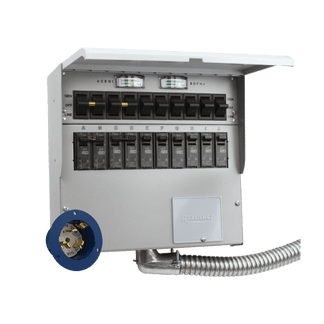
For house-wiring backup, the CPSC generator safety alert warns against plugging a generator into a wall outlet to power household wiring. NFPA transfer-equipment guidance supports properly rated transfer equipment and qualified installation for this type of backup.

| Backup path | When it fits | Next action |
|---|---|---|
| Limited-load arrangement | A permitted individual-load connection, compatible load, undamaged accessible equipment, and normal operation | Continue only with the limited load, and stop if the protection trips or abnormal conditions appear. |
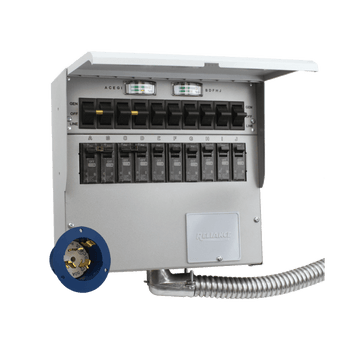
| Approved transfer or interconnection arrangement | House-wiring backup supplied through equipment rated and permitted for the generator, panel, and installation | Use the approved path, with qualified installation where required. |
| Stop and investigate | An unknown connection, a no-load trip or repeated trips, fixed-wiring involvement, or heat, arcing, burning odor, buzzing, or visible damage | Stop testing and get a qualified electrical evaluation. |

What Does a GFCI or AFCI Trip Mean?
The device that opened determines the first question to investigate. GFCI and AFCI protection address different hazards, but the indicator and timing do not by themselves show whether the source, load, cord, receptacle, fixed wiring, or connection caused the event.
What a GFCI Trip Puts First on the Checklist
A GFCI monitors for current leaving the intended circuit path and responds to a ground-fault or leakage condition. Start with the connected load, cord, receptacle, moisture, wiring, and source-and-connection arrangement rather than assuming an overload. The UL explanation of GFCI protection supports this distinction in device function.
Note whether the GFCI trips immediately, when one appliance is connected, or when a load starts or runs. Timing can help prioritize the next check, but it cannot identify the fault source. Some power-conversion loads can create leakage or electrical noise that complicates GFCI compatibility, so do not label the event a nuisance trip until the source, load, protection, and connection conditions have been evaluated.
What an AFCI Trip Puts First on the Checklist
An AFCI responds to electrical characteristics associated with arcing faults, so the first check concerns the connected load, cords, receptacles, fixed wiring, and source interaction rather than a simple overload assumption. The UL AFCI explanation provides the relevant device-definition context.
Identify the actual AFCI breaker, receptacle, combination device, or other protective device that opened. If both GFCI and AFCI protection are present, record which device trips first. That observation helps narrow the next check, but it does not prove that the battery backup or any single appliance is defective.
Which Generator Specifications Affect Compatibility?
Before blaming the circuit or protective device, record the generator's output, startup behavior, electrical configuration, and permitted connection method. If the manufacturer's documentation does not address the intended protected-circuit arrangement, solar generator and GFCI compatibility remains unverified.
Check Output and Load Behavior
Confirm the generator model's output voltage, frequency, continuous rating, startup or surge capability, output configuration, and stated limitations for the intended load. Compare those specifications with the load's requirements and the circuit rating. A source that appears adequate during steady operation may respond differently when a motor, compressor, or other load starts, so separate running demand from startup demand.
Nominal wattage is only one part of the review. Use the owner's manual and technical specifications for the generator being considered rather than relying on a product category, similar model, or one successful test. Output capacity cannot approve a panel connection, resolve neutral behavior, or establish AFCI backup power compatibility.
Check Grounding, Neutral, and Protection Guidance
Confirm how the generator handles the neutral and grounding arrangement, including any documented bonded or floating configuration and conditions that affect GFCI, AFCI, transfer equipment, or home-circuit use. Also look for connection limits, required accessories, and instructions for protected receptacles or approved transfer equipment.
These details are configuration-specific. For one manufacturer-specific example, manual transfer-switch documentation describes conditions for a particular floating-neutral generator and protection arrangement in generator mode. That example does not establish compatibility for other models, brands, transfer equipment, or household circuits. If the instructions do not cover the proposed arrangement, treat it as unverified rather than inferring compatibility from the generator category.
Which Circuit and Connection Details Must Match?
The circuit-side review must answer two separate questions: what protective device is present, and how will the source supply the load? Generator output rating answers neither. Keep receptacle-level use, branch-circuit use, and panel connection separate because they involve different equipment and installation conditions.
Identify the Protected Circuit and Its Connected Load
Identify whether protection is provided by a GFCI receptacle, GFCI breaker, AFCI breaker, combination device, or more than one device. Note which device trips. Then identify the circuit voltage, breaker and receptacle ratings, intended appliances, cord condition, accessible moisture or damage, and loads that may start together.
This information helps distinguish a portable individual-load question from a branch-circuit or panel question, but it does not diagnose the trip. Isolate accessible loads before drawing conclusions, and do not treat one appliance's successful operation as approval for every load or circuit in the home.
Confirm the Connection Method and Required Equipment
For house-wiring use, return to the approved transfer or interconnection path described above. Never improvise a panel connection or energize household wiring through an ordinary receptacle. A connection that requires opening a panel, modifying fixed wiring, or resolving neutral, grounding, or transfer questions belongs with a qualified electrician.
Match the proposed method to the generator, transfer equipment, panel, and applicable electrical instructions. A portable power station's output does not by itself authorize a branch-circuit or panel connection.
What Should You Do When GFCI or AFCI Protection Trips?
After a protected-circuit trip, identify and isolate the condition before trying to restore capacity. Use this noninvasive sequence, and do not open energized equipment or alter fixed wiring.
- Identify the device. Record whether a GFCI receptacle, AFCI breaker, combination device, or another protective device opened. Note whether the trip occurred with no load, one load, or several loads.
- Isolate accessible loads. Unplug or remove loads as the equipment instructions permit. Inspect accessible plugs, cords, receptacles, and nearby conditions for obvious moisture or damage. Do not repeatedly reset the same device without addressing what changed.
- Record the setup. Write down the generator model, output and neutral/grounding specifications, protective-device type, intended load, trip timing, and connection method before contacting support or an electrician.
- Test only a permitted condition. If the connection is permitted and accessible equipment is undamaged, test one modest, known-compatible load at a time under normal conditions. If the connection is not permitted or its status is unknown, do not use a test as a substitute for approval.
- Choose the action. Continue only with a stable, verified limited-load setup; use different approved equipment or an approved connection method when the match fails; or stop and get qualified electrical help when the trip persists or the installation is involved.
Stop using the arrangement and get qualified help for a no-load trip, persistent unexplained trips, multiple-circuit trips, panel or transfer-equipment involvement, or heat, arcing, burning odor, buzzing, or visible damage.
The practical answer is conditional: a solar generator may supply a protected individual load when the source, load, protection, and connection are compatible. House wiring needs an approved transfer or interconnection path, while an unknown or repeatedly tripping arrangement belongs with a qualified electrician—not a defeated protective device.
FAQ
The device, load, and connection details determine which next step is appropriate.
What should I identify before troubleshooting a GFCI or AFCI trip from a solar generator?
Start with the device that opened, whether both protection types are present, the connected load, and whether the trip occurred immediately, at startup, during operation, or with no load. Also record the generator model and connection method before seeking help.
Can a portable power station run a GFCI-protected outlet without tripping it?
Sometimes, but only when the generator's output design, neutral and grounding behavior, load, protective device, and permitted connection method are compatible. One successful single-load test does not establish universal compatibility.
Why does an AFCI breaker trip when battery backup power is used?
Possible areas include a damaged or arcing load or cord, a startup event, fixed-wiring concerns, or a source-and-circuit interaction. Identify the device, isolate accessible loads, and stop if the trip persists or the installation is involved.
Can I connect a solar generator directly to a home's breaker panel?
Not through an improvised connection. A panel or branch-circuit arrangement requires equipment and installation specifically permitted by the generator, transfer equipment, panel, and applicable electrical guidance. Fixed-wiring work may require qualified electrical help.
Disclaimer:
The runtime mentioned for appliances powered by Jackery is for reference only. Actual runtime may vary under different conditions. Please refer to real-world performance for accurate results.