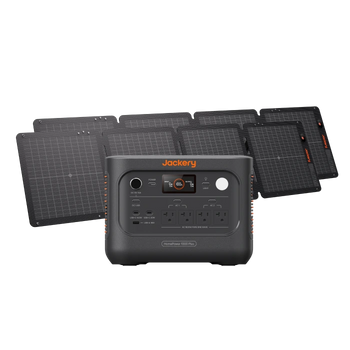
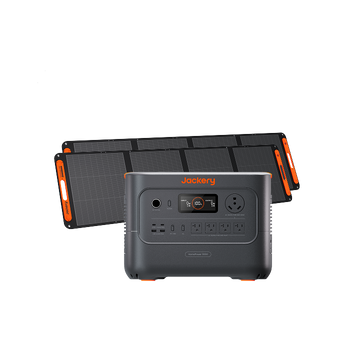
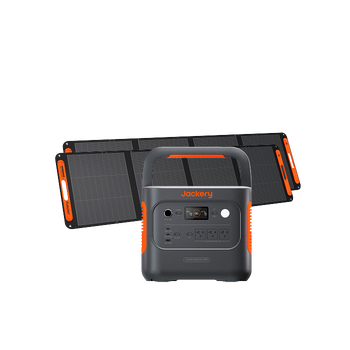

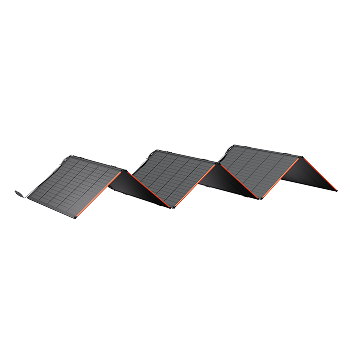
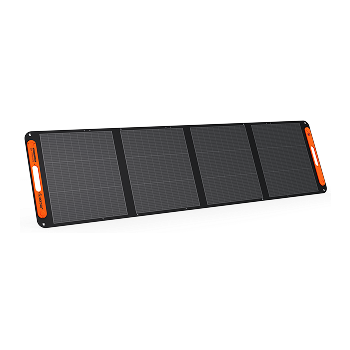
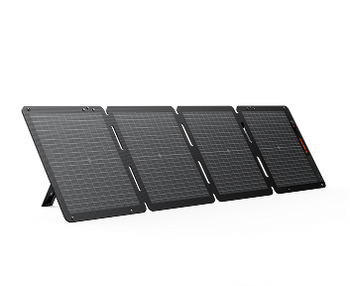
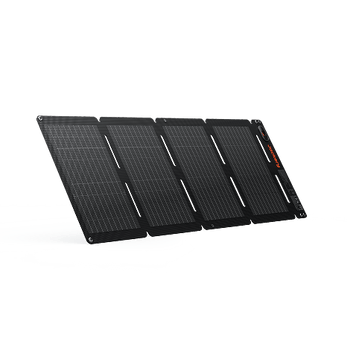


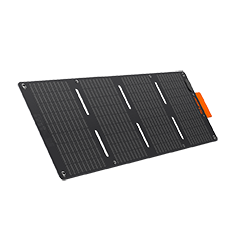



![[Add-on] Jackery SolarSaga 500 X - Jackery](http://www.jackery.com/cdn/shop/files/add-on-jackery-solarsaga-500-x-1493607.webp?v=1786503068&width=324)
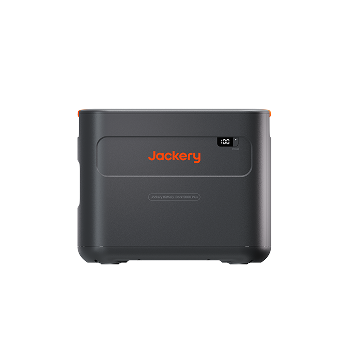
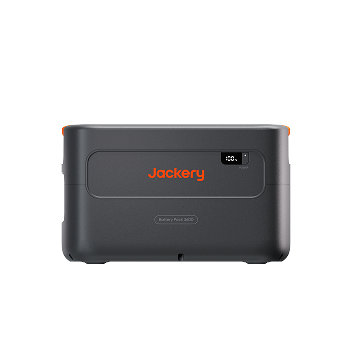
![[Add-on] Jackery Battery Pack 5000 Plus - Jackery](http://www.jackery.com/cdn/shop/files/add-on-jackery-battery-pack-5000-plus-6713401.webp?v=1786503068&width=324)





Can a Solar Generator Operate Correctly With an Air Conditioner Soft Starter?
A solar generator with a soft starter may run an air conditioner properly when the soft starter fits the unit, the remaining startup demand is within the generator's limits, the continuous AC load is supported, and shared loads are accounted for. A soft starter alone does not prove compatibility.
If a required rating or soft-starter fit is unknown, do not operate the setup until you verify it. If all required figures are known but other connected devices leave too little output margin, reduce those shared loads and recalculate. If a published requirement exceeds the generator's capability, the combination is unsuitable.
Before connecting anything, gather the air conditioner's exact nameplate or manual ratings, the soft-starter documentation, and the solar generator's continuous and peak AC output specifications.
Can a Solar Generator Operate Correctly With an Air Conditioner Soft Starter?
Yes, a solar generator and air-conditioner soft-starter setup may work when the equipment requirements align. A soft starter may reduce or manage compressor startup demand, but Nu-Calgon's soft-starter documentation describes possible use with limited generator, inverter, or solar-battery sources. It does not establish a match for every air conditioner and generator.
| Screening result | When it applies | Next action |
|---|---|---|
| Compatible on paper | Published AC running and startup requirements, soft-starter fit, generator ratings, and shared loads align. | Treat this as a screening result, not proof of safe operation, and keep the exact model documentation. |
| Verify or reduce shared loads | A required rating or soft-starter fit is unknown or conflicting, or known shared loads make the output margin unclear. | Resolve missing equipment information. If shared loads are the issue, remove nonessential loads and recalculate. |
| Unsuitable from published ratings | A documented requirement exceeds the generator's matching capability. | Do not operate the combination. |
The middle outcome has two separate paths: missing equipment information requires verification, while a known output-margin problem caused by shared loads may improve after you reduce those loads.

Compare the Air Conditioner and Solar Generator Power Ratings
Compare matching electrical specifications, not broad labels such as “RV AC” or “portable AC.” The air conditioner's running demand must fit within the generator's continuous AC output. After you account for simultaneous loads, the remaining compressor startup demand must also fit within the generator's peak or startup capability.
- Identify the air conditioner's electrical demand. Record running watts when provided. If the documentation lists volts and amps instead, keep those figures and follow the manufacturer's stated electrical requirements. Look for compressor-starting, locked-rotor, or other startup information when published. Do not substitute another air conditioner's rating.
- Record the generator's matching capabilities. Note its continuous AC output and peak or startup capability, along with any stated operating conditions or duration for peak output. A maximum-wattage label alone does not establish continuous or startup compatibility.
- Compare running demand with continuous output. The AC's running requirement must fit within the generator's continuous rating after you include the refrigerator, fan, charger, and other connected devices. Other loads reduce the output available to the air conditioner.
- Compare remaining startup demand with peak capability. The soft starter may change the compressor's startup requirement, but use the requirements for the specific installation rather than applying a generic reduction percentage. The remaining startup demand still must fit the generator's startup capability.
- Separate running electrical input from cooling metrics. For portable units, use electrical input data for the running-demand comparison. DOE's explanation of portable-AC cooling metrics and electrical input helps distinguish those figures; use the air conditioner's own documentation for startup requirements.
For a useful AC startup surge comparison, obtain the compressor's actual requirement after the soft starter is installed, or use specific manufacturer guidance for that AC and soft-starter combination. Do not subtract a universal percentage from locked-rotor or starting demand.
Verify What a Solar Generator With a Soft Starter Changes—and What It Does Not
A soft starter acts during compressor startup and may reduce or manage inrush demand. It does not increase the generator's output or the battery's stored energy, so the remaining equipment requirements still have to fit.
What the Soft Starter Can Change
The device may make the compressor's startup event less demanding than it would be without the device. The actual result depends on the air conditioner or compressor, the soft-starter model, the installation, the operating state, and the generator's response. Manufacturer-reported reduction figures apply to specified products and conditions. For example, Micro-Air's published specifications should not be used as a universal sizing allowance for every compressor.
Use the soft starter's application and fit information together with the AC documentation. If the manufacturer's information does not identify the installed air conditioner, compressor, voltage, or installation context as supported, treat the fit as unresolved rather than inferring it from the device's name.
What Still Has to Match
The generator still needs to support the compressor's remaining startup demand and the air conditioner's continuous running demand. The soft starter does not add battery capacity, remove other connected loads, or turn a generator's peak rating into continuous output.
Estimate How Long the Solar Generator Can Run the Air Conditioner
Startup compatibility and runtime are separate decisions. After the AC starts, estimate runtime from usable battery energy and the total average load—not from the generator's maximum inverter output alone. The basic planning relationship is:
Estimated runtime in hours = usable battery energy in watt-hours (Wh) ÷ total average load in watts (W)
Use the usable-energy figure from the generator documentation. Divide it by the air conditioner's measured or documented average demand plus the average demand of other connected devices. This is a planning estimate for those conditions, not a runtime guarantee.
The total average load can change as the compressor cycles, the thermostat setting changes, outdoor conditions change, and other appliances switch on. Treat those factors as variables rather than inserting an unsupported efficiency or battery-derating percentage. Solar input may extend operation only when available sunlight, charging limits, and recharge timing offset enough of the demand.
DOE's battery-energy guidance relates stored energy in watt-hours to appliance wattage and hours of use. For a practical estimate, gather four figures: usable battery Wh, actual average AC W, average watts from other loads, and the required cooling time.
If the energy estimate does not cover the required period, reduce the shared load, shorten the operating period, arrange realistic recharging, or select a system with documented usable energy that matches the need.
Know When to Stop and Verify the Setup
Stop the specification review when the ratings do not align, a required specification is unknown, or the soft-starter fit is undocumented. Do not operate the combination on the assumption that a soft starter compensates for a generator shortfall.
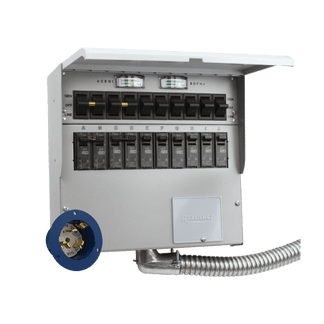
Generic guidance is also insufficient when the setup involves fixed wiring, transfer equipment, central air conditioning, or other home electrical integration. This article does not provide wiring or transfer-equipment instructions. Compare the exact model documentation and obtain manufacturer verification or qualified professional guidance before operating an unresolved combination. For home-backup installation questions, home-backup installation support is a relevant starting point, not proof that a particular AC and generator are compatible.
Frequently Asked Questions
These questions cover common situations involving an air conditioner and a solar generator with a soft starter. The applicable answer depends on the equipment and installation context.
Does a Soft Starter Eliminate an Air Conditioner's Startup Surge?
No. It may reduce or manage compressor startup demand, but it does not eliminate the remaining requirement. Compare that requirement with the generator's peak or startup capability.
Can a Solar Generator Run an RV, Window, or Portable Air Conditioner After It Starts?
It may, if that unit's electrical input and startup requirements fit the generator and its usable battery energy covers the required period. The AC category alone does not establish compatibility, so use the unit's own ratings.
When Should I Avoid Connecting an Air Conditioner Soft Starter to a Solar Generator?
Avoid relying on generic plug-in guidance for fixed wiring, transfer equipment, central air conditioning, or another home electrical integration. Obtain manufacturer or qualified professional verification before proceeding.
Disclaimer:
The runtime mentioned for appliances powered by Jackery is for reference only. Actual runtime may vary under different conditions. Please refer to real-world performance for accurate results.

