
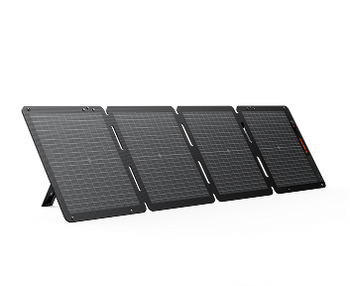
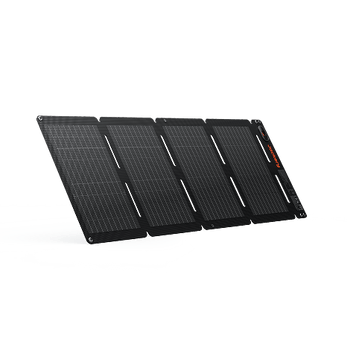


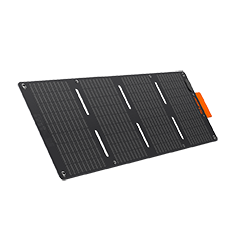



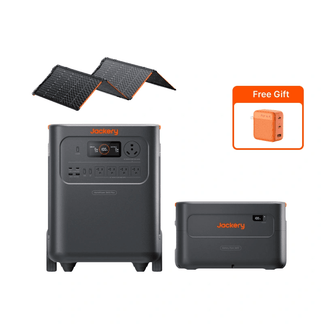
![[Add-on] Jackery SolarSaga 500 X - Jackery](http://www.jackery.com/cdn/shop/files/add-on-jackery-solarsaga-500-x-1493607.webp?v=1786503068&width=324)
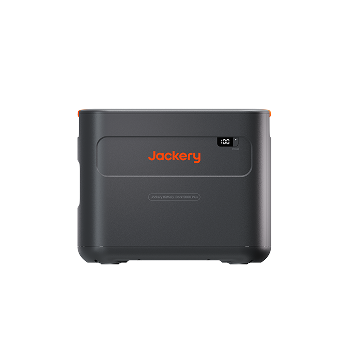
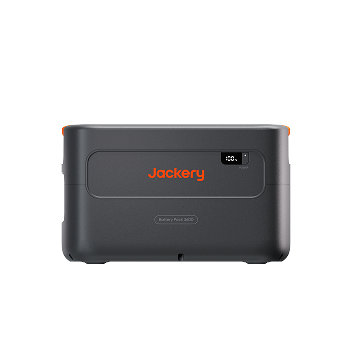
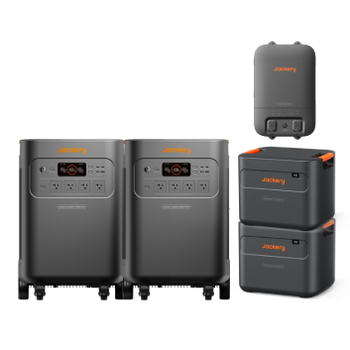
![[Add-on] Jackery Battery Pack 5000 Plus - Jackery](http://www.jackery.com/cdn/shop/files/add-on-jackery-battery-pack-5000-plus-6713401.webp?v=1786503068&width=324)





How Do Rooftop Solar Rapid-Shutdown Rules Affect Portable Battery Backup During an Outage?
Solar rapid shutdown does not by itself decide whether rooftop solar can recharge a portable battery backup during an outage. It is a PV safety function. Usable outage charging depends on whether the inverter and backup architecture can operate while the utility is disconnected, then whether the exact battery accepts that source through a documented, compatible connection. A normal grid-tied system should be treated as unavailable unless its installed equipment documents an outage mode.
Which Rooftop-Solar Setup Can Work During an Outage?
Classify the installed architecture and the proposed battery interface separately. These are decision lenses, not mutually exclusive system types: a fixed backup architecture could include storage, while a direct portable-battery input path describes how charging would occur. For the category-level distinction, DOE's solar resilience guidance explains why ordinary grid-tied solar and backup-capable systems can behave differently during grid loss.
| Setup or decision lens | Likely outage behavior | Reader decision |
|---|---|---|
| Conventional grid-tied rooftop solar without backup | Typical residential systems switch off when the grid fails, so the panels alone do not establish a usable charging output. | Not established as a portable-battery charging source unless the installed documentation identifies a supported backup path. |
| Fixed hybrid or solar-plus-storage architecture designed for backup | A configured system may separate from the utility and serve designated loads. PNNL's outage guidance notes that black-start behavior varies: some backup systems can restart from solar without an AC signal, while others require a different operating condition. | Potentially usable only when the inverter, storage, isolation controls, rapid-shutdown equipment, and charging output are documented as one compatible design. |
| Direct portable-battery input path through its permitted solar input | The battery may accept solar through a specified input, but rooftop equipment is not automatically equivalent to portable solar panels. The source and exact battery model still have to match. | Potentially usable only through a manufacturer-supported, electrically compatible path. If the source, connection method, or input limits are unclear, classify it as unresolved. |
The practical threshold is documented islanded operation plus a documented source-to-battery path. Panel presence, sunlight, a hybrid label, or solar rapid shutdown equipment does not prove that a portable battery can be charged during an outage. If the installed records do not identify an approved outage operating mode, treat the rooftop system as unresolved rather than as a charging source.

What Does Solar Rapid Shutdown Control During an Outage?
Solar rapid shutdown controls specified PV electrical conditions for safety after it is initiated; it does not create an off-grid power supply. Rapid shutdown and outage backup answer different questions: the first concerns control of PV conductors, while the second concerns whether the inverter can safely operate apart from the utility.
The rapid-shutdown function is intended to reduce shock hazards by controlling specified PV conductors after initiation. The technical guidance on rapid shutdown describes that conductor-safety purpose. The exact equipment response depends on the installed design and applicable requirements, so the presence of rapid shutdown should not be read as a promise that the array will keep producing usable power for a portable battery.
The inverter and interconnection architecture govern what happens after grid loss. Grid-interactive equipment must stop utility-interactive operation when the utility is unavailable. Multimode equipment may supply isolated loads in island mode when it is designed and installed for that use, as this explanation of interconnected and island-mode equipment describes. Storage, isolation controls, inverter settings, and black-start behavior remain system-specific.
That distinction changes the decision rule: rapid-shutdown status neither proves nor disproves portable-battery charging. Look for documentation showing how the complete system behaves off-grid and where a permitted charging output is available. Do not treat a safety control as an outage-power switch.
Can Your Portable Battery Accept Rooftop-Solar Power?
First identify the interface between the rooftop equipment and the portable battery. The proposed path might involve an inverter, charge controller, transfer or isolation equipment, or another documented interface, and each part affects whether the battery is receiving an allowed source.
For the exact battery model, compare its input voltage range, current limit, maximum input power where specified, connector type, polarity, operating conditions, and permitted source and connection method with the source-side documentation. Jackery's input-limit guidance directs users to the exact product manual or label and says the voltage and current for each port must not exceed the design specifications. That supports a model-by-model check, not a universal claim about Jackery products or rooftop arrays.

If the proposed path uses an inverter or other rooftop equipment output, record the characteristics of the equipment that would actually feed the battery rather than assuming the array's headline wattage describes the battery input. If it uses a direct solar input, compare the source values and connection requirements with the battery's documented limits. A connector fit is only a physical observation; it does not establish electrical compatibility, a permitted charging method, safe operation under changing sunlight, or compliance with applicable requirements.
When every required value and condition agrees, the path may be treated as potentially usable only if the exact battery manual also permits that source and connection method. Missing or conflicting values leave the path unresolved. Do not add an adapter, combine conductors, or alter fixed-system equipment as a workaround. Portable use and fixed home integration remain separate equipment and compliance questions.
How to Verify the Charging Path Before an Outage
The first action is to record the exact model numbers before the outage occurs. Then use this five-step path to decide whether the proposed charging route is documented or must stop.
- Identify every relevant component. Record the inverter, rooftop rapid-shutdown equipment, battery or storage system, transfer or isolation equipment, charge controller if present, and portable battery model. Photos of nameplates can preserve model and rating information for a qualified reviewer.
- Read the outage and charging documentation. Look for the installed system's documented grid-loss mode, islanding behavior, black-start requirements, and available outputs. Separately, confirm that the portable battery manual permits the proposed source and connection method. Do not infer behavior from a product category or a similar model.
- Compare the source with the battery limits. Match voltage, current, power, connector, polarity, and operating conditions using the source documentation and exact battery specifications. Missing data is not a match, and panel wattage alone is not enough.
- Check the fixed-system boundary. Apply current requirements for the location and the equipment's intended use. DOE commissioning guidance emphasizes documenting equipment and required system safety features. A portable power pack is not automatically a listed stationary energy-storage system, and combining individually certified products does not itself create a listed fixed installation. Any change involving fixed wiring, transfer equipment, exposed conductors, or an unclear connection belongs with qualified electrical or solar help. Our home-backup installation support can be a starting point for finding appropriate support, but it does not confirm compatibility.
- Apply the proceed-or-stop rule. Proceed only through the documented, manufacturer-permitted path when the outage mode, rapid-shutdown behavior, connection method, and battery input limits are confirmed compatible. If any item is unclear, do not connect rooftop-solar conductors or inverter output to the portable battery. Use another documented backup method or obtain qualified system-specific help.
This is a verification method, not a complete electrical-code checklist or installation guide. Local requirements can differ, and the installed manuals control system-specific behavior. Use the records gathered in step one to resolve the proposed path before the outage, and do not make the connection unless the complete outage architecture and exact battery input path agree in writing.
Frequently Asked Questions
The questions below address separate choices that can arise when rooftop solar and portable backup equipment are considered together.
Does rapid shutdown by itself stop solar charging during a power outage?
No. Rapid shutdown addresses a PV safety condition, not the complete outage operating mode. The relevant branch is whether the inverter and backup architecture can operate off-grid and expose a permitted charging output for the battery.
Will a normal grid-tied rooftop system charge a portable battery when the utility grid is down?
Do not assume it will. A conventional grid-tied system generally stops operating when utility power is lost. It becomes a possible charging source only when its installed equipment documents backup operation and the battery's permitted input path matches.
What specifications must match before I recharge a portable battery from rooftop solar?
Compare the source type, exact voltage, current, power, connector, polarity, operating conditions, and permitted connection method with the battery's manual or label. A matching connector or panel wattage alone does not establish compatibility.
What should I do if I cannot identify my inverter or rapid-shutdown equipment?
Do not attempt the proposed connection. Locate the equipment records and manuals, then ask a qualified solar or electrical professional to review the fixed-system path if the outage mode or connection method remains unclear. Use a separately documented backup method until that review is complete.
Disclaimer:
The runtime mentioned for appliances powered by Jackery is for reference only. Actual runtime may vary under different conditions. Please refer to real-world performance for accurate results.

