




























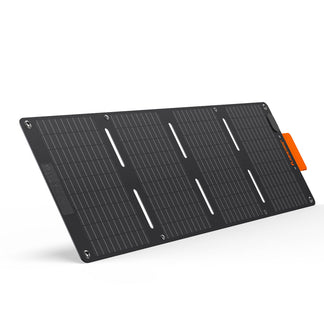
![[Add-on] Jackery SolarSaga 500 X - Jackery](http://www.jackery.com/cdn/shop/files/add-on-jackery-solarsaga-500-x-1493607.webp?v=1786503068&width=324)
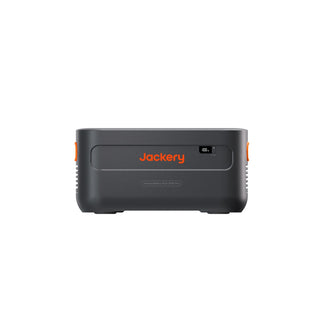
![[Add-on] Jackery Battery Pack 5000 Plus - Jackery](http://www.jackery.com/cdn/shop/files/add-on-jackery-battery-pack-5000-plus-6713401.webp?v=1786503068&width=324)






















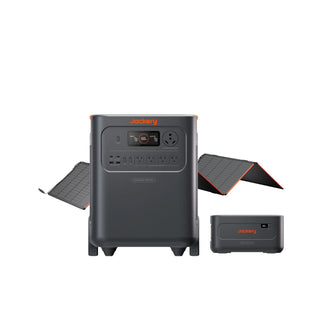


Navigating Outages: Why a Power Station Box is Better Than Gas
Quick Answer: A power station box is safer, quieter, and easier to maintain than a gas generator. It produces zero exhaust fumes, so you can run it indoors without carbon monoxide risk. It also requires no fuel storage, oil changes, or spark plug replacements, making it ready to use instantly when the grid goes down.
Key Takeaways:
- Indoor safety is the #1 reason homeowners switch to a power station box — gas generators cause 85–100 CO-related deaths per year in the U.S., while battery units produce zero emissions. [1]
- Near-silent operation (30–50 dB) makes battery stations neighbor-friendly and compliant with HOA noise ordinances, whereas gas generators hit 65–80 dB (vacuum-cleaner loud).
- The ideal strategy is to own both: a gas generator for daytime high-wattage loads and a power station box for silent, indoor overnight use of fridge, lights, and Wi-Fi router.
- LiFePO₄ battery chemistry delivers 10–15 years of service life, eliminating the fuel-degradation anxiety that leaves gas generators useless after 3–6 months of storage.
- Pairing a power station with solar panels reduces dependence on fuel supply lines during extended outages — gas generators depend on functioning gas stations.
Why Is a Power Station Box Safer Than a Gas Generator?
- Zero indoor emissions: A power station box runs on stored electricity — no combustion, no exhaust. You can operate it in a living room, bedroom, or apartment without ventilation. Gas generators must stay at least 20 feet from any door, window, or vent, and even then wind can push carbon monoxide inside.
- No carbon monoxide risk: Portable generators cause an estimated 85–100 CO-related deaths in the U.S. annually [1]. A battery power station box eliminates that hazard entirely. Families with children, elderly members, or anyone sensitive to air quality can use one overnight with zero anxiety.
- No flammable fuel storage: You don’t need gasoline cans, which pose a fire risk and degrade within 3–6 months without stabilizer. A power station box holds its charge for months with negligible self-discharge, so it’s ready whenever the next outage hits.
- Child and pet safety: Hot exhaust pipes, moving fan blades, and open fuel ports on a gas generator are serious burn and poison risks. A sealed battery unit stays cool to the touch and has no exposed mechanical parts.
- Tip‑over protection: Jackery and similar units use stable, low‑profile cases with integrated battery management that shuts off if the unit tips. A gas generator with an open fuel tank can spill dangerous fuel in a fall.
For a complete run‑down of what a power station box can back up, see Jackery’s guide on essential home backup uses.
How Quiet Is a Power Station Box Compared to a Gas Generator?
A power station box produces 30–50 decibels — roughly a whisper or a quiet refrigerator hum. A typical gas generator churns out 65–80 decibels, the same noise level as a vacuum cleaner or heavy traffic. That difference matters.
- Nighttime use without violation: Many municipalities and HOAs enforce noise limits below 60 dB during quiet hours (often 10 PM–8 AM). A gas generator will almost certainly violate those rules. A battery station, running your fridge and a few LED lights, won’t register outside the room.
- Camping and RV parks: Most campgrounds ban generator use after 10 PM. A battery power station box is always permitted, making it the only option for overnight power without running a vehicle engine.
- Discreet emergency power: In an extended outage, a loud generator signals to everyone that you have power — and fuel. A silent battery unit doesn’t broadcast your preparedness.
- No floor vibration: Battery stations sit still on a table or floor. There’s no engine vibration transferring through walls or annoying anyone in the next room.
What Maintenance Does a Power Station Box Require?
Almost none. That’s the short answer.
- No startup procedure: Press a button and you’re running. There’s no choke, pull cord, fuel valve, or cold‑weather starting routine. If the grid fails at 3 a.m., you don’t stagger outside in the dark to wrestle with an engine.
- No routine service: Gas generators need oil changes every 50–100 hours, plus periodic spark‑plug replacement, air‑filter cleaning, and carburetor draining if stored with fuel. A battery unit has zero user‑serviceable wear items.
- Fuel management eliminated: Gasoline goes stale in 3–6 months. Even with stabilizer, many generators won’t start after sitting for a year. A LiFePO₄ power station box holds 80%+ of its charge after months of storage and needs no fuel treatment.
- Cold‑weather reliability: Gas generators lose roughly 3.5% output per 1,000 feet of elevation and struggle with cold starts due to thickened oil. A battery station powers on instantly in any temperature, though capacity drops about 20–40% below freezing — keep the unit indoors to avoid that.
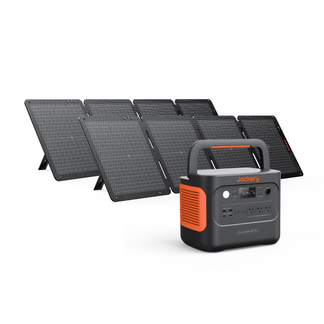
- Solar recharging during extended outages: With 400 watts of solar panels, a 2,000‑Wh battery recharges in about 7.5 hours of peak sun. You don’t need to refuel at a gas station that may be closed or out of fuel.
How Does a Power Station Box Reduce Environmental Impact?
- Zero point‑of‑use emissions: While a generator releases CO₂, nitrogen oxides, and particulate matter right outside your window, a battery station emits nothing where you live.
- Solar charging cuts fossil dependency: An hour of 400W solar input replaces fuel you’d burn. For households with existing panels, the power station box becomes a silent, emissions‑free backup.
- Long‑life LiFePO₄ chemistry: The cells in a quality power station box last 3,000–5,000 cycles before hitting 80% capacity — 10–15 years of weekly use. Most portable generators are scrapped long before that after engine wear, carburetor failures, and corrosion.
- Recyclable materials: At end of life, the lithium‑iron‑phosphate cells, aluminum casing, and circuit boards are recoverable. A dead generator leaves behind an engine block, oil residue, and stale fuel.
- No fuel transportation: In an emergency, you avoid waiting in gas lines, risking fuel availability, and hauling heavy jerry cans. The sun delivers energy to your solar panels without logistics.
Is a Power Station Box Cheaper Over Time?
Cost Factor |
Power Station Box |
Gas Generator |
|---|---|---|
Typical upfront cost |
$1,500–$3,000 |
$500–$1,000 |
Fuel cost per kWh (generated) |
~$0 (solar) or grid cost |
$0.50–$1.50 |
Maintenance over 5 years |
$0–$10 (mostly none) |
$300–$500 (oil, filters, plugs, repairs) |
Fuel spoilage waste |
$0 |
$20–$100/year if gas isn’t rotated |
Resale after 3–5 years |
Decent — LiFePO₄ holds value |
Very low — engines degrade |
The upfront price tag is higher, but every other cost tilts toward the battery unit. For a household that experiences outages 4+ times per year, the fuel and maintenance savings can offset the initial gap within 5 years.
Solar recharging pushes the advantage further. Once you own panels, every kilowatt‑hour you generate costs almost nothing. A gas generator burns roughly 0.5–0.7 gallons per hour at half load — at $4/gallon, that’s $2.80 per hour.
And you never waste money on fuel that goes bad in the can. Many generator owners discover a full jerry can that’s six months old when the power goes out, only to find the engine won’t start on degraded gas.
Limitations:
- Finite run time: A 2,000‑Wh unit can run a refrigerator for 12–24 hours, then must be recharged. Check how different Jackery models support refrigerator loads. Without solar or a running vehicle to recharge, a multi‑day outage will drain the battery. A gas generator, by contrast, can keep running as long as you have fuel.
- Cold weather penalty: Below freezing, LiFePO₄ capacity can drop 20–40%. The fix is simple: store the power station box indoors and pre‑warm it before use, but this requires planning.
- Higher upfront cost: A decent 2,000‑Wh battery station runs $1,500–$3,000. For someone who experiences only one brief outage a year, a $500 gas generator may be the cheaper, if noisier, choice.
- Not a whole‑home replacement: A 7,500‑watt gas generator can run a well pump, HVAC, and several appliances simultaneously. No portable power station box can match that. Jackery products provide essential home backup — fridge, lights, router, security cameras, fan — not whole‑house electrification.
- The hybrid strategy works best: Many households run a gas generator during the day for heavy loads (cooking, laundry), then switch to a silent battery station at night for fridge, lights, and Wi‑Fi router. This maximizes fuel efficiency and gives you quiet overnight power.
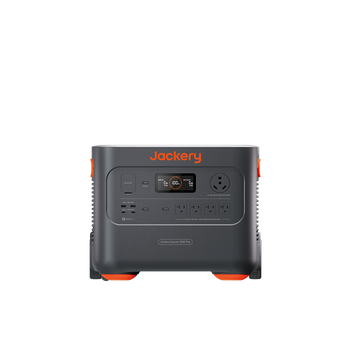
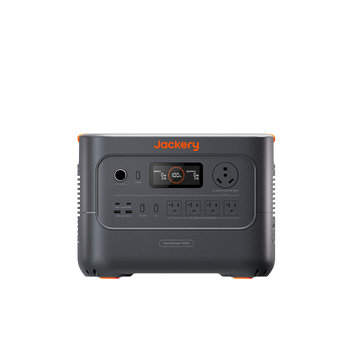
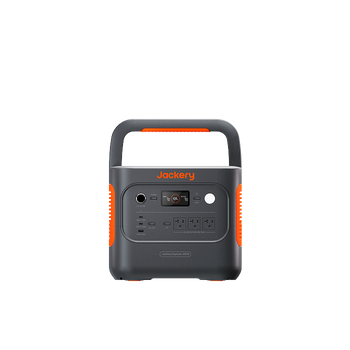
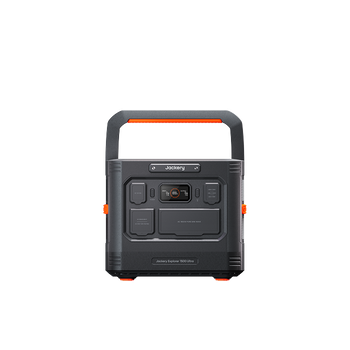
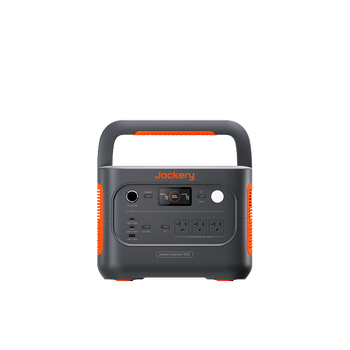
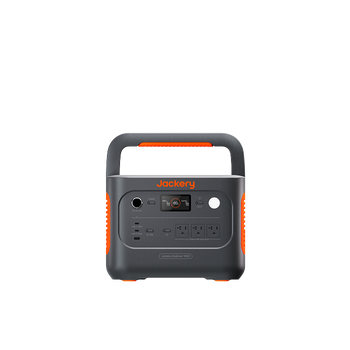
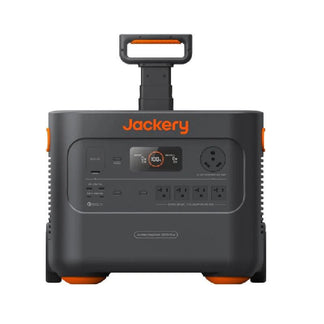
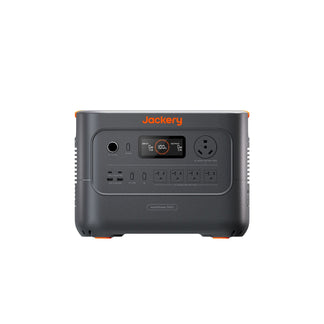
Product Recommendation: Jackery Explorer 2000 v2 Portable Power Station
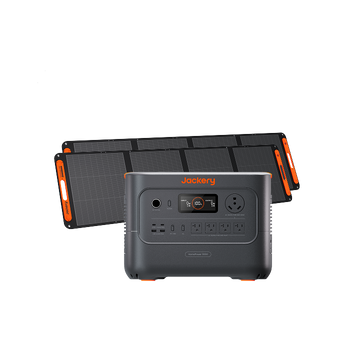
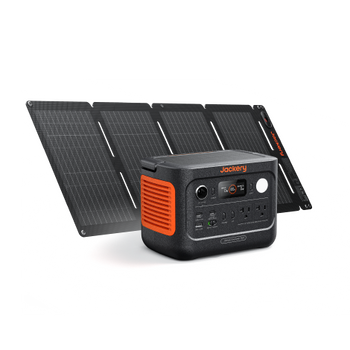
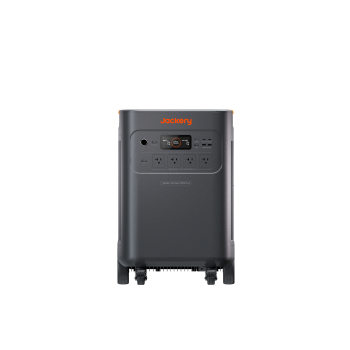
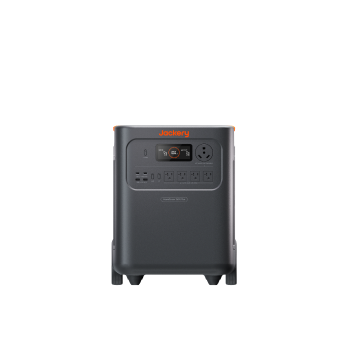
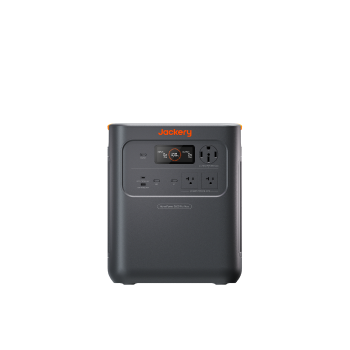
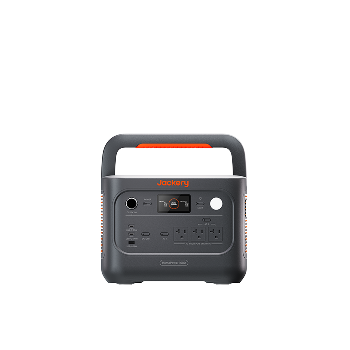
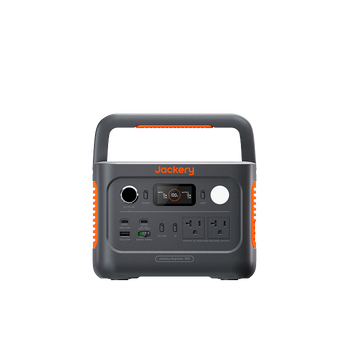
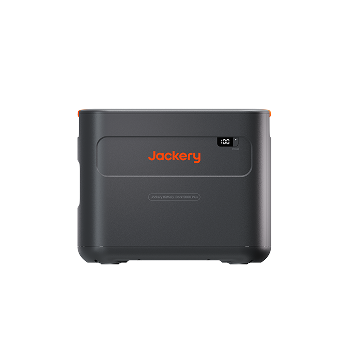
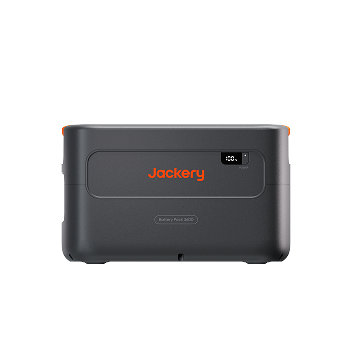
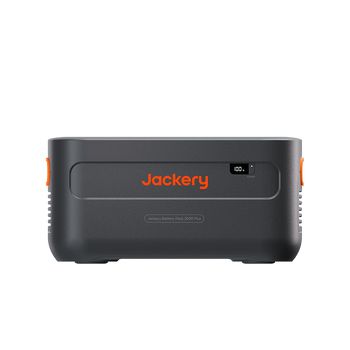
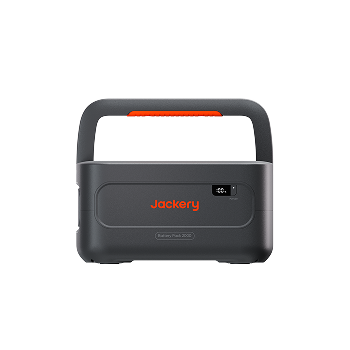
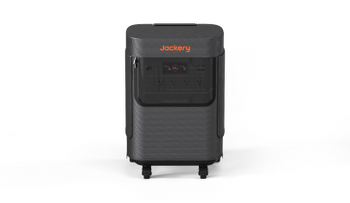
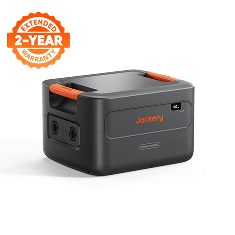
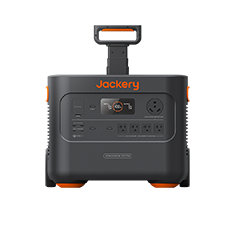
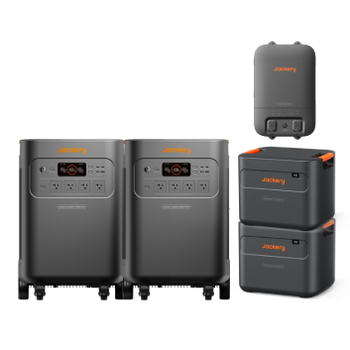
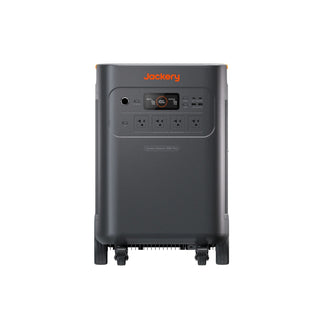
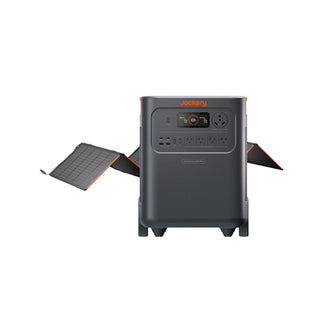
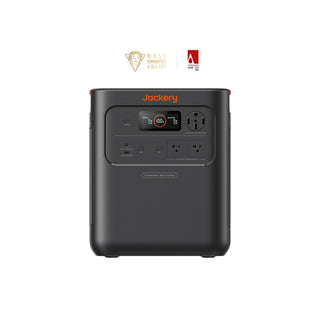
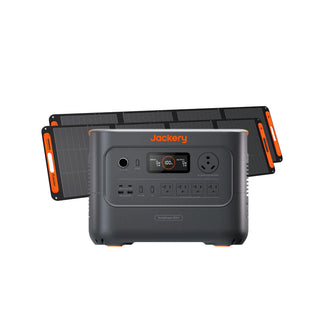
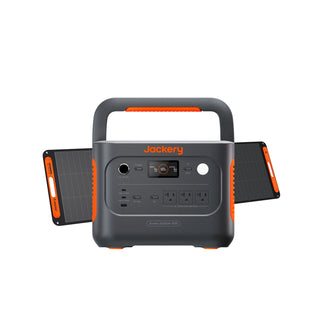
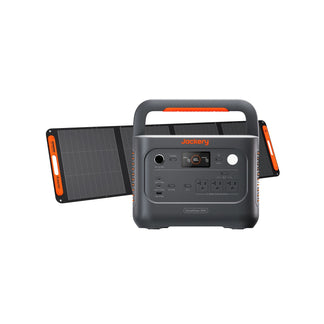
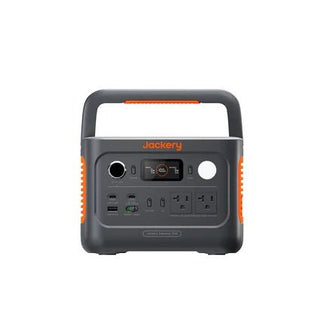
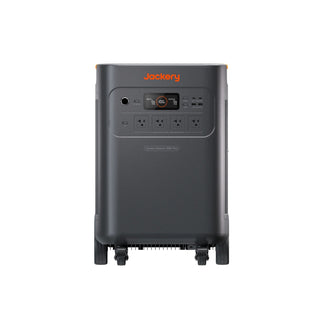
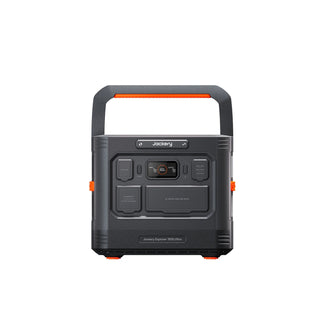
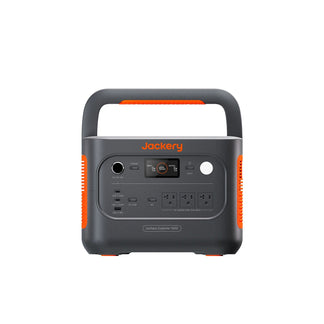
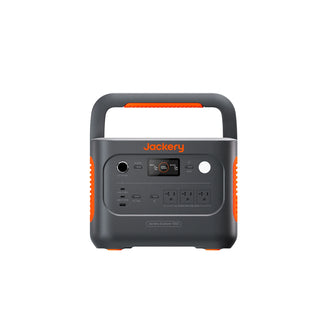
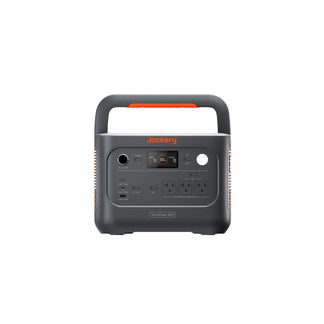
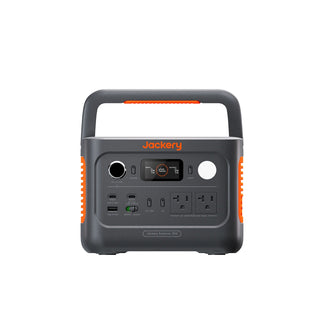
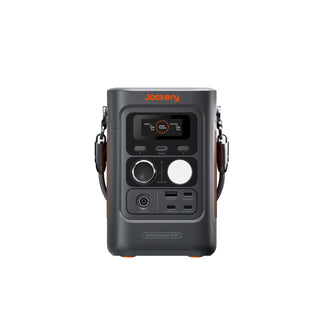
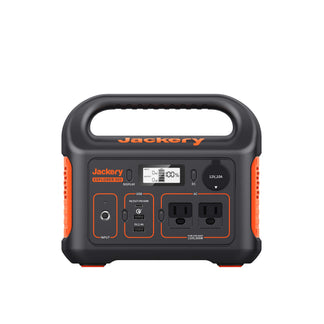
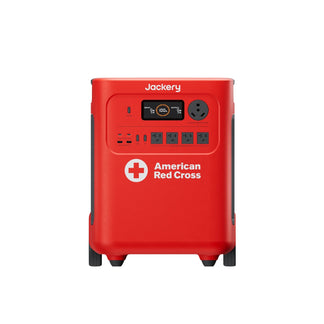
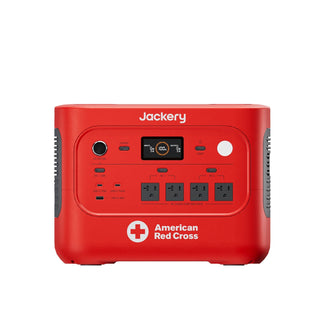
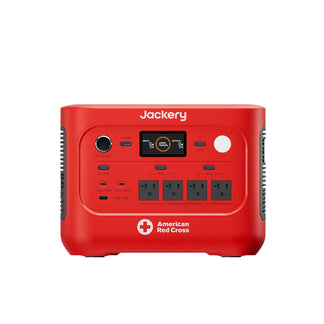
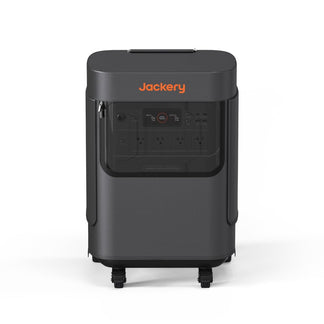
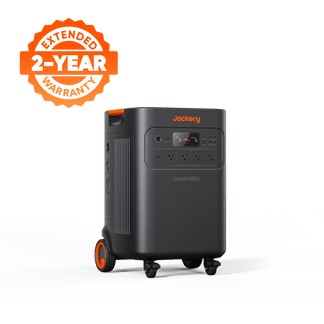
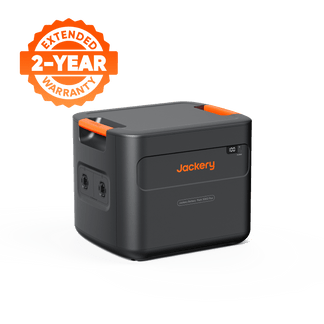
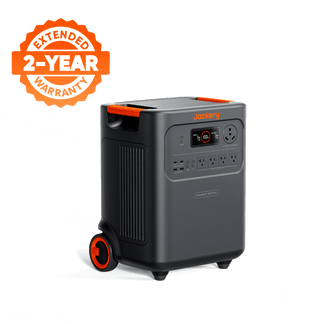
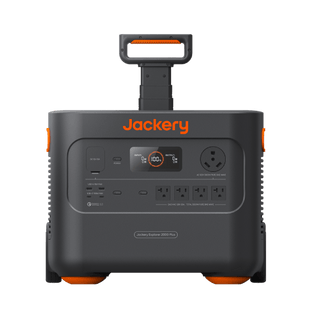
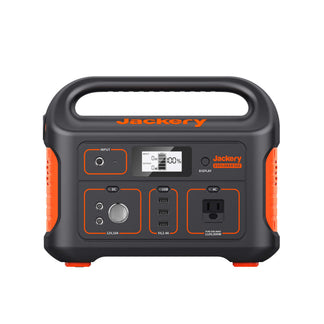
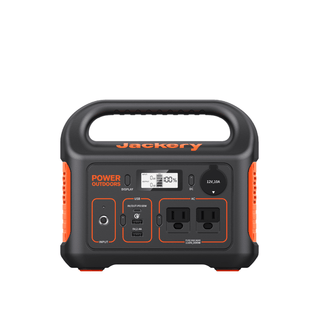
The Jackery Explorer 2000 v2 Portable Power Station is a 2,042‑Wh LiFePO₄ power station box designed for essential home backup.
Learn how Jackery models handle portable air conditioners so you get the right capacity for your cooling needs.
Feature |
Specification |
Key Benefit |
|---|---|---|
Battery capacity |
2,042 Wh LiFePO₄ |
Powers a fridge, several lights, router, and a fan for hours |
Battery lifespan |
10+ years (LiFePO₄) |
With the LiFePO₄ advantages described above, this unit delivers consistent, maintenance-free power for over a decade |
AC output |
2,200 W continuous / 4,400 W surge |
Handles startup surges from refrigerators and portable AC |
UPS mode |
<20 ms automatic transfer |
Protects sensitive electronics during grid transitions |
Solar input |
400 W max |
Full recharge in ~7.5 hours of peak sun |
Weight |
39.5 lbs (17.9 kg) |
Portable enough to move between rooms with built‑in handles |
If you need longer run time or higher wattage, see how different Jackery models stack up.
Frequently Asked Questions
Can I take a power station box on an airplane?
No — the FAA prohibits lithium batteries over 100 Wh in checked baggage. Only units below that limit are allowed on flights. [2]
Will the battery degrade if I don’t use it monthly?
No. LiFePO₄ batteries have minimal self‑discharge and can sit for months without significant degradation. A full charge every 3–6 months is enough to keep them healthy.
Does a power station box protect against power surges?
Yes. Most models, including the Jackery Explorer 2000 v2 Portable Power Station, include built‑in surge protection and UPS (<20 ms) that shields connected electronics from voltage spikes.
Can I charge a power station box without solar panels?
Yes. Every unit includes an AC wall charger. You can also charge from a car’s 12V outlet, though that takes longer.
How heavy is a typical power station box to carry?
A 2,000‑Wh unit weighs 45–55 pounds, similar to a large suitcase. Built‑in handles and sometimes wheels make it manageable for one person.
Sources & References
[1] U.S. Consumer Product Safety Commission, “Portable Generator Safety” — cpsc.gov (accessed June 25, 2026).
[2] U.S. Federal Aviation Administration, “Pack Safe — Lithium Batteries” — https://www.faa.gov/hazmat/packsafe/lithium-batteries (accessed June 25, 2026).
Disclaimer:
The runtime mentioned for appliances powered by Jackery is for reference only. Actual runtime may vary under different conditions. Please refer to real-world performance for accurate results.


