




![[Add - on] Jackery Manual Transfer Switch for Explorer 5000 Plus - Jackery](http://www.jackery.com/cdn/shop/files/add-on-jackery-manual-transfer-switch-for-explorer-5000-plus-9017324.png?v=1754016782&width=350)


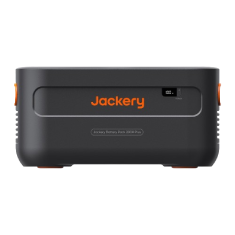
![[Add - on] Jackery Battery Pack 5000 Plus - Jackery](http://www.jackery.com/cdn/shop/files/add-on-jackery-battery-pack-5000-plus-6078351.png?v=1754016791&width=324)
![[Add - on] Jackery Car Charging Cable - Jackery](http://www.jackery.com/cdn/shop/files/add-on-jackery-car-charging-cable-3882421.png?v=1754016863&width=324)


![[Add - on] Jackery Smart Transfer Switch - Jackery](http://www.jackery.com/cdn/shop/files/add-on-jackery-smart-transfer-switch-5842915.png?v=1754016784&width=324)
![[Add - on]Jackery 102W GaN 3 - Port Fast Charger - Jackery](http://www.jackery.com/cdn/shop/files/add-onjackery-102w-gan-3-port-fast-charger-6377742.png?v=1754016790&width=324)


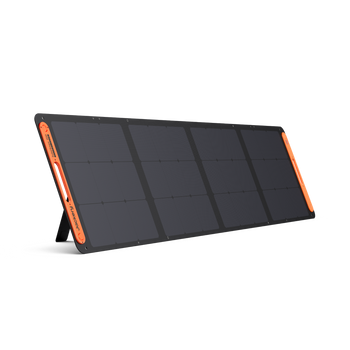
![[Add - on] SolarSaga 200W - Jackery](http://www.jackery.com/cdn/shop/files/add-on-solarsaga-200w-4834329.png?v=1754016915&width=324)
![[Add - on] Jackery Manual Transfer Switch for Explorer 5000 Plus - Jackery](http://www.jackery.com/cdn/shop/files/add-on-jackery-manual-transfer-switch-for-explorer-5000-plus-9017324.png?v=1754016782&width=324)


The best solar generator for a home power outage is one sized to your actual appliance load, built on a stable LiFePO4 battery, and equipped with an inverter strong enough to start motor-driven devices like a refrigerator or sump pump. For most households, that means a solar generator in the 3,000Wh to 5,000Wh range, since it covers the appliances people require most during a blackout, such as a fridge, lights, internet, and a few personal devices.
Power outages have become a bigger concern for a lot of US households in recent years, as aging grid infrastructure and more frequent severe weather events put more strain on the system. Whatever the cause, the result is spoiled food, no internet, and devices that can't charge. A solar generator addresses all of that at once, and it can be set up in the time it takes to plug in a few cables. Jackery’s Prime Day sale is the right time to invest in the solar generator for home power outage at a more affordable rate.
This article walks through what a solar generator actually is, how it compares to a traditional gas generator, how to figure out the right capacity for your home, and which Jackery Solar Generators fit each backup tier.
Key Takeaways
- A solar generator with at least 3,000Wh of capacity and a pure sine wave inverter is generally the best fit for home power outages, since it can run a refrigerator, lights, WiFi, and a few essentials without fumes or noise.
- Solar generators store power in a battery and convert it to usable household electricity through a charge controller and inverter, unlike gas generators, which burn fuel to produce power on demand.
- The right size of the best solar generator for home power outage depends on your appliance load. Listing what you actually need to run is the first step while investing in the right home battery backup.
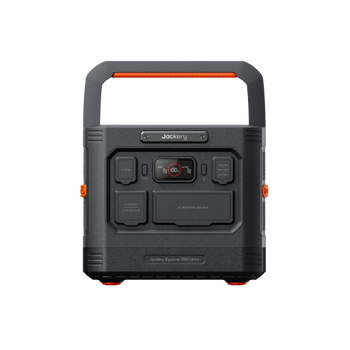
- Jackery Solar Generator HomePower 3000, Jackery Solar Generator HomePower 3600 Plus, and Jackery Solar Generator 5000 Plus cover three distinct backup tiers, from compact essential coverage to premium home backup support.
- Prime Day is one of the more reliable times of year to find meaningful discounts on solar generators and solar panel bundles, which is worth factoring in if you're shopping for backup power now.
What is a Solar Generator?
A solar generator is a portable battery system that stores electricity collected from solar panels and converts it into usable household power. Unlike a traditional generator, it has no engine and burns no fuel. Instead, it relies on a chain of four components working together: solar panels to collect energy, a charge controller to manage how that energy enters the battery, a battery to store it, and an inverter to convert it into the alternating current that household appliances run on.
How Does a Solar Generator Work?
In its simplest form, a solar generator takes the power of the sun and turns it into a usable alternating current. But the process of harnessing the power of the sun is a little more complicated.
Solar Panels
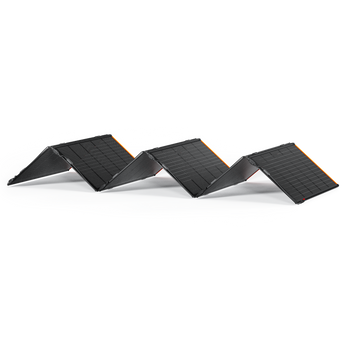
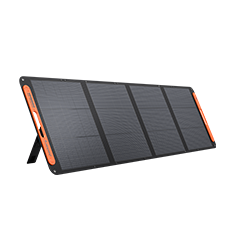
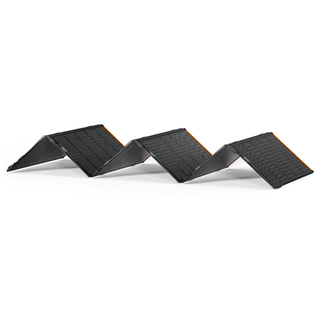
The most important part of any solar generator is the panels themselves. Silicon solar panels come in a wide variety of shapes and sizes, but they all function in the same manner. That is, they are able to convert the visual light into direct current. Each cell within an array is only capable of producing a small voltage and watts, but when these are wired together, they are capable of producing substantially more.
Battery
The only downfall of solar power is that the panels cannot produce energy when there is no light. For this reason, a good solar generator needs to have a quality battery backup system in order to store that excess energy for later. Today, the best systems feature lithium-ion batteries, which are lightweight and have a higher energy density than lead-acid car batteries.
Charge Controller
In order to properly charge the lithium-ion batteries, it is important that every solar generator has a quality charge controller. The purpose of the charge controller is to provide energy to the batteries in a manner that allows them to be charged efficiently, while simultaneously protecting them from being overcharged or overheated. Without a proper charge controller, it would be impossible to store excess energy from the solar panels in the batteries, without also destroying the batteries.
Inverter
But the power from the sun is converted into direct current by the solar panels and is stored in its direct-current form within the lithium-ion batteries. For use with most household items and appliances, that energy needs to be converted to alternating current. The job of the inverter is to convert the direct current into alternating current at the voltage needed for things to operate properly.
Is a Solar Generator Better Than a Gas Generator for Home Backup?
For most home power outage situations, a solar generator is the better choice because it runs silently, produces no fumes, requires almost no maintenance, and can be used safely indoors. A gas generator can typically supply more continuous power for a longer stretch, since its limit is fuel rather than battery capacity, but that advantage comes with real tradeoffs: noise, exhaust, and a need to store and rotate fuel safely. The clearest way to see the difference is side by side.
|
Factor |
Solar Generator |
Gas Generator |
|
Noise |
Silent or near-silent (most run under 30dB) |
Loud, typically 60–90dB |
|
Fumes/Emissions |
None |
Produces carbon monoxide; outdoor use only |
|
Setup |
Plug-and-play; on in seconds |
Requires fueling, choke, pull-start or electric start |
|
Maintenance |
Minimal; no moving parts to service |
Regular oil changes, fuel stabilizer, filter checks |
|
Fuel |
Recharges from solar, wall outlet, or car |
Requires a stored, replenishable fuel supply |
|
Runtime Limit |
Limited by battery capacity until recharged |
Limited only by available fuel supply |
In practice, the deciding factor for most households is where the generator needs to be used. A gas generator has to run outdoors, well away from windows and doors, because of carbon monoxide risk. A solar generator can sit in a hallway, a garage, or right next to the appliance it's powering. For apartment dwellers, anyone with young children or pets at home, or anyone who simply doesn't want to deal with fuel storage, that difference tends to settle the decision on its own.
For more information, you can check out the detailed guide: Gas Generator vs. Solar Generator: Which is Right for You.
What Size Solar Generator Do You Need for a Power Outage?
The right size solar generator for a power outage is the one that matches your actual appliance load. The most reliable way to figure that out is to list the specific devices you want to keep running during an outage, add up their running watts, and check that number against a unit's rated output and battery capacity.
Start with the appliances that matter most during a blackout. For most households, that's a refrigerator, a WiFi router, some lighting, phone and laptop chargers, and possibly a medical device like a CPAP machine. Each of these has a running wattage (listed on the appliance label or in its manual), and motor-driven devices like refrigerators also have a brief, higher surge wattage when they start up. A solar generator needs enough continuous output to run everything at once and enough surge capacity to handle whichever appliance demands the most at startup.
Once you know your load, capacity (measured in Wh, or watt-hours) tells you how long the power station can sustain that load before it needs to recharge. A 3,000Wh battery running a 200W refrigerator alongside some lights and a router can comfortably last most of a day. A 5,000Wh+ solar generator extends that runtime considerably and starts to make sense for larger households or longer outages.
You can also refer to our guide “What Size Solar Generator Do I Need” for more information.
Here's how that generally breaks down by household need:
|
Backup Tier |
Example Capacity |
Best For |
What It Can Realistically Run |
|
Essentials |
~3,000Wh |
Apartments, short outages |
Fridge, WiFi, lights, phones, a fan or CPAP |
|
Everyday Home Backup |
~3,500–3,600Wh |
Most houses, multi-hour to overnight outages |
Fridge, lights, WiFi, a window AC unit, small appliances |
|
Essential Home Backup |
5,000Wh and up, expandable |
Larger homes, extended multi-day outages |
Refrigerator, well pump, dryer, central AC, multiple circuits |
Most households need a solar generator with at least 3,000Wh of capacity to comfortably cover a refrigerator, lights, WiFi, and basic devices during an outage. Larger households, or anyone wanting to run a window AC unit, well pump, or multiple circuits, should look at 3,600Wh and up, with expandable 5,000Wh+ systems suited to premium home backup.
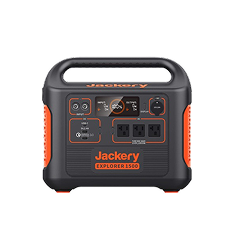
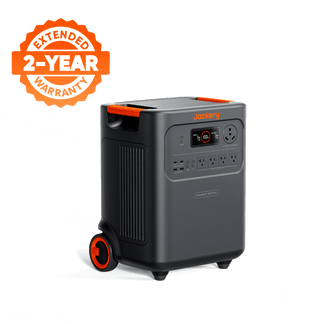
When the Texas grid failed during the deep freeze five years ago, Jason Marshall learned a lesson that certainty about power isn't something you can count on, especially in Dallas, where summer heat, spring storms, and the occasional ice event keep outages a recurring fact of life. Jason built a flexible system around the Jackery Explorer 5000 Plus paired with a Smart Transfer Switch, prioritizing twelve circuits that cover the refrigerator, WiFi, HVAC, the pool pump, and the rooms that matter most. Check out more Jackery Stories to find the setup that fits your life.
Which Jackery Solar Generators are Best for a Home Power Outage?
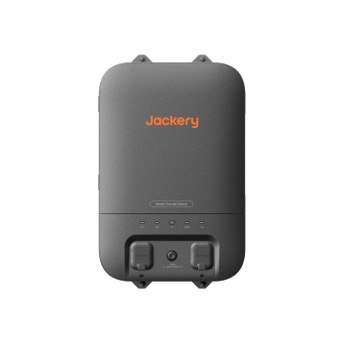
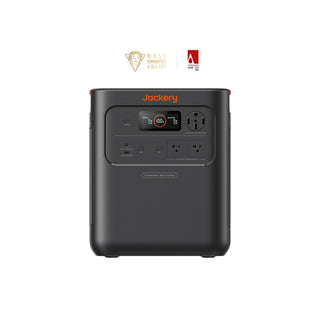
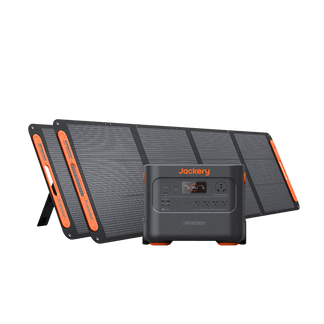
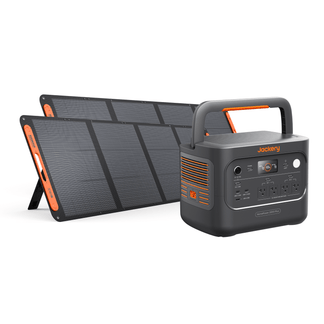
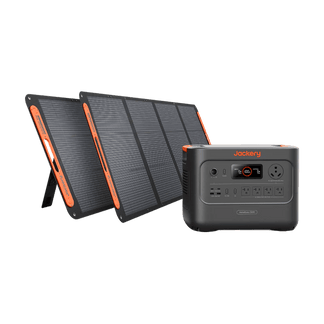
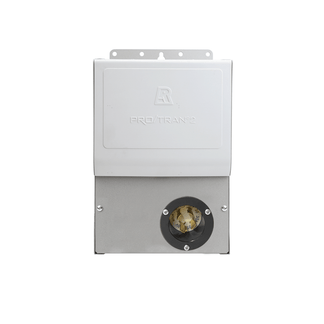
Jackery's essential home backup lineup is built around LiFePO4 (LFP) battery technology, which is favored across the industry for its safety, long cycle life, and stable performance compared to older lithium chemistries. Each of the three home battery backup systems below covers a different rung of the capacity tiers above, from a compact fixed-capacity unit to a fully expandable essential home backup solution. All three can connect to a home's electrical circuits using a compatible Jackery Manual or Smart Transfer Switch, though that step should always be completed by a licensed electrician.
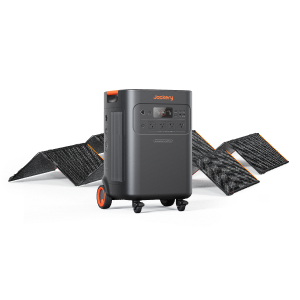
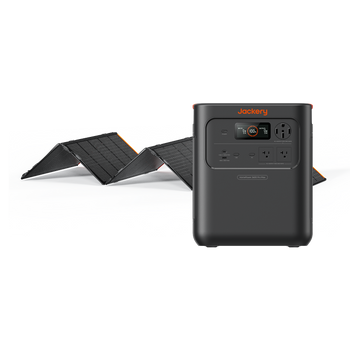
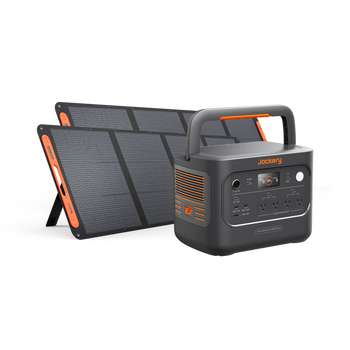
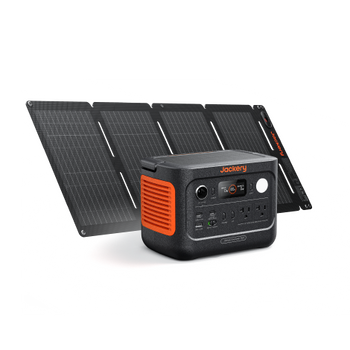
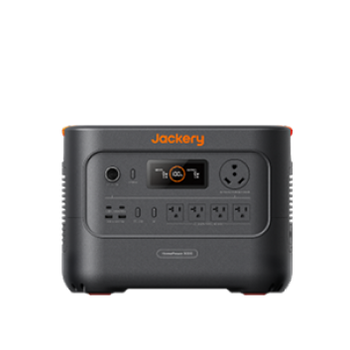
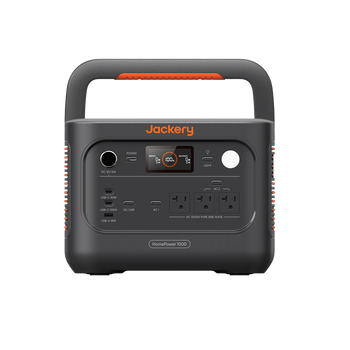
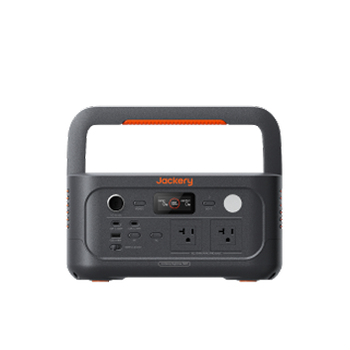
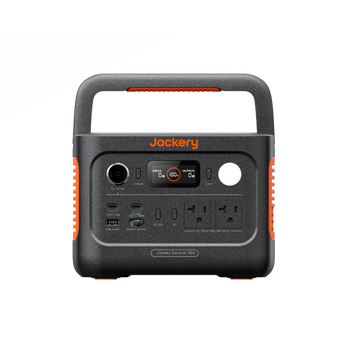
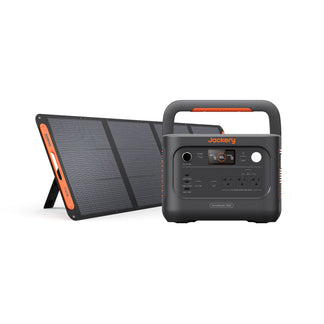
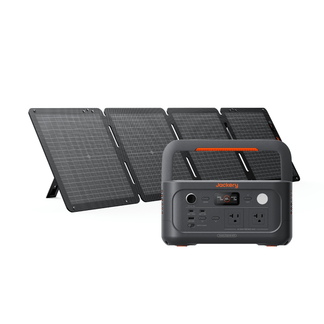
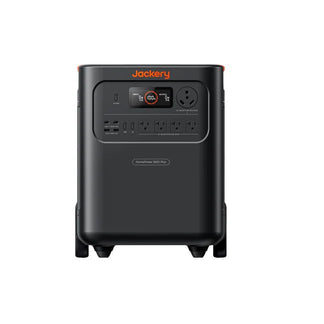
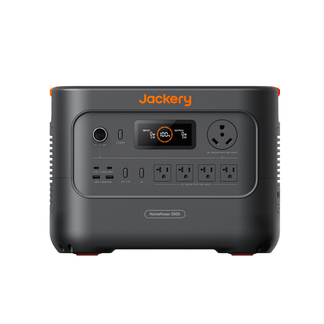
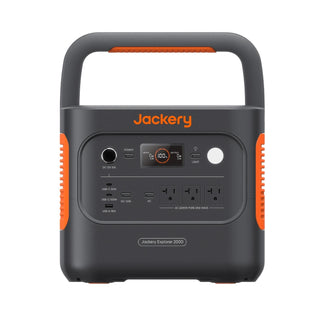
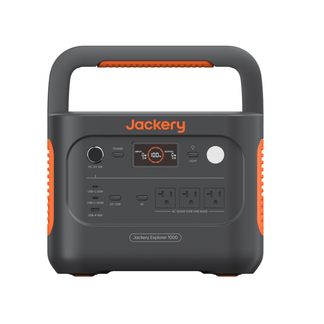
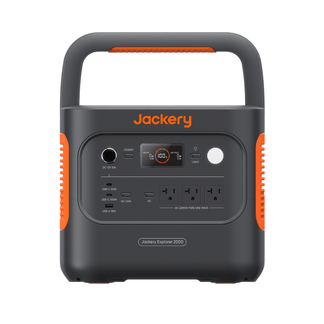
Jackery Solar Generator HomePower 3000: Best for Compact, Everyday Outage Backup
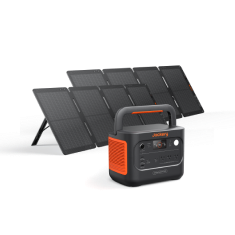
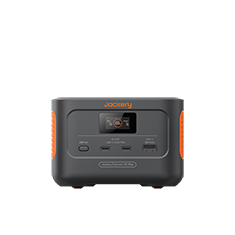
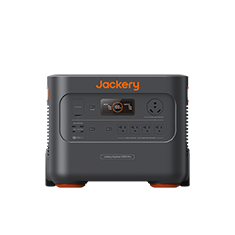
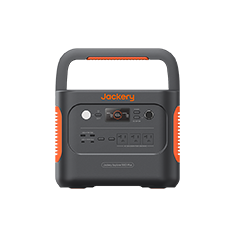
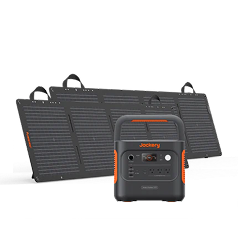
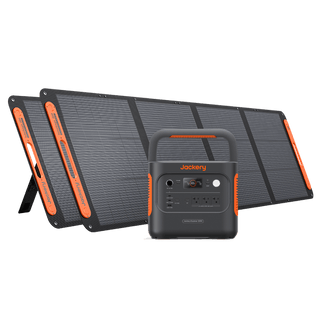
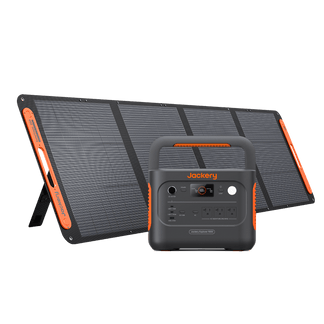
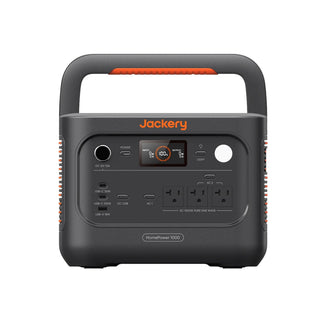
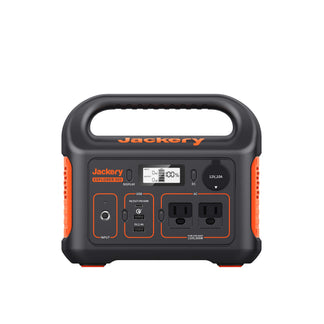
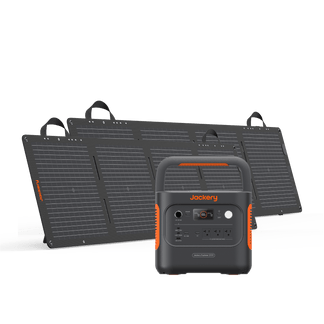
The Jackery Solar Generator HomePower 3000 is built for households that want reliable backup power for essential appliances. It is enough to power a refrigerator or a few smaller appliances during a short-term power outage. It is one of the lightest and most compact units in its capacity class, which matters if storage space is limited.
Appliances Running Time
- Fridge (300W) = 8.1H
- TV (150W) = 15.2H
- Fan (50W) = 36.3H
- Lights (20W) = 62.2H
- Induction Cooktop (1000W) = 2.6H
Who Should Buy This
The Jackery Solar Generator HomePower 3000 is ideal for households dealing with shorter outages, or anyone who wants a single, simple unit rather than an expandable system.

Customer Review
I purchased the 3000, and it can run my refrigerator for 24+ hours. With the 500W Solar Panel, I can recharge quickly.
— Tracie.
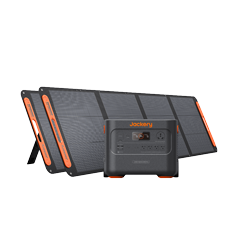
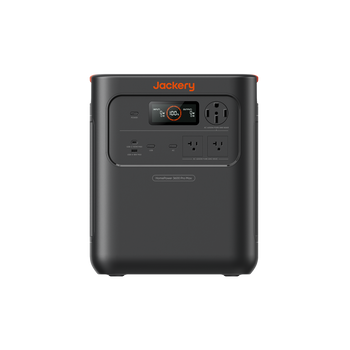
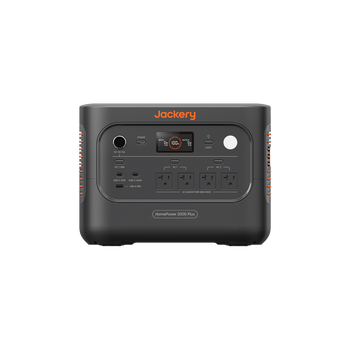
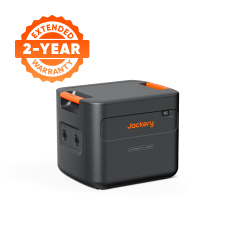
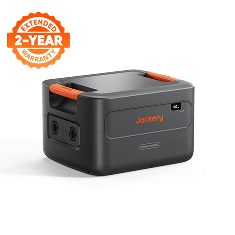
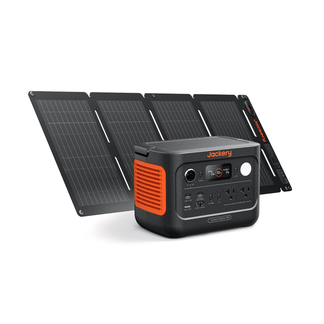
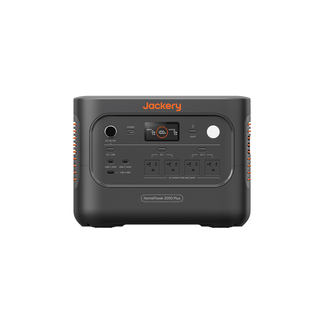
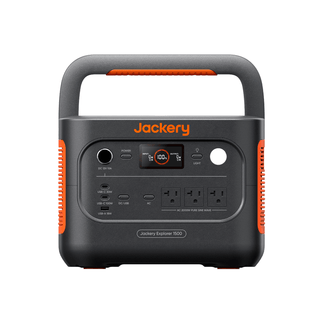
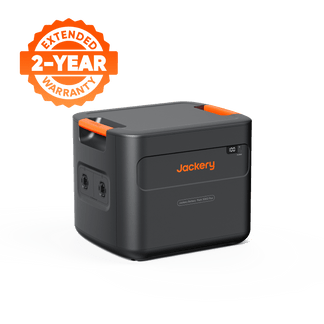
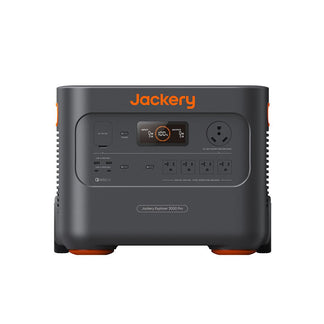
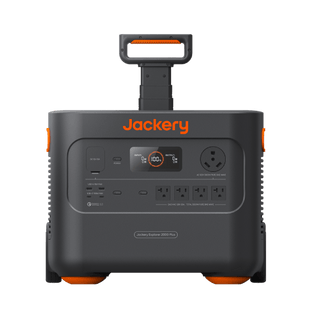
Jackery Solar Generator HomePower 3600 Plus: Best for Everyday Backup With Room to Grow
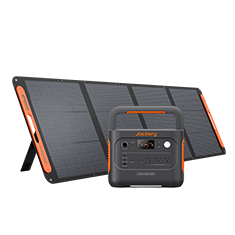
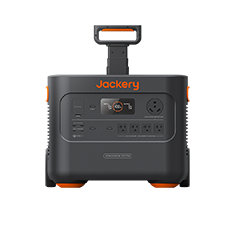
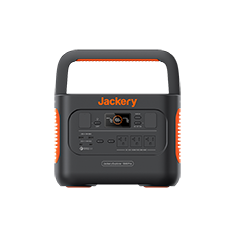
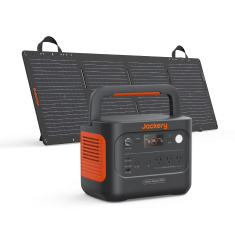
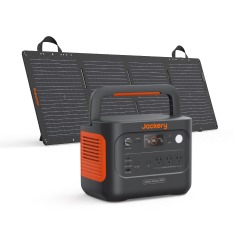
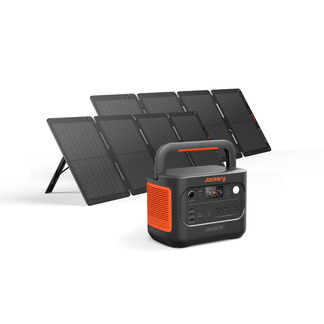
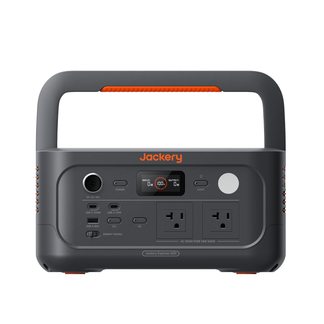
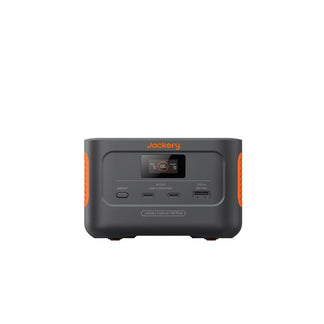
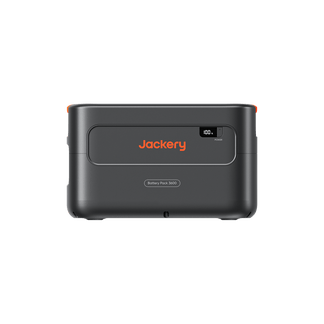
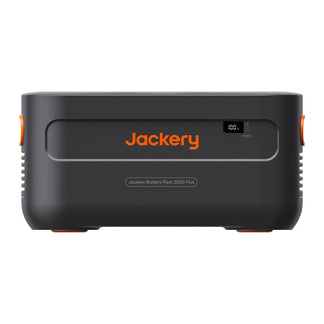
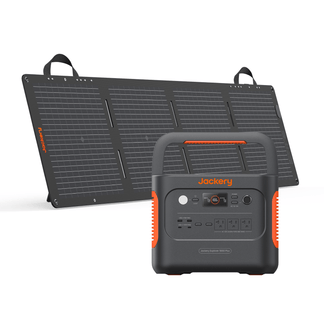
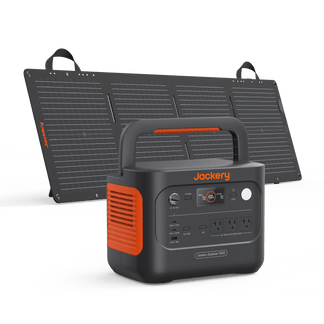
The Jackery Solar Generator HomePower 3600 Plus is another essential home backup solution that can power most home appliances during outages. It's expandable up to 21kWh with additional battery packs, or up to 43kWh when two of these power stations are connected in parallel. When expanded, it can run your fridge for up to 14 days. It also runs quietly at roughly 30 decibels, making it suitable for overnight use without disturbing the household.
Appliances Running Time
- Fridge (300W) = 9.5H
- TV (150W) = 17.7H
- Fan (50W) = 42.3H
- Lights (20W) = 72.5H
- Induction Cooktop (1000W) = 3.0H
Who Should Buy This
The Jackery Solar Generator HomePower 3600 Plus is ideal for homeowners who want strong everyday outage coverage now, with the option to add capacity later instead of buying a larger unit outright.

Customer Review
We love our 3600 model. It powers our outdoor kitchen, where we use it on the toaster oven, electric skillet, microwave, and crockpot. Very efficient.
— Mike L.
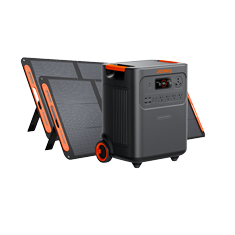
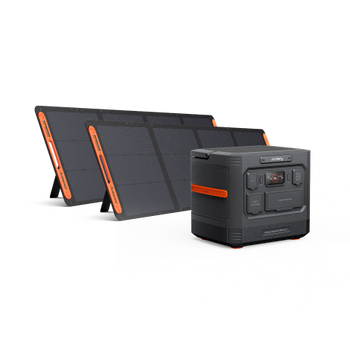
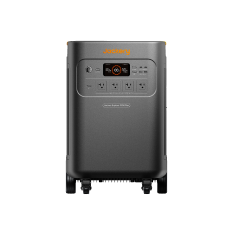
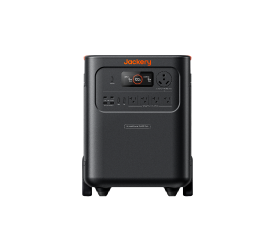
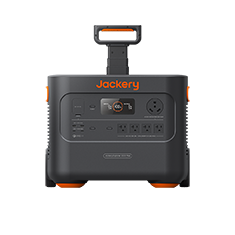
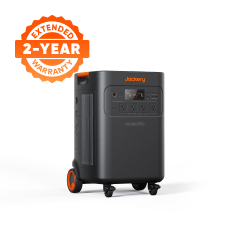
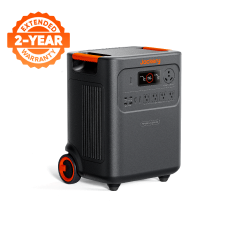
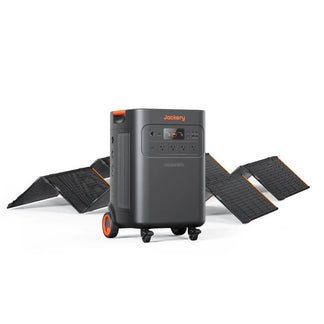
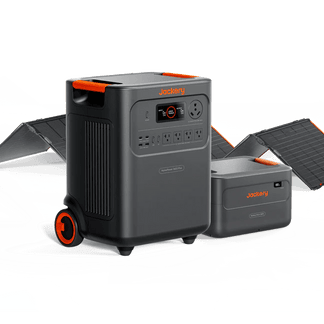
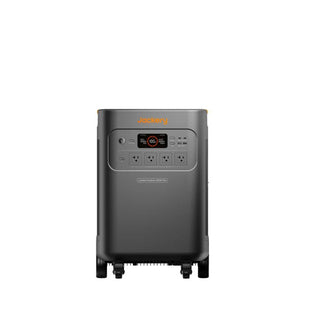
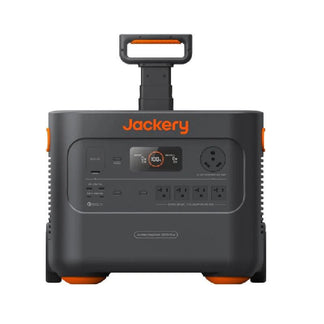
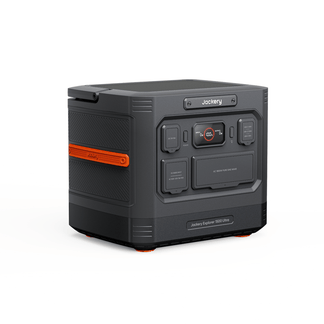
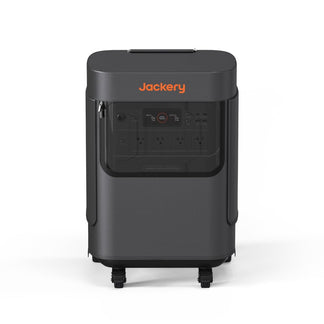
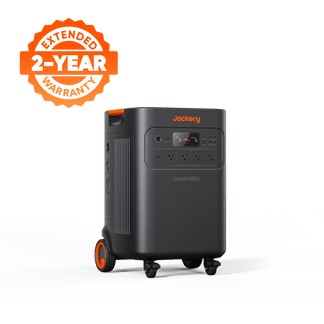
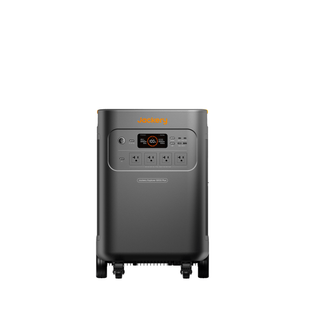
Jackery Solar Generator 5000 Plus: Best for Premium Home Backup
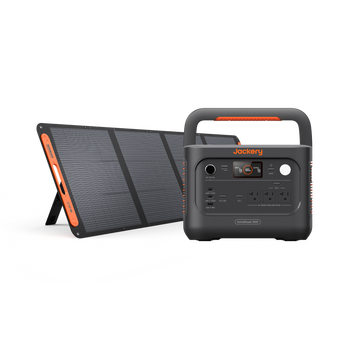
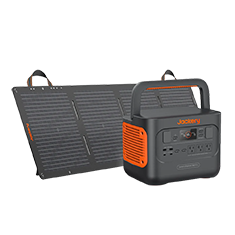
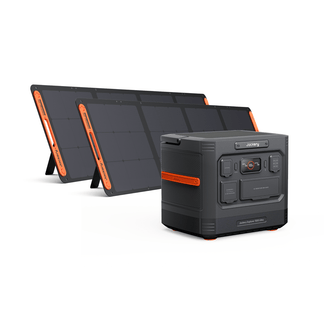
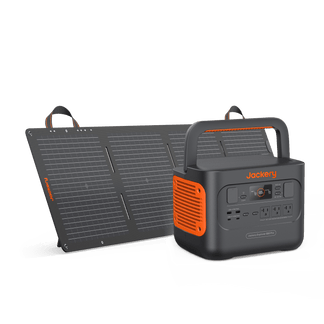
The Jackery Solar Generator 5000 Plus is built for households that want to cover most or all of their home's circuits during an extended outage. It supports both 120V and 240V appliances, meaning it can run higher-demand equipment like a well pump, a dryer, or a central air conditioner, as well as standard household devices. It's also expandable to 60kWh, providing backup well beyond a single day for larger households.
Appliances Running Time
- Fridge (300W) = 12.2H
- TV (150W) = 21.4H
- Fan (50W) = 42.8H
- Lights (20W) = 61.2H
- Induction Cooktop (1000W) = 4.1H
Who Should Buy This
The Jackery Solar Generator 5000 Plus is ideal for larger households, homes in storm- or wildfire-prone regions, or anyone looking for a single system capable of true home backup rather than just essential-circuit coverage.

Customer Review
I have the Jackery 5000 with the STS installed (no solar panels). So far, I am very pleased with it. I have had it for about two months, and it has carried me through 2 power failures without issues. The first power failure lasted about 5 hours, and the second was about 3 hours. In both cases, I used less than 50% of the power. The system kept my network running and my essential circuits going without issue.
— George W.
FAQs
Can a solar generator power a refrigerator during an outage?
Yes. Most mid-size and larger solar generators, including Jackery Solar Generator HomePower 3600 Plus and Jackery Solar Generator 5000 Plus, are rated to start and run a standard residential refrigerator, since their inverters are built to handle the brief surge in power a refrigerator's compressor needs at startup.
Is it safe to run a solar generator indoors?
Yes. Unlike a gas generator, a solar generator produces no exhaust or carbon monoxide, so it can be used safely indoors, including in apartments, garages, and bedrooms. This is one of the main reasons households choose solar generators over fuel-powered alternatives for home backup.
How long can a solar generator power a house during a blackout?
It depends on the unit's capacity and how much you're running at once. A 3,000Wh-class generator running a refrigerator, lights, and a router can often last most of a day, while expandable units in the 20kWh to 60kWh range can extend backup to multiple days or longer, depending on the load.
Is Prime Day a good time to buy a solar generator for outage backup?
Yes. Solar generators and their accompanying solar panel bundles tend to see some of their more noticeable discounts during Prime Day, making it a practical time to buy or upgrade a home backup system rather than waiting for a need to become urgent.
Conclusion
The best solar generator for a home power outage is the one that's actually sized for what you need to run. Starting with your appliance load, such as refrigerator, lights, WiFi, medical devices, and anything else that matters during a blackout, makes it straightforward to land on the right capacity tier. Across every tier, the advantages over a gas generator stay consistent: no fumes, no noise, and the ability to set it up and start using it in minutes. If a backup power upgrade has been on your radar, it's worth checking current pricing before the next outage hits, especially during Prime Day, when solar generators and solar panel bundles often see some of their best savings of the year.


