






![[Add - on] Jackery Manual Transfer Switch for Explorer 5000 Plus - Jackery](http://www.jackery.com/cdn/shop/files/add-on-jackery-manual-transfer-switch-for-explorer-5000-plus-9017324.png?v=1754016782&width=350)




![[Add - on] Jackery Manual Transfer Switch for Explorer 5000 Plus - Jackery](http://www.jackery.com/cdn/shop/files/add-on-jackery-manual-transfer-switch-for-explorer-5000-plus-9017324.png?v=1754016782&width=324)


![4 Best Solar Generators For Off-Grid Living [2026 Updated] - Jackery](http://www.jackery.com/cdn/shop/articles/4-best-solar-generators-for-off-grid-living-2026-updated-1397527.png?v=1771544232&width=800)
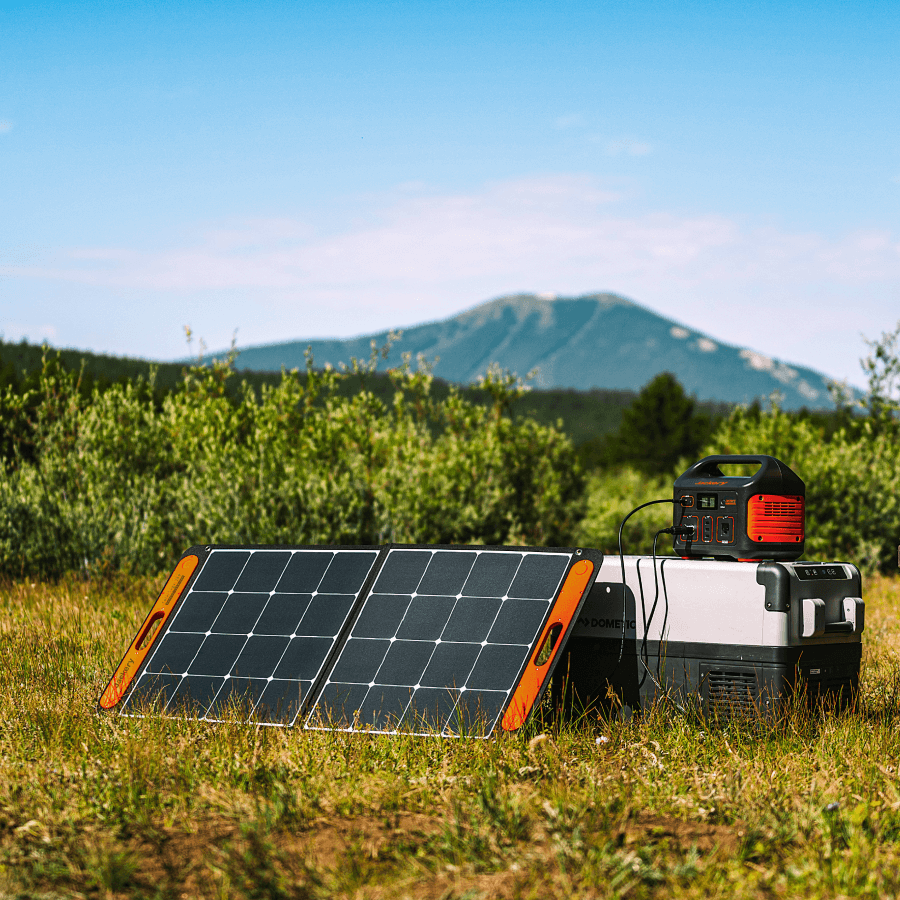
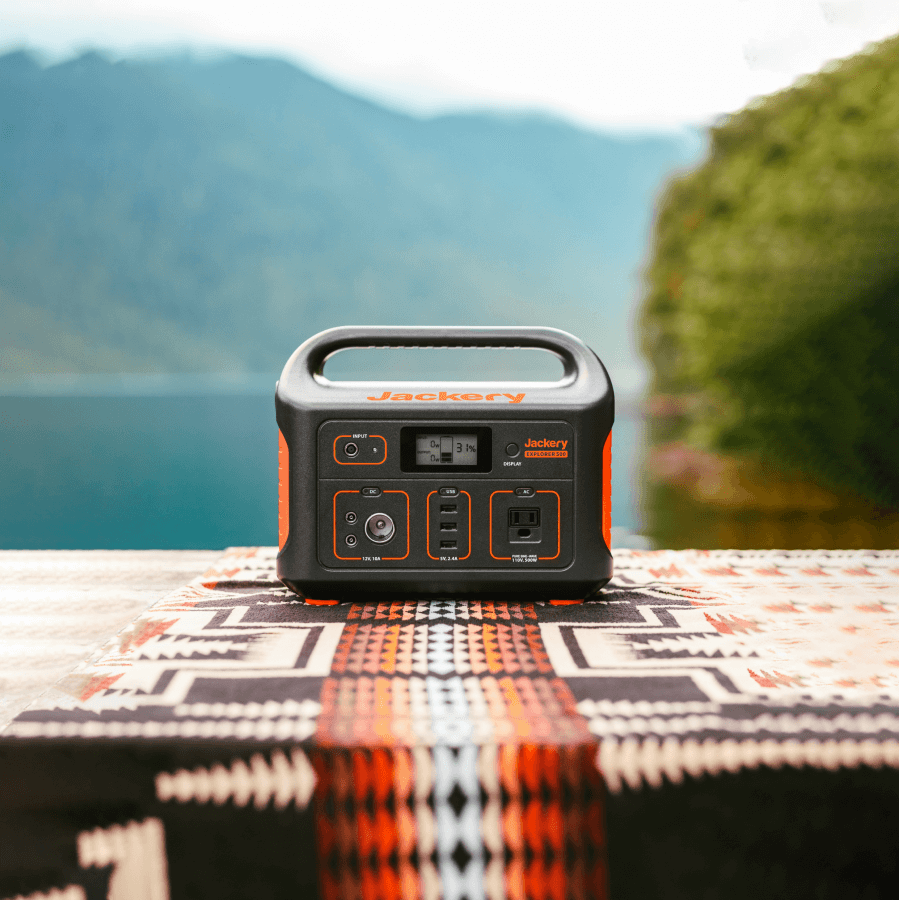
The best solar generators for off-grid living allow you to maintain a modern lifestyle without reliance on the utility grid. Traditional gas generators are noisy, require constant fuel storage, and emit toxic fumes. In contrast, a solar generator provides a silent, renewable, and safe power solution. If you are ready to secure your energy independence, Jackery offers the top four solar generators for 2026.
What Is a Solar Generator For Off-Grid Living?
Off-grid living requires a reliable energy source that doesn't depend on public infrastructure. A solar generator is an integrated system that captures, stores, and delivers electricity.
Unlike a complex home solar array that requires professional wiring, a portable solar generator combines three critical components into one unit:
- MPPT Charge Controller: Regulates voltage from solar panels to the battery, maximizing solar intake efficiency (up to 99%).
- Battery Management System (BMS): Protects the storage unit from overcharging and temperature extremes.
- Pure Sine Wave Inverter: Converts stored DC energy into safe AC electricity for sensitive electronics like laptops and CPAP machines.
As long as the sun shines, a solar generator is a life-saver. During the day, solar panels recharge the battery while simultaneously powering your devices (pass-through charging). At night, the stored energy keeps your lights, refrigerator, and essential medical devices running.
DIY Custom Builds vs. Portable Plug-and-Play
When going off-grid, you face a choice: build a custom system or buy a pre-integrated unit.
DIY Custom Systems
Building your own system involves buying separate batteries, inverters, and charge controllers.
- Pros: Potentially lower cost per watt; fully customizable.
- Cons: High safety risk if wired incorrectly; requires electrical expertise; difficult to transport; no unified warranty.
Portable Plug-and-Play (Jackery)
These are all-in-one units ready to use immediately.
- Pros: Integrated safety features (BMS); portable with handles/wheels; silent operation; zero installation required.
- Cons: Higher upfront cost than raw components.
For most off-grid enthusiasts who are not professional electricians, a portable plug-and-play system is the safer, more reliable choice.
What Size Generator Do You Need For Off-Grid Living?
Sizing your generator correctly is critical. You must understand three concepts: Running Watts, Watt-Hours (Wh), and Surge Power.
Running Watts vs. Surge Power
- Running Watts: The continuous power an appliance needs. A refrigerator might run at 150W.
- Surge Power (Inrush Current): The split-second burst of power needed to start a motor. That same 150W fridge may require 1200W to start.
- Rule: Your generator's inverter rating must exceed the surge wattage of your largest appliance, not just the running watts.
Watt-Hours (Wh)
This measures capacity—the size of the gas tank. If you run a 100W bulb for 10 hours, you consume 1000Wh.
The Refrigerator Factor
Fridges are the most critical off-grid appliance. They do not run 100% of the time. They cycle on and off (duty cycle) to maintain temperature. An efficient fridge may only run 20 minutes every hour.
-
Tip: Don't calculate fridge usage as Watts x 24 hours. Instead, estimate an average of 8–10 hours of active run time per day.
Estimated Appliance Usage
The average off-grid cabin requires 3000–6000Wh of daily capacity to run appliances comfortably.
|
Appliance |
Estimated Running Watts |
Estimated Surge Watts |
Estimated Daily Use |
Total Wh/Day |
|---|---|---|---|---|
|
Kitchen |
||||
|
Refrigerator |
150W |
1200W |
8H (Duty Cycle) |
1200Wh |
|
Electric Kettle |
1200W |
1200W |
0.5H |
600Wh |
|
Microwave |
1000W |
1500W |
0.2H |
200Wh |
|
Coffee Maker |
1000W |
1000W |
0.5H |
500Wh |
|
Living/Work |
||||
|
Starlink/Router |
50W |
50W |
24H |
1200Wh |
|
Laptop |
65W |
65W |
8H |
520Wh |
|
LED Lights (x4) |
40W |
40W |
6H |
240Wh |
|
Tools |
||||
|
Sump Pump |
1000W |
2000W+ |
1H |
1000Wh |
|
Power Drill |
800W |
1600W |
1H |
800Wh |
How To Choose The Best Solar Generator For Off-Grid Living?
Don't just buy the first generator you see. Evaluate these crucial factors to ensure it survives the demands of 2026 off-grid living.
Battery Chemistry (LiFePO4)
Modern off-grid generators must use LiFePO4 (Lithium Iron Phosphate) batteries.
- Longevity: They last 10+ years (3000–4000 cycles) compared to older batteries that die after 500 cycles.
- Safety: LiFePO4 is chemically stable and resistant to overheating, making it safe for indoor storage.
Expandability
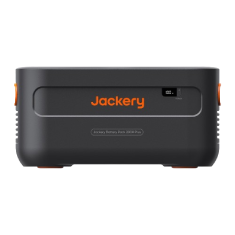
Your power needs will grow. Choose a modular system that allows you to add extra battery packs later. A system that starts at 2kWh but can expand to 12kWh or more offers the best long-term value.
Solar Charging Input & Panel Type
Look for high solar input capacity (1000W+) to recharge quickly during short windows of sunlight.
-
Bifacial Panels: Consider bifacial solar panels that capture light from both sides, increasing efficiency on cloudy days or when placed on reflective surfaces like snow or sand.
Output Ports
Ensure the unit has a 30A RV port if you are living in a vehicle, and enough AC outlets to power multiple high-draw appliances simultaneously without tripping the inverter.
Portability
If you move between a cabin and a van, weight matters. Look for units with integrated wheels and telescopic handles (suitcase design) for easy mobility.
Best 4 Solar Generators For Off-Grid Living With Jackery
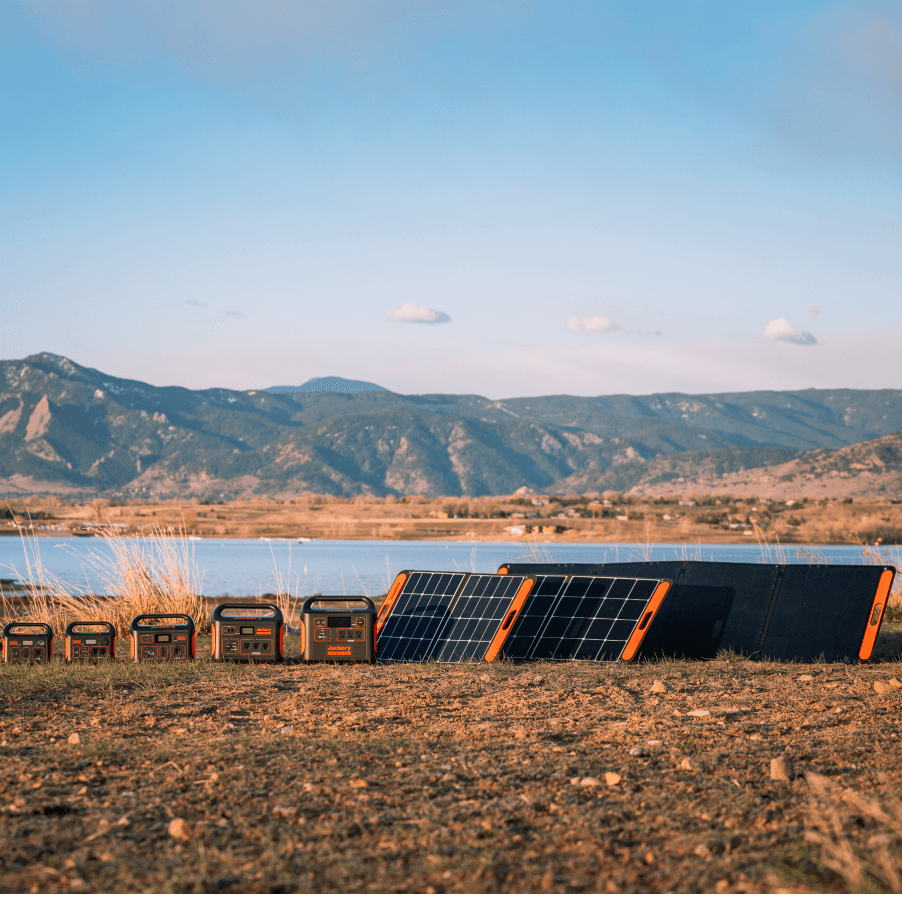
To help you achieve energy independence, here are the four best solar generators for off-grid living in 2026.
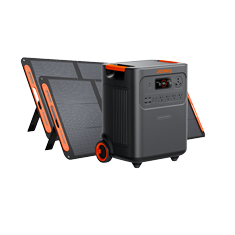
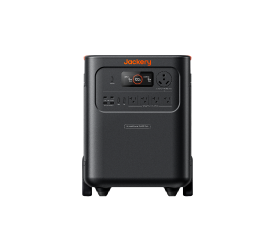
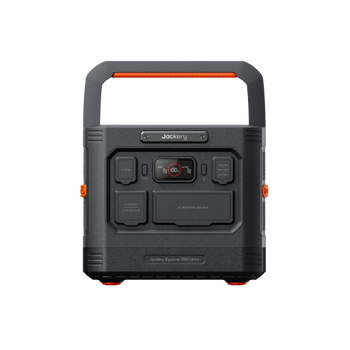
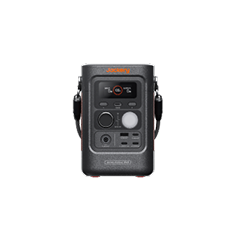
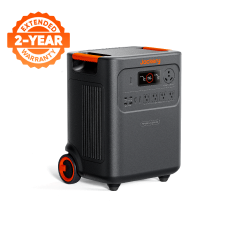
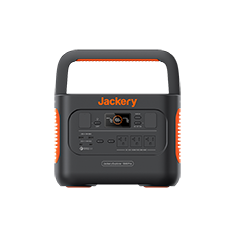
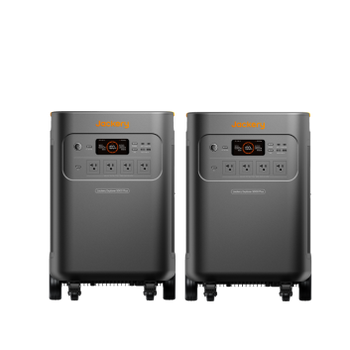
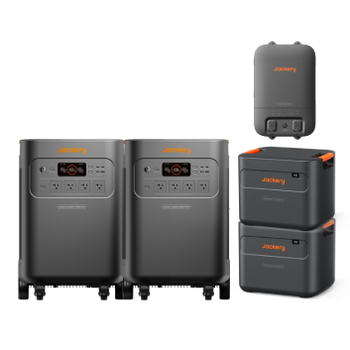
Jackery Solar Generator 5000 Plus
Best For: Long-Term Off-Grid Living & Essential Home Backup
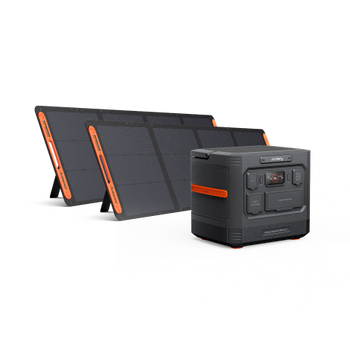
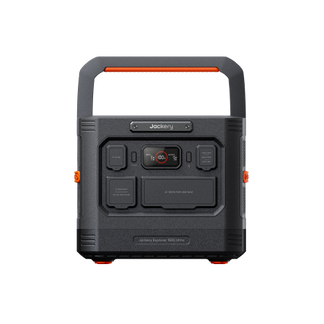
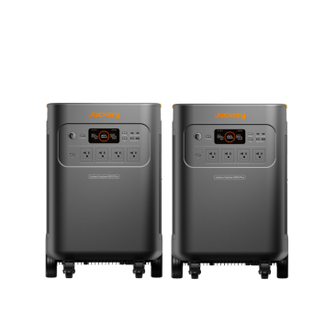
The Jackery Solar Generator 5000 Plus is the ultimate solution for extended off-grid living. With a massive expandable capacity, it can power heavy-duty appliances like well pumps, large refrigerators, and central AC units. Its dual voltage support (120V/240V) means it integrates seamlessly with heavy-duty appliances that require higher voltage.

Best Features:
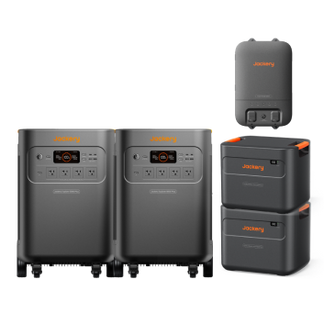
- Huge Capacity: Expandable from 5kWh up to 60kWh with add-on battery packs.
- High Power Output: Rated for 7200W output, easily handling high-surge tools and pumps.
- LiFePO4 Battery: Ensures a 10+ year lifespan with daily use.
- Smart Control: Monitor usage and battery health via the Jackery App.
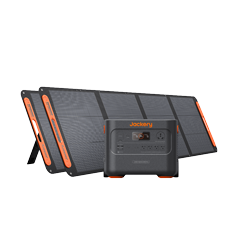
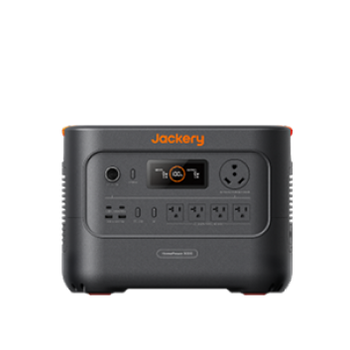
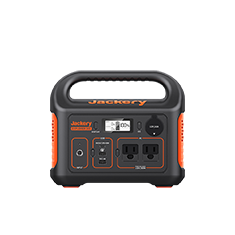
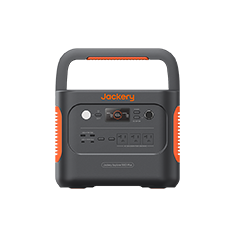
Jackery Solar Generator HomePower 3600 Plus
Best For: Heavy-Duty Cabins & Tiny Homes
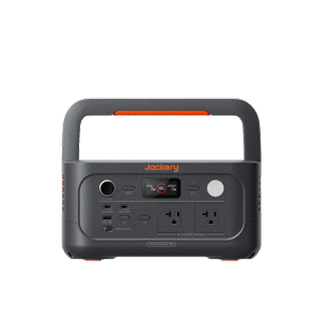
The Jackery Solar Generator HomePower 3600 Plus is a powerhouse designed for off-grid structures that demand consistent, high-wattage power. It bridges the gap between portable units and permanent installations. It features a robust design capable of running most home appliances for days at a time.

Best Features:
- High Output: 3600W rated power (7200W surge) handles almost any appliance startup.
- Fast Charging: Rapid solar charging capabilities to maximize sunlight hours.
- Expandable: Supports additional battery packs to customize your energy reservoir.
- Quiet Operation: Operates as quietly as 30dB, ensuring peace in your off-grid sanctuary.
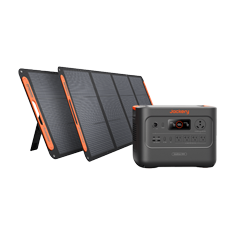
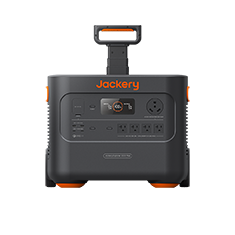
Jackery Solar Generator 2000 Plus
Best For: Van Life & Versatile Off-Grid Living
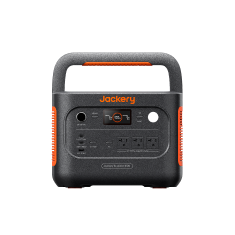
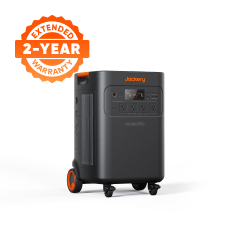
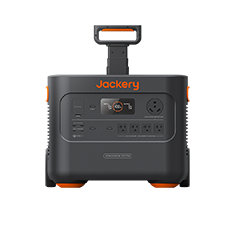
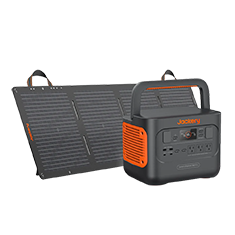
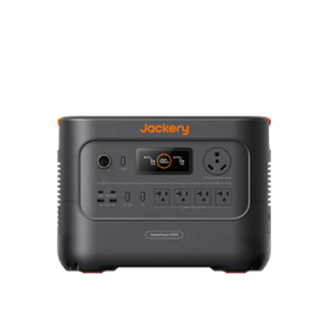
The Jackery Solar Generator 2000 Plus is the most versatile option for those who need mobility without sacrificing power. It is ideal for van lifers or smaller cabins. The unit features a suitcase design with a pull handle and wheels, making it easy to move into position for optimal solar charging.

Best Features:
- Capacity: 2042.8Wh capacity, expandable up to 24kWh.
- Power: 3000W rated output (6000W surge) allows it to run AC units and power tools.
- LiFePO4 Battery: 4000 charge cycles to 70% capacity.
- Silence: Whisper-quiet operation (30dB) for undisturbed sleep.
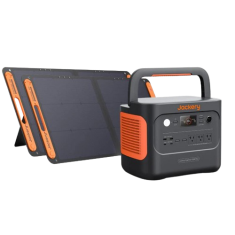
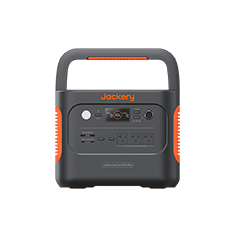
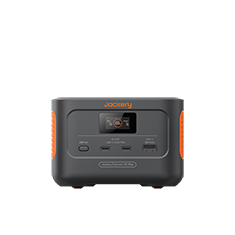
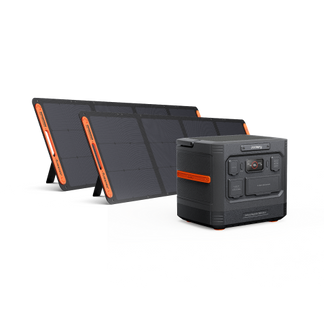
Jackery Solar Generator 1000 Plus
Best For: Short Trips & Basic Off-Grid Needs
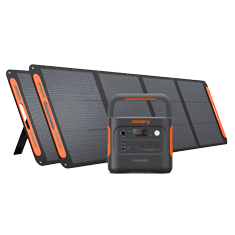
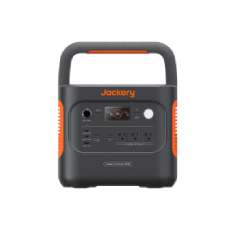
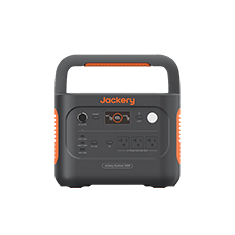
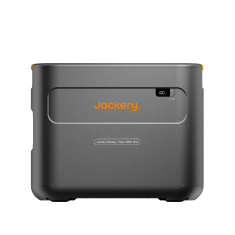
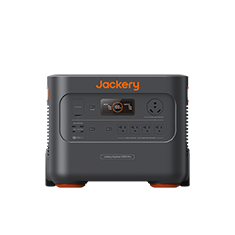
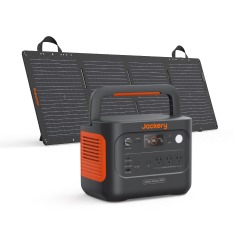
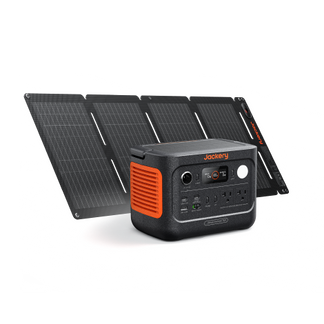
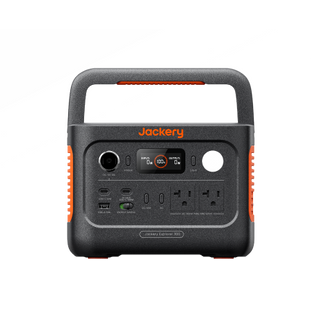
If you have a smaller setup or need a highly portable backup, the Jackery Solar Generator 1000 Plus is the ideal entry-level choice. It provides enough power for Starlink, laptops, lights, and a portable fridge, making it perfect for digital nomads or weekend off-grid excursions.
Best Features:
- Portability: Compact and lightweight design for easy transport.
- Capacity: 1264Wh capacity, expandable to 5kWh with battery packs.
- Output: 2000W output handles surprisingly large loads for its size.
- Durability: Long-lasting LFP battery chemistry.
Comparison Table: Top Off-Grid Generators
|
Product |
Capacity (Wh) |
Expandable? |
Best Use Case |
|---|---|---|---|
|
Jackery Solar Generator 5000 Plus |
5040Wh - 60kWh |
Yes |
Essential Home / Long-Term Off-Grid |
|
Jackery Solar Generator HomePower 3600 Plus |
3600Wh+ |
Yes |
Tiny Homes / Heavy Duty Cabins |
|
Jackery Solar Generator 2000 Plus |
2042Wh - 24kWh |
Yes |
Van Life / Versatile Living |
|
Jackery Solar Generator 1000 Plus |
1264Wh - 5kWh |
Yes |
Weekends / Digital Nomads |
Benefits Of Using Jackery Solar Generator For Off-Grid Living
Jackery Solar Generators provide a dynamic power solution that traditional gas generators cannot match.
- Reliable and Renewable Energy: You are no longer tethered to fuel availability. As long as you have sunlight, you have power. The MPPT controller ensures you harvest every possible watt from the sun, even on partly cloudy days.
- Safe for Indoor Use: Gas generators emit deadly carbon monoxide and must be kept far from living spaces. Jackery generators emit zero fumes and run silently. You can safely keep the unit inside your cabin or van, protecting it from theft and extreme weather.
- Pass-Through Charging: This feature allows you to charge your devices while the generator itself is recharging via solar panels. This is critical for keeping fridges running during the day without interruption.
- Cost-Effective: After the initial investment, your fuel (sunlight) is free. You eliminate the recurring costs of gasoline, oil changes, and engine maintenance associated with traditional generators.
Conclusion
Investing in the right solar generator is the most important step in transitioning to an off-grid lifestyle. It provides the security of modern conveniences without the noise and pollution of fossil fuels.
For temporary trips or van life, the Jackery Solar Generator 2000 Plus offers the perfect balance of portability and power. For permanent off-grid cabins or tiny homes, the Jackery Solar Generator 5000 Plus or HomePower 3600 Plus provides the massive capacity and expandability required for long-term independence.
Before you go, sign up for the Jackery newsletter to access exclusive deals and discounts on all Jackery products.
Frequently Asked Questions
Can you live off the grid with a solar generator?
Yes. A properly sized solar generator can power lights, refrigerators, internet routers, and medical devices. For full-time off-grid living, we recommend a system with at least 3000Wh of capacity, such as the Jackery Solar Generator 5000 Plus or Jackery Solar Generator HomePower 3600 Plus.
How many solar panels do I need?
How many watts of solar power for home is required depends on your daily consumption and location.
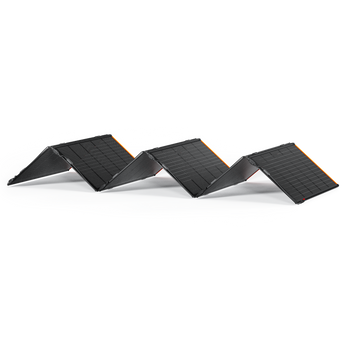
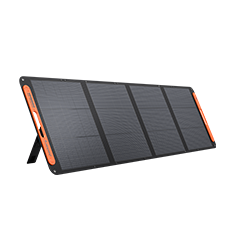
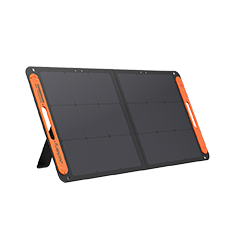
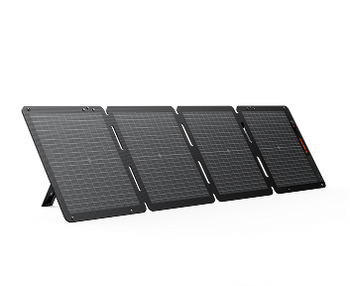
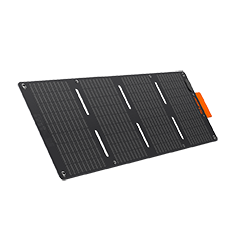
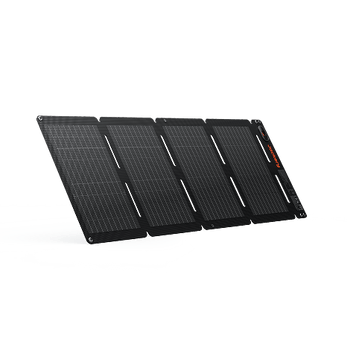
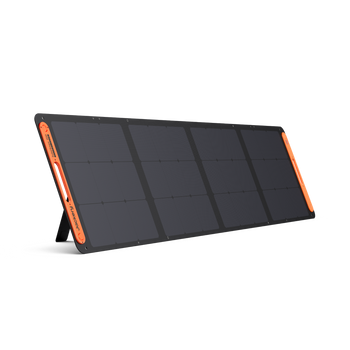
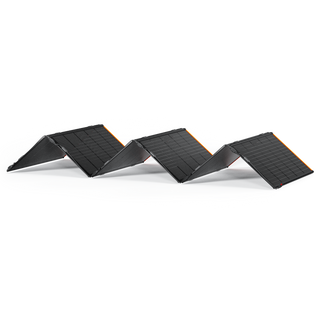
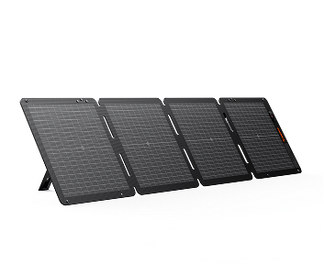
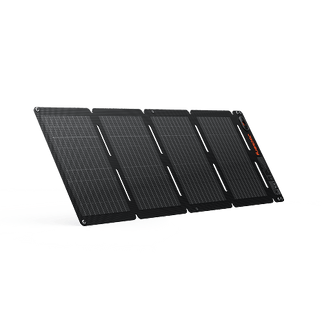
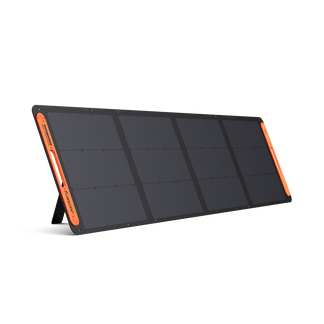
- Heavy Use (Fridge + AC): You need 800W–1200W of solar input (e.g., 4 to 6 SolarSaga 200W panels) to fully recharge a large generator in one day.
- Light Use (Lights + Laptop): 400W solar input (e.g., 2 SolarSaga 200W panels) is often sufficient.
Tip: Always over-panel your system to account for cloudy days.
How long will a solar generator run a refrigerator?
It depends on the fridge's efficiency and the generator's size.
- Jackery Solar Generator 2000 Plus: Can run a standard 500W fridge for roughly 10-14 hours on battery alone. With solar panels connected during the day, it can run indefinitely.
- Jackery Solar Generator 1000 Plus: Best for 12V portable car fridges (45W), which can power for 20+ hours.