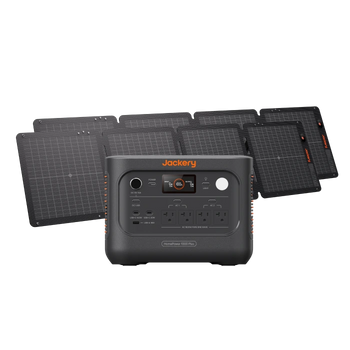
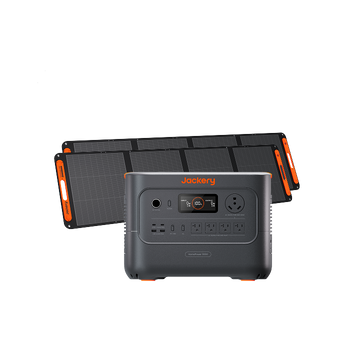
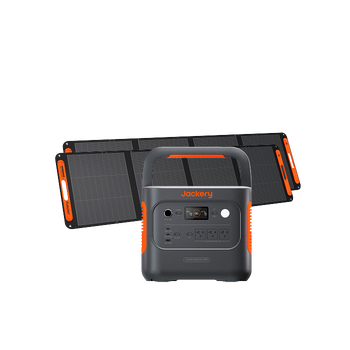
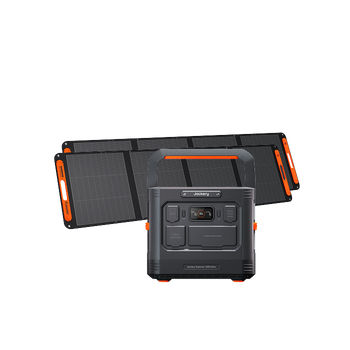
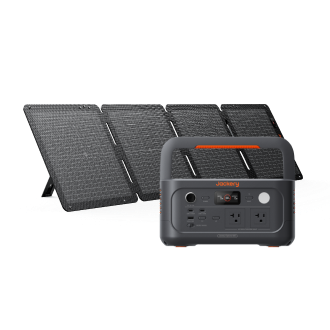
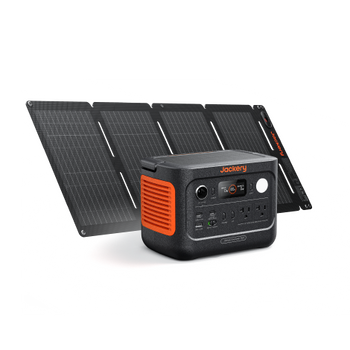
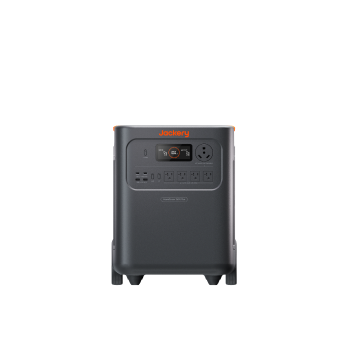


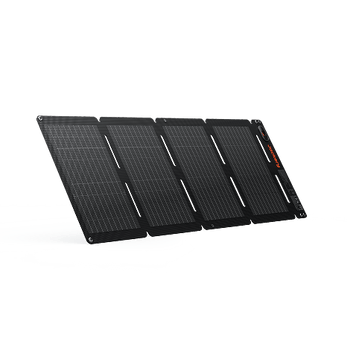
















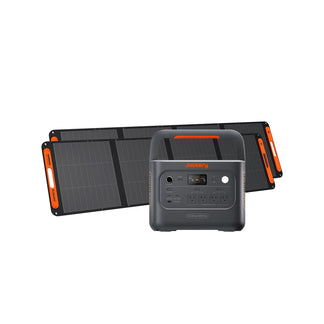
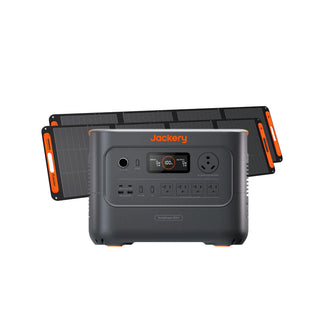
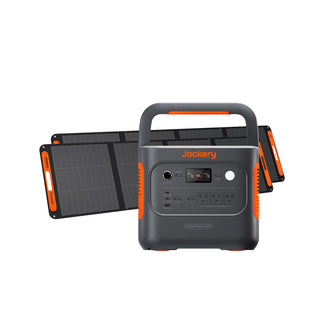
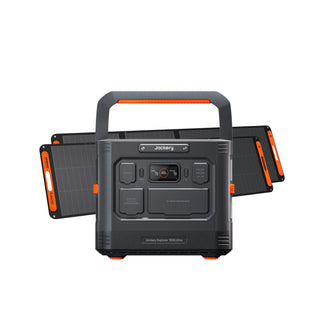


![[Add-on] Jackery SolarSaga 500 X - Jackery](http://www.jackery.com/cdn/shop/files/add-on-jackery-solarsaga-500-x-1493607.webp?v=1786503068&width=324)
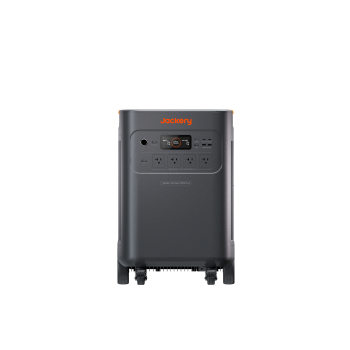
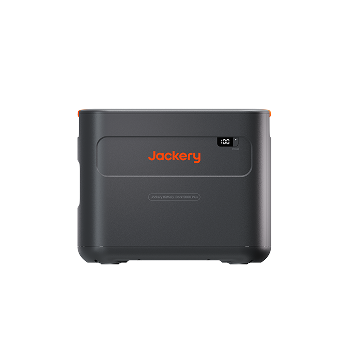
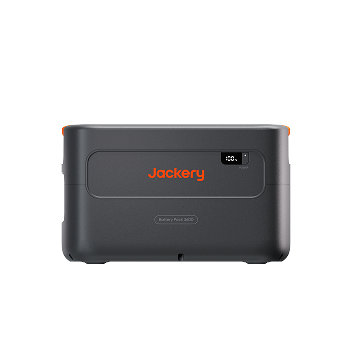
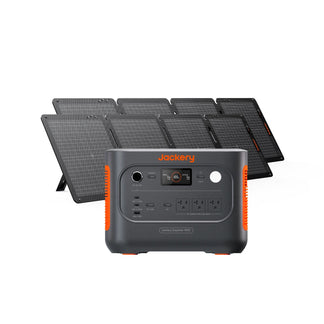
![[Add-on] Jackery Battery Pack 5000 Plus - Jackery](http://www.jackery.com/cdn/shop/files/add-on-jackery-battery-pack-5000-plus-6713401.webp?v=1786503068&width=324)
















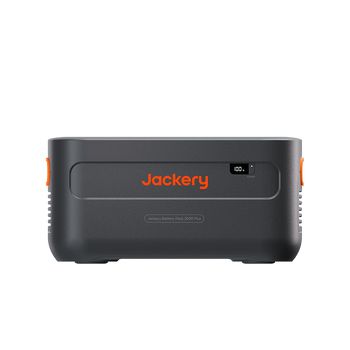
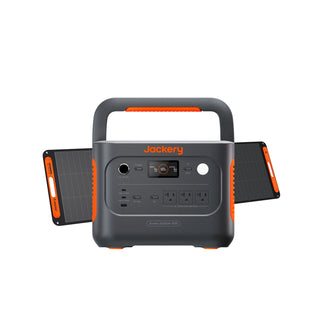
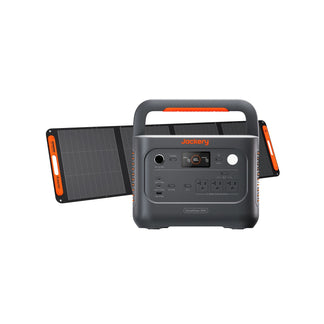
![[Add - on] SolarSaga 200W - Jackery](http://www.jackery.com/cdn/shop/files/add-on-solarsaga-200w-4834329.png?v=1754016915&width=324)
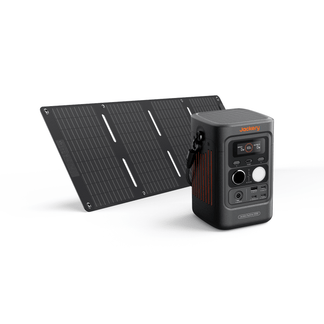


Quick Answer: For most van dwellers, rigid monocrystalline panels (400W–600W total, 20–23% efficiency) on adjustable brackets deliver the best balance of durability, heat management, and long‑term output — rigid wins 90% of the time. Flexible ETFE panels only make sense for curved roofs or strict weight limits, but you’ll lose 20–30% output in heat and must oversize rated wattage by 33%. Portable deployable panels fill the gap when roof space runs out or stealth matters.
Key Takeaways
- A flat or nearly flat roof lets you use rigid glass panels, which last 25+ years and outperform flexible by ~25% in summer heat.
- Flexible panels weigh 70% less and conform to curves, but their polymer surface degrades in 3–7 years and traps heat, cutting real‑world output.
- If you must go flexible, oversize rated wattage by 33% — a 200W daily need requires 260W of flexible panels.
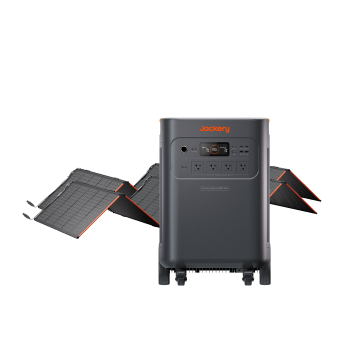
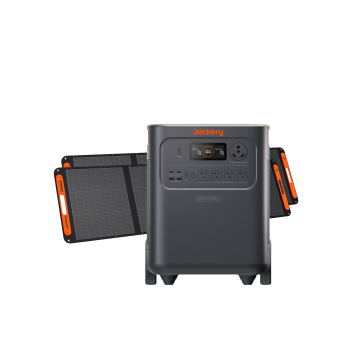
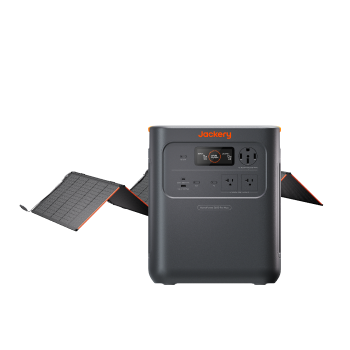
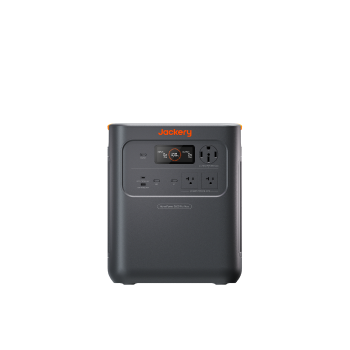
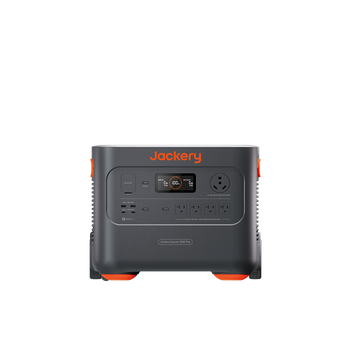
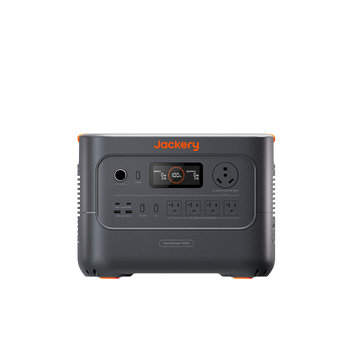
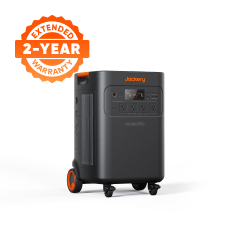
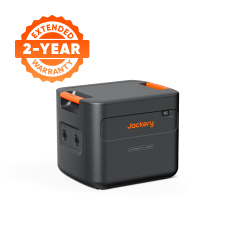
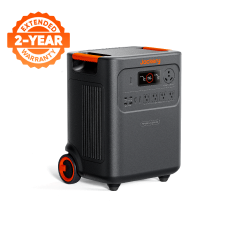
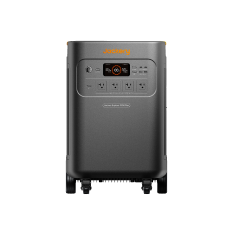
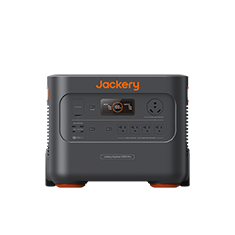
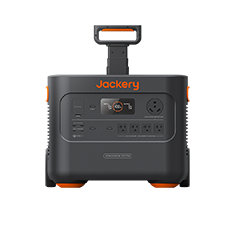
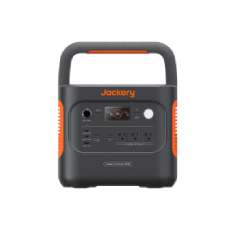
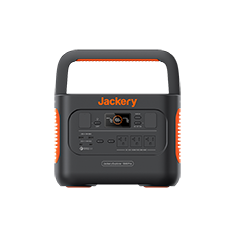
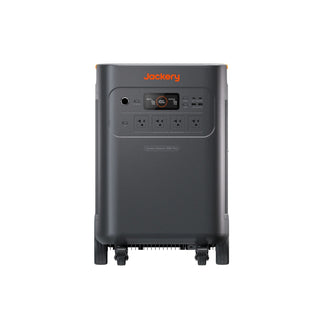
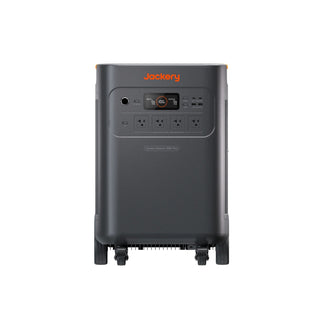
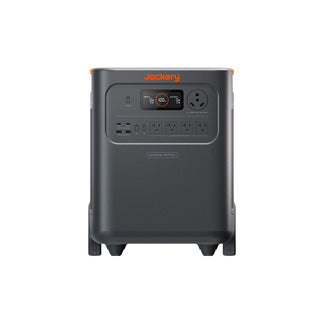
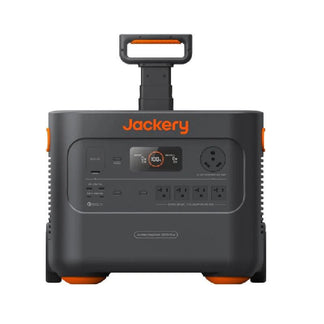
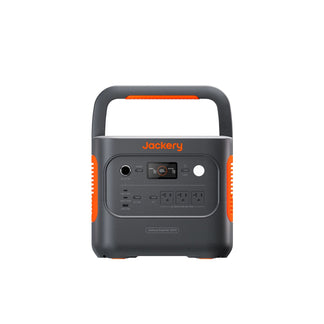
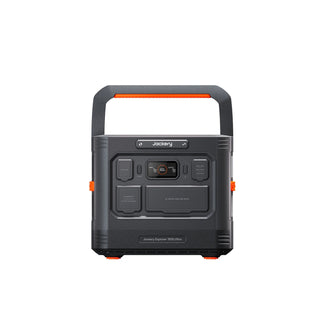
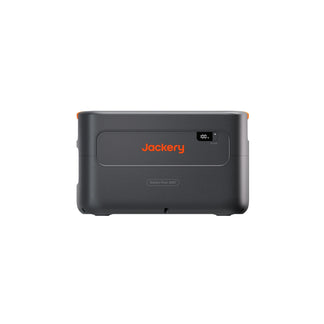
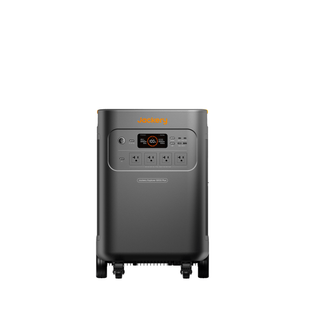
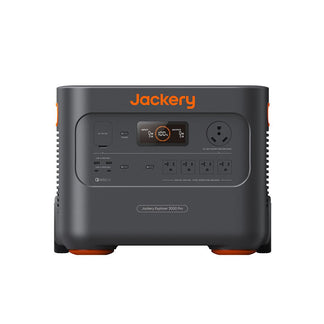
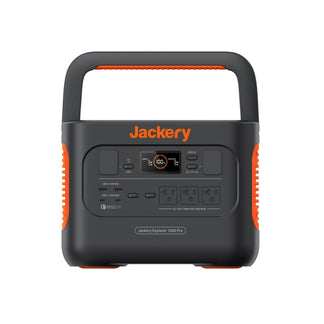
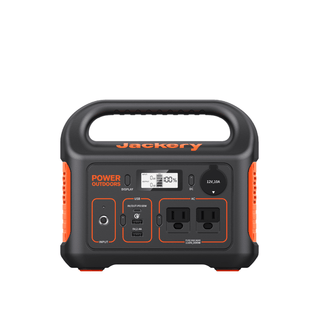
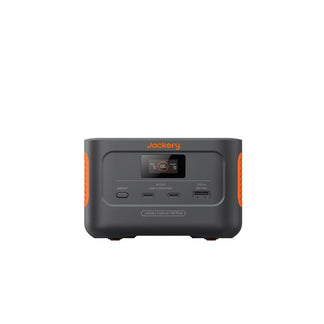
- Pair any rooftop array with a LiFePO4 power station like the Jackery Explorer 2000 v2 (2,042 Wh) to buffer solar and run loads overnight.
- Portable panels let you start with 200–500W on the ground and scale later, avoiding permanent roof mods.
The Three Constraints That Decide Your Solar Setup
Before you pick panels, measure three physical limits: roof curvature, weight capacity, and height clearance.
Roof curvature. Rigid glass panels need a nearly flat surface—a 1‑degree slope or gentle crown works with Z‑brackets, but a pronounced arch forces flexible adhesives. Most high‑roof Sprinters, Promasters, and Transits have a flat enough center for rigid; teardrops and Airstreams almost always require flexible.
Weight capacity. A 200W rigid panel adds 12–14 kg (26–31 lbs), while a 200W flexible panel weighs just 3–5 kg (7–11 lbs)—a 70% savings. If your roof rack and GVWR are tight, that margin preserves payload for water, batteries, and gear.
Height clearance. Rigid panels with brackets add 80–100 mm (3–4 inches) to your roofline, potentially pushing a high‑roof van over 8 feet and blocking garages. Flexible panels sit flush at ~2 mm, keeping you under the typical 8‑foot limit.
Budget and lifespan complete the picture. A 400W rigid setup costs $500–$800 and lasts 25+ years, while a comparable flexible kit runs $400–$600 but lasts only 3–7 years.
Heat management differentiates further: flexible panels glued to a dark metal roof hit 70–80°C in summer sun and lose 20–30% output. Rigid panels on raised rails get airflow underneath, staying cooler and closer to rated power.
Real‑World User Pain Points: The Heat Trap & Degradation
The #1 complaint from flexible panel owners: output tanks in heat. Flush‑mounted adhesive panels routinely lose 20–30% of rated wattage on a 35°C day because trapped heat raises cell temperature far above ambient.
Degradation hits fast. After 2–3 years, the polymer top sheet turns milky from UV exposure, blocking light. Budget PET‑coated panels yellow and peel within 3–5 years; marine‑grade ETFE‑coated ones resist but still degrade. Rigid panels with tempered glass and anodized aluminum frames see 0.5–0.7% annual degradation—after 25 years, they still deliver 80% output.
Tempered glass shrugs off hail that cracks flexible cells, where micro‑cracks can creep up silently over months.
Rigid Panels for Flat Van Roofs: When to Invest in the Tried‑and‑True
If your roof is flat or nearly flat, rigid panels are the default. No need to wrestle with compromises.
Higher efficiency—20–23% versus 15–19% for flexible—packs more watts into limited space. A 400W rigid array might fit where flexible would deliver only 320W.
The airflow gap under raised panels prevents heat derating—in summer, a raised rigid panel can deliver up to 25% more power than a glued flexible one (see real‑world test below). Optional tilt brackets boost winter production up to 30% by pointing the cells toward the low sun; flexible panels cannot be tilted once adhered. With a 20–25‑year warranty, rigid panels align with long‑term adventures; flexible warranties rarely exceed 5 years.
Removability matters: rigid panels bolt on, so you can remove them to clean the roof and prevent mold and debris buildup common under glued installations. The glass face also cleans faster—a quick wipe restores full output, whereas textured flexible surfaces trap dirt.
Flexible Panels for Curved and Weight‑Sensitive Vans
Flexible panels are the only option when the roof has compound curves—think Airstream, fiberglass teardrop, or a heavily crowned van. Rigid glass simply cannot conform.
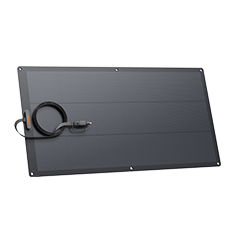
The ultra‑low profile (~2 mm) eliminates wind drag and stays below 8‑foot height limits, preserving urban parking access and stealth. No‑drill installation with 3M VHB tape or similar adhesives avoids roof holes that can leak.
At 3–5 kg per panel, you save 70% versus rigid. That weight margin goes to water, lithium batteries, or gear. But choose ETFE‑coated panels; PET‑coated budget versions yellow and delaminate within 3–5 years.
Semi‑flexible panels are a trap—too stiff for truly curved roofs and lacking the ventilation gap, they combine poor performance with short lifespan. Stick to genuine flexible or full rigid.
If you go flexible, always use a thin aluminum‑backed mounting sheet with a 2 cm air gap via rubber spacers. This drops panel temperature 15–20°C, recovers up to 15% of lost output, and lets you remove the panel without paint damage. No gluing directly to the roof.
Experienced User Advice: Rigid Wins 90% of the Time
The overwhelming community consensus in van‑life forums: rigid beats flexible in almost every permanent build. You get more usable watt‑hours per rated watt, a 5–10× longer lifespan, and genuine hail resistance.
Real‑world data drives this home. In southern France during a 35°C summer, a 200W rigid panel on raised rails yielded 172W while a glued flexible panel gave 128W—a 25% gap. Over 5 peak sun hours, that’s ~850 Wh versus ~640 Wh. Multiply across a 90‑day summer and you’re leaving thousands of watt‑hours on the table.
Low‑profile brackets for rigid panels achieve the stealth you want. Flush‑mount Z‑brackets keep the panel just 30–40 mm above the roof, invisible from ground level on high‑roof vans. You don’t have to sacrifice efficiency for a clean look.
The 133% Oversizing Rule: Why Flexible Panels Need a Bump in Rated Wattage
Heat buildup under glued flexible panels reliably cuts real‑world output 20–25%. That means the rated wattage you buy must be 33% larger than your calculated daily need.
(Daily Watt‑Hour Need × 1.33) = Minimum Rated Flexible Panel Wattage
Example: If your load audit says you need 600 Wh per day from solar, 600 × 1.33 = 798 W. You’d need roughly 800W of rated flexible panels to deliver that 600 Wh net. A 600W rigid array would meet it without oversizing.
Portable panels offer a loophole. Add a 200W deployable unit to your roof array, and you don’t need to oversize. The ground‑deployed panel gets airflow and can be angled for maximum yield, covering the heat‑loss gap without extra roof real estate.
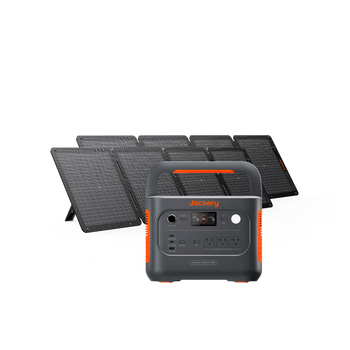
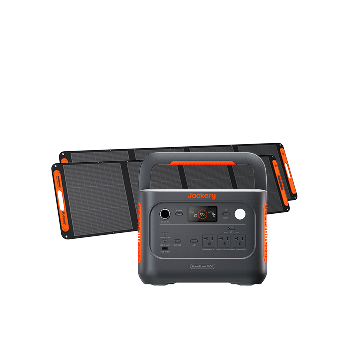
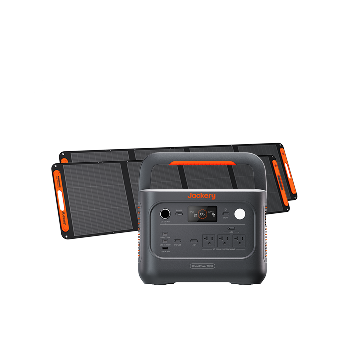
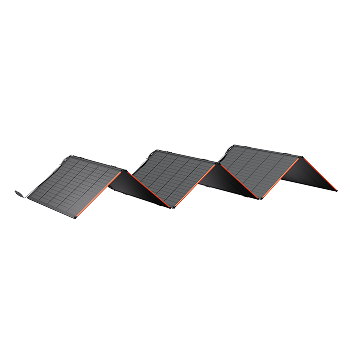
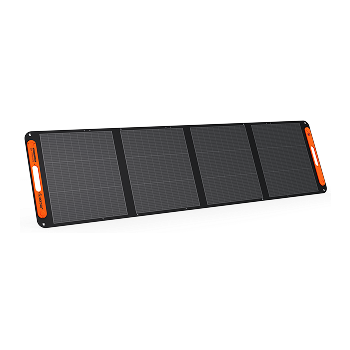
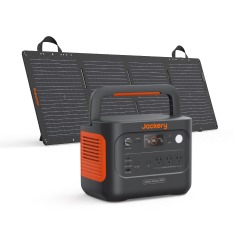
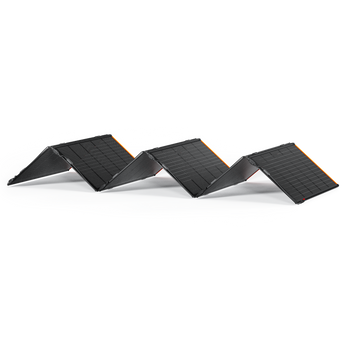
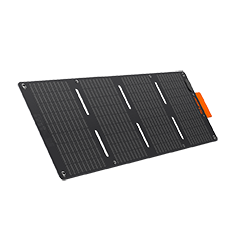
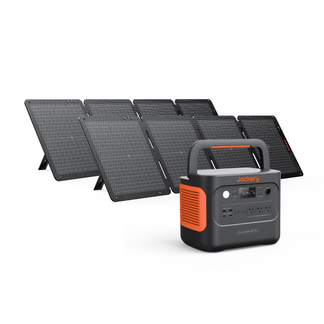
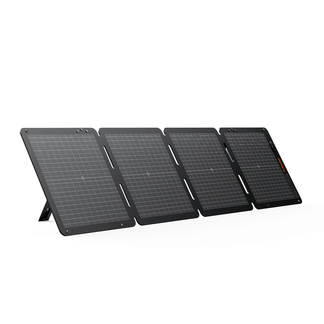
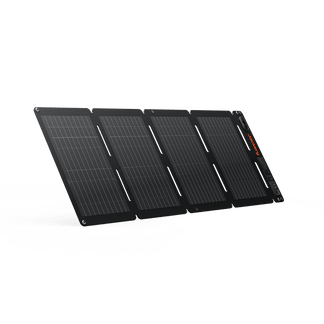
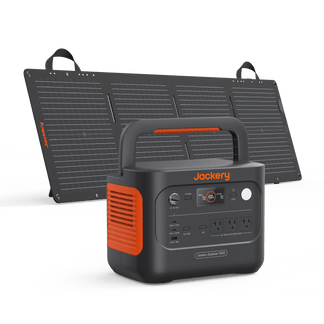
The National Renewable Energy Laboratory’s clipping‑ratio approach recommends matching total panel wattage to the MPPT controller’s max input during peak sun, so oversizing panels can keep the charge controller at peak efficiency for more hours even in mild weather. Folding portable panels like the Jackery SolarSaga 500X with 25% TOPCon bifacial cells squeeze extra power from reflected light, further narrowing the gap.
CIGS flexible panels have a low‑light advantage that partially offsets heat losses in overcast conditions, but they still need the 33% oversizing. Don’t rely on that alone to close the gap.
Portable Solar as the Supplement: Offsetting Roof Space Limits with Deployable Panels
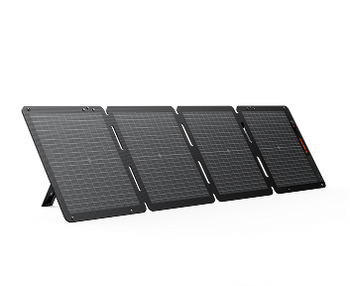
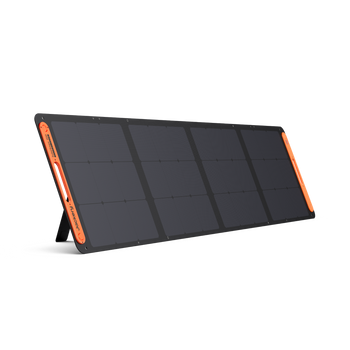
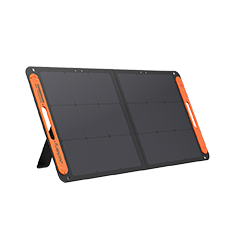
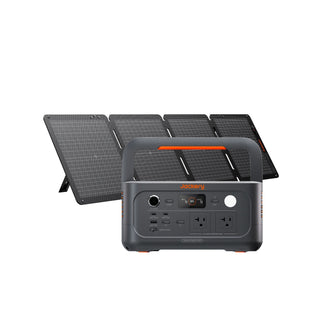
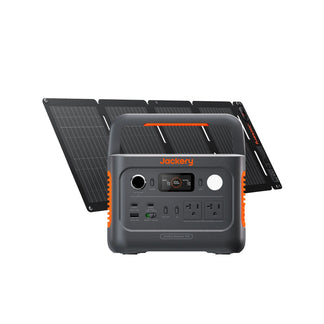
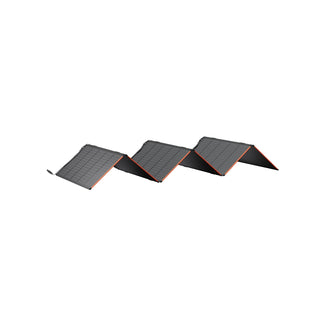
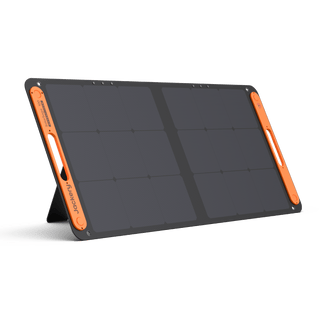
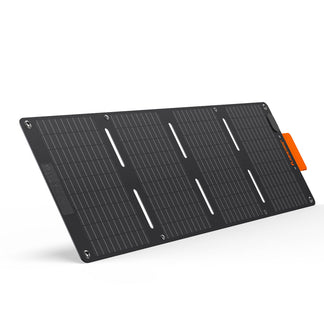
When your roof runs out of flat space, portable fold‑out panels add 200–500W without permanent mounting. They stow while driving and deploy at camp.
Charge‑controller compatibility is seamless with modern LiFePO4 power stations—just plug the solar input cable into the station’s MPPT port. No separate controller needed. The stealth advantage is real: zero rooftop visibility while you’re moving, reducing unwanted attention.
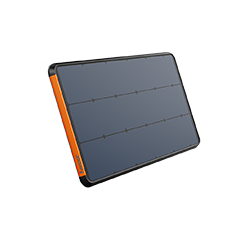
Portable panels are scalable. Start with a 200W array on the ground and add rooftop rigid later if your needs grow. Your investment isn’t wasted—the portable array becomes a supplement or backup. Premium portable panels with ETFE coating and 23–25% efficiency match rigid‑roof specs, minimizing the space needed on the ground.
In a grid‑down scenario, those portable panels still charge your battery. Do solar panels work during a power outage? Yes—as long as they’re connected to an off‑grid power station, they’ll keep your essentials running.
Jackery Solar Solutions for Van Life
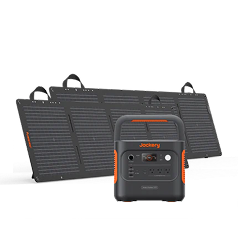
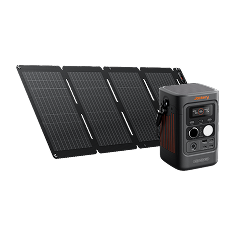
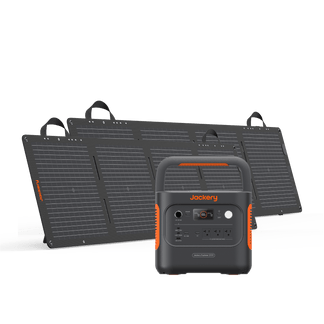
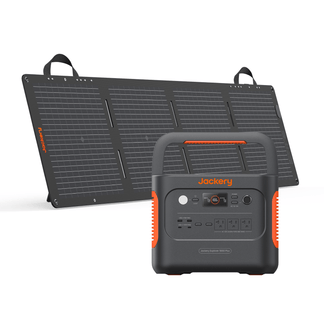
The Jackery ecosystem builds on the plug‑and‑play simplicity described above, with the SolarSaga 500X portable panel matching rigid‑panel efficiency in a foldable format, and the Explorer v2 power stations buffering solar for overnight use.
Product |
Key Specs |
Ideal Van Use Case |
|---|---|---|
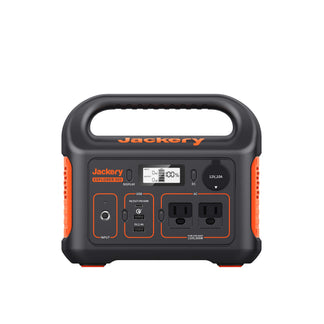
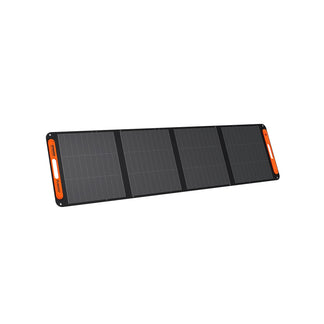
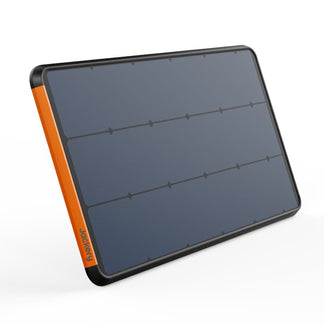
Jackery SolarSaga 500X Portable Solar Panel |
500W peak, 25% TOPCon bifacial, ETFE, IP68, 22.05 lbs |
Deployable 500W ground array for full‑time power without roof mods |
Jackery Explorer 2000 v2 Power Station |
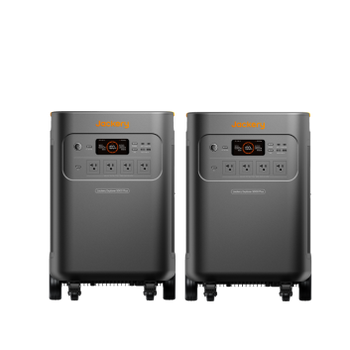
2,042Wh LiFePO4, 2,200W AC, 400W solar input, 39.5 lbs |
Full‑time van life with 1–2kWh daily load; fridge, lights, laptop, fan |
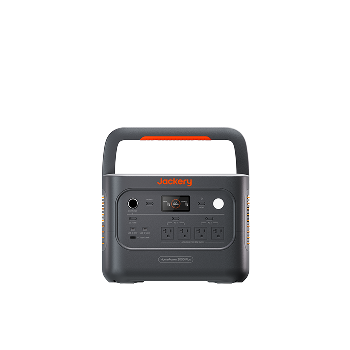
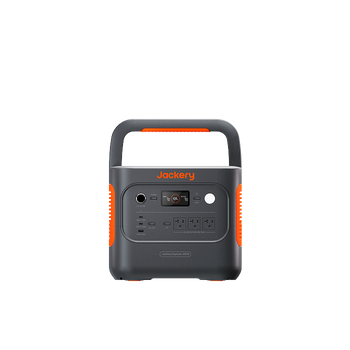
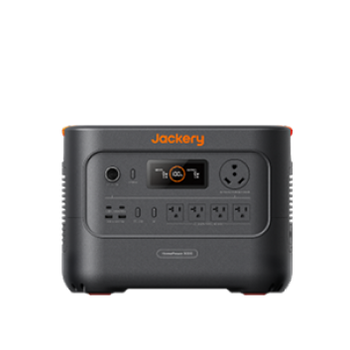
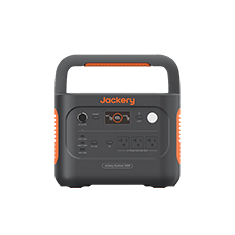
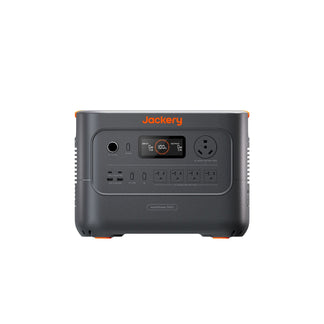
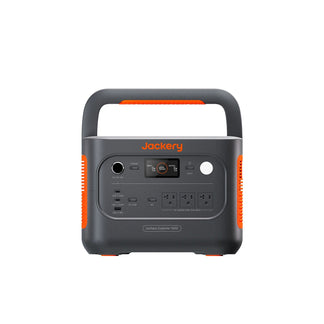
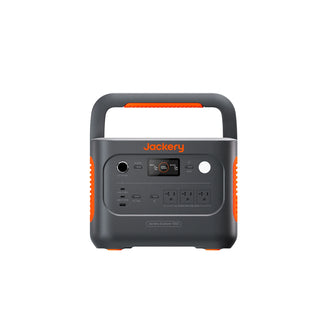
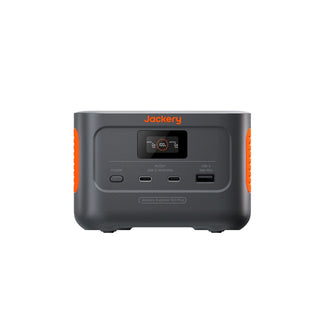
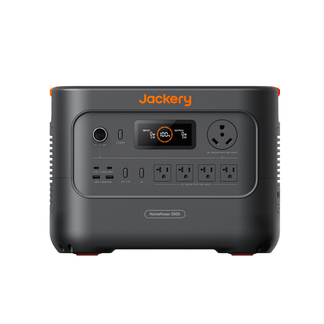
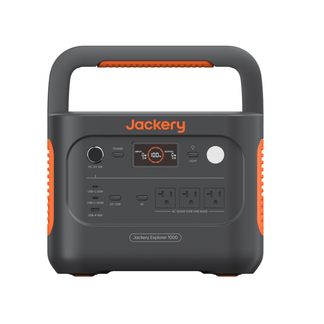
Jackery Explorer 1000 v2 Power Station |
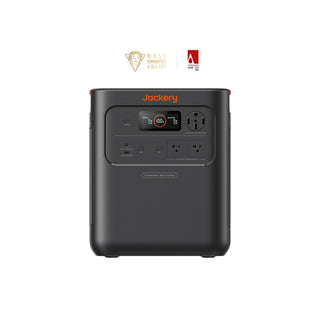
1,070Wh LiFePO4, 1,500W AC, 400W solar input, 23.8 lbs |
Minimalist or weekend setups with ~500–800Wh daily consumption |
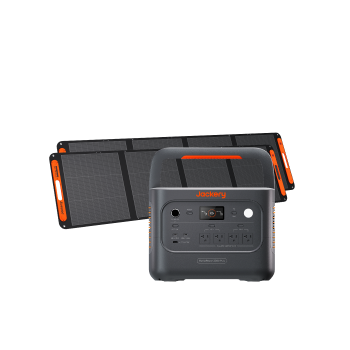
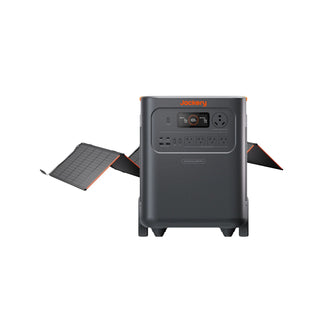
Pair the Explorer 2000 v2 with four 100W portable panels or the SolarSaga 500X, and you’ll reach a full charge in about 7.5 hours of good sun. The Explorer 1000 v2 recharges in 4 hours with four 100W panels—ideal for shorter stays. Both units include built‑in MPPT that handles partial shading typical of portable deployment.
Compare the best battery backup generators to see where these fit in a broader essential‑backup plan that stretches from van to home.
Frequently Asked Questions (FAQ)
How do I mount rigid panels on a slightly curved roof?
Use adjustable Z‑brackets or a rail system that spans across the arc, supporting the panel without stressing the glass. The panel sits flat while the brackets absorb the curve.
Does adding solar panels reduce van fuel economy?
Yes — rigid panels can increase aerodynamic drag and cut fuel economy 1–3%. Flexible panels have negligible effect because they sit nearly flush with the roof.
Can I mix rigid and flexible solar panels on the same roof?
Yes, but connect each panel type to its own MPPT controller unless their voltage and current specs match exactly. Mixing on one controller often causes power loss.
What roof sealant is best for bolted solar panel brackets?
Use a marine‑grade non‑hardening butyl tape or Dicor lap sealant between the bracket and roof. This prevents leaks and allows future removal without paint damage.
How often should I clean my rigid solar panels on a van?
Clean rigid panels every 2–3 months or after long dusty trips; dirt buildup can reduce output up to 15%.


