
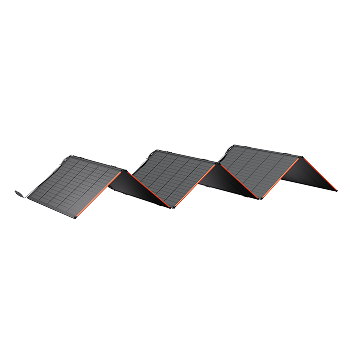
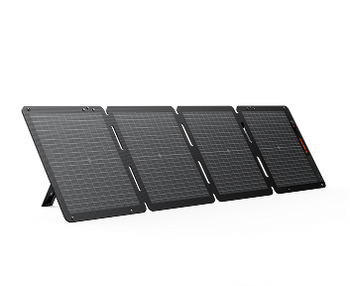



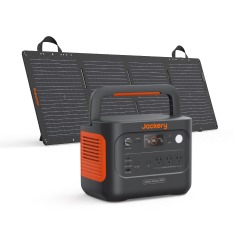
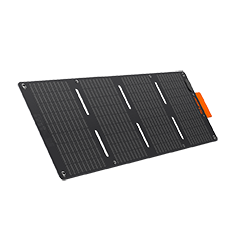



![[Add-on] Jackery SolarSaga 500 X - Jackery](http://www.jackery.com/cdn/shop/files/add-on-jackery-solarsaga-500-x-1493607.webp?v=1786503068&width=324)
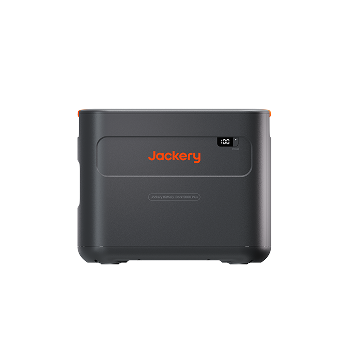
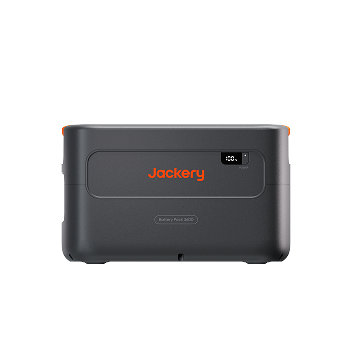
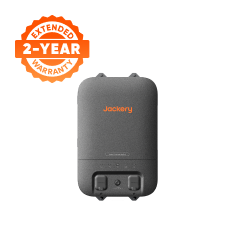
![[Add-on] Jackery Battery Pack 5000 Plus - Jackery](http://www.jackery.com/cdn/shop/files/add-on-jackery-battery-pack-5000-plus-6713401.webp?v=1786503068&width=324)






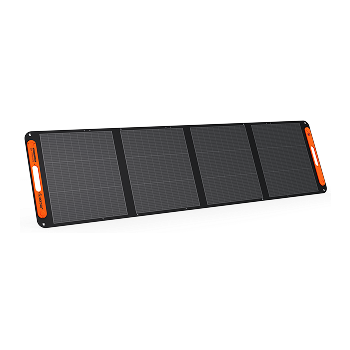
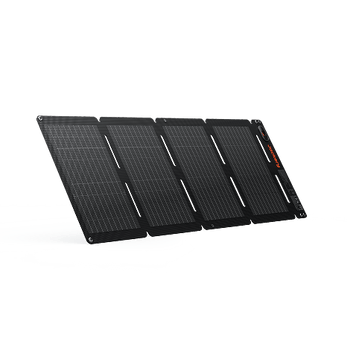
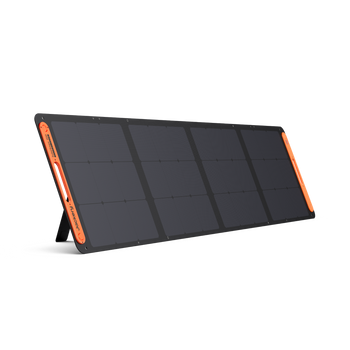
![[Add - on] SolarSaga 200W - Jackery](http://www.jackery.com/cdn/shop/files/add-on-solarsaga-200w-4834329.png?v=1754016915&width=324)
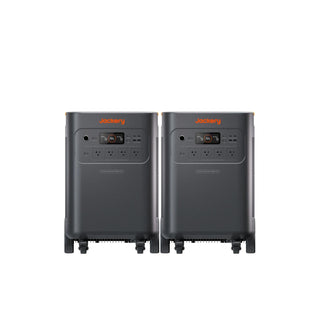
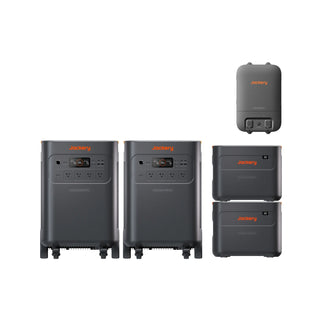
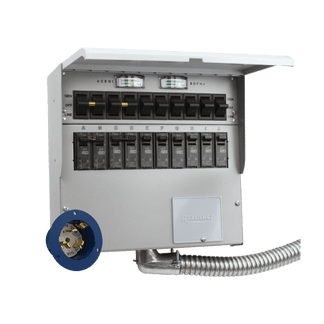
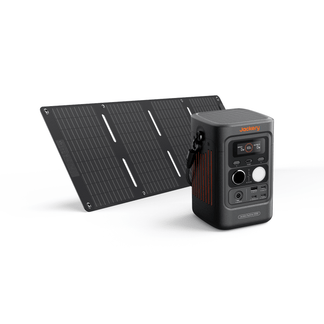


A standard U.S. home consumes around 30 kWh daily. When choosing a solar battery for your residence, it is recommended to consider a 47 kWh capacity, though this may vary based on battery efficiency and Depth of Discharge (DoD). That’s an approximate value if you plan to completely offset your dependence on electric grids. For a partial backup, the value might differ with the appliance wattage and number of hours they’ll run. Meanwhile, commercial or industrial setups use more heavy-duty appliances, and you’ll need high-capacity battery storage.
Solar generators are the most practical way for residential setups to minimize dependence on electric grids or keep appliances running during extended power outages and blackouts. Jackery Solar Generators use LiFePO4 (LFP) batteries that are far more reliable, longer-lasting, and thermally stable than lead-acid or nickel-cadmium alternatives. With expandable capacities and high continuous output, they power almost everything from essential home appliances to heavy-duty loads.
Key Takeaways
- Solar battery storage stores excess energy generated by solar panels and discharges it when needed at night, during peak-rate hours, or when the grid goes down.
- A residential whole-home backup requires approximately 47kWh of storage based on the average US home consuming 30kWh per day; partial backup requires only the storage needed for selected appliances.
- Electricity rates, usage scenarios (partial vs. whole-home backup), and total appliance load are the three primary factors that determine battery storage needs.
- LiFePO4 (LFP) is the ideal battery chemistry for home, commercial, and industrial solar storage, offering 3,000–6,000+ cycles, 80–100% depth of discharge, and superior thermal stability.
What is Solar Battery Storage?
Solar battery storage refers to rechargeable systems that capture excess electricity generated by your solar panels during the day. Instead of sending all surplus power to the utility grid, this stored energy is used to power your home during the evening, on cloudy days, or in the event of a power outage.
How Does Solar Battery Storage Work?
Solar batteries capture excess energy generated by your solar panels during the day and store it for later use. Instead of sending surplus electricity back to the electrical grid, the battery uses it to power your home appliances when your solar panels aren't producing electricity, such as at night, on cloudy days, or during power outages.
What are the Main Components of a Solar Battery Storage System?
A reliable home energy storage system relies on four primary components working together:
- Battery Pack: The battery cells, ideally LiFePO4, store solar energy as DC electricity. Chemistry determines cycle life, safety, and thermal performance.
- Inverter: Converts stored DC power into usable AC electricity for your home. Jackery Solar Generators use pure sine wave inverters, which are required for sensitive electronics and motor-driven appliances.
- Battery Management System (BMS): Monitors cell voltage, temperature, and current. Protects against overcharging, over-discharge, short circuits, and thermal runaway.
- Smart Energy Meter / Monitoring System: In app-connected systems tracks solar input, battery state, and household consumption in real time and manages TOU charging schedules automatically.
What Factors Determine Solar Battery Storage Needs?
Your solar battery storage needs depend primarily on the electricity load, backup goals, and grid connectivity. Here are the key factors explained in detail:
- Electricity Load: The amount of electricity the battery must supply to power your residential appliances. The more appliances and the longer they run, the greater the storage capacity required.
- Usage Scenario: The purpose of the solar battery determines the storage you need. Emergency backup, peak-hour bill reduction, and full off-grid living all require different sizing approaches.
- Utility Electricity Rate: Flat-rate utilities encourage maximum storage to minimize grid draw. Variable Time-of-Use (TOU) rate plans benefit most from enough storage to shift consumption from peak to off-peak hours.
Is Solar Battery Storage Worth It?
Yes, solar batteries are highly recommended if your local utility uses expensive Time-of-Use (TOU) rates, offers low solar feed-in tariffs, or experiences frequent power outages. While the upfront setup adds $10,000 to $20,000 to a solar system, batteries maximize your self-consumption and provide reliable backup power.
Key Benefits
Here are the key benefits of investing in the solar battery storage system:
- Energy Independence During Outages: When the grid fails due to storms, wildfires, winter freezes, or infrastructure events, a solar battery keeps your refrigerator, lights, WiFi, and medical devices running without interruption. Unlike gas generators, solar batteries produce zero fumes and zero emissions, so they can be used safely indoors at any time.
- Peak-Rate Bill Reduction: Most US households subject to TOU utility pricing pay significantly more for electricity used during peak evening hours (typically 4pm–9pm). A solar battery charged during off-peak or solar hours and discharged during peak windows creates meaningful ongoing savings.
- Disaster Preparedness: Regional grid risks are increasing. California implements Public Safety Power Shutoffs (PSPS) during wildfire seasons. Texas winter storms have repeatedly overwhelmed the ERCOT grid. Hurricanes routinely knock out Gulf and East Coast power for days. A solar battery storage system with adequate capacity provides multi-day backup coverage for all of these scenarios.
Potential Drawbacks
- Higher upfront hardware cost compared to basic gas generators, though total cost of ownership over 10+ years is typically lower due to zero fuel costs and minimal maintenance.
- Battery capacity gradually degrades over the lifespan, though LFP batteries degrade more slowly than NMC or lead-acid alternatives.
- Space requirements for larger systems, particularly those using multiple battery packs for expanded capacity.
Simple ROI Estimate for Solar Battery Storage (2026)
The primary financial return from a home solar battery comes from peak-rate avoidance. Most US utilities with TOU pricing show a meaningful spread between off-peak and peak rates:
- Typical off-peak rate: $0.12–$0.18/kWh
- Typical peak rate: $0.28–$0.45/kWh
- If a household shifts 10kWh per day from peak to stored solar energy:
- Daily savings: ~$1.50–$3.00
- Annual savings: ~$550–$1,100
In high-rate states like California, Hawaii, and Connecticut, the annual savings from consistent TOU peak avoidance are meaningfully higher.
Lynne spent decades as a safety engineer. A gas generator had always grated against her instincts: the fumes, the fuel dependency, the unpredictability, so when an inspector mentioned Jackery in passing during a home visit, she went home and researched it the way engineers do. When Hurricanes Helene and Milton knocked out power for two to four days at a stretch, and most of her neighbors evacuated, Jackery products kept her chest freezer humming, her refrigerator running, her lights on, and her fan turning against the Florida air. Check out more such Jackery Stories from the community.
Solar Battery Storage Sizing: How to Calculate What You Need
Calculating the right storage capacity requires understanding your energy needs and choosing the right formula. Getting it wrong means either running out of power when you need it most or overspending on capacity you will never use.
Residential Solar Battery Storage Sizing Guide
According to the EIA, a standard US home consumes 30kWh of energy daily, which translates to around 10,500kWh per year. Electricity consumption typically cycles daily, with the lowest demand occurring in the early morning while the demand peaks in the daytime. Utilities often term this period of high electricity consumption as “peak electricity hours.” It ultimately falls during late evening hours.
However, every household’s electricity needs are different, so home batteries aren’t a one-size-fits-all solution.
Now, to calculate solar battery storage, decide what type of backup system you need: partial or whole-home. Whole-home backup solutions are designed to power your entire home during an outage. Meanwhile, you pick a few home appliances for a partial home backup, such as a refrigerator, internet, TV, lights, or more.
Now, to size a solar battery storage, use the formula:
Battery Capacity = Daily average energy consumption (kWh)/ (Depth of Discharge × Efficiency)
Depth of Discharge (DoD) is the percentage of battery capacity you can use before recharging. Considering 30kWh as average energy consumption, 80% as DoD, and 80% efficiency, the calculation goes as follows: battery capacity = 30/(0.8 × 0.8) = 46.9kWh ≈ 47kWh.
Partial Backup:
For partial backup, Daily energy consumption = Total wattage of appliances × number of hours to run.
Let’s assume you’ll run a TV (120W), refrigerator (900W), and laptop (100W), so the total wattage is 1120W. If you run them for 2 hours, daily energy consumption is 2240Wh or 2.24kWh.
And, Battery Capacity = 2.24/(0.8 × 0.8) = 3.5kWh.
Commercial Solar Battery Storage Systems: Sizing for Business Needs
Commercial solar battery storage systems offer multiple benefits, including energy cost savings, reliability, and support for renewable energy. Businesses can draw power from their storage system during peak demand hours and reduce dependence on electric grids. This way, they save on transmission costs and enhance energy efficiency.
Step 1: Similar to residential, energy consumption in commercial setups varies with the appliance type. A large retail store will consume more energy than a mid- or small-sized store. To calculate the needed solar battery storage size, use the formula:
Battery Capacity = Daily average energy consumption (kWh) / (Depth of Discharge × Efficiency)
Considering the average commercial electricity consumption is around 60kWh/day, battery capacity = 60 /(0.8 × 0.8) = 93.75kWh, where DoD and efficiency are assumed to be 80%.
Step 2: For partial backup, Battery Capacity = (Total wattage of appliances (kW) × Number of hours to run)/ (Depth of Discharge × Efficiency).
Let’s consider you own a mid-sized retail store where you’ll run a POS machine (150W), a computer (200W), LED lighting (60W for six units), CCTV cameras (30W for two units), and a refrigerator (800W). So, Total wattage = 150 + 200 + 60 + 30 + 800 = 1200W or 1.2kW.
Battery Capacity = (1.2 × 6)/ (0.8 × 0.8) = 11.25kWh
Industrial Solar Battery Storage: Large-Scale Power Backup & Grid Independence
Industrial operations have unique energy requirements depending on the specific manufacturing process. These can include continuously running high-temperature furnaces, machinery, drying processes, and specialized energy sources like high-pressure steam. Battery storage must be capable of meeting the fluctuating energy demands based on production cycles.
Step 1: Considering the power requirement is this high, balancing the solar generation and sizing the battery storage can be tricky. When sizing the battery for industrial purposes, sort out your high-power loads and where your savings can be maximized. For example, you are running industrial appliances like motors (2100W), LED Lighting (60W for six units), conveyor systems (1800W), and welding equipment (3500W).
So, Total wattage = 2100W + 60W + 1800W + 3500W = 7,460W or 7.46kW
Step 2: When calculating the storage, determine the maximum hours the machinery will take energy from battery storage. Let's consider it as three hours. Now, using the formula, Battery Capacity = (Total wattage of appliances (kW) × Number of running hours)/ (Depth of Discharge × Efficiency).
If DoD and Efficiency of the solar battery storage is assumed at 80%, then,
Battery Storage = (7.46kW × 3)/ (0.8 × 0.8) = 34.96kWh.
Please Note: The appliance wattage, DoD, efficiency, and other values are based on assumptions. Check the appliance's user guide and respective battery storage to obtain the actual values.
How Much Does Solar Battery Storage Cost?
The cost of a solar battery storage system includes the cost of batteries, installation, inverter, and permitting. Here’s a typical cost breakdown of a typical solar battery installation:
Battery Costs: Solar batteries average between $400 and $1,344 per kWh, with total system costs varying significantly by scale:
- Residential: ~$36,000–$60,000 for a 47kWh system
- Commercial: ~$48,000–$84,000 for a 60–70kWh system
- Industrial: $3,600,000+ for large-scale deployments
Inverter and Installation Costs:
- Residential: $8,000–$10,000
- Commercial: $20,000–$30,000
- Industrial: $25,000–$45,000
Permitting: Solar battery permitting costs vary by jurisdiction and the type of project. The cost of permitting is highest for industrial setups, followed by commercial and residential setups. As per Energy.gov, the residential solar battery storage permit costs around two-thirds of the system cost. For commercial and industrial projects, the costs depend on the project size.
Please Note: These are estimated values. Actual costs vary by battery type, brand, state incentives, and system complexity.
Jackery Solar Generators for Essential Home Backup
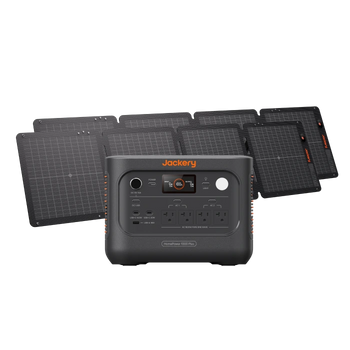
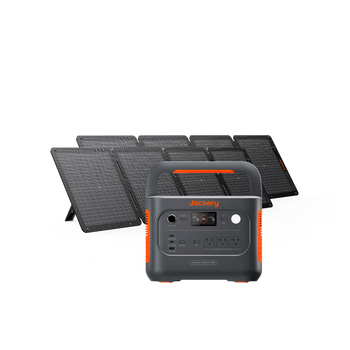
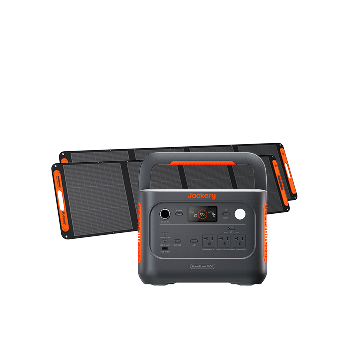
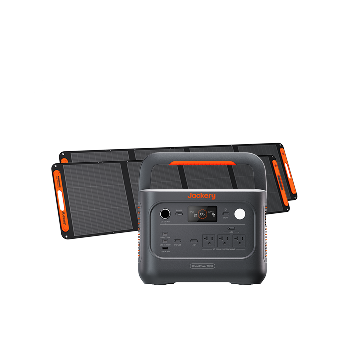
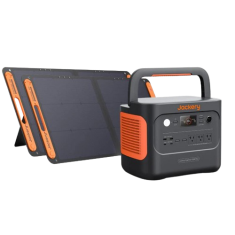
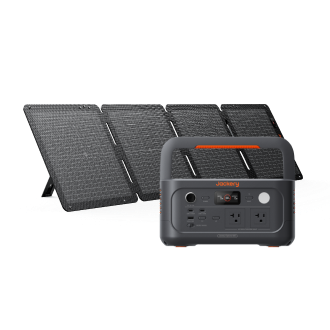
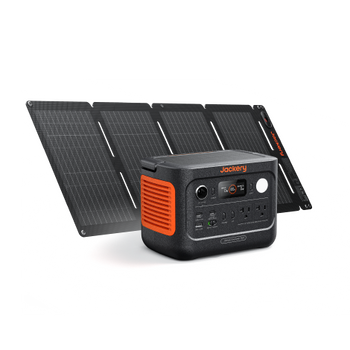
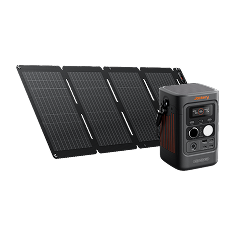
Jackery manufactures highly efficient, portable solar generators, power stations, and solar panels. Jackery Solar Generators combine Jackery SolarSaga Solar Panels with Jackery Portable Power Stations for collecting, converting, and storing solar electricity that can be supplied instantly to home appliances when the grid goes down or during peak electricity hours.
All three Jackery Solar Generators below use LFP battery chemistry and operate at under 30dB in Quiet Mode, which is completely safe and comfortable for indoor use.
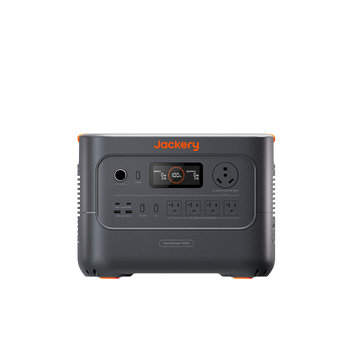
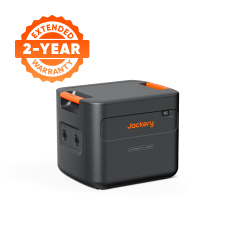
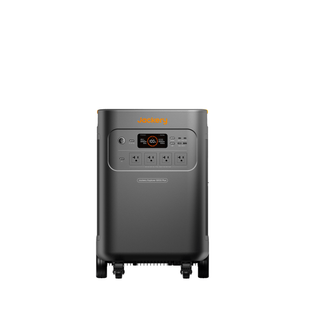
Jackery Solar Generator HomePower 3600 Plus
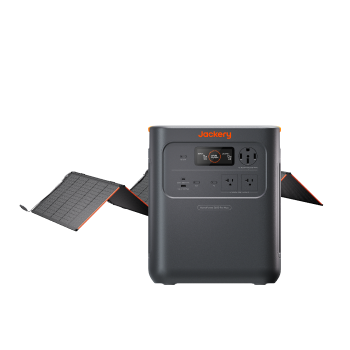
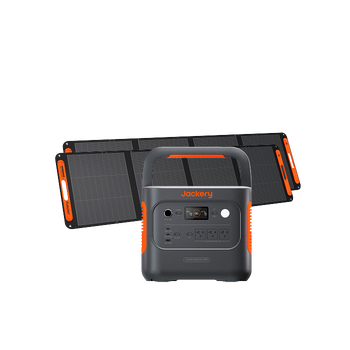
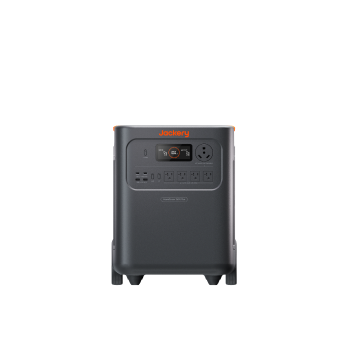
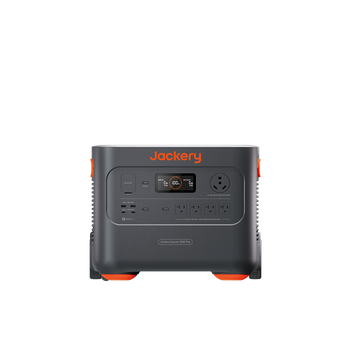
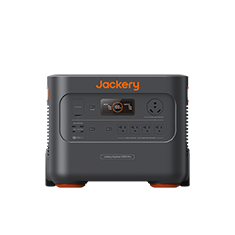
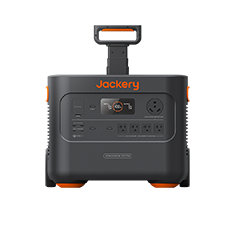
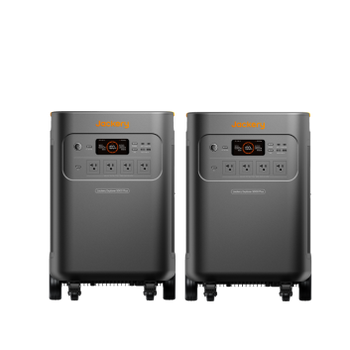
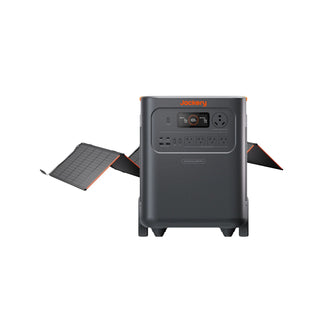
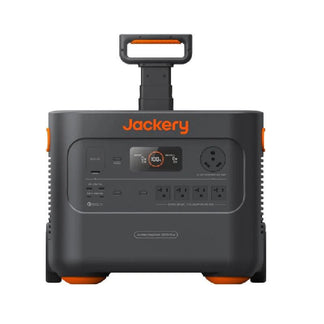
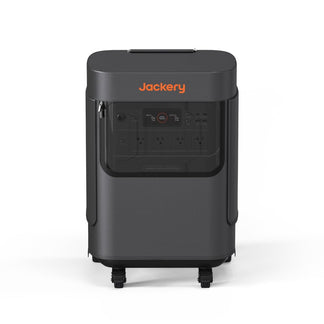
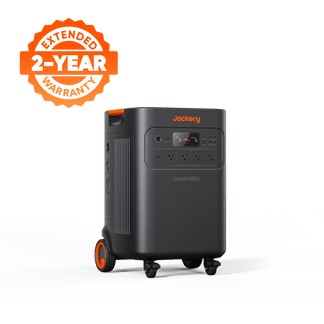
The Jackery Solar Generator HomePower 3600 Plus is a large-capacity solar generator. With 3,600W of continuous output and sub-10ms UPS switching, it keeps every connected appliance, such as refrigerators, medical devices, computers, and lights, running without any interruption when the grid drops. The base capacity can be expanded up to 21kWh or 43kWh to provide enough storage to keep a household running for days at a moderate essential load. Its built-in wheels and a telescoping handle make it genuinely portable between rooms.
Appliances Running Time
- Refrigerator (200W) = 13.7H
- TV (150W) = 17.7H
- Microwave (1000W) = 3.0H
- Induction Cooktop (1000W) = 3.0H
- Portable Fan (100W) = 25.0H
Who Should Buy This
The Jackery Solar Generator HomePower 3600 Plus is the right choice for families in storm-prone or outage-frequent areas who want the longest LFP lifespan available in a large-capacity solar generator, multi-day essential home backup, expandable capacity, and sub-10ms UPS protection.

Customer Review
I am using it as plugged-in Uninterruptible Power Supply for computers & monitors, internet router & cable telephone, WiFi, hard drives, recharging of cell phones, iPads, etc. When power goes out, I’ll plug in my refrigerator as well.
— Frank C.
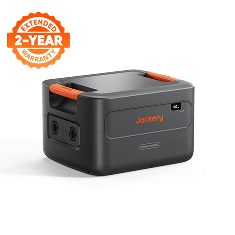
Jackery Solar Generator HomePower 3600 Pro Max
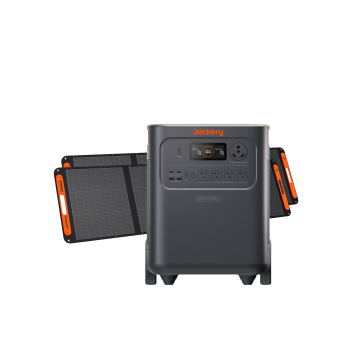
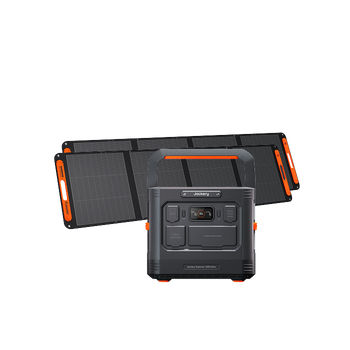
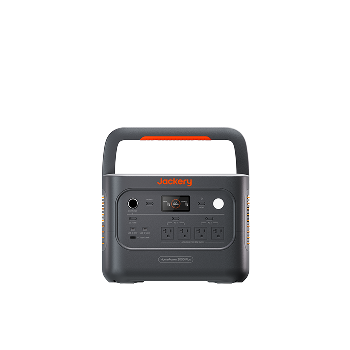
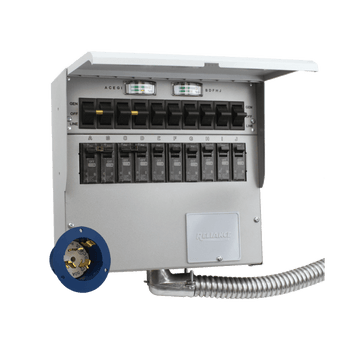
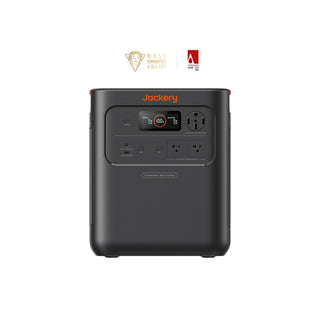
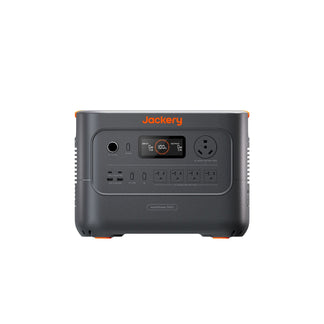
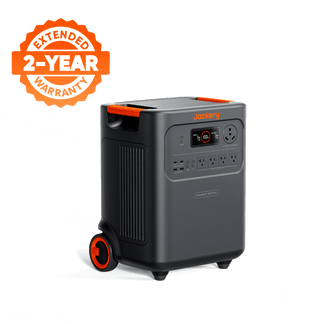
The Jackery Solar Generator HomePower 3600 Pro Max is an automation-forward home backup solar generator. It features a built-in Auto Transfer Switch that activates backup within 10ms of grid failure. Its TOU (Time-of-Use) Mode, configurable via the Jackery app, intelligently schedules battery charging during off-peak electricity hours to reduce utility costs day after day. With the native 240V support and compatibility with the Jackery Manual Transfer Switch, it can connect directly to selected home circuits, delivering automatic home backup for refrigerators, HVAC, and more.
Appliances Running Time
- Refrigerator (200W) = 13.7H
- TV (150W) = 17.7H
- Microwave (1000W) = 3.0H
- Induction Cooktop (1000W) = 3.0H
- Portable Fan (100W) = 25.0H
Who Should Buy This
The Jackery Solar Generator HomePower 3600 Pro Max is the right home battery backup solution for homeowners who want automatic, hands-free home circuit protection, particularly households with home offices or critical appliances that cannot tolerate any outage delay.

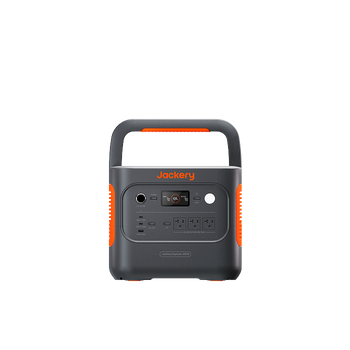
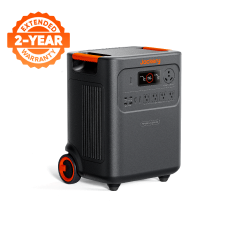
Jackery Solar Generator 5000 Plus
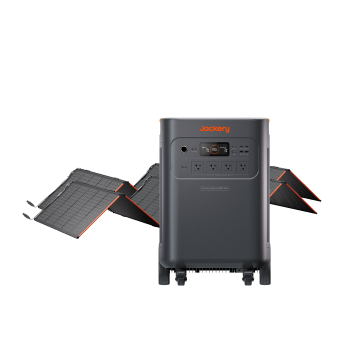
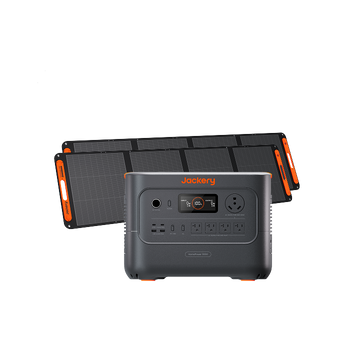
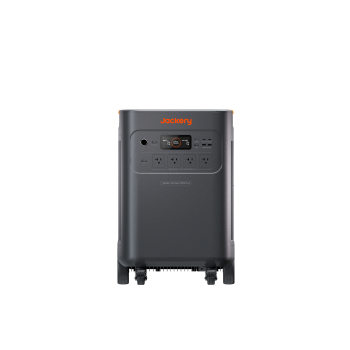
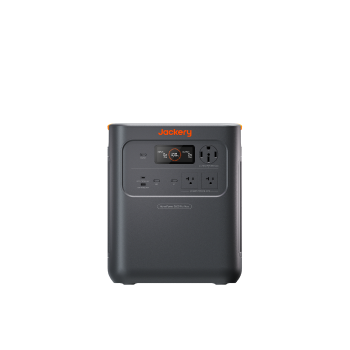
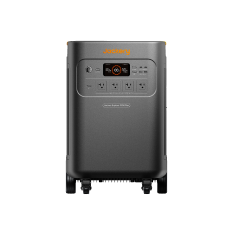
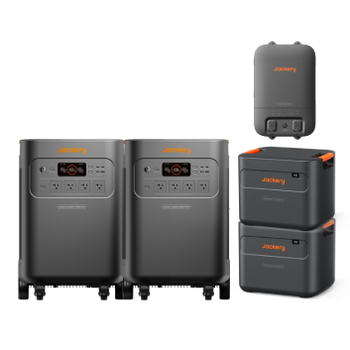
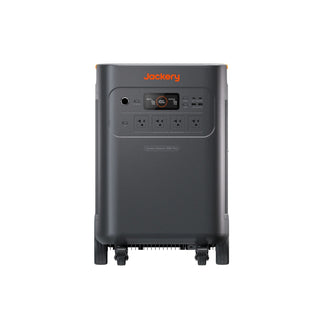
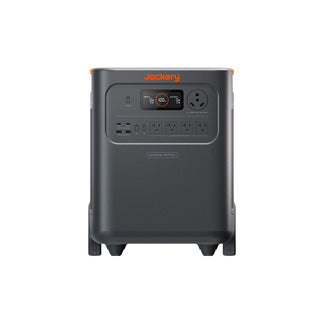
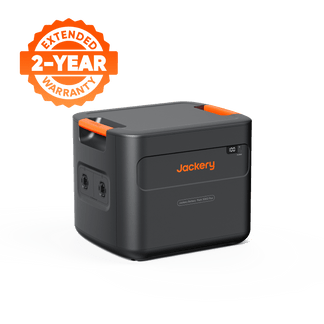
The Jackery Solar Generator 5000 Plus is a powerful and scalable solar generator ideal for large households, heavy-duty appliances, and extended coverage scenarios. It can easily run central air conditioning systems, electric dryers, water heaters, and EV chargers simultaneously alongside essential home devices. It also features a 0ms Online UPS switching (enabled via the Jackery app), which means connected appliances experience zero interruption when the grid drops. If you want more power, the battery capacity can be expanded up to 60kWh with additional battery packs and another unit.
Appliances Running Time
- Refrigerator (200W) = 17.1H
- TV (150W) = 21.4H
- Microwave (1000W) = 4.1H
- Induction Cooktop (1000W) = 4.1H
- Portable Fan (100W) = 28.6H
Who Should Buy This
The Jackery Solar Generator 5000 Plus is the ideal choice for large households, homeowners in hurricane or wildfire zones who need multi-day essential home coverage, including 240V heavy appliances, or anyone who wants a scalable battery backup up to 60kWh.

Customer Review
This generator is saving me a ton of money on my electricity bills. I have a 30 kWh system and it runs everything in my house for days. I have (14) 415 watt solar panels plugged into the two generators so the batteries charge back up super fast.
— Mike.
Solar Battery Storage FAQs
How long will a 10kWh battery last?
A 10kW battery will last up to 10 hours for a typical household that consumes around 1kW an hour. However, the actual number will vary with the type of appliances you want to power and their duration, so calculate accordingly.
How many ACs can run on 10kWh?
A 10kW solar battery can power four ACs simultaneously for an hour, considering their respective wattage is 2,000W. The numbers will change depending on the type of AC and its respective wattage.
How much does it cost to add battery storage to a solar system?
According to Energy.gov, adding battery storage to an existing solar power system typically costs between $12,000 and $22,000 for a standard residential installation. Costs vary significantly with battery capacity, brand, system complexity, and whether professional installation is required. Jackery Solar Generators are plug-and-use systems that require no professional installation for standard home backup, making them a significantly more accessible and lower-cost entry point for residential solar battery storage.
How many years does a solar battery last?
A solar battery's lifespan depends on battery chemistry, Depth of Discharge, usage frequency, and temperature. LFP batteries, like those in all three Jackery Solar Generators recommended here, are rated for 4,000–6,000+ cycles. At one full cycle per day, a 6,000-cycle LFP battery lasts approximately 16 years. Lead-acid batteries typically last 2 to 3 years under the same conditions.
How many solar batteries are needed to power a house?
For home backup, the calculation depends on your average daily energy consumption and the capacity of each battery unit. A typical US household consuming 30kWh/day needs approximately 47kWh of usable storage. The Jackery Solar Generator HomePower 3600 Plus can expand up to 21kWh or 43kWh, which is enough for multi-day essential coverage. The Jackery Solar Generator 5000 Plus expanded to 60kWh covers multiple days of essential home consumption for most households.
How many 200Ah batteries can power a home?
Typically, 2 to 10+ 200Ah batteries will provide sufficient backup power. The actual number of 200Ah batteries needed to power a home depends on the appliances and the home’s average power consumption.
What type of battery is best for a home solar system?
LiFePO4 (LFP) is the best battery chemistry for home solar systems. Its 3,000–6,000+ cycle life, 80–100% depth of discharge, 90–95% round-trip efficiency, high thermal stability, and very low risk of thermal runaway make it the safest and most cost-effective option for daily solar cycling and long-term home storage.
Conclusion
Solar battery storage is one of the most practical and financially sound investments a homeowner, business, or facility can make in 2026. Understanding how much solar battery storage you actually need is the first step to choosing the right system at the right price. Jackery Solar Generators are among the most reliable and accessible solar battery storage solutions available. The Jackery HomePower 3600 Plus delivers the longest LFP lifespan in the class with expandable multi-day coverage. The Jackery HomePower 3600 Pro Max adds automatic home backup and TOU cost reduction. And the Jackery Solar Generator 5000 Plus provides the highest surge output, 240V support, and the most scalable capacity in Jackery's lineup.


