









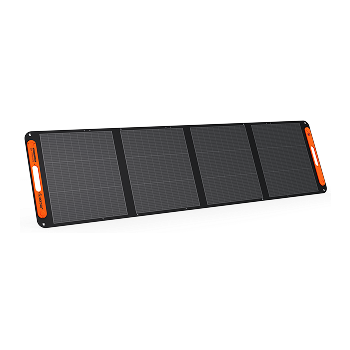


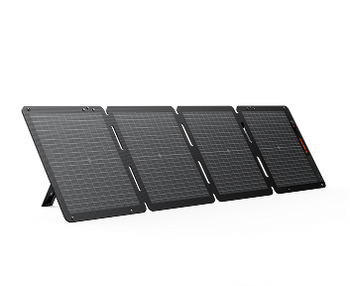
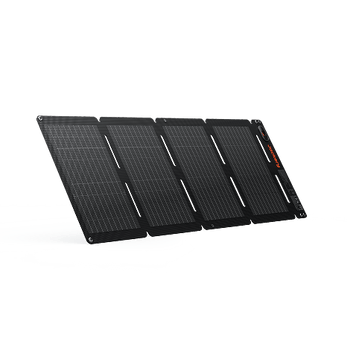





























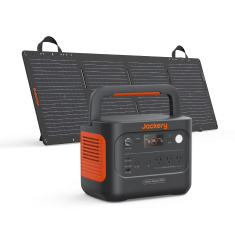

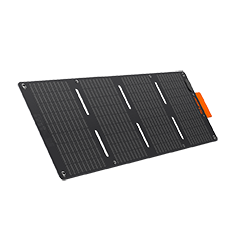
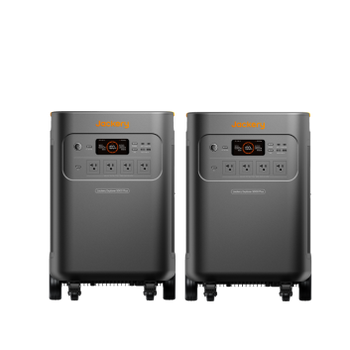





![[Add-on] Jackery SolarSaga 500 X - Jackery](http://www.jackery.com/cdn/shop/files/add-on-jackery-solarsaga-500-x-1493607.webp?v=1786503068&width=324)

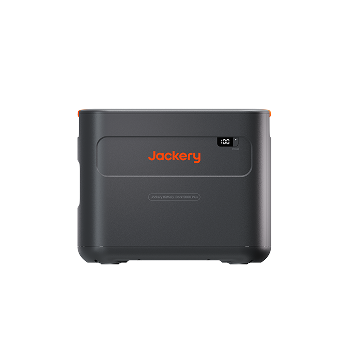
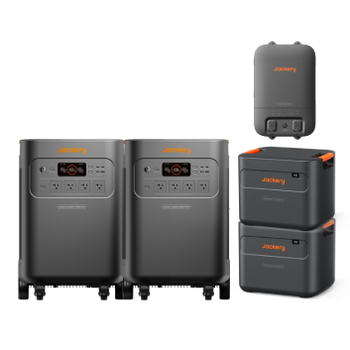
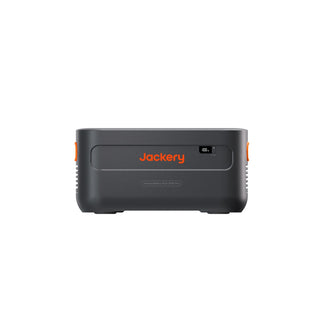
![[Add-on] Jackery Battery Pack 5000 Plus - Jackery](http://www.jackery.com/cdn/shop/files/add-on-jackery-battery-pack-5000-plus-6713401.webp?v=1786503068&width=324)



























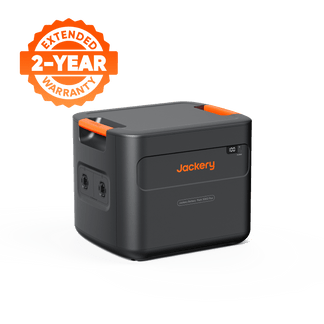

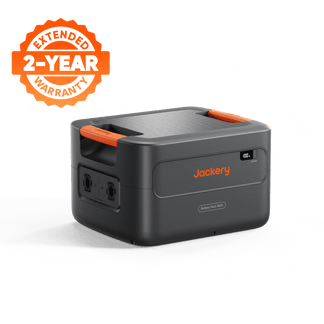

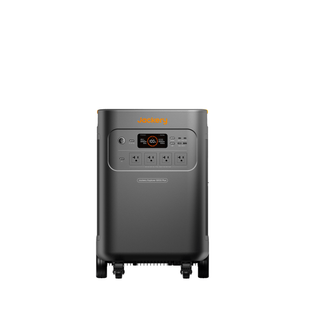
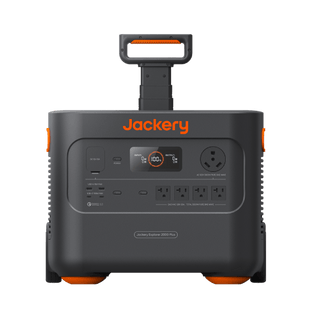
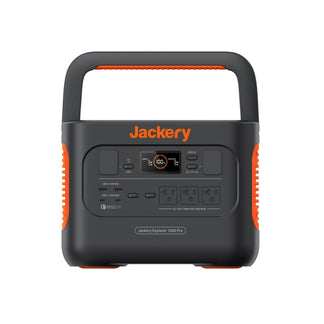
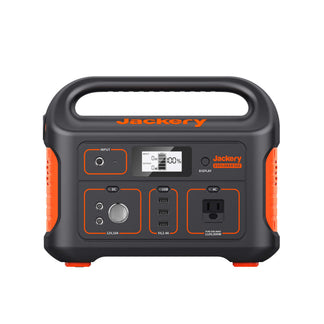
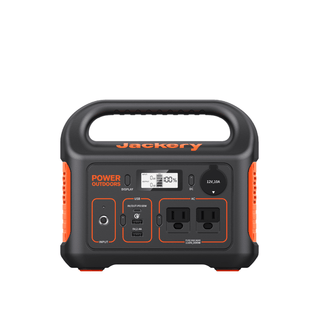
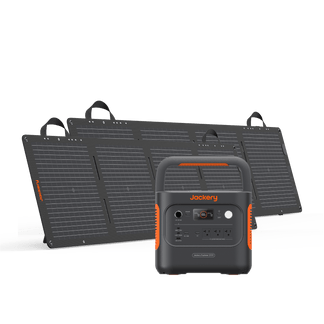
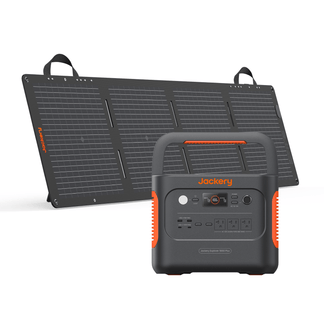

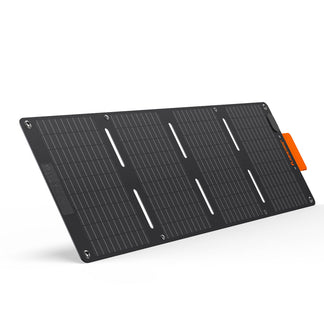
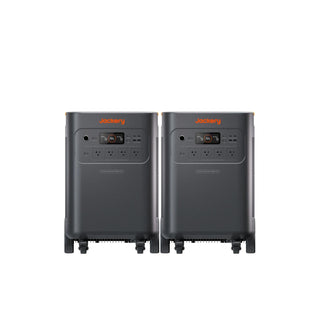
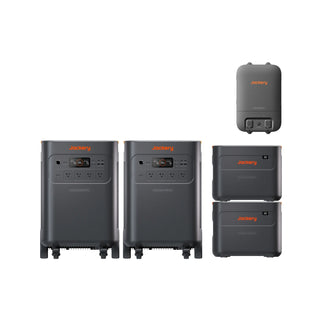
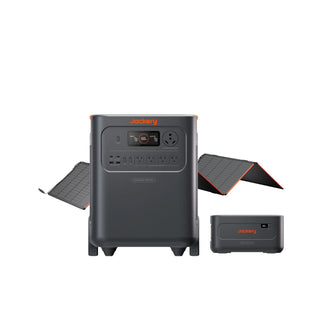
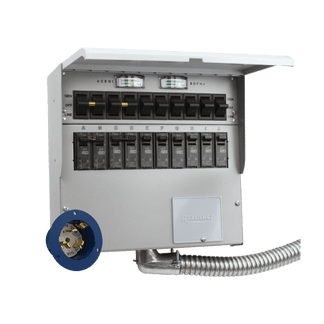


On average, a typical residential solar generator setup costs around $17,000 to $24,000 before incentives. Smaller portable solar generators for RVs and campers are available at much lower price points. Gas generators, on the other hand, can range from $500 to $3,000 for use in the home or an RV. However, with recurring fuel and maintenance costs, the overall price can add up quickly.
When the power goes out or when you are miles from the nearest outlet during an outdoor adventure, you need a reliable solar generator. Jackery Solar Generators have become a go-to solution for homeowners, campers, and travelers alike. These solutions are quiet, portable, and do not rely on fuel to keep you powered. This solar vs. gas generator guide compares both generators in terms of upfront costs, operating expenses, and total savings over time.
Takeaways
- Solar generators may cost more upfront, but they have minimal operating costs, making them a more cost-effective long-term investment for homeowners and outdoor enthusiasts.
- Gas generators are cheaper to buy, but fuel and maintenance expenses add up quickly over time.
- What are the long-term savings of owning a solar generator.
- How long do solar and gas generators last before needing replacement.
Which is Cheaper: Solar Generator vs. Gas Generator?
Gas generators are cheaper upfront, but solar generators can save you more over time, especially if you're using them often.
A basic gas generator for home or RV use typically costs between $500 and $3,000, depending on the brand and output.
|
Gas Generator Type |
Typical Installed Cost |
|
Combined Cycle (Utility) |
$722 per kW |
|
Internal Combustion Engine |
$1,677 per kW |
Source: Natural gas generator construction costs U.S. | Statista
On the other hand, a residential solar generator setup (such as a 7kW system) costs approximately $17,500 to $21,000 before incentives.
|
Solar System Size |
Typical Cost ($2.50 - $3.00 per watt) |
|
5kW |
$12,500 - $15,000 |
|
7kW |
$17,500 - $21,000 |
|
10kW |
$25,000 - $30,000 |
Source: Quarterly Solar Industry Update | Department of Energy
So, if you’re buying on a tight budget or need something just for the occasional outage, gas generators might seem more affordable at first. But when you factor in ongoing fuel expenses, noise, emissions, and maintenance, the numbers start to tilt in favor of solar, especially over several years of use.
What is the Cost of Running a Solar vs. a Gas Generator?
Solar generators cost almost nothing to operate, while gas generators incur ongoing fuel and maintenance expenses.
Once your solar generator is set up, the produced energy is free. Sunlight does not cost a thing, and solar generators with built-in batteries can store energy for later use. There are no fuel bills, oil top-ups, or noisy engines to service. For RV owners and off-grid users, that means true independence without the constant worry of running out of gas.
Gas generators, by comparison, need fuel to operate every time. In 2025, natural gas delivered to power generators costs approximately $3.37 per million British thermal units (Btu), which is up 24% from 2024. For small backup units that run on gasoline or propane, prices can vary more depending on local fuel rates and usage frequency. You’ll also need to budget for engine oil, filters, and occasional repairs.
In early March 2026, disruptions in global oil markets pushed Brent crude above $100 per barrel, and gasoline prices in the United States responded almost immediately. Massachusetts saw pump prices climb about 40 cents in a single week, which is the sharpest increase since 2022. California’s average price approached $5.20 per gallon, while Colorado recorded monthly increases of more than 20%.
The sudden increase in fuel prices directly affects the cost of running a gas generator, because every hour of operation depends on the fuel purchased. When gasoline prices rise, operating expenses rise with them. Solar generators rely on a different energy source. With solar panels capturing energy from sunlight, there is no ongoing fuel purchase and no exposure to fuel market volatility.
When evaluating the total cost of ownership, this difference becomes an important consideration. Beyond the upfront equipment cost, the long-term stability of the energy source can significantly influence how predictable or unpredictable operating costs will be over time. And if you're using a generator regularly, during long RV trips, or frequent outages, solar becomes the more cost-effective option.
|
Factor |
Gas Generator |
Solar Generator |
|
Initial Cost |
$500 - $3000 |
$1,000 - $5,000 |
|
Ongoing Cost |
Fuel and frequent maintenance |
None |
|
Power Output |
1,000-10,000W or higher |
100W - 20,000W |
|
Lifespan |
5-10 years |
Solar panels last for around 25 years and batteries last for around 10 years. |
|
Maintenance |
High |
Minimal |
|
Noise/Emissions |
Loud/Emit toxic fumes |
Silent/No emissions |
|
Use |
Outdoor only |
Indoor and Outdoor |
What are the Long-Term Savings of Owning a Solar Generator?
Solar generators may cost more upfront, but they can save you thousands in fuel and maintenance costs over the years.
Let’s break it down with an example:
Say you invest in a solar generator that costs $20,000. If you use the solar generator regularly for backup power, RV trips, or off-grid stays, you can save money. This is because sunlight is free, which means the running cost is basically zero with no fuel, oil, or heavy upkeep required.
Now let's compare that to a gas generator:
Even a small gas generator might use 1 gallon of gas per hour. If gas costs $4/gallon and you run the generator 5 hours a day, that calculates to around $20/day just in fuel. Using the gas generator for 200 days a year, you’re spending $4,000 a year on gas alone. The cost can quickly increase when you count on the oil changes and maintenance.
How Long Do Solar and Gas Generators Last Before Needing Replacement?
Solar generators can last 10 to 25 years, whereas gas generators typically require replacement within 5 to 10 years.
Most high-quality power stations, like those from Jackery, are built with LiFePO4 battery technology that can last over 10 years with proper use. The solar panels themselves often have a lifespan of more than 25 years. That makes solar generators a long-term solution for anyone looking to invest once and receive benefits for years.
Gas generators don’t last as long. On average, small portable gas generators can run for approximately 1,000 to 2,000 hours before requiring major repairs or a full replacement. If you use the gas generator for 5 hours a day, that gives you around 1 to 2 years of heavy use. Even with light use, most gas generators typically need replacement after 5-10 years, depending on the level of maintenance.
Eco-Friendly Jackery Solar Generators for Different Needs
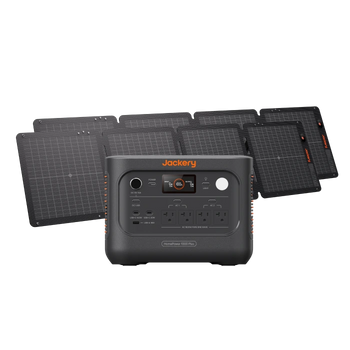
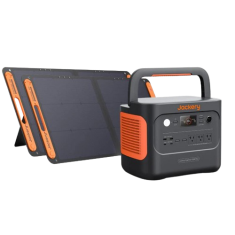
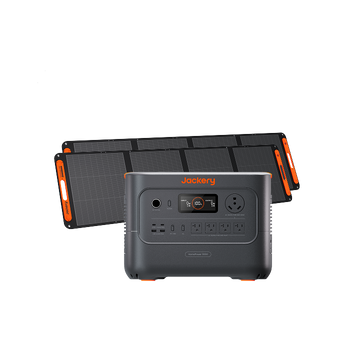
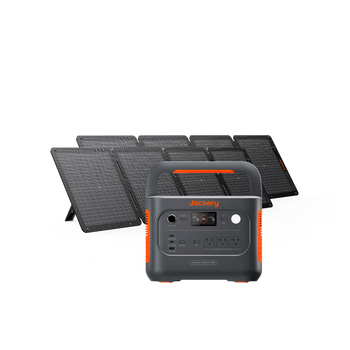
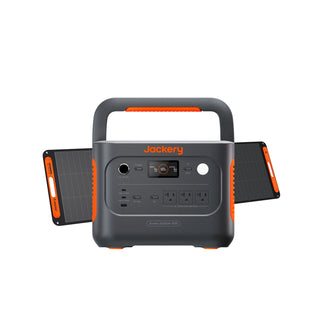
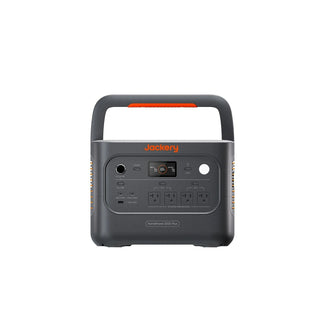
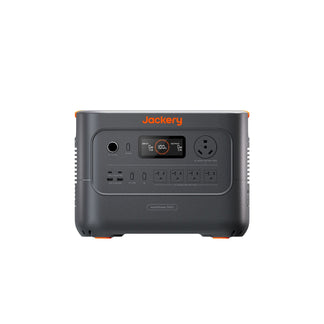
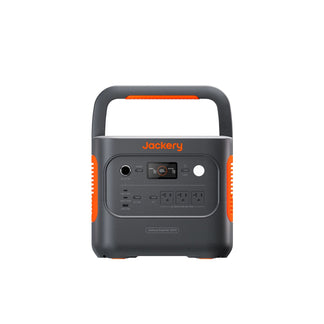
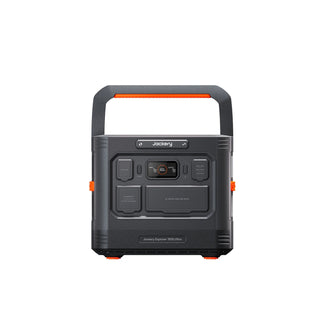
Unlike gas generators, which release harmful fumes and rely on fossil fuels, Jackery Solar Generators run entirely on sunlight. There is no noise, carbon emissions, or fuel storage needed. Jackery Solar Generators are available in various sizes to fit different power needs. You can find a model that can power essential home appliances, keep your devices running on a camping trip, or help you prepare for emergencies.
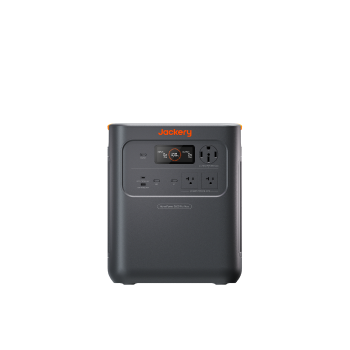
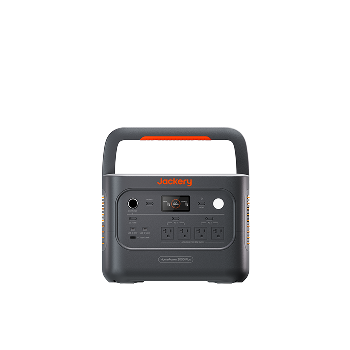
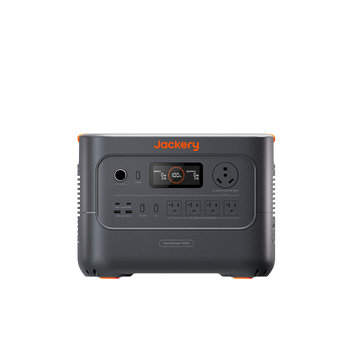
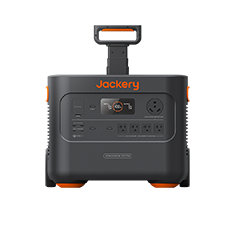
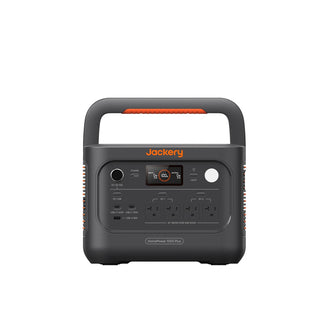
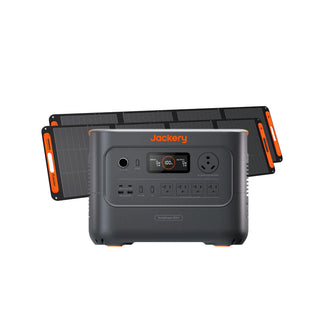
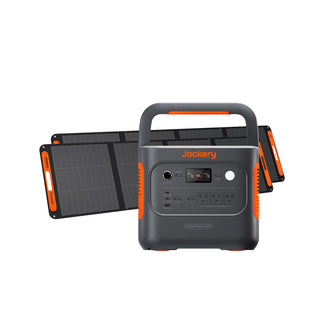
Jackery Solar Generator HomePower 3000
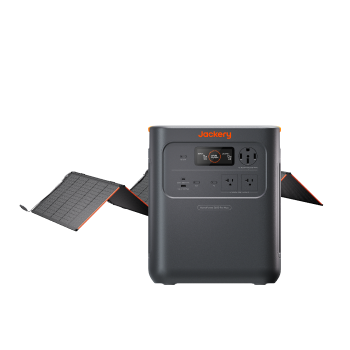
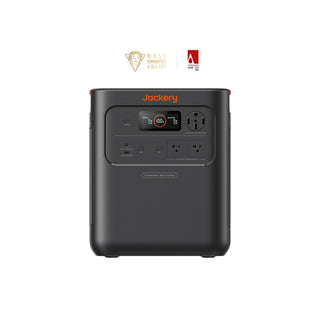
The Jackery Solar Generator HomePower 3000 is an easy home backup solution that can power essential appliances, such as refrigerators, microwaves, and medical devices, during a power outage. At the same time, it is portable and quiet enough so you can use the solar generator in off-grid cabins, camper vans, and weekend camping setups. If you already own a gas generator, you can recharge this home battery backup in just 2.2 hours, allowing you to enjoy clean energy.
Appliances Running Time
Refrigerator (200W) = 11.8H
Coffee Maker (800W) = 3.2H
Electric Oven (700W) = 3.6H
Fan (50W) = 36.3H
 Who Should Buy This
If you need a reliable solar generator that is powerful enough for home backup yet portable enough for RVs and outdoor use, then the Jackery Solar Generator HomePower 3000 sounds like a reliable solution.
Customer Review“Recently purchased the HomePower 3000 unit. We arranged for a test running our fridge/freezer, the router, the TV, and a fan. Ran the test for about 9 hours, and still had about 30% remaining on the battery, so we considered that a success.” — Dave Caplis.
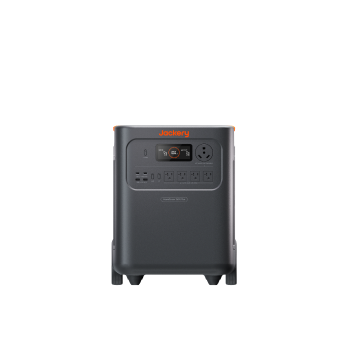
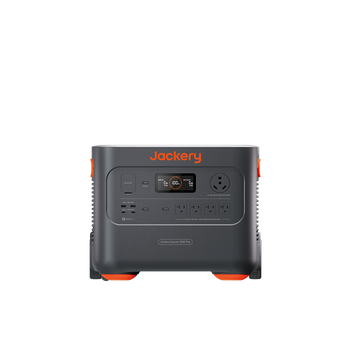
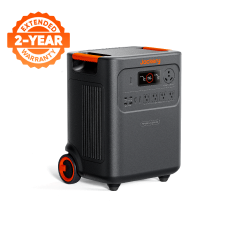
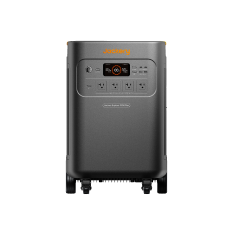
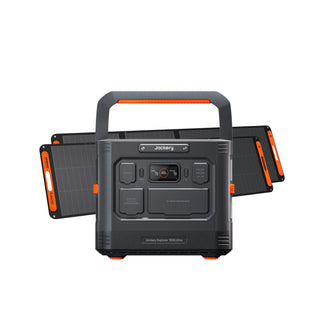
Jackery Solar Generator HomePower 3600 Plus
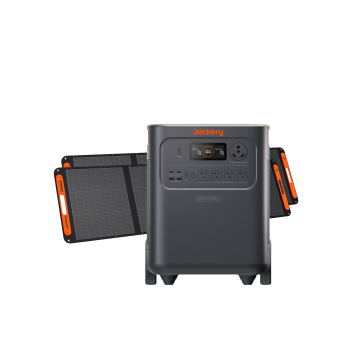
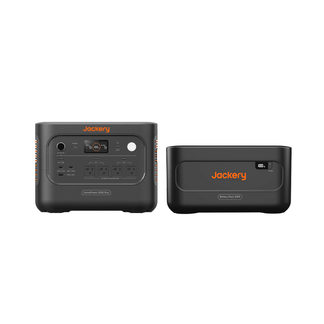
The Jackery Solar Generator HomePower 3600 Plus is an essential home backup solution that can run most appliances, such as refrigerators, well pumps, microwaves, air conditioners, etc. Solar charging is free once the panels are in place, and a full charge takes a few hours. You can expand the battery capacity up to 21kWh without buying a new unit, so your investment grows with your needs. Over time, the absence of fuel costs, oil changes, and engine servicing also makes the long-term math noticeably lower than owning a gas generator.
Appliances Running Time
Refrigerator (200W) = 13.7H
Coffee Maker (800W) = 3.7H
Electric Oven (700W) = 4.2H
Fan (50W) = 42.3H

Who Should Buy This
If the total cost of ownership matters as much as the upfront price and you want power that doesn't keep billing you every time you use it, the Jackery Solar Generator HomePower 3600 Plus is worth the comparison.
Customer Review
I LOVE it so far. It gives me great peace of mind to know that I have it in case of a power failure. It has charged up really well with regular plug-in and with the 200w Jackery panels that I have. It powered both of my refrigerators all day long so far as a test. REALLY APPRECIATE YOU JACKERY!!!!!! Peace of mind is priceless! — Rose M.
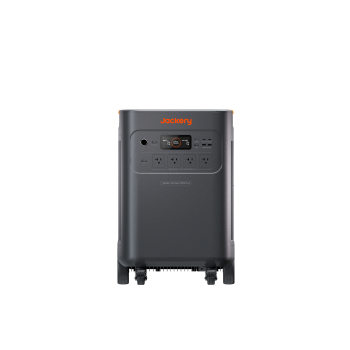
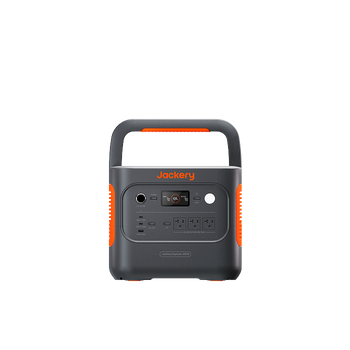
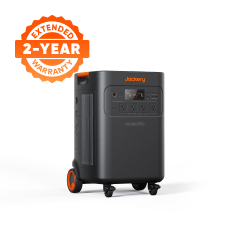
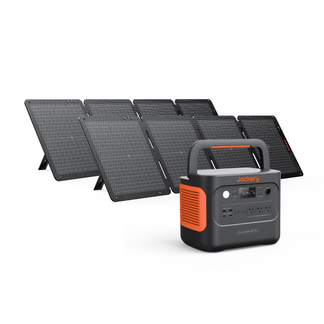
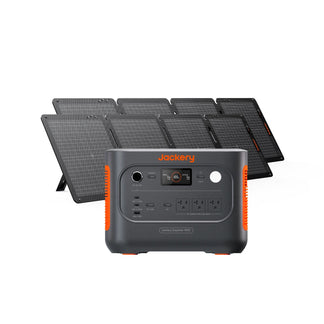
Jackery Solar Generator 5000 Plus
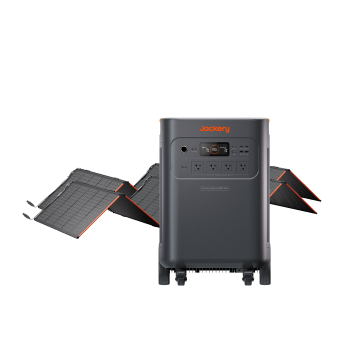
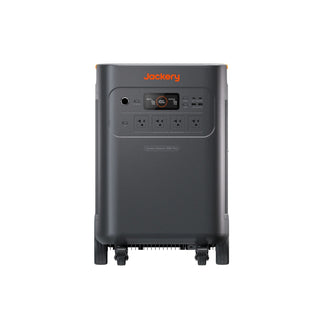
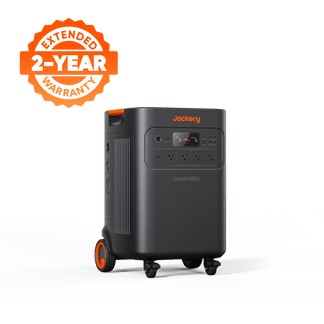
The Jackery Solar Generator 5000 Plus is an essential home backup solution that can run multiple high-wattage appliances at once. It is ideal for home backup, long-term RV stays, or off-grid cabins. With a massive battery capacity, it keeps your home running through extended blackouts. It also charges quickly using solar panels, making it a fuel-free and stress-free alternative to gas generators.
Appliances Running Time
Refrigerator (200W) = 17.1H
Coffee Maker (800W) = 5.0H
Electric Oven (700W) = 5.7H
Fan (50W) = 42.8H

Who Should Buy This
If you need a home battery backup solution that can keep critical appliances powered for extended periods during outages, then the Jackery Solar Generator 5000 Plus is an ideal choice.
Common Questions About Solar vs. Gas Generator Cost
What is the lifespan of a solar-powered generator?
The lifespan of a solar generator that combines solar panels and battery backups typically ranges from 10 to 25 years or even more. However, it may vary depending on component quality, usage patterns, and maintenance practices.
What is the best alternative to a gas generator?
A solar generator is the best clean and low-maintenance alternative to a gas generator. It does not need fuel, runs quietly, and is safer for indoor or remote use.
How many watts to run a house?
A typical home needs around 5,000 to 7,000 watts to run essential appliances. However, the exact wattage required for your home needs will depend on multiple factors, such as the size of the house, the number of family members, and the appliances used.
Should I get a gas or solar generator?
The best choice between a gas and a solar generator depends on your priorities and needs. Solar generators are environmentally friendly, quiet, and have lower running costs. On the other hand, gas generators are more affordable upfront and offer higher power output. However, they require fuel, create noise, and emit pollutants.
Can a solar generator replace a gas generator?
Yes, a solar generator can replace a gas generator, especially for those who need moderate power to run household appliances during power outages. Solar generators are portable and can be carried on outdoor adventures.
Conclusion
Choosing between a solar generator and a gas generator is more than just the initial investment. Gas generators may be cheaper upfront, but they come with ongoing fuel and maintenance costs. They are noisy, require regular maintenance, and rely on resources that are becoming increasingly expensive.
Solar generators may cost more initially, but they save you money in the long run. There is no need to buy fuel, and minimal maintenance is required. You get clean, quiet power for running appliances at home, in an RV, or off the grid. Jackery Solar Generators are powerful and portable solutions that can run most appliances for long hours.


