











![[Add - on] SolarSaga 200W - Jackery](http://www.jackery.com/cdn/shop/files/add-on-solarsaga-200w-4834329.png?v=1754016915&width=324)
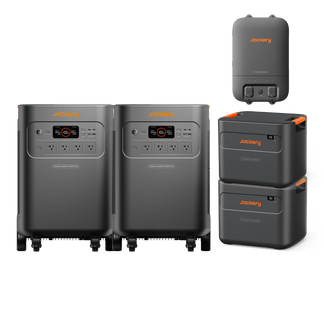
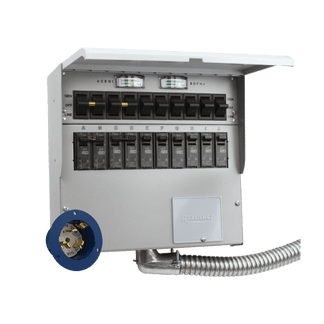


Yes, a solar generator can power a yacht, but only for specific systems and not the entire vessel. Yachts consume a wide range of power, depending on size and equipment, from low-wattage electronics to high-demand systems such as air conditioning and propulsion. Solar generators are well-suited for running essential onboard electronics, backup power, and auxiliary loads, but they are not a replacement for a yacht’s main engine or full marine power system.
A “solar-powered yacht” is often misunderstood. In reality, most yachts rely on a mix of shore power, fuel-based generators, battery banks, and sometimes solar panels. This article explains what a solar-powered yacht actually is, how solar generators compare to fixed marine solar systems, how much power yachts typically use, and where battery backup solutions like Jackery Solar Generators fit realistically into a yacht's power setup.
Takeaways
- A solar-powered yacht is a yacht that uses solar panels to charge batteries for onboard electrical systems, usually as a supplement.
- Solar-powered yachts have permanent, complex solar systems, whereas solar generators are portable, flexible, and better suited for backup power or specific devices.
- Small electronics in yachts may use under 100W, while refrigerators, navigation systems, and lighting can push total usage into the hundreds or thousands of watts. High-load systems like air conditioning and propulsion require far more power than portable solar generators can provide.
- Jackery Solar Generators can power yacht electronics, lighting, navigation gear, communication devices, laptops, and emergency power.
- Solar generators serve as a quiet backup power source for anchoring without shore power, overnight electronics, or as a portable energy solution that doesn’t require permanent installation.
What is a Solar Powered Yacht?
A solar-powered yacht uses marine solar panels to generate electricity instead of fuel. The four primary components of a solar power system include solar panels, an inverter, a charge controller, and a battery. The rechargeable battery and solar panels in the solar system work hand-in-hand.

The solar panels attached to the power station convert the solar energy into electricity while the battery stores it. However, the system requires an additional component called a charge controller to ensure the battery does not receive high voltage.
The inverter converts direct current (DC) into alternating current (AC) to power devices like microwaves, TVs, fridge, or laptops on your yacht. You will have to buy these components separately and set up a solar power system on your boat.
Solar Powered Yacht Vs. Solar Generator For Yacht
As stated above, you will have to buy solar panels, an inverter, a battery, and a charge controller to assemble a solar-powered yacht. However, that's not the case if you use a portable solar generator to power yachts and appliances.
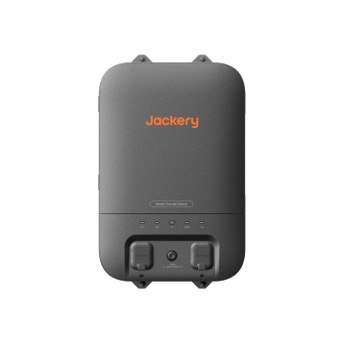
Instead of four separate components, a solar generator consists of solar panels and a power station. The solar power station includes an in-built charge controller, inverter, and a rechargeable battery, so you don't have to set up everything separately.
Below we focus on the pros and cons of each powering solution.
|
Types |
Components |
Pros |
Cons |
|
Solar Powered Yacht |
|
|
|
|
Solar Generator for Yacht |
|
|
May be less efficient on cloudy days. |
Solar Powered Yacht
Yachts powered by solar energy are increasing in demand as they have a less environmental impact and do not emit harmful gases. Below we cover many more benefits and drawbacks of solar power yachts.
Pros
- Solar energy is limitless and free, ensuring you don't rely on fuel.
- Solar-powered boats produce less noise compared to gas-powered ships. Thus, they cause less disturbance to marine life.
- You can power your yacht's battery as long as the sun shines.
Cons
- Adding multiple solar panels can take up much deck space.
- Solar boats work well only on sunny days, especially if you have a small battery.
- The cost of a solar-powered yacht is high as there are four different components.
- Installing a solar yacht can be cumbersome without professional help.
Solar Generator For Yacht
Unlike solar-power yachts, a portable solar generator is an affordable and convenient option to power boat appliances. The lightweight, sturdy design and compact size of the solar generator make it suitable for short trips or extended cruises.

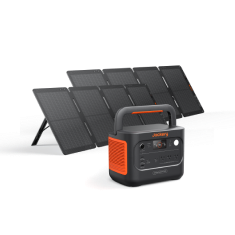
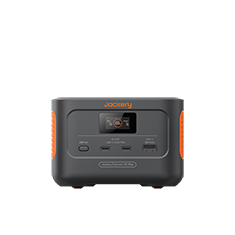
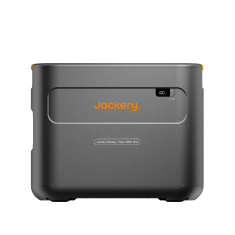
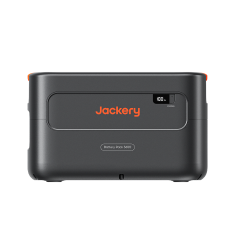
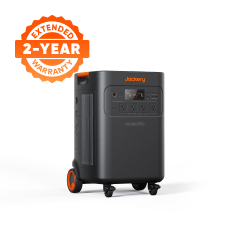
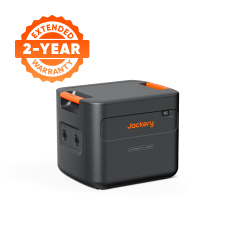
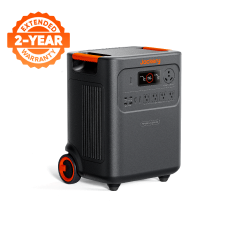
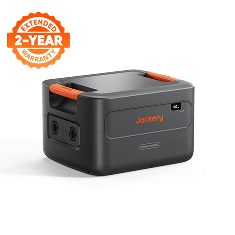
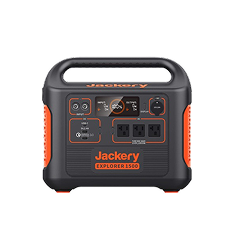
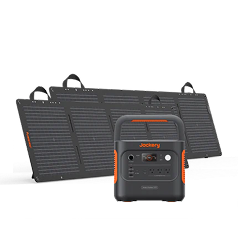
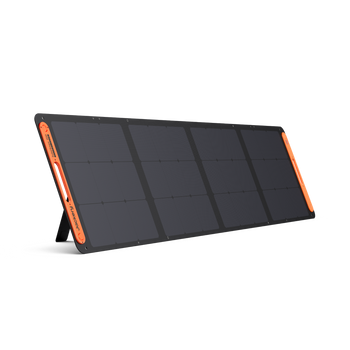
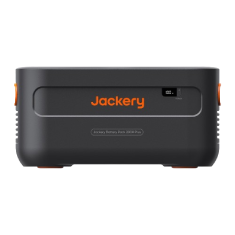
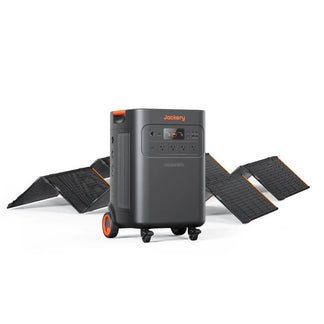
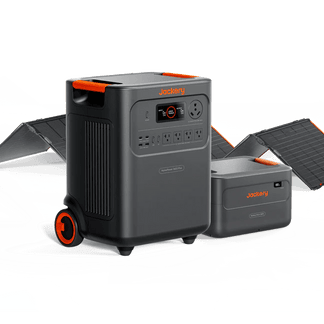
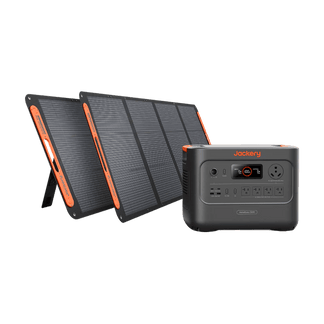
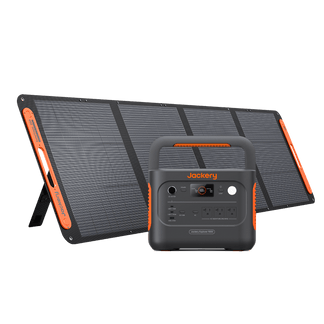
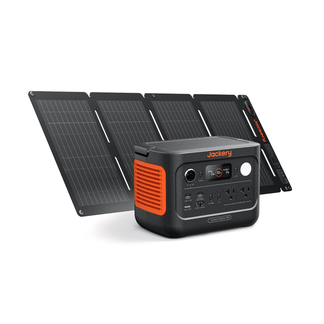
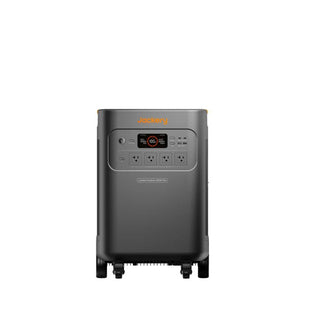
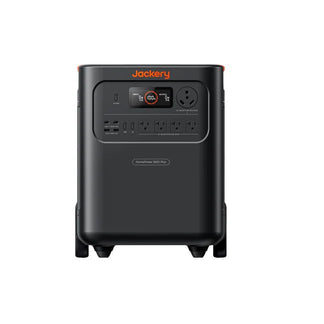
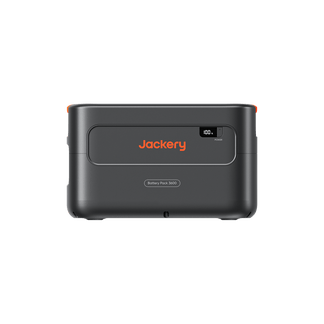
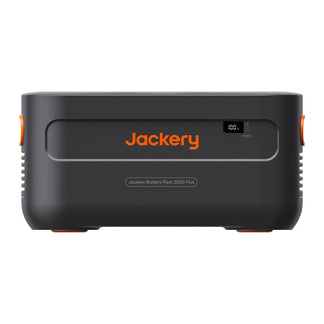
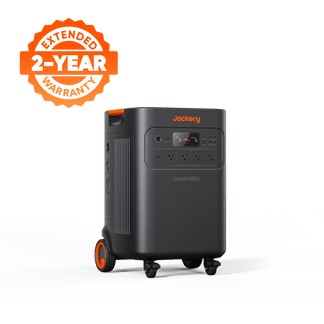
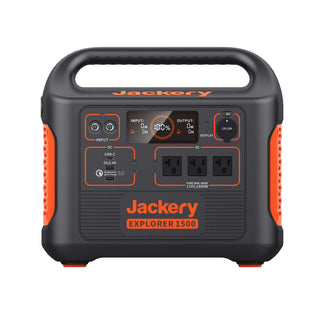
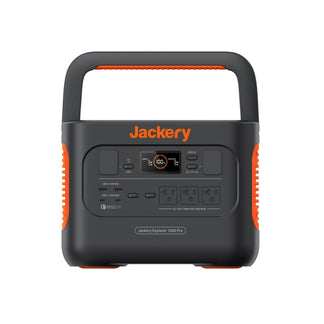
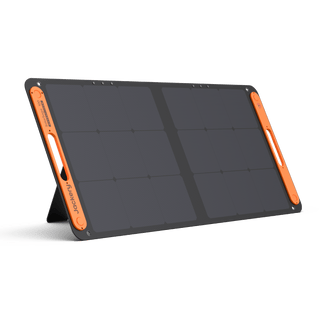
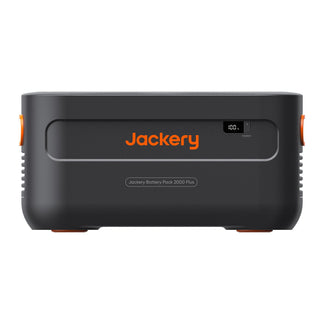
A solar generator consists of solar panels that convert sunlight into electricity and a rechargeable power station that stores it. Jackery Solar Generators are robust enough to meet the power needs of small and extended sails. You can choose Jackery Solar Generators with large capacity to power most yacht appliances for long hours. However, if you want to enjoy an extended cruise and power most of your outdoor devices, you can choose an expandable Jackery Solar Generator 2000 Plus.
Peter Schurke spends his boating trips navigating small vessels through the Arctic waters of Svalbard, where silence, shifting ice, and wind dictate every decision, and reliable power can’t be taken for granted. While guiding boats through fjords and glaciers, he uses a Jackery Portable Power Station paired with foldable solar panels to quietly keep essential devices running, including navigation tools, his phone, camera, and drone. The setup gives him just enough dependable energy to work safely and document the rapidly changing Arctic landscape without engine noise or fuel. Read more such Jackery Stories showing how people use solar generators for outdoor and even home backup.
Pros
- Solar generators do not require any installation. All you need to do is connect the panels to the power station and start charging the yacht.
- They produce clean energy to reduce environmental impact and carbon footprint.
- As solar generators do not have any moving parts, they operate silently and require low maintenance.
- Multiple output ports enable you to run numerous electrical devices simultaneously.
Cons
- Solar generators convert less sunlight into electricity on cloudy days.
How Many Watts Does a Yacht Use?
A yacht’s power usage varies widely by size and equipment, but most recreational yachts consume 300 - 1,500 watts for basic onboard systems like lighting, navigation electronics, refrigeration, and communication devices, while larger yachts with air conditioning, electric cooking, or water makers can draw 3,000 watts or more when those systems are running.
A watt is a unit that measures the rate at which electrical energy is used by an appliance, while an amp is the amount of electrical current flowing through the circuit. In simple words, electrical power is measured in watts, whereas amps measure the electric current.
Formula: Watts = Volts × Amps
The exact number of watts a yacht consumes will depend on several factors, including the boat's size, the number and type of appliances, and the time you use them. However, you can expect a small yacht to consume nearly 500 watts. On the other hand, a larger boat may use more than 3000 watts.
Daily Navigation:
|
Equipements |
Consumption |
Use |
Consumption |
||
|
Watt (12V) |
Amp |
Hours |
Watt-hour |
Amp-hour |
|
|
Comfort |
|
||||
|
Refrigerator |
42 |
3.5 |
6 |
252 |
21 |
|
Water under pressure |
72 |
6 |
1 |
72 |
6 |
|
Music |
12 |
1 |
2 |
24 |
2 |
|
Electronic |
|
||||
|
Pilot |
60 |
5 |
2 |
120 |
10 |
|
GPS card reader |
24 |
2 |
3 |
72 |
6 |
|
VHF broadcast |
48 |
4 |
0.1 |
4.8 |
0.4 |
|
VHF watch |
0.96 |
0.08 |
10 |
9.6 |
0.8 |
|
Central Navigation |
24 |
2 |
2 |
48 |
4 |
|
Sounder |
12 |
1 |
2 |
24 |
2 |
|
Total average consumption for daily navigation |
626.4 Wh |
52.2 Ah |
|||
Coastal Navigation:
|
Equipements |
Consumption |
Use |
Consumption |
||
|
Watt (12V) |
Amp |
Hours |
Watt-hour |
Amp-hour |
|
|
Lightning |
|
||||
|
Square |
24 |
2 |
4 |
96 |
8 |
|
Cabins |
24 |
2 |
1 |
24 |
2 |
|
Cockpit |
24 |
2 |
1 |
24 |
2 |
|
Bathroom |
24 |
2 |
0.5 |
12 |
1 |
|
Mooring |
12 |
1 |
8 |
96 |
8 |
|
Comfort |
|
||||
|
Fridge |
42 |
3.5 |
16 |
672 |
56 |
|
Water under pressure |
96 |
8 |
0.5 |
48 |
4 |
|
Electronic |
|
||||
|
VHF watch |
0-96 |
0.08 |
24 |
23.04 |
1.92 |
|
VHF broadcast |
48 |
4 |
0.15 |
7.2 |
0.6 |
|
Sounder |
12 |
1 |
1 |
12 |
1 |
|
Computer / TV |
48 |
4 |
2 |
96 |
8 |
|
Total average consumption for coastal navigation |
1110 Wh |
92Ah |
|||
Offshore Navigation:
|
Equipment |
Consumption |
Notes |
|
|
Watt (12V) |
Amp |
||
|
VHF |
3 |
0.25 |
Standby |
|
GPS |
6 |
0.5 |
Without cartography |
|
Handset |
24-48 |
2-4 |
Next screen size |
|
Radar |
25-48 |
2-4 |
Next power |
|
Power plant |
12-48 |
1-4 |
Next number display |
|
Pilot |
48-72 |
4-6 |
Next power |
|
AIS |
6 |
0.5 |
|
|
Computer |
24-48 |
2-4 |
Next screen |
|
Fridge |
42 |
3.5 |
|
|
Navigation lights |
24 |
2 |
Reduced with LED |
|
Floodlight |
48 |
4 |
Reduced with LED |
|
Water under pressure |
72 |
6 |
|
|
Lighting |
24-60 |
2-5 |
Reduced with LED |
How Much Does It Cost To Power A Yacht?
The cost you will spend to power your solar yacht will depend on vessel size, the energy you use, and the type of appliances you use on your boat.
A 200-watt solar panel can cost somewhere between $650-700. If you require 10 solar panels to power a 2000-watt yacht, you'll have to spend approximately $7000. The additional components, like a charge controller, rechargeable battery, and inverter, may cost around $3000.
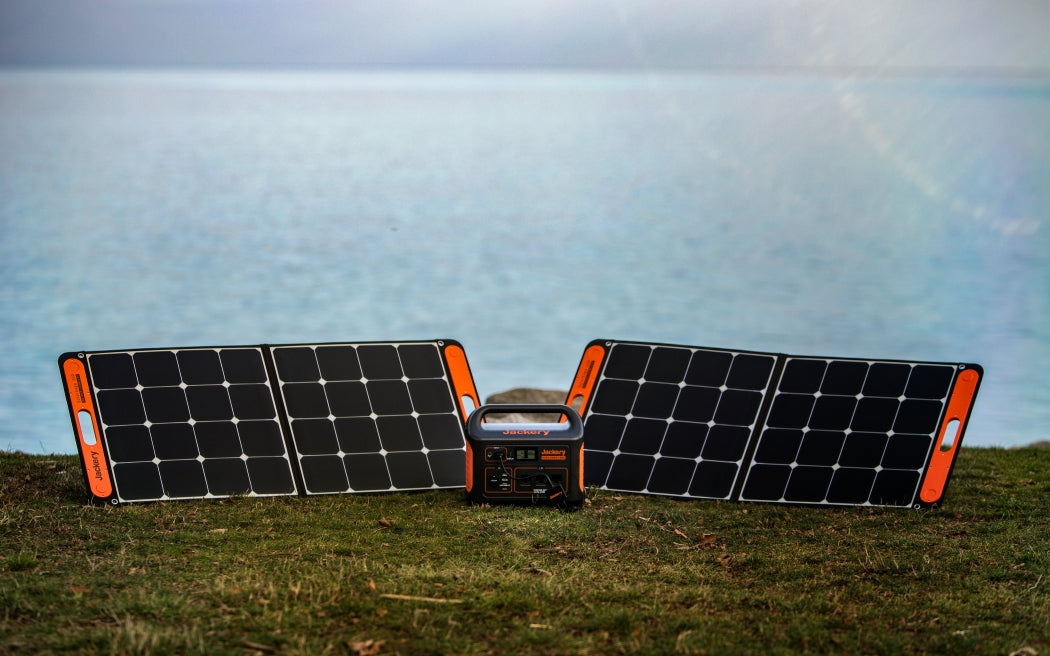
On the contrary, you can easily purchase a high-quality, marine-grade solar generator that generates similar power for around $3000-4000. That is half the total cost of installing a solar-powered yacht.
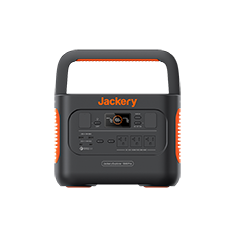
The Jackery Solar Generator 2000 Plus offers a practical alternative to fuel-based generators for yacht owners who need quiet, low-maintenance power onboard. Unlike gasoline generators, it runs without noise, fumes, or fuel storage, making it suitable for charging navigation equipment, onboard electronics, and essential appliances while anchored or docked. It pairs the Jackery Explorer 2000 Plus with high-efficiency solar panels, allowing you to generate power onboard without relying on fuel or shore power.
How Much Solar Power Does A Yacht Need?
A solar yacht generally requires 500-5,000 watts, depending on its size. For example, if your solar-powered yacht consumes 1000 watts, you'll have to install 5*200 watts. On the other hand, if the boat requires 5000 watts, you have to install 25*200 watts.
Fortunately, a solar generator saves deck space by reducing the number of solar panels. To power a yacht that consumes 1000 watts, you can choose Jackery Solar Generator 2000 Plus with a battery capacity of 2042.8Wh. It is compact in size and a portable solution to meet most power needs.
Below are the watt requirements of the yacht devices, so you can choose the right size solar generator.
|
Yacht Devices |
Watts |
Length of Time |
Solar Energy Needed |
|
Fridge |
42W |
6H |
252Wh |
|
Water under pressure |
72W |
1H |
72Wh |
|
Music |
12W |
2H |
24Wh |
|
Fan |
70W |
8H |
560Wh |
|
Microwave |
1200W |
30 Min |
600Wh |
|
LED Light bulb |
25W |
6H |
150Wh |
|
Navigation panel |
2W |
8H |
16Wh |
|
TOTAL WATTS USED |
1,674Wh |
||
Jackery Solar Generator For Yacht
If you are looking for a solar generator that works efficiently and runs most yacht appliances, choose Jackery Solar Generators. The marine-grade products from Jackery are safe, reliable, and efficient solutions to power yachts and boats.

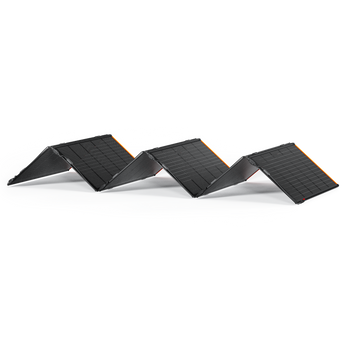
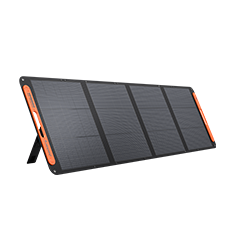
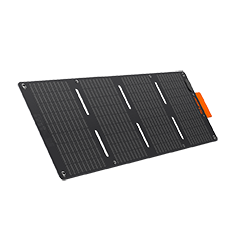
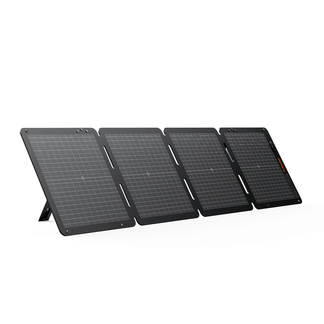
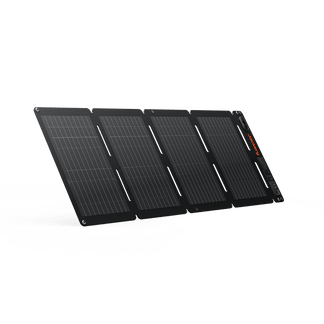
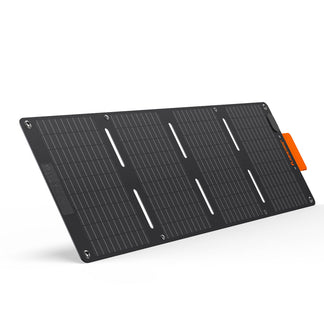
The best part about Jackery Solar Generators is that you don't have to worry about finding the proper solar charger. The efficient Jackery SolarSaga Solar Panels are built with monocrystalline silicon solar cells that can work to convert maximum sunlight and generate electricity.
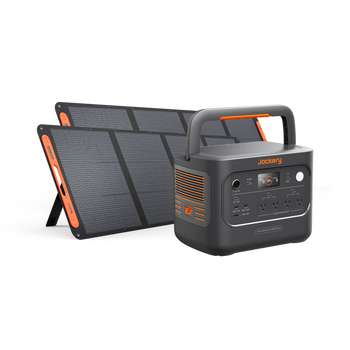
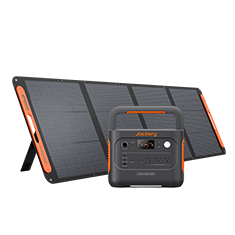
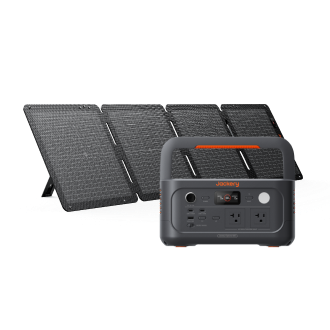
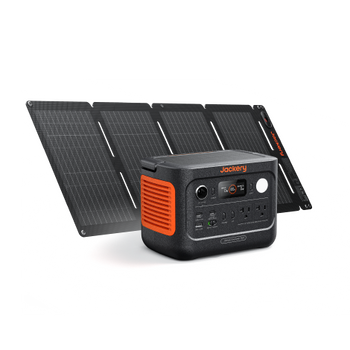
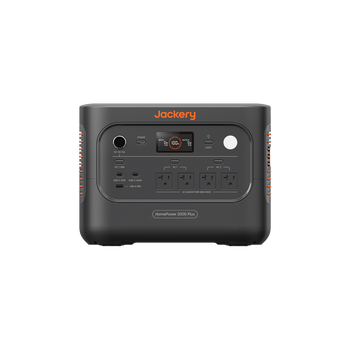
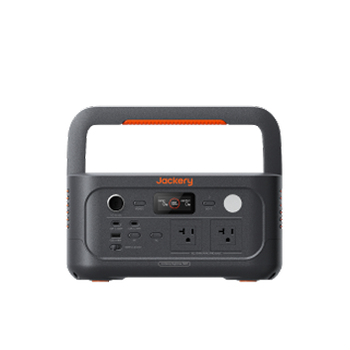
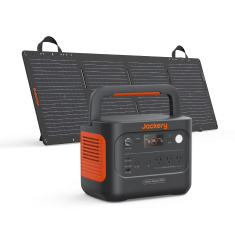
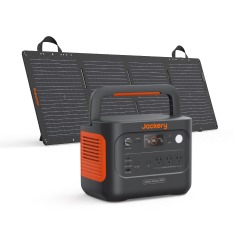
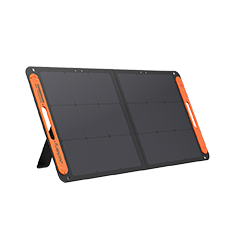
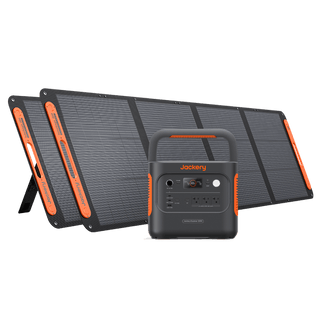
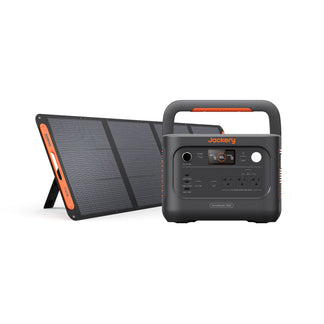
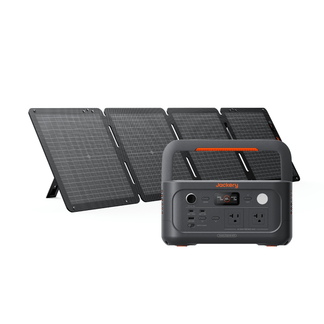
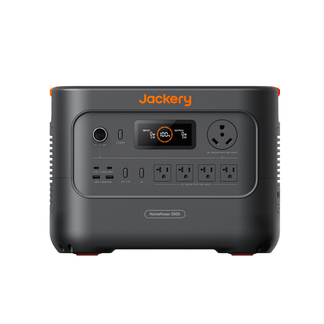
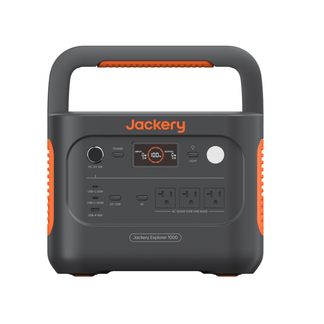
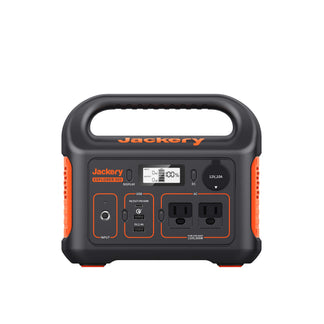
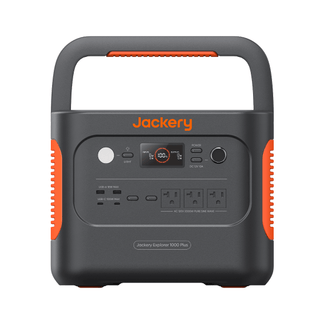
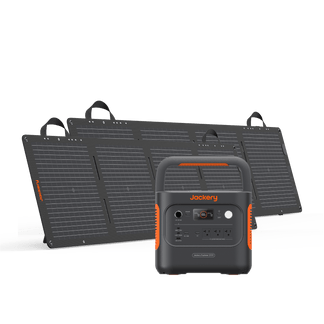
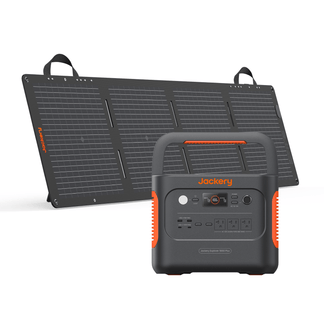
You can consider investing in Jackery Solar Generator 2000 Plus with multiple ports to power yacht appliances. On the other hand, Jackery Solar Generator 1000 Plus Roam Kit can power most devices efficiently and the Jackery SolarSaga 100 Prime Solar Panels can be installed on the boat.
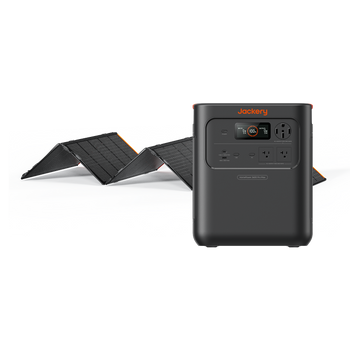
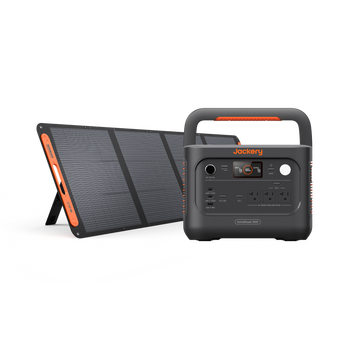
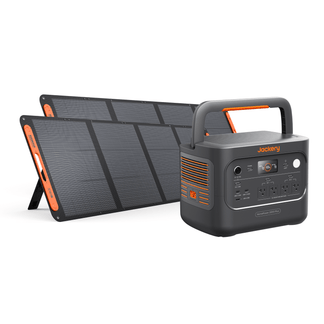
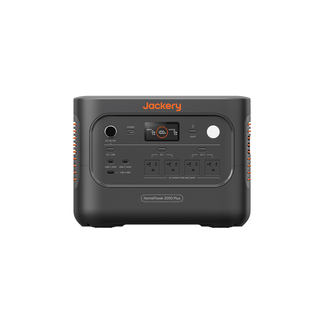
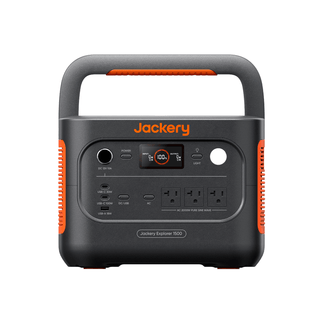
Jackery Solar Generator 1000 Plus Roam Kit
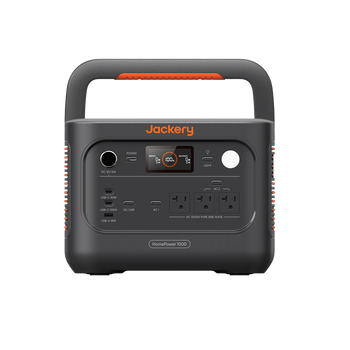
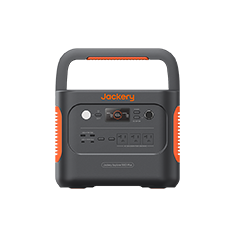
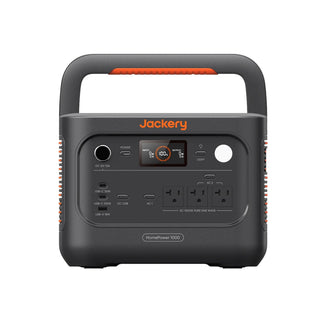
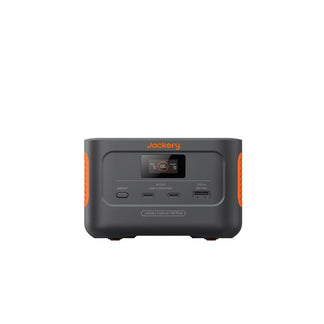
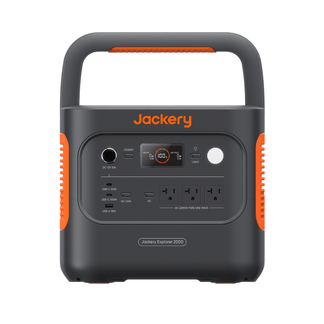
The Jackery Solar Generator 1000 Plus Roam Kit is designed for lighter onboard power needs and mobility. It’s suitable for charging navigation devices, radios, phones, tablets, laptops, and small electronics commonly used on yachts. It works well for short trips, day sailing, or as a dedicated backup unit stored onboard. The bundle includes the Jackery SolarSaga 100 Prime Solar Panels that can be installed on yachts so you can use solar power to recharge the battery.
Appliances Running Time
- Marine Refrigerator (100W) = 8.8H
- TV (100W) = 8.8H
- Small Microwave (800W) = 1.3H
- Coffee Maker (800W) = 1.3H
- Cabin & Deck Lighting (50W) = 15.2H
Who Should Buy This
If you want a lightweight solar generator to run essential appliances, with solar panels that can be installed on yachts, you can consider going ahead with the Jackery Solar Generator 1000 Plus Roam Kit.

Customer Review
When I got this, I thought I'd put it to the test and plug in my refrigerator at 350W. At this wattage, Jackery's estimation was just under three hours. Plugged in my refrigerator at 7:30 a.m., pulled the plug at 7:30 p.m. with 59% battery life left........and I can add 2 more battery packs to this system. Incredibly happy with my purchase
— Dan R.
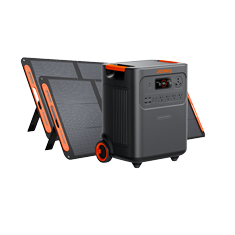
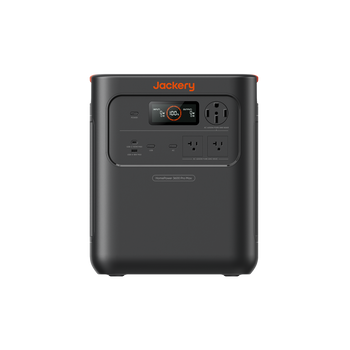
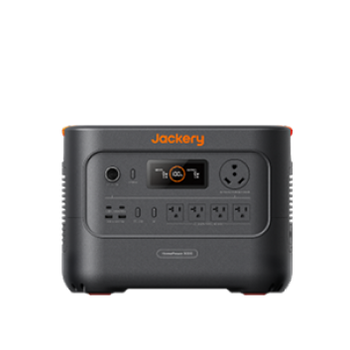
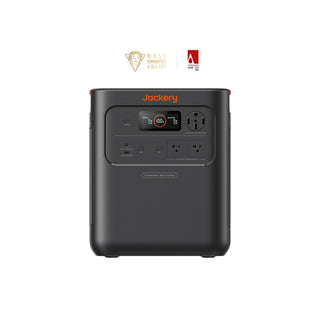
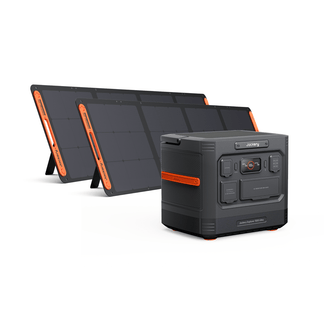
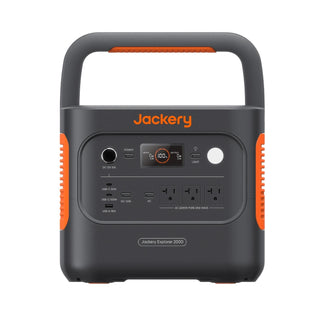
Jackery Solar Generator 2000 v2
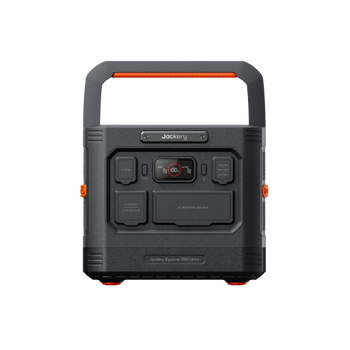
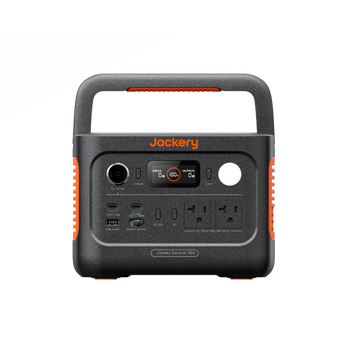
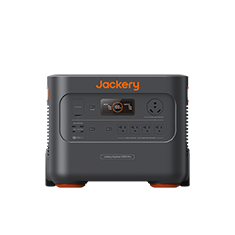
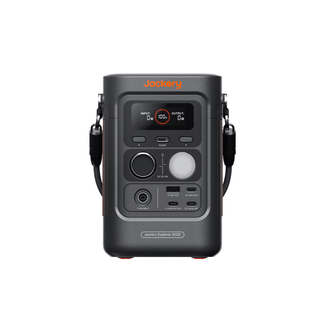
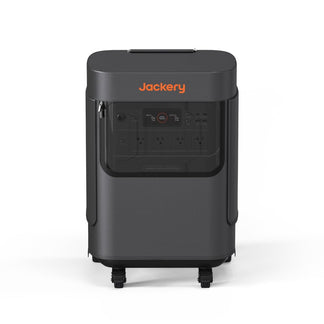
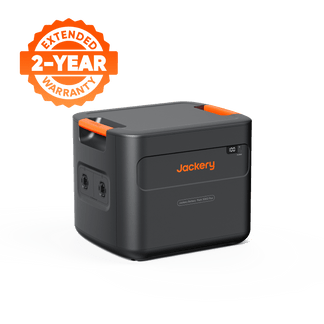
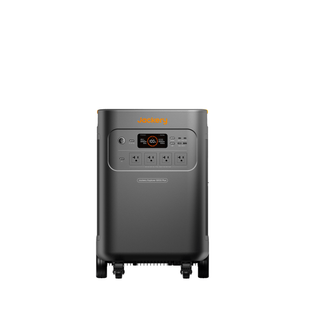
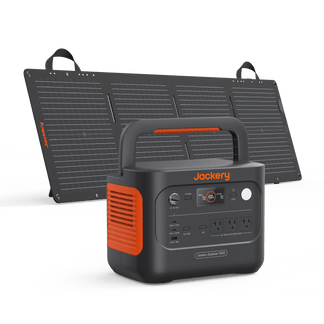
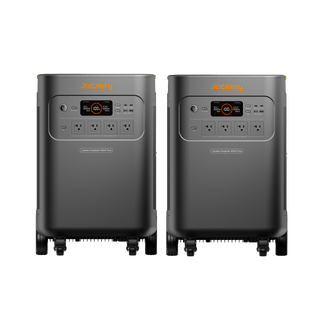
The Jackery Solar Generator 2000 v2 is well-suited for powering a yacht’s essential electrical appliances while anchored or away from shore power. It can handle navigation electronics, lighting, communication devices, laptops, small refrigerators, and charging needs without noise or exhaust. For most mid-size yachts, it works as a reliable auxiliary power source rather than a full onboard power replacement. It's the lightest and smallest 2kWh LFP solar generator and features a foldable handle for easy transportation.
Appliances Running Time
- Marine Refrigerator (100W) = 14.2H
- TV (100W) = 14.2H
- Small Microwave (800W) = 2.0H
- Coffee Maker (800W) = 2.0H
- Cabin & Deck Lighting (50W) = 24.6H
Who Should Buy This
If you want silent power for navigation, lighting, and electronics with a reliable battery backup solution, you can consider the Jackery Solar Generator 2000 v2.

Customer Review
I found this generator to be well built and extremely reliable with the power and long-lasting energy it provides…Awesome, simply awesome!!!
— Paul T.
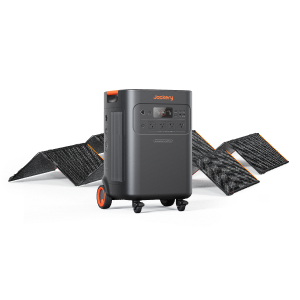
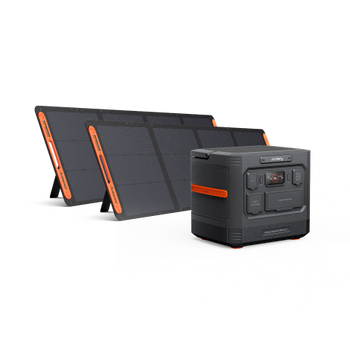
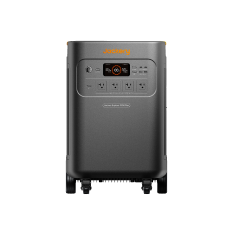
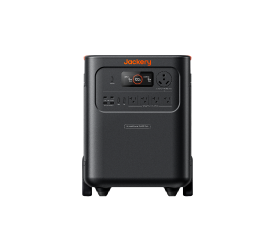
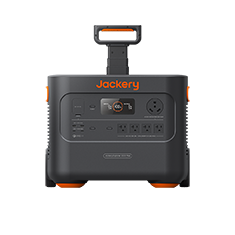
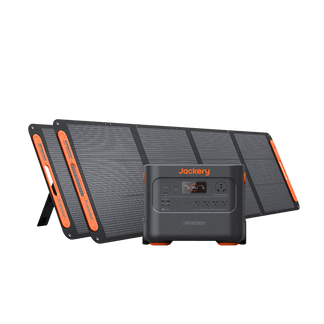
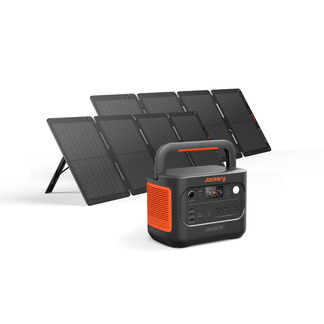
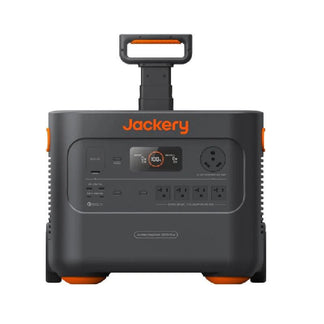
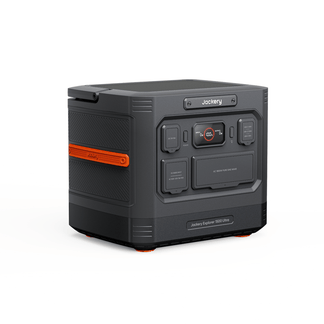
Jackery Solar Generator 2000 Plus
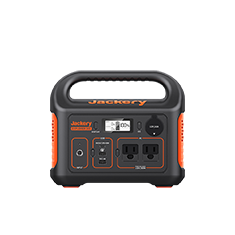
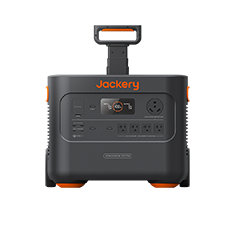
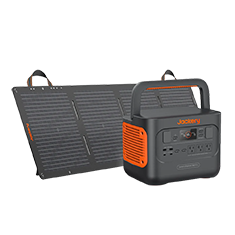
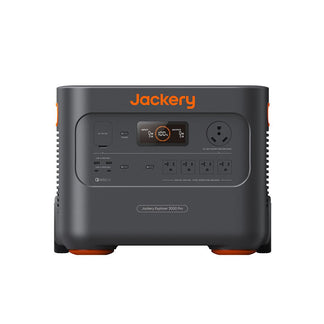
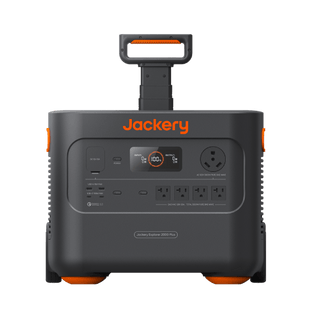
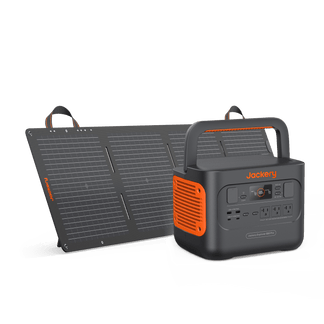
The Jackery Solar Generator 2000 Plus is built for yacht owners who want flexibility and scalability. It can support extended anchoring with multiple devices running, including refrigeration, navigation systems, lighting, laptops, and other onboard electronics. It operates quietly and without fumes, which is a major advantage in marinas and overnight anchorages. Its expandable design makes it suitable for larger yachts or longer stays where energy needs grow over time.
Appliances Running Time
- Marine Refrigerator (100W) = 14.2H
- TV (100W) = 14.2H
- Small Microwave (800W) = 2.0H
- Coffee Maker (800W) = 2.0H
- Cabin & Deck Lighting (50W) = 24.6H
Who Should Buy This
If you want marine and boat batteries that can run essential appliances for long hours and can also be expanded with the help of battery packs, you can consider the Jackery Solar Generator 2000 Plus.

Customer Review
Fantastic - easy to use and runs our cabin like a pro! I was expecting the 2000 plus to work well, but the plug-and-play nature of the system, as well as the simple interface, exceeded my expectations!!!
— Robert C.
Solar Powered Yacht FAQs
What size of solar generator do I need to power a yacht?
The right size of the solar generator you need depends on how much power you need and for how long. For basic onboard electronics like navigation systems, lights, laptops, and communication devices, a 1,000–2,000W solar generator is usually sufficient. If you want to run higher-load appliances such as refrigerators, multiple devices at once, or overnight systems while anchored, you’ll need a 2,000W expandable generator.
You can use the runtime calculator available in the Jackery Buying Guide to get realistic runtime estimates based on your usage. Visit the Jackery Buying Guide page and scroll down to find the calculator. Then, choose the Jackery model and enter the wattage of the appliances you want to run. Click Enter to get an estimated runtime.
How many solar panels do I need for my yacht?
The exact number of solar panels will depend on the watt requirement of your yacht. If your ship consumes 2000 watts, you'll have to install 20*100 watts solar panels.
Instead of installing multiple solar panels, you can choose Jackery Portable Power Station and Jackery SolarSaga Solar Panels. The combination of the power station and solar panels can run yacht appliances for long hours.
How to go solar on your yacht?
Here are a few points to follow if you want to go solar.
- Calculate the daily energy consumption and decide how much power you'll need.
- Choose the right solar panels that can convert maximum energy into electricity.
- Identify the right location where the solar panels will receive maximum sunlight exposure.
- Install the solar power panels in series or parallel using mounting brackets.
- Connect solar panels to the yacht's battery bank via wires and install a charge controller to prevent overcharging.
On the contrary, if you use a portable Jackery Solar Generator, you don't have to install multiple components. Instead, you can connect the solar panels to the power station, which will run the yacht appliances.

Final Thoughts
Solar energy is a reliable and consistent source of power that is efficient for charging solar-powered yachts. Not only does the solar generator power the boat, but it also helps you power other appliances like mini-fridges, coolers, or electric stoves.
Investing in a portable solar generator means you have a power source to run appliances during outdoor activities like camping, hiking, etc. Jackery Solar Generators can keep your gear powered when you are out on the water.
All in all, a solar generator will ensure you don't miss any land pleasures. Whether playing games on a console or heating food in the microwave, you can do it all with the sun's power.


