










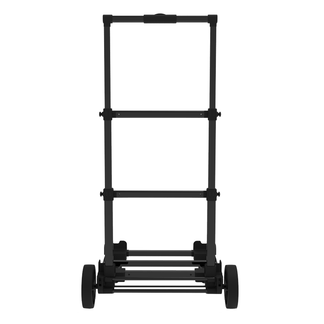
![[Add-on] Jackery SolarSaga 500 X - Jackery](http://www.jackery.com/cdn/shop/files/add-on-jackery-solarsaga-500-x-1493607.webp?v=1786503068&width=324)
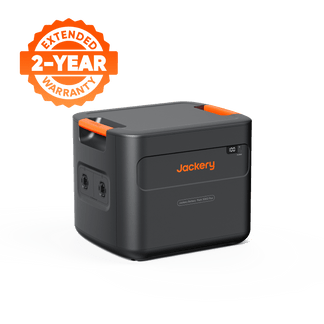
![[Add-on] Jackery Battery Pack 5000 Plus - Jackery](http://www.jackery.com/cdn/shop/files/add-on-jackery-battery-pack-5000-plus-6713401.webp?v=1786503068&width=324)








Quick Answer: A battery backup for power outage during hurricane season stores electricity and automatically powers essentials like refrigerator, lights, Wi‑Fi, and phones when the grid fails — silently, with no fuel and instant transfer. A 3–5 kWh system sustains core loads for a typical 24–72-hour outage, but first measure actual appliance usage to avoid buying too small or oversized.
Key Takeaways
- Multi-day outages can cost hundreds of dollars in spoiled food and emergency lodging — making battery backup a practical investment, not a panic buy.
- A 3–5 kWh battery backup sustains essential loads (fridge, lights, router, phone charging) for 12–24 hours without solar recharging, but overcast hurricane days reduce solar input by 80–90%.
- LiFePO₄ chemistry delivers 3,000–5,000 charge cycles, lasting 10–15 years with proper maintenance, and operates safely indoors with no fumes.
- Battery backups require no fuel storage and produce no exhaust, solving the fuel scarcity problem when gas stations close before hurricanes and run out afterward.
- Expandable battery systems allow homeowners to start with essential coverage and add capacity before each hurricane season, scaling from 3–5 kWh to 10+ kWh.
What Makes Hurricane Power Outages Different from Regular Blackouts
Storm-related outages last significantly longer than typical grid failures — often 2–5 days, with major hurricanes leaving millions without power for over a week. [3] Grid damage from high winds, flooding, and falling trees affects entire regions, so utility restoration is delayed by infrastructure repair rather than simple grid resets.
Fuel supply chains are disrupted during hurricanes, making gasoline and propane generators unreliable after the first 24–48 hours of operation. [1] Gas stations close before the storm and often run out of fuel afterward, leaving generator owners stranded.
Safety concerns with gas generators include:
- Carbon monoxide poisoning — responsible for over 100 hurricane-related deaths annually [2]
- Fire risk from fuel storage
- Theft during evacuations
Battery systems address these unique challenges by operating silently indoors, requiring no fuel delivery, and providing instant power restoration without manual setup.
How to Calculate Your Essential Power Needs for Hurricane Season
You start by identifying critical loads:
- Refrigerator: 150–800 W running, 1,200–2,400 W surge
- LED lights: 10–30 W
- Wi‑Fi router: 10–20 W
- Phone charging: 15–25 W
- Portable fan: 40–75 W
Add any must‑run medical or work‑from‑home equipment, but remember that high‑draw appliances like central AC are out of reach for portable battery systems.
Calculate total daily watt‑hours by multiplying each appliance’s running watts by estimated hours of use. A typical essential‑load setup consumes 1,500–3,000 Wh per day.
(Running Watts × Hours Used) ÷ 1,000 = Daily kWh
Example: A 200 W fridge running 8 hours and a 10 W router running 24 hours: (200 W × 8 h) + (10 W × 24 h) = 1,600 Wh + 240 Wh = 1.84 kWh.
After calculating your daily kWh, account for these factors:
- Surge power: Refrigerators and well pumps draw 3–5× their running wattage for 1–3 seconds during startup, so the inverter must have sufficient surge capacity.
- Safety margin: Add 20% to your calculated capacity to cover inverter efficiency losses (typically 85–95%) and unexpected loads during extended outages.
- Outage duration: Match battery capacity to outage length — a 2–3 day hurricane outage needs 3–6 kWh of usable capacity for essential loads, while longer events may require 6–12 kWh.
For more detail on sizing, see our guide on choosing the right solar generator size.
Battery Backup vs. Gas Generator: Which Is Right for Hurricane Preparedness?
Fuel availability is the deciding factor. Gas stations close before hurricanes and run out of fuel afterward, while battery backups store energy from the grid or solar panels without ongoing fuel dependence. [1] If you can’t count on a steady fuel supply, a battery system is the more reliable choice.
Indoor safety favors battery systems. Gas generators must be placed at least 20 feet from homes to prevent carbon monoxide poisoning — impossible during flooding or high winds. Battery backups run silently indoors with no exhaust.
Runtime comparison shows gas generators can run continuously with refueling, while battery backups provide 12–48 hours of essential power before needing recharging from solar panels or a generator. For multi‑day outages, pairing a battery with solar panels extends runtime significantly.
Maintenance requirements differ dramatically. Gas generators need oil changes every 50–100 hours, spark plug replacements, and fuel stabilizer, while battery systems require only occasional cleaning and firmware updates.
Total cost of ownership over 10 years favors batteries for moderate use. Gas generators cost $500–$2,000 upfront but require $200–$500 annually in fuel and maintenance, while battery backups cost $1,500–$5,000 with minimal ongoing expenses. For a deeper comparison, read home backup power system: generator vs. battery.
Factor |
Battery Backup |
Gas Generator |
Fuel dependence |
None — grid/solar recharge |
Requires gasoline/propane; supply chains fail |
Indoor safety |
Safe — no fumes, silent |
Must be outdoors, 20 ft clearance |
Runtime (without refuel/recharge) |
12–48 h for essential loads |
Continuous with refueling |
Annual maintenance |
Minimal — cleaning, firmware |
Oil changes, spark plugs, fuel stabilizer |
10‑year total cost (moderate use) |
$1,500–$5,000 + minimal ongoing |
$500–$2,000 + $200–$500/year |
How to Extend Battery Backup Runtime During Extended Outages
Prioritize loads by connecting only essential circuits. Run the refrigerator for 4–6 hours daily rather than continuously, and charge phones in batches to reduce total draw.
Use energy‑efficient appliances. LED bulbs use 80% less power than incandescent, and newer refrigerators consume 300–500 kWh annually versus 700–1,000 kWh for models from 2010.
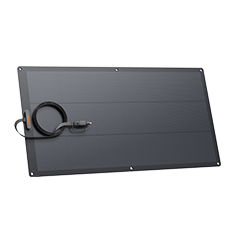
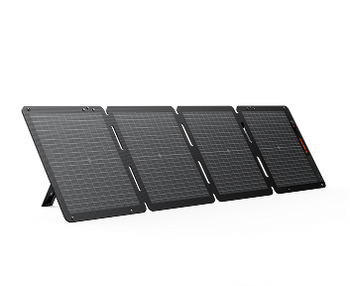
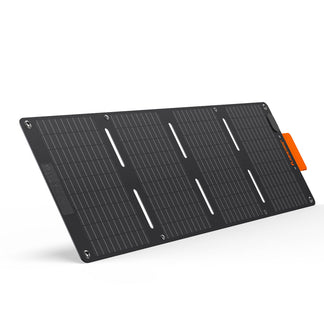
Add solar panels to recharge during daylight hours. A single 200 W panel can generate 800–1,000 Wh per day in sunny conditions, extending battery runtime by 30–50%. However, during hurricane overcast, output drops by 80–90% — so plan accordingly.
Reduce phantom loads by unplugging devices with standby power consumption. TVs, microwaves, and coffee makers draw 2–10 W even when turned off, wasting 50–200 Wh daily.
Monitor energy usage with a power station’s app or a plug‑in watt meter to identify which devices consume the most power and adjust usage patterns accordingly.
What to Look for in a Hurricane-Ready Battery Backup System
When choosing a system, prioritize these key features:
- Battery chemistry: LiFePO₄ (lithium iron phosphate) with 3,000–5,000 charge cycles, safe operation from -4 °F to 140 °F, and no cobalt for better environmental and ethical sourcing.
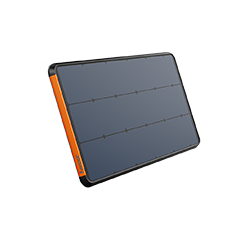
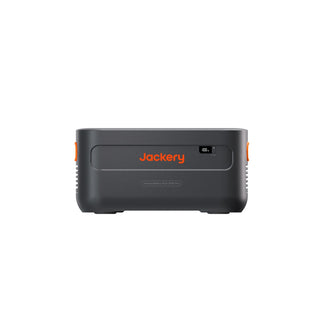
- Expandable capacity: Start with a base unit and add extra battery packs before each hurricane season. Look for systems that support daisy‑chaining multiple units.
- Multiple charging inputs: AC grid charging for pre‑storm preparation, solar input for daytime recharging during outages, and generator charging as a backup option.
- Weather‑resistant design: At least an IP54 rating protects against rain, dust, and humidity during storm conditions when units may be moved to higher ground.
- Automatic transfer speed: Under 20 milliseconds ensures connected devices like computers and security cameras don’t reset during the switch from grid to battery power.
Limitations / What to Know Before
Be aware of these significant limitations:
- High-draw appliances are out of reach: Battery backups cannot run central air conditioning (3,000–5,000 W), electric water heaters (4,500 W), or electric ovens (3,000 W) for more than 30–60 minutes. They are designed for essential circuits, not whole‑home loads.
- Solar recharging is unreliable during hurricanes: Heavy cloud cover reduces panel output by 80–90%, and panels must be secured or stored before winds exceed 40 mph. In practice, you may get only 10–20% of rated solar input during the storm itself.
- Battery capacity degrades over time: LiFePO₄ cells retain about 80% capacity after 3,000 cycles, so a 5 kWh system might deliver only 4 kWh after a decade of regular use. Factor this into your sizing if you plan to rely on the system for many seasons.
For a comprehensive look at building a secure backup setup, see how to build a secure power backup for home appliances.
Product Recommendation: Essential Home Backup for Hurricane Season
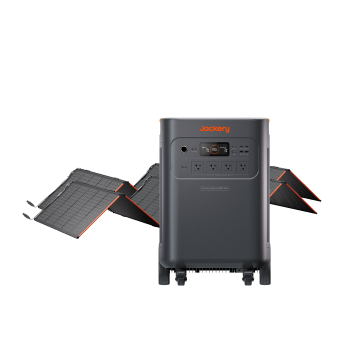
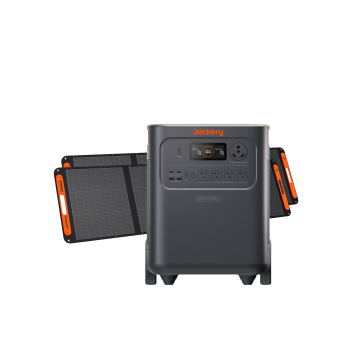
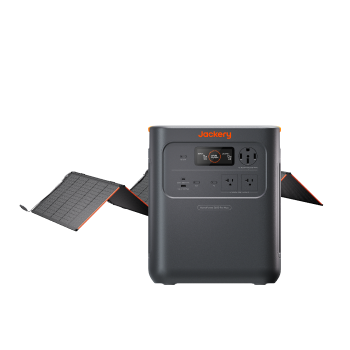
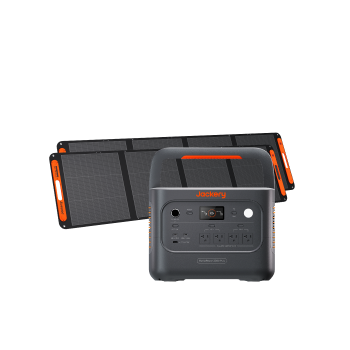
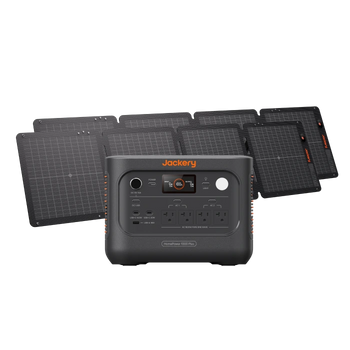
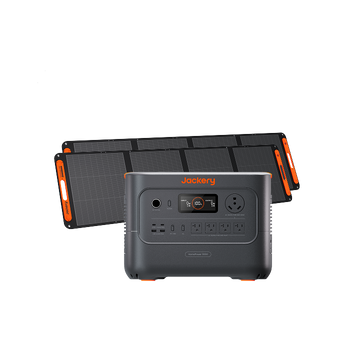
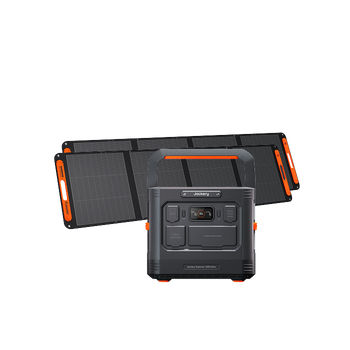
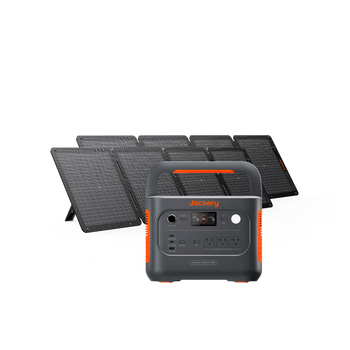
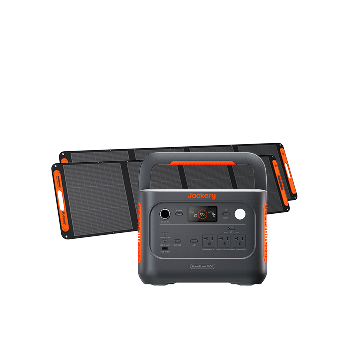
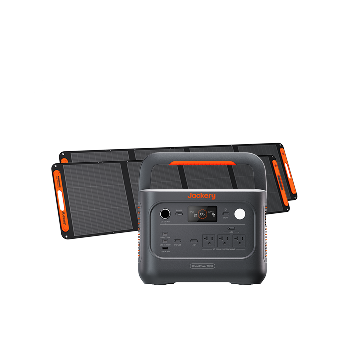
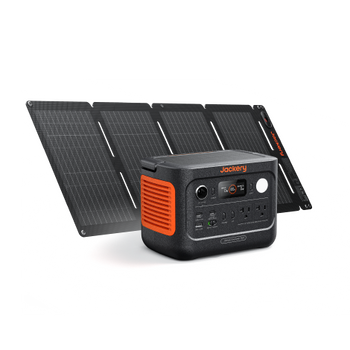
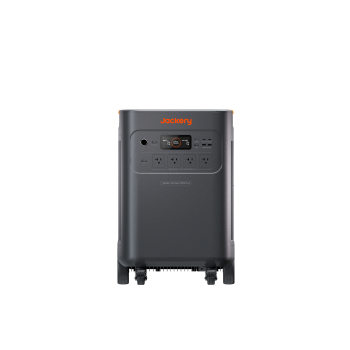
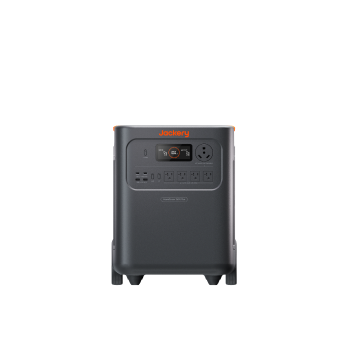
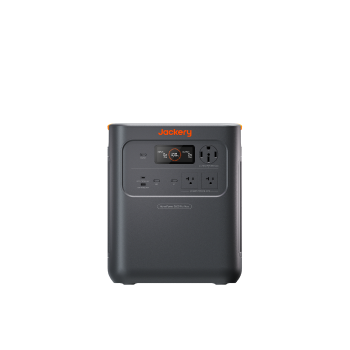
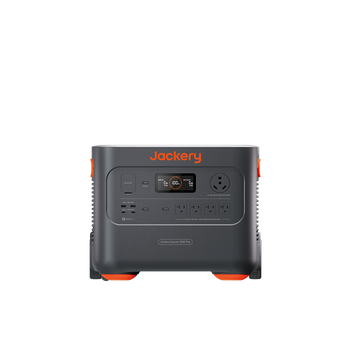
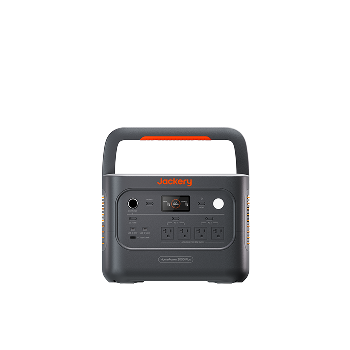
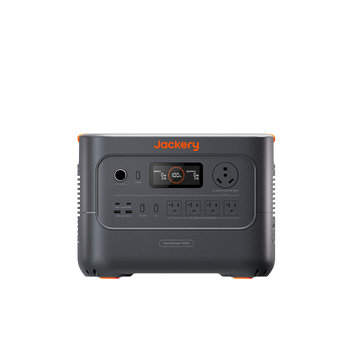
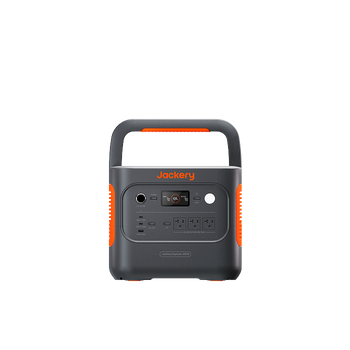
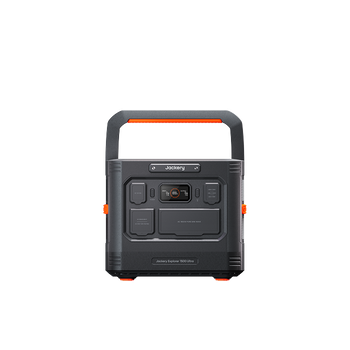
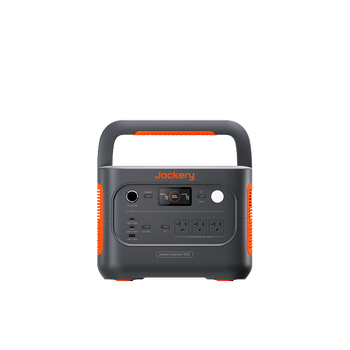
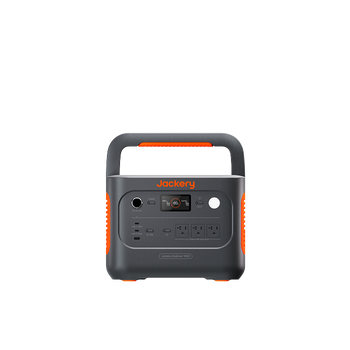
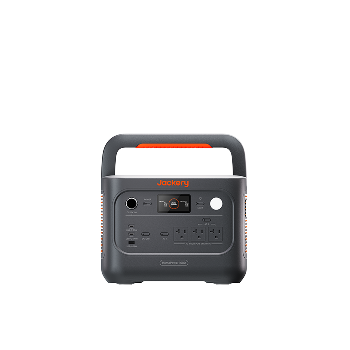
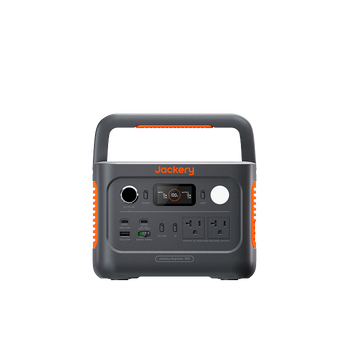
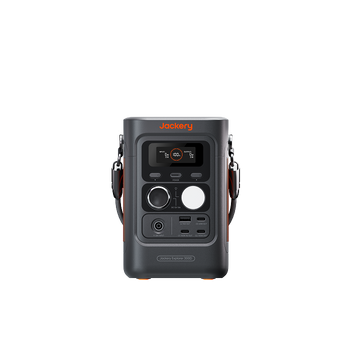
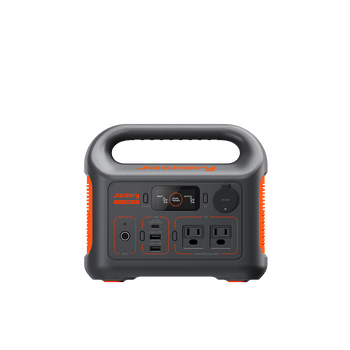
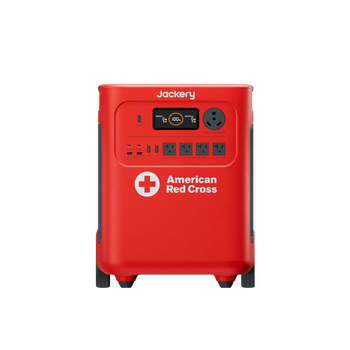
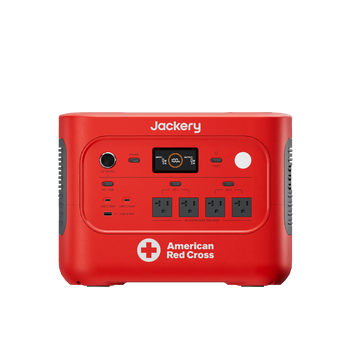
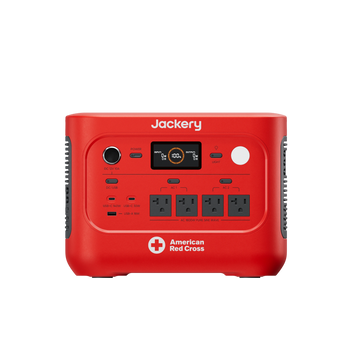
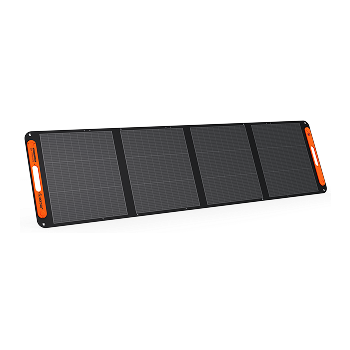
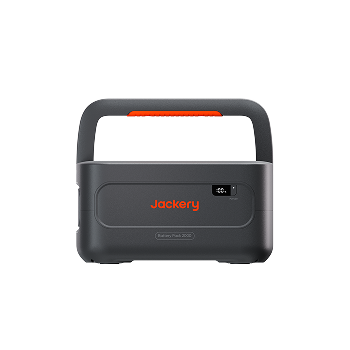
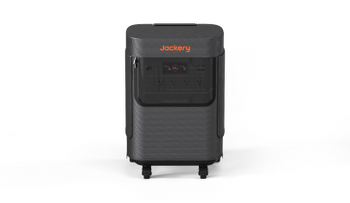
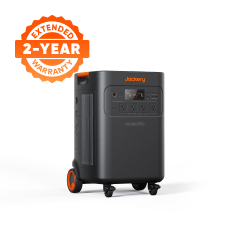
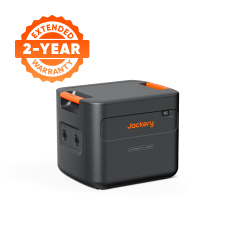
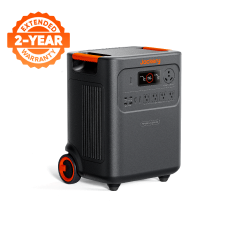
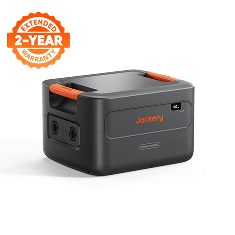
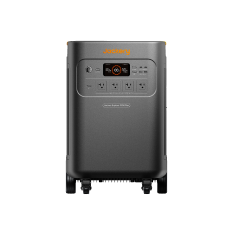
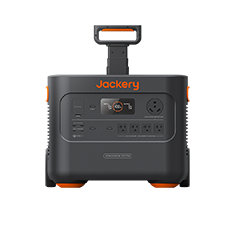
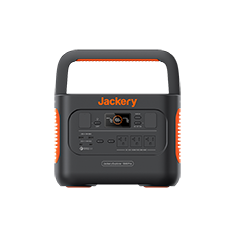
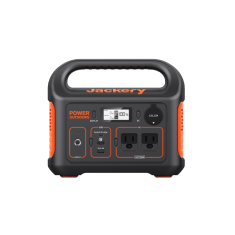
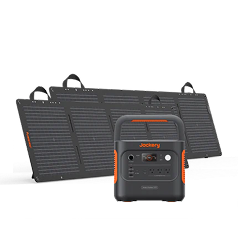
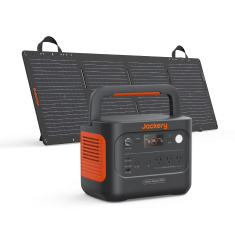
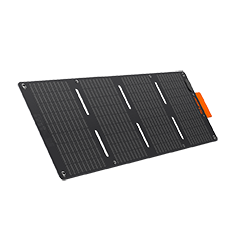
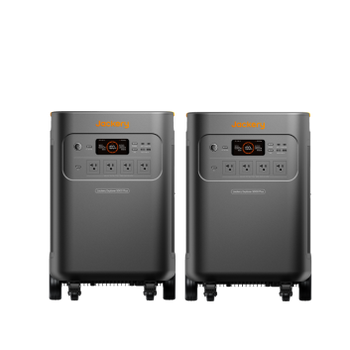
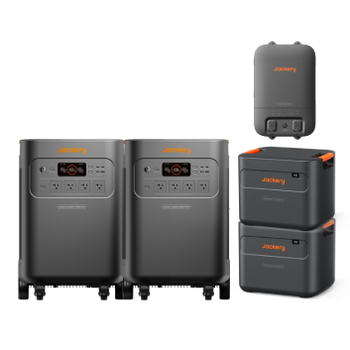
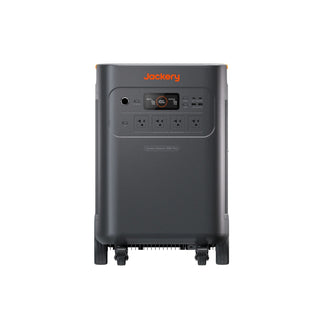
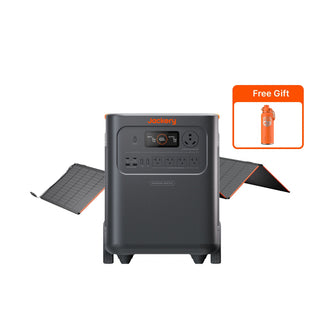
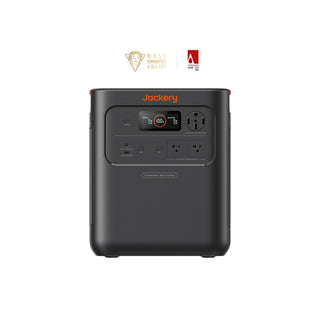
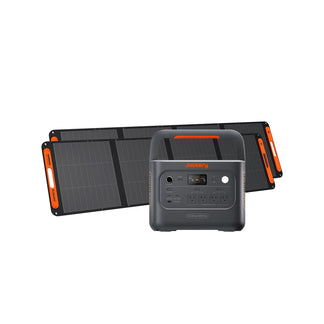
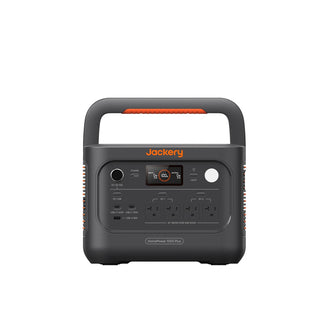
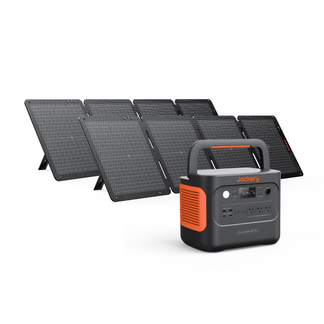
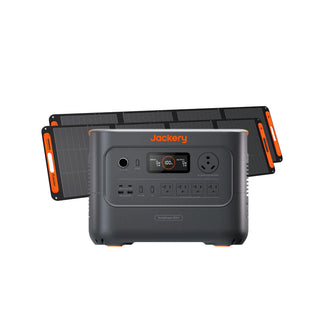
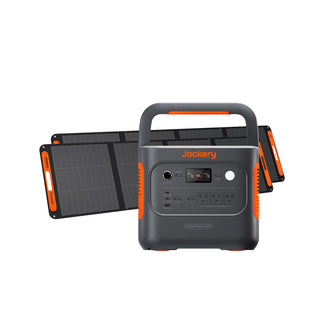
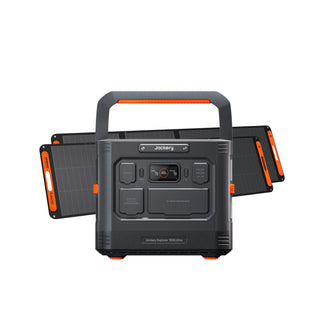
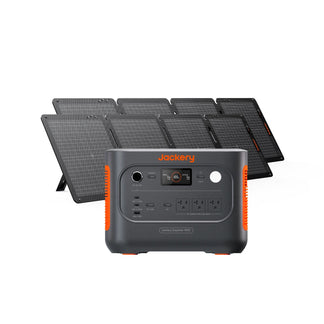
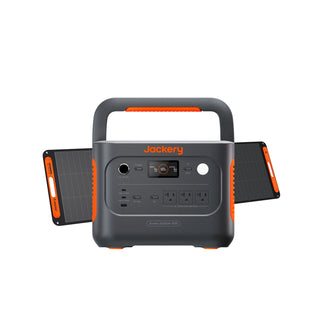
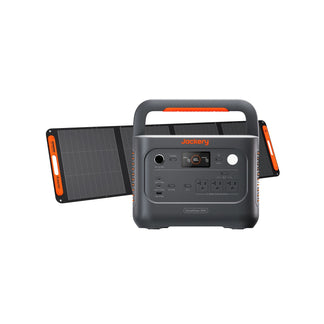
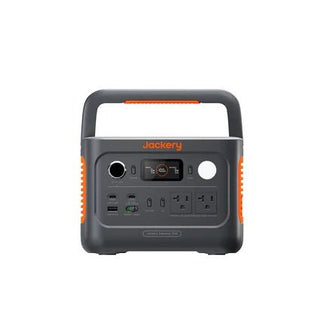
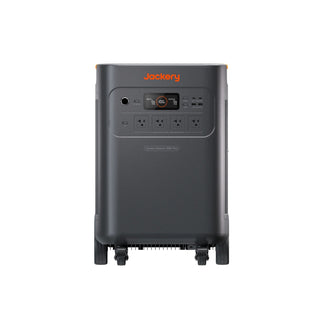
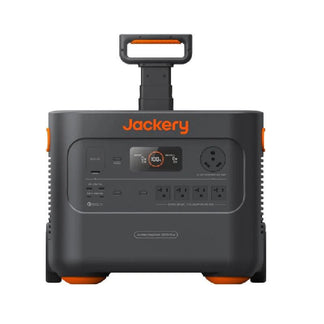
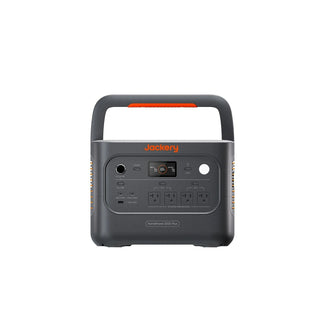
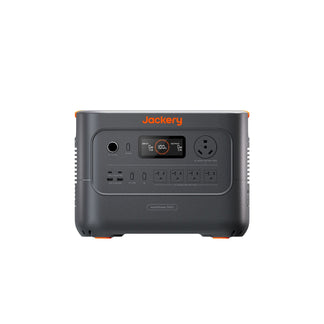
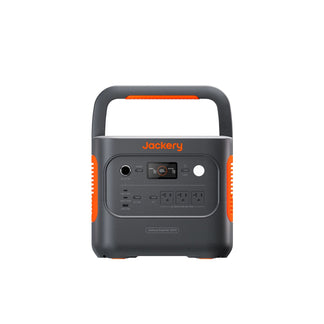
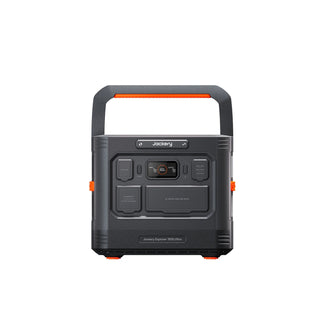
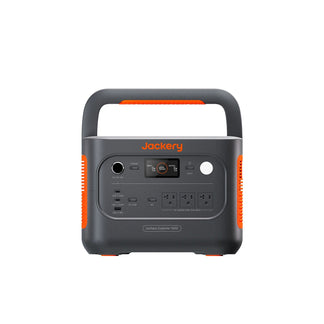
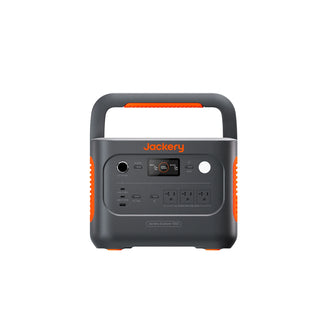
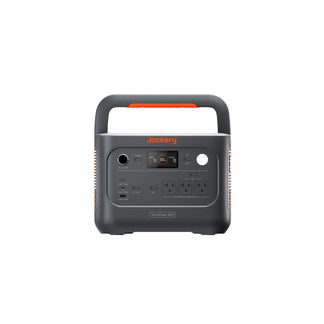
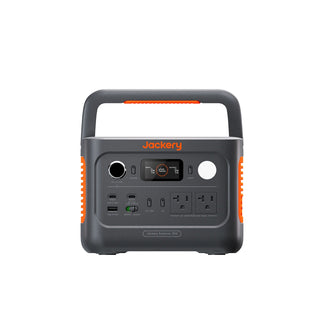
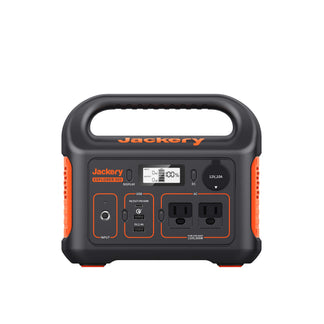
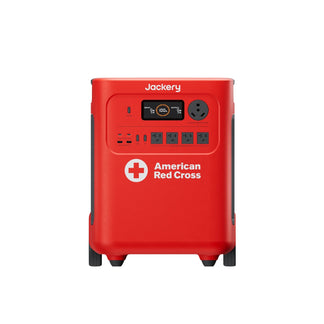
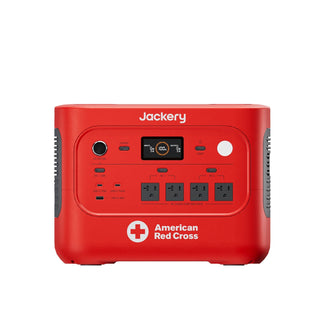
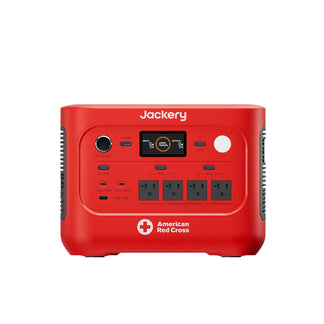
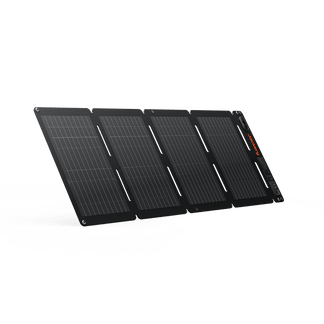
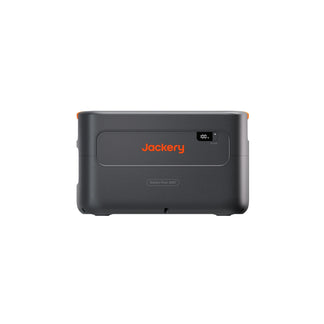
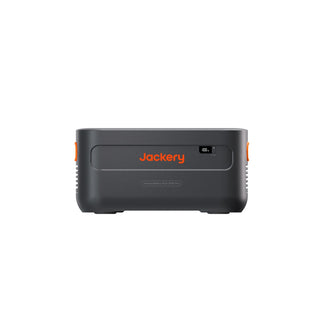
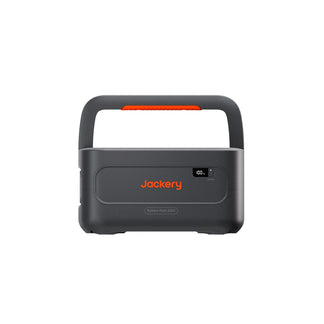
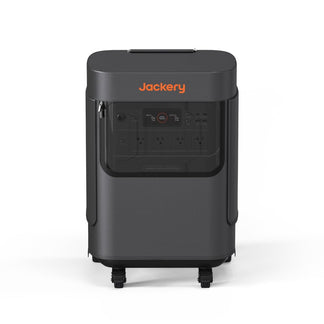
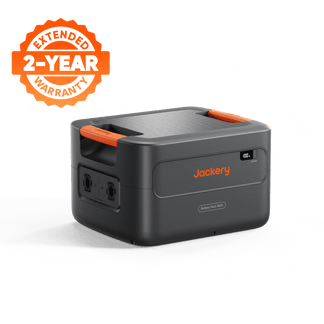
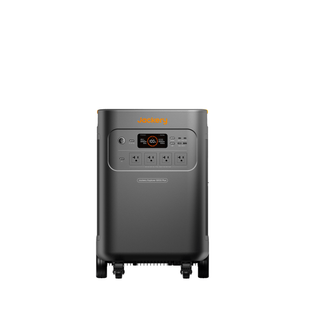
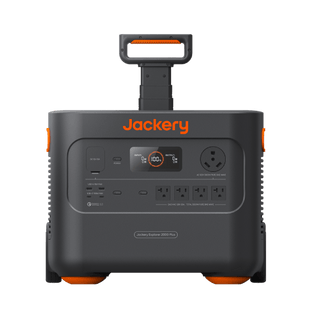
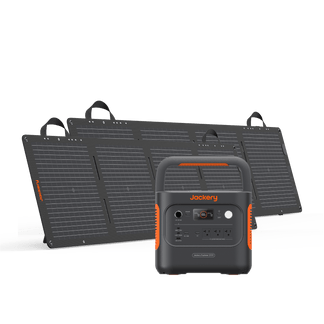
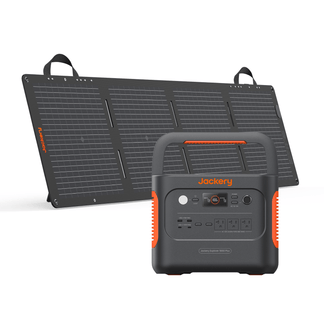
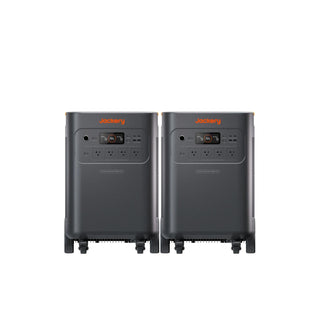
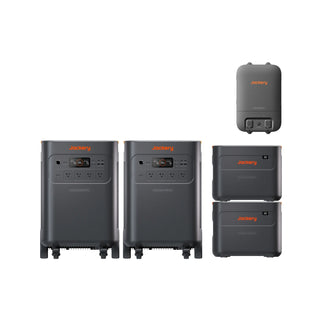
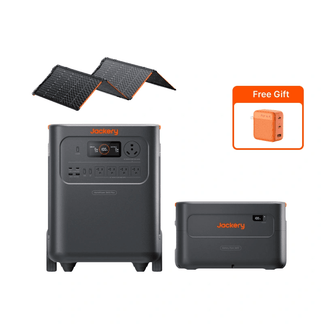
Jackery’s portable power stations are built around LiFePO₄ chemistry and expandable capacity, making them a practical fit for hurricane preparedness. The three models below cover different household sizes and runtime needs.
Feature |
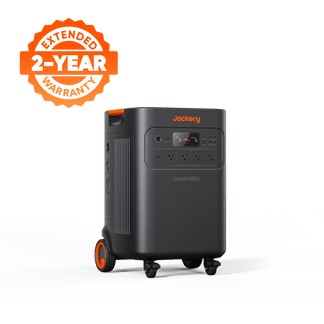
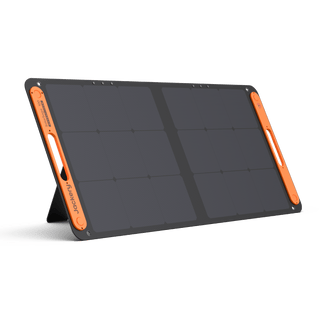
Jackery Solar Generator 5000 Plus + 2x SolarSaga 500X |
Jackery Solar Generator HomePower 3600 Plus + SolarSaga 500X |
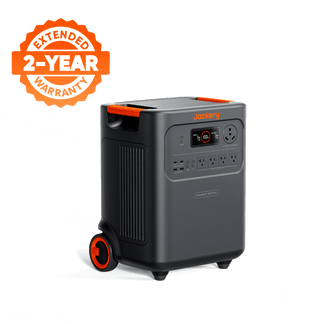
Jackery Solar Generator HomePower 3000 |
Capacity |
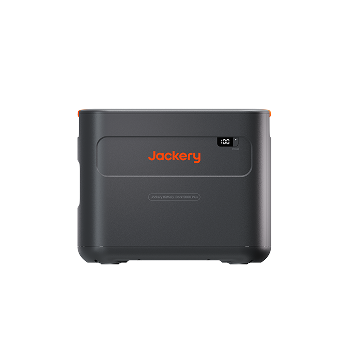
5,040 Wh (expandable to 60 kWh) |
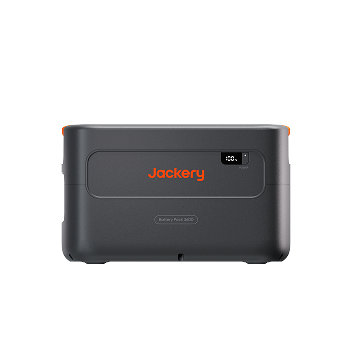
3,584 Wh (expandable to 21.48 kWh) |
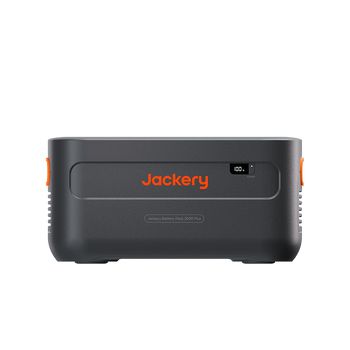
3,072 Wh |
Continuous Output |
7,200 W |
3,600 W |
3,600 W |
Surge |
14,400 W |
7,200 W |
7,200 W |
Solar Input |
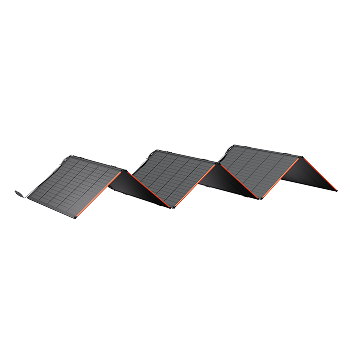
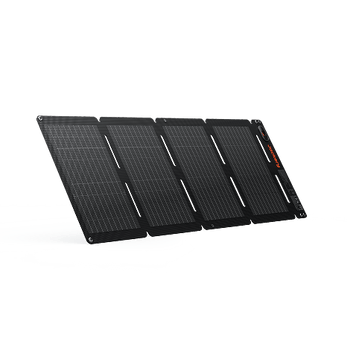
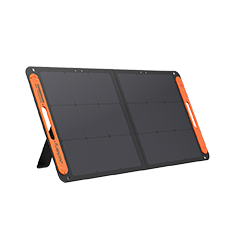
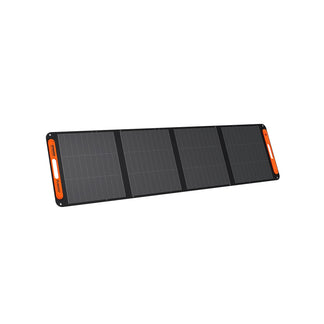
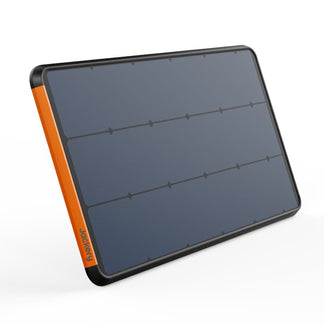
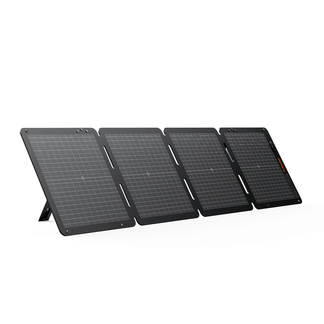
2× SolarSaga 500X (1,000 W max) |
500 W SolarSaga 500X |
Supports solar panels |
Recharge Time (AC) |
3.5 h |
2.5 h |
2.2 h |
UPS Transfer |
0 ms (Online UPS) |
<20 ms |
<20 ms |
Weight |
134.5 lbs |
77 lbs (wheels) |
59.5 lbs |
Best For |
Whole‑family essential backup, 2–3 day outages |
Apartments, smaller homes, 1–2 day outages |
Fridge + lights + devices, overnight backup |
All three use LiFePO₄ cells with long cycle life (4,000–6,000 cycles to 70% capacity) and support pass‑through charging. For more options, check our list of best battery backup generators.
Frequently Asked Questions (FAQ)
Can a battery backup run a window AC unit?
Most portable power stations cannot run a window AC for more than 30–60 minutes due to the high startup surge and continuous power draw.
How do I protect my battery backup from floodwater?
Place the unit on a high shelf or upper floor before the storm, and ensure it has at least an IP54 rating for splash resistance.
Can I run my battery backup while it is charging from solar panels?
Yes, most modern units support pass‑through charging, allowing you to power devices and recharge simultaneously.
Will a battery backup power a well pump during a hurricane?
Only if the battery’s inverter can handle the pump’s startup surge (3–5× running watts), which often requires a 5,000 W+ inverter.
How long does a fully charged battery last if not used?
LiFePO₄ systems with low self‑discharge retain 95% charge for up to a year, so a unit stored fully charged will be ready when hurricane season arrives.
Sources & References
[1] Ready.gov / FEMA, “Power Outages” — ready.gov/power-outages (accessed June 25, 2026).
[2] U.S. Centers for Disease Control and Prevention, “Carbon Monoxide Poisoning” — cdc.gov/carbon-monoxide/about/index.html (accessed June 25, 2026).
[3] NOAA National Hurricane Center, “Be Prepared” — nhc.noaa.gov/prepare/ready.php (accessed June 25, 2026).


