
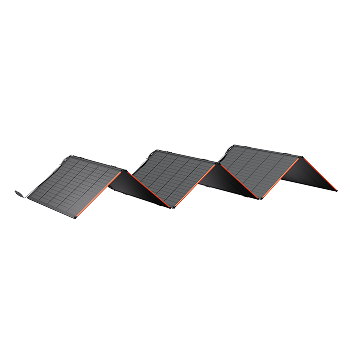
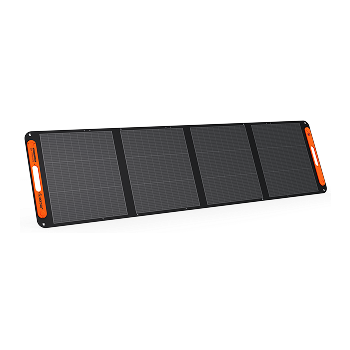
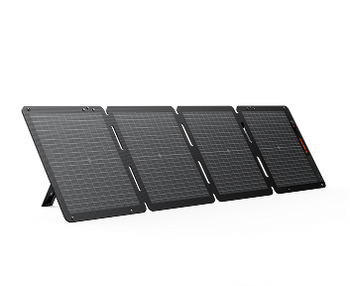
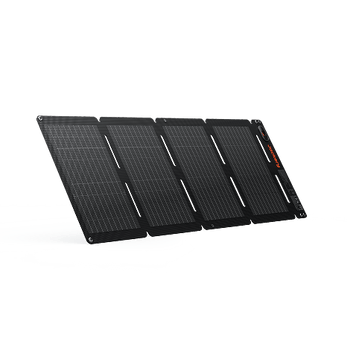


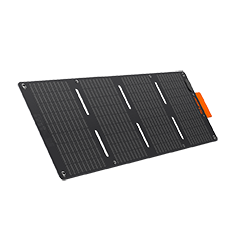



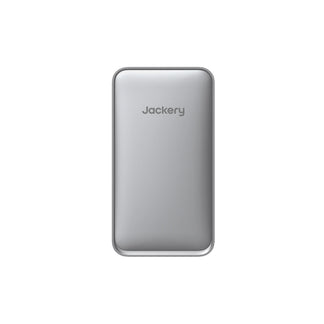
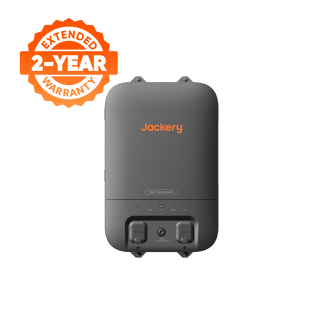
![[Add-on] Jackery SolarSaga 500 X - Jackery](http://www.jackery.com/cdn/shop/files/add-on-jackery-solarsaga-500-x-1493607.webp?v=1786503068&width=324)
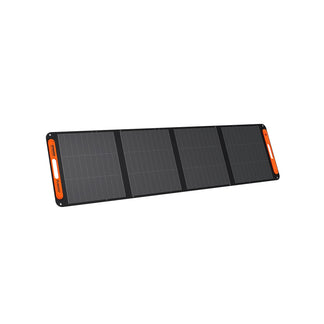
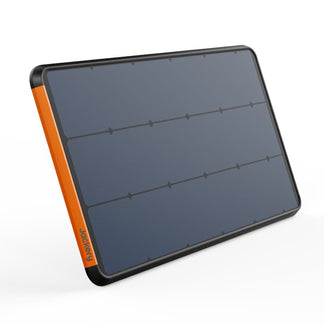
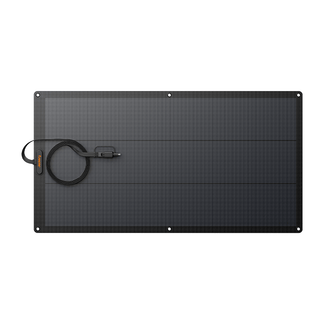
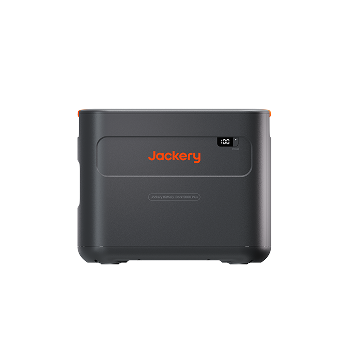
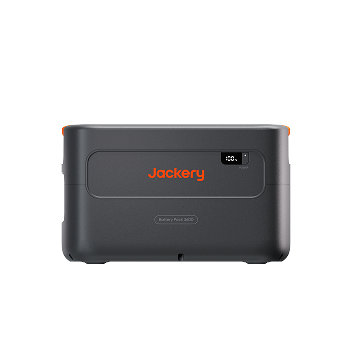
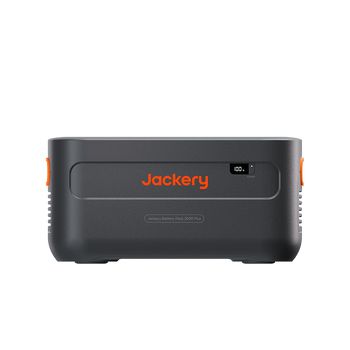
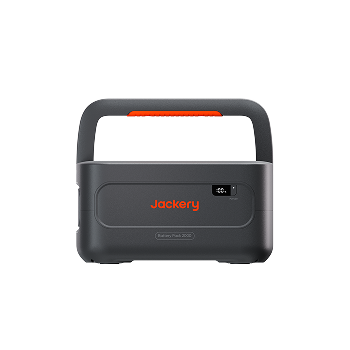
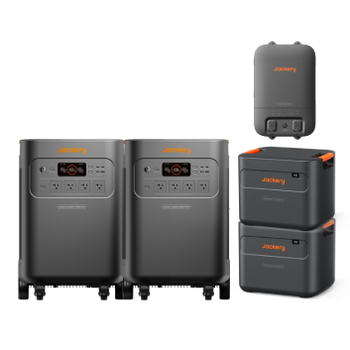
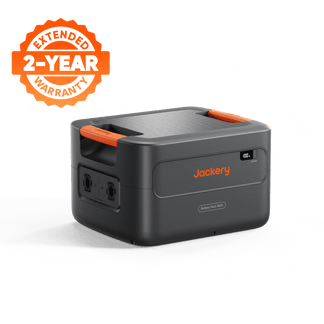
![[Add-on] Jackery Battery Pack 5000 Plus - Jackery](http://www.jackery.com/cdn/shop/files/add-on-jackery-battery-pack-5000-plus-6713401.webp?v=1786503068&width=324)





FPL Power Outage: Florida Hurricane Season Backup
Quick Answer: Florida hurricane season runs June 1 to November 30, but outages strike year-round from thunderstorms, falling branches, and even squirrels on transformers. FPL power outages can last hours to weeks, and an extended outage can cost families hundreds of dollars in spoiled food, lodging, and disruption. A properly sized portable power station keeps essential appliances running — refrigerator, lights, Wi‑Fi, and phone charging — until grid power returns.
Key Takeaways:
- Outages are frequent year-round in Florida, not just during hurricanes — thunderstorms, car accidents, and wildlife cause regular disruptions.
- An extended multi-day outage can add up quickly across spoiled food, lodging, and other disruption costs — proactive backup is a practical financial safeguard.
- Many residents feel they lack timely outage information before and during storms, creating anxiety about restoration timelines and preparation steps.
- Using a Kill‑A‑Watt meter first prevents overspending — a typical Energy Star fridge uses ~1.8 kWh/day, so a 2‑kWh battery lasts about one day.
- A hybrid battery + generator approach stretches fuel — short generator runs recharge the battery, extending backup during long emergencies.
How Long Do FPL Power Outages Typically Last During Hurricane Season?
Outage duration depends on storm severity and other factors:
- Minor storms (Category 1–2) cause outages lasting 4–24 hours for most FPL customers, with restoration beginning within hours after winds subside.
- Major hurricanes (Category 3+) can leave some areas without power for 1–3 weeks, especially in hard‑hit coastal and rural zones.
- Hurricane Milton (2024) caused over 3 million FPL outages, with some customers waiting 10–14 days for restoration.
- FPL prioritizes restoration for critical infrastructure — hospitals, water treatment, emergency services — before residential neighborhoods.
- Flooding and tornado damage delay restoration as crews cannot safely access downed lines until water recedes and debris clears.
What Appliances Do You Need to Power During an FPL Outage?
Essential appliances and their typical power draws:
- Refrigerator and freezer: A modern Energy Star fridge draws 150–300 W running but needs 1,200–2,000 W surge at compressor startup.
- Wi‑Fi router and modem: They consume only 10–30 W combined but keep you connected to storm updates, outage maps, and emergency communications.
- LED lighting and phone charging: Use minimal power — a few LED bulbs draw 10–20 W total, charging phones/laptops adds 30–60 W.
- A window fan or portable AC: In Florida heat, a 5,000 BTU unit draws 400–500 W running, while a box fan uses 50–75 W.
How to Calculate the Right Battery Capacity for Your Home
Follow these steps to size your battery:
- Start by measuring your fridge’s actual daily consumption with a Kill‑A‑Watt meter. A typical Energy Star refrigerator uses about 1.8 kWh per day.
- Total running wattage of essential loads ranges from 400 W (lights, fridge, router, phones) to 1,200 W (adding a window AC and small TV).
- Battery capacity in watt‑hours determines runtime. A 2,000 Wh station running a 500 W load provides roughly 4 hours before depletion.
- Use the formula:
(Running Watts × Hours Used) ÷ 1,000 = Daily kWh
- Example: A fridge (200 W) × 24 hours = 4,800 Wh, or 4.8 kWh/day. If your Kill‑A‑Watt meter shows 1.8 kWh/day, the compressor isn’t running continuously — real numbers beat assumptions.
- Surge capacity matters. Refrigerators and pumps draw 3–5× running wattage for 1–2 seconds at startup; the inverter must handle those peaks.
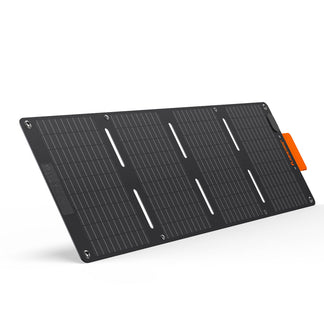
- Solar recharging extends runtime. A 200 W panel can add 800–1,000 Wh per day in good sun, but Florida September storms often cut output to 40–60%.
- For a step‑by‑step sizing walkthrough, see our solar generator sizing guide.
What Size Power Station Do You Need for Multi-Day Florida Outages?
A 2,000–2,500 Wh station powers a fridge, router, lights, and phone charging for 12–18 hours — ideal for overnight or next‑day restoration.
A 3,600–5,000 Wh system extends runtime to 24–36 hours on the same loads, or adds a window fan and TV for comfort during extended outages.
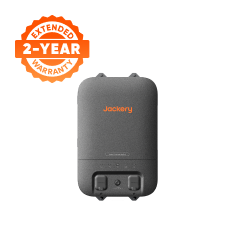
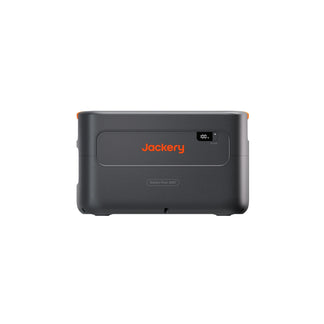
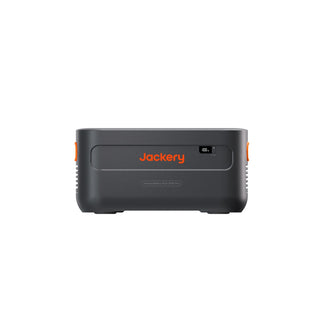
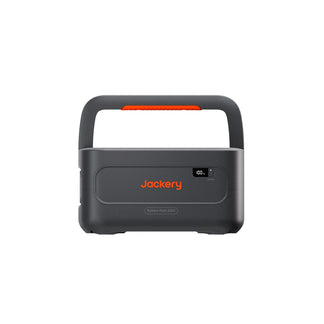
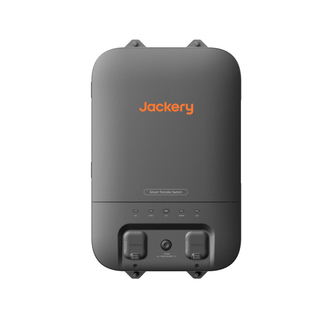
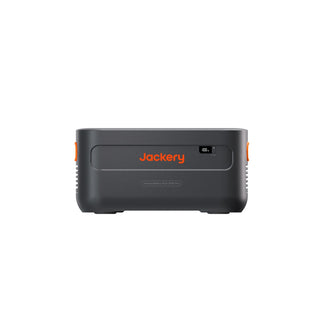
Expandable battery systems let you start with one unit and add extra battery packs later — useful for scaling up before a major storm.
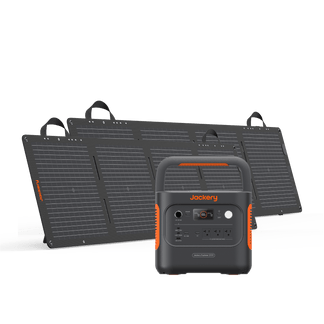
Solar panel compatibility is critical. A 400 W+ array can recharge a 2,000 Wh station in 5–7 hours of good sun, enabling multi‑day backup.
A hybrid approach pairs a battery with a generator. Short generator runs recharge the battery, stretching fuel during long emergencies. More on combining generators with solar in our electric generator for home guide.
Outage Duration |
Recommended Battery Capacity |
Solar Panels |
Example Loads |
|---|---|---|---|
4–12 hours |
1,500–2,500 Wh |
Optional 100–200 W |
Fridge, router, lights, phones |
12–36 hours |
3,000–5,000 Wh |
200–400 W |
Above + window fan, small TV |
2–5 days |
5,000+ Wh (expandable) |
400–800 W |
Above + portable AC, extra freezer |
Limitations / What to Know Before
Key limitations and considerations:
- Portable power stations cannot run central AC, electric water heaters, or electric ovens — those require 3,000–5,000 W+ beyond portable battery capacity.
- Battery runtime drops in Florida heat. High ambient temperatures reduce LiFePO₄ efficiency by 10–15%, so real runtime may be less than calculated.
- Solar recharging is unreliable during storm aftermath. Heavy cloud cover, debris, and short daylight hours can reduce panel output to near zero for 1–2 days.
- Gas generators require safe placement. Set them at least 10 feet from open windows, use 10‑gauge 50‑foot extension cords, and never wire directly to breaker boxes.
- Well water users lose water when the power fails. Pre‑store water in garbage cans for toilet flushing; consider a battery‑powered transfer pump.
- For an objective look at the best battery backup generators available today, read our best battery backup generators comparison.
Product Recommendation: Essential Home Backup for FPL Outages
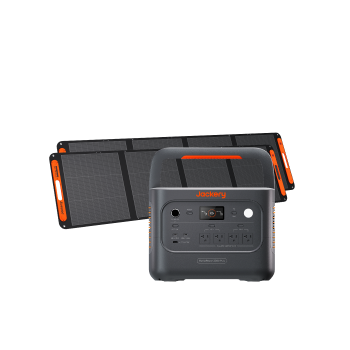
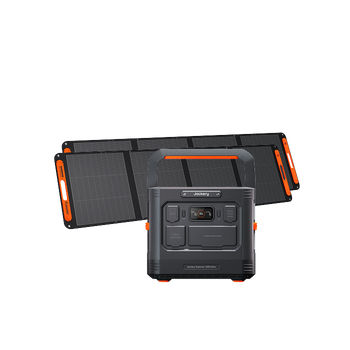
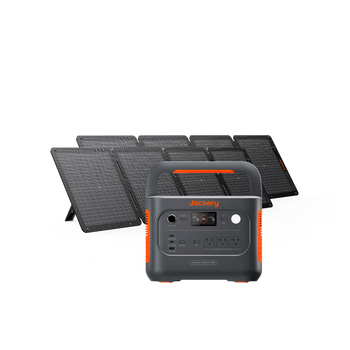
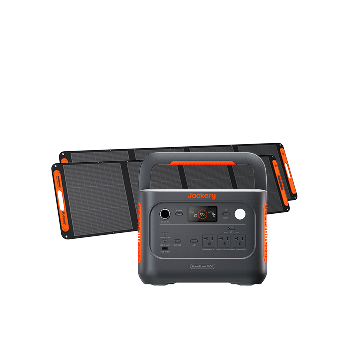
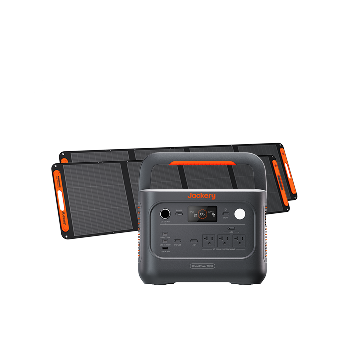
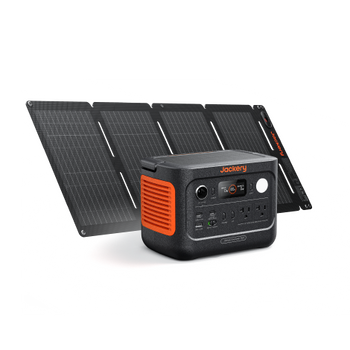
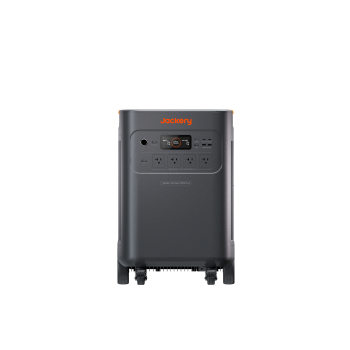
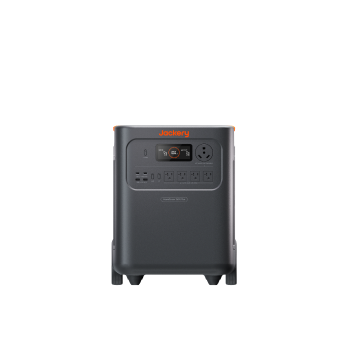
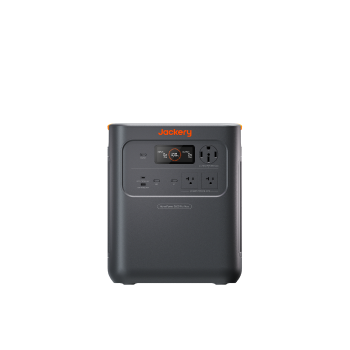
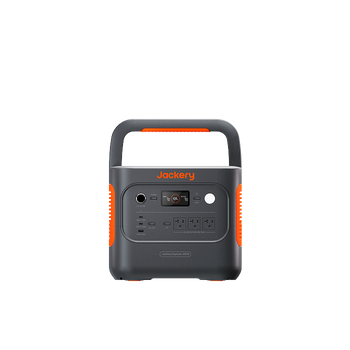
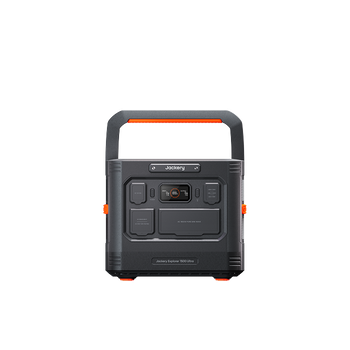
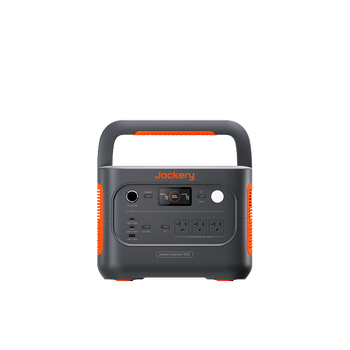
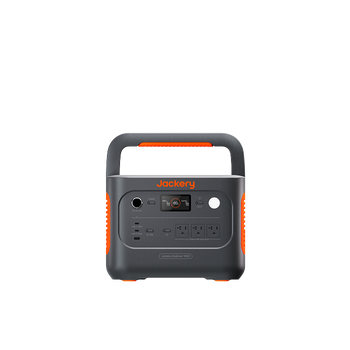
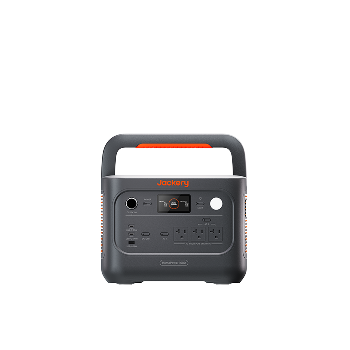
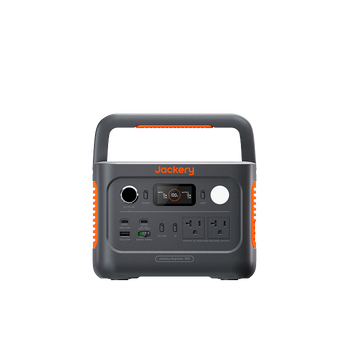
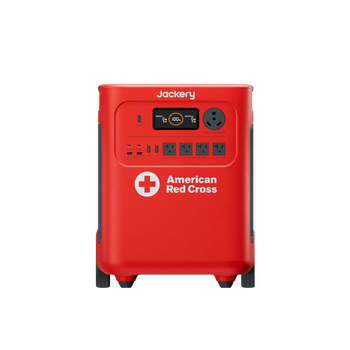
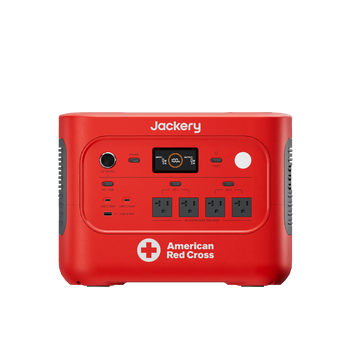
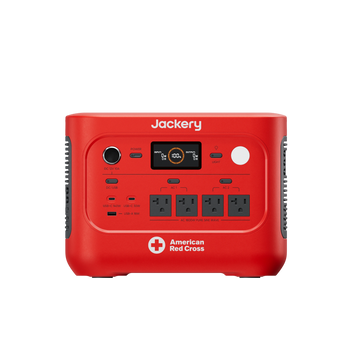
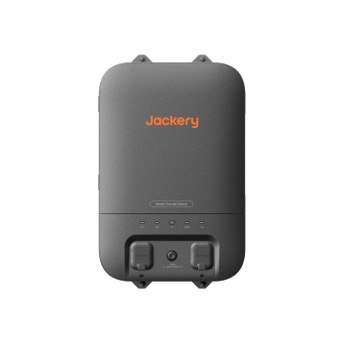
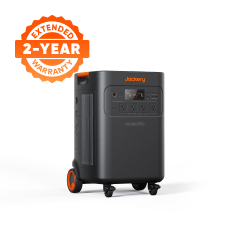
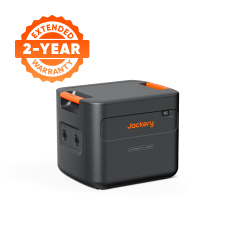
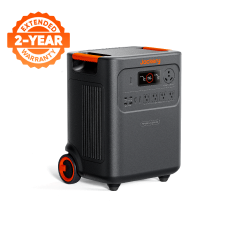
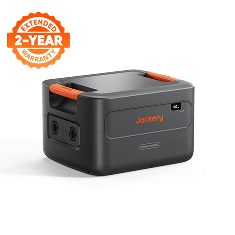
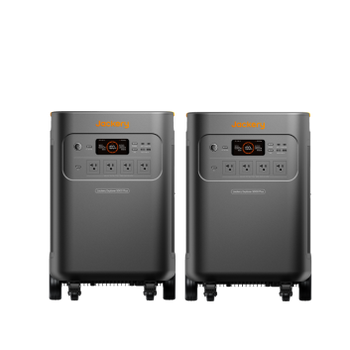
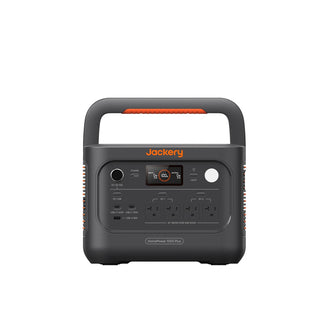
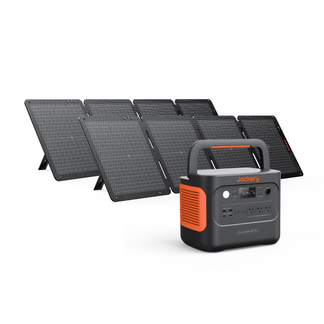
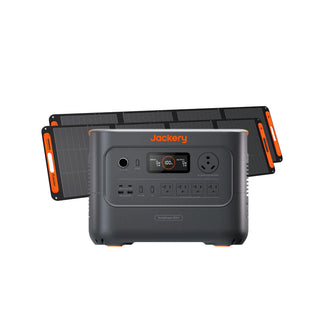
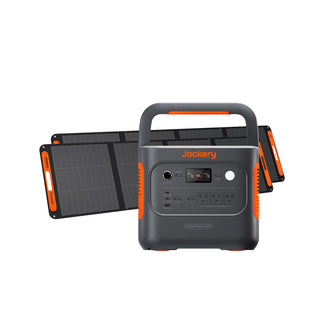
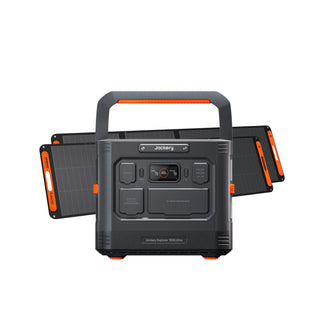
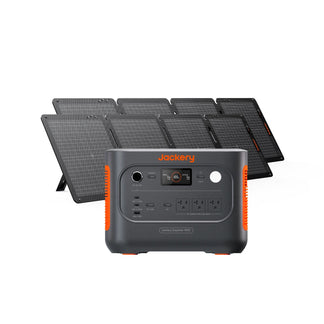
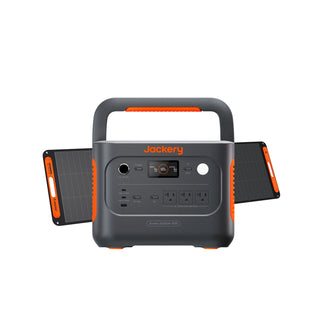
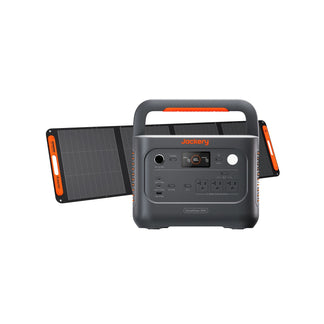
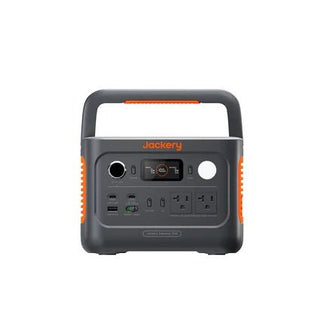
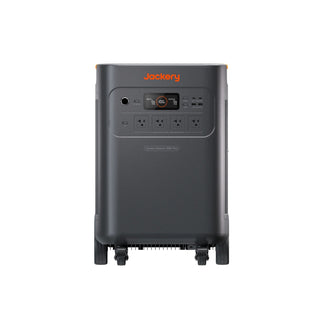
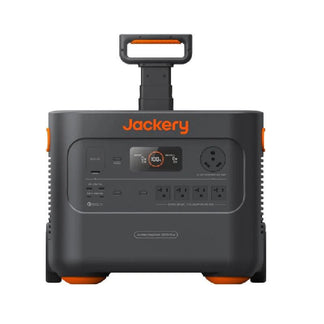
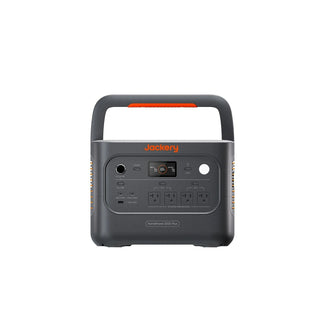
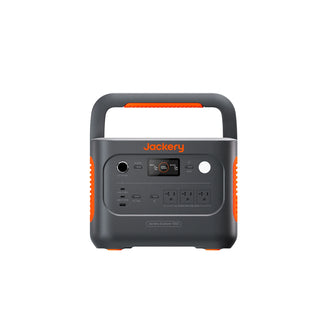
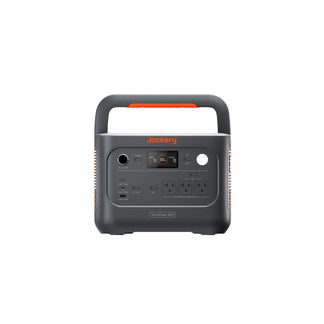
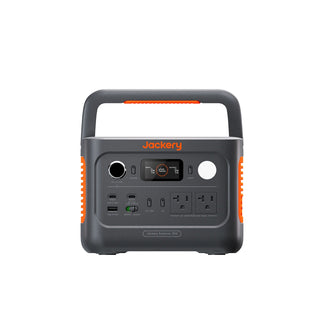
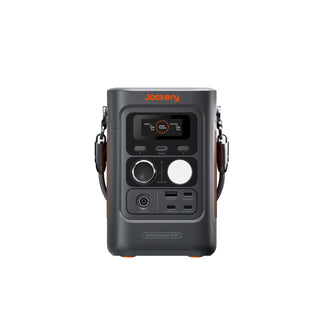
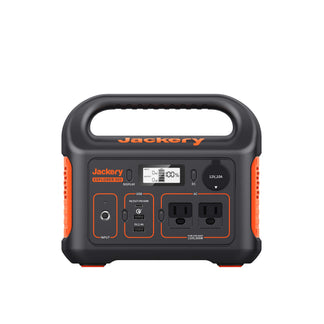
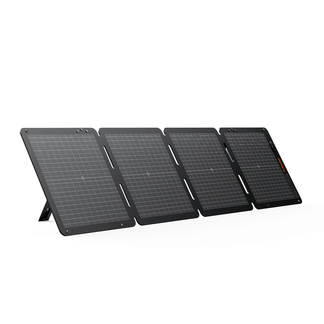
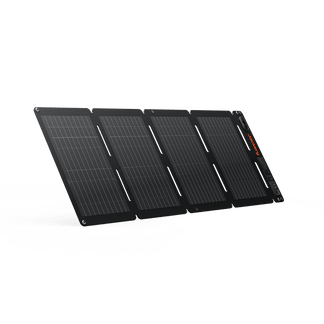
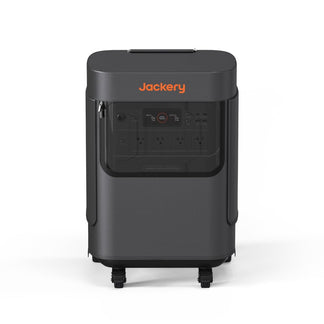
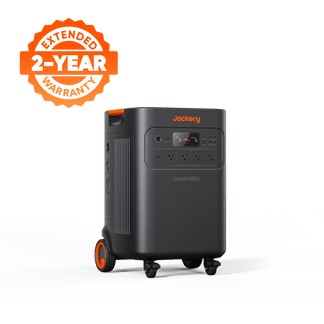
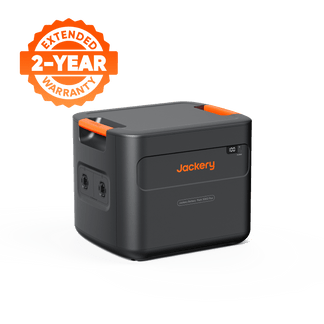
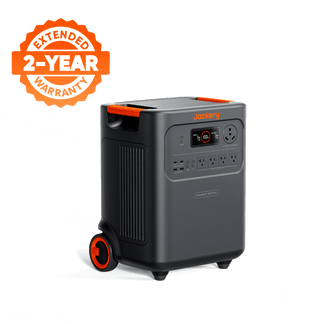
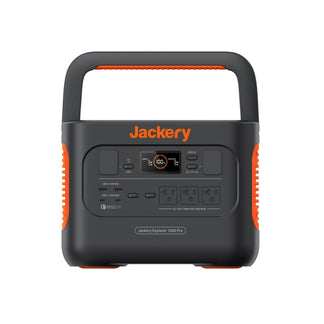
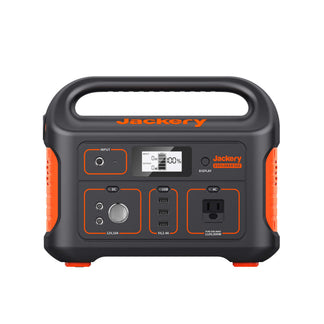
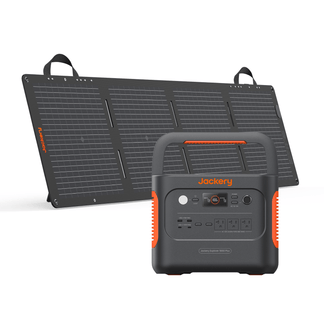
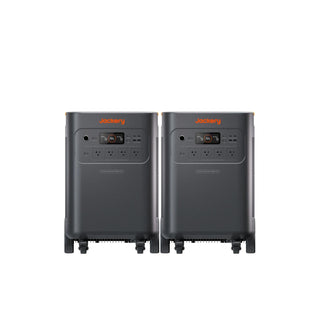
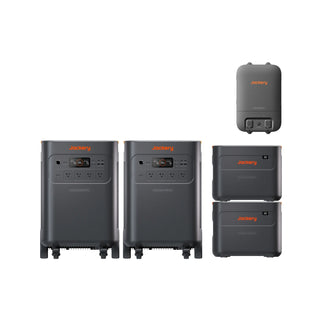
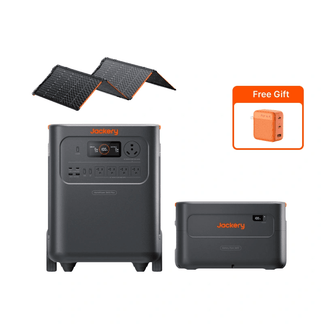
For essential home backup during FPL outages, the best approach is a properly sized Jackery power station — from 2,042 Wh for overnight to 5,040 Wh expandable for multi‑day. Measure your needs first, then match the system below. For a complete selection framework, see our solar generator buying guide.
Model |
Key Specs |
Best For |
|---|---|---|
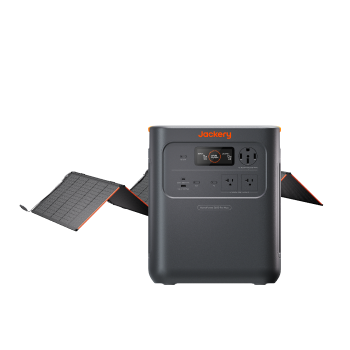
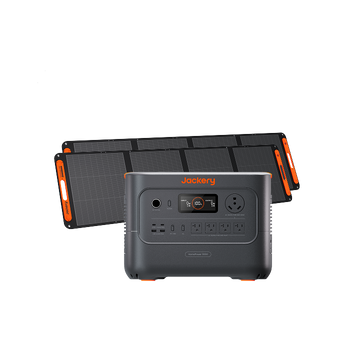
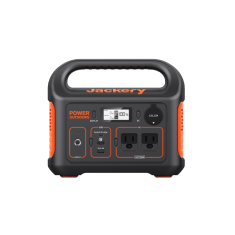
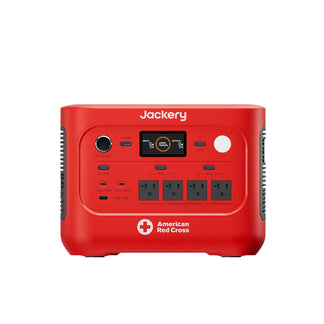
Jackery Explorer 2000 v2 |
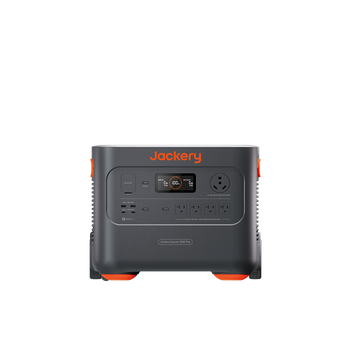
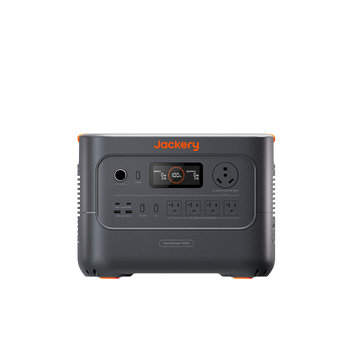
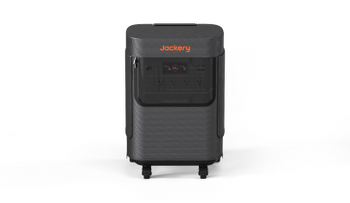
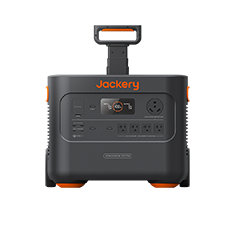
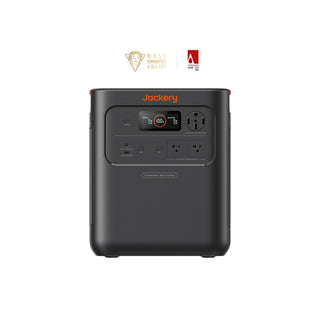
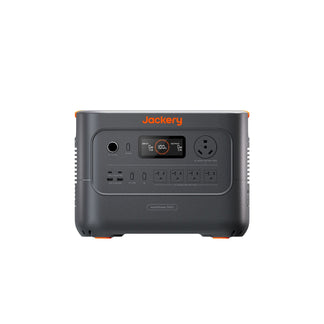
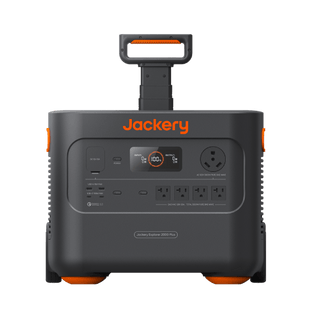
2,042 Wh LiFePO₄, 2,200 W continuous (4,400 W surge), 39.5 lb, wheels |
Overnight fridge + lights + router backup |
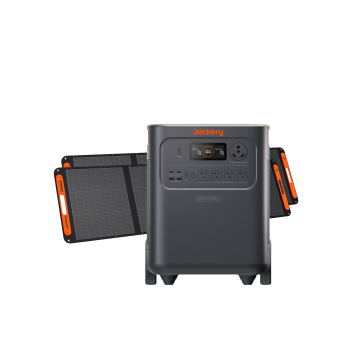
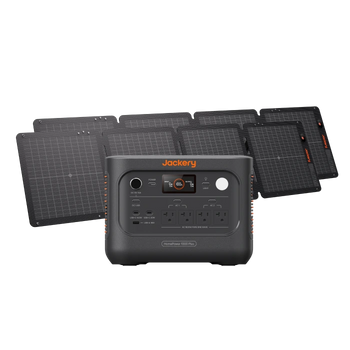
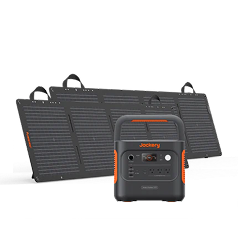
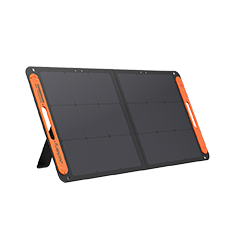
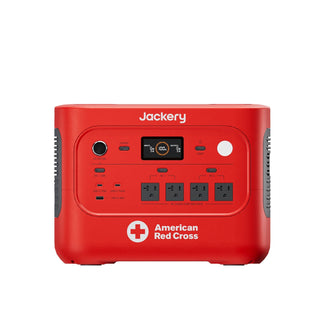
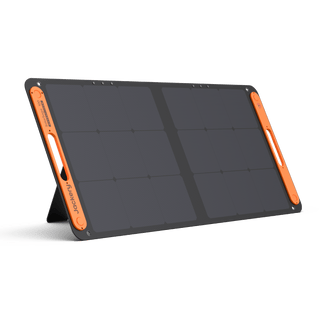
Jackery Solar Generator HomePower 3600 Plus + SolarSaga 500X |
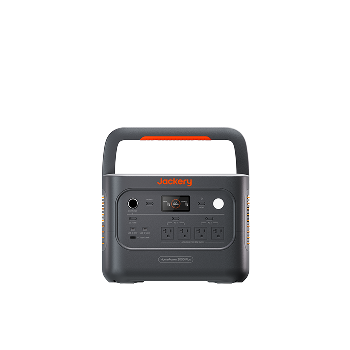
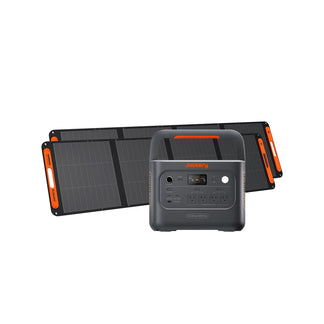
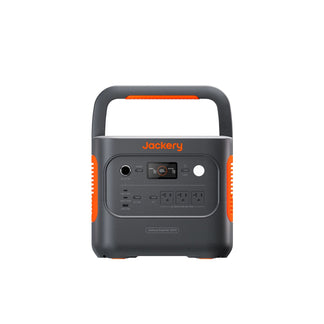
3,584 Wh (expandable to 21.48 kWh), 3,600 W (7,200 W surge), 500 W bifacial panel |
24‑hour backup with window AC or portable AC |
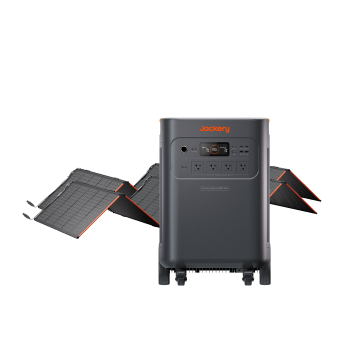
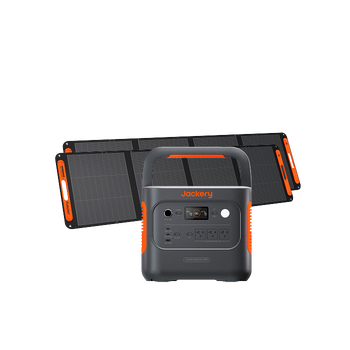
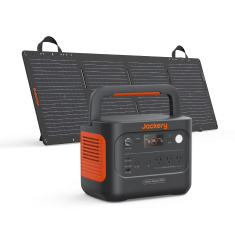
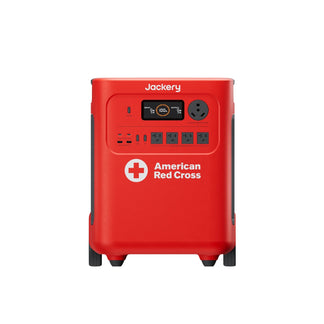
Jackery Solar Generator 5000 Plus + 2x SolarSaga 500X |
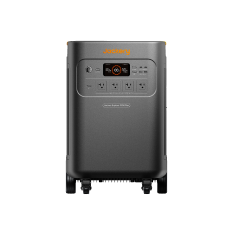
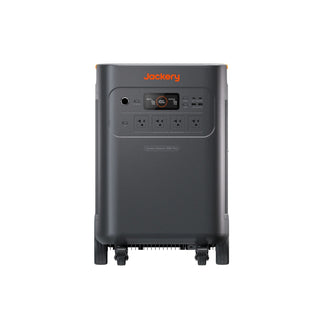
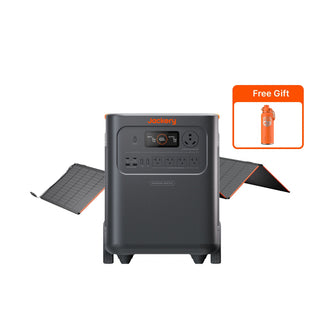
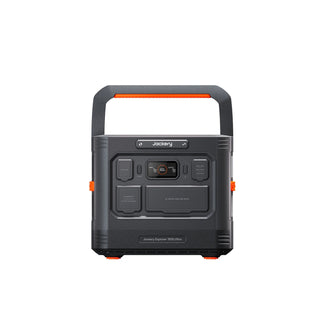
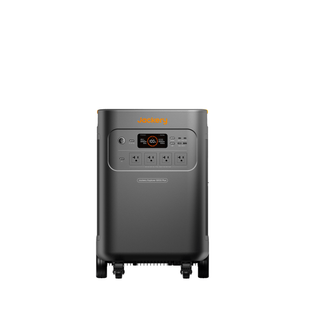
5,040 Wh (expandable to 60 kWh), 7,200 W (14,400 W surge), two 500 W panels, 240 V support |
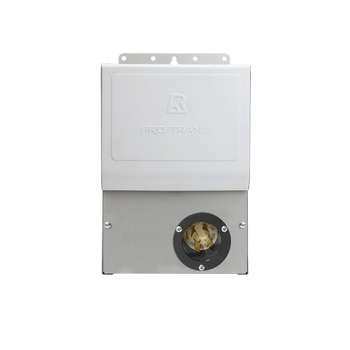
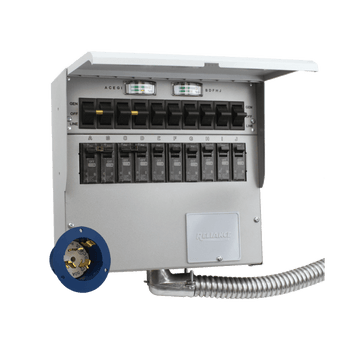
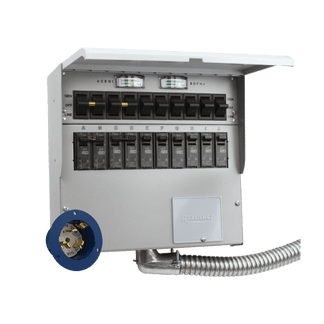
Multi‑day outage with heavy loads, essential circuits via transfer switch |
Frequently Asked Questions (FAQ)
How do I know if my FPL outage is weather‑related or maintenance?
Check FPL’s outage map online — maintenance outages are scheduled and listed in advance, while weather outages appear suddenly.
Will my solar panels work during a grid power outage?
Standard grid‑tied solar shuts off automatically during outages unless you have a battery system with islanding capability.
What’s the cheapest way to keep food cold for 24 hours?
A 1,500 Wh power station running only your fridge costs roughly $600–$800 and can prevent hundreds of dollars in spoiled food.
How often should I test my backup power station?
Run a full discharge and recharge cycle every 3 months to confirm battery health and surge capacity.
Sources & References
[1] NOAA National Hurricane Center — nhc.noaa.gov/ (accessed June 25, 2026).
[2] Florida Power & Light, “Storm Center” (official outage & restoration) — fpl.com/storm.html (accessed June 25, 2026).
[3] NOAA / National Weather Service Melbourne, “Hurricane Milton Impacts” — weather.gov/mlb/HurricaneMilton_Impacts (accessed June 25, 2026).
Disclaimer:
The runtime mentioned for appliances powered by Jackery is for reference only. Actual runtime may vary under different conditions. Please refer to real-world performance for accurate results.

