






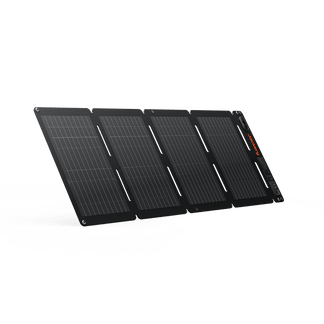
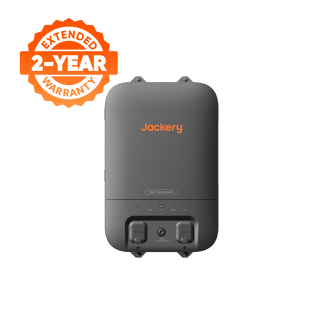
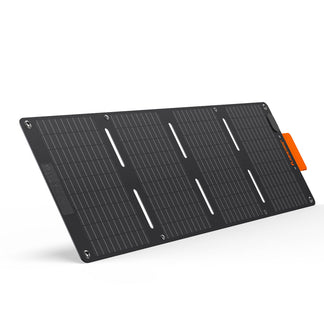
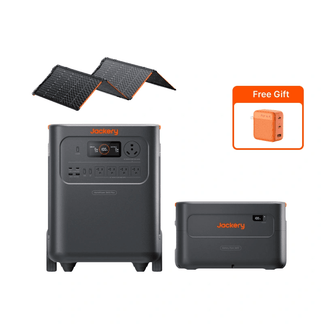
![[Add-on] Jackery SolarSaga 500 X - Jackery](http://www.jackery.com/cdn/shop/files/add-on-jackery-solarsaga-500-x-1493607.webp?v=1786503068&width=324)
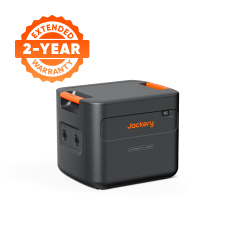
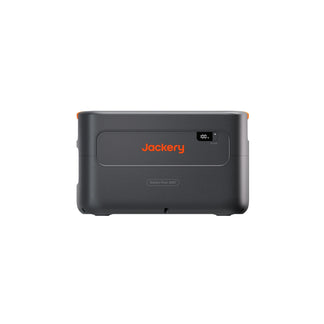
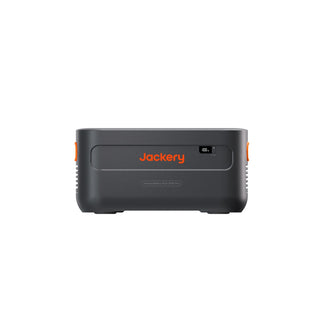
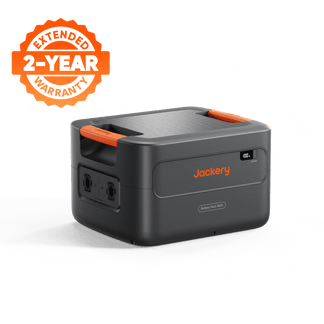
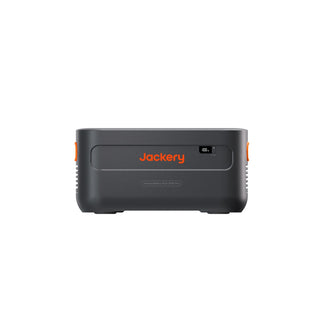
![[Add-on] Jackery Battery Pack 5000 Plus - Jackery](http://www.jackery.com/cdn/shop/files/add-on-jackery-battery-pack-5000-plus-6713401.webp?v=1786503068&width=324)






Quick Answer: Most blackouts in the U.S. last 1–4 hours for minor events. Severe weather extends outages to 4–24 hours, and major disasters like hurricanes may cause week-long or longer power loss. Duration depends on the cause, grid infrastructure, and whether the area is urban or rural. Preparation should account for both short rolling blackouts and prolonged multi-day events.
Key Takeaways:
- Outage duration uncertainty drives prep anxiety; estimates range from hours to weeks depending on location and event type.
- Food spoilage begins after 4 hours in a refrigerator; a full unopened freezer stays safe for up to 48 hours.
- Regional patterns: rural areas average 1–7 day outages, suburban 1–2 weeks, urban 2–4+ weeks after major disasters.
- Community coordination, especially checking on elderly neighbors early, is one of the most overlooked prep steps.
- LiFePO4 portable power stations (500–2,000Wh) handle lights, phones, and small appliances for 72-hour minimum readiness. [2]
How Long Do Typical Blackouts Last by Event Type?
Blackout duration ranges from 1–2 hours (rolling blackouts) to 1–7 days (major disasters). A blown transformer is fixed in hours; a hurricane takes weeks. The difference determines whether you need a flashlight or a full backup system.
Rolling blackouts last 1–2 hours per neighborhood, rotating to share grid stress. Utilities cycle them deliberately.
Weather-related outages (thunderstorms, high winds, downed trees) last 4–24 hours, depending on damage and crew response. These are the most common blackouts Americans face.
Major disaster outages (hurricanes, ice storms, derechos) can last 1–7 days, with isolated areas waiting weeks. The 2021 Texas Winter Storm Uri caused outages averaging 3 days for millions. [1]
Planned maintenance outages last 1–4 hours, with 48-hour notice. These are inconveniences, not emergencies.
The pattern: more widespread damage means longer waits. A single downed line is fixed fast; a statewide ice storm snaps thousands of poles, and you compete for limited crews.
Are Blackouts Common in the US?
Yes, and they're getting more frequent: rising average outage durations are driven by severe weather, an aging grid, and intensifying storms. [1]
Severe weather causes most major outages; equipment failure accounts for a smaller share. [1] Utility disconnections affect millions annually, reflecting grid strain.
If you haven't experienced a multi-hour blackout yet, you likely will. The question is how long the failure lasts. Rural customers wait longest, but urban areas also see 24+ hour restorations after major storms.
What Factors Determine How Long a Blackout Lasts?
Cause, location, utility priorities, and grid interconnectivity determine blackout duration.
Cause matters most. As outlined above, a blown transformer takes 1–4 hours; hurricane damage takes days or weeks. Repair complexity scales with destruction.
Urban vs. rural: Cities have shorter repair times due to higher customer density: a repair in Manhattan restores thousands; in rural Montana, twelve. Rural areas, with more line-miles per customer, wait longer because utilities prioritize high-customer areas.
Utility restoration: hospitals and emergency services first, then main lines, then neighborhoods. Rural feeder lines are last.
Grid interconnectivity: Isolated grids like ERCOT cannot import power, prolonging restoration. Post-2003 reliability standards require utilities to share lessons and maintain mandatory NERC compliance, improving response times.
What Are the Longest Blackouts in U.S. History?
Hurricane Maria caused the longest U.S. blackout, leaving parts of Puerto Rico without power for nearly a year. Some mountain communities waited 328 days for reconnection.
The 2003 Northeast Blackout affected 50 million people across the U.S. and Canada for up to about a day, triggered by a software bug and cascading failures after a line sagged into a tree in Ohio, rippling across eight states. Restoration took roughly 24 hours; economic damage was an estimated $6 billion.
Winter Storm Uri (2021) caused a 3-day blackout for millions in Texas when ERCOT couldn't import power during freezing conditions. Temperatures dropped to single digits, gas wells froze, and wind turbines iced over; the isolated grid design proved a liability.
Hurricane Helene (2024) left 1.4 million homes without power across the Southeast; some rural areas waited 14+ days. Mountain communities in North Carolina faced the longest waits as washed-out roads blocked repair crews.
How Does a Blackout Affect Food, Water, and Infrastructure Over Time?
Power loss cascades through food, water, and infrastructure systems.
Refrigerated food becomes unsafe after 4 hours. A full, unopened freezer keeps food frozen up to 48 hours; a half-empty one less than 24. Keep doors closed and use a thermometer to verify temperatures stay below 40°F.
Municipal water systems lose pressure after 24–48 hours, risking contamination. Without pumps, water towers drain; groundwater can seep into cracked pipes. Store 1 gallon of water per person per day for a 72-hour emergency kit. [2]
Gas pumps and ATMs stop working within hours. Cash and a full tank of gas before the storm are cheap insurance.
Cell towers fail after 4–8 hours as backup batteries deplete. A NOAA weather radio provides emergency communication.
Economic damage from prolonged blackouts can total billions, as seen in 2003 and Uri. Spoiled food, lost revenue, and repair costs compound quickly.
How Do Blackout Durations Differ by U.S. Region?
Region |
Typical Outage Duration |
Key Causes |
Notes |
|---|---|---|---|
Southeast |
7–14 days (hurricanes) |
Hurricanes (e.g., Helene 2024) |
Warm climate accelerates food spoilage; high humidity complicates generator storage |
Texas |
1–3 days (winter storms) |
Winter storms, isolated ERCOT grid |
Grid independence prevents importing power during emergencies |
California |
2–5 days (PSPS shutoffs) |
Wildfire prevention shutoffs |
Utilities proactively de-energize lines; deliberate safety measures |
Northeast |
1–2 days (nor'easters, ice storms) |
Nor'easters, ice storms, cascading failures (2003) |
Dense grid and large repair crews speed restoration vs. rural areas |
For a deeper look at how to build resilient backup power for these regional patterns, see our guide on how to build secure power backup for home appliances.
Practical Tips from Experienced Blackout Survivors
The first hour of a blackout sets the stage for everything that follows — experienced survivors focus on neighbor checks, freezer preservation, and backup power readiness.
Check on neighbors within the first hour, especially elderly, families with young children, and those with medical needs, who face compounding risks.
Freeze water bottles in advance. A full freezer stays cold longer; frozen bottles provide drinking water as they thaw.
Know your circuit breaker location and how to report outages before the power fails. Fumbling in the dark wastes time when minutes matter.
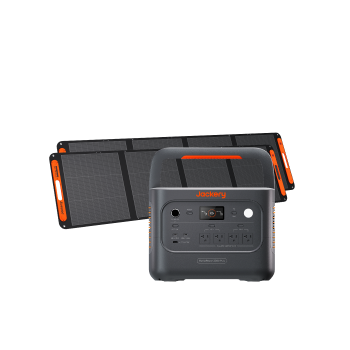
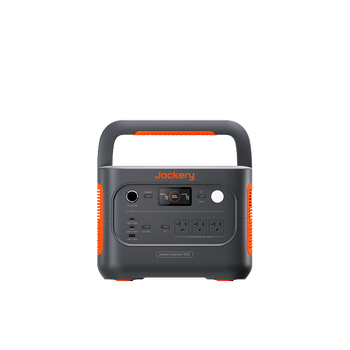
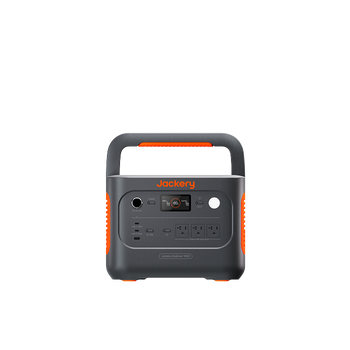
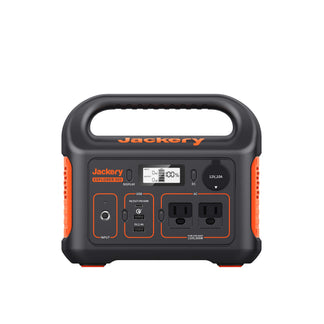
Test backup power equipment quarterly. A generator with stale fuel won't start; portable power stations need periodic charging. Jackery's essential home backup systems hold charge for months, but regular testing confirms readiness.
Stage supplies where you can find them in the dark. A dedicated bin with flashlights, batteries, and a power station near the kitchen or living room beats searching through closets by phone light.
Outage Duration vs. Recommended Setup
Outage Duration |
Typical Scenario |
Minimum Backup Needed |
Best Power Source |
|---|---|---|---|
1–4 hours |
Rolling blackout, brief storm |
Lights, phone, router |
Portable power station (500–2,000Wh) |
4–24 hours |
Severe thunderstorm, downed lines |
Above + refrigerator |
Mid-capacity power station + solar panels |
1–3 days |
Winter storm, ice damage |
Above + freezer, sump pump |
Large power station with solar recharging |
3–7+ days |
Hurricane, major disaster |
Full essential home backup |
Expandable system with multiple battery packs |
Product Recommendation: Essential Home Backup Solutions
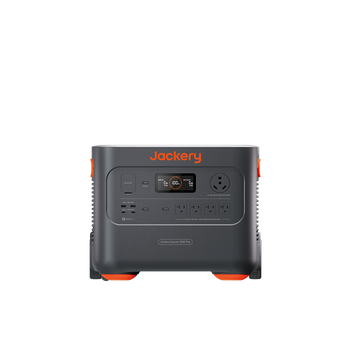
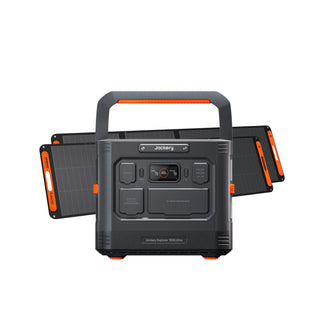
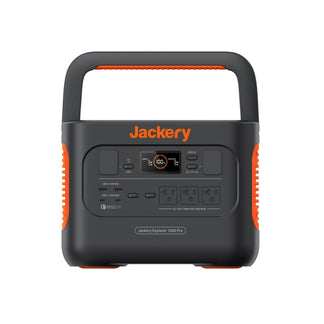
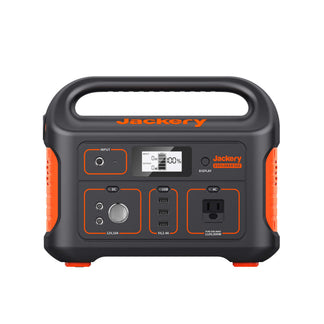
For 1–4 hour blackouts, a portable power station suffices; for multi-day outages, choose an expandable system with solar recharging. These three setups cover the spectrum.
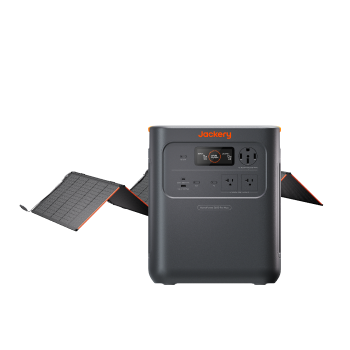
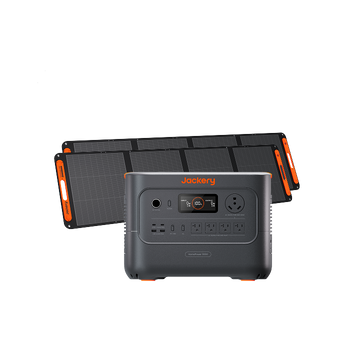
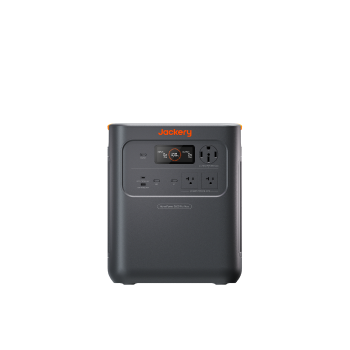
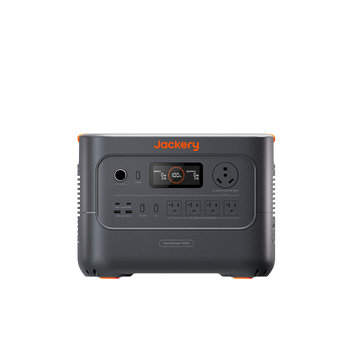
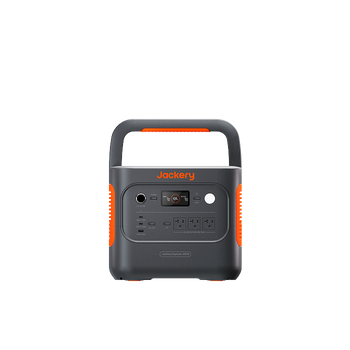
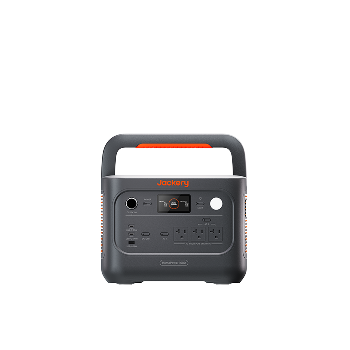
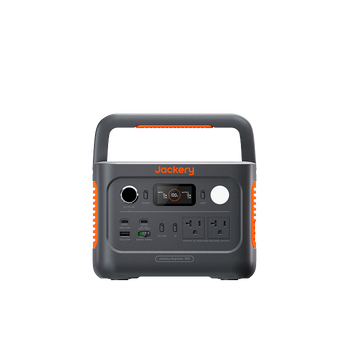
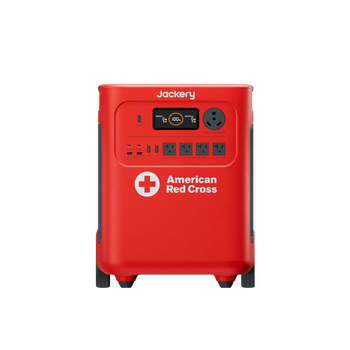
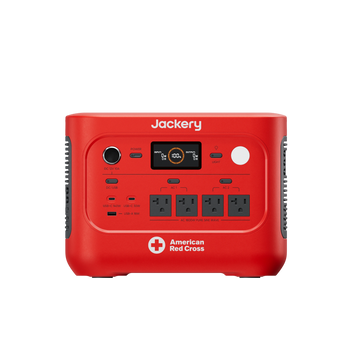
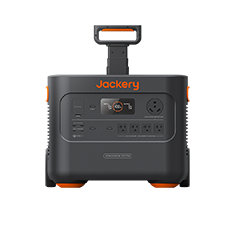
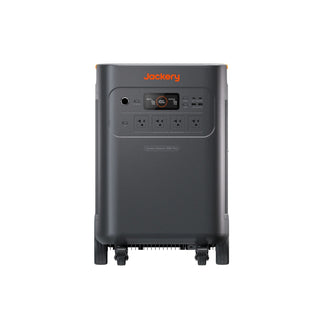
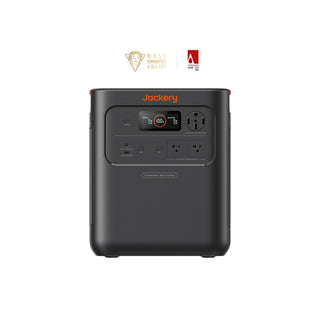
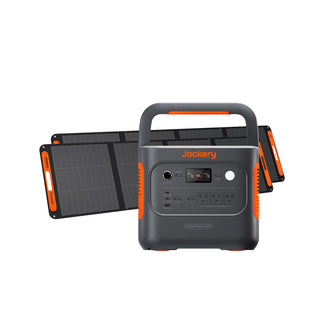
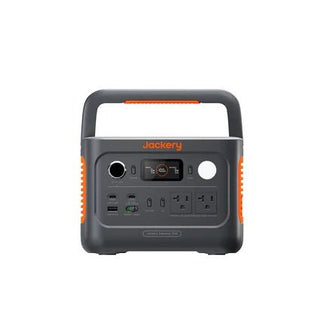
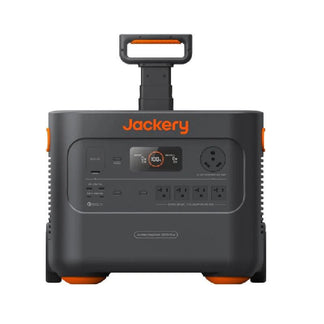
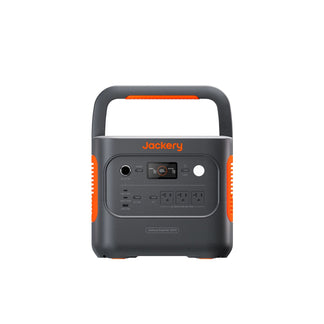
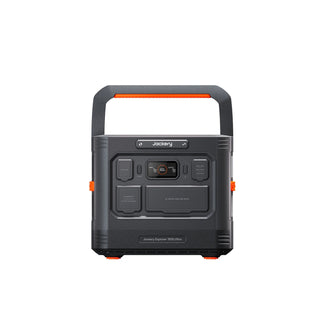
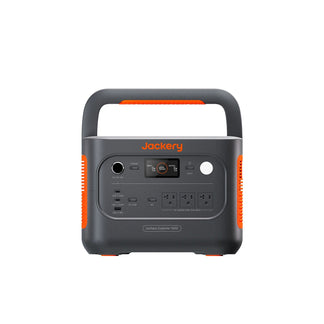
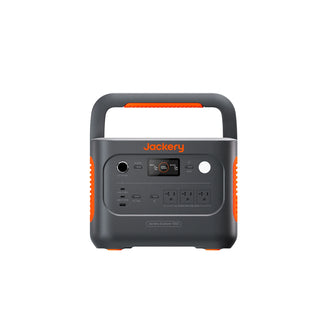
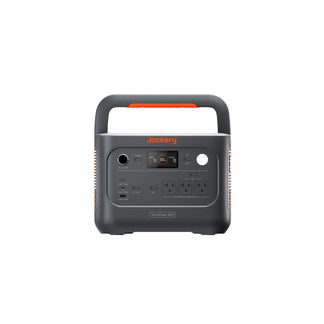
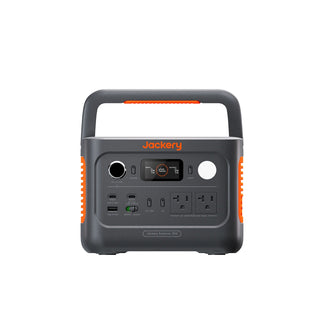
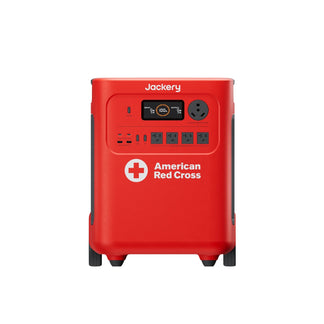
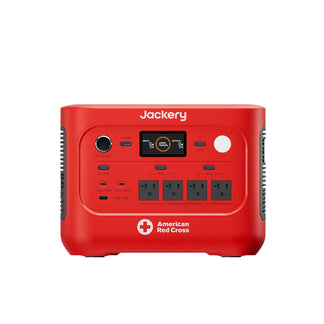
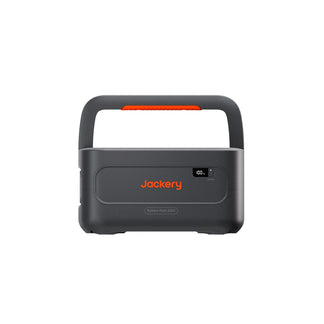
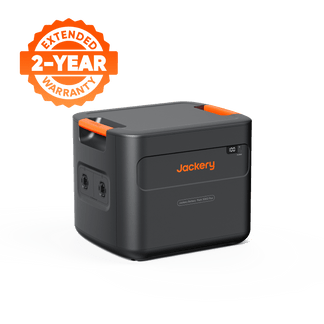
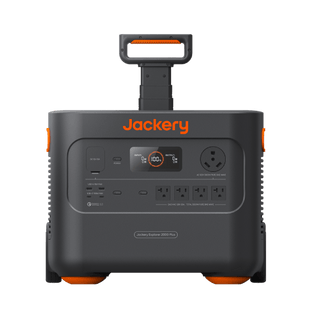
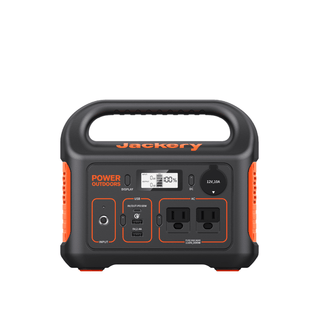
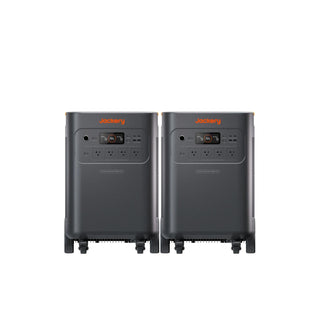
Jackery Explorer 2000 v2
Feature |
Specification |
Key Benefit |
|---|---|---|
Capacity |
2,042Wh |
Runs refrigerator 3.2 hours or lights 155 hours |
Surge Power |
4,400W |
Handles startup surges from compressors and motors |
Operation |
Indoor-safe, zero emissions |
No carbon monoxide risk — use inside your home |
Best For |
1–4 hour rolling blackouts |
Keeps essentials running until grid returns |
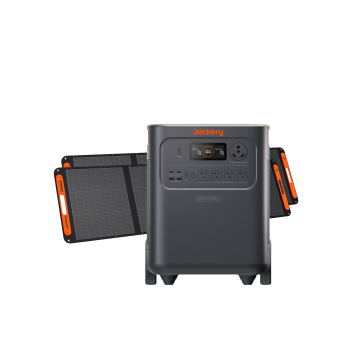
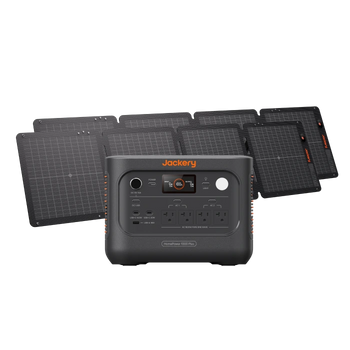
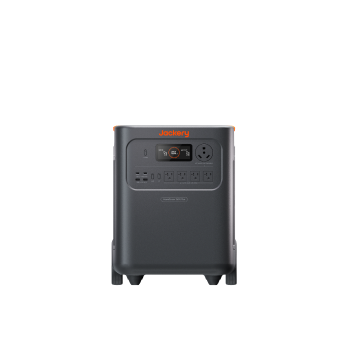
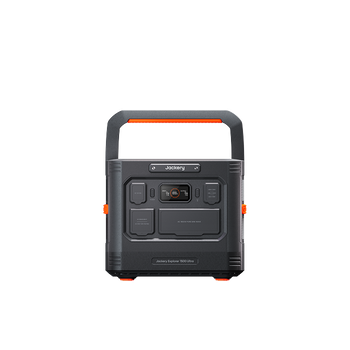
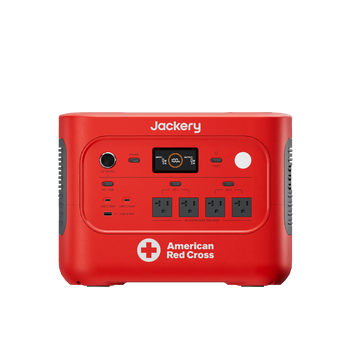
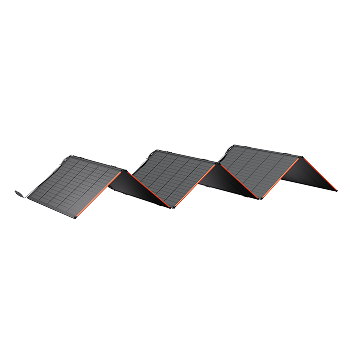
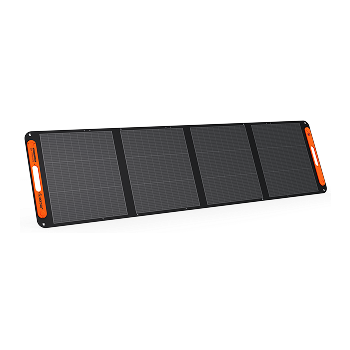
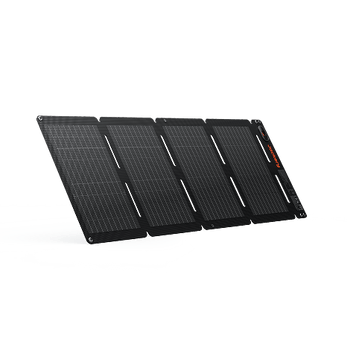
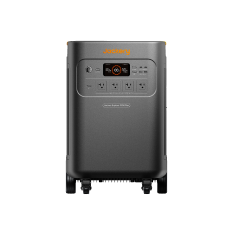
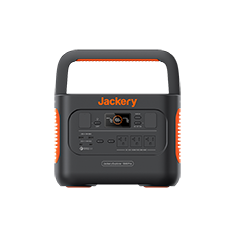
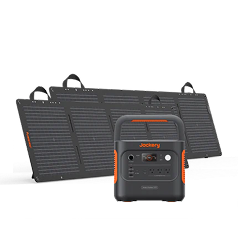
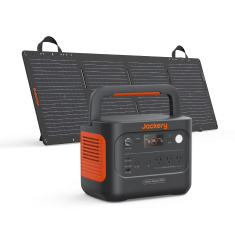
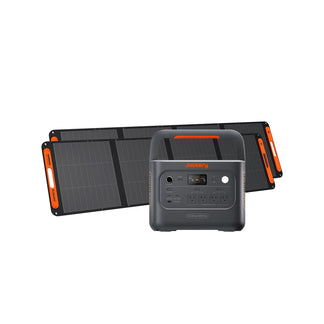
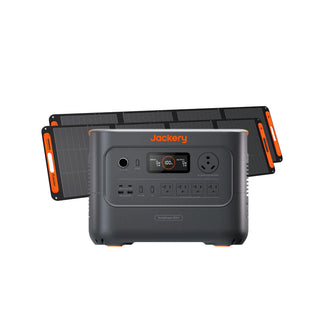
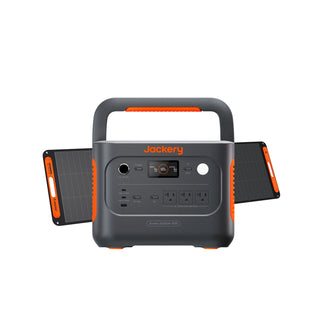
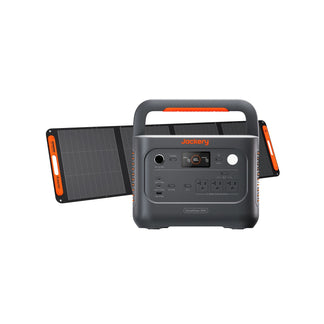
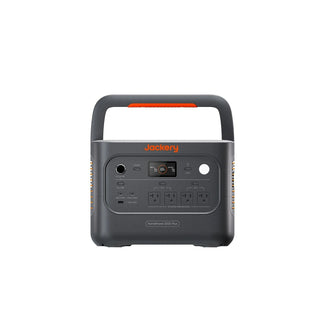
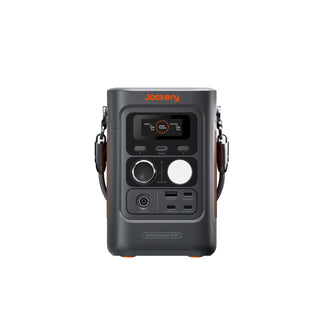
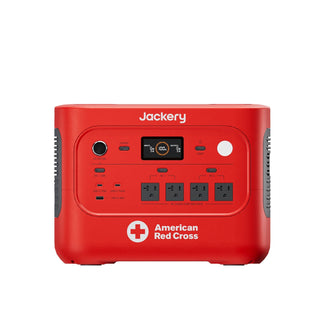
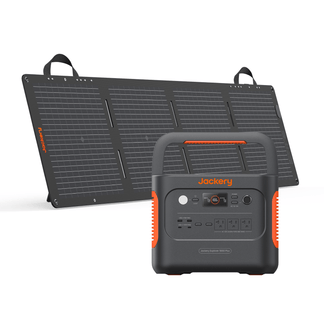
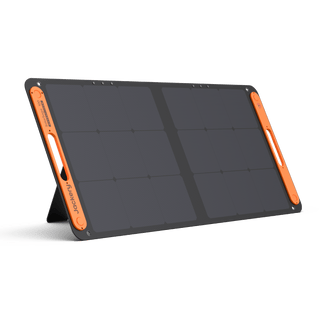
Jackery Solar Generator HomePower 3600 Plus + SolarSaga 500X
Feature |
Specification |
Key Benefit |
|---|---|---|
Capacity |
3,584Wh (expandable to 21.48kWh) |
Runs refrigerator (80W) for 38 hours |
Surge Power |
7,200W |
Powers portable AC (1,000W) for 3 hours |
Solar Recharging |
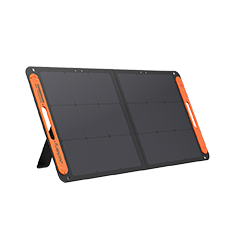
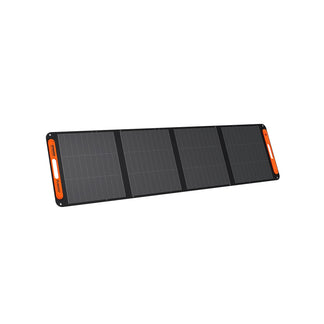
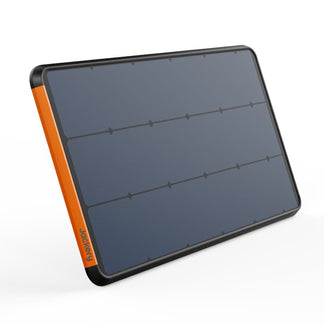
SolarSaga 500X panels |
Extends runtime indefinitely during sunny days |
Best For |
2–5 day outages |
Handles Texas winter storms or California PSPS events |
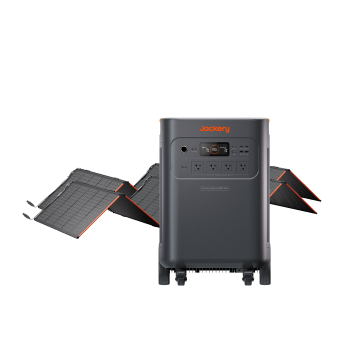
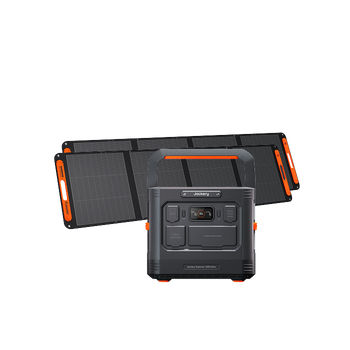
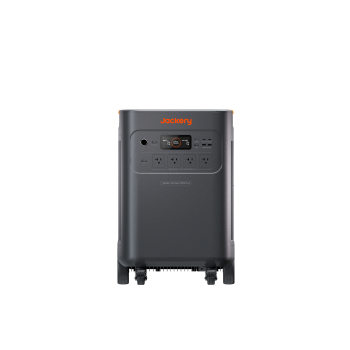
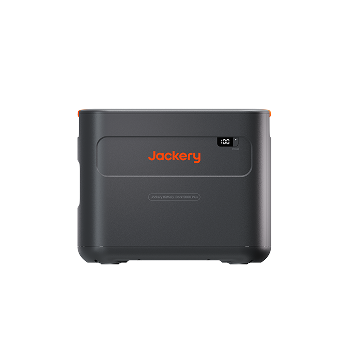
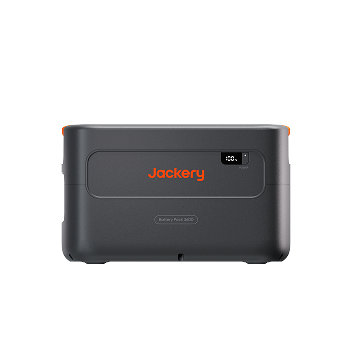
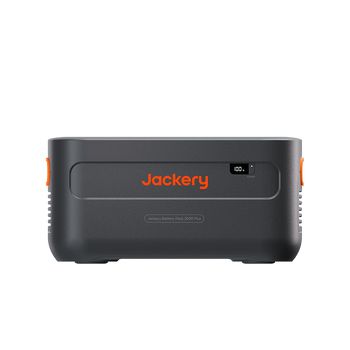
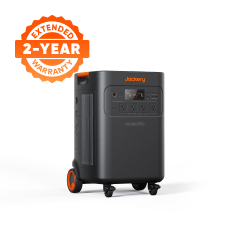
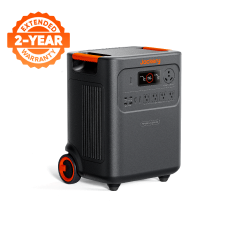
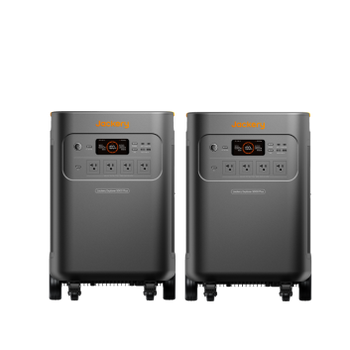
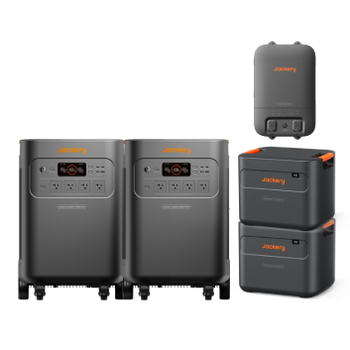
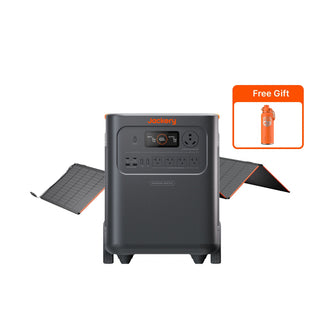
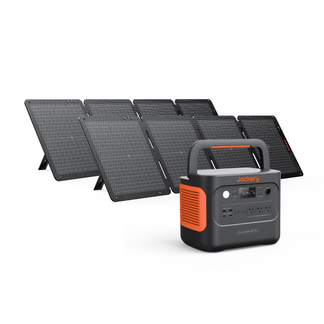
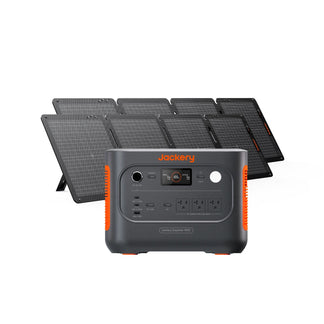
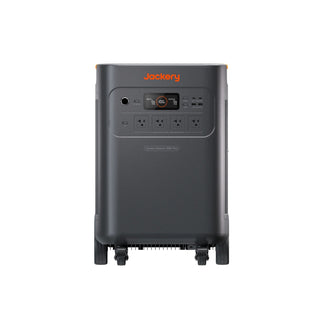
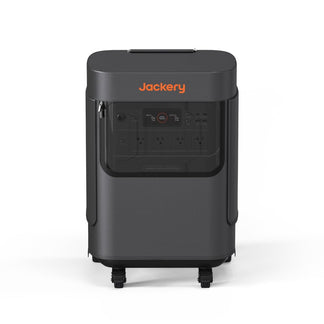
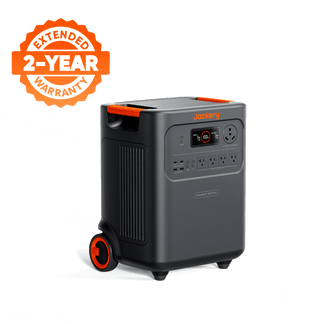
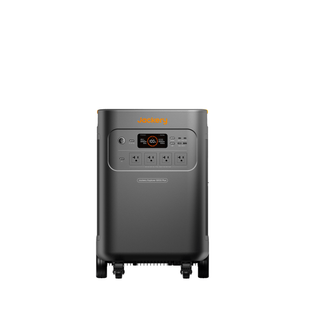
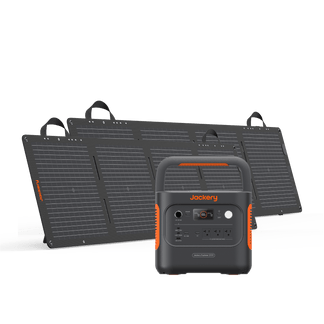
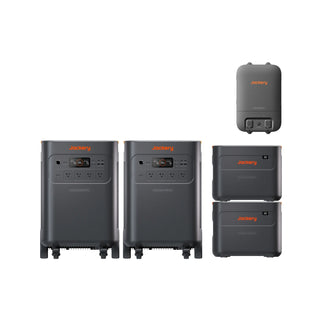
Jackery Solar Generator 5000 Plus + 2x SolarSaga 500X
Feature |
Specification |
Key Benefit |
|---|---|---|
Capacity |
5,040Wh (expandable to 60kWh) |
Runs refrigerator (520W) for 10 hours, well pump (60W) for 40 hours |
Surge Power |
14,400W |
Handles multiple large appliances simultaneously |
Scalability |
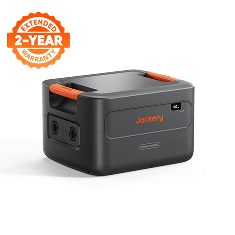
Up to 60kWh with extra battery packs |
Matches extended durations from hurricanes or winter storms |
Best For |
7+ day hurricane outages |
Replaces gas generators when fuel runs out |
For a comprehensive comparison of backup options, see our guide to the best battery backup generators. If you're considering solar as part of your emergency plan, solar emergency generators offer fuel-free recharging when gas stations are closed.
Limitations / What to Know Before
Rural restoration times are 2–3× longer than urban areas (see factors above). Plan for 7+ day outages if you live more than 10 miles from a town.
The 48-hour freezer rule (see food section) applies only to a fully packed, unopened freezer. Fill empty space with water jugs to extend cold retention.
Portable generators must be placed outdoors at least 20 feet from windows and doors; indoor use causes fatal CO poisoning (odorless, colorless, lethal within minutes), killing hundreds each year. [3] Garages, even with open doors, are unsafe.
LiFePO4 portable power stations allow indoor use with zero emissions, avoiding CO risk while running essentials. This is the key advantage over gas generators for short to medium outages.
Frequently Asked Questions (FAQ)
What should I do first when the power goes out?
Check your circuit breaker to confirm it's not a tripped breaker, then report the outage. Avoid opening the refrigerator.
How can I keep my phone charged during a long blackout?
Use a portable power station, car charger, or solar charger; conserve battery with low-power mode and limit screen time.
Is it safe to use candles during a blackout?
No, candles pose a fire hazard. Use LED flashlights or battery-powered lanterns.
How do I protect appliances from surges when power returns?
Unplug sensitive electronics before power returns; consider whole-house surge protectors. Restoration often brings voltage spikes.
What non-perishable foods should I stock for a blackout?
Stock canned goods, dry grains, nut butters, and shelf-stable milk. Avoid foods that require refrigeration or cooking to stay safe — you may not have power for your stove.
Sources & References
[1] U.S. Energy Information Administration, "U.S. electricity customers experienced power interruptions…," Today in Energy — eia.gov/todayinenergy/detail.php?id=61303 (accessed June 25, 2026).
[2] Ready.gov / FEMA, "Power Outages" — ready.gov/power-outages (accessed June 25, 2026).
[3] U.S. Centers for Disease Control and Prevention, "Carbon Monoxide Poisoning" — cdc.gov/carbon-monoxide/about/index.html (accessed June 25, 2026).


