






















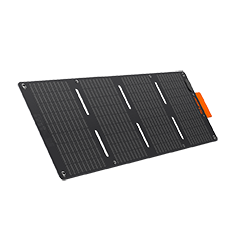





![[Add-on] Jackery SolarSaga 500 X - Jackery](http://www.jackery.com/cdn/shop/files/add-on-jackery-solarsaga-500-x-1493607.webp?v=1786503068&width=324)


![[Add-on] Jackery Battery Pack 5000 Plus - Jackery](http://www.jackery.com/cdn/shop/files/add-on-jackery-battery-pack-5000-plus-6713401.webp?v=1786503068&width=324)





























The growing intensity of wildfires and the unpredictability of evacuations create significant anxiety for homeowners. This guide provides a clear, actionable plan for reducing your home's wildfire risk, focusing on high-impact steps you can take to regain control and enhance your safety.
Step 1: Assess Your Home's Wildfire Risk
Many homes are located in what is known as the Wildland-Urban Interface (WUI), the zone where residential areas meet or intermingle with flammable natural vegetation. Living in the WUI dramatically increases the potential for ignition during a wildfire.
It's a common misconception that direct flames are the primary threat to homes. In reality, wind-blown embers can travel a mile or more ahead of a fire, causing the vast majority of home ignitions by entering small openings or landing on flammable materials.
How Can You Check Official Risk Maps?
Consult your state and local fire agency's official hazard maps to get a clear assessment of your area's wildfire risk. These maps are often available online and provide a data-driven overview of your community's vulnerability.
How Can You Get a Professional Risk Assessment?
Contact your local fire department to inquire about free or low-cost home risk assessments. A trained professional can visit your property and provide personalized recommendations to help you harden your home and create effective defensible space.
Step 2: Create Critical Defensible Space
Defensible space is the buffer you create between your home and the surrounding vegetation. This "Zone" strategy creates a layered defense designed to slow the spread of fire, reduce its intensity, and give firefighters a safer area to defend your home.
Defensible Space Zones for Wildfire Safety
|
Zone |
Distance from Home |
Name / Mantra |
Key Actions & Goals |
|---|---|---|---|
|
Zone 1 |
0–5 feet |
Non-Combustible Zone |
Goal: Remove all flammable materials. |
|
Zone 2 |
5–30 feet |
Lean, Clean, and Green Zone |
Goal: Interrupt the fire's path. |
|
Zone 3 |
30–100+ feet |
Reduced Fuel Zone |
Goal: Reduce the overall density of fuel to slow a fire's advance. |
Step 3: Harden Your Home Against Embers
Hardening your home means sealing off any gaps where wind-blown embers could enter and ignite the structure from the inside out. This is a key part of any plan for how to build a disaster-proof home.
Why Are Your Roof and Gutters the Highest Priority?
Your roof is the most vulnerable surface of your house. Use Class A fire-rated roofing materials like metal, composite shingle, or tile.
Ensure your gutters are made of metal, not vinyl, and keep them completely clean of leaves, pine needles, and other flammable debris. Installing metal gutter guards is a highly effective way to prevent this buildup.
How Do You Secure Critical Entry Points like Vents and Eaves?
Embers are notorious for finding their way into homes through vents. Install 1/8-inch metal mesh screens on all vents, including those for the attic, foundation, and crawl spaces, to block embers while maintaining airflow.
Open eaves are another common trap for embers. Boxing in open eaves with non-combustible materials eliminates these hazardous spots and gives your home a more finished, ember-resistant profile.
How Can You Protect Windows and Decks?
Heat from a wildfire can cause single-pane windows to break, allowing embers to enter. Upgrade to dual-pane tempered glass windows, which offer significantly more resistance to heat and breakage.
The area under decks and porches can accumulate flammable debris and provide a place for embers to ignite your home's foundation. Keep this area completely clear of flammable items, leaves, and debris.
Step 4: Build Your Evacuation Plan & Go-Bag
When an evacuation order is issued, you may only have minutes to leave. A well-rehearsed plan and pre-packed go-bags are essential for a safe and orderly departure during wildfire emergencies.
Establish a Family Emergency Plan
Define multiple evacuation routes from your neighborhood in case one is blocked. Designate a primary family meeting place nearby and a secondary one further away. Choose an out-of-area contact person that all family members can call to check in.
Do not forget your pets. Your plan must include them, so pack their food, water, medications, and carriers. Keep recent photos of your pets on your phone for identification purposes should you become separated.
What Should You Pack in a Go-Bag?
Every person in your household should have a personal "Go-Bag" ready. These bags should contain essentials like:
- Water
- Non-perishable food for several days
- All necessary medications
- A first-aid kit
- A flashlight with extra batteries
- Digital or physical copies of important documents
Step 5: Secure Backup Power for Wildfire Emergencies
Wildfires and Public Safety Power Shutoffs (PSPS) frequently cause extended power outages. These outages can cut you off from critical evacuation alerts, spoil food, and disable essential medical equipment or well pumps. Knowing how to prepare for SHTF scenarios like this is vital.
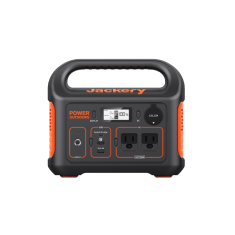
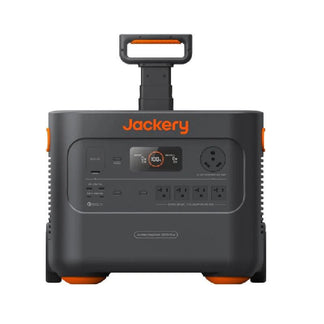
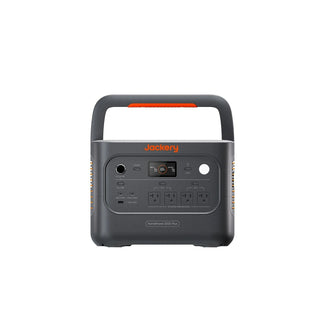
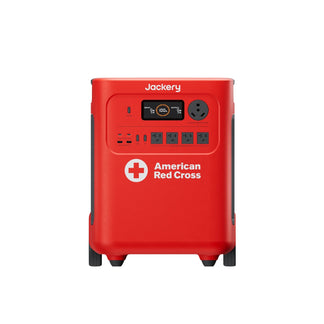
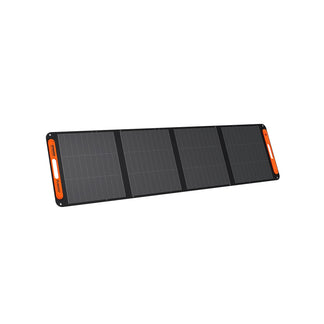
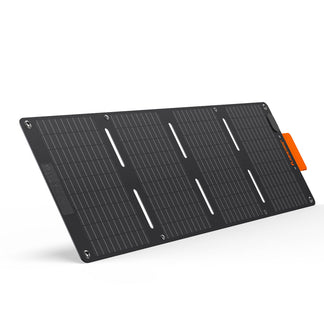
Portable solar generators offer a safe, silent, and fume-free power solution that can be used indoors, unlike gas generators. They provide reliable energy for communication, refrigeration, and medical needs, giving you stability during a crisis. This is especially true for those living in high-risk areas like those affected by the California wildfires.
What Backup Power is Best for Communications?
During an outage, keeping your phone, laptop, and Wi-Fi router powered is not a luxury—it's a lifeline. These devices allow you to receive real-time evacuation orders and stay connected with emergency services.
-
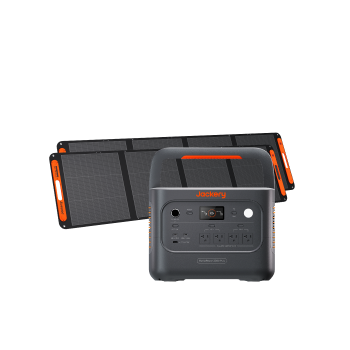
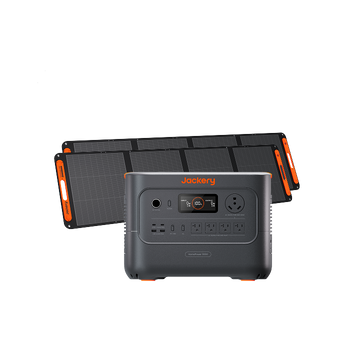
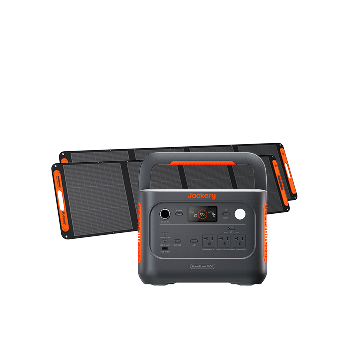
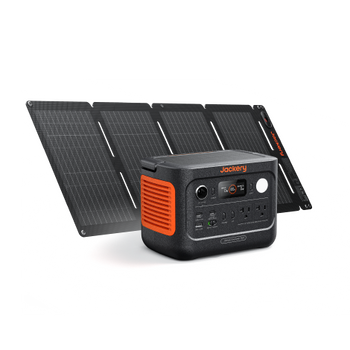
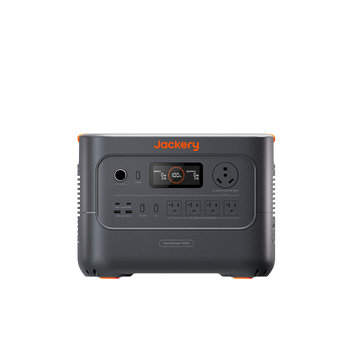
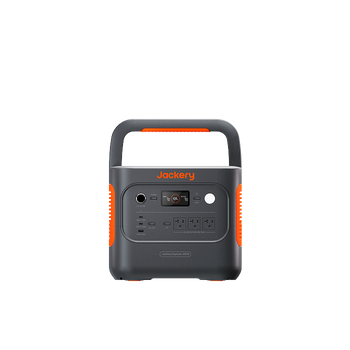
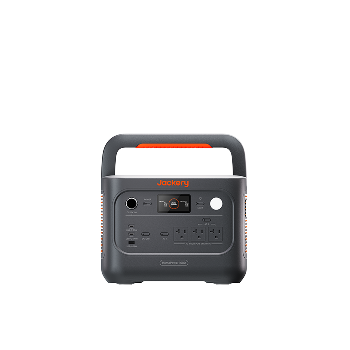
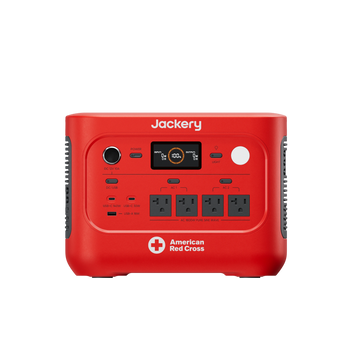
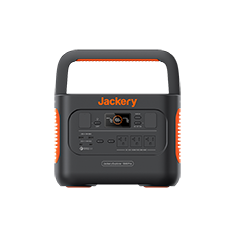
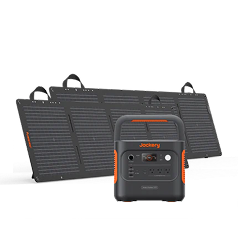
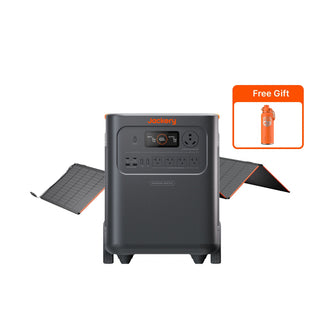
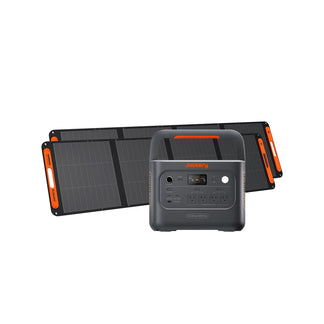
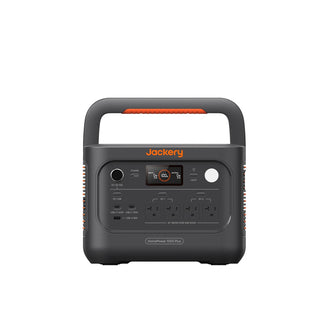
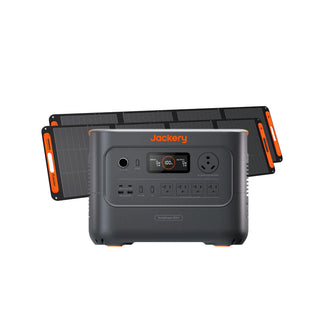
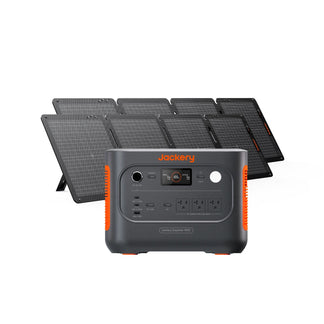
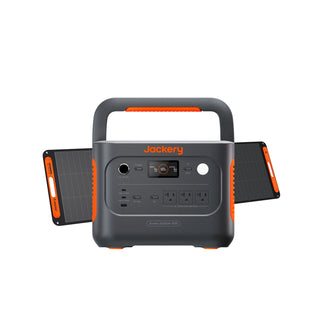
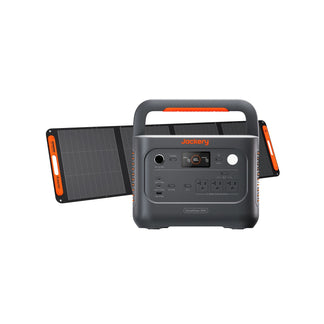
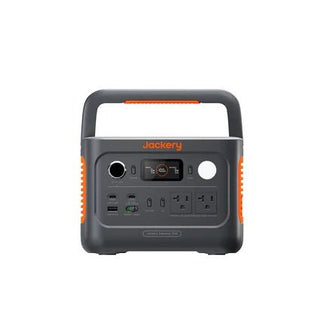
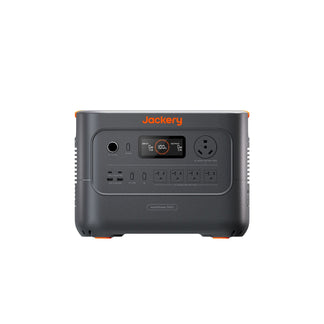
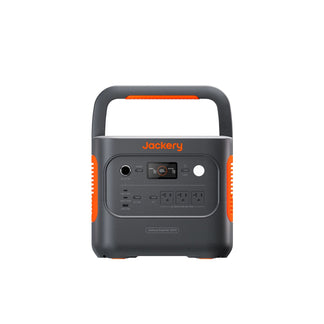
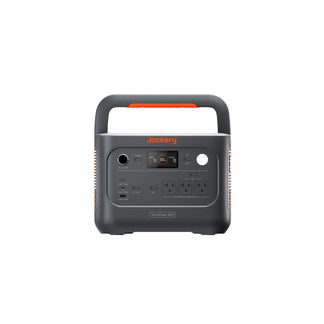
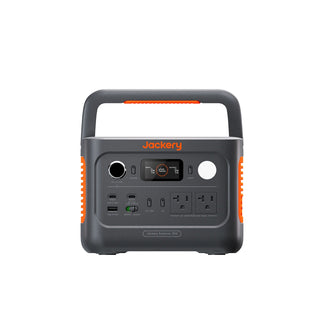
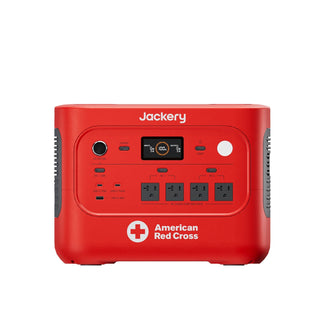
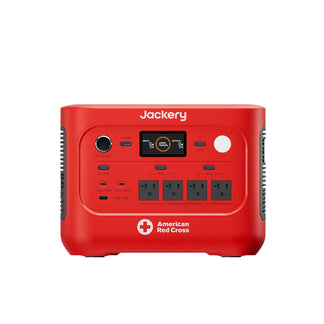
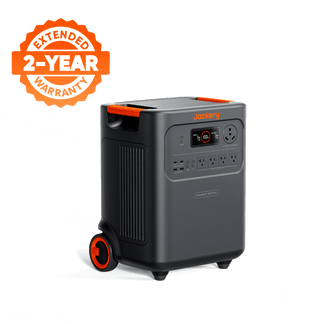
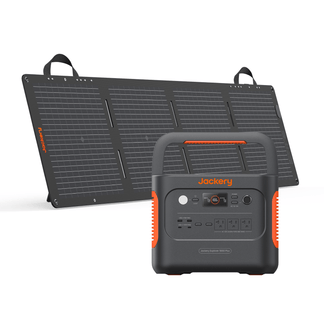
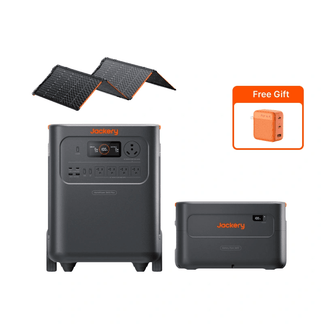
Jackery Solar Generator 1000 v2
- 1070Wh capacity
- Emergency supercharging from 0-100% in 1 hour
- Features USB-A/C ports with up to 100W dual PD charging
A versatile unit like this can run a Wi-Fi router for over 35 hours or a laptop (50W) for 13.5 hours, ensuring your communication lines remain open when you need them most.
What Backup Power is Needed for Critical Appliances?
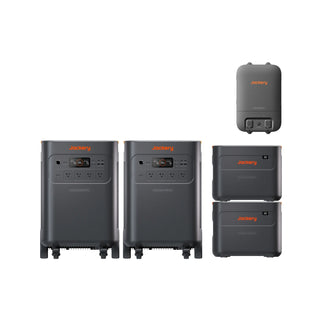
For a prolonged power outage, you need a more robust solution to power a refrigerator and lights. A high-capacity solar generator can keep your home's essential systems running.
-
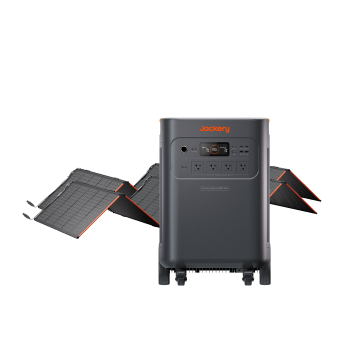
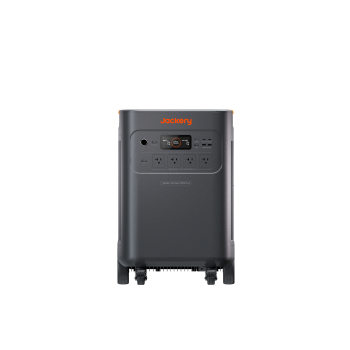
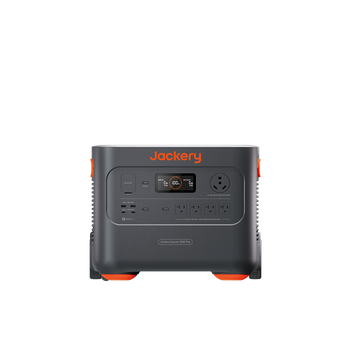
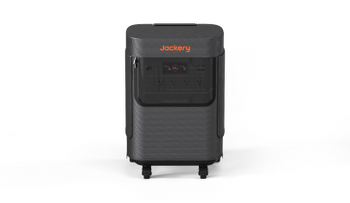
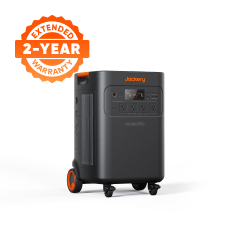
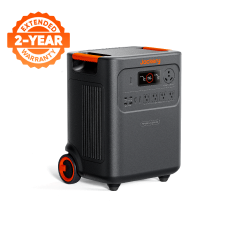
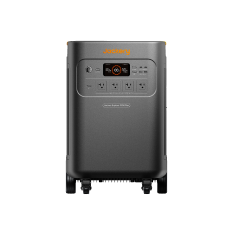
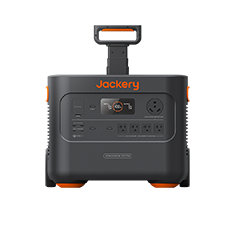
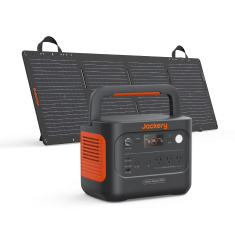
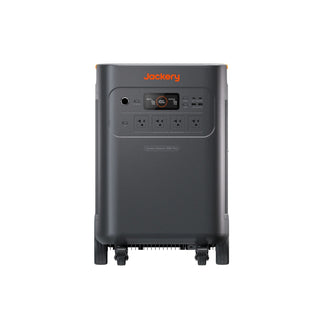
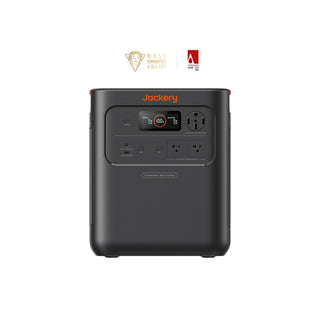
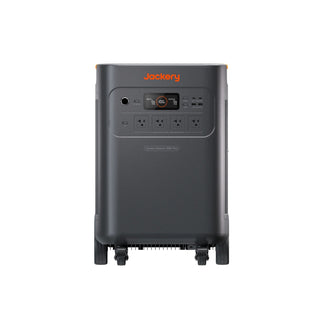
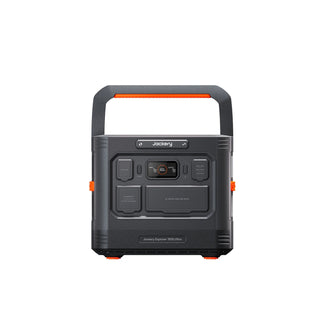
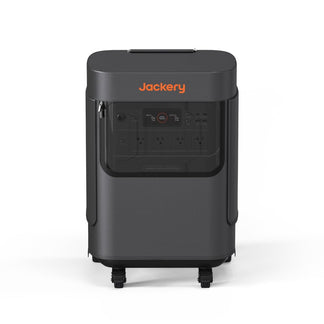
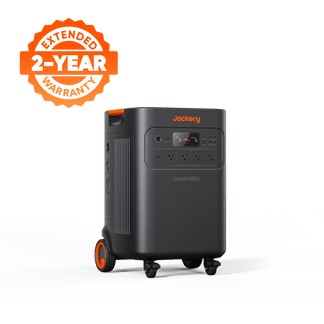
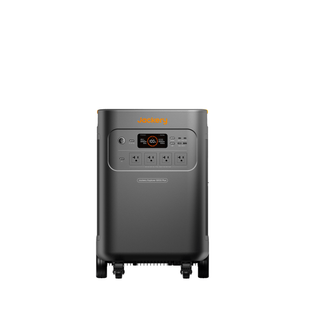
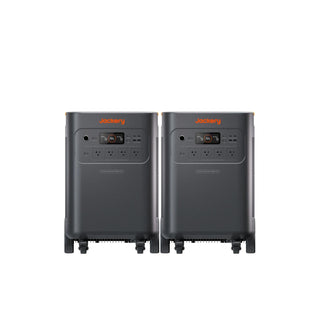
Jackery Solar Generator HomePower 3000
- 3072Wh capacity
- 3600W output (7200W surge) to run major home appliances
- <20ms Uninterruptible Power Supply (UPS)
This powerful system provides 3072Wh of energy, enough to power a refrigerator, lights, and Wi-Fi router for up to 2 days on a single charge, offering true peace of mind.

Step 6: Last-Resort Survival Actions If Trapped
These actions are for dire, last-ditch survival situations only. Evacuating early is always the safest and only recommended plan.
What Should You Do If Trapped in a Vehicle?
If you are caught in your vehicle, do not leave it. Park in an area as clear of vegetation as possible, close all windows and vents, lie on the floor, and cover yourself with a wool blanket if you have one.
What Should You Do If Trapped at Home?
If you are trapped at home and cannot evacuate, call 911 immediately and give them your location. Close all interior and exterior doors, keep exterior doors unlocked, and move your family to a room with the fewest windows and external walls.
A Layered Approach to Wildfire Safety
A comprehensive approach is the best defense against wildfire emergencies. True preparedness is a combination of creating defensible space, hardening your home against embers, and having a solid evacuation plan with reliable backup power. This layered strategy significantly increases your home's chances of survival.
Start today with low-cost, high-impact tasks. Clean your gutters, clear flammable debris from against your house, and pack your go-bag. Taking proactive steps and securing a dependable power source like a Jackery solar generator will dramatically increase your family's safety and your peace of mind during wildfire season.
Frequently Asked Questions
How can I stay informed about active wildfires and evacuation orders in real-time?
Subscribe to your county's emergency alert system (often via text and email) and monitor local news, official fire agency social media accounts, and NOAA Weather Radio for the most current information.
Are there any insurance considerations I should be aware of when living in a high wildfire risk area?
Yes, living in a high-risk area can affect your insurance premiums and coverage availability. Document your home hardening and defensible space work, and discuss it with your insurance agent to ensure you have adequate coverage.
What are some common misconceptions about wildfire behavior that homeowners should avoid?
A common myth is that a wide paved driveway or a road is a sufficient firebreak. Wind-blown embers can easily cross these barriers, so you must still harden your home and create defensible space on all sides.
Beyond the initial preparation, what ongoing maintenance is required to keep my home wildfire-ready year-round?
Regular maintenance includes cleaning gutters and roofs in the spring and fall, keeping grass mowed, removing dead vegetation throughout the year, and checking that vent screens are intact and secure.
How do I choose fire-resistant landscaping plants that are also suitable for my local climate and aesthetics?
Look for plants with high moisture content and low levels of volatile oils, such as succulents or deciduous trees. Your local nursery or university extension office can provide lists of fire-resistant plants native to your region.


