





![[Add - on] Jackery Manual Transfer Switch for Explorer 5000 Plus - Jackery](http://www.jackery.com/cdn/shop/files/add-on-jackery-manual-transfer-switch-for-explorer-5000-plus-9017324.png?v=1754016782&width=350)



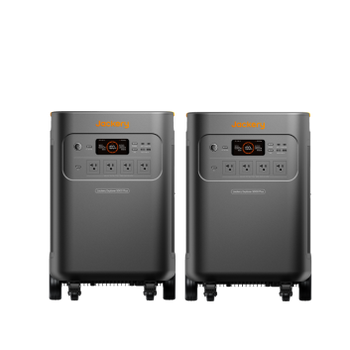
![[Add - on] Jackery Battery Pack 5000 Plus - Jackery](http://www.jackery.com/cdn/shop/files/add-on-jackery-battery-pack-5000-plus-6078351.png?v=1754016791&width=324)

![[Add - on] Jackery Car Charging Cable - Jackery](http://www.jackery.com/cdn/shop/files/add-on-jackery-car-charging-cable-3882421.png?v=1754016863&width=324)



![[Add - on] Jackery Smart Transfer Switch - Jackery](http://www.jackery.com/cdn/shop/files/add-on-jackery-smart-transfer-switch-5842915.png?v=1754016784&width=324)
![[Add - on]Jackery 102W GaN 3 - Port Fast Charger - Jackery](http://www.jackery.com/cdn/shop/files/add-onjackery-102w-gan-3-port-fast-charger-6377742.png?v=1754016790&width=324)



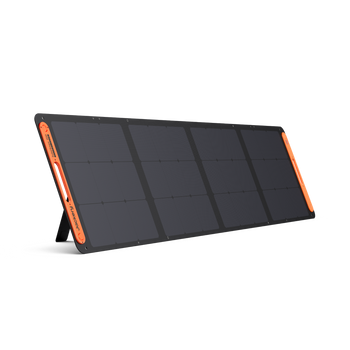
![[Add - on] SolarSaga 200W - Jackery](http://www.jackery.com/cdn/shop/files/add-on-solarsaga-200w-4834329.png?v=1754016915&width=324)

![[Add - on] Jackery Manual Transfer Switch for Explorer 5000 Plus - Jackery](http://www.jackery.com/cdn/shop/files/add-on-jackery-manual-transfer-switch-for-explorer-5000-plus-9017324.png?v=1754016782&width=324)


Every summer, residents of the American Southwest brace for one of nature’s most imposing spectacles: the haboob. Derived from the Arabic word meaning "to blow," these towering walls of desert sediment can rise several thousand feet into the sky. Triggered when collapsing thunderstorm cells release massive, descending columns of cold air, these outflows scoop up loose silt and race across the desert at 60 mph.
The threat of a haboob isn't just visual; they trigger sudden blackouts and severe highway hazards. Here is the science of how these storms form, and the exact steps you need to secure your household's power and safety.
The Real Danger of a Haboob
While a haboob is a spectacular sight from a distance, its arrival triggers a rapid and highly dangerous cascade of physical hazards:
- Zero Visibility on Roadways: Clear desert skies can plummet to zero visibility in under a minute. This sudden blinding effect traps drivers on high-speed interstates, frequently leading to massive, multi-vehicle pileups.
- Widespread Electrical Outages: As the storm's leading gust front surges across the desert floor, the wind-blown dust particles build high static charges. This particulate matter accumulates on high-voltage equipment, causing transformers to short-circuit and utility lines to snap.
- HVAC and Indoor Air Risks: After the dust front passes, fine particulate remains suspended in the air. Household HVAC systems draw this dust indoors, clogging air filters, coating ductwork, and creating severe health risks for individuals with asthma or allergies.
Critical Safety Warning: The Extreme Indoor Heat Trap
Because haboobs strike during the peak of the summer monsoon season, losing grid power means losing air conditioning. In desert climates like Phoenix or Tucson, indoor temperatures can climb past 100 degrees Fahrenheit within hours of a blackout. This combination of heavy airborne dust and soaring indoor heat represents an extreme health risk for elderly residents, young children, and pets, making reliable home backup power a necessity.
What Defines a Haboob vs. a Standard Dust Storm
Not all dust storms are created equal. The physical height, density, and unique meteorological origin of a haboob distinguish it from standard wind-blown dust:
|
Feature / Metric |
Standard Dust Storm |
Haboob (Desert Giant) |
|
Triggering Mechanism |
Strong regional pressure gradients or dry cold fronts. |
Rain-cooled downdrafts from a collapsing thunderstorm cell. |
|
Particle Lift Height |
Low-lying; larger particles rarely rise more than 10 feet off the ground. |
Microscopic silt and clay are lifted thousands of feet into the troposphere. |
|
Dust Density |
Light to moderate, hazy conditions. |
A dense, self-sustaining wall of dust that can completely blot out the sun. |
|
Wind Speeds |
Steady, gradual wind increases. |
Sudden, violent gust fronts traveling at 60+ mph. |
The Science of the Advancing Dust Wall
- The Outflow Wave: When dry, cooler air plummets out of a mature thunderstorm, it strikes the desert floor and spreads outward horizontally like a wave of water, generating a violent gust front.
- Saltation: This blast of wind scours the loose desert soil. Heavier sand grains, too dense to remain suspended, bounce along the ground, dislodging finer silt and clay particles and shooting them high into the atmosphere to build the self-sustaining wall.
- NWS Warning Criteria: The National Weather Service (NWS) issues an official Dust Storm Warning when visibility drops below 0.25 miles and winds exceed 58 mph—conditions that can occur almost instantly during a haboob.
Why Driving Into a Haboob Is Extremely Dangerous
Attempting to drive through or outrun an advancing dust wall is incredibly dangerous. To maintain road safety, the Arizona Department of Transportation (ADOT) enforces a strict emergency protocol known as "Pull Aside, Stay Alive."
ADOT Emergency Protocol: If a dust storm engulfs your vehicle on the highway, immediately pull completely off the paved roadway onto the shoulder or dirt. Set your parking brake, turn off all of your vehicle's lights (including headlights and hazards), and take your foot completely off the brake pedal. This prevents blinded drivers behind you from following your tail lights and crashing into your stationary vehicle.
Keep your windows closed, set your air conditioning to recirculate mode, and wait out the storm. Most active haboobs pass within 10 to 30 minutes, though the airborne dust can linger for hours afterward. Keeping an emergency kit in your vehicle containing bottled drinking water, personal medications, and a high-efficiency N95 mask is highly recommended to protect your lungs from fine particles if your car's ventilation system is compromised.
Valley Fever and Fine Particulate Health Risks
Beyond immediate visibility issues, haboobs carry severe short- and long-term respiratory risks.
Severe Health Hazard: Valley Fever (Coccidioidomycosis)
Violent monsoon winds disturb dry desert soils where the microscopic fungus Coccidioides lies dormant, lifting its fungal spores high into the air. Inhaling these invisible spores can cause Valley Fever, a serious respiratory infection that can become severe or fatal in immunocompromised individuals. In states like Arizona, infection cases spike significantly following major summer dust events.
Particulate Matter (PM10 and PM2.5) Hazards
- Acute Airway Irritation: Inhaling high concentrations of fine dust causes immediate coughing, wheezing, and shortness of breath.
- Indoor Penetration: Microscopic dust easily penetrates older home structures through drafts and tiny gaps around doors and window sills.
-
EPA Recovery Recommendations: Following any major haboob, the EPA recommends taking two immediate actions:
- Replace HVAC Filters: Change your home's HVAC air filters immediately to prevent the recirculation of fine dust.
- Run HEPA Purifiers: Run a high-efficiency HEPA air purifier indoors to scrub remaining fine particulate from your living spaces.
Historical Context: The Lessons of Black Sunday (1935)
The devastating power of massive dust events is a well-documented part of American history, proving how vulnerable infrastructure is to airborne sediment:
- The Date: April 14, 1935.
- The Event: A massive, terrifying "black blizzard" known as Black Sunday swept across the Great Plains, reducing visibility to absolute zero.
- The Impact: The storm destroyed millions of acres of active crops and precipitated one of the largest mass migrations in U.S. history.
- The Legislative Outcome: This catastrophic event galvanized Congress to pass the Soil Conservation Act of 1935, establishing sustainable agricultural practices to prevent soil erosion.
While a modern summer haboob is more localized than the historic Dust Bowl storms, the lesson remains unchanged: when a massive dust storm strikes, infrastructure and daily life come to a sudden halt.

Essential Backup Power for Dust Storm Outages
Because haboob-induced power outages can last for hours or days while utility crews wait for dust to settle and wind speeds to drop before commencing repairs, having a reliable emergency home backup system on-site is essential. Battery-powered solar generators are the safest choice for residential backup during a storm: they run silently with zero emissions, allowing you to operate them safely indoors next to your appliances.
To prepare your home's backup infrastructure, check out our guide on storm power outage preparation. You can also analyze standard household loads in our essential home backup power guide. If you live in areas where extreme summer heat waves and monsoons overlap, review our strategic suggestions for heat wave outage planning.
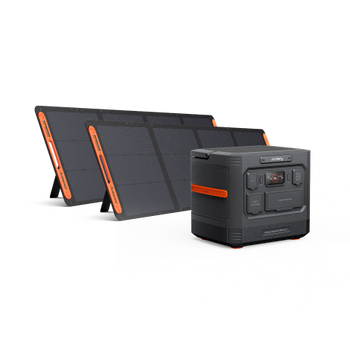
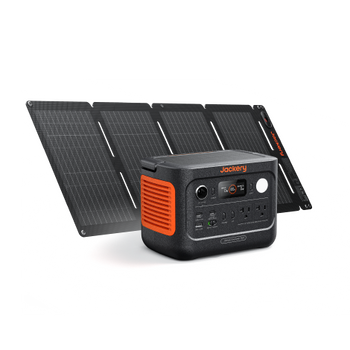
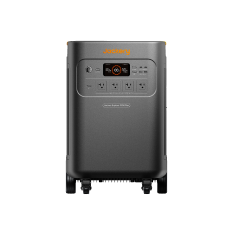
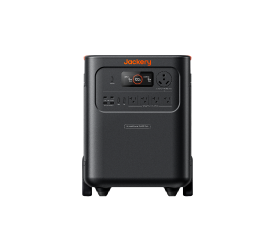
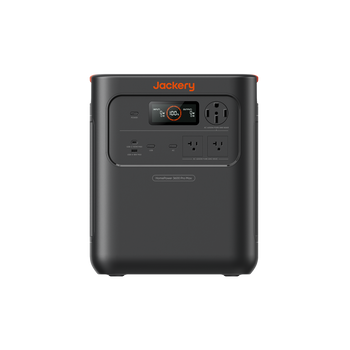
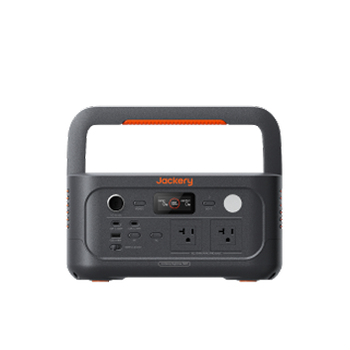
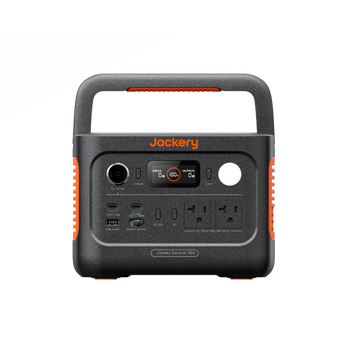
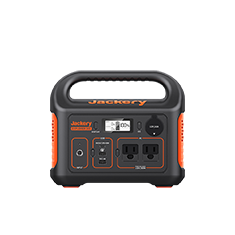
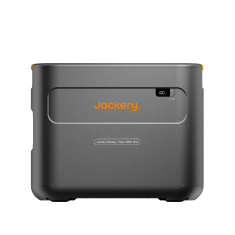
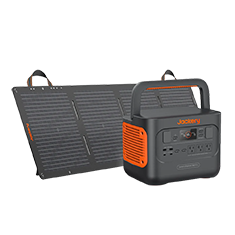
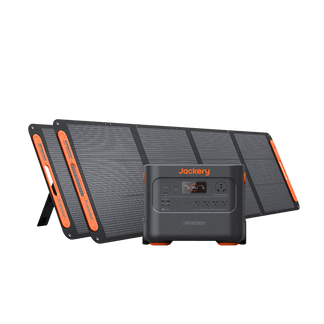
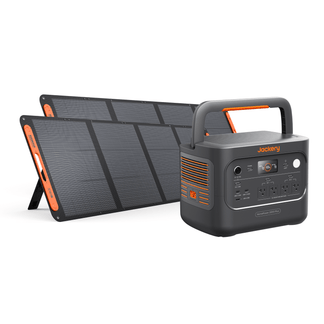
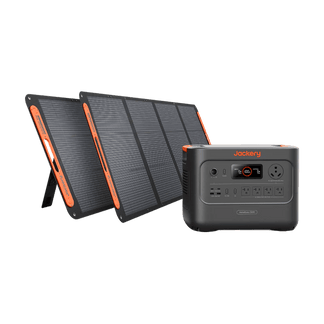
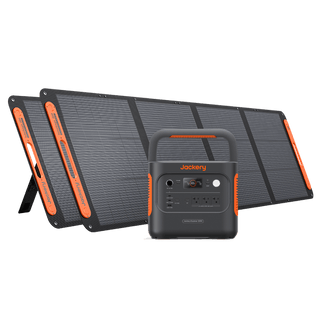
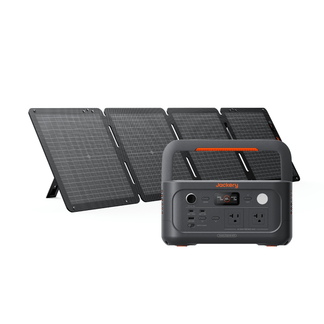
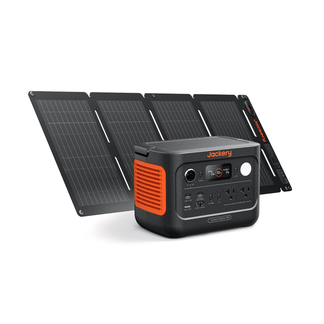
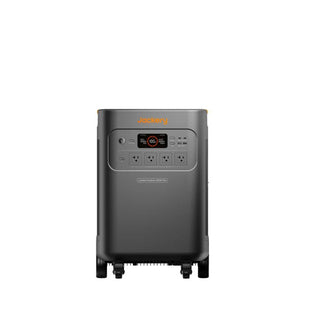
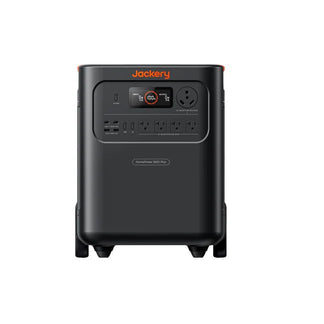
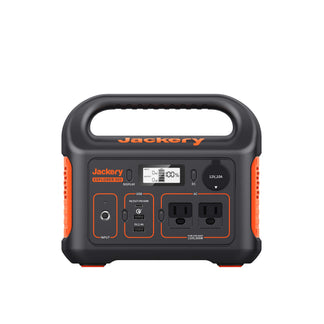
Three premium solar generators from Jackery provide ideal, safe emergency backup:
|
Solar Generator Model |
Capacity & Output Specs |
Key Outage Runtime Examples |
|
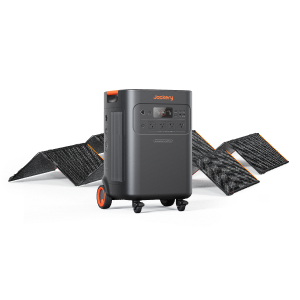
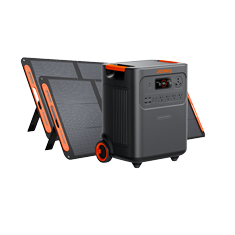
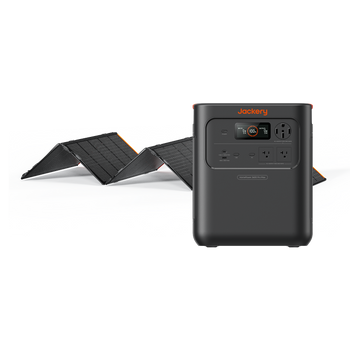
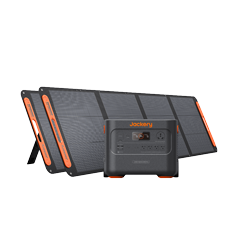
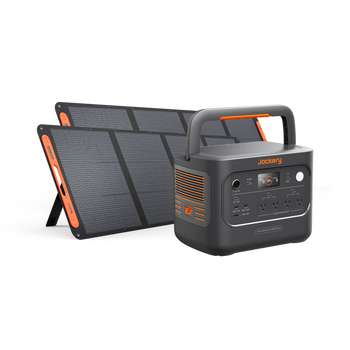
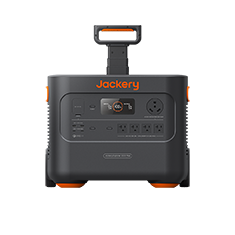
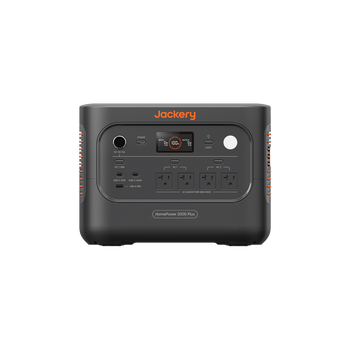
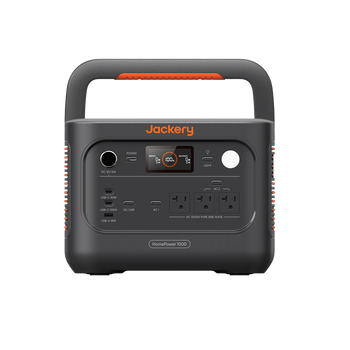
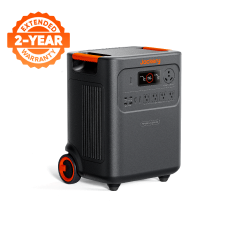
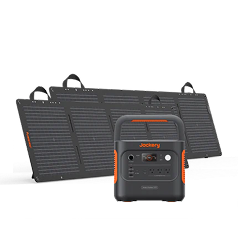
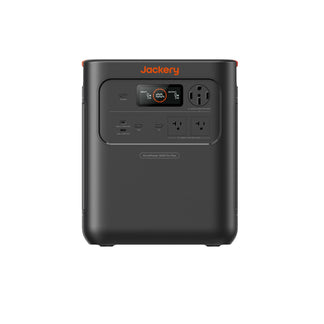
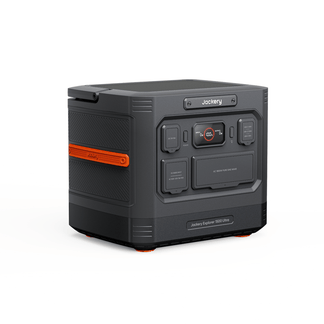
Jackery Solar Generator HomePower 3600 Plus |
3,584 Wh base (expandable to 43 kWh) / 3,600W output |
Runs a standard refrigerator (80W) for 38 hours or a medical CPAP (40W) for 75 hours. Features <20ms UPS switchover. |
|
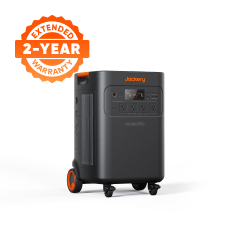
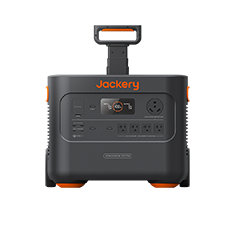
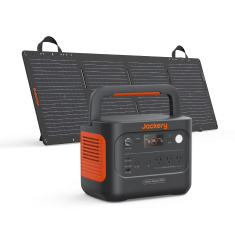
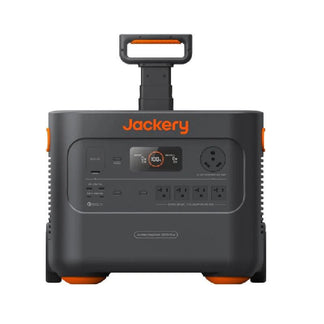
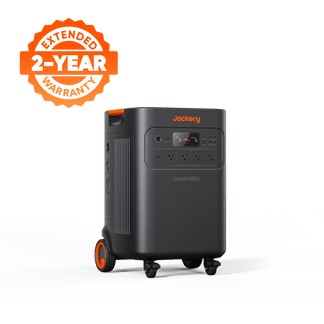
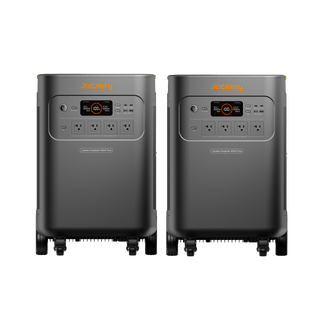
Jackery Solar Generator 5000 Plus |
5,040 Wh base (expandable to 60 kWh) / 7,200W output |
Powers a central AC blower fan (900W) for 4.5 hours and a sump pump (60W) for 40 hours simultaneously. True 0ms UPS. |
|
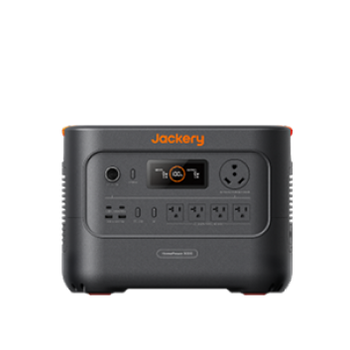
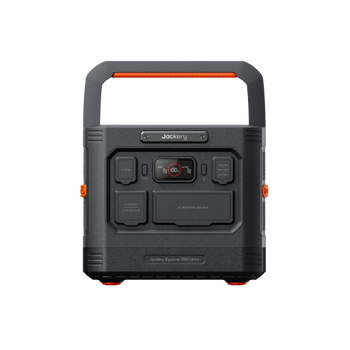
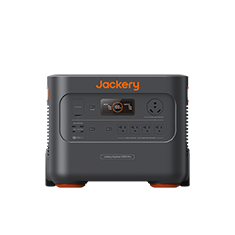
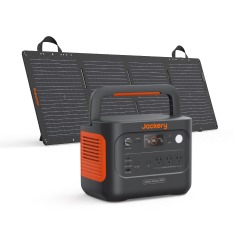
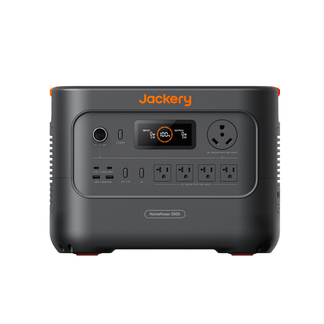
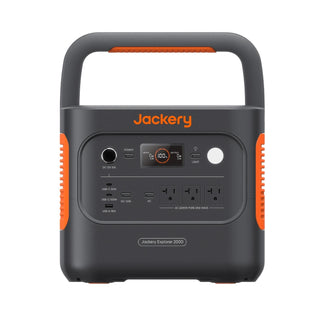
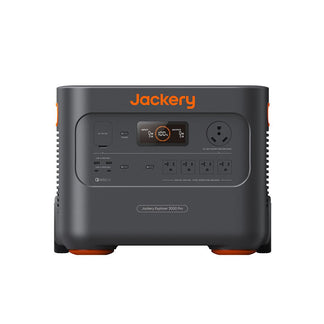
Jackery Explorer 2000 v2 |
2,042 Wh / 2,200W output (4,400W surge) |
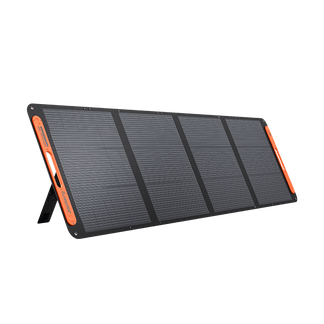
Runs LED emergency lights (5W) for 155 hours or a refrigerator (400W) for 3.2 hours. Portable (39.5 lbs). Pairs with SolarSaga 500X Solar Panels. |
Frequently Asked Questions
How do I seal my doors and windows before a haboob hits?
To prevent fine dust from infiltrating your home, apply adhesive-backed weatherstripping around all exterior door frames, and install durable door sweeps to close the gaps under your doors. For window tracks and any persistent structural gaps, pressing a damp towel tightly into the crack creates a highly effective, temporary seal that traps fine dust before it can bypass your frames.
Does car insurance cover haboob damage?
Comprehensive auto insurance coverage typically pays for vehicle damage caused by sandstorms and haboobs, including engine dust ingestion, cracked windshields, or paint damage from flying debris. However, if you attempt to drive through a zero-visibility dust storm and collide with another vehicle, that accident will fall under your standard collision coverage, which can affect your premium rates.
How can I protect my pets and livestock during a dust storm?
Always bring household pets indoors to a tightly sealed room before the dust wall arrives. For horses and livestock, move them into an enclosed barn or shelter with solid walls. Ensure your animals have access to clean, fresh drinking water, as inhaling high concentrations of dust increases throat irritation and dehydration risks. Avoid letting livestock graze on pasture immediately after a storm when forage is coated in thick silt.
What is the difference between a haboob and a sandstorm?
A sandstorm primarily transports larger, heavy sand grains that rarely rise more than a few feet above the ground and are typically shorter in duration. A haboob lifts ultra-fine dust and clay particles thousands of feet into the atmosphere, creating a vertical, self-sustaining wall that reduces visibility to near zero over a massive geographical area.
Can haboob dust cause long-term lung damage?
Yes. Repeated exposure to high concentrations of fine desert dust can lead to chronic respiratory issues, particularly for individuals with asthma or compromised immune systems. Because the dust carries microscopic fungal spores that breed Valley Fever, wearing a well-fitted N95 mask is essential if you must go outdoors immediately after a storm.


