







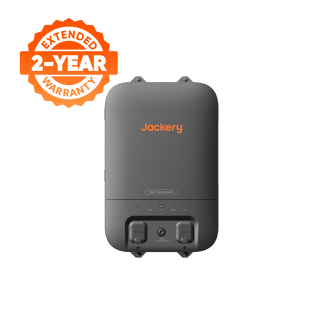
![[Add-on] Jackery SolarSaga 500 X - Jackery](http://www.jackery.com/cdn/shop/files/add-on-jackery-solarsaga-500-x-1493607.webp?v=1786503068&width=324)
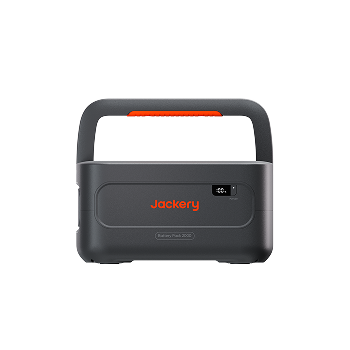
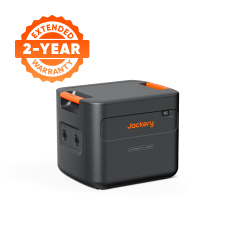
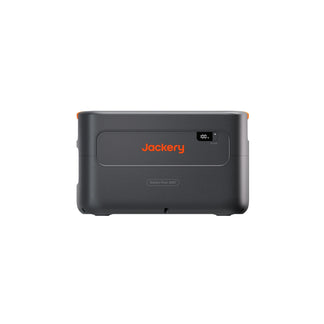
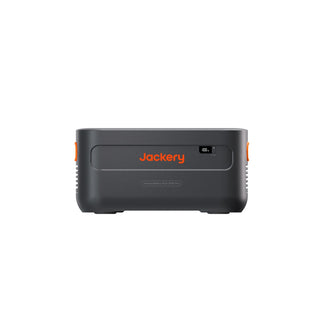
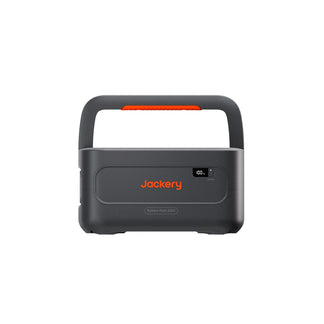
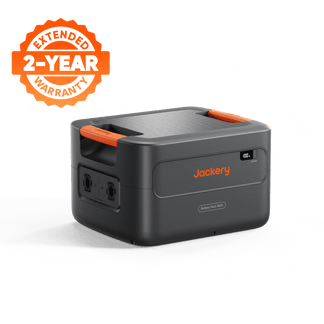
![[Add-on] Jackery Battery Pack 5000 Plus - Jackery](http://www.jackery.com/cdn/shop/files/add-on-jackery-battery-pack-5000-plus-6713401.webp?v=1786503068&width=324)






Quick Answer: A tropical storm is a cyclonic weather system with sustained winds between 39 and 73 mph, classified by the National Hurricane Center as the step below hurricane intensity. These storms bring heavy rain, flooding, and damaging winds that often cause extended power outages. Preparation includes assembling an emergency kit, securing your home, and planning for backup power before the storm arrives.
Key Takeaways:
- Sustained winds of 39–73 mph make tropical storms dangerous — they can topple trees, damage roofs, and knock out power lines across large areas even without reaching hurricane strength.
- Flooding is the deadliest hazard — tropical storms often produce 6–12 inches of rain in 24 hours, causing flash floods that account for more than half of tropical cyclone fatalities. [1]
- Extended power outages are common — downed trees and flooding can keep power off for days or weeks, not just hours, making backup power a critical prep need.
- Portable power stations provide safe indoor backup for essentials like refrigerators, lights, and Wi-Fi routers without the carbon monoxide risk of gas generators.
- The CDC recommends storing at least 1 gallon of water per person per day for a minimum of 3 days, ideally 2 weeks, for storm preparedness. [2]
What Is a Tropical Storm and How Does It Form?
Tropical storms form over warm ocean waters when organized thunderstorms develop a closed low-pressure center and sustained winds reach 39 mph. [3] The Saffir-Simpson scale classifies them below Category 1 hurricanes, but they still produce dangerous storm surge, inland flooding, and tornadoes.
Wind speeds range from 39 to 73 mph — enough to topple trees, damage roofs, and knock out power lines across large areas for days. Even at the lower end, a 50-mph gust can bring limbs down onto utility wires, triggering outages that affect thousands of homes.
Rainfall often exceeds 6–12 inches in 24 hours. Flash floods from rainfall are the deadliest tropical cyclone hazard, accounting for more than half of all tropical cyclone fatalities. [1] Storm surge can push seawater miles inland even in weaker storms, especially along low-lying coastal zones and bays.
The threat isn't theoretical. In 2022, Hurricane Ian made landfall as a Category 4 storm, but its precursor — a tropical storm — had already drenched parts of the Caribbean with flooding rains. The destructive power ramps up fast once a low-pressure center gets organized.
How to Prepare Your Home and Family Before a Storm
Start preparing at least 72 hours before landfall, when shelves still have supplies and evacuation routes are open.
Build an emergency kit with 3–7 days of supplies:
- Non-perishable food
- Water (1 gallon per person per day, per CDC guidelines [2])
- First-aid supplies
- Flashlights, batteries, and a battery-powered radio
- Prescription medications, pet food, and cash (ATMs may be down)
Create a family plan. Long-term outage preparation starts with creating a family plan.
- Include evacuation routes, a meeting point, and an out-of-state contact.
- Practice drills so everyone knows their role.
- Know where you'll go and how long it'll take if you need to evacuate.
Secure your property well ahead of the storm:
- Trim dead branches and clear gutters so water can flow, not back up into your roof.
- Bring in outdoor furniture, grills, and anything that can become a missile in 60-mph winds.
- Install storm shutters or cut plywood to board up windows.
Review insurance policies for flood and wind coverage. Standard homeowners policies often exclude flood damage from storm surge and rising water. Flood insurance has a 30-day waiting period — you cannot buy it the week before a storm and expect coverage. Verify what's covered and what's not.
Digitize important documents. Digitize IDs, insurance papers, and medical records; store them in a waterproof, cloud-accessible folder. If you need to evacuate quickly, you won't have time to search file cabinets.
Power Outage Risks and Safe Backup Power Options
Extended outages are common after tropical storms, but portable power stations provide safe indoor backup without the carbon monoxide risk of gas generators. Downed trees and flooding can keep power off for days or weeks, not just hours. In 2020, Tropical Storm Isaias left over 2 million without power across the Northeast, some for a week. When the grid goes dark, refrigerators spoil, sump pumps stop, and communication lines drop.
Gas generators are a traditional backup, but they come with a deadly trade-off: carbon monoxide. Every year, people die from running generators inside garages or too close to windows. The rule is absolute:
- Place the generator at least 20 feet from the house.
- Never run inside a garage or near windows/vents.
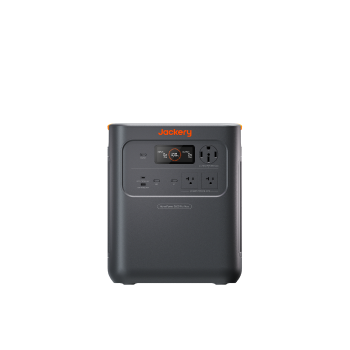
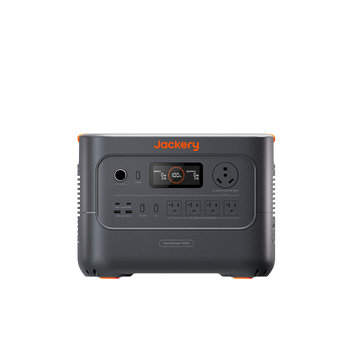
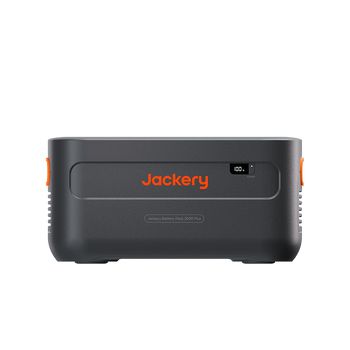
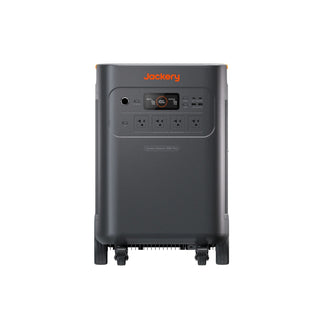
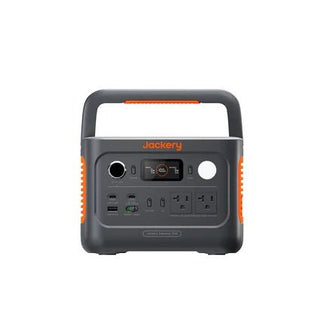
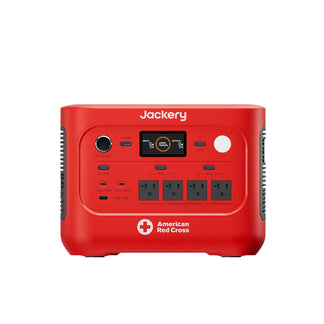
Portable power stations offer safe indoor operation with zero emissions. A unit like the Jackery Explorer 2000 v2 can keep a refrigerator running for hours without releasing CO. This matters when the storm is still raging and you can't safely go outside to refuel.
To build a reliable backup plan, start with the loads you actually need. A refrigerator often uses 150–300 Wh per day, while lights and a Wi-Fi router add another 50–100 Wh per day. Building a secure power backup for home appliances means matching your battery capacity to those real draws — not the peak rating on a label.
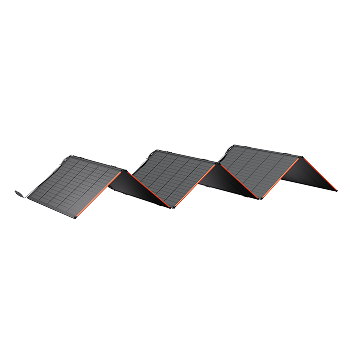
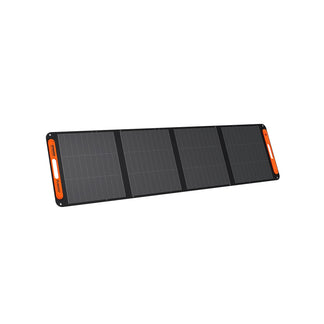
Solar charging can replenish a power station after the storm passes, but don't count on it during the event. Heavy cloud cover cuts panel output significantly. Pre-charge the unit fully before landfall, and treat solar as a post-storm top-up, not a primary source during the outage.
Staying Safe During and After the Storm
When wind and rain arrive, shelter in place in an interior room away from windows. Stay tuned to NOAA Weather Radio or local alerts for tornado warnings embedded in the storm. The most dangerous moment often isn't the first rain band — it's the sudden tornado that spins up on the storm's leading edge.
Floodwater is never safe. It may be electrified by downed power lines or contaminated with sewage. Never drive through standing water of unknown depth; six inches can sweep a car off the road. More than half of flood deaths happen in vehicles.
If flooding approaches your electrical panel or you smell gas, turn off utilities only if you can do so safely. Shut off the main breaker at the panel, but if water is already rising around it, leave it alone and evacuate.
After the storm, take these steps:
- Inspect your home: for structural damage before re-entering.
- Watch for fallen wires: assume every downed line is live.
- Use flashlights: instead of candles to avoid fire hazards in case of gas leaks.
- Document all damage: with photos for insurance claims.
- Check on neighbors: especially the elderly and those with limited mobility.
Only return to evacuated areas when local officials give the all-clear. Roads may be blocked, and cleanup operations are dangerous. Your patience can prevent a second wave of injuries.
Limitations
Portable power stations solve one piece of the preparedness puzzle, but they're not a miracle cure. Understanding what they can't do is just as important as knowing what they can.
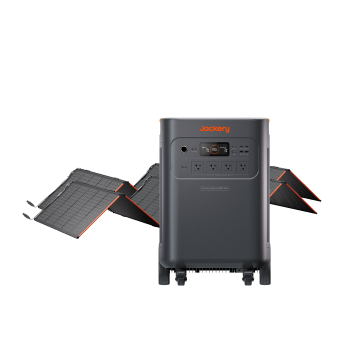
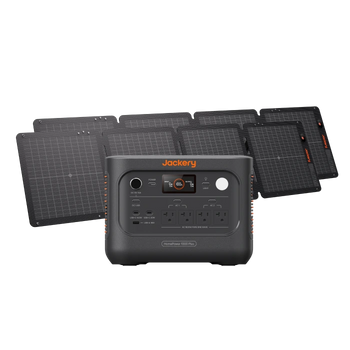
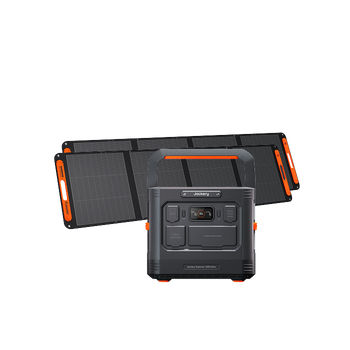
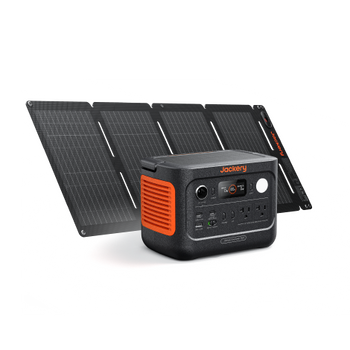
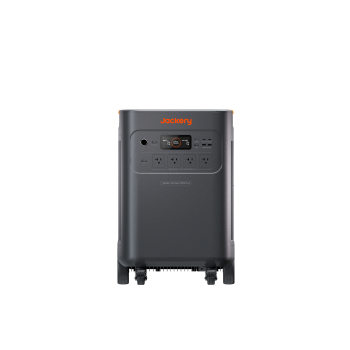
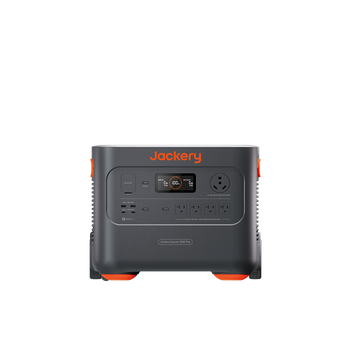
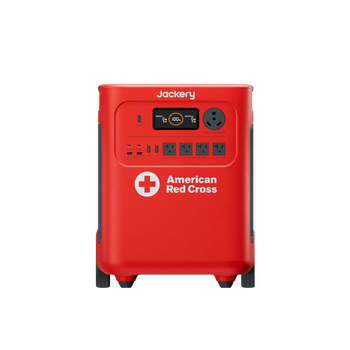
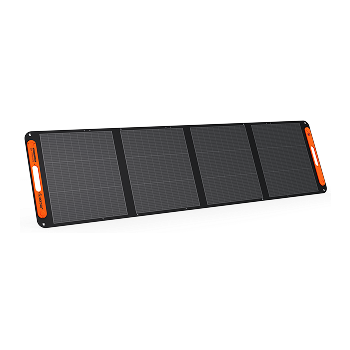
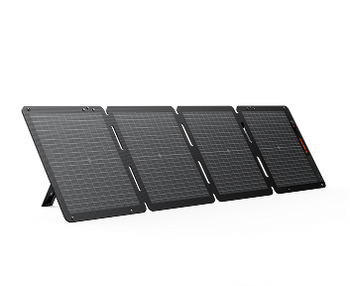
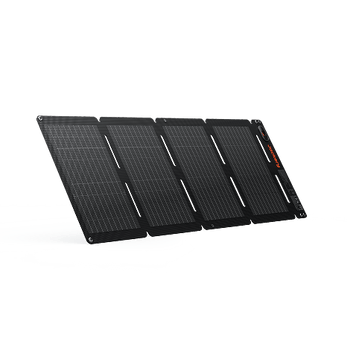
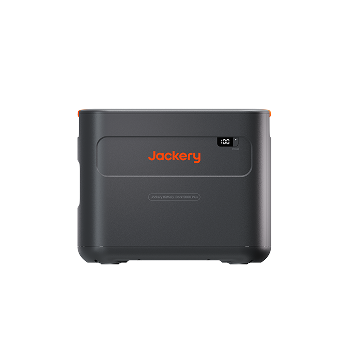
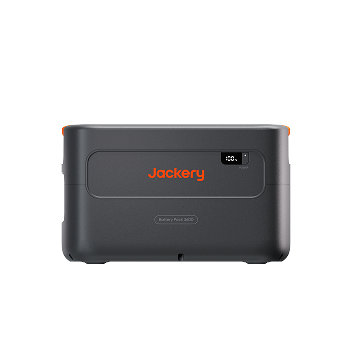
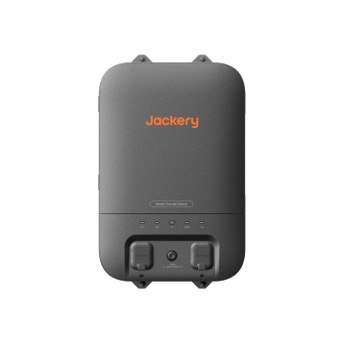
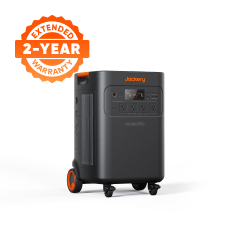
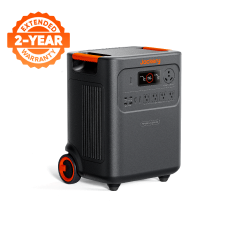
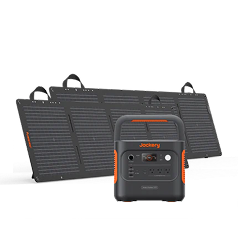
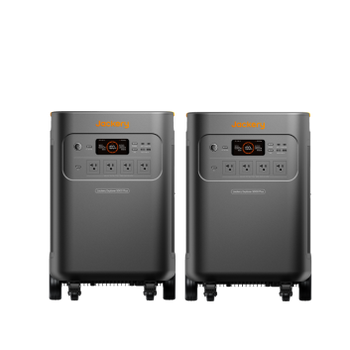
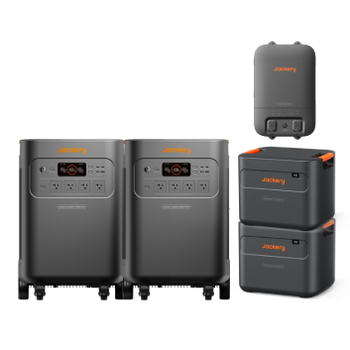
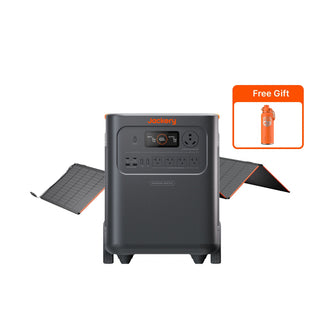
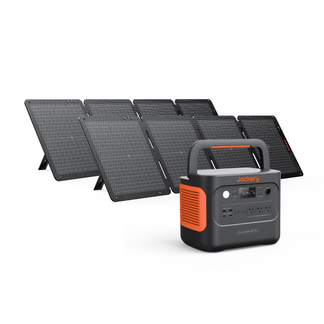
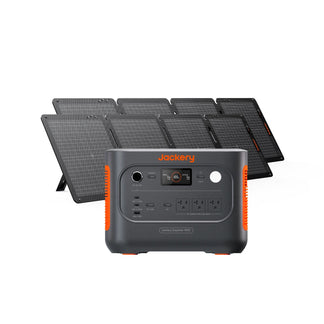
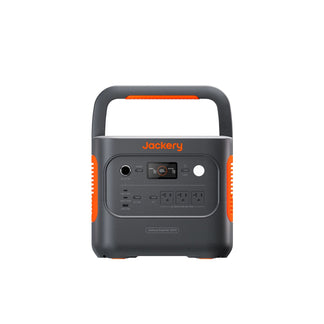
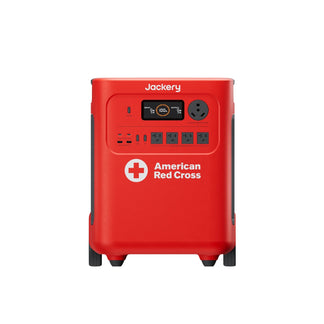
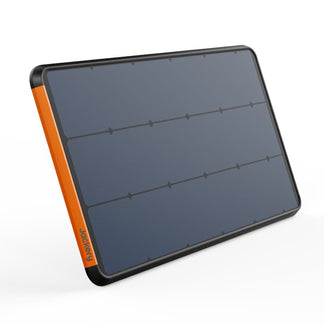
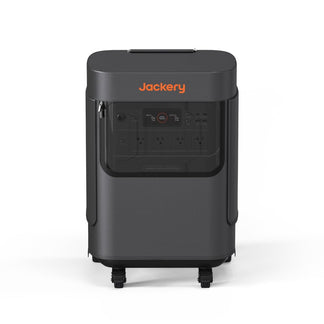
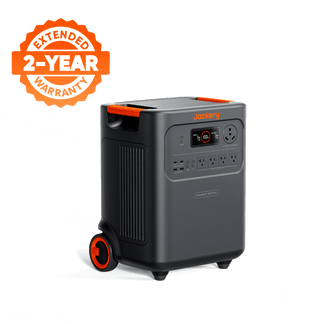
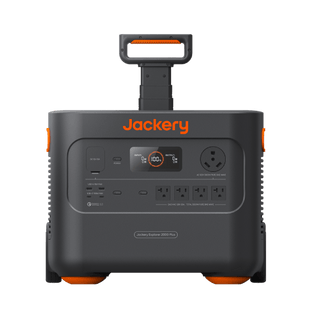
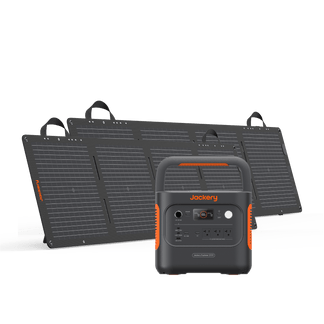
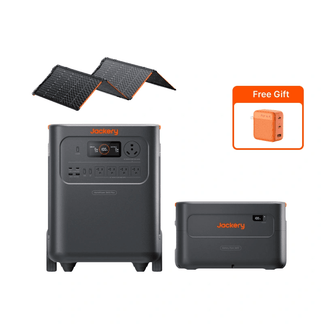
- They cannot run a whole home. Units like the Jackery Solar Generator 5000 Plus + 2x SolarSaga 500X are built for essential loads — refrigerator, lights, Wi-Fi, maybe a portable AC — not central air conditioning, electric water heaters, or electric stoves. Calling a portable unit "whole-home backup" is inaccurate and dangerous.
- Battery runtime depends on actual wattage draw. A 2,000 Wh unit may power a refrigerator for 8–12 hours, but add a space heater and it drains in under 2 hours. Always calculate your critical loads before choosing a capacity.
- Recharging during a storm is limited. Grid power is out, solar panels produce less in heavy cloud cover, and car charging uses fuel that may be scarce. You must pre-charge the unit before the storm. Post-outage, solar can refill it, but that's a fair-weather plan, not a storm strategy.
- Flood insurance has a 30-day waiting period. You cannot buy it the week before a storm and expect coverage. Plan ahead before hurricane season starts.
Product Recommendation: Essential Home Backup Power Stations
As discussed above, a portable power station eliminates the CO risk and noise of gas generators. The right choice depends on your load list. Below, three Jackery options mapped to realistic use cases.
Use Case |
Recommended Model |
Capacity & Output |
Key Advantage |
Multi-day outage: refrigerator, lights, Wi-Fi, portable AC |
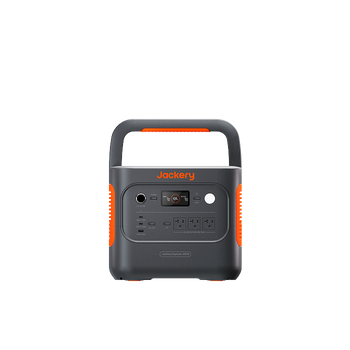
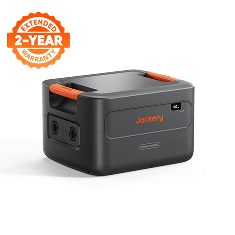
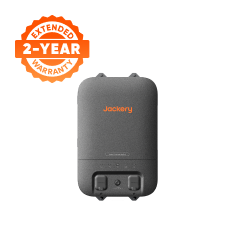
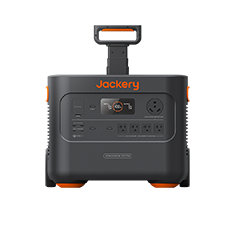
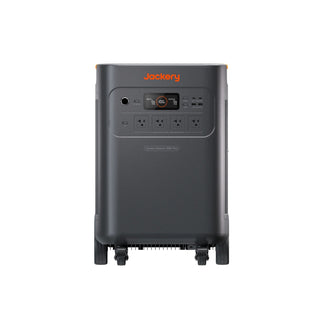
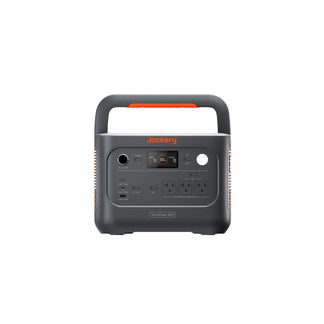
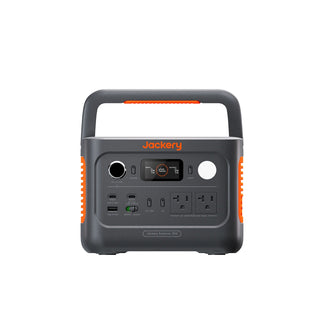
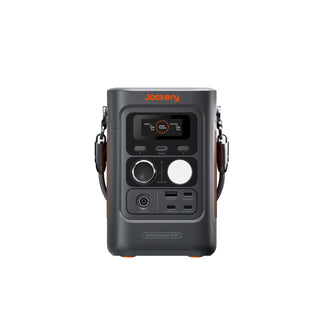
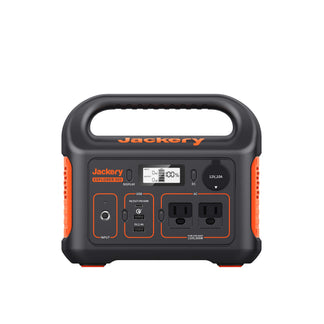
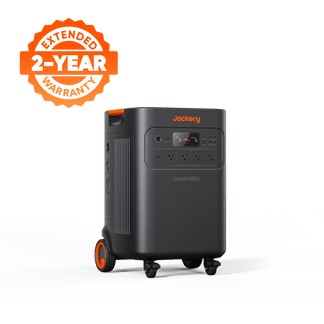
Jackery Solar Generator 5000 Plus + 2x SolarSaga 500X |
5,040 Wh, 7,200 W (14,400 W surge) |
Expandable to 60 kWh; runs a refrigerator for 10 hours or a portable AC for 4.5 hours on the base unit |
24-hour backup: fridge, freezer, sump pump, home office |
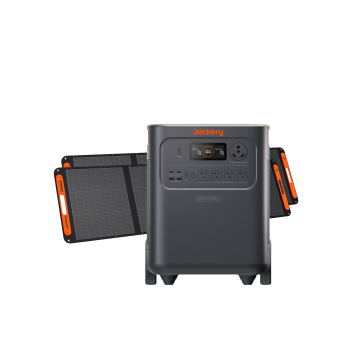
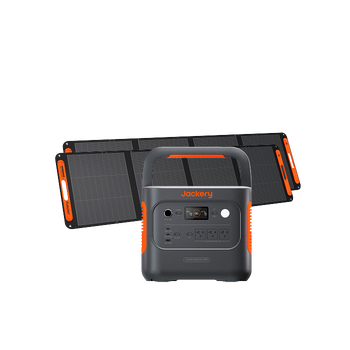
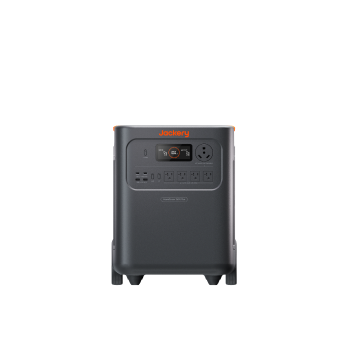
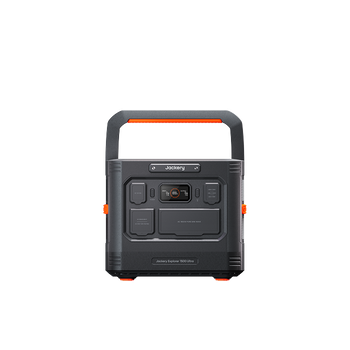
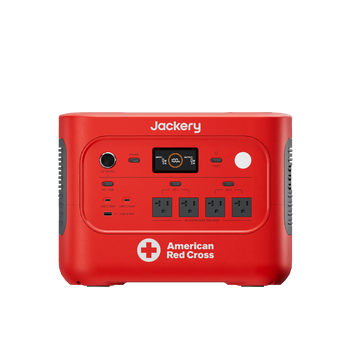
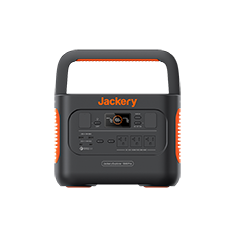
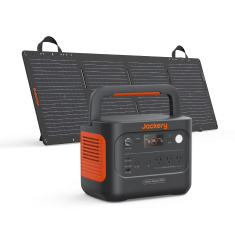
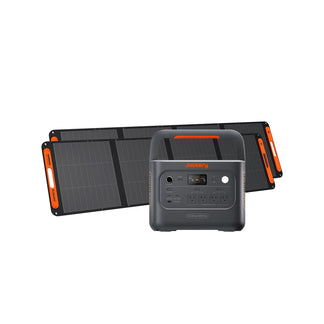
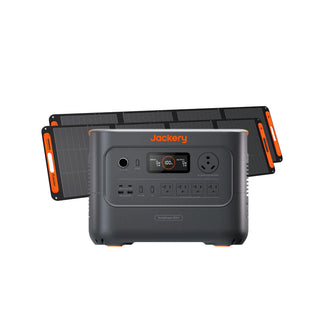
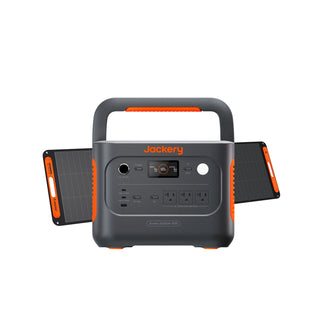
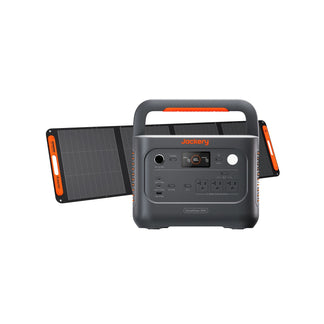
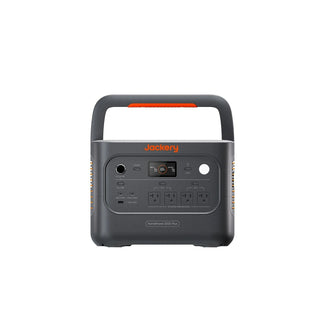
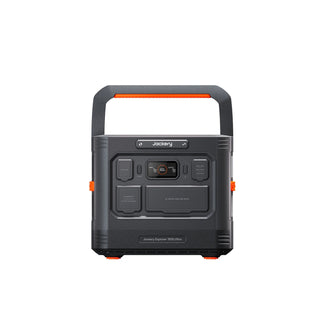
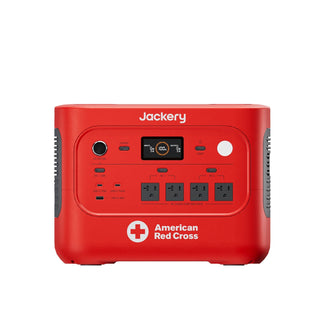
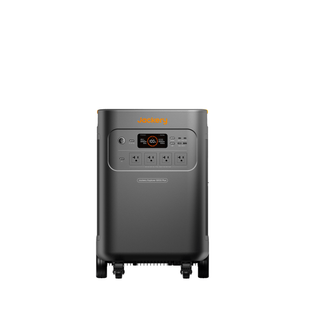
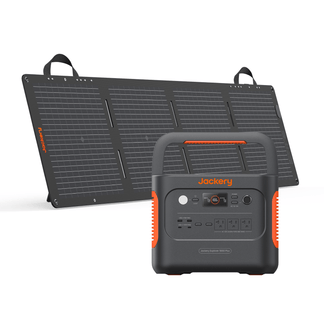
Jackery Solar Generator HomePower 3600 Plus + SolarSaga 500X |
3,584 Wh, 3,600 W (7,200 W surge) |
Expandable to 21.48 kWh; recharges in 2.5 hours via AC before landfall |
Cycle a single appliance plus lights, phones overnight |
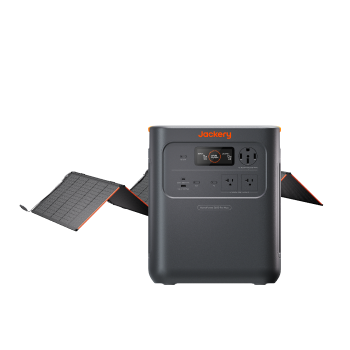
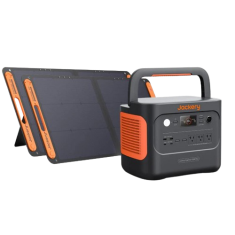
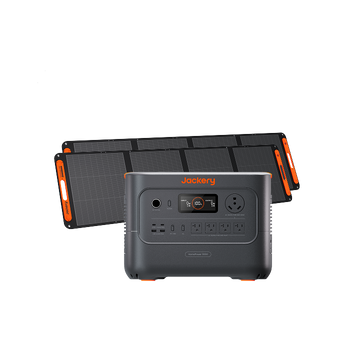
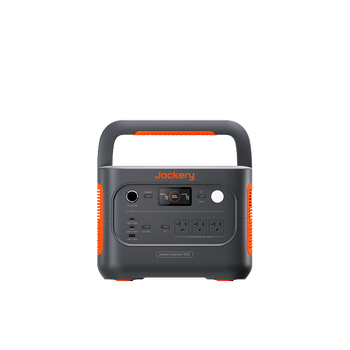
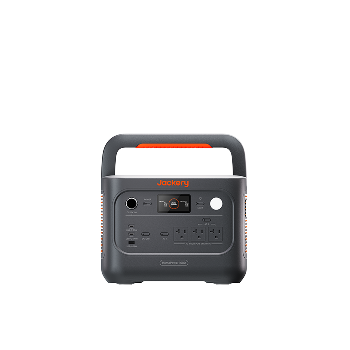
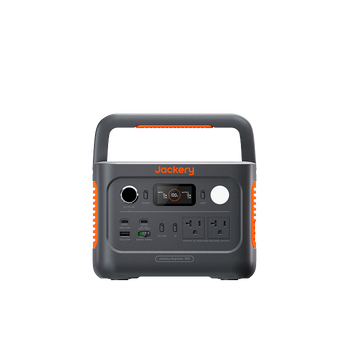
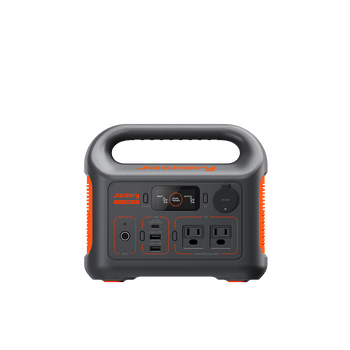
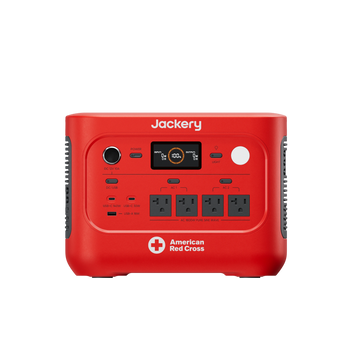
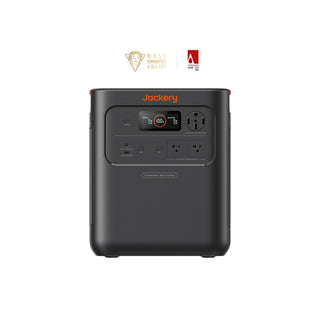
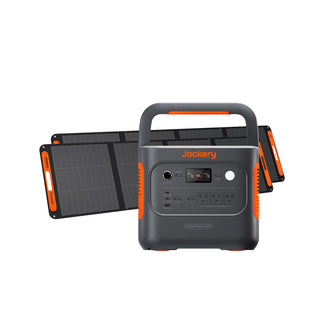
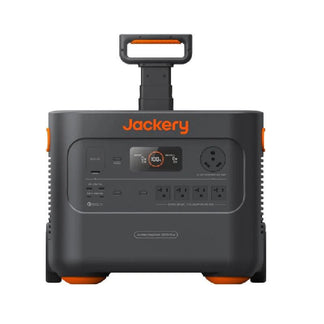
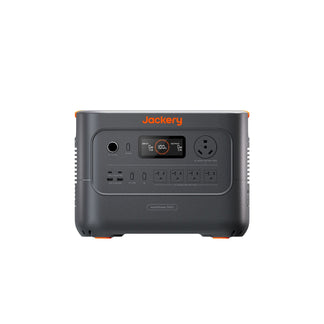
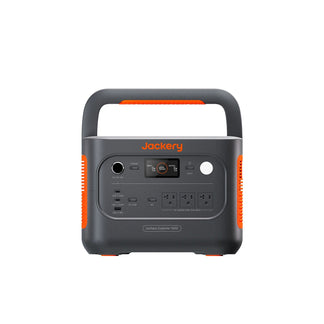
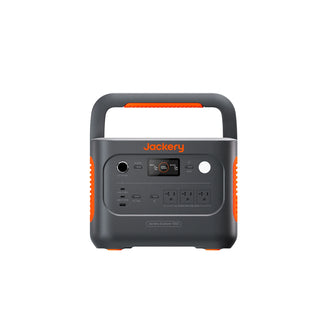
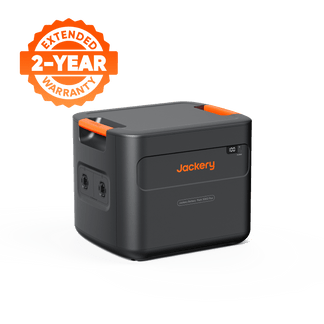
Jackery Explorer 2000 v2 |
2,042 Wh, 2,200 W output |
39.5 lbs, 1.7-hour Emergency Super Charge; powers a fridge for 3.2 hours continuously |
All three use LiFePO4 batteries with a 10-year lifespan, so they're ready for annual storm seasons. Battery backup generators like these avoid fuel storage hassles and operate silently indoors, which matters when the storm is still hammering your windows.
For anyone who expects prolonged outages and wants to keep a portable AC or medical equipment (non-life-sustaining) running, the expandability of the Jackery Solar Generator 5000 Plus + 2x SolarSaga 500X or Jackery Solar Generator HomePower 3600 Plus + SolarSaga 500X offers headroom. For a tighter budget or a quick grab-and-go option, the Jackery Explorer 2000 v2 covers the basics without overkill.
Frequently Asked Questions (FAQ)
Can a tropical storm turn into a hurricane?
Yes, a tropical storm can intensify into a hurricane if it remains over warm ocean waters and encounters favorable upper-level winds.
When should I start preparing for a tropical storm?
Begin preparations at least 72 hours before the storm is forecast to reach your area to avoid supply shortages.
How do I know if I am in an evacuation zone?
Check your local emergency management website or the FEMA flood map to identify your designated evacuation zone before a storm threatens.
What food should I stock that doesn't need cooking?
Stock ready-to-eat canned goods, protein bars, dried fruit, and peanut butter that require no heating or refrigeration.
Why do I need a battery-powered radio during a storm?
A battery-powered radio ensures you receive critical emergency alerts when cell towers fail and internet access is lost.
Sources & References
[1] NOAA / National Weather Service, “Hurricane Safety,” weather.gov — https://www.weather.gov/safety/hurricane (accessed June 25, 2026).
[2] U.S. Centers for Disease Control and Prevention, “Stay Safe After a Hurricane / Water,” CDC — https://www.cdc.gov/hurricanes/safety/index.html (accessed June 25, 2026).
[3] NOAA National Hurricane Center, “Tropical Cyclone Classification” — https://www.nhc.noaa.gov/ (accessed June 25, 2026).


