







![[Add-on] Jackery Battery Pack 5000 Plus - Jackery](http://www.jackery.com/cdn/shop/files/add-on-jackery-battery-pack-5000-plus-6713401.webp?v=1786503068&width=324)
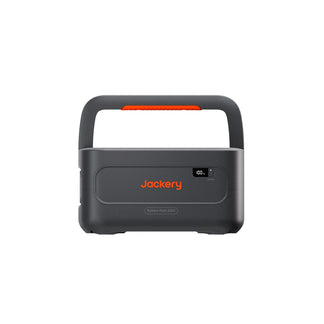
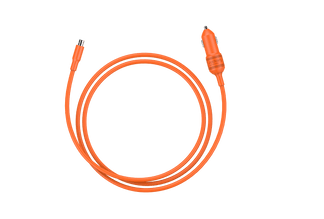
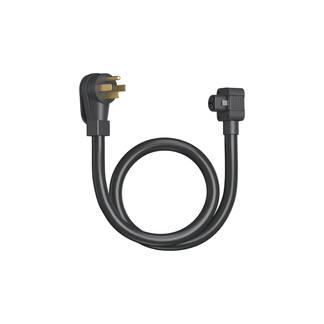
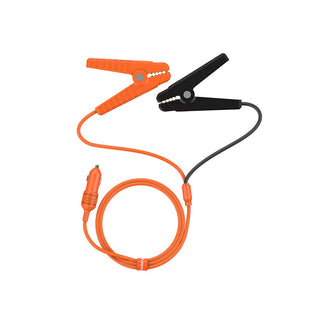
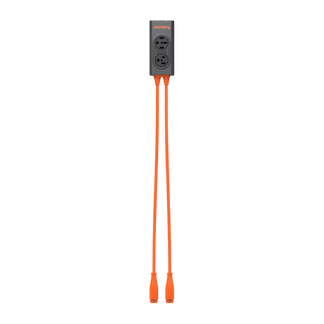



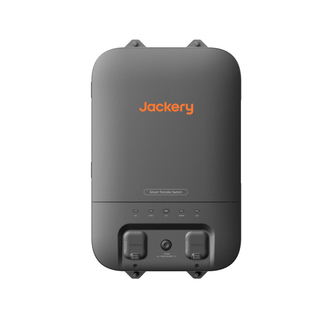



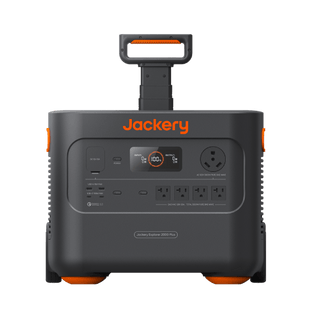
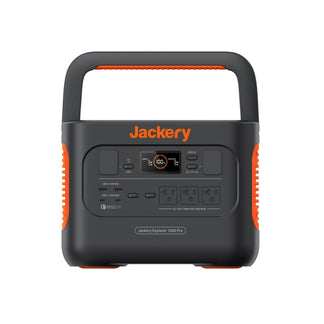
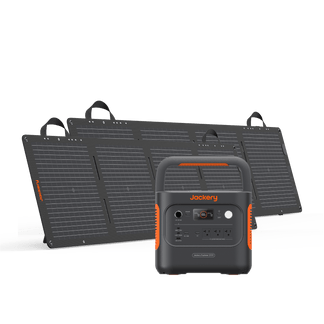
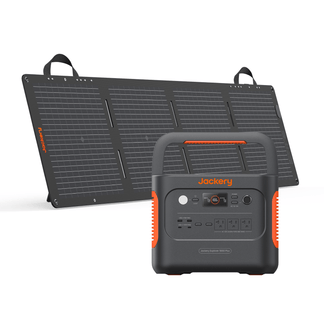


When the power grid suddenly fails, even a split-second delay can crash home servers, corrupt critical files, and shut down life-saving medical equipment. While traditional standby systems like the home backup power can take up to 30 seconds to start and stabilize, a whole house UPS battery backup delivers seamless, instantaneous power transfer.
But you do not need an oversized, industrial-scale system to keep your home protected. By matching your critical appliances to a right-sized, expandable battery system, you can secure seamless emergency protection starting at just 5 kWh. This guide helps you evaluate if a whole house UPS is right for your home, map your critical loads, and choose the most reliable setup for your budget.
What Is a Whole House UPS Battery Backup?
A whole house UPS battery backup is an integrated energy storage system that combines an online inverter/charger, a lithium iron phosphate (LiFePO4) battery bank, and an automatic transfer mechanism that cuts over in 0 to 20 milliseconds. Unlike a basic desktop backup that keeps a computer running for just 10 minutes, a whole-home Uninterruptible Power Supply (UPS) system stores 5 to 40+ kWh of power—enough to sustain critical household loads for hours or even days.
The system utilizes an online double-conversion topology. It runs incoming utility AC power through a rectifier to convert it to DC, stores it in the batteries, and then inverts it back into clean AC power for your home circuits. This continuous conditioning process completely erases power surges, voltage sags, and grid noise. High-quality systems feature the following core components:
- Rectifier: Converts incoming grid AC to DC for stable battery charging.
- Inverter: Converts stored DC back to pure sine wave AC for your home's circuits.
- Battery Management System (BMS): Constantly monitors cell health, operating temperature, and charge state.
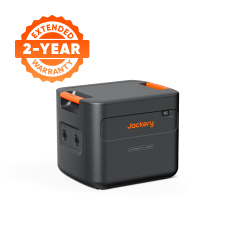
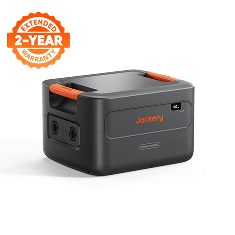
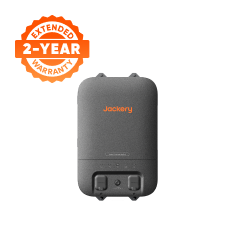
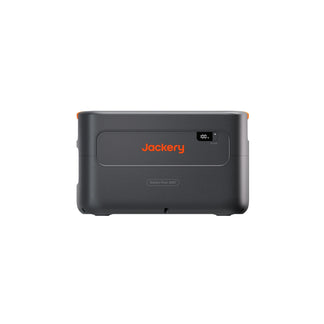
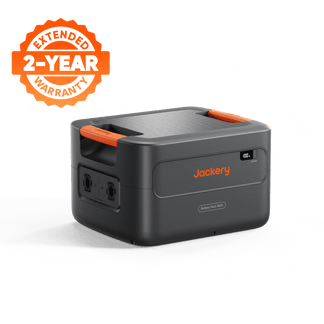
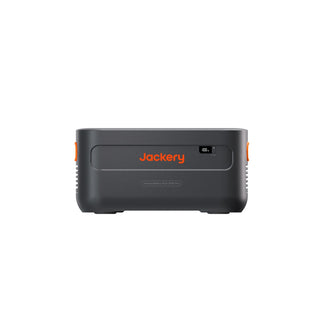
- Scalable Battery Bank: Expandable modular storage that can scale from a single 5 kWh module to more than 40 kWh.
Whole-House vs. Essential Home Backup Strategies
You rarely need to back up every single circuit in your home. Powering an entire 200-amp electrical panel is incredibly expensive and usually unnecessary for typical short-term outages. A highly effective alternative is a partial-home backup strategy. This involves isolating your must-run appliances—such as your refrigerator, internet router, security system, sump pump, and furnace blower—onto a dedicated critical-loads subpanel fed by your battery backup system.
Understanding your runtime expectations is vital when evaluating the right capacity for home backup:
- 5–10 kWh: Keeps critical circuits (refrigerator, router, LED lights, phone chargers) running smoothly for 12 to 24 hours.
- 13–15 kWh: Adds basic convenience loads overnight, such as running a television, fans, or a microwave.
- 40+ kWh: Provides full, unmanaged autonomy. You can run heavy 240V appliances and climate systems for a full day without strict load management.
Choosing a targeted partial backup dramatically lowers both installation complexity and upfront cost. If a 10 kWh unit claims to offer "whole-home" coverage, check the fine print: that rating often assumes you are running only a few low-draw lights and a refrigerator, not heavy kitchen appliances.

Cost Analysis and ROI Considerations
Investing in a battery backup system is a major financial decision. A single 13.5 kWh battery system typically costs between $10,000 and $15,000 installed, while true whole-home setups can exceed $20,000. Under the One Big Beautiful Bill Act (OBBBA) signed in July 2025, the federal 30% Section 25D clean energy tax credit expired on December 31, 2025, meaning homeowners who purchase battery storage systems outright in 2026 are no longer eligible for this federal tax credit.
However, homeowners can still find pathways to lower their net costs and build ROI through other avenues, particularly by using solar batteries for home:
- Lease and PPA Options: Battery systems installed through a solar lease or Power Purchase Agreement (PPA) can still qualify for up to a 30% credit under the Section 48E commercial investment tax credit, which remains active through 2032.
- State-Level Battery Rebates: Programs like California's Self-Generation Incentive Program (SGIP) or similar state initiatives in Connecticut, New York, and Colorado continue to offer substantial cash-back incentives of up to $200 per kWh of installed capacity.
- Time-of-Use (TOU) Rate Arbitrage: Charge your battery during cheap off-peak hours (e.g., late at night) and discharge it to run your home during expensive peak demand windows.
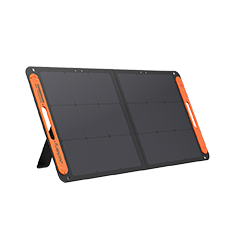
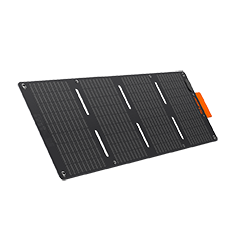
- Rooftop Solar Integration: Store your excess solar generation during the day instead of exporting it to the grid for low feed-in tariffs, maximizing your self-consumption.
Compared to traditional standby generators, which cost $5,000 to $10,000 to install, batteries have a higher initial cost but require zero fuel. A 20 kW gas generator can easily burn $500 in propane or natural gas during a week-long outage, plus require regular oil changes and spark plug maintenance, whereas solar batteries run silently and for free. Over a decade of ownership, a battery backup system often yields a lower total cost of ownership than a combustion generator.
Battery Backup vs. Traditional Generators
Comparing a UPS system vs. household backup generator reveals clear operational trade-offs. Generators take 15 to 30 seconds to start and stabilize. This delay causes computers to crash, medical equipment to turn off, and lights to black out temporarily.
A battery backup transfers load in under 20 milliseconds, which is fast enough to ensure completely uninterrupted operations, protecting sensitive electronics from data loss and hardware damage. Additionally, batteries sit quietly indoors with zero toxic emissions, eliminating the logistics of managing fossil fuels like gasoline, propane, or diesel during an emergency when gas stations may lack power. While standby generators remain a practical solution for prolonged, multi-day outages in remote rural areas with large fuel reserves, an optimal hybrid approach couples a battery backup to handle short, frequent outages and time-shifting, with a generator to cover long-duration emergencies.
Limitations of Traditional UPS Systems
Standard desktop UPS units are designed exclusively for short-term, orderly shutdowns of computers and electronics—not for running appliances through an outage. They typically use lead-acid batteries, which only provide 5 to 60 minutes of runtime, require replacement every 3 to 5 years, and suffer from high self-discharge rates. You cannot keep a refrigerator cold on a standard desktop UPS.
Furthermore, online double-conversion UPS units are notoriously inefficient, wasting 5% to 15% of their rated power as heat and requiring constant fan cooling. The heat, noise, and short replacement cycles make traditional lead-acid UPS cabinets highly impractical for residential backup. Traditional UPS systems also have low tolerance for startup surges, meaning standard household motors can easily trip their breakers.
When a Scaled Battery System Becomes Your Whole House UPS
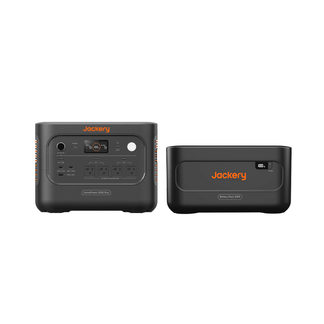
Expandable portable power stations have bridged the gap between temporary camping gear and permanent home backup. Today's modular systems allow you to start with a modest 3 to 5 kWh base unit with a built-in inverter and UPS bypass, and then scale up with add-on battery packs as your budget and power needs grow. You buy what you need now and expand later without having to replace your core hardware.
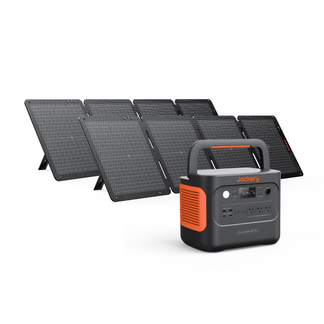
These modular stations utilize durable LiFePO4 cells that easily deliver over 4,000 charge cycles and a 10-year lifespan with zero physical maintenance. By evaluating your critical loads, you can size your system perfectly. For example, keeping your refrigerator running requires roughly 200W to 800W of startup capacity and 1 to 2 kWh of daily capacity. If you are developing a home resiliency plan, we recommend reviewing our comprehensive checklist on essential home backup power to audit your critical wattage and separate must-run devices (refrigerators, pumps, medical gear) from optional comfort loads.
Premium Jackery Backup Solutions
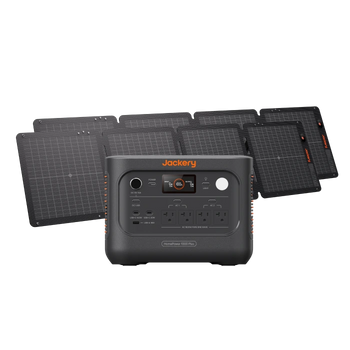
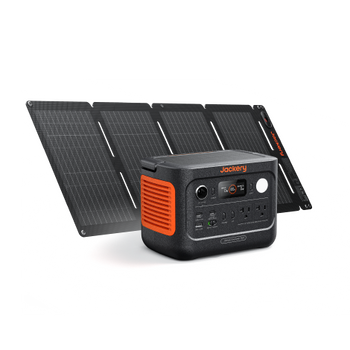
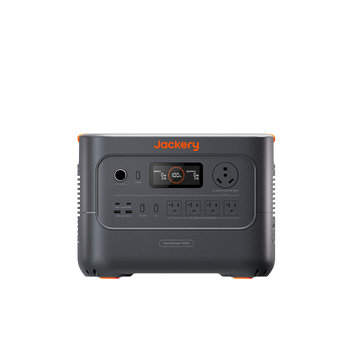
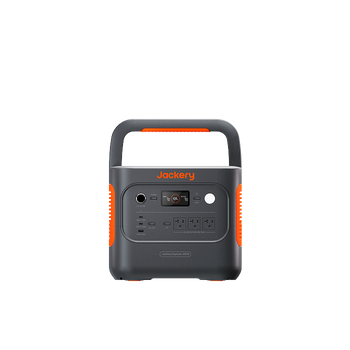
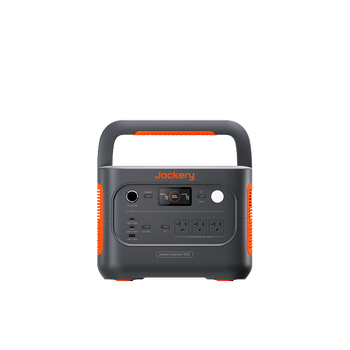
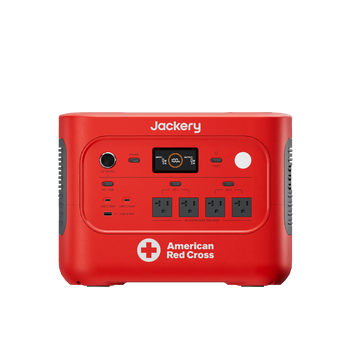
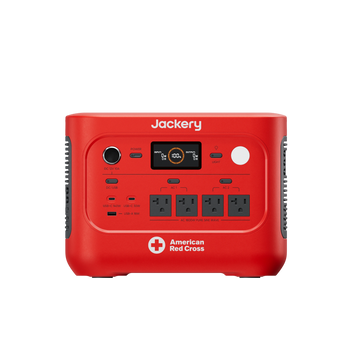
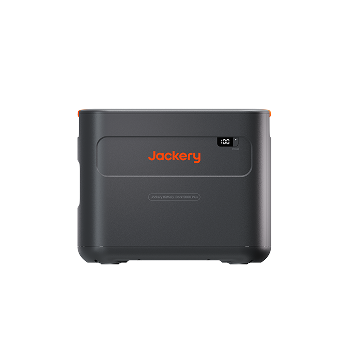
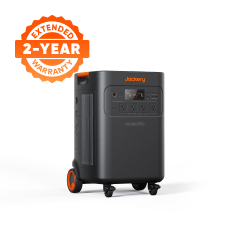
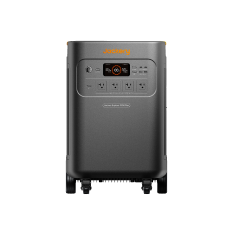
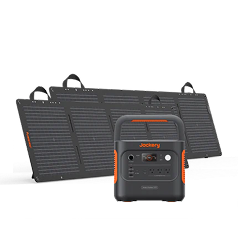
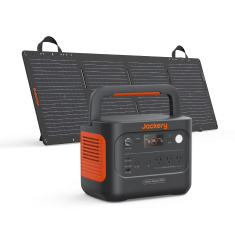
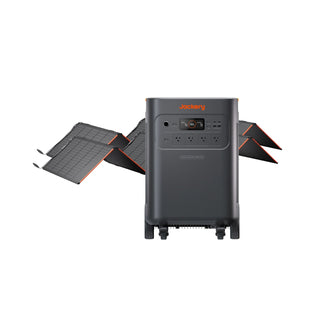
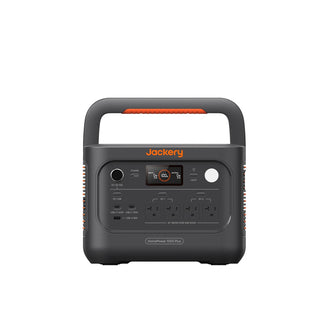
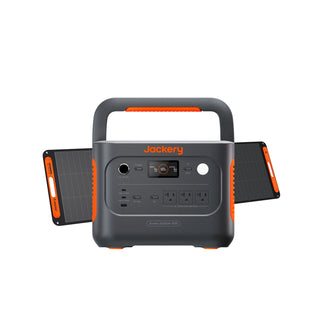
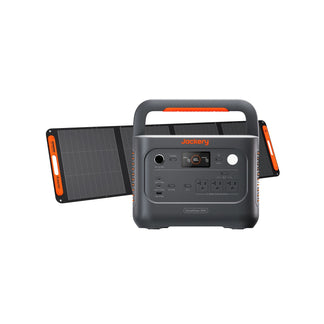
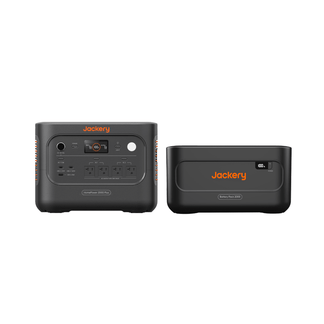
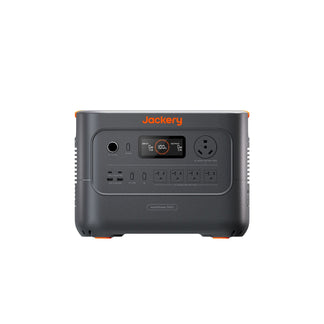
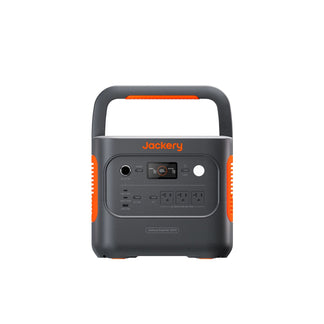
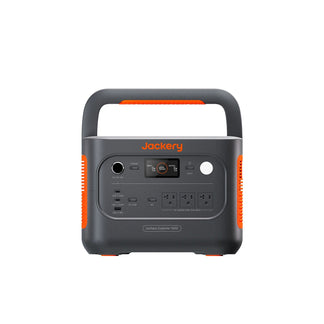
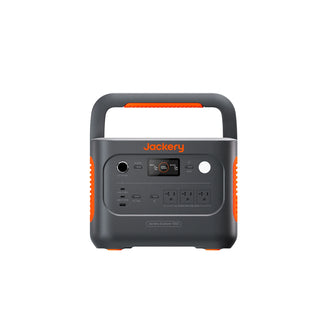
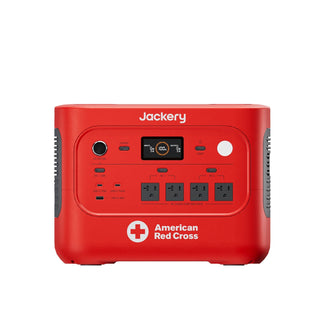
Jackery Solar Generator HomePower 3600 Plus
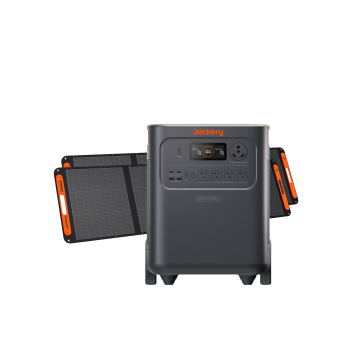
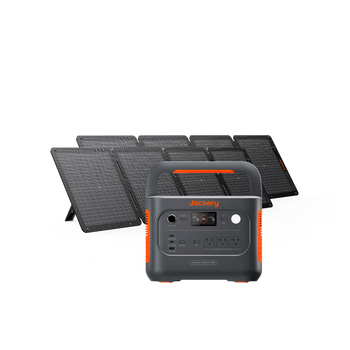
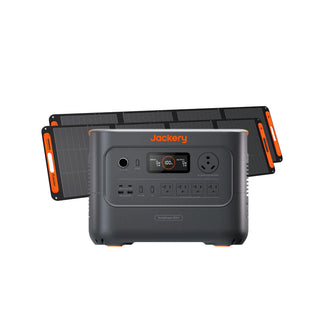
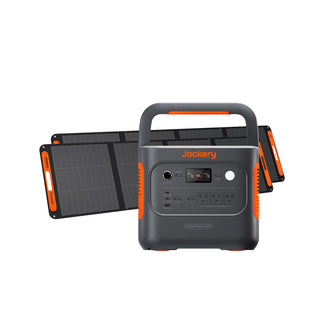
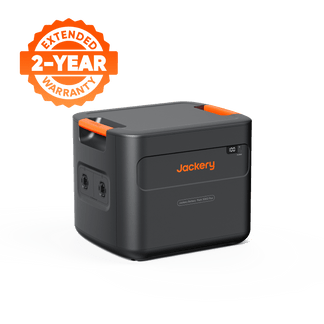
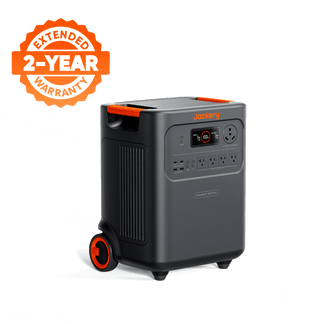
The Jackery Solar Generator HomePower 3600 Plus provides a seamless whole house UPS battery backup with an ultra-fast, under-20ms transfer speed. This ensures your home internet routers and computers stay online without a single flicker.
- Base Capacity: 3,584 Wh (keeps an 80W refrigerator running for up to 38 hours).
- Power Output: 3,600 W continuous / 7,200 W surge output.
- Whisper-Quiet Run: Operates at an ultra-low 30 dB, making it safe and quiet for indoor placement near living spaces.
- Expandable: Scale up to 43 kWh of capacity with plug-and-play expansion batteries.
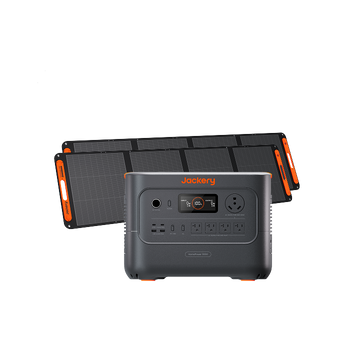
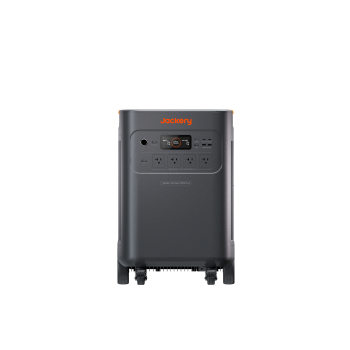
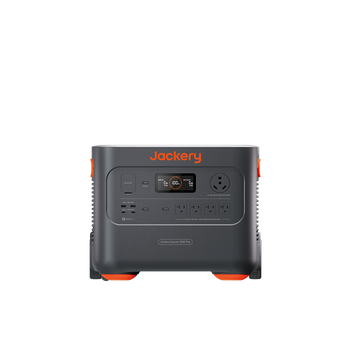
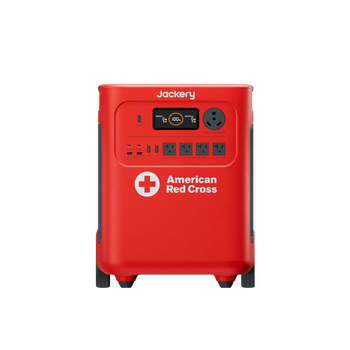
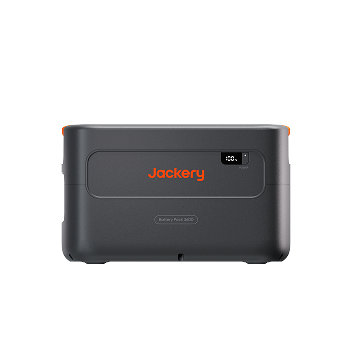
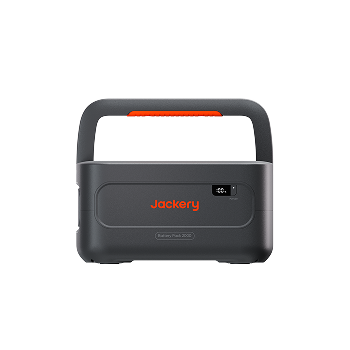
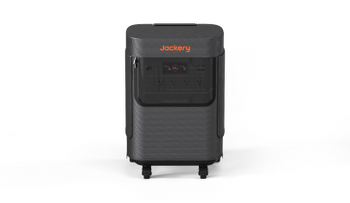
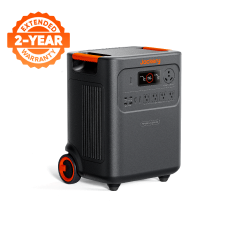
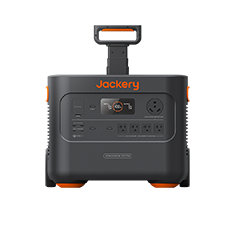
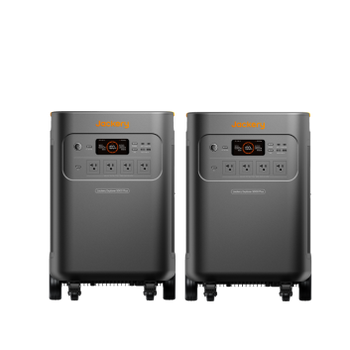
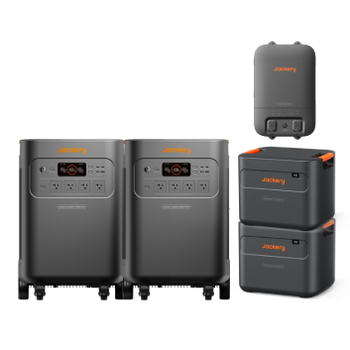
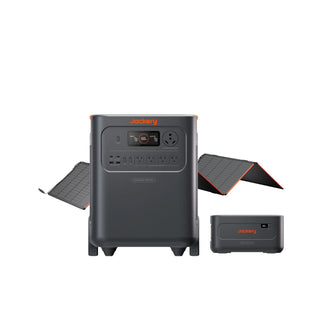
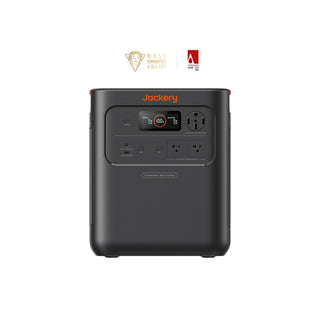
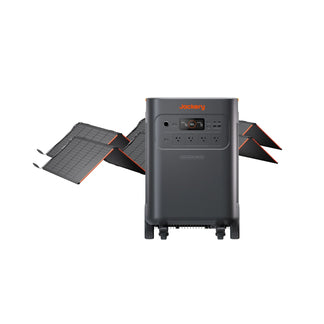
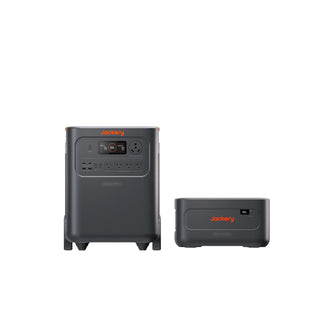
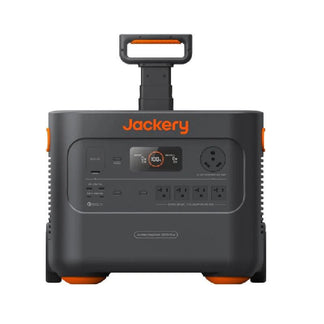
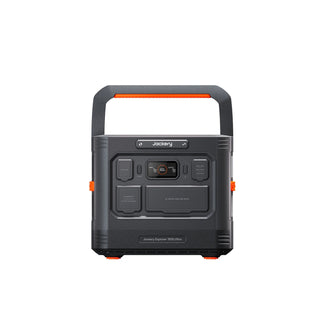
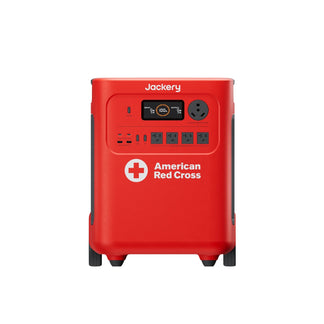
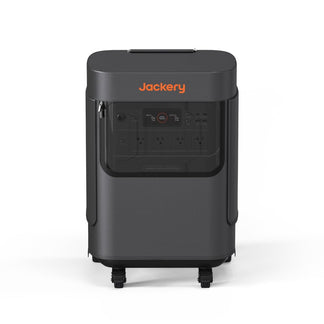
Jackery Solar Generator 5000 Plus
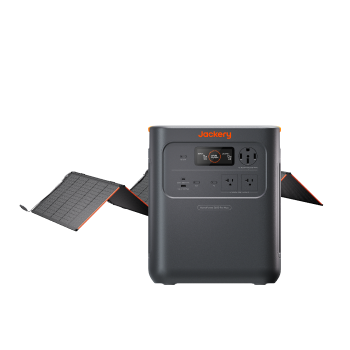
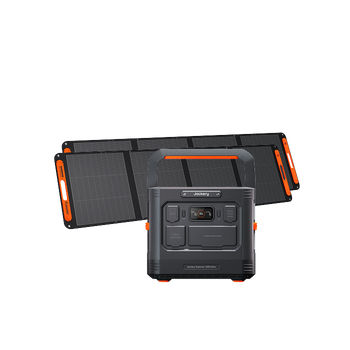
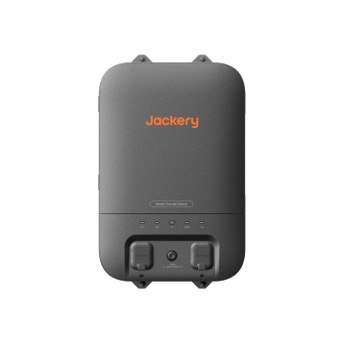
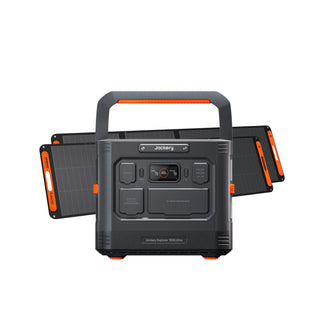
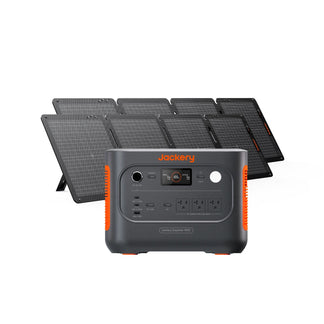
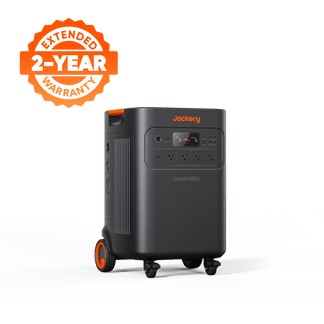
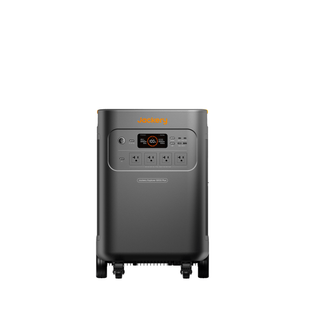
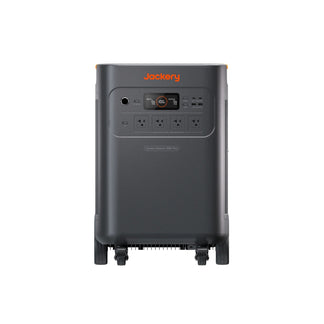
For sensitive computer servers, high-end workstations, or life-support medical hardware, the Jackery Solar Generator 5000 Plus features true 0ms online UPS operation. Because the inverter runs continuously, there is absolutely zero relay delay during a power cut.
- Power Output: 7,200 W of continuous power and 14,400 W of surge capacity.
- Split-Phase Output: Supports 120V/240V dual-voltage to power heavy 240V appliances like well pumps and other high-draw household machines.
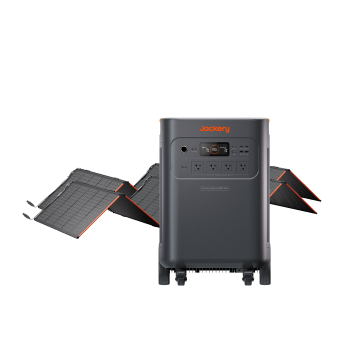
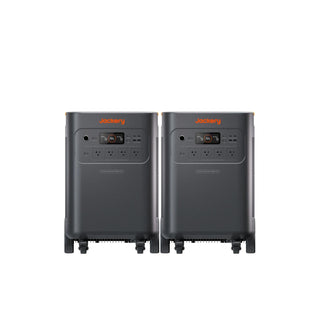
- Massive Scalability: Starts at 5,040 Wh of base capacity (runs a refrigerator for up to 50 hours or a 900W portable AC for 4.5 hours) and scales up to an incredible 60 kWh with add-on battery packs.
Jackery Sizing Matrix
|
Feature |
Jackery Solar Generator HomePower 3600 Plus |
Jackery Solar Generator 5000 Plus |
|
Transfer Speed |
Under 20 milliseconds |
0 milliseconds (True Online UPS) |
|
Base Capacity |
3,584 Wh |
5,040 Wh |
|
Max Expandable Capacity |
Scalable up to 43 kWh |
Up to 60 kWh |
|
Continuous Output |
3,600 W |
7,200 W |
|
240V Split-Phase Support |
Not supported |
Yes |
|
Recharge Time (Wall Outlet) |
2.5 hours |
3.0 hours |
|
Indoor Noise Level |
30 dB |
30 dB |
Frequently Asked Questions
How long does a whole house UPS battery last during an outage?
A standard 5 to 10 kWh system will run critical loads (refrigerator, router, lights, phones) for 12 to 24 hours. A larger 20 to 40 kWh system can easily power an entire home, including moderate climate control, for a full 24 hours without strict energy budgeting.
What is the difference between a UPS and a whole house battery?
A traditional desktop UPS is designed to keep your computer running for 10 to 15 minutes to allow for a orderly and safe shutdown. A whole-house battery system is engineered to provide sustained, high-capacity electrical output to run multiple heavy home appliances for several hours or days.
What appliances can a whole house UPS battery run?
A standard system easily runs critical loads like refrigerators (200-800 Wh/day), chest freezers, Wi-Fi routers, security systems, water pumps, and LED lights. High-output split-phase systems can also run heavy 240V appliances like well pumps, clothes dryers, and central air conditioning.
How much does a whole house UPS battery cost installed?
A standard 13.5 kWh battery system averages between $10,000 and $15,000 fully installed. Comprehensive, whole-home systems with larger inverter stacks and automatic transfer switches can exceed $20,000 before factoring in state-level battery incentives and utility rebates.
Can I connect my whole house UPS to existing solar panels?
Yes, provided your battery system supports AC or DC coupling. Always verify electrical compatibility, including voltage and amp limits, with your existing solar inverter and charge controller before making a purchase.
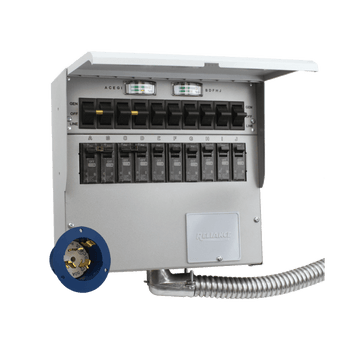
Do I need a transfer switch for a whole house UPS?
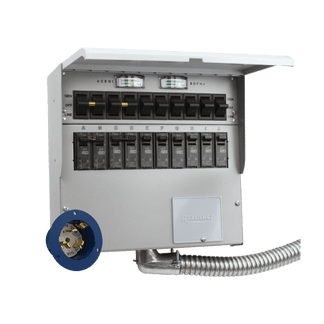
Whole-home setups running through your main breaker panel require an automatic transfer switch to safely isolate your home from the utility grid during an outage. Smaller, partial-home systems can run using a manual transfer subpanel or standard plug-and-play outlets.


