












![[Add - on] SolarSaga 200W - Jackery](http://www.jackery.com/cdn/shop/files/add-on-solarsaga-200w-4834329.png?v=1754016915&width=324)


Many first-time off-grid buyers purchase a standard 100Ah lithium battery expecting it to power their cabin or camper for an entire weekend. Unfortunately, they are often disappointed.
Here is the realistic financial and electrical calculation that will save you hundreds of dollars and prevent a cold night in the dark: a single 12V 100Ah LiFePO4 battery stores exactly 1,280 Watt-hours (Wh) of total capacity. Once you factor in safety depth-of-discharge (DoD) limits and standard inverter conversion losses, you are left with only 900 to 1,050 Wh of usable AC power. That is enough energy to run a modern, high-efficiency refrigerator for roughly 15 to 20 hours—not three days, and certainly not an entire off-grid cabin.
To avoid these expensive sizing errors, you must calculate your actual daily consumption before purchasing equipment. List every appliance you intend to power, find their continuous wattages, estimate their daily runtime hours, and multiply them. Sizing your system with a 20% to 30% safety margin ensures your off-grid bank can survive overcast weather and cell degradation without falling short of your goals.
Understanding 100Ah Lithium Battery Capacity
The mathematical total capacity of a 12V 100Ah LiFePO4 (Lithium Iron Phosphate) battery is calculated by multiplying its nominal voltage by its amp-hour rating: 12.8V nominal × 100Ah = 1,280 Wh. Unlike traditional lead-acid batteries, which are strictly limited to a 50% depth of discharge to prevent plate damage, modern LiFePO4 chemistry allows you to draw down 80% to 90% of its rated capacity safely, delivering double the usable energy from an identical amp-hour rating.
However, your usable AC output is limited by your system's power inverter. Turning direct current (DC) battery power into standard alternating current (AC) household power wastes 5% to 10% of your stored energy as thermal heat. A highly efficient 90% inverter turns 1,280 Wh of stored DC power into roughly 1,152 Wh of AC power. Applying an 85% depth of discharge target to protect your cells over the long term leaves you with a real-world usable energy baseline between 900 Wh and 1,050 Wh. Failing to account for these conversion losses is why many beginners experience dead batteries in the middle of the night.
Calculating Your Solar Battery Bank Size
To calculate the required size of your off-grid battery bank, follow this standard industry formula:
Bank Capacity (Ah) = (Daily Consumption [Wh] × Autonomy Days) ÷ (DoD × Inverter Efficiency × Nominal Voltage)
Let's calculate the requirement for an essential home backup load of 10,000 Wh (10 kWh) per day, assuming a standard one-day autonomy window and a 48V nominal system: (10,000 Wh × 1) ÷ (0.80 × 0.92 × 48V) = 283 Ah at 48V. This translates to roughly 13.6 kWh of battery storage—requiring multiple high-capacity batteries wired together, rather than a single, low-voltage 100Ah unit.
Autonomy represents the number of days your off-grid system must operate without active solar charging during overcast weather. Grid-tied backup configurations typically require only one day of autonomy, while deep off-grid cabins require 2 to 3 days of buffer. Always oversize your battery bank by 20% beyond your minimum calculations: a shallower depth of discharge reduces chemical stress, extending your battery's service life from 3,000 to over 6,000 charge cycles.
100Ah Battery Configurations: Single vs. Parallel
When designing your system capacity, you can use a single high-capacity 200Ah battery for simplicity, or wire two separate 100Ah batteries in parallel to provide system redundancy:
|
Configuration Metric |
Single 200Ah Battery |
Two 100Ah Batteries in Parallel |
|
Wiring Complexity |
Low—one set of terminals, minimal cabling |
Medium—requires identical connecting cables |
|
System Redundancy |
No backup; a single BMS fault shuts down the system |
Excellent; one battery failure leaves 50% capacity online |
|
Max Continuous Current |
Often limited to 100A-150A depending on the manufacturer's BMS, though high-end units support up to 200A |
Up to 200A (Combined dual-BMS limits) |
|
Physical Weight |
50 – 60 lbs (Single heavy unit) |
25 – 30 lbs per unit (Easier to handle) |
A parallel configuration connects your batteries' positive terminals together and negative terminals together, maintaining your standard 12V voltage while doubling your overall capacity to 200Ah. This parallel connection requires strict adherence to physical cabling rules: every interconnecting cable must be of identical length, gauge, and terminal type. Even a minor difference in line resistance will cause unequal current sharing, forcing one battery to work harder, run hotter, and degrade significantly faster than the other.
Inverter Sizing for 100Ah Lithium Batteries
A single 12V 100Ah LiFePO4 battery equipped with a standard 100A Battery Management System (BMS) can support a 1,000W continuous-rated inverter. Period. This is governed by simple electrical limits: a 1,000W AC load running through a 90% efficient inverter draws roughly 87A of DC current from your battery bank (1,000W ÷ 0.90 ÷ 12.8V = 86.8A). This sits safely below your BMS's 100A continuous discharge ceiling.
Attempting to connect a larger 1,500W or 2,000W inverter to a single 100Ah battery will pull over 130A of continuous current, triggering your BMS's overcurrent protection circuit and shutting down the system. To run a 2,000W inverter, you must wire at least two 100Ah batteries in parallel to share the current load safely. Additionally, ensure your system cables are sized correctly: high-current 12V runs require thick 2 AWG or 1/0 AWG copper conductors to prevent voltage drop and dangerous heat buildup.
Solar Panel Sizing to Charge a 100Ah Battery
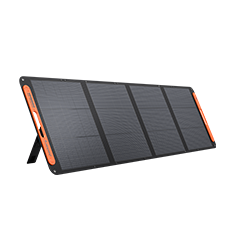
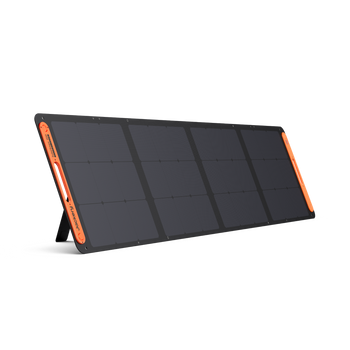
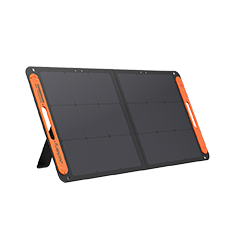
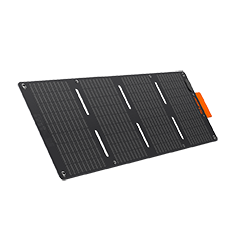
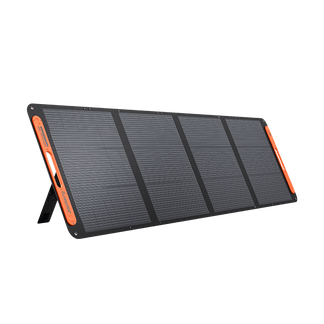
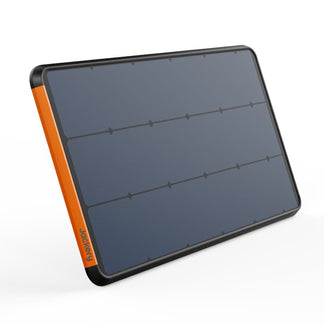
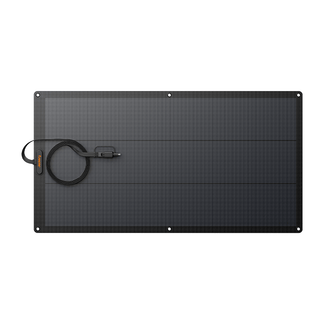
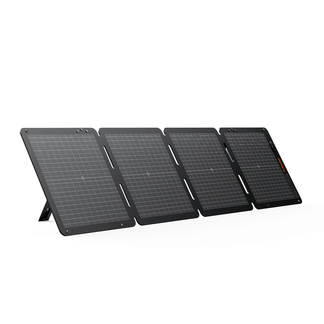
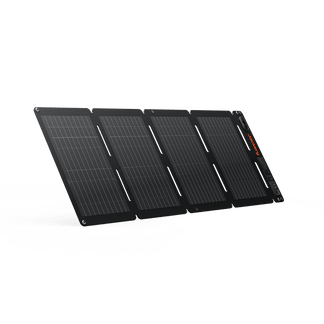
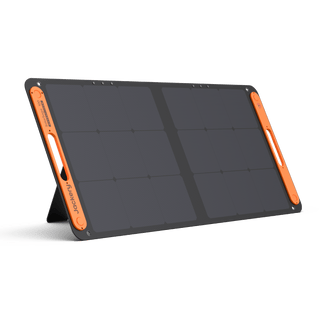
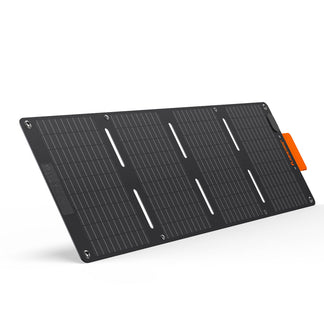
To fully recharge a 12V 100Ah LiFePO4 battery in a single day under average US sun conditions (4 to 5 peak sun hours), you require a 300W to 400W solar panel array paired with an advanced MPPT charge controller. To calculate your required solar output, use this standard off-grid engineering formula:
Required Solar Panel (W) = (Battery Capacity [Wh] × Depth of Discharge) ÷ (Peak Sun Hours × System Efficiency Factor)
Using this formula under 5 peak sun hours, assuming a full recharge (1.0 DoD) and a typical system efficiency of 80% (accounting for charge controller conversion losses, temperature derating, and wire resistance): (1,280 Wh × 1.0) ÷ (5 hours × 0.80) = 320 Watts. Factoring in these real-world losses, sizing up to a standard 300W or 400W solar array is highly recommended. Utilizing an MPPT controller is essential, as it tracks the panels' maximum power voltage and converts excess voltage into additional charging current, harvesting up to 30% more energy in overcast skies compared to older PWM controllers.

Integrated Power Solutions: The Maintenance-Free Choice
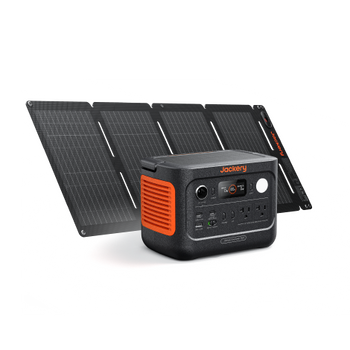
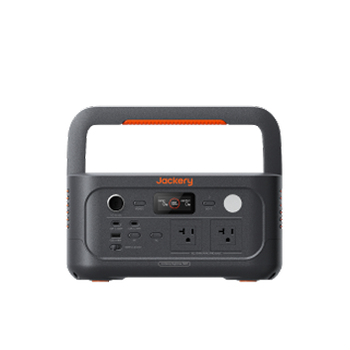
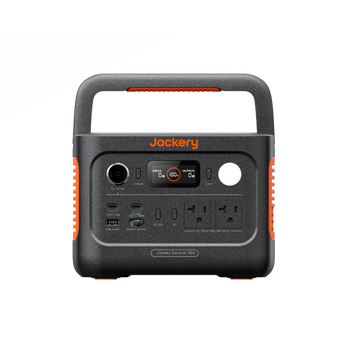
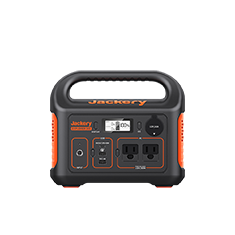
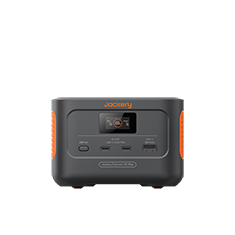
While building a standalone DIY battery bank using separate cells, charge controllers, inverters, and heavy-gauge cables is possible, it requires complex engineering decisions. Integrated solar generators completely eliminate this wiring complexity. They combine a pure sine wave inverter, an advanced MPPT controller, and a durable LiFePO4 battery bank into a single, pre-tested, and certified enclosure.
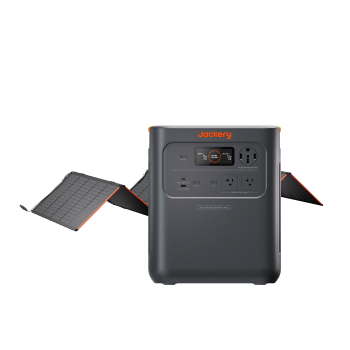
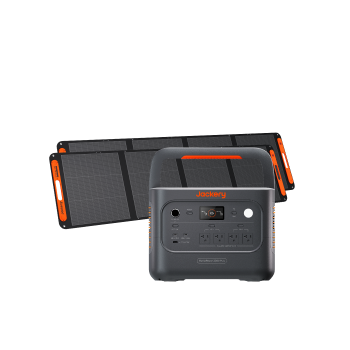
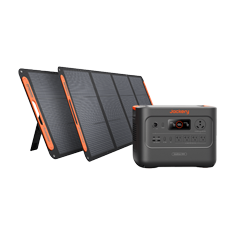
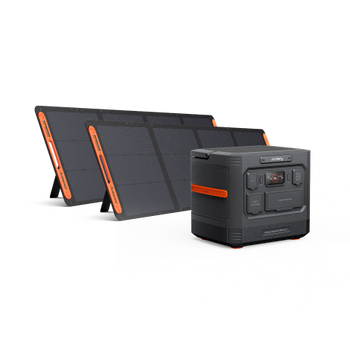
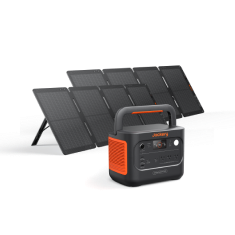
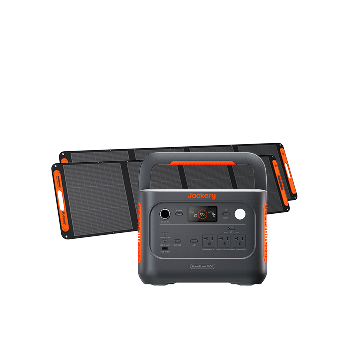
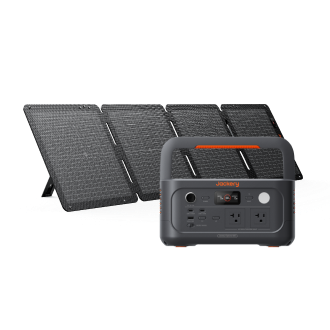
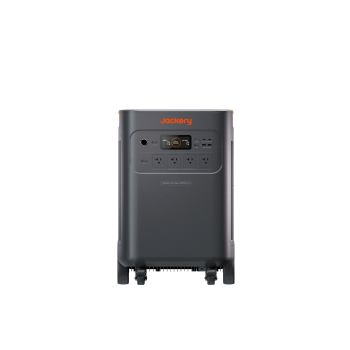
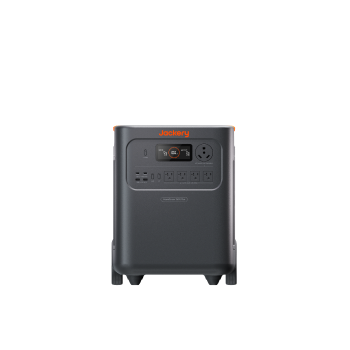
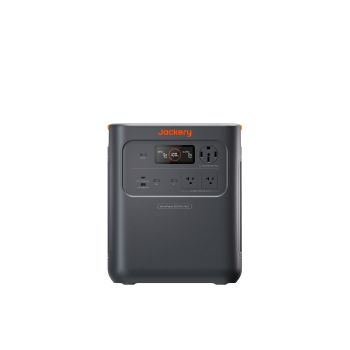
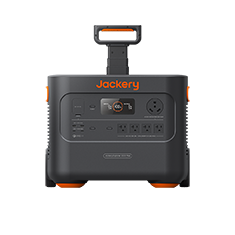
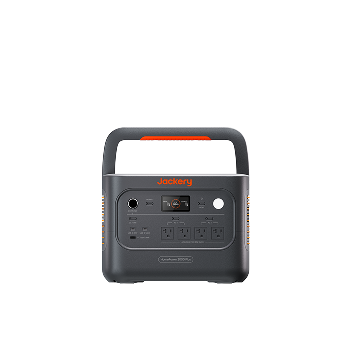
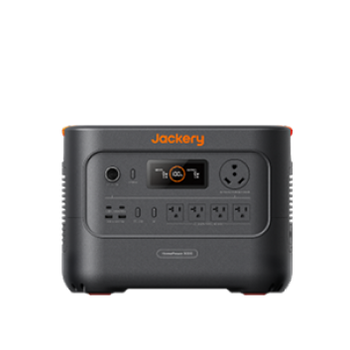
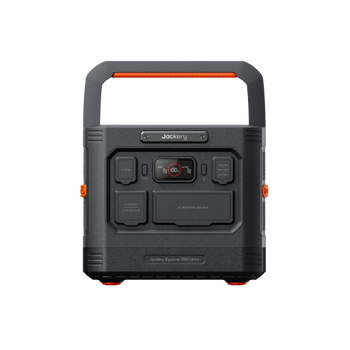
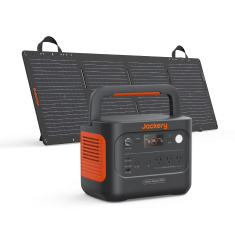
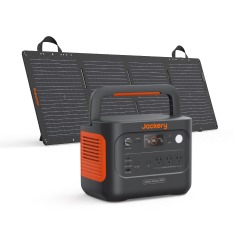
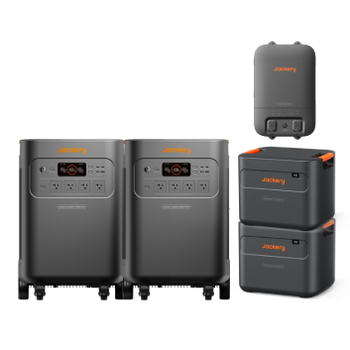
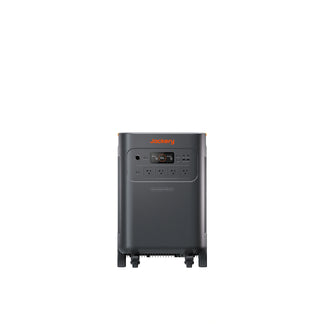
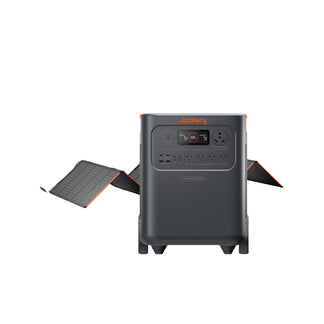
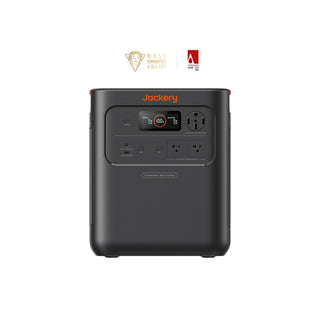
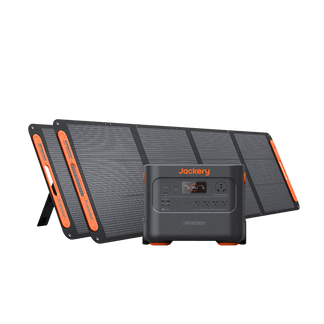
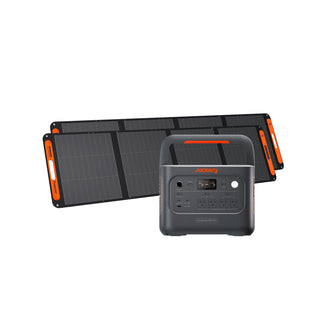
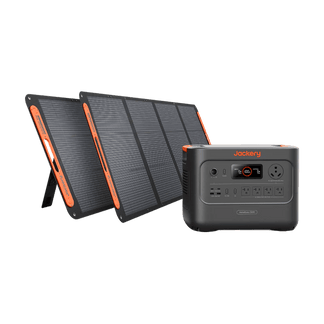
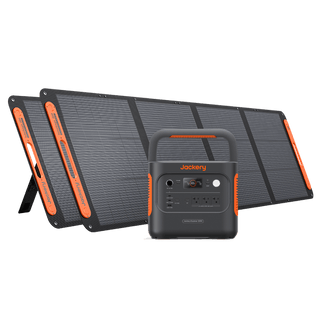
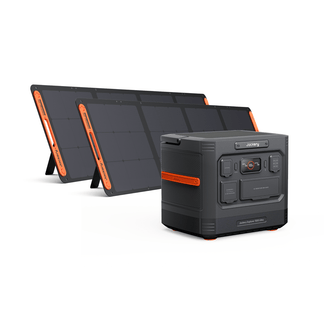
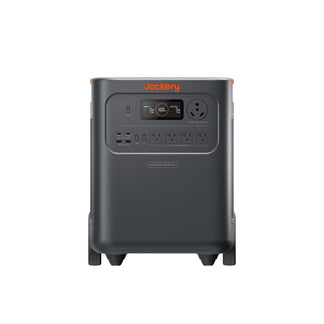
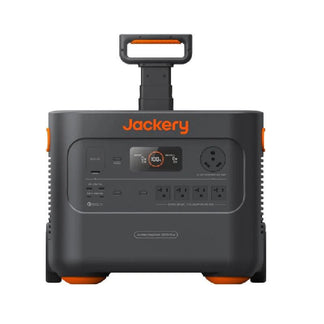
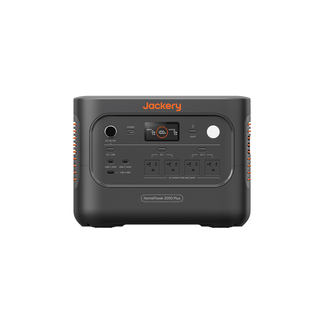
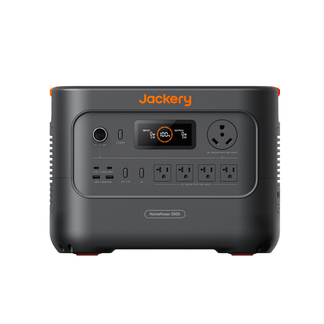
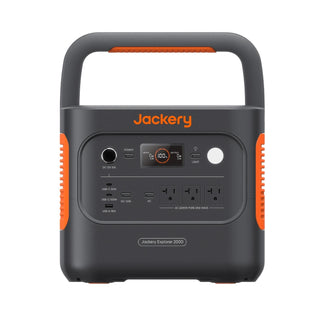
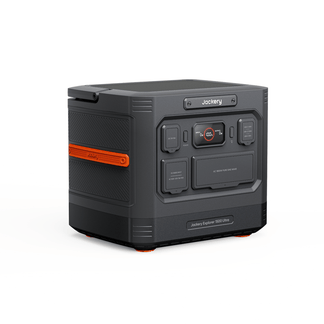
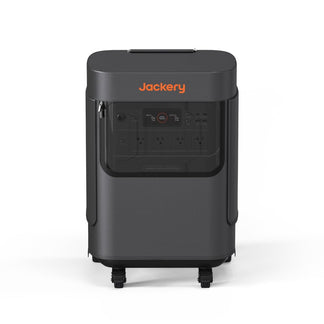
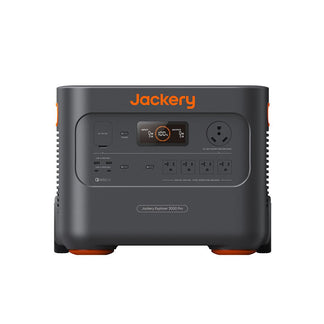
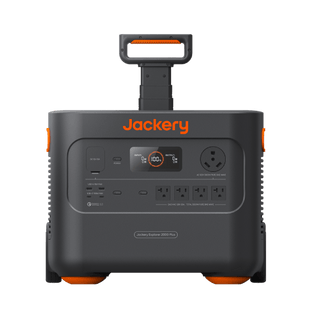
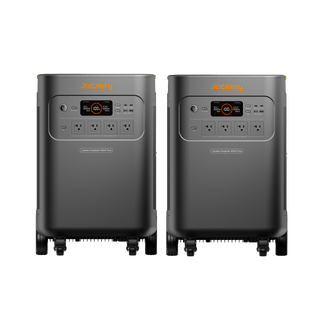
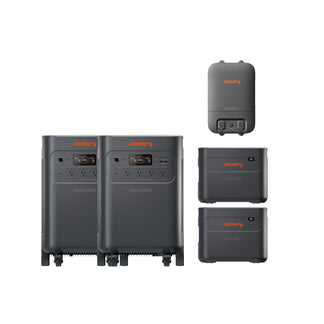
Two high-performance systems from Jackery provide ideal, scalable home backup power:
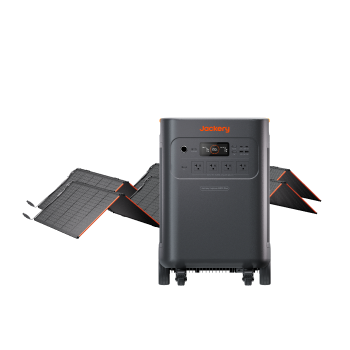
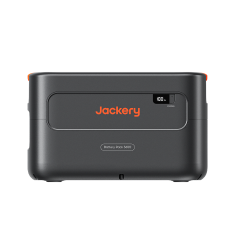
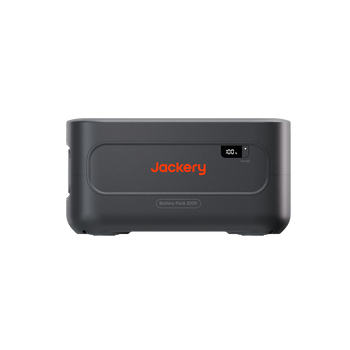
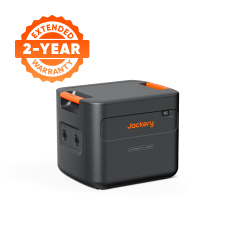
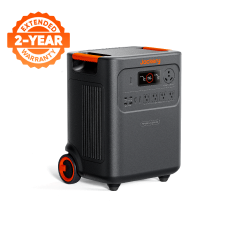
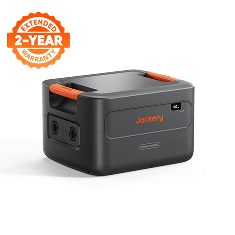
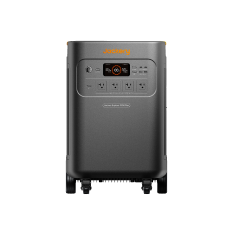
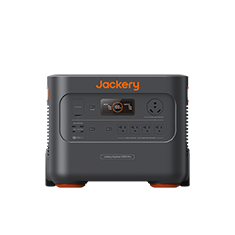
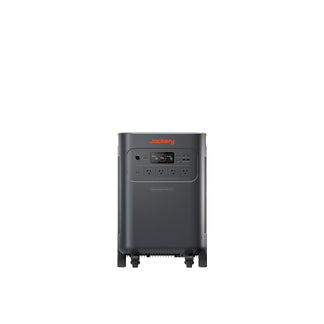
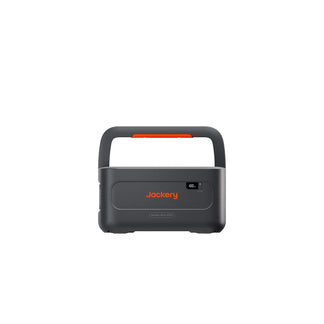
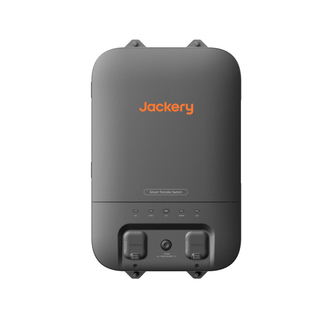
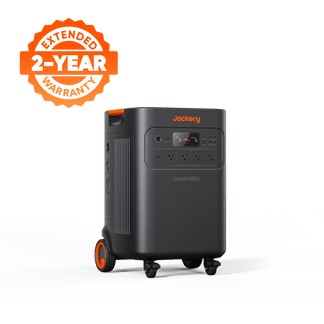
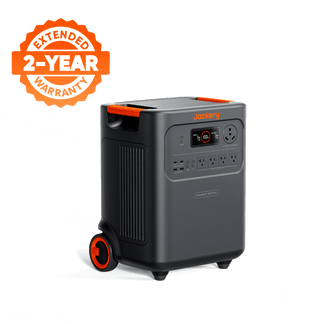
Jackery Solar Generator HomePower 3600 Plus: Features a 3,584 Wh capacity (equivalent to nearly three standard 100Ah lithium batteries wired together) with a robust 3,600W output, capable of running a refrigerator silently for up to 38 hours on a single charge.
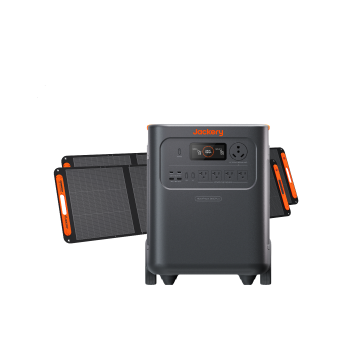
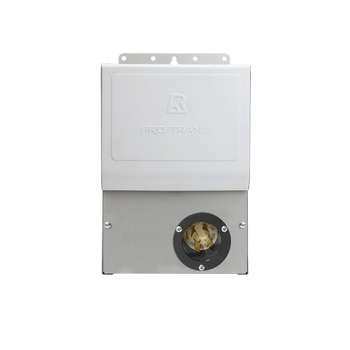
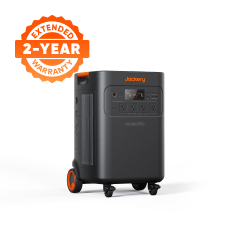
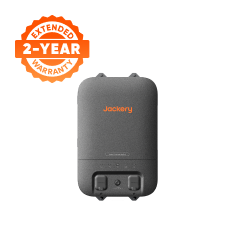
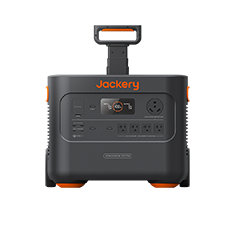
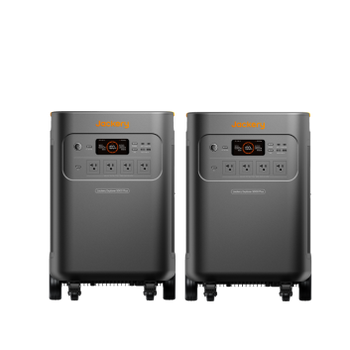
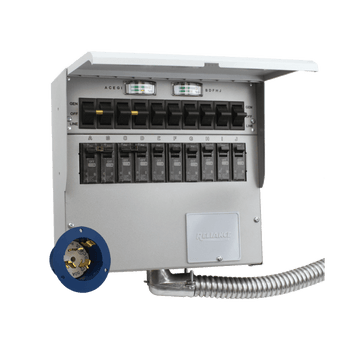
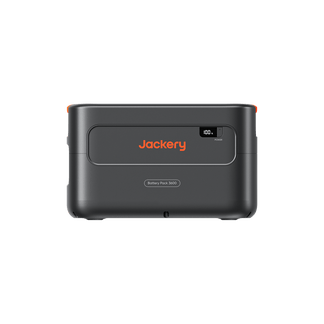
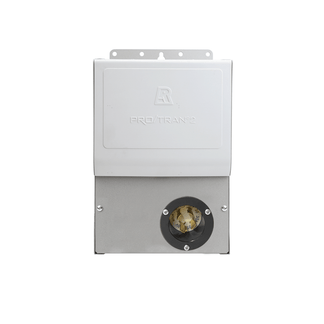
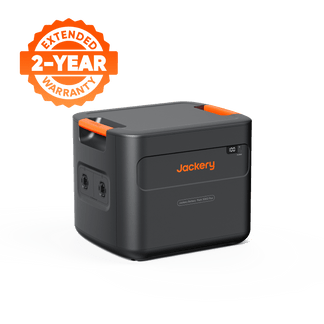
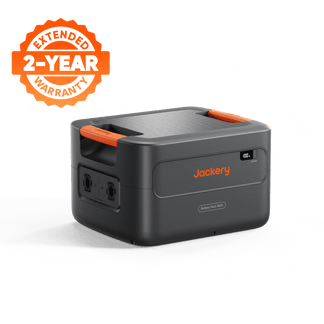
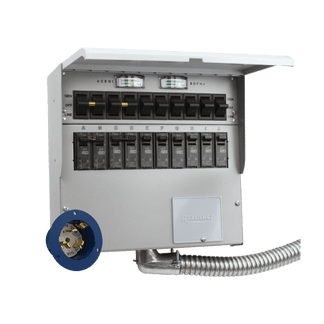
Jackery Solar Generator 5000 Plus: Houses a robust 5,040 Wh base capacity (expandable to 60 kWh) with a massive 7,200W continuous output. When integrated with a manual transfer switch, it serves as a robust essential home backup system.
Frequently Asked Questions
How many kWh of energy is stored in a 100Ah lithium battery?
A standard 12V 100Ah LiFePO4 battery stores 1.28 kWh of total chemical energy (12.8V × 100Ah = 1,280Wh). Applying a safe 85% depth of discharge, you have approximately 1.08 kWh of usable DC capacity. If running standard AC household appliances through an inverter, factoring in a typical 10% inverter conversion loss leaves you with approximately 0.98 kWh of usable AC energy.
Can a single 100Ah battery run a standard refrigerator?
Yes. A standard ENERGY STAR refrigerator consumes an average of 50W to 70W while running. A single 12V 100Ah LiFePO4 battery can keep your food safely cold for roughly 15 to 20 hours on a full charge, depending on how often the door is opened.
What size inverter can I connect to a 100Ah battery?
For a single 100Ah battery with a standard 100A BMS, a 1,000W continuous-rated pure sine wave inverter is the recommended maximum. Sizing up to a 2,000W inverter requires wiring at least two 100Ah batteries in parallel to share the high current draw safely.
How many solar panels are required to charge a 100Ah battery?
A 300W to 400W solar array paired with an MPPT charge controller is the recommended standard. This setup can fully recharge a 100Ah battery in a single day under average US conditions (4 to 5 peak sun hours).
How long does a 100Ah lithium battery last?
A high-quality LiFePO4 battery typically delivers 3,000 to 6,000 charge cycles before displaying a minor drop to 80% capacity, representing between 8 and 16 years of reliable, daily off-grid use.
Is one 100Ah battery enough to power an off-grid cabin?
No. A single 100Ah battery can only run low-wattage DC electronics like LED lights, phone chargers, and a laptop. Running heavy appliances like refrigerators, water pumps, or microwaves requires building a much larger battery bank.
How does cold weather affect a 100Ah battery's performance?
Standard LiFePO4 batteries lose roughly 10% to 20% of their usable capacity at freezing temperatures (32°F). Additionally, the built-in BMS will automatically block charging below freezing to prevent permanent lithium plating damage, making insulated indoor storage highly recommended.


