
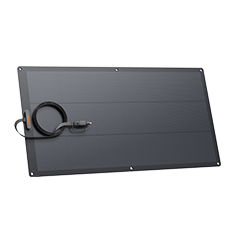
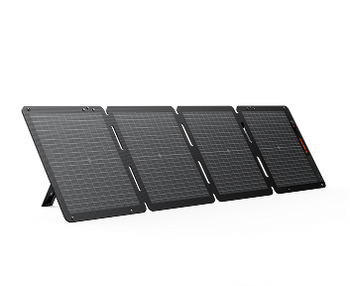
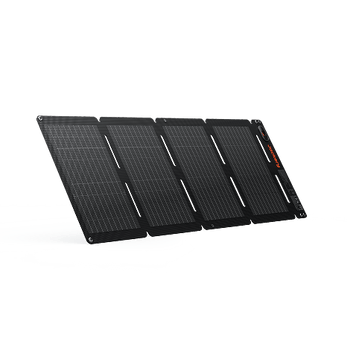


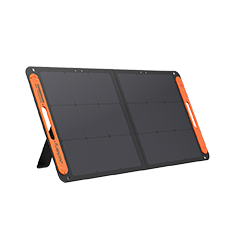
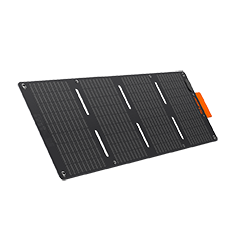



![[Add-on] Jackery SolarSaga 500 X - Jackery](http://www.jackery.com/cdn/shop/files/add-on-jackery-solarsaga-500-x-1493607.webp?v=1786503068&width=324)
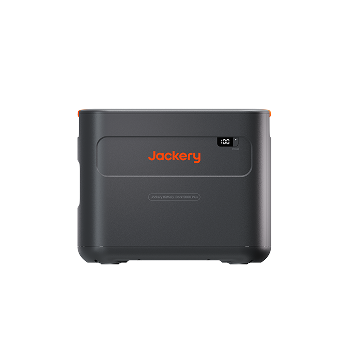
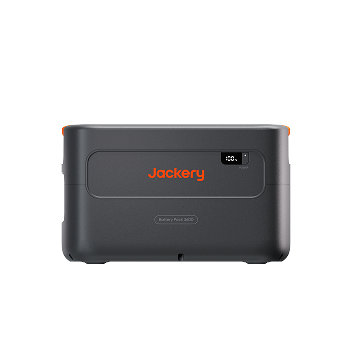
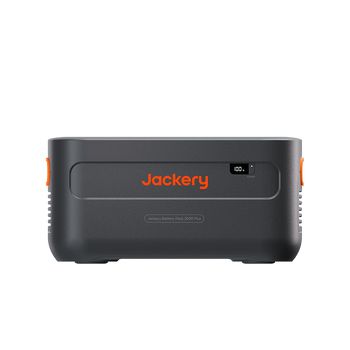
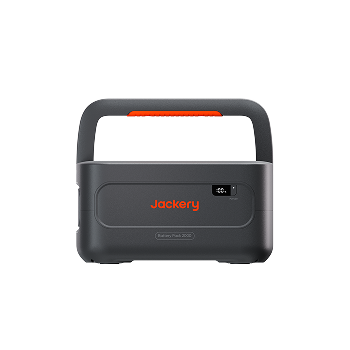
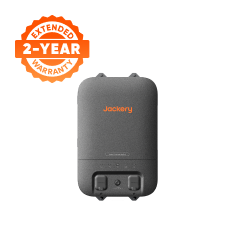
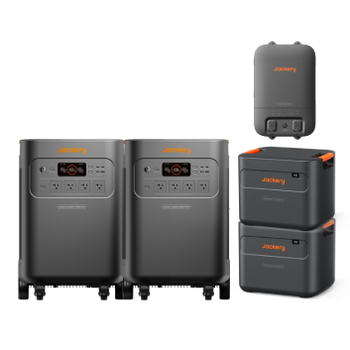
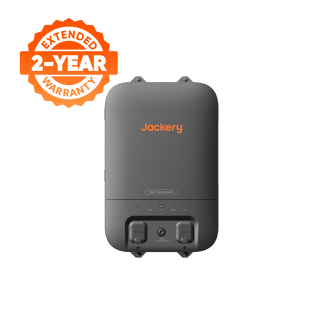
![[Add-on] Jackery Battery Pack 5000 Plus - Jackery](http://www.jackery.com/cdn/shop/files/add-on-jackery-battery-pack-5000-plus-6713401.webp?v=1786503068&width=324)



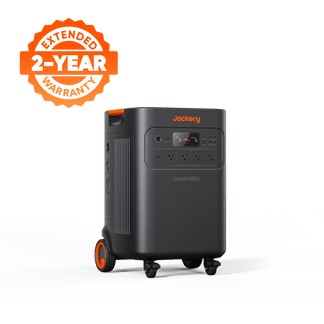
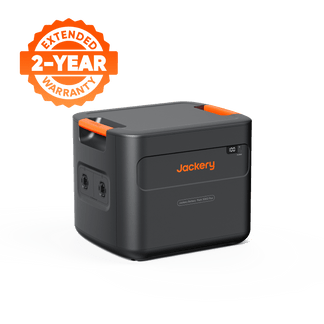
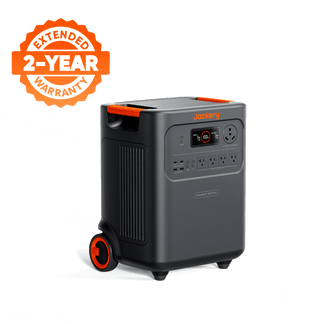
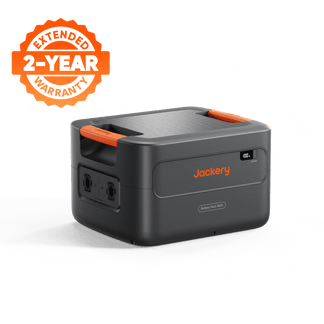
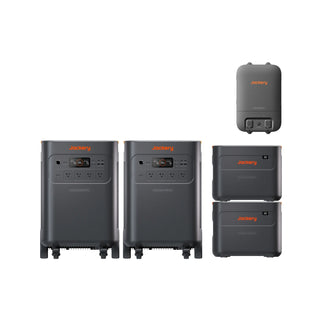


Quick Answer: A 12,000 BTU air conditioner draws 900–1,400 running watts but requires a startup surge of 2,400–3,500 watts. Sizing by running watts alone guarantees overload. You need a power station with at least 3,000W peak surge; with a soft start capacitor, a 2,200–3,000W unit can suffice. For runtime: 2,500 Wh provides 2–3 hours of cooling; 5,000 Wh extends to 4–5 hours on an efficient mini-split.
Key Takeaways
- A 12,000 BTU air conditioner’s startup surge (2,400–3,500W) matters more than its running watts; ignoring it causes immediate generator overload.
- Adding a $50–$100 soft start capacitor can halve the surge, making many 2,200–3,000W portable power stations viable.
- Battery math is ruthless: 800W × 8 hours = 6.4 kWh daily, meaning you need at least 8,000 Wh usable after inverter losses and 80% depth of discharge.
- Inverter-driven mini-splits are the most solar-friendly AC type, with low surge (~1,500W) and running watts as low as 700.
- Solar recharge typically requires 4–5 panels of 400W each just to refill one night’s cooling use.
Why Your AC’s “Running Watts” Number Is Only Half the Story
The startup surge is the real sizing constraint. A 12,000 BTU window unit that runs at 1,000W can spike to 3,000W the moment the compressor kicks on. If your power station cannot deliver that 3,000W peak for those critical 3–5 seconds, the overload protection trips and you never get a single breath of cool air. This is the most expensive beginner mistake: buying a unit based on running watts alone.
Soft starts turn “impossible” into “doable.” A soft start capacitor, installed on the AC’s compressor, ramps up current gradually. It can slash the startup surge by 50% or more — a 3,000W spike often drops to ~1,500W. That puts a 12,000 BTU window AC within reach of a quality 2,200–3,000W portable solar generator. The device costs $50–$100 and takes minutes to install. It’s the single best-value upgrade you can make.
Pure sine wave is non-negotiable.
- Modified sine wave inverters distort the AC waveform, causing compressors to run hotter, less efficiently, and potentially damaging motor windings over time. Always verify the power station outputs a clean pure sine wave.
- Voltage drop during startup — sometimes 15–20% in weak off-grid setups — can prevent the compressor from turning or corrupt sensitive control boards, so keep cable runs short and use heavy-gauge cords.
The Real-World Math: From BTU to Battery Drain
The number on the box tells you almost nothing. Efficiency is the multiplier that determines everything else.
(BTU ÷ SEER) = Running Watts
- SEER 15: ~800W running; SEER 10: ~1,200W — a 400W difference that more than doubles battery drain over a workday.
- EER rating on the nameplate gives a truer picture at peak cooling: EER 12 → 1,000W; EER 9 → 1,333W.
- Always check the nameplate’s voltage and amperage, then use Watts = Volts × Amps for your exact running watts.
Efficiency Rating |
12,000 BTU Running Watts (approx.) |
SEER 10 / EER 9 |
1,200–1,333W |
SEER 12 / EER 10 |
1,000–1,200W |
SEER 15 / EER 12 |
800–1,000W |
(Running Watts × Hours Used) ÷ 1,000 = Daily kWh
Example: 800W × 8 hours = 6.4 kWh daily consumption. That’s your baseline. Next, factor in inverter losses (roughly 10%) and depth of discharge limits — LiFePO₄ batteries should stay above 80% depth of discharge for longevity. So:
(Daily kWh × 1.1 inverter loss) ÷ 0.8 DoD = Minimum Usable Battery Wh
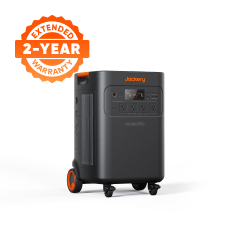
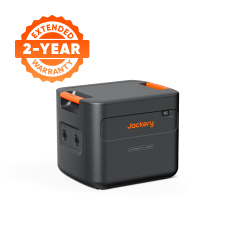
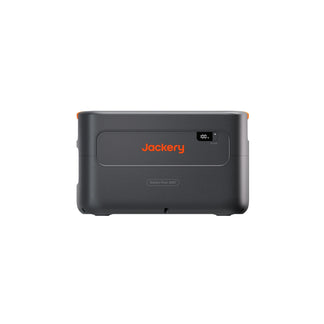
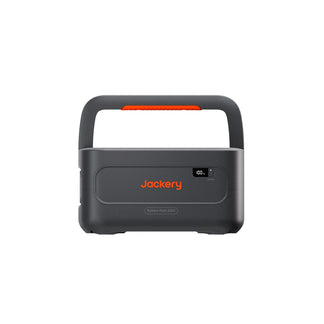
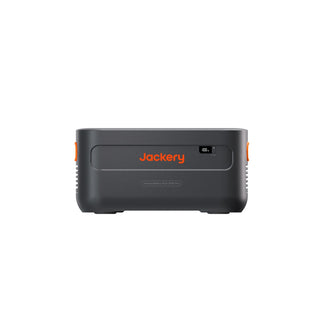
For 6.4 kWh: (6.4 × 1.1) ÷ 0.8 = 8.8 kWh. A 5,040 Wh battery like the Jackery Explorer 5000 Plus gets you around 4.5 hours on the 800W mini-split, not a full night.
Solar recharge is equally sobering. A 400W panel in 5 peak sun hours generates ~2,000 Wh per day.
To replenish 6.4 kWh, you need 4–5 panels. For two consecutive cloudy days without sun, double the battery bank to 16,000 Wh usable. This is why multi-day autonomy requires an expandable system.
Matching Generator Capacity to AC Type: Window, Portable, or Mini-Split
Your generator choice depends on the type of 12,000 BTU AC: window, portable, and mini-split units have wildly different electrical personalities.
- Window units: 900–1,200W running, 2,500–3,000W surge. A 3,000W peak generator handles them reliably, and with a soft start even a 2,200W unit may work.
- Portable ACs: 1,200–1,400W running, 2,800–3,200W surge. They run hotter and spike harder; a 3,500W peak rating is safer.
- Ductless mini-splits: Inverter-driven compressors draw 700–1,000W running with a minimal surge around 1,500W — the most solar-generator-friendly option. Many 2,200W units can start them without a soft start.
- Central AC (2–5 tons): 4,000–15,000W running, 8,000–30,000W surge. Completely out of reach for portable power stations. Stick to window or mini-split for essential home backup.
Always read the nameplate. Use Watts = Volts × Amps to get the exact running watts, then multiply by 2.5 for a conservative surge estimate. Also check voltage: most window units are 120V, while efficient mini-splits often need 220V — not all portable power stations output 220V, so verify compatibility before you buy.
AC Type (12,000 BTU) |
Typical Running Watts |
Typical Surge Watts |
Recommended Min Generator Peak |
Window unit |
900–1,200 |
2,500–3,000 |
3,000W (2,200W with soft start) |
Portable AC |
1,200–1,400 |
2,800–3,200 |
3,500W |
Mini-split |
700–1,000 |
~1,500 |
2,200W |
Central AC |
4,000+ |
8,000+ |
Not suitable for portable units |
For the broader picture of matching a generator to household loads, see our guide on what size solar generator you need.
Common Sizing Mistakes That Drain Your Budget
Mistake 1: Buying Based on Running Watts Only
You read “1,200W AC” and buy a 1,500W generator. It trips the moment the compressor starts. You just bought twice.
Mistake 2: Forgetting Other Loads
Your refrigerator (600W surge), lights (100W), and Wi‑Fi router (20W) add another 720W to your peak demand. Size for the sum of all surges that may happen simultaneously.
Mistake 3: Assuming “3,000W” Means 3,000W Continuous
Many inverters advertise peak watts; continuous output is often 20–25% lower. A “3,000W” unit might deliver only 2,400W continuously. Read both the peak and continuous ratings carefully.
Mistake 4: Skipping the Soft Start
On a 12,000 BTU window unit, a $50–$100 soft start capacitor can reduce the surge from 3,000W to ~1,500W — letting you use a far smaller, cheaper power station. Skipping this is paying for surge you don’t need.
Mistake 5: Underestimating Battery Drain
A 1,200W portable AC running 6 hours consumes 7.2 kWh. A typical 1,000 Wh portable power station lasts less than one hour. Runtime expectations must be built from actual Wh, not peak output.
Mistake 6: Circuit Overloading in Older Homes
A standard 15‑amp, 120V circuit delivers 1,800W max. A continuous 1,200–1,400W draw plus startup surge can trip breakers in homes with aging wiring. Plan your circuit, not just your generator.
Realistic expectation: even a well‑sized portable power station gives you essential room‑cooling, not whole‑house air conditioning. Expect 4–6 hours of runtime on a 5 kWh system, or plan for multiple battery expansions for overnight coverage. For a broader look at building reliable backup for key appliances, read how to build a secure power backup for home appliances.
Jackery Solutions: Scalable Power for 12,000 BTU AC Backup
The right Jackery configuration depends on your AC type and how many hours of cooling you need. All three options below deliver pure sine wave output and can be expanded with solar panels for daytime recharge.
Model |
Peak Surge |
Battery Capacity |
Runtime (Mini‑Split 800W) |
Runtime (Portable AC 1,200W) |
Solar Recharge |
Best For |
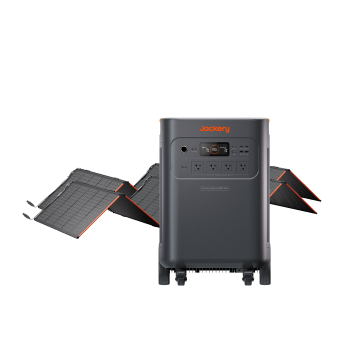
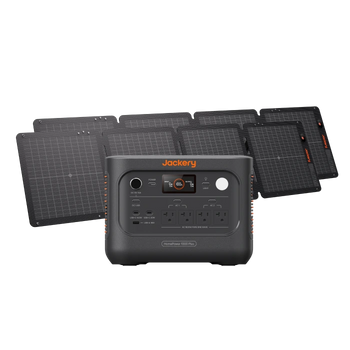
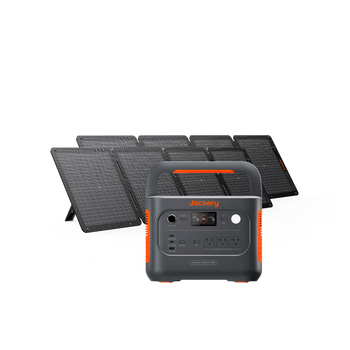
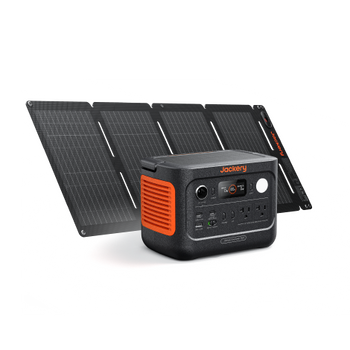
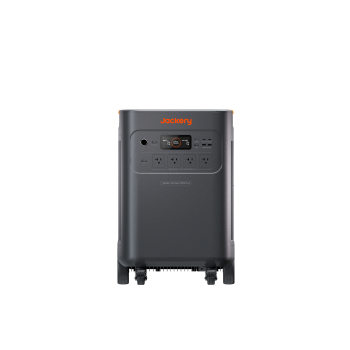
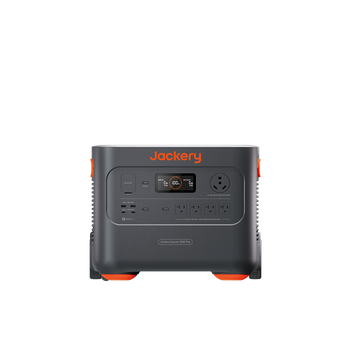
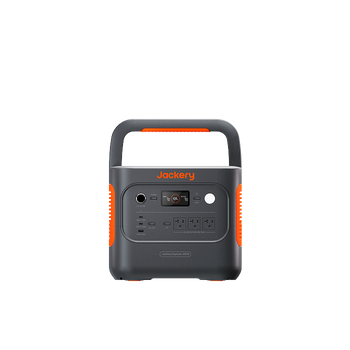
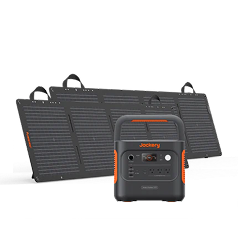
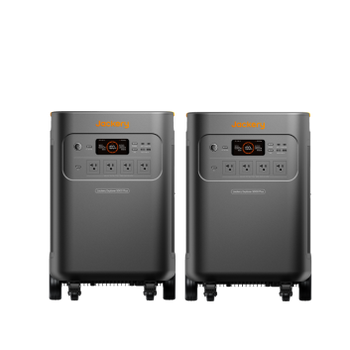
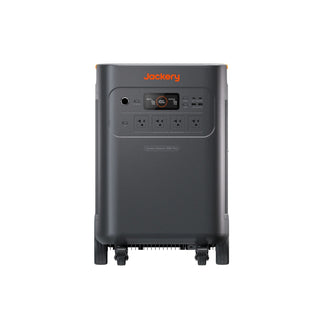
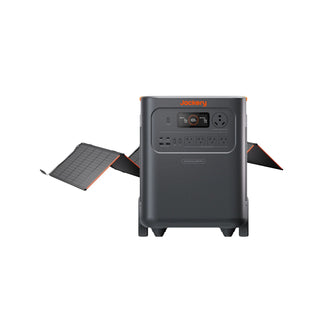
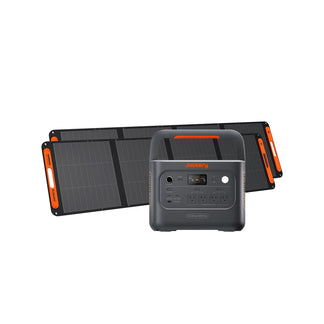
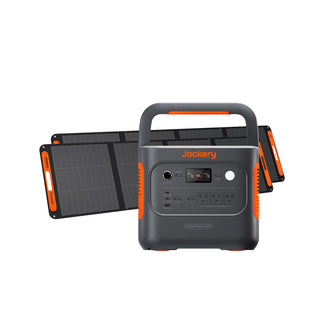
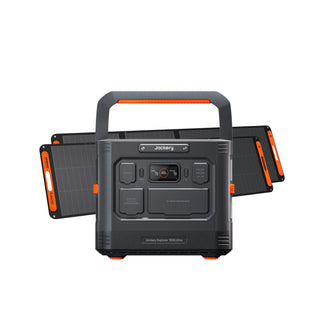
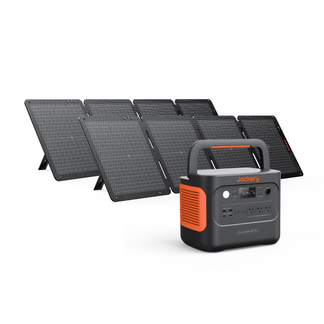
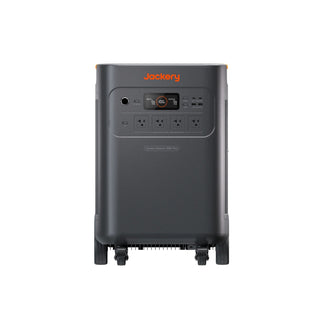
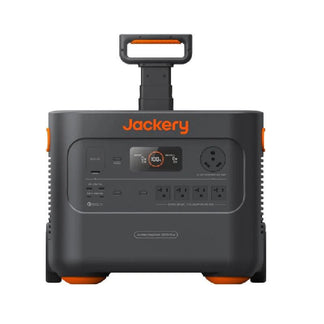
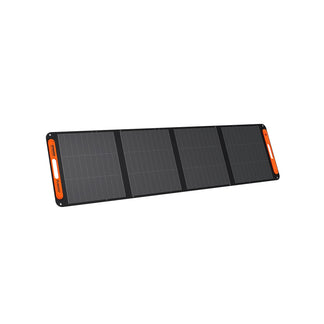
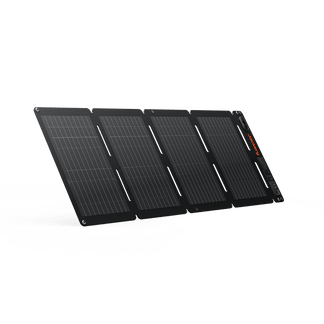
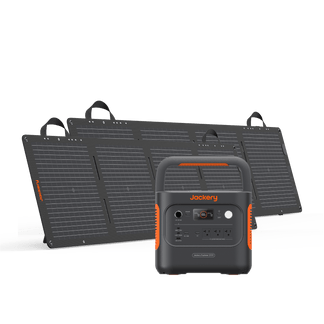
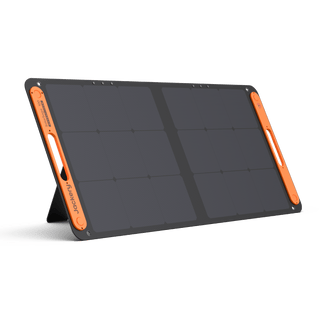
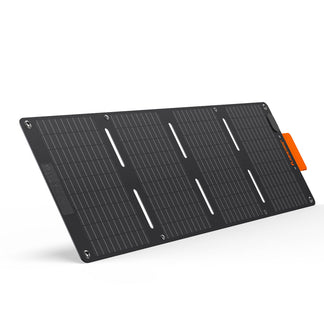
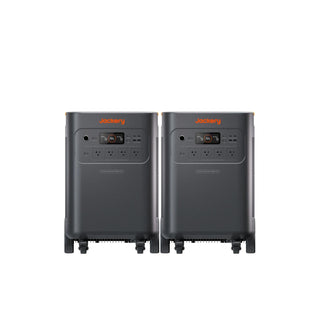
Jackery Solar Generator 5000 Plus + 2x SolarSaga 500X |
14,400W |
5,040 Wh (expandable to 60 kWh) |
~4.5 hours |
~3 hours |
Up to 4,000W solar input |
Multi‑night backup, off‑grid cabins |
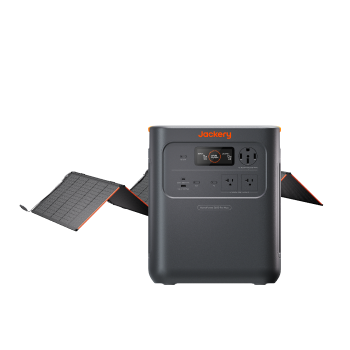
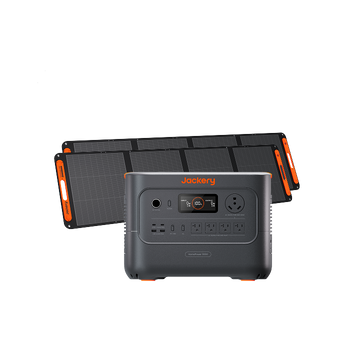
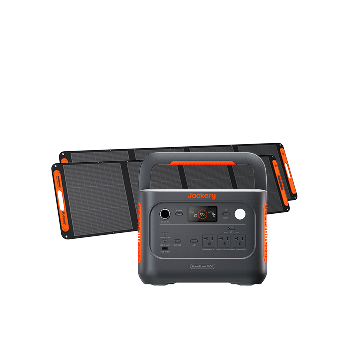
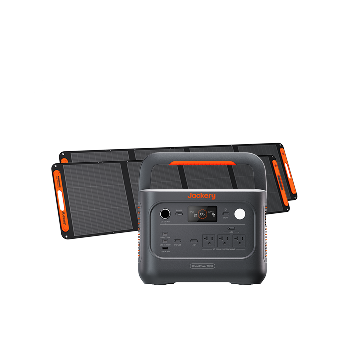
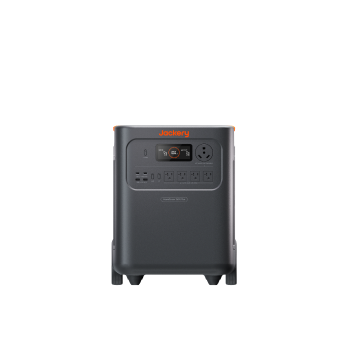
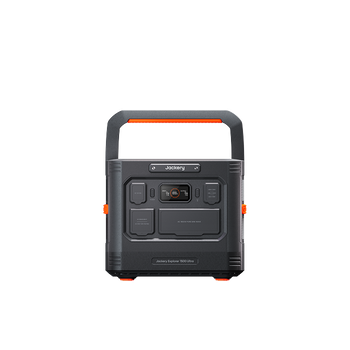
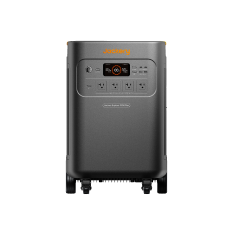
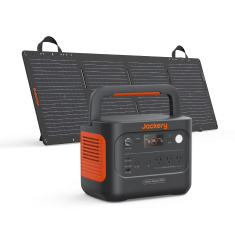
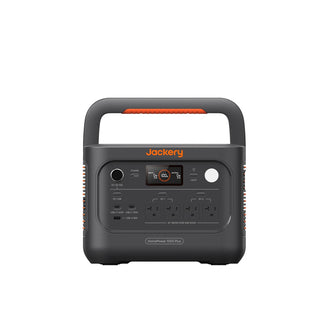
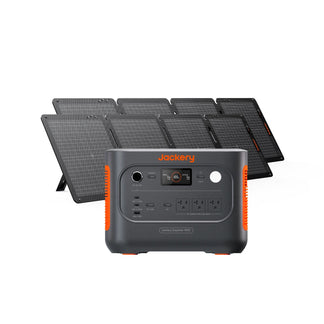
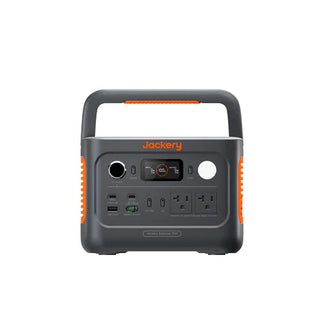
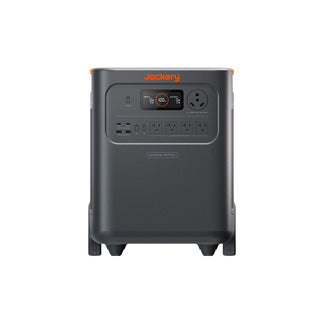
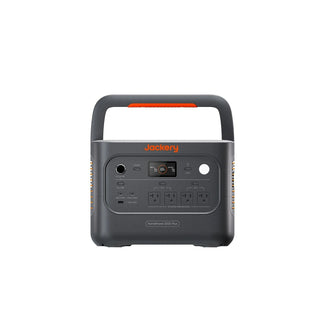
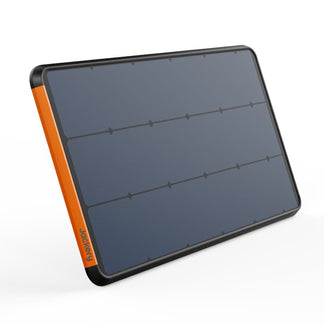
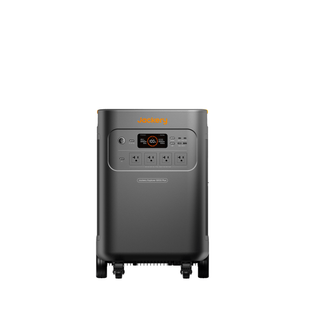
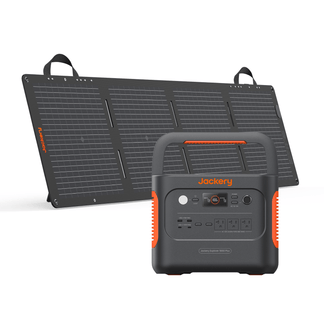
Jackery Solar Generator HomePower 3600 Plus + SolarSaga 500X |
7,200W |
3,584 Wh |
~3.3 hours |
~2.2 hours |
Up to 1,200W solar input |
Window AC with soft start; 1‑night cooling |
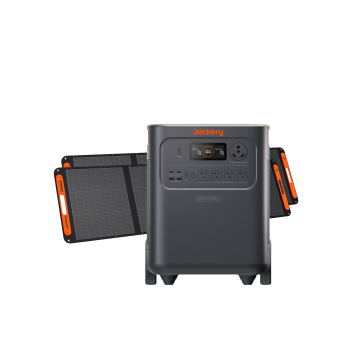
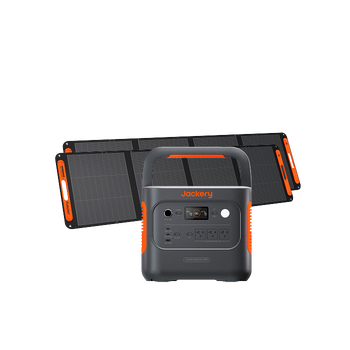
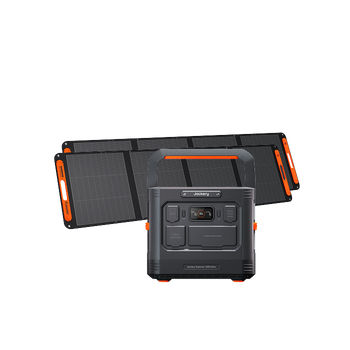
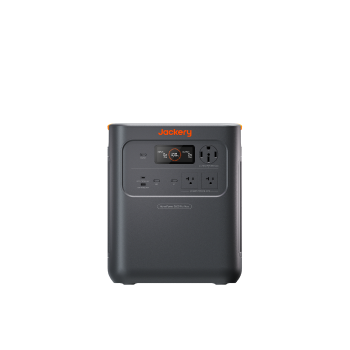
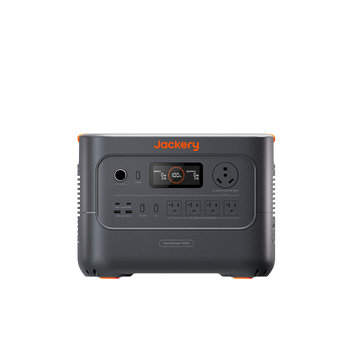
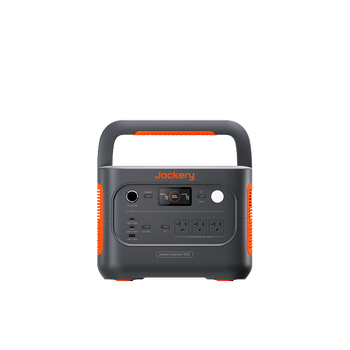
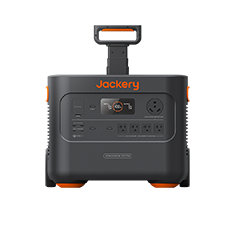
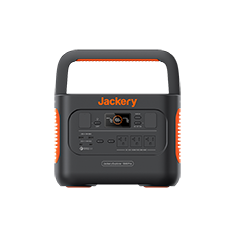
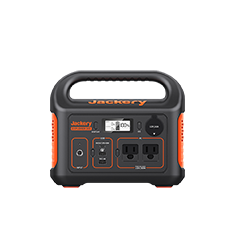
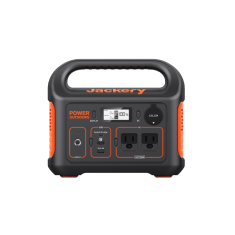
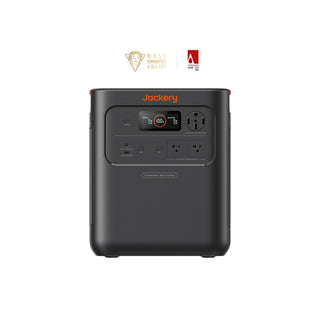
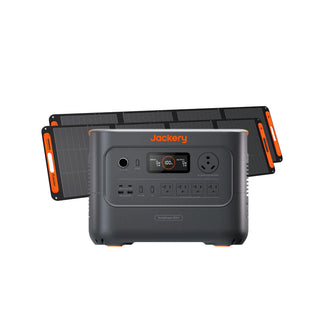
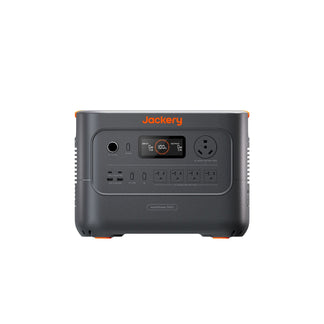
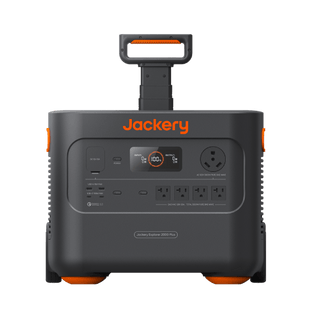
Jackery Explorer 2000 v2 Portable Power Station |
4,400W |
2,042 Wh |
~1.9 hours |
~1.2 hours |
Up to 600W solar input |
Mini‑split in RV/bedroom; lightweight portability |
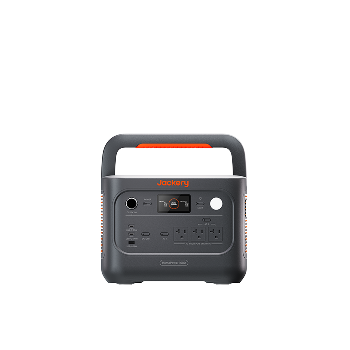
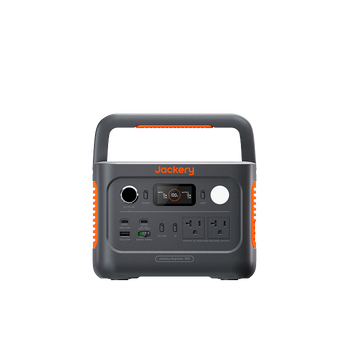
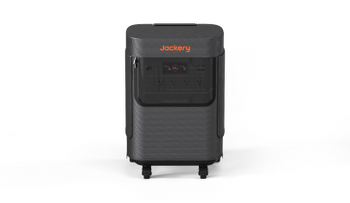
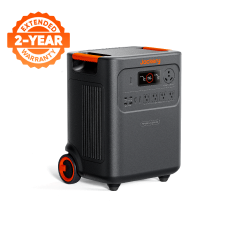
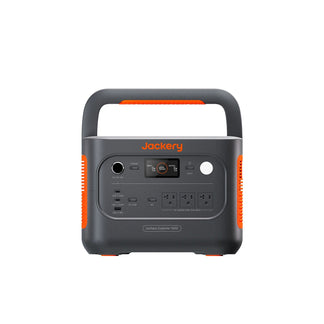
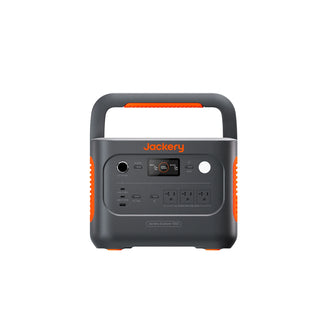
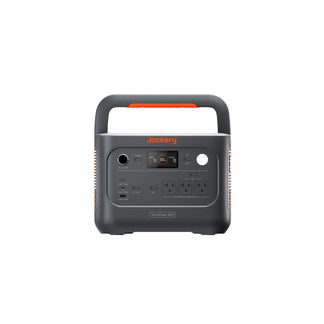
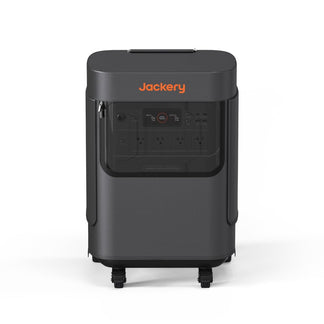
The Jackery Solar Generator 5000 Plus + 2x SolarSaga 500X handles a 3,000W+ startup spike without a soft start, making it the plug‑and‑play choice for a 12,000 BTU window or portable AC. The Jackery Solar Generator HomePower 3600 Plus + SolarSaga 500X pairs beautifully with a soft start capacitor to cut the surge in half.
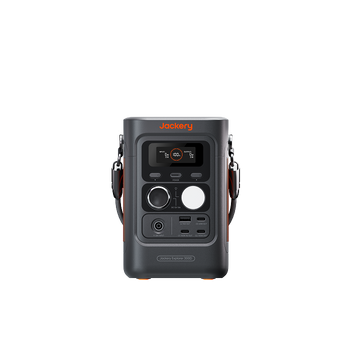
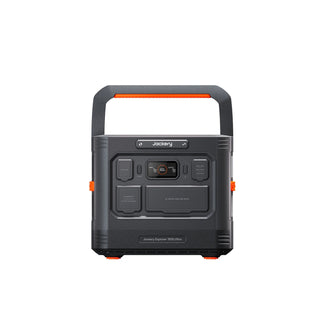
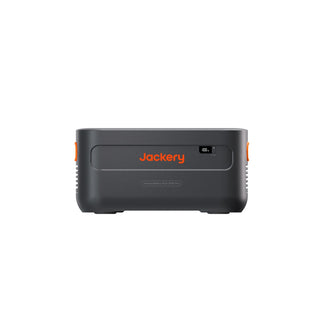
The Jackery Explorer 2000 v2 Portable Power Station’s 4,400W surge is ample for most mini‑splits, and at 39.5 lbs, it moves easily between rooms. All units accept solar input and can be chained with extra battery packs for longer autonomy. Remember, these are designed for essential room cooling during outages, not as a whole-house replacement.
For a deeper dive into choosing a generator for home backup, see our electric generator for home guide.
Frequently Asked Questions (FAQ)
How long can a solar generator run my AC daily?
With a 5,000 Wh battery and an 800W mini‑split, you get roughly 4–5 hours of runtime before depletion.
Is it safe to install a soft start on any AC unit?
Soft starts work best on window and portable ACs with single‑phase motors. Check your unit’s compatibility before purchase; not every compressor design accepts a soft start.
Can I connect two smaller solar generators to run one AC?
Only if the units explicitly support parallel operation. Mismatched phases can damage equipment and void warranties.
What happens if my generator’s surge rating is too low?
The AC fails to start, the inverter trips, and repeated attempts can degrade the compressor. Always match surge capacity to the unit’s startup spike — best battery backup generators cover these demands.
Do I need a special extension cord for a 12,000 BTU AC?
Use a 10‑gauge or thicker cord rated for at least 15 amps. Thin cords cause voltage drop and overheating during surge — a fire risk and a cause of startup failure.


