












![[Add-on] Jackery SolarSaga 500 X - Jackery](http://www.jackery.com/cdn/shop/files/add-on-jackery-solarsaga-500-x-1493607.webp?v=1786503068&width=324)
![[Add-on] Jackery Battery Pack 5000 Plus - Jackery](http://www.jackery.com/cdn/shop/files/add-on-jackery-battery-pack-5000-plus-6713401.webp?v=1786503068&width=324)









Quick Answer: A 12V solar battery system for road trips must include a 20% buffer above your calculated daily energy use to compensate for real-world losses from heat, dust, shading, wiring, and tilt. Without it, a 100Ah LiFePO₄ battery can drain by day three of clouds. Build your system around a solar harvest target that’s 20% higher than your load audit.
Key Takeaways
- A 100Ah LiFePO₄ battery delivers about 900–1,050Wh of usable AC power, but daily losses from heat, wiring, and shading can easily shave 10–25% off your panel output, making a 20% buffer essential.
- Lead-acid batteries offer only 50% usable capacity, so a dual 80Ah lead-acid bank provides less usable energy than a single 100Ah lithium battery — and still needs a buffer.
- A battery monitor (like a Victron SmartShunt) is the first $130 you should spend; it reveals your actual consumption pattern and prevents you from buying a $6,000 battery bank you don’t need.
- MPPT charge controllers recover 15–30% more energy than PWM in real mobile conditions, effectively reducing the panel wattage your buffer requires.
- For frequent AC use on the road, a small 2,000W inverter generator is often cheaper and more reliable than a massive lithium bank — but you still need the buffer for days when you don’t run the generator.
What the 20% Buffer Actually Compensates For in a Road Trip Setup
Your solar panels don’t perform at their STC rating on the roof of a dusty van. The buffer covers the gap between the lab number and the road.
- Heat. Panel efficiency drops by 0.3–0.5% for every °C above 25°C (77°F). On a 40°C (104°F) desert afternoon, a 200W panel loses 15–30W — 7.5–15% of your harvest.
- Dust and road grime. Dust, pollen, and bug splatter can block 10–15% of incoming sunlight; a wipe helps but fine film still scatters photons.
- Wiring and connector resistance. Every connection, fuse, and foot of cable sacrifices power. Industry data shows 5–8% of generated power is lost as heat before it reaches the charge controller.
- Partial shading. A branch, roof rack crossbar, or antenna shadow can cut a panel’s output by 50–80% even when only 10% of the cells are covered. You can’t avoid it — you can only size your array to absorb the hit.
- Panel tilt. Flat or fixed-angle panels lose 10–25% of the daily harvest compared to a ground mount angled precisely toward the sun.
- Peltier coolers. A Peltier cooler draws 40–60W continuously and can eat 500–700Wh per day. A 12V compressor fridge drawing 50W with a 30% duty cycle consumes only 360Wh. Ditch the Peltier and you’ll free up buffer capacity instantly.
Calculating Your Daily Power Draw: Start With a Monitor, Not a $6,000 Bank
Before you buy a single panel or battery, install a battery monitor. A solar generator sizing guide can help with rough estimates, but a real load audit with a shunt gives you the hard numbers you need. A Victron SmartShunt costs about $130 and tells you exactly how many amp-hours you consume each day.
Here are typical daily draws to include in your audit:
- 12V compressor fridge (rated 50W, 30% duty cycle): 360Wh per day — not the 1,200Wh a naive 24-hour estimate would suggest.
- Phone and tablet charging: 15–30Wh per device per day. Over a two-week trip with two people, that’s 420–840Wh of hidden load.
- LED lighting (10W per fixture, used 4 hours/night): 40Wh.
After you’ve totaled all your daily loads in watt-hours, apply the 20% buffer by multiplying by 1.2. That’s your target solar harvest.
(Total Daily Load in Wh) × 1.2 = Target Daily Solar Harvest
If your load audit says 800Wh, your target is 960Wh. That’s the number you use to size your panel array.
Applying the 20% Buffer When Choosing Solar Panels for Your 12V System
Target Daily Solar Harvest (Wh) ÷ Peak Sun Hours = Minimum Panel Wattage
Divide your buffered daily Wh by the peak sun hours at your destination. Most of the US sees 4–6 hours of usable sun. In the Southwest, plan for 6; in the Pacific Northwest, use 4.
A daily load of 800Wh, buffered to 960Wh, demands 240W of panels in a 4-hour sun zone, or 160W in a 6-hour zone like Arizona. But even that is optimistic. Portable panels rated at 200W under standard test conditions typically deliver 170–180W in real mobile use — 10–15% less. So you need to oversize the array further to hit that buffered target.
An MPPT charge controller recovers 15–30% more energy than a PWM controller in cooler or partially shaded conditions. If you’re running a 200W panel through a PWM controller, you might get 150W. With an MPPT, you could get 180W. That 30W difference is your buffer margin.
Panel voltage matters. A 12V battery needs at least 17–18V (often labeled 20V) from the panel to force current into the battery.
A panel with a lower Vmp will produce zero charging. And if you connect a 24V panel to a PWM controller on a 12V system, you’ll waste most of the power. Use an MPPT controller for proper voltage conversion.
How Your 12V Solar Battery Chemistry Changes the Buffer You Need
Your battery’s chemistry determines how much of its rated capacity you can actually use and how it recharges — directly affecting the buffer you need.
Aspect |
LiFePO₄ (100Ah) |
Lead-Acid (100Ah) |
Usable energy (with typical system) |
1,280Wh total stored; after 85% depth of discharge and 90% inverter efficiency, usable AC power is 900–1,050Wh |
50% usable capacity, yielding 600Wh DC (before inverter) |
Charge acceptance |
Up to 0.5C; fast recharge allows a smaller array to fully recharge within daylight hours |
Requires absorption phase at 14.4–14.8V for 2–4 hours, eating into the charging window and demanding a larger panel buffer |
Voltage stability under load |
Stable |
Sags under load, triggering low-voltage cutoffs earlier and shrinking effective reserve |
Recommended minimum for road trips |
200Ah to ensure the solar buffer isn’t wasted |
Not recommended; lithium significantly outperforms per pound and per usable Wh |
If you’re still running lead-acid and you’re serious about road trips, sizing a solar battery correctly means choosing lithium. Jump to at least 200Ah LiFePO₄ immediately. A 100Ah lithium unit already outperforms dual 80Ah lead-acid, but 200Ah ensures you always have more capacity than you think you need — and the buffer you’ve built into the solar side won’t be wasted.
Market data for 2026 shows residential battery storage costs $800–$1,300 per usable kWh installed. For a 200Ah LiFePO₄ (about 2.4kWh), that’s a $1,920–$3,120 investment. That’s the price of never waking up to a dead battery.
Critical Charging Strategy: DC-to-DC and the Generator Bridge
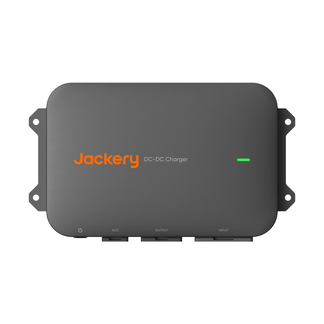
A 60A DC-to-DC charger (like a Victron Orion) paired with a LiFePO4 battery lets you recharge from the vehicle alternator while driving, solving the problem when solar alone can’t keep up. In two hours of highway driving, you can pump 60Ah back into the battery — that’s over 700Wh. DC-to-DC MPPT chargers combine alternator and solar charging into one unit, simplifying wiring and optimizing both sources.
If you’re running an air conditioner on battery, a soft start device is non-negotiable. It reduces the initial amp draw at compressor startup and prevents the system from tripping. Without it, the surge can chew through your buffer in seconds.
For AC users with limited roof space, a small 2,000W inverter generator is often cheaper and more efficient than building a $7,000 lithium bank that still might not make it through a hot night. Use the generator to recharge the battery in the evening, then let the battery handle the quiet loads overnight. This hybrid approach preserves your buffer for days when you don’t run the generator.
If you’re interested in integrated backup power for appliances, building a secure power backup at home can inform your mobile design — the same principles of load auditing and buffer apply.
Three Road Trip Scenarios That Test Your Buffer (and How to Plan for Each)
Consecutive cloudy days in the Pacific Northwest. Solar harvest can drop to 20–30% of rated output for 3–5 days straight. If your buffered daily harvest is 960Wh, you’ll need a battery bank that can cover 3,000–4,800Wh of consumption. A 200Ah LiFePO₄ battery (2,400Wh) plus a 200W panel array won’t cut it. You need either a 400Ah bank or a generator to bridge the gap.
High-altitude or desert trips. Intense sun pushes panel temperatures above 40°C, reducing voltage and potentially pushing charge controllers into current limiting. The buffer protects against that heat loss, but you also need to ensure your charge controller can handle the voltage headroom. MPPT controllers are essential here.
Frequent driving between dispersed campsites. Panels are folded away for hours, losing charging time. A stationary setup might capture 6 hours of sun; a mobile setup might only get 3. The buffer must account for those lost hours. A DC-to-DC charger becomes the primary charging source, and the battery bank needs to be large enough to ride through the night.
Test a portable 200W solar kit at home for several days before committing to a permanent roof mount. Real-world performance often falls short of expectations, and you’ll want to adjust your buffer before you’re off-grid.
Limitations / What to Know Before Building a 12V Solar Battery System
The 20% buffer is a rule of thumb for a reason — it’s not a guarantee. Here’s what it won’t fix:
- Air conditioning without a massive battery bank. A 5,000 BTU window unit draws 500–600W running (30–50 amps at 12V) and 1,500W starting. Over a 10-hour night, that’s 5,000–6,000Wh. Even with a 20% buffer, you’d need a 7,000Wh battery bank and a 1,200W solar array. That’s not a portable setup; it’s a stationary system.
- Multiple cloudy days with no generator. The buffer handles daily losses, but it doesn’t create energy out of nothing. Plan for the worst weather you’ll encounter, and carry a backup charging source.
- Cheap charge controllers. A PWM controller in a shaded, hot environment will waste more power than the buffer can compensate for. Invest in MPPT.
- Wiring mistakes. The buffer assumes a properly installed system. Loose connections, undersized cables, and corroded terminals will eat your margin and create safety hazards. High current through a bad connector can overheat in seconds.
- Expecting lab-rated panel output. Never assume a 200W panel will give you 200W. Build your array around the 85% real-world figure, then apply the buffer on top of that.
If you’re looking for a plug-and-play alternative that doesn’t require hardwiring, portable battery backup generators can simplify the equation — but you still need to do the load math.
Matching Your Buffer Requirements to a Portable Solar Generator
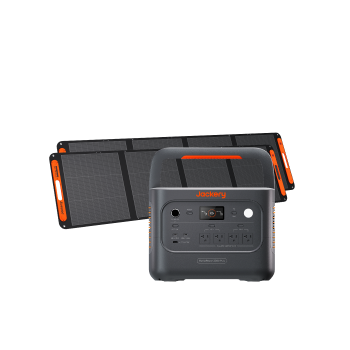
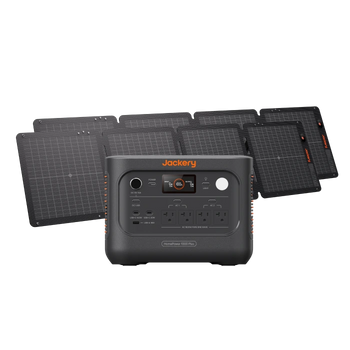
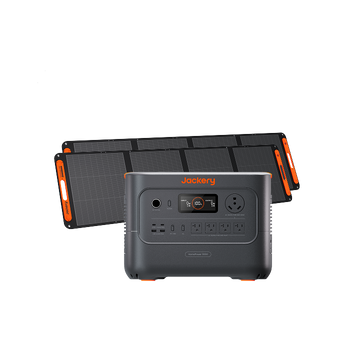
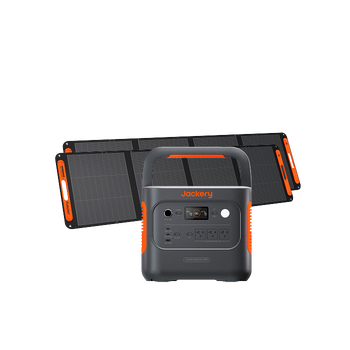
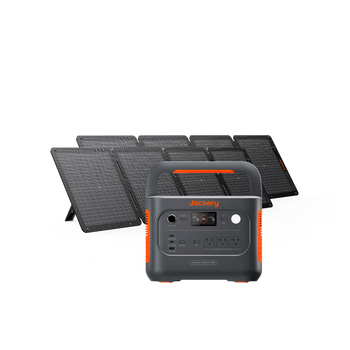
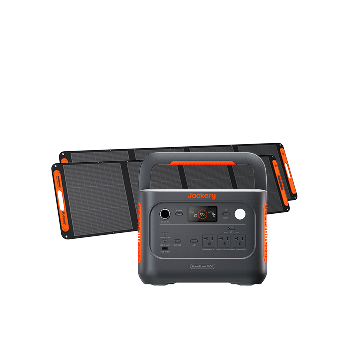
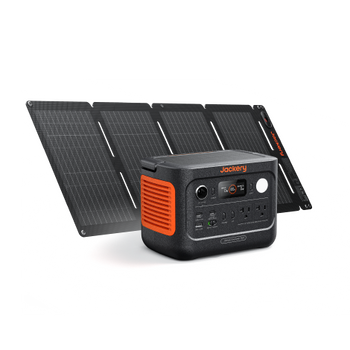
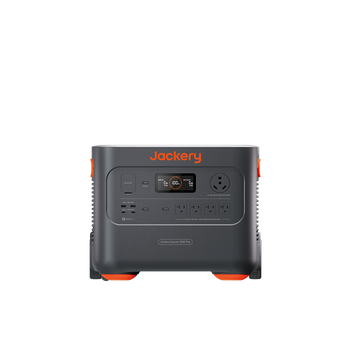
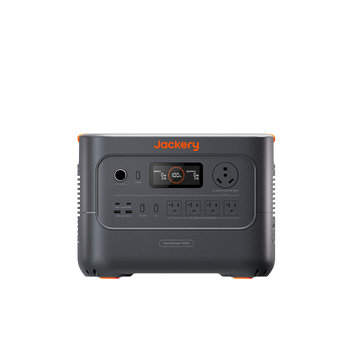
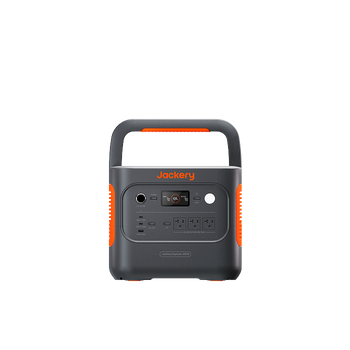
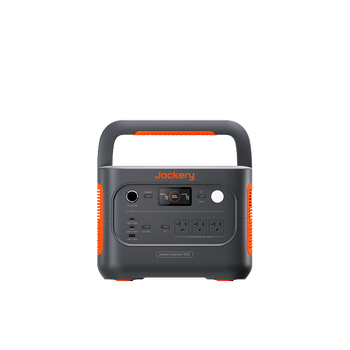
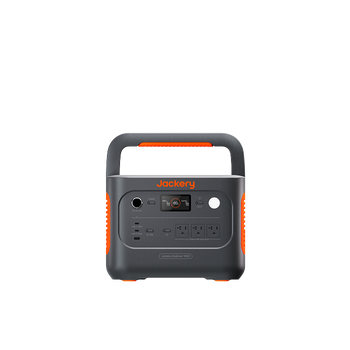
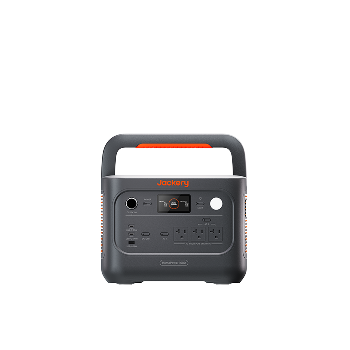
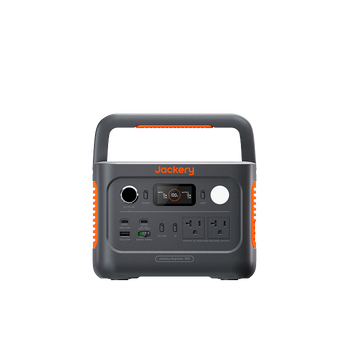
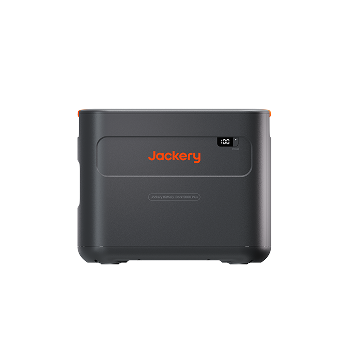
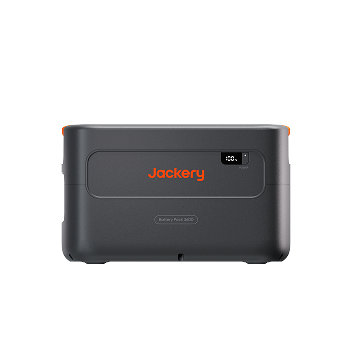
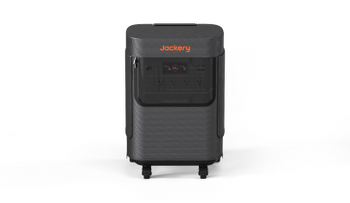
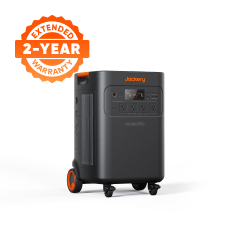
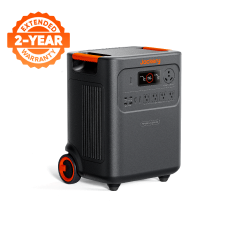
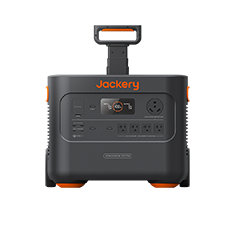
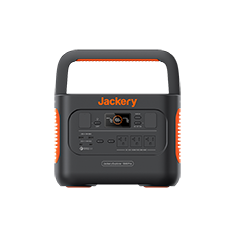
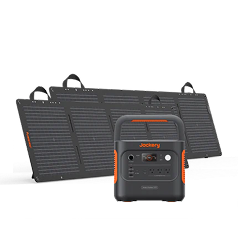
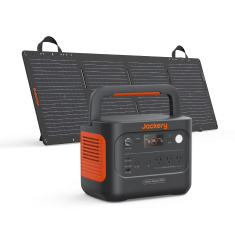
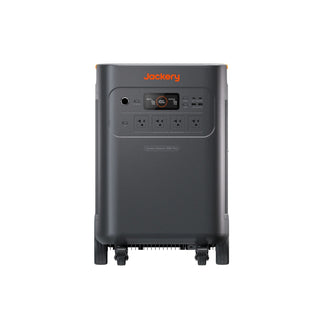
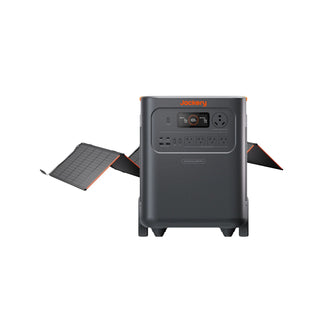
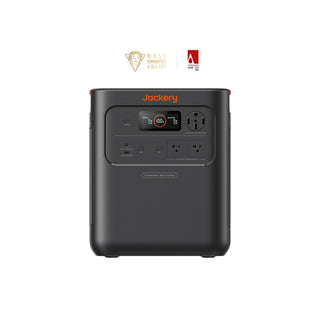
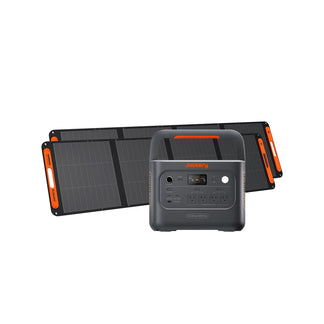
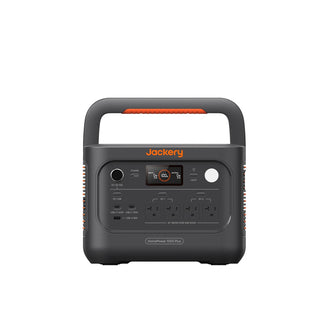
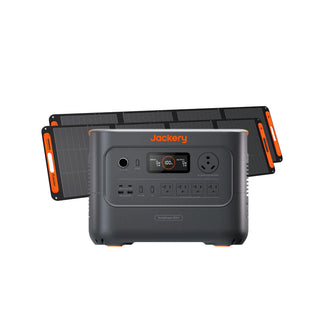
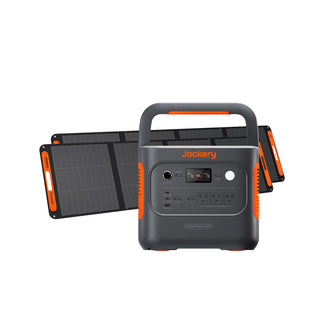
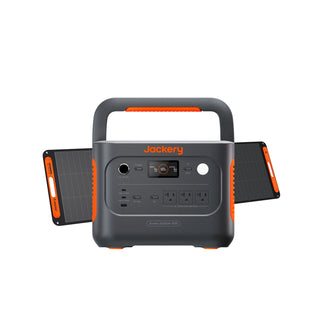
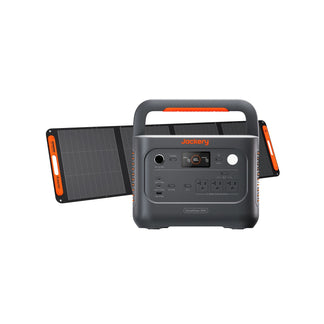
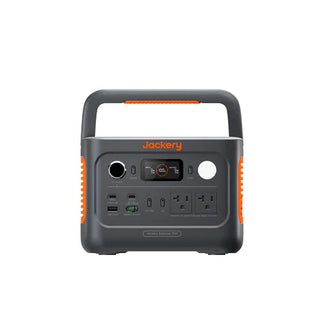
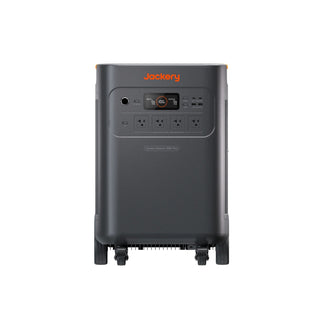
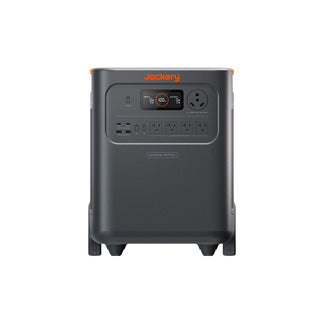
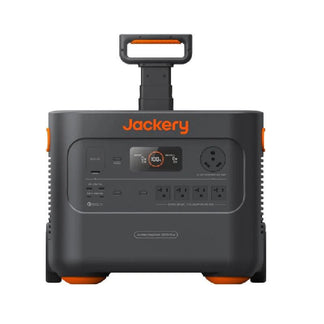
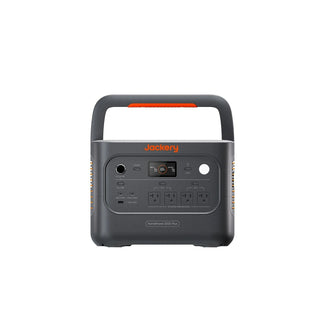
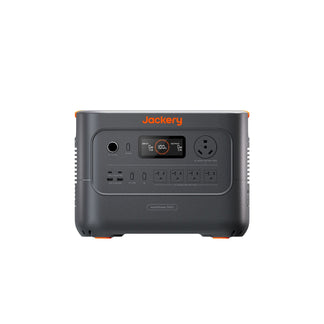
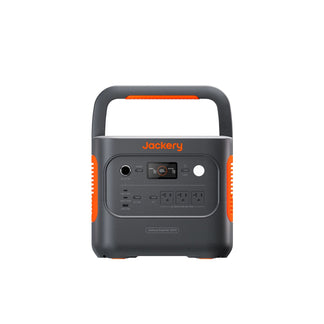
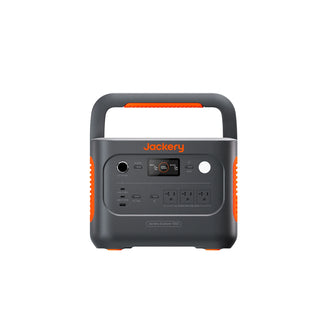
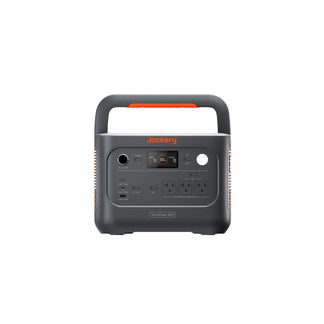
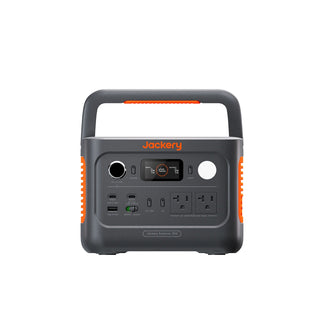
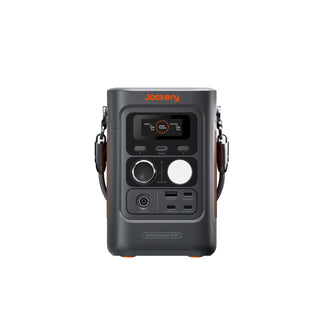
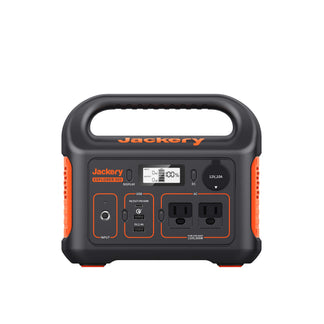
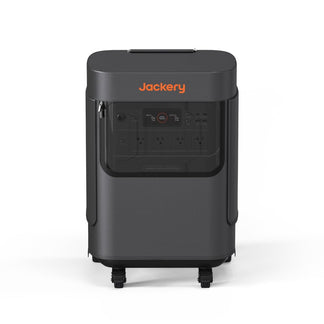
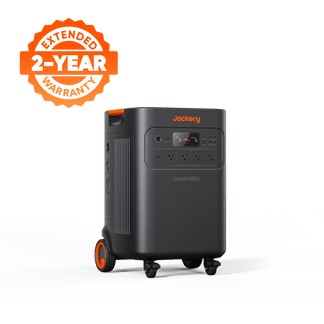
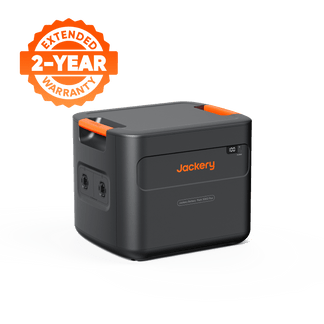
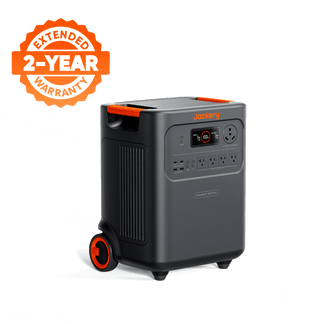
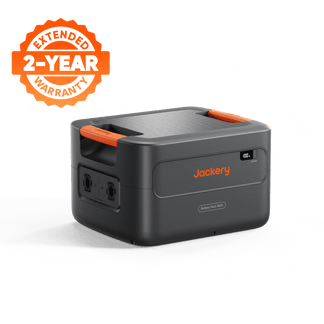
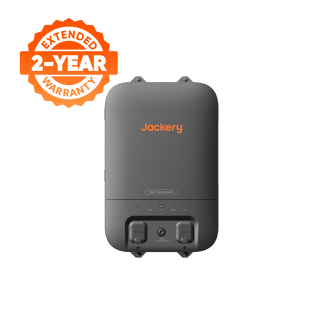
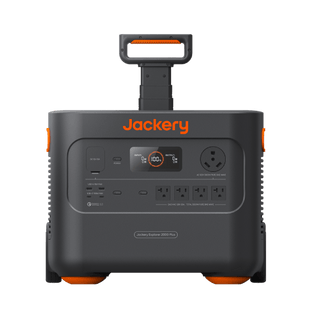
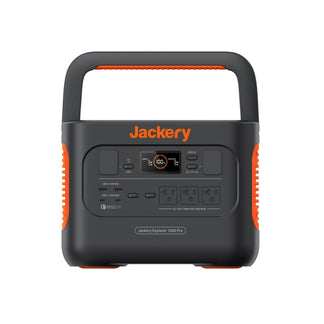
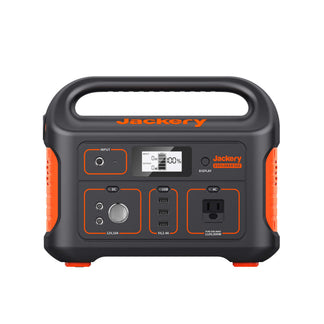
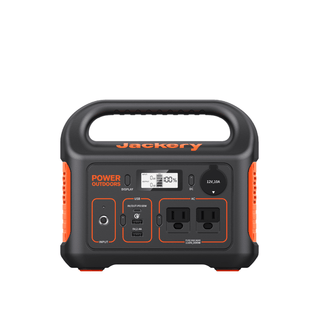
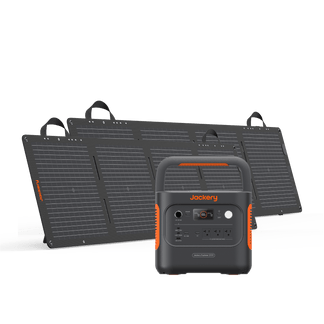
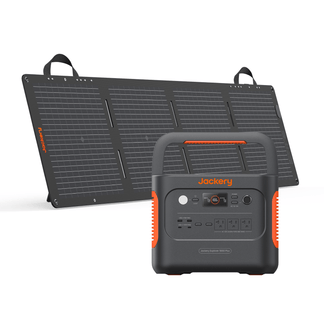
A portable solar generator like Jackery’s LiFePO₄-based systems integrates battery, inverter, and charge controller, simplifying buffer planning for road trips. Pair them with portable panels to hit your buffered solar harvest target.
Model |
Battery Capacity |
Continuous Output |
Real-World Panel Charging |
Best For |
Jackery Solar Generator 2000 v2 |
2,042Wh |
2,200W (4,400W surge) |
Up to 400W with four SolarSaga 100W panels |
3–5 day off-grid trips where cloudy-day buffer is needed, large fridge + device loads |
Jackery Solar Generator 1000 v2 |
1,070Wh |
1,500W (3,000W surge) |
Up to 200W with two SolarSaga 100W panels, recharges in ~8 peak sun hours |
Weekend trips with daily loads under 800Wh, small fridge, lights, and charging |
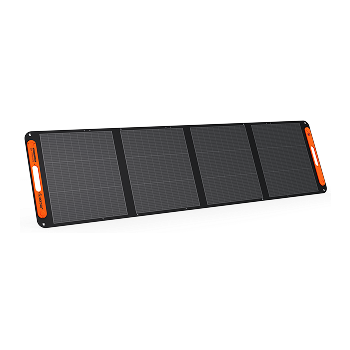
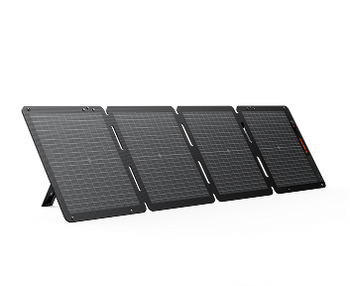
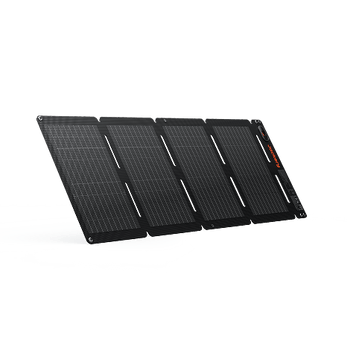
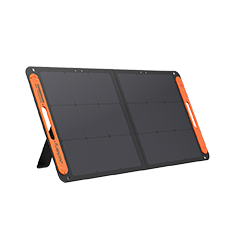
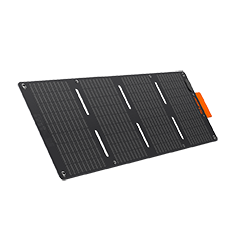
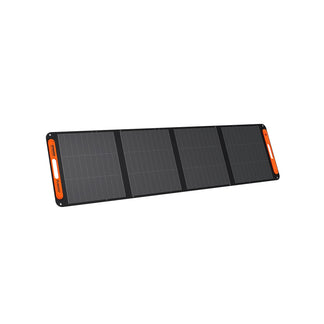
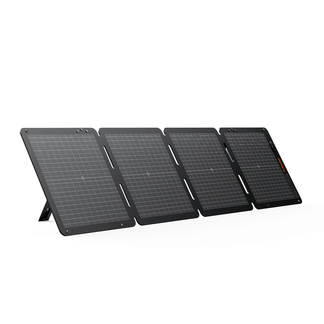
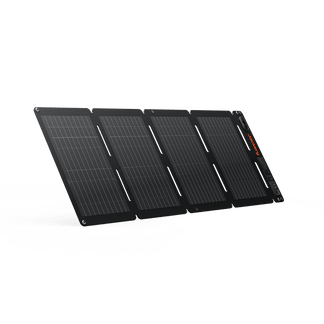
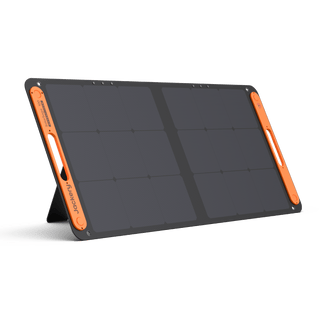
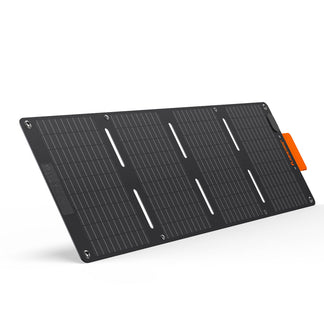
The Jackery SolarSaga 100W Solar Panel:
- Efficiency: 24.3% monocrystalline, folds to 7.94 lbs.
- Real-world output: 85–90W per panel in mobile conditions.
- Kickstand: Built-in for repositioning to avoid tilt losses.
- Portability: Easy to set up and take down at changing campsites.
For a 960Wh buffered daily harvest, you’d need three SolarSaga 100W panels in a 4-hour sun zone, or two in a 6-hour zone. The Solar Generator 2000 v2 can handle that input and store the surplus, preserving your buffer for the next cloudy day.
Frequently Asked Questions (FAQ)
How do I maintain my 12V compressor fridge for efficiency?
Clean the condenser coils and ensure adequate airflow around the unit so the compressor runs less. A dusty, crowded fridge bay can double its duty cycle.
What size fuse should I use between my battery and inverter?
Select a fuse rated for your inverter’s maximum continuous current draw, as specified in the inverter’s manual. For a 1,500W inverter on a 12V system, a 200A fuse is typical. Always use a fuse with a DC voltage rating higher than your battery voltage.
Can I leave my LiFePO₄ battery unused for several months?
Store it at 50–60% state of charge in a cool, dry location away from freezing temperatures to maximize calendar life. A full charge accelerates degradation.
How does a battery management system protect my lithium battery?
A BMS disconnects the battery from the load or charger when it detects overcharging, deep discharge, short circuits, or overheating, preventing permanent cell damage.
What happens to my battery system in freezing temperatures?
Disable charging of a LiFePO₄ battery below 0°C (32°F) to avoid permanent damage. Discharge capacity drops by up to 30% in extreme cold, so your buffer needs to be even larger.


