

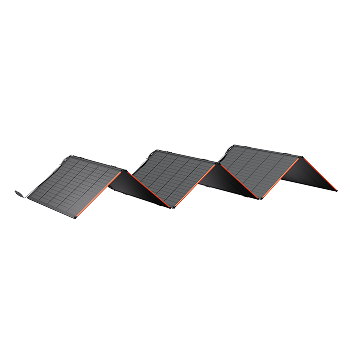
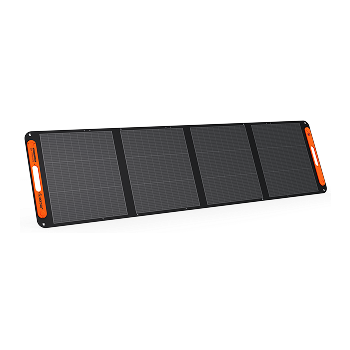
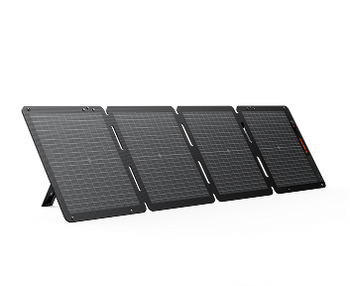
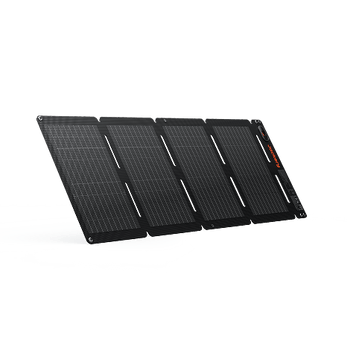






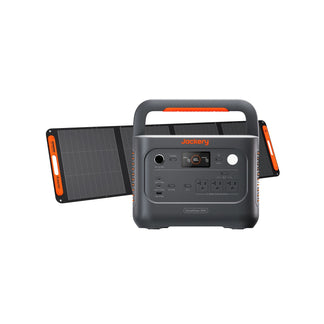
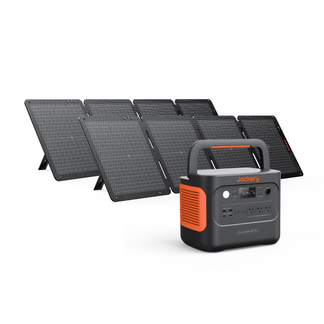
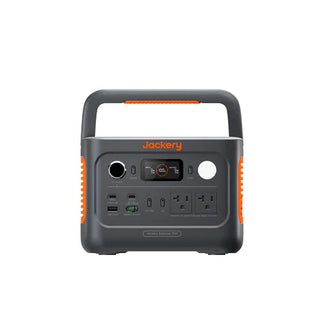
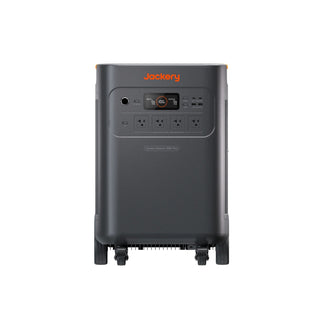

![[Add-on] Jackery SolarSaga 500 X - Jackery](http://www.jackery.com/cdn/shop/files/add-on-jackery-solarsaga-500-x-1493607.webp?v=1786503068&width=324)
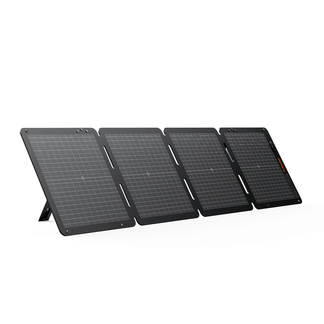
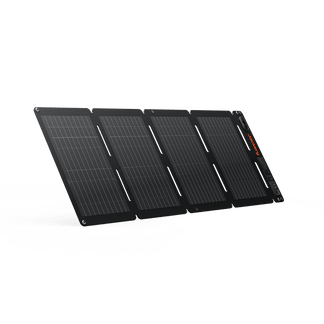
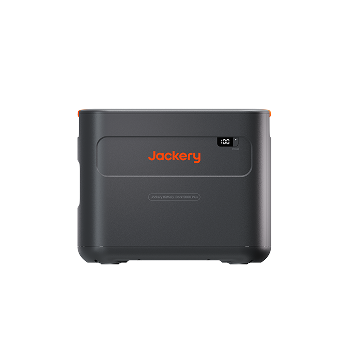
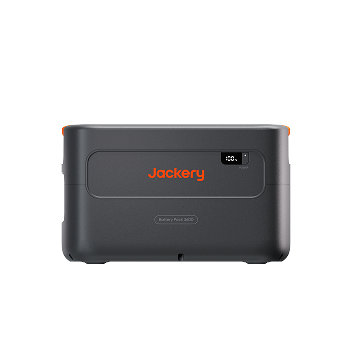
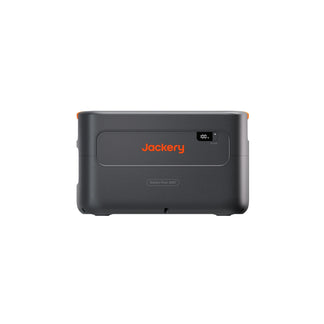
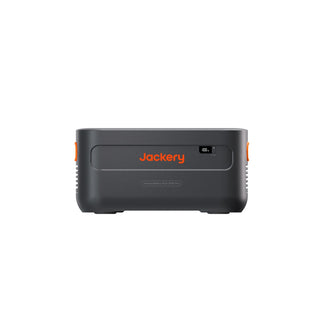
![[Add-on] Jackery Battery Pack 5000 Plus - Jackery](http://www.jackery.com/cdn/shop/files/add-on-jackery-battery-pack-5000-plus-6713401.webp?v=1786503068&width=324)






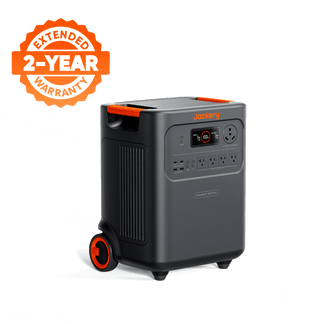
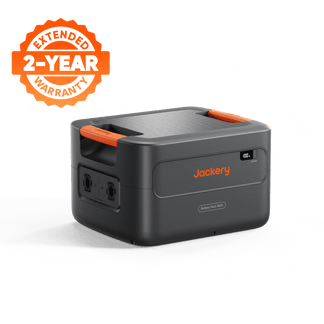
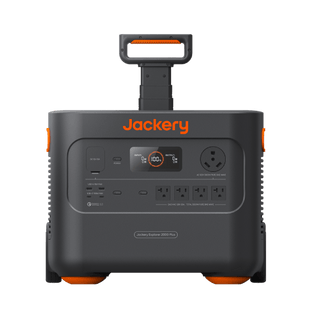
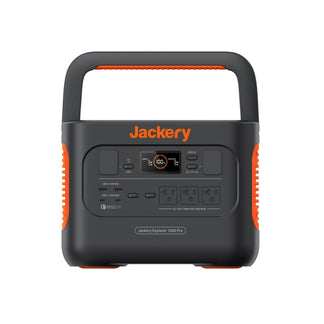


Quick Answer: A 2000W portable power station (solar generator) runs 95% of van loads — induction cooktops, hair dryers, power tools — without the heavy idle draw or installation complexity of large DIY inverter setups. Pure sine wave output is standard in 2026, and pairing a station with 2000Wh+ of LiFePO₄ capacity gives practical runtime. App control or a remote switch eliminates standby drain.
Key Takeaways:
- A 2000W power station delivers up to 2200W continuous (4400W surge) handling high-demand appliances without worrying about external cabling or battery matching.
- Pure sine wave is already built-in, ensuring safe operation of induction cooktops, laptops, and variable-speed tools.
- Minimum recommended internal battery: 2000Wh LiFePO₄ (or 400Ah lead‑acid equivalent) to avoid voltage collapse under heavy loads.
- Smart app control or remote on/off switching eliminates idle draw, preventing unnecessary battery drain.
- Integrated management systems handle surge spikes (e.g., microwave or compressor startup) automatically.
Why 2000W Is the Sweet Spot, Not Just a Number
A 2000‑watt portable power station covers:
- Induction cooktops (1800W), hair dryers (1500W), microwaves (1000–1400W), and power tools, with manageable idle draw.
- Units above 3000W pull 30–60W idle, but a 2000W station keeps this low, and a remote app or power button can turn AC output off entirely.
- Pure sine wave (PSW) is standard, avoiding modified‑sine issues: induction cooktops malfunction, laptops buzz, and motor‑driven appliances lose 15–20% efficiency. In 2026, PSW is a given.
Why 2000W Defines the Practical Ceiling for 12V Camper Van Systems
Push past 2000W on a 12V system and physics pushes back hard — but a portable power station engineers out the complexity. The inverter, battery, BMS, cooling, and internal wiring are perfectly matched at the factory. The internal design solves:
- 185A peak current: Precisely sized cabling and circuit traces handle full‑load current without user intervention — no voltage‑drop calculations, no 1/0 AWG guesswork.
- Battery and BMS synergy: The internal LiFePO₄ battery is directly paired with a BMS that sustains the station’s rated output, so you never worry about tripping a separate battery’s BMS.
- Surge capacity: A quality 2000W station provides 4400–6000W surge for 5–10 seconds, absorbing startup spikes from microwaves (2500W) and compressor fridges without a hiccup.
Matching Battery Capacity to a 2000W Power Station: The Math That Matters
Key capacity facts:
- A 2000W station needs at least 2000Wh of LiFePO₄ to avoid voltage collapse, giving about 50 minutes at full tilt.
- LiFePO₄ delivers 80–100% usable capacity, while lead‑acid offers only 50% before voltage sag.
- Runtime = (Usable Wh × Efficiency) ÷ Load in Watts
- Real‑world loads are rarely full‑tilt — a 700W microwave triples usable time compared to an 1800W induction cooktop.
Built‑in Battery (LiFePO₄) |
Usable AC Energy |
Runtime at 2000W |
Runtime at 700W (microwave) |
1000Wh (≈100Ah eq.) |
0.85 kWh |
~25 min |
~1.2 hours |
2000Wh (≈200Ah eq.) |
1.7 kWh |
~50 min |
~2.4 hours |
3000Wh (≈300Ah eq.) |
2.55 kWh |
~1.3 hours |
~3.6 hours |
A 1000Wh station can handle short bursts but drains in under 30 minutes at full load. The practical minimum is 2000Wh; for a 30‑minute induction cooktop meal, a 3000Wh+ model is safer. For more on sizing batteries for home backup, see our guide on home backup power system options.
Lead‑acid users face a harsher reality. A station with 2000Wh of lead‑acid yields only 1000Wh usable. At 2000W, you’d get roughly 32 minutes before voltage collapse, and repeated deep discharges kill the battery quickly. That’s why LiFePO₄ is now the industry standard in portable power stations.
Pure Sine Wave vs. Modified Sine Wave: Why the Choice Is Already Made at 2000W
Modified sine wave causes three concrete problems: induction cooktops malfunction; motor‑driven appliances lose 15–20% efficiency; and sensitive electronics buzz or degrade. All quality 2000W portable power stations already deliver pure sine wave, so you simply verify.
Portable Power Stations: No Installation, No Hidden Headaches
A portable power station bundles the inverter, battery, charge controller, and safety components into a single plug‑and‑play enclosure. Without touching a wire you get:
- Built‑in fusing and overload protection (Class T‑type)
- Active cooling with temperature‑controlled fans
- Integrated UPS switching (<20ms)
- Short internal wiring engineered to spec
- App monitoring for real‑time status and remote shutdown
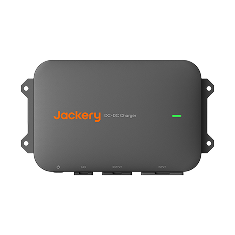
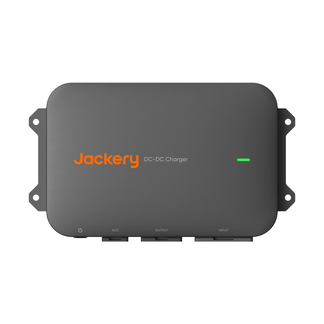
For van integration, simply plug the station into your existing AC outlets or a generator‑ready inlet. Recharging happens via solar, alternator (with a DC‑DC charger), or shore power — no wiring‑level decisions required. For a deeper look, see our article on building secure power backup for appliances.
Common Beginner Questions & Expert Advice
Is a 2000W power station too big for my van?
The practical minimum is 2000Wh. A 1000Wh unit works for light loads only.
Do I need pure sine wave just for charging a laptop?
Yes — modified sine can cause buzzing, overheating, or failure. All quality 2000W stations output pure sine wave, so just confirm.
What solar input should I look for on a 2000W station?
Most stations in this class accept 400–800W of solar input, enabling a full recharge in 3–7 hours of good sun. The Jackery Explorer 2000 v2, for example, accepts up to 400W. Choose a station whose solar input supports your roof panel array, and use the manufacturer‑recommended cables — no separate charge controller needed.
Can I upgrade from a 1000W power station to a 2000W one without rewiring?
Yes, the station’s AC output is self‑contained, so no rewiring of outlets is needed. Ensure your charging sources can refill the larger battery and check DC port compatibility.
Expert Tip: Surge Ratings — Ensure a 4000–6000W surge rating with 5–10 seconds duration to handle compressor and microwave startups; cheap units may only sustain a fraction of a second.
Expert Tip: Bluetooth Monitoring — Bluetooth connectivity provides real‑time data and remote shutdown. For emergency backup setups, explore our best emergency battery backup power guide.
Limitations: Common Mistakes When Selecting a Van Power System (And How Portable Stations Avoid Them)
- Standby power draw: 30–60W idle can drain the battery in under 24 hours; use the app to turn AC off.
- Cable gauge: All high‑current wiring is internal and pre‑sized; no 1/0 AWG needed.
- Surge loads: A microwave can spike to 2500W; ensure the station’s surge rating lasts 5+ seconds.
- Mixing battery chemistries: Stations use a single matched LiFePO₄ pack, avoiding undercharging issues.
- Remote switch: Remote AC off‑control eliminates idle drain; use the app or physical button.
Product Solutions for Your 2000W Camper Van Setup
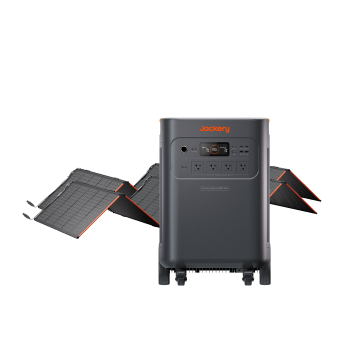
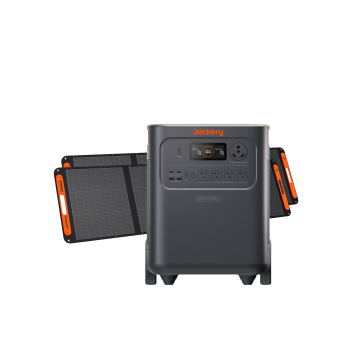
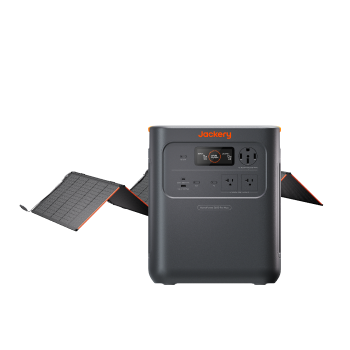
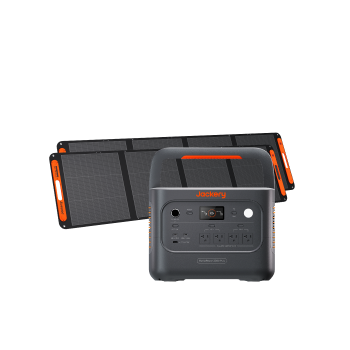
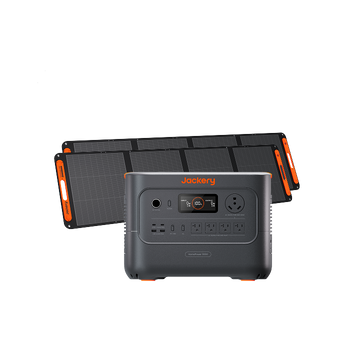
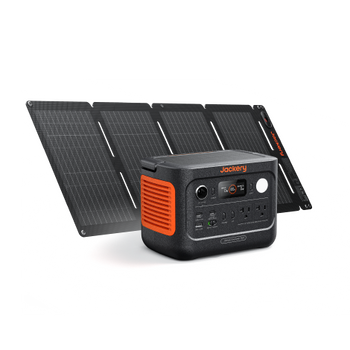
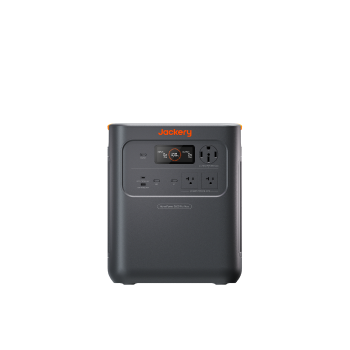
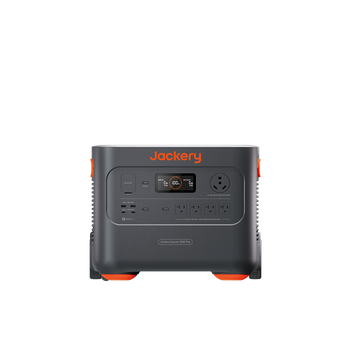
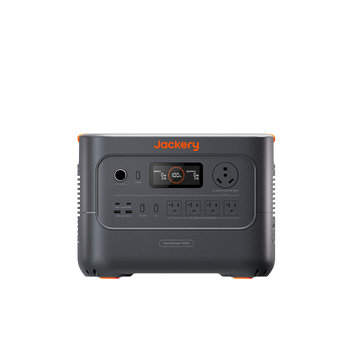
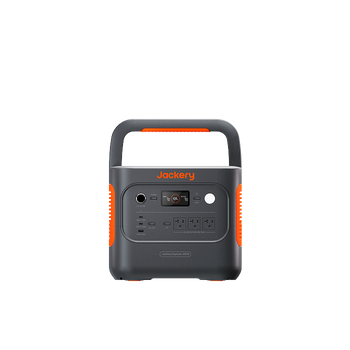
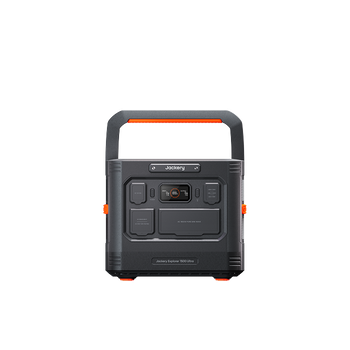
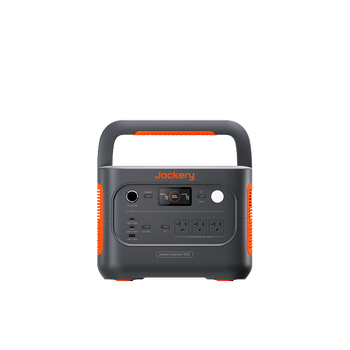
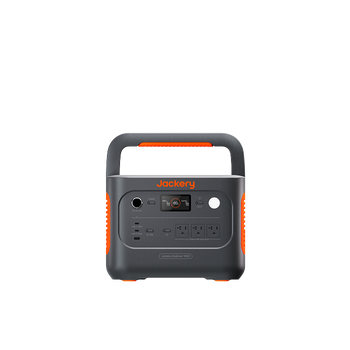
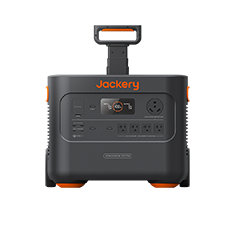
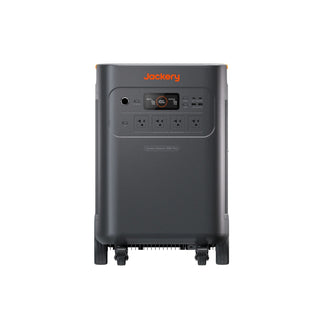
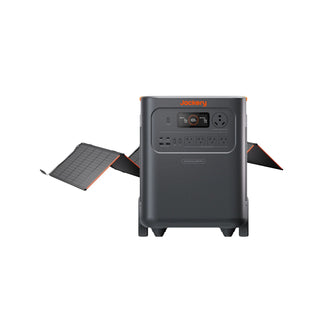
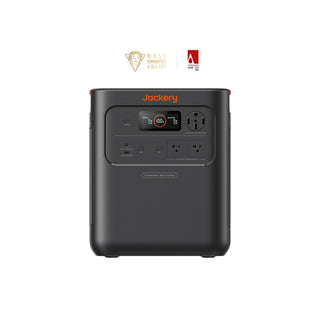
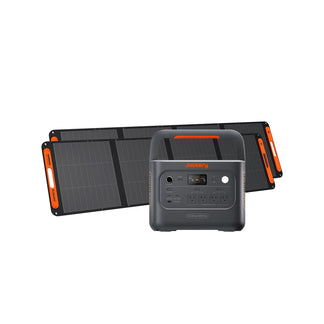
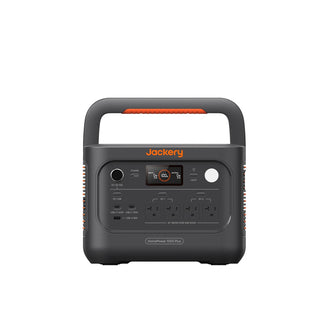
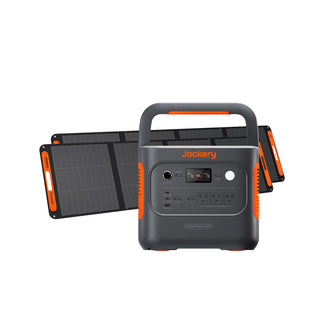
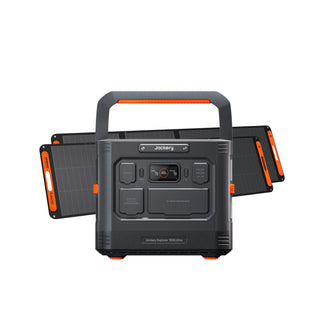
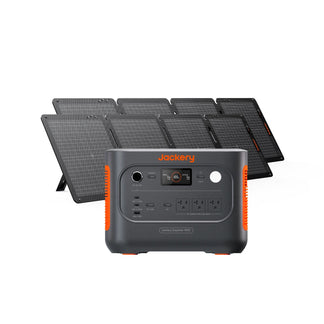
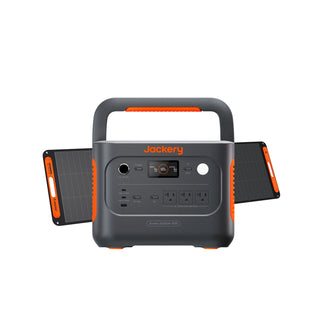
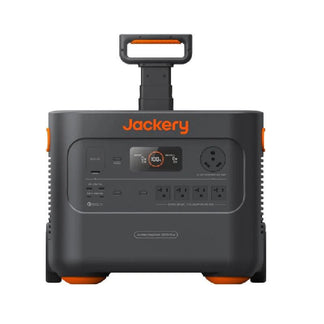
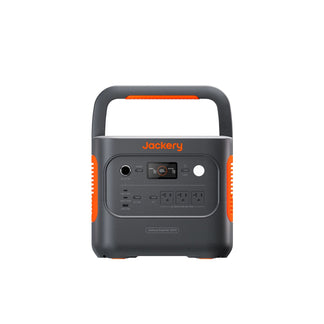
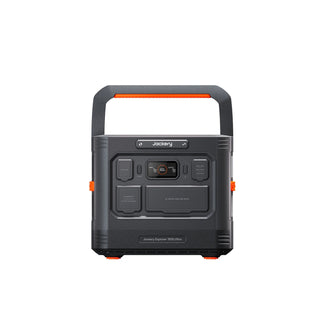
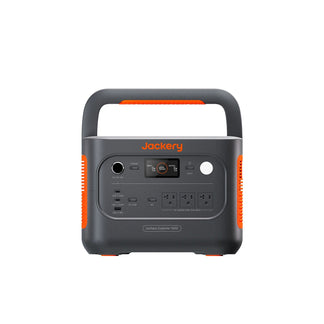
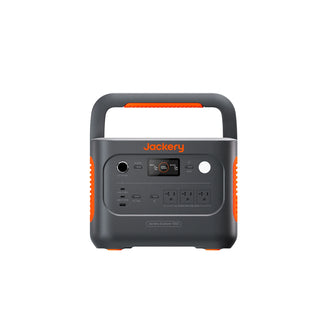
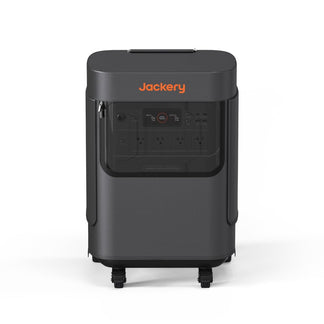
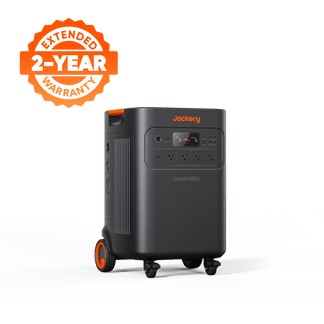
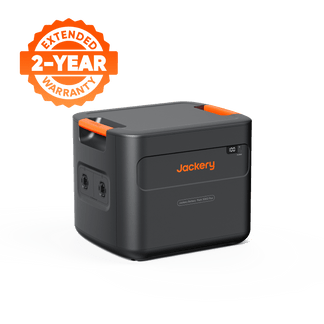
As discussed above, these stations deliver pure sine wave and 4400W surge in a plug‑and‑play form factor. Here’s how the two Jackery models compare:
Feature |
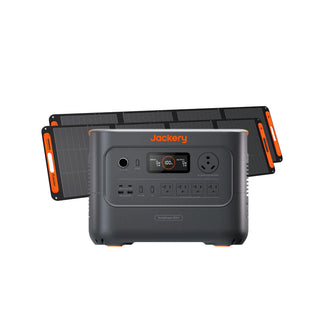
Jackery Solar Generator 2000 v2 |
Jackery Explorer 2000 v2 |
Battery Capacity |
2042Wh LiFePO₄ |
2042Wh LiFePO₄ |
Included Solar Panels |
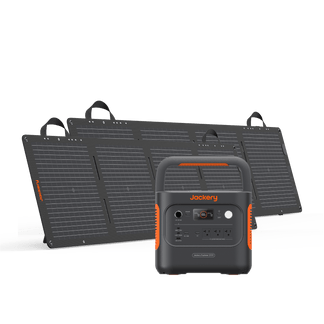
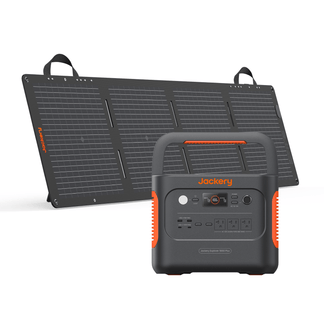
Two 100W SolarSaga panels |
None (power station only) |
Solar Input |
Expandable to 400W (7.5‑hr full recharge) |
Expandable to 400W |
UPS Switching |
<20ms |
<20ms |
Weight |
39.5 lb (station) + panel weight |
39.5 lb |
Key Benefit |
Ready‑to‑use solar generator with panels for immediate off‑grid charging |
Standalone power station for vans with existing solar or alternator charging |
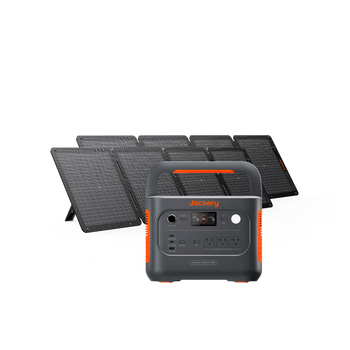
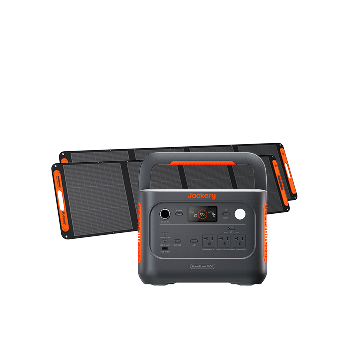
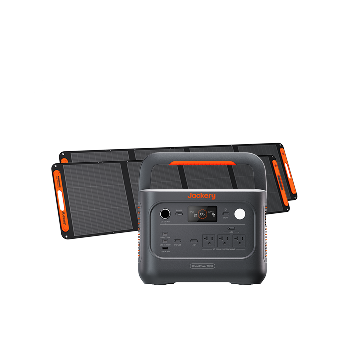
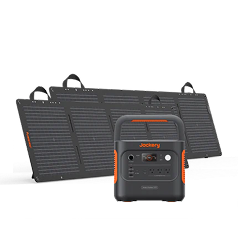
The Solar Generator 2000 v2 bundle includes two 100W panels, letting you start solar charging right out of the box. The Explorer 2000 v2 is the same station without panels — ideal if you already have rooftop solar or plan to charge primarily via alternator. Both units cover essential kitchen loads with room to spare:
- Microwave (1160W): 1.5 hours runtime
- Fridge (520W): 3.2 hours runtime
For a broader comparison of battery backup generators, see our best battery backup generators guide.
Frequently Asked Questions (FAQ)
Can I run a 2000W power station from my vehicle’s alternator?
Yes, but you need a high‑output alternator (200A+) and a DC‑to‑DC charger to safely recharge the station without damaging the alternator or starter battery.
Do I need a separate battery isolator for a 2000W power station?
Yes, a battery isolator or DC‑to‑DC charger is required to protect your starter battery from being drained when you recharge the house power station from the alternator.
Will a 2000W power station run a 1500W space heater continuously?
Yes, but it will drain a 2000Wh battery in under 1.5 hours at full load.
Can I connect a 2000W power station directly into my van’s AC panel?
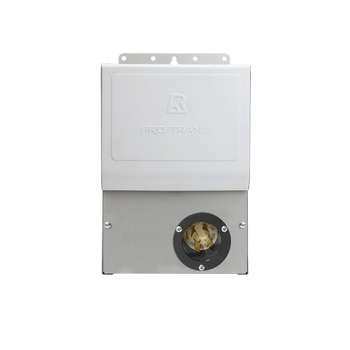
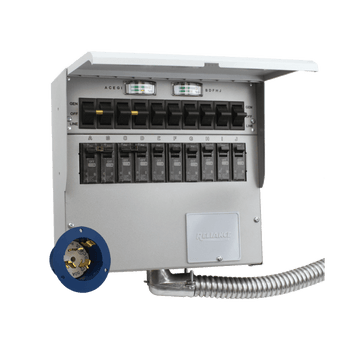
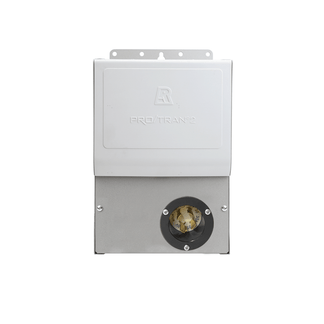
Yes, some stations support pass‑through output to a transfer switch, but installation should be done by a qualified electrician to prevent backfeeding and ensure safe disconnection from shore power.
What size battery do I need for a 2000W power station?
The station’s internal battery is all you need — at least 2000Wh LiFePO₄. Check the product specifications; you never have to size an external bank.


